
Tabelog 100 #98
Our verdict
Shina Soba Wanwan Ken Honten puts Itano-gun into Japan’s serious ramen conversation through a low-price, high-throughput format rather than luxury signals. The draw is Tokushima-style shina soba culture: regional ramen built for regular use, with counter seats, tables, tatami seating, take-out, and Tabelog Ramen WEST 100 recognition in 2025, 2024, 2023, and 2020.

Pearl is the En Primeur Club membership app, where members save venues, book tables and use the concierge.
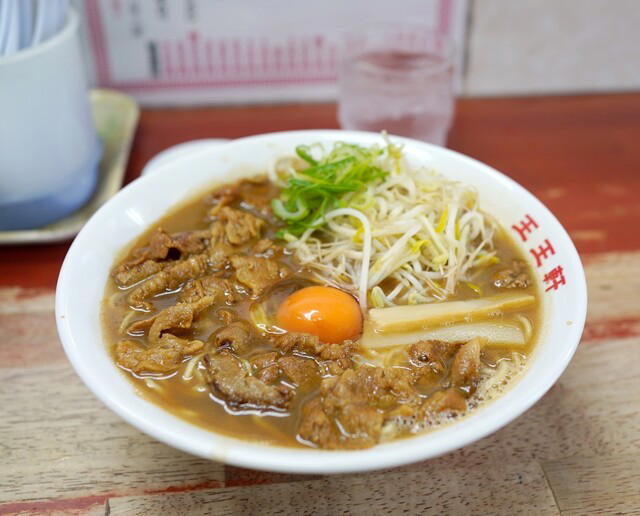
The menu
What to order
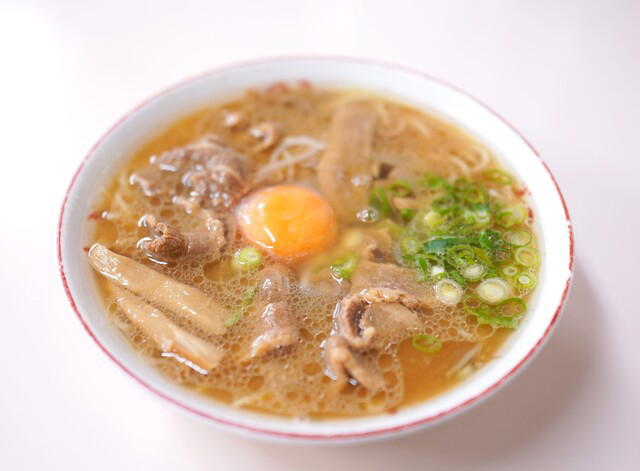
- Shinasoba Niku Tamago-iri (ramen with pork and egg)
- Rich pork-and-chicken bone shina soba
- Tsukemen (dipping noodles)
- Abura soba (soupless ramen)
- Shio ramen
The approach is local and practical rather than station-front theatre: a ramen shop in Itano-gun, framed by the kind of everyday noodle culture that rewards repeat visits more than spectacle. That matters in Itano-gun, where the strongest casual addresses are not necessarily built around long tasting-menu suspense. They run on repetition, price discipline, and a bowl-by-bowl usefulness tied to everyday appetite.
Shina Soba Wanwan Ken Honten is best read through the facts available for it: a ramen venue in Itano-gun with a listed Tabelog score of 3.70, a budget shown under JPY 999 for both lunch and dinner, and 2025 Tabelog Hyakumeiten recognition. Those details give the shop a measurable place within Japan’s ramen field without requiring inflated claims about rarity, luxury, or ceremony.
Tokushima ramen judged by local usefulness, not ceremony
The useful way to read this address is through structure rather than chef mythology. Regional ramen shops succeed when their bowl, pacing, and service remain consistent across repeated daily use. In Itano-gun, the point is not rarity for its own sake; it is whether a ramen shop can carry local expectations at lunch, after errands, or as a quick stop. The price band under JPY 999 reinforces that position. This is not premium ramen staged as a special-occasion object. It is an inexpensive, category-specific shop that has earned outside recognition without leaving the everyday bracket.
That price signal also changes the comparison. In Itano-gun, Maruike Seimenjo sits in a similarly accessible noodle economy, though each address answers a different kind of casual craving. Maruike points toward practical noodle dining; Wanwan Ken points toward a ramen identity within the same local field. For travellers building a noodle day around the area, the pairing says more about eastern Shikoku than a single luxury reservation would: two low-cost formats, both dependent on turnover, local repeat customers, and consistency rather than ceremony.
The Tabelog score of 3.70 is useful context in Japan, where review scores can compress and a high-three rating may indicate serious local traction. The price range tells the rest of the story. This is a ramen shop designed around approachable daily use, not a specialist counter built around hushed concentration. That mix suits the role suggested by the listing: quick enough for routine, specific enough to justify a detour.
Ingredient logic in a low-price ramen shop
Ingredient sourcing is often discussed through luxury language, but ramen makes the question more practical. At this tier, value depends on whether the shop can keep the bowl coherent and satisfying while staying within a daily price most locals can repeat. A sub-JPY 999 bracket leaves little room for ornamental excess. It rewards kitchens that put attention where diners notice it first: the bowl’s core structure, service speed, and reliability over time.
Wanwan Ken’s format supports that reading. The category is ramen, the budget is listed below JPY 999 for both lunch and dinner, and the recognition comes from a platform that tracks exactly this kind of repeatable everyday dining. None of those details are glamorous, but they explain why a regional ramen shop can remain useful while drawing national ramen attention. The award recognition is not a fine-dining halo; it is evidence that an ordinary format is being taken seriously by a national restaurant culture that knows how demanding ordinary ramen can be.
The local setting matters for travellers, too. This is not the walkable dining circuit of a larger Japanese city, and it should not be read as a venue that asks the evening to orbit around formality. For visitors staying in or moving through Itano-gun, that is the point: this is a local noodle stop with enough recognition to justify planning around it, while still keeping the scale and price logic of everyday ramen.
How to place it in an Itano-gun food day
The strongest itinerary around Itano-gun is not built by chasing luxury categories. It works by reading the area through practical food traditions, noodle shops, and regional casual dining where price remains part of the appeal. Start with a broader Itano-gun dining map, then decide whether the stop belongs to a noodle-focused day or a wider Tokushima route.
For readers comparing across Japan rather than only Shikoku, the contrast is instructive. Casual dining rooms in other regions express different versions of Japan’s everyday restaurant economy: simple meals, counter formats, small-format restaurants, and other local staples all resist a single national template. Use those wider references sparingly. Shina Soba Wanwan Ken Honten is most useful when read on its own terms, as a ramen address whose price, score, and 2025 recognition sit inside a local pattern of demand.
Outside Japan, the comparison shifts again. Japanese food abroad often speaks to export and adaptation. A ramen shop in Itano-gun presents the opposite problem: a local form that makes full sense only when price, setting, and routine remain connected. That is why this Itano-gun ramen stop is more interesting than its modest format suggests. It shows how regional Japanese food can earn national attention without becoming detached from everyday use.
Frequently asked questions
Does Shina Soba Wanwan Ken Honten work for a family meal?
Yes. It is best understood as an approachable ramen shop in Itano-gun, with a low price range that makes it easier to fold into an everyday meal rather than a formal occasion.
Is Shina Soba Wanwan Ken Honten better for a quiet night or a lively one?
It reads as a practical ramen stop rather than a nightlife venue. The appeal is the bowl, the price discipline, and the local usefulness of the format.
What price level is Shina Soba Wanwan Ken Honten?
Pricing at Shina Soba Wanwan Ken Honten is listed as - JPY 999 - JPY 999, with both lunch and dinner budgets shown under JPY 999.
Where exactly is Shina Soba Wanwan Ken Honten?
Itano-gun.
Do they take walk-ins at Shina Soba Wanwan Ken Honten?
The provided listing does not give a specific walk-in or reservation policy. Treat it as a casual ramen address in Itano-gun and check current details before making a special trip.
A Quick Peer Check
Comparable venues by cuisine and price in the same metro.
| Venue | Cuisine | Price | Awards | Notes |
|---|---|---|---|---|
| Shina Soba Wanwan Ken HontenThis venue (the venue you are viewing) | Tokushima-style ramen (shina soba) | Not listed | Tabelog 100 #98 | Not listed |
| Maruike Seimenjo | Traditional Sanuki Udon Shop | $1–10 | Tabelog 100 #86 | Itano-cho |
| 麺dining 月乃家 | Japanese Tsukemen and Ramen | Not listed | Not listed | 有田川町 |
| Umaiya Takoyaki | Traditional Osaka Takoyaki | $1–10 | Not listed | Tenma |
| Ishikawa Shoten | Yakitori & chicken dishes | Not listed | Tabelog 100 #79 | Tokushima |
| Muguruma | Traditional Sanuki Udon | $1–10 | Tabelog 100 #64 | Higashikagawa |
Recognition history
Dated appearances from independent guides and award organizations, with the underlying list record or original source where available.
Tabelog 100 #98 · No. 98
Tabelog · Tabelog 100 - Ramen - WEST - 2025
Continue exploring
More in Itano-gun
Details
- Lively
- Classic
- Solo
- Casual Hangout
- Family
- Group Dining
- Standalone
- A La Carte
- Counter Dining
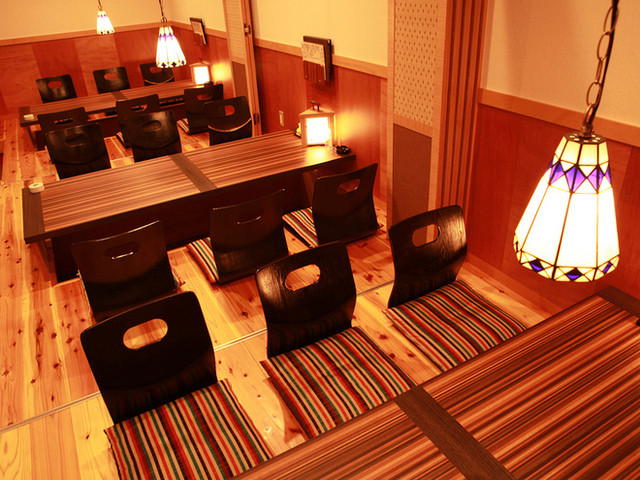
Casual, no-frills ramen house with counter seats and small tatami areas, focused on efficient dining and a bustling atmosphere during peak hours.