Chuí

Chuí holds consecutive Michelin Plate recognition (2024 and 2025),400 reviews, making it one of the most scrutinized vegetarian addresses in Buenos Aires. Located in the Villa Crespo neighbourhood at Loyola 1250, it occupies the mid-price tier ($$) in a city whose fine-dining conversation rarely centres on plant-based cooking. For travellers rethinking Argentine cuisine beyond the asado, it is a credible editorial stop.
Pearl is the En Primeur Club membership app — saves, bookings, and concierge access live there. Same editors, same standards.
- Address
- Loyola 1250, C1414 C1414AVB, Cdad. Autónoma de Buenos Aires, Argentina
- Phone
- +54 9 11 5471-8397
- Website
- linktr.ee
- Directions
- Get directions
 Saves & bookings on Pearl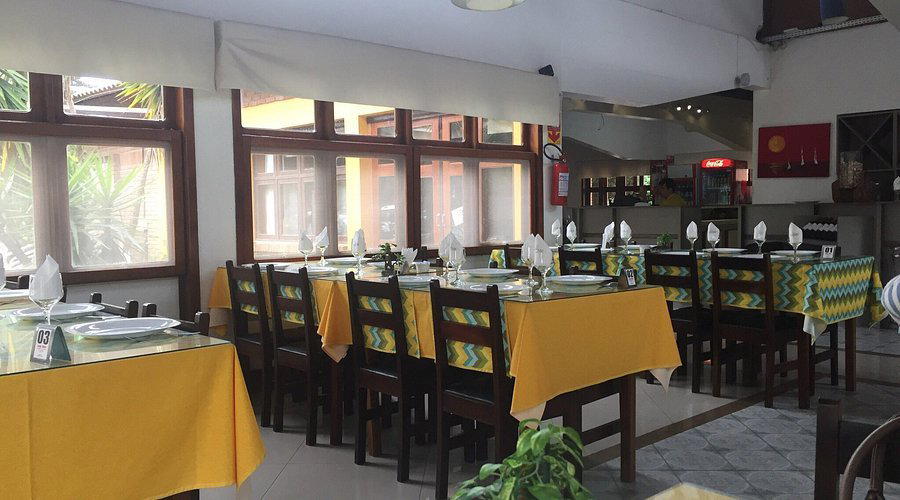
Where Buenos Aires Vegetarian Dining Earns Its Stripes
Villa Crespo, the neighbourhood that spreads east from Palermo toward the city's older residential grid, has developed a dining character distinct from the louder restaurant rows of Las Cañitas or Soho. The streets here carry less foot traffic and more deliberate intent: you come because you looked something up, not because you wandered past. On Loyola, that quality of purposeful arrival shapes the atmosphere before you reach the door. The low-key exterior signals that Chuí operates on the assumption that its guests already know what they are looking for.
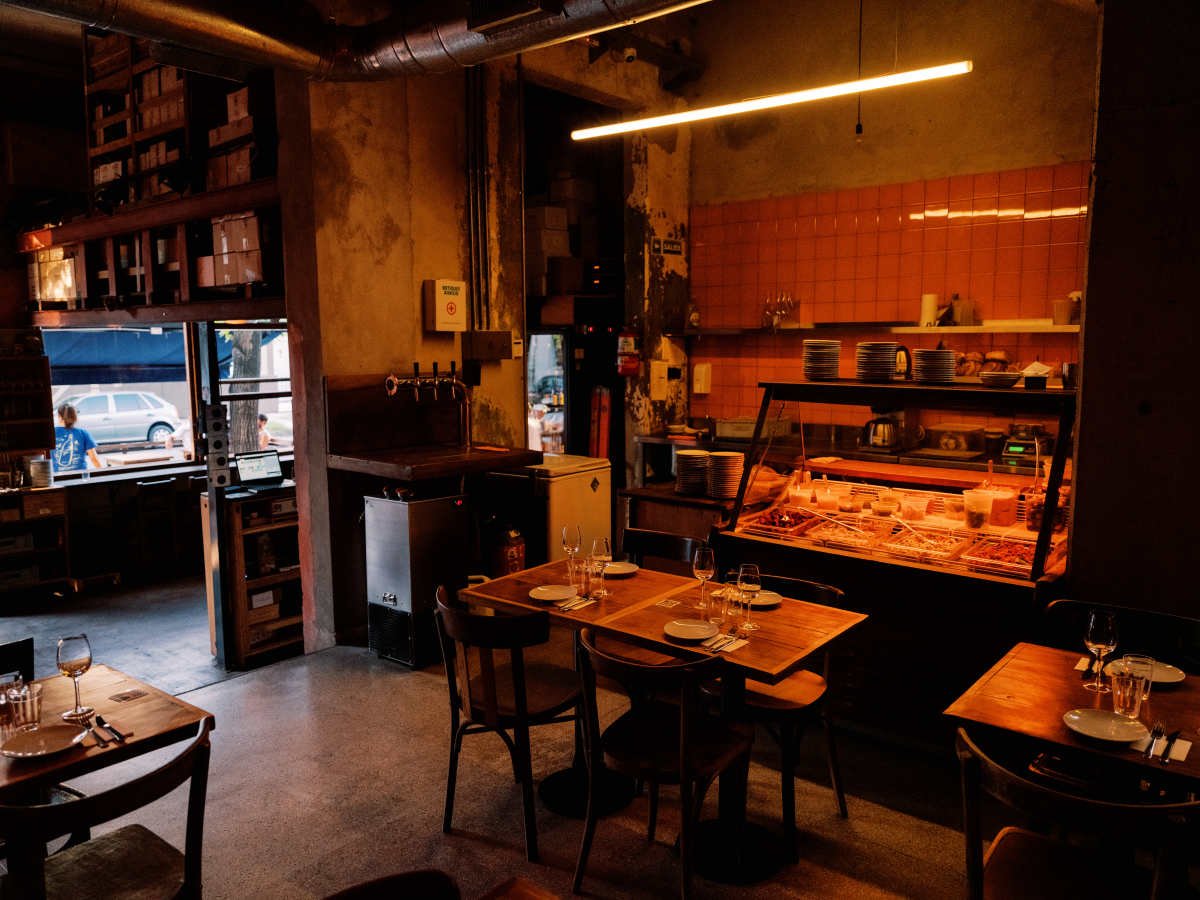
Inside, the room settles into the register that good mid-tier Buenos Aires restaurants have refined over the past decade: materials and light rather than volume and spectacle. Plant-based restaurants in the region have historically struggled with a cultural contradiction — Argentina's dining identity is built on protein, fire, and abundance, and vegetarian kitchens have had to construct their own credibility rather than inherit it. Chuí operates inside that tension productively, presenting vegetarian cuisine not as a concession to dietary restriction but as a distinct culinary position.
The Vegetarian Argument in a Meat-Centric City
Buenos Aires has one of the world's most deeply embedded asado cultures. Don Julio (Argentinian Steakhouse) holds a Michelin star and sits at the top of that tradition, drawing queues that begin forming before service opens. The city's Michelin cohort is weighted toward carnivore-forward cooking: Aramburu (Modern Argentinian, Creative) carries two stars and focuses on a tasting format built around seasonal produce and proteins. Trescha (Modern Cuisine) operates in the creative fine-dining tier. Vegetarian restaurants earn recognition in a different register here, and that makes Chuí's consecutive Michelin Plate acknowledgments in 2024 and 2025 a meaningful signal: the guide's inspectors found sufficient consistency and quality to return and endorse again.
Michelin Plate recognition is the guide's foundational endorsement — it identifies cooking that meets a professional standard without yet carrying the star hierarchy. In Buenos Aires, receiving it for vegetable-centred cooking two consecutive years positions Chuí clearly in the upper tier of its category, distinct from the broader plant-based café market and closer to the city's recognised culinary addresses. For context, the guide's Buenos Aires selections are concentrated and competitive; Plate recognition in any category requires demonstrated consistency.
What the Kitchen Is Doing
The vegetarian tradition Chuí draws from is regional as much as it is global. South American produce has enormous depth: Andean tubers, native grains, tropical and subtropical fruits from the northeast, wild greens and herbs from Patagonia. A kitchen working thoughtfully with Argentine vegetable identity has access to a different pantry than a European plant-based restaurant. What distinguishes the better addresses in this format globally, from Fu He Hui, Vegetarian in Shanghai to Lamdre, Vegetarian in Beijing, is not the absence of meat but the presence of a genuine culinary argument built from what is available and particular to place. Both of those addresses demonstrate how plant-based fine dining earns authority through deep ingredient specificity rather than through substitution logic.
Within Buenos Aires, Sacro and Marti operate in adjacent territory and together with Chuí represent the city's emerging plant-forward dining tier. The fact that Chuí holds its mid-price ($$) positioning while carrying Michelin recognition is notable: it does not require the fine-dining price bracket to earn critical attention.
A Broader Argentina Context
The vegetable-forward argument gains additional weight when viewed against what is happening at Argentina's destination restaurants outside the capital. Azafrán in Mendoza has long focused on regional Cuyo produce alongside the wine pairing story. Cavas Wine Lodge in Alto Agrelo integrates vineyard-adjacent seasonal cooking into the guest experience. Estancia and lodge formats such as La Bamba de Areco in San Antonio de Areco and EOLO - Patagonia's Spirit in El Calafate - Santa Cruz anchor their menus in geography and season, though not necessarily in vegetarian commitment. Awasi Iguazu in Puerto Iguazu and El Colibri in Santa Catalina demonstrate that ingredient-driven cooking in Argentina increasingly extends beyond the capital and beyond protein as its centre of gravity. Chuí sits within that national shift, as the Buenos Aires expression of a broader reorientation.
Planning Your Visit
Chuí is at Loyola 1250 in Villa Crespo, a neighbourhood that sits between Palermo and Chacarita and is well connected by subte (Line B, Federico Lacroze station is the nearest point) and remis from the Palermo hotel corridor. Given that volume of attention for what is presumably a compact space, booking ahead is the sensible approach for dinner; turning up without a reservation on a weekend evening carries real risk.
For a fuller picture of Buenos Aires dining beyond this address, the our full Buenos Aires restaurants guide maps the city's Michelin cohort and price tiers across neighbourhoods. The our full Buenos Aires hotels guide covers where to stay relative to the main dining districts, while our full Buenos Aires bars guide, our full Buenos Aires wineries guide, and our full Buenos Aires experiences guide round out the city picture for visitors building a full itinerary.
Credentials Lens
A compact comparison to help you place this venue among nearby peers.
| Venue | Cuisine | Price | Awards |
|---|---|---|---|
| ChuíThis venue — the venue you are viewing | Vegetarian | $$ | Michelin Plate (2025); Michelin Plate (2024) |
| Don Julio | Argentinian Steakhouse | $$$$ | Michelin 1 Star |
| Aramburu | Modern Argentinian, Creative | $$$$ | Michelin 2 Star |
| El Preferido de Palermo | Argentinian, Traditional Cuisine | $$ | World's 50 Best |
| Elena | South American, Steakhouse | $$$ | Not listed |
| La Carniceria | Argentinian Steakhouse, Meats and Grills | $$ | Not listed |
Recognition history
Dated appearances from independent guides and award organizations, with the underlying list record or original source where available.
Michelin Plate
Michelin
Michelin Plate
Michelin
Michelin Plate
Michelin
Continue exploring
More in Buenos Aires
Restaurants in Buenos Aires
Browse all →
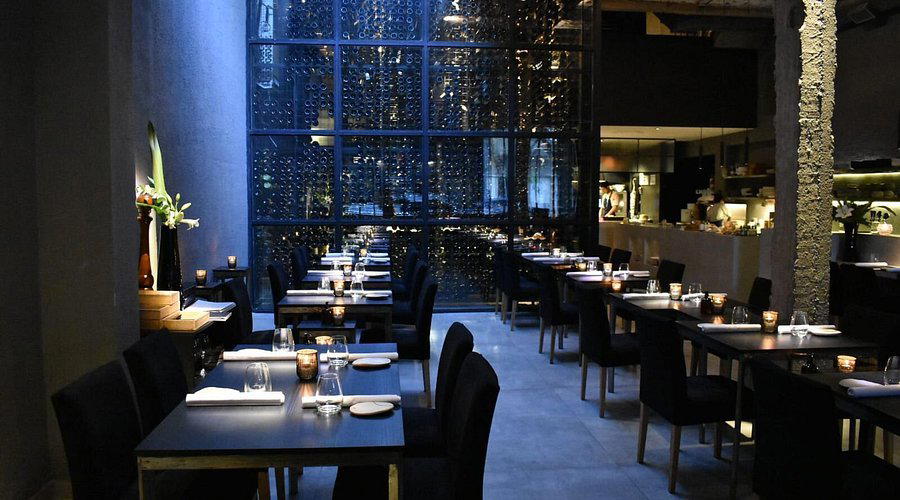
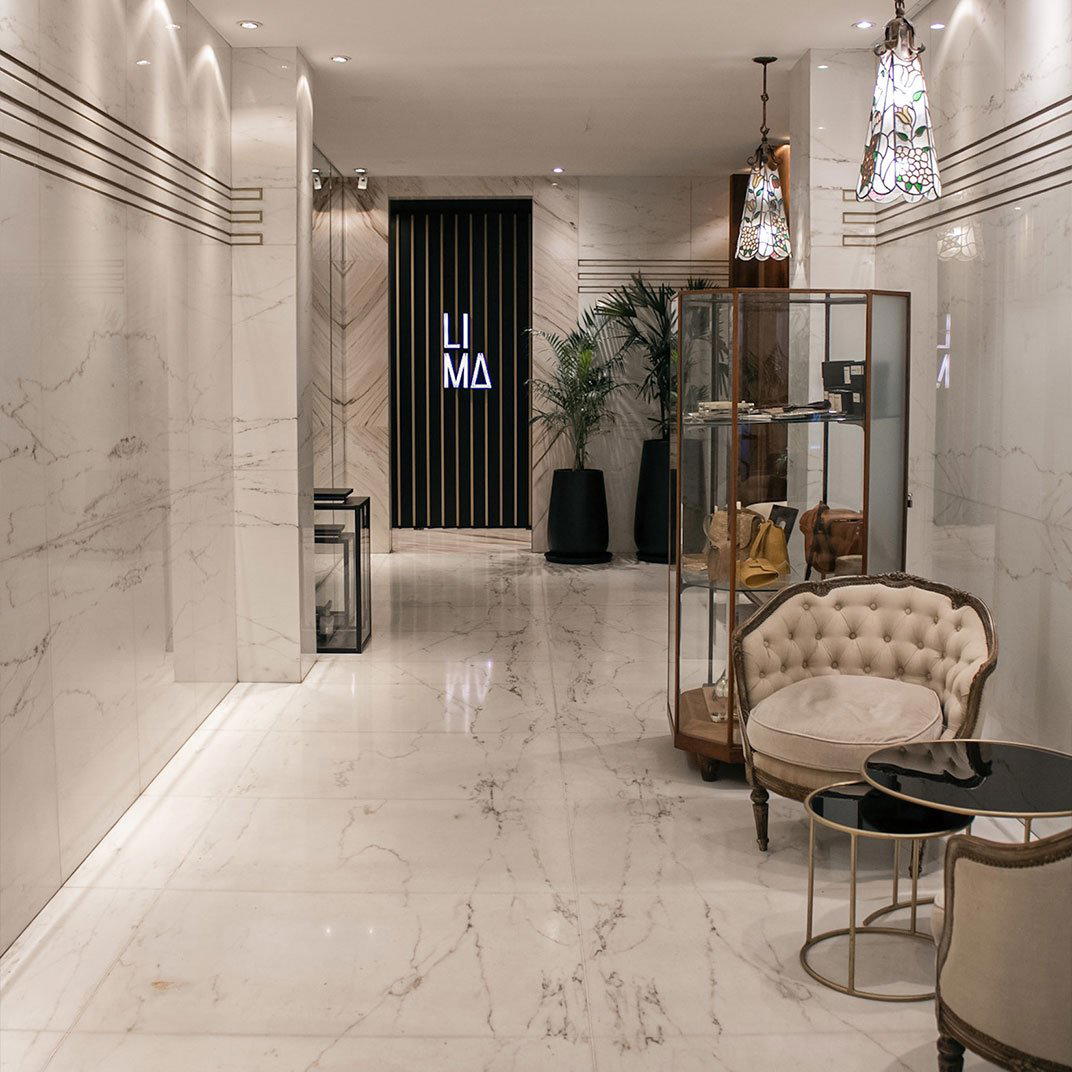
Bars in Buenos Aires
Browse all →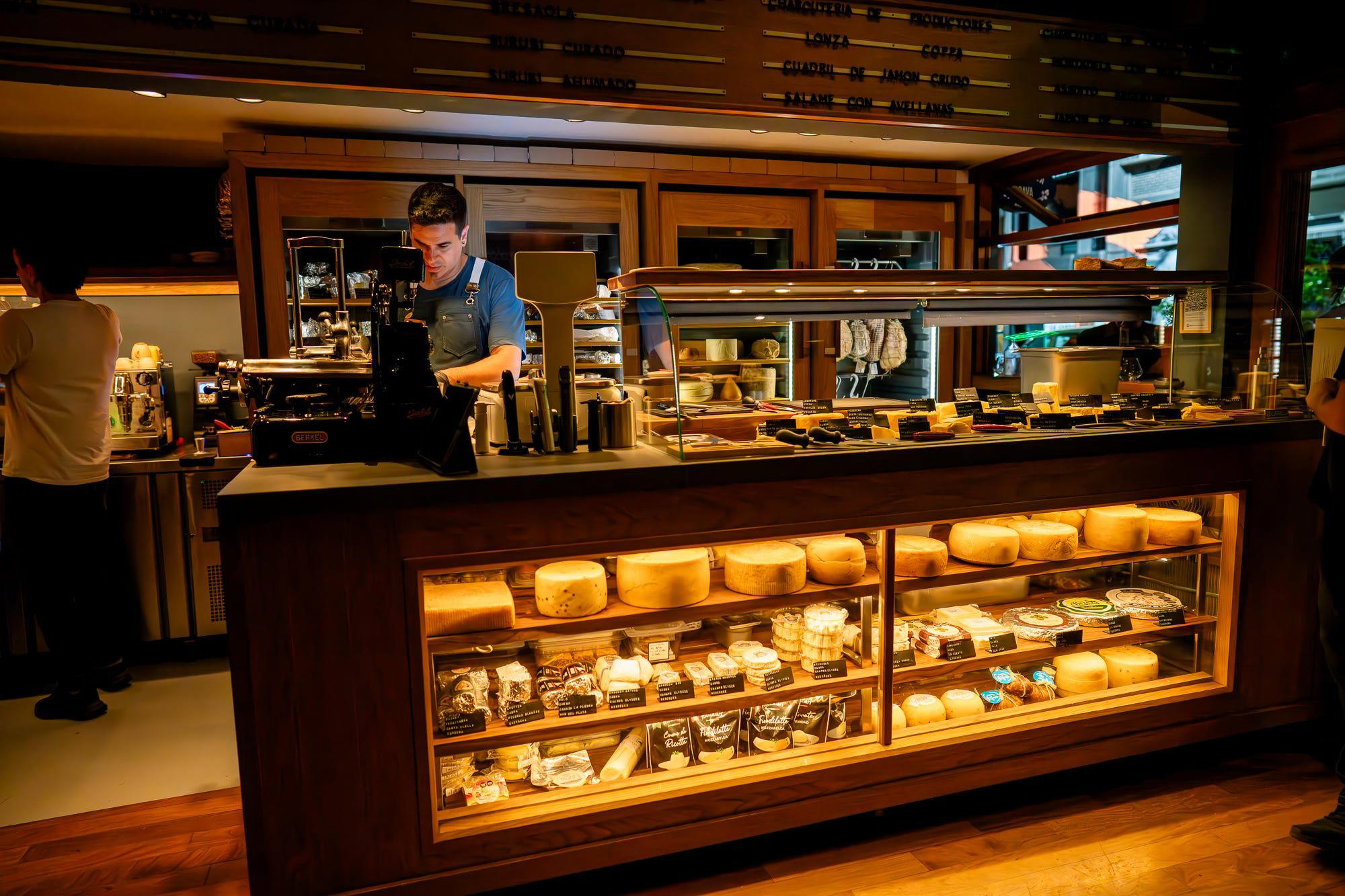
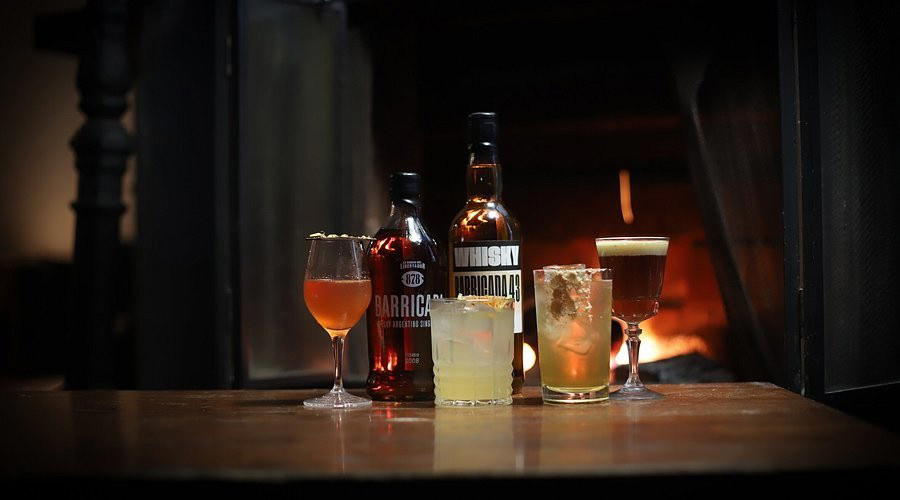
Hotels in Buenos Aires
Browse all →

Wineries in Buenos Aires
Browse all →
At a Glance
- Cozy
- Trendy
- Industrial
- Scenic
- Date Night
- Group Dining
- Casual Hangout
- Open Kitchen
- Garden
- Terrace
- Craft Cocktails
- Organic
- Local Sourcing
- Garden
Current opening hours
- Monday
- Closed
- Tuesday
- 12 PM–1 AM
- Wednesday
- 12 PM–1 AM
- Thursday
- 12 PM–2 AM
- Friday
- 12 PM–2 AM
- Saturday
- 12 PM–2 AM
- Sunday
- 12–5 PM
Hours can change for holidays and private events. Last verified .
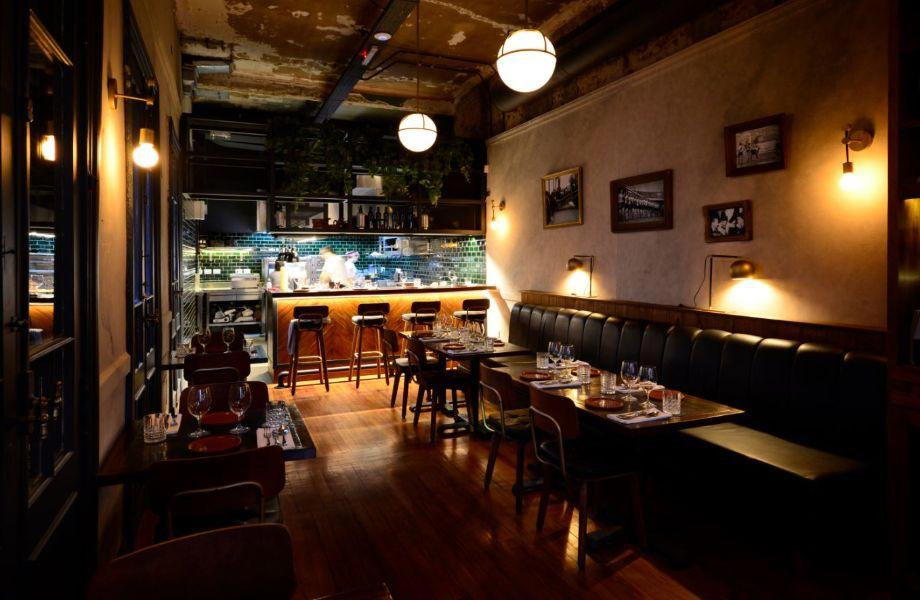
Industrial chic with abundant vegetation, cozy seating, open kitchen, good music at conversational volume, and lush garden patio creating an urban oasis.
Know Before You Go
- Getting there
- Loyola 1250, C1414 C1414AVB, Cdad. Autónoma de Buenos Aires, Argentina