Mario's Pizzeria sits on Edwin Street in Croydon, one of Sydney's quieter inner-west suburbs with a long-established Italian community. The pizzeria operates within a neighbourhood tradition that predates Sydney's current fine-dining moment, serving the kind of Italian-Australian cooking that shaped the city's relationship with the cuisine before wood-fired fashion arrived. For context on Sydney's broader Italian dining scene, see our full Sydney restaurants guide.
Pearl is the En Primeur Club membership app — saves, bookings, and concierge access live there. Same editors, same standards.
- Address
- 81 Edwin St, Croydon NSW 2132, Australia
- Phone
- +61297978326
- Website
- mariospizzeria.com.au
- Directions
- Get directions
 Saves & bookings on Pearl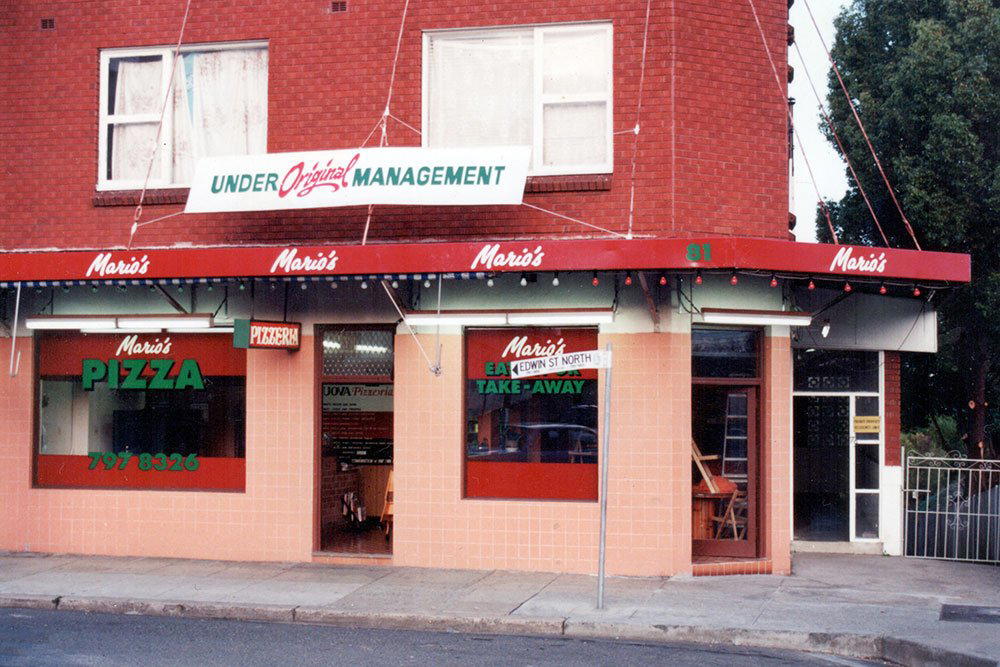
Edwin Street and the Italian-Australian Neighbourhood Tradition
Croydon sits roughly ten kilometres west of Sydney's CBD, in a corridor of the inner west that developed its Italian-Australian identity through successive waves of post-war migration. The suburb's Edwin Street address places Mario's Pizzeria within a residential and local-commercial setting that differs sharply from the high-visibility strips where Sydney's currently reviewed Italian restaurants tend to cluster. Understanding that context matters: the pizzeria belongs to a dining tradition shaped less by hospitality trends than by neighbourhood continuity, the kind that sustained Italian-Australian cooking in Sydney long before wood-fired Neapolitan pizza became a marketing category.
Italian immigration to Australia's inner west from the 1950s onward produced a distinctive hybrid cuisine. Dishes were adapted to local produce, portion expectations shifted, and the cooking absorbed Australian informality without shedding its structural Italian roots. The pizzerias and trattorie that emerged from that era operated primarily for local communities rather than destination diners, and many of those that survived into the present do so on the strength of repeat custom and institutional familiarity rather than press coverage. Mario's Pizzeria in Croydon fits that pattern. It is a suburb-level institution in the inner-west Italian tradition, not a contender in the same comparable set as Rockpool or Saint Peter, and it is not trying to be.
What the Italian-Australian Pizza Tradition Actually Means
The distinction between Italian pizza in Italy and Italian-Australian pizza is worth making clearly, because conflating them produces the wrong expectations. In Naples, pizza is governed by Associazione Verace Pizza Napoletana specifications: flour type, fermentation time, oven temperature, and crust dimensions are all codified. Australian pizzerias operating in the Italian-Australian tradition from the 1970s and 1980s worked outside those specifications, producing a style that is thicker, more generously topped, and built around local cheese and meat supply chains. That style is not inferior, it is simply a different object with a different cultural function.
The current Sydney dining conversation frequently positions Neapolitan-certified or contemporary Italian against this older suburban style, implying a hierarchy. The reality is that the two serve different occasions and different communities. A neighbourhood pizzeria in Croydon addresses regular weeknight dining for local families and long-term residents in a way that a destination restaurant in Surry Hills or Potts Point is not set up to do. For broader context on how Sydney's Italian and contemporary Australian dining scenes interact, the full Sydney restaurants guide covers the range.
Elsewhere in the city, venues like 10 William St have positioned Italian wine and small-plates formats as a distinct premium category, while 1021 Mediterranean works a broader southern-European register. Neither is the same category as a suburban pizzeria, and the comparison is instructive precisely because it shows how wide the Italian-influenced range in Sydney actually runs.
Croydon as a Dining Suburb
The inner west of Sydney has received sustained attention from food media over the past decade, but that attention has concentrated in Newtown, Marrickville, Leichhardt, and Enmore rather than spreading evenly across the corridor. Croydon sits further west and has not attracted the same degree of restaurant openings or press coverage. That makes it representative of a type of Sydney dining neighbourhood that exists largely outside the review circuit: established, locally oriented, and staffed by venues whose customer relationships predate the current media cycle.
This is not a criticism of Croydon as a food destination. It is a description of a different dining mode. The suburb's Italian heritage is legible in its built environment and its long-operating businesses, and a pizzeria like Mario's functions as part of that fabric rather than as an intervention into it. The comparison point is less 10 Pounds or Bayly's Bistro in Kirribilli and more the Italian community hall tradition that shaped cooking in this part of the city for generations.
Context is not incidental, it is the point.
How This Fits the Broader Australian Italian Scene
Italian food in Australia occupies a peculiar double position. At the high end, venues with documented Italian training credentials and imported ingredients operate in a premium niche: Attica in Melbourne and Brae in Birregurra represent Australian fine dining that has absorbed European influence without being strictly Italian. At the other end, suburban Italian-Australian cooking carries a different kind of cultural authority, the authority of continuity and community rather than credential and innovation.
In regional Australian cities, venues like Hungry Wolfs Italian Restaurant in Newcastle operate in a similar register to Croydon's local Italian businesses: serving communities where the cuisine has been present for decades and where the measure of quality is consistency and familiarity rather than novelty. The same pattern appears at Kulcha Restaurant in Wollongong, which demonstrates how regional NSW dining develops its own reference points independent of Sydney's media cycle.
Internationally, the gap between neighbourhood Italian and destination Italian is well established. Le Bernardin in New York City and Atomix in the same city represent the destination end of the spectrum in an entirely different category, but the principle holds: neighbourhood restaurants serve a function that destination restaurants cannot, and the two should be evaluated on different terms. Sydney's inner-west Italian tradition, including venues on Edwin Street in Croydon, is part of that neighbourhood tier.
Other Sydney venues in the EP Club index, including Johnny Bird in Crows Nest and bills in Bondi Beach, demonstrate how location shapes positioning even within the same city. A Bondi address carries different expectations than an Edwin Street Croydon address, and pricing, format, and press attention follow accordingly. Jaani Street Food in Ballarat offers a useful comparison point for how community-oriented dining operates in Australian regional contexts outside the capital cities.
Know Before You Go
Address: 81 Edwin St, Croydon NSW 2132, Australia
Category Peers
Comparable venues nearby, for context on price, style, and recognition.
| Venue | Cuisine | Price | Notes |
|---|---|---|---|
| Mario's Pizzeria CroydonThis venue — the venue you are viewing | Authentic Italian Pizza | $$ | Not listed |
| Gino | Southern Italian | $$ | Palm Beach |
| Pompei's | Traditional Italian Pizza & Pasta | $$ | Bondi Beach |
| Sippenham | Italian Pasta & Wine Bar | $$ | Sydenham |
| Pizza’Mare | Casual Italian Pizza & Pasta | $$ | Barangaroo |
| Farina Pizzeria Crows Nest | Modern Italian Pizzeria | $$ | Crows Nest |
Continue exploring
More in Sydney
Restaurants in Sydney
Browse all →
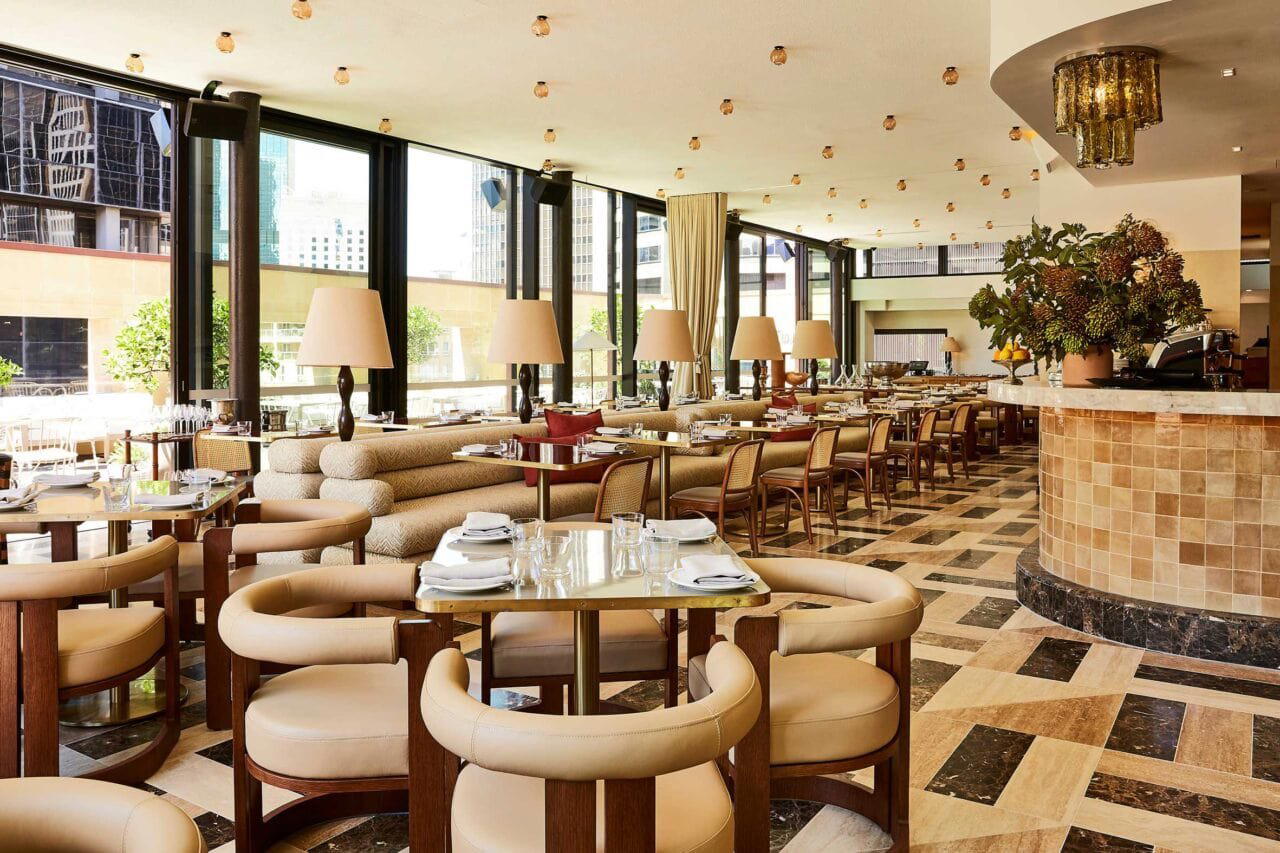
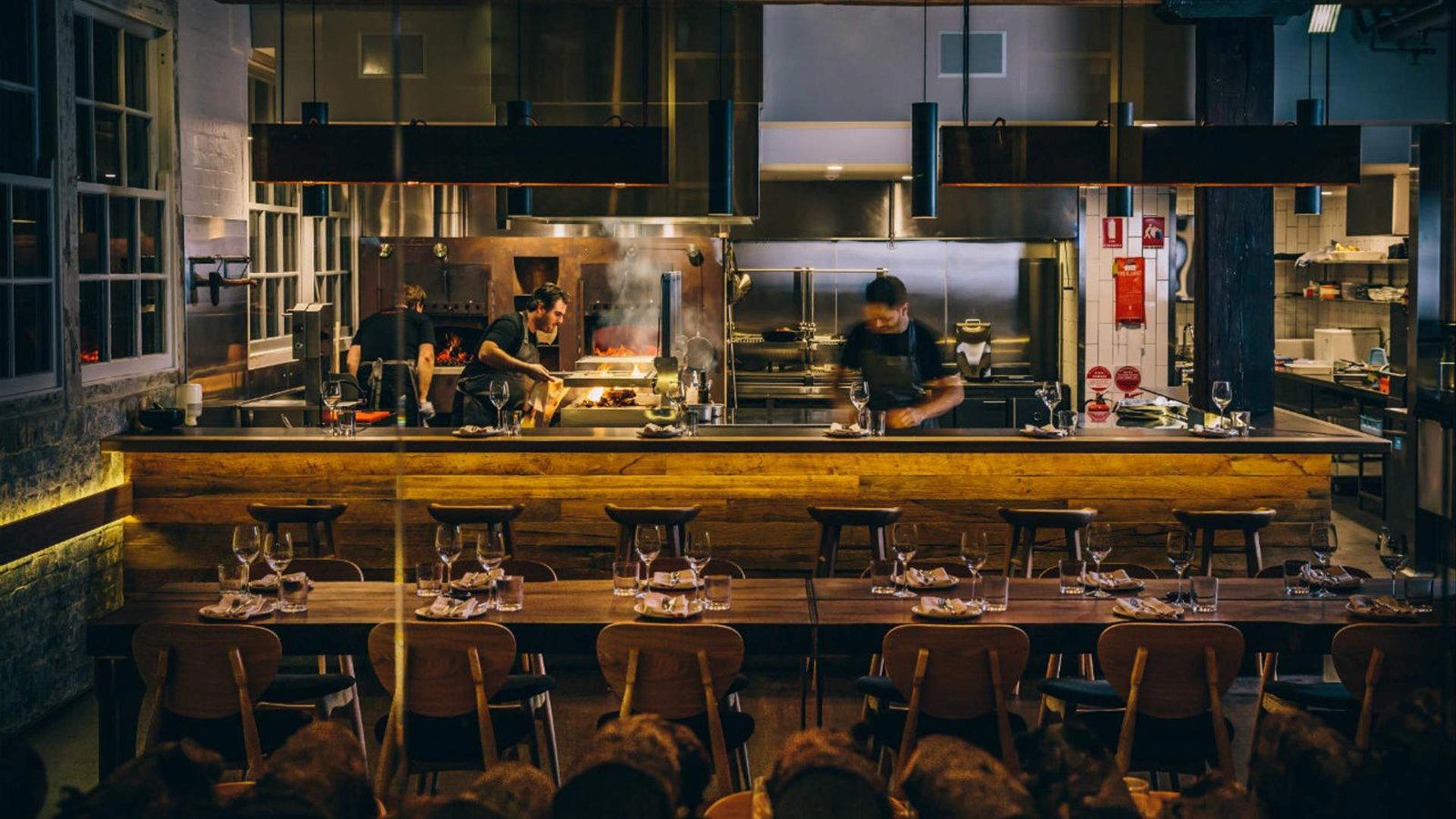
Bars in Sydney
Browse all →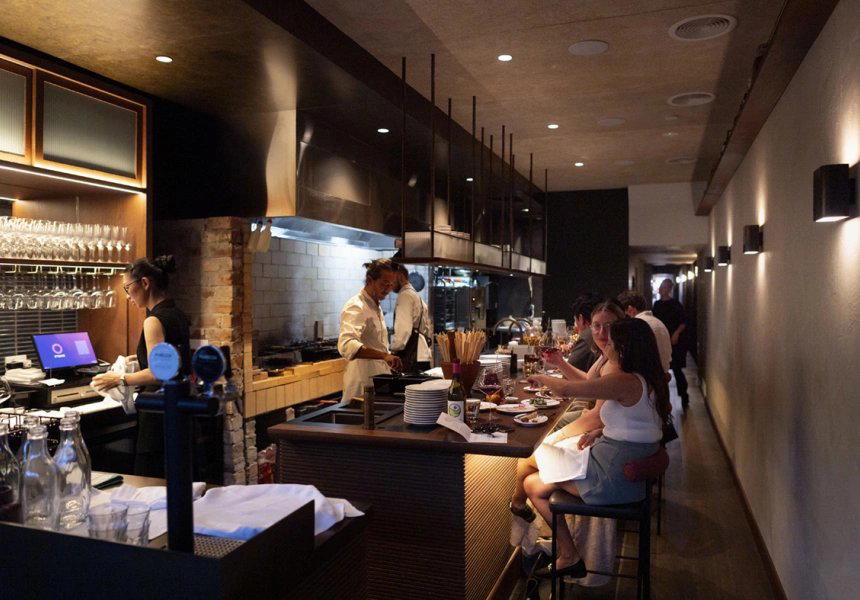
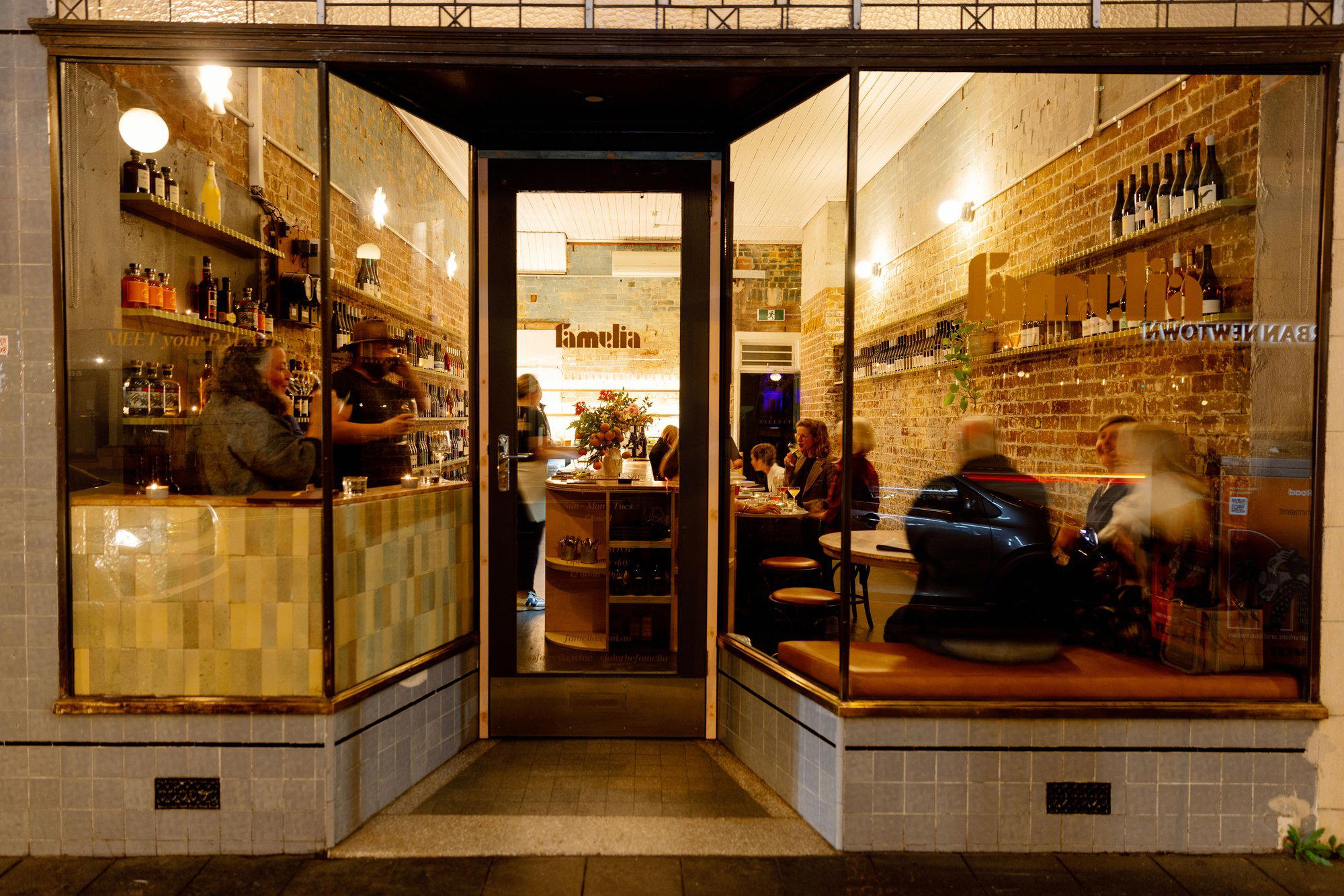
Hotels in Sydney
Browse all →

At a Glance
- Classic
- Cozy
- Well Known
- Family
- Casual Hangout
- Group Dining
- Open Kitchen
Current opening hours
- Monday
- Closed
- Tuesday
- 5–10 PM
- Wednesday
- 5–10 PM
- Thursday
- 5–10 PM
- Friday
- 5–11 PM
- Saturday
- 5–11 PM
- Sunday
- 5–10 PM
Hours can change for holidays and private events. Last verified .
Casual family-style Italian with familiar service and al fresco outdoor dining.