Our verdict
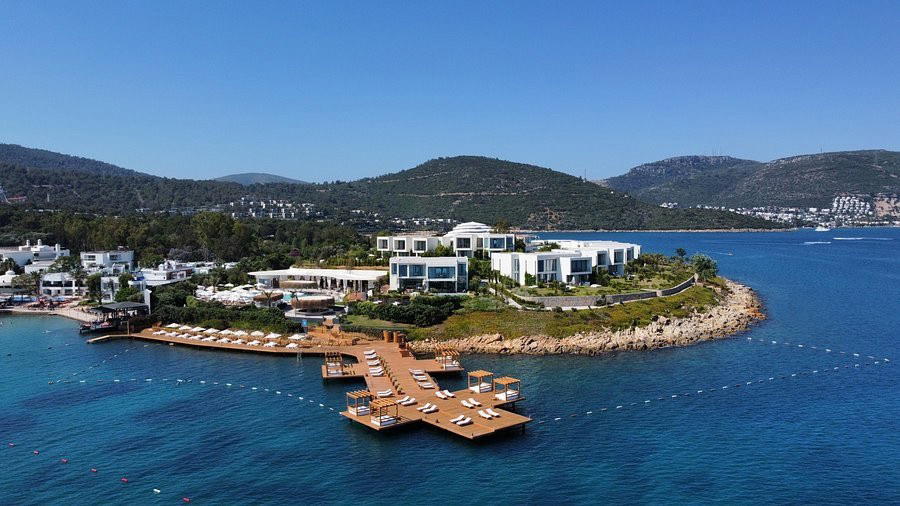
Marina sits in Torba, a quieter bay just east of Bodrum's centre, where the Aegean's ingredient culture runs deep and the waterfront setting shapes the tempo of a meal. The kitchen draws on the same coastal sourcing tradition that defines this stretch of the Muğla coast, placing it within a broader conversation about how the Bodrum peninsula handles seafood and seasonal produce at a serious level.

Pearl is the En Primeur Club membership app — saves, bookings, and concierge access live there. Same editors, same standards.
- Address
- Torba (Bodrum), Muğla
- Directions
- Get directions
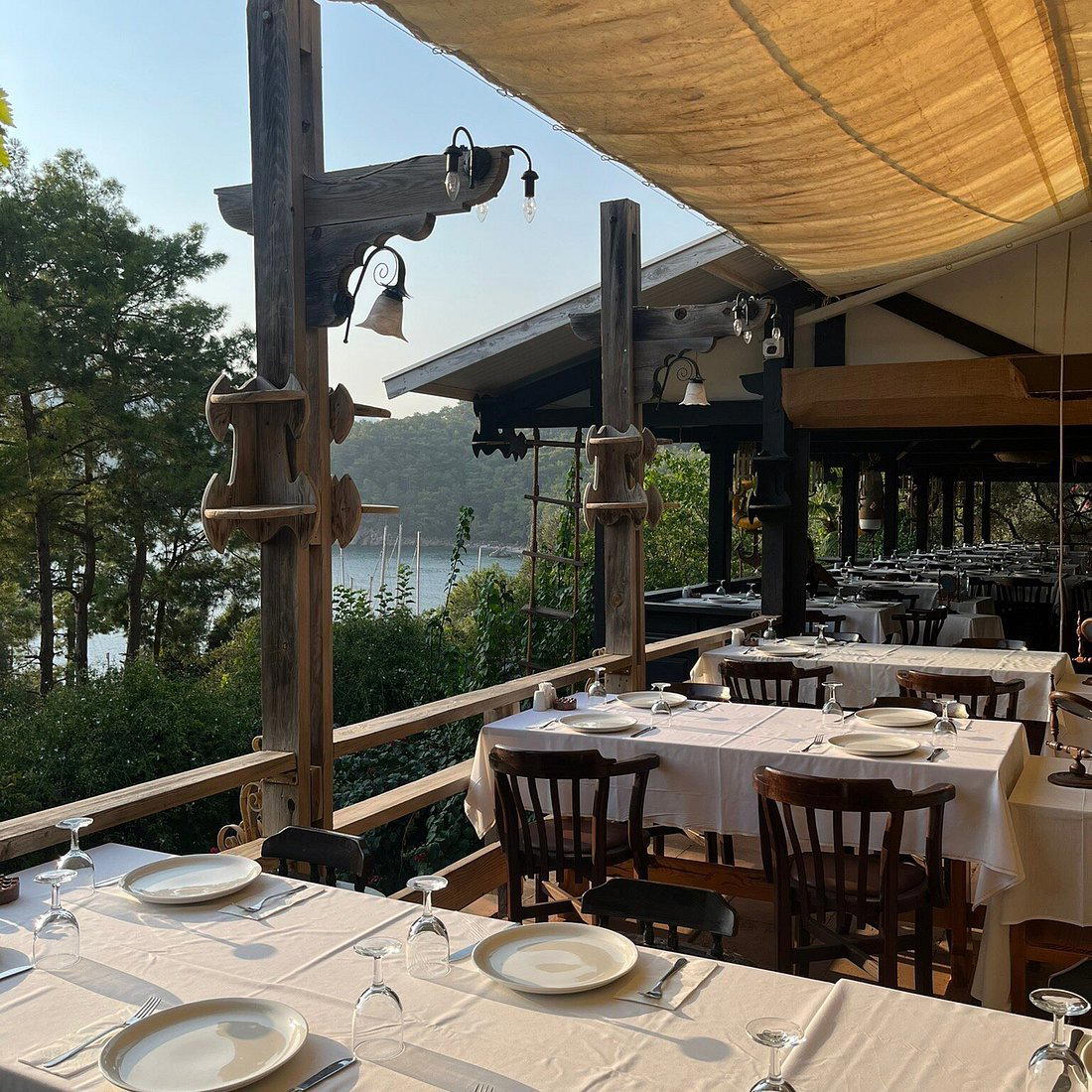
Where Torba Bay Meets the Aegean Sourcing Tradition
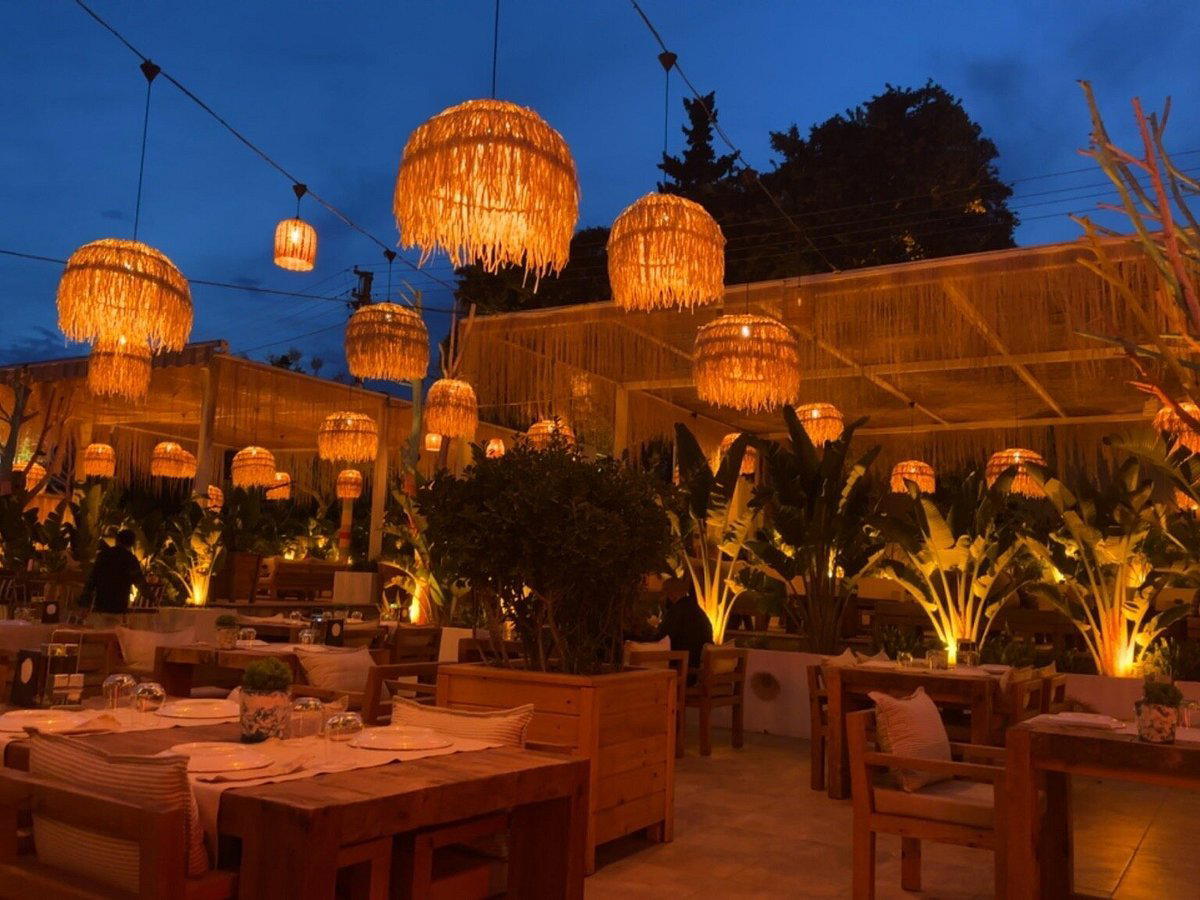
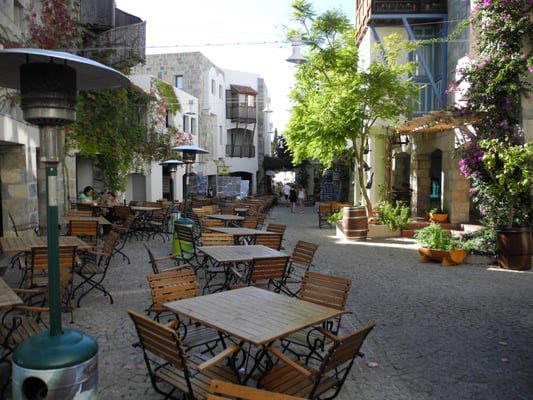
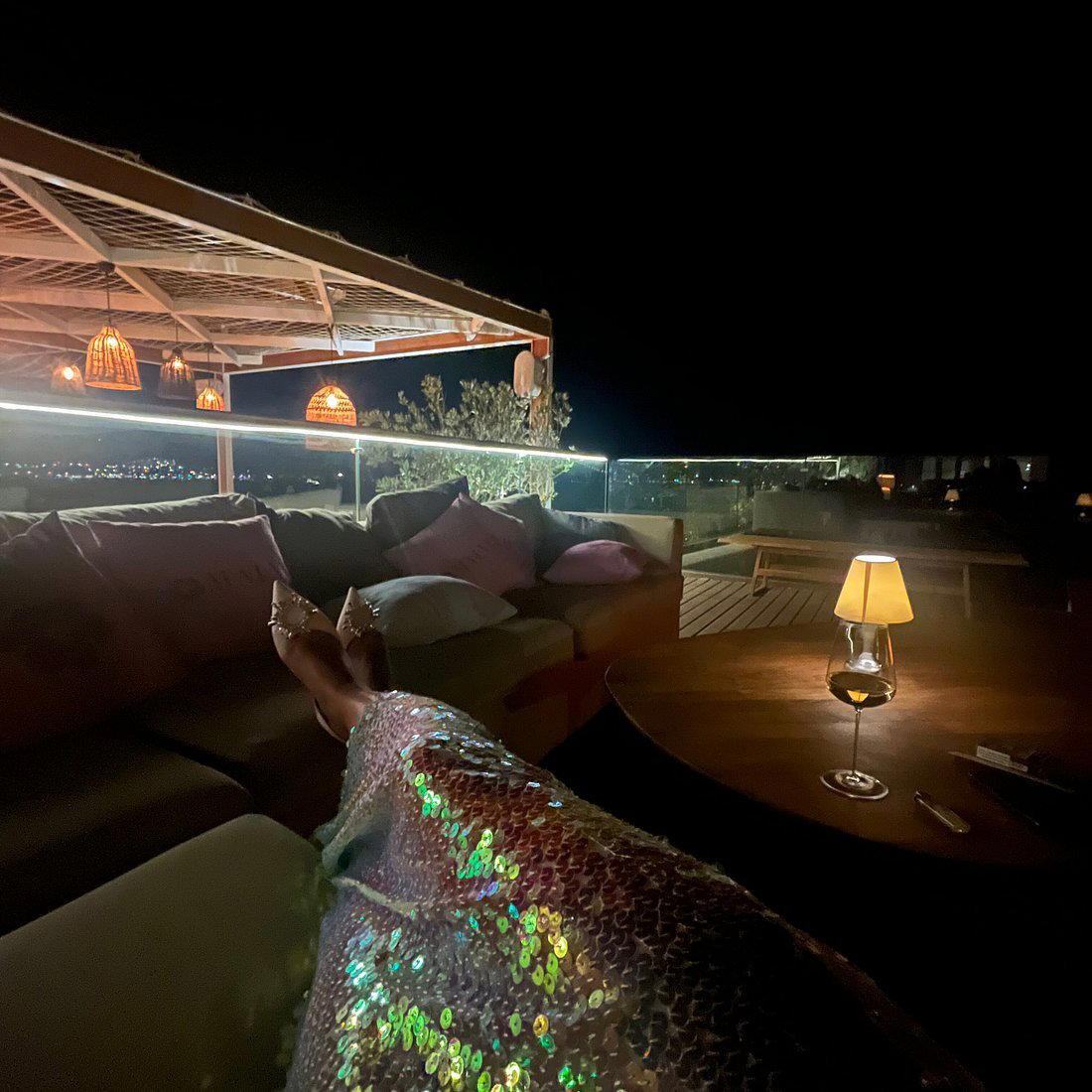
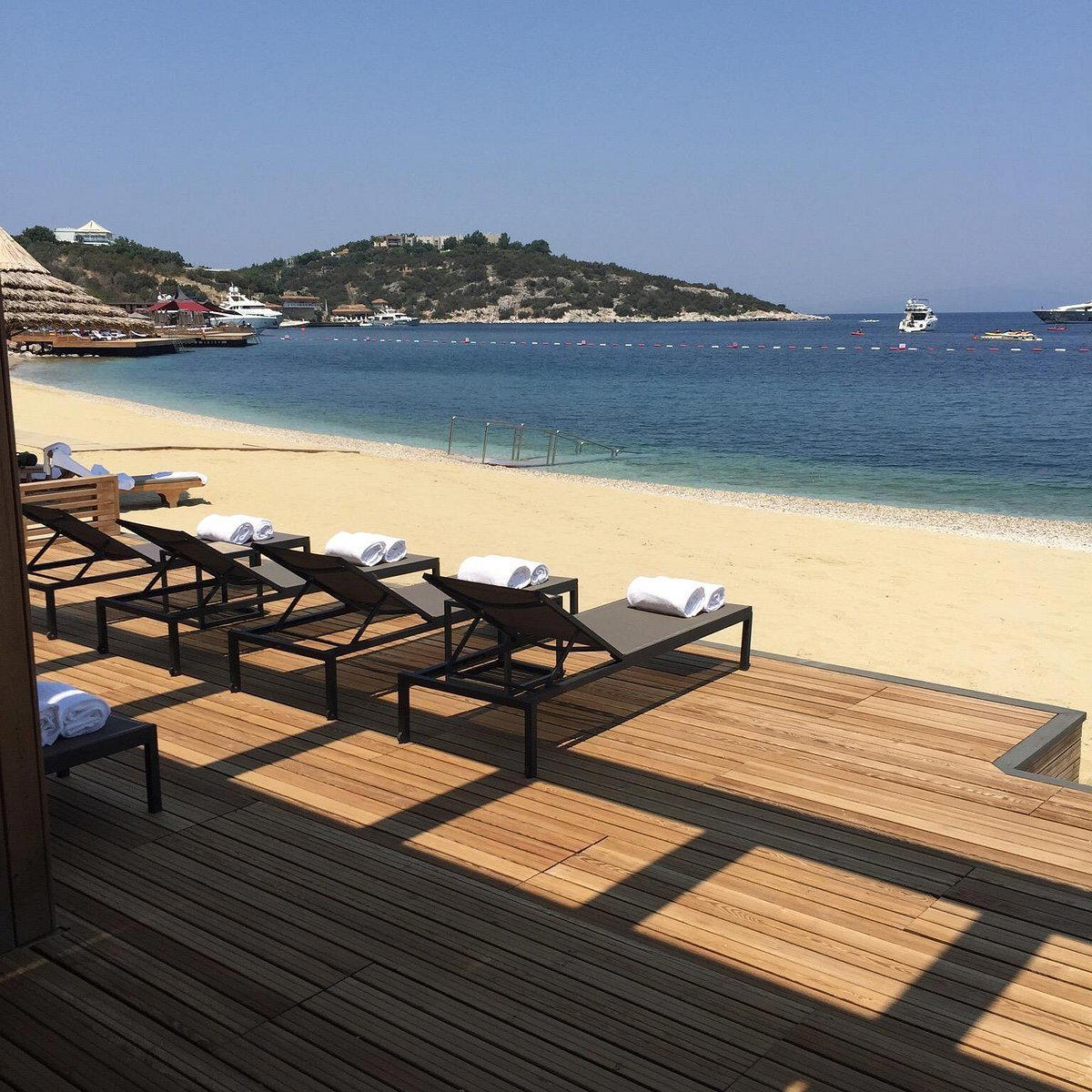
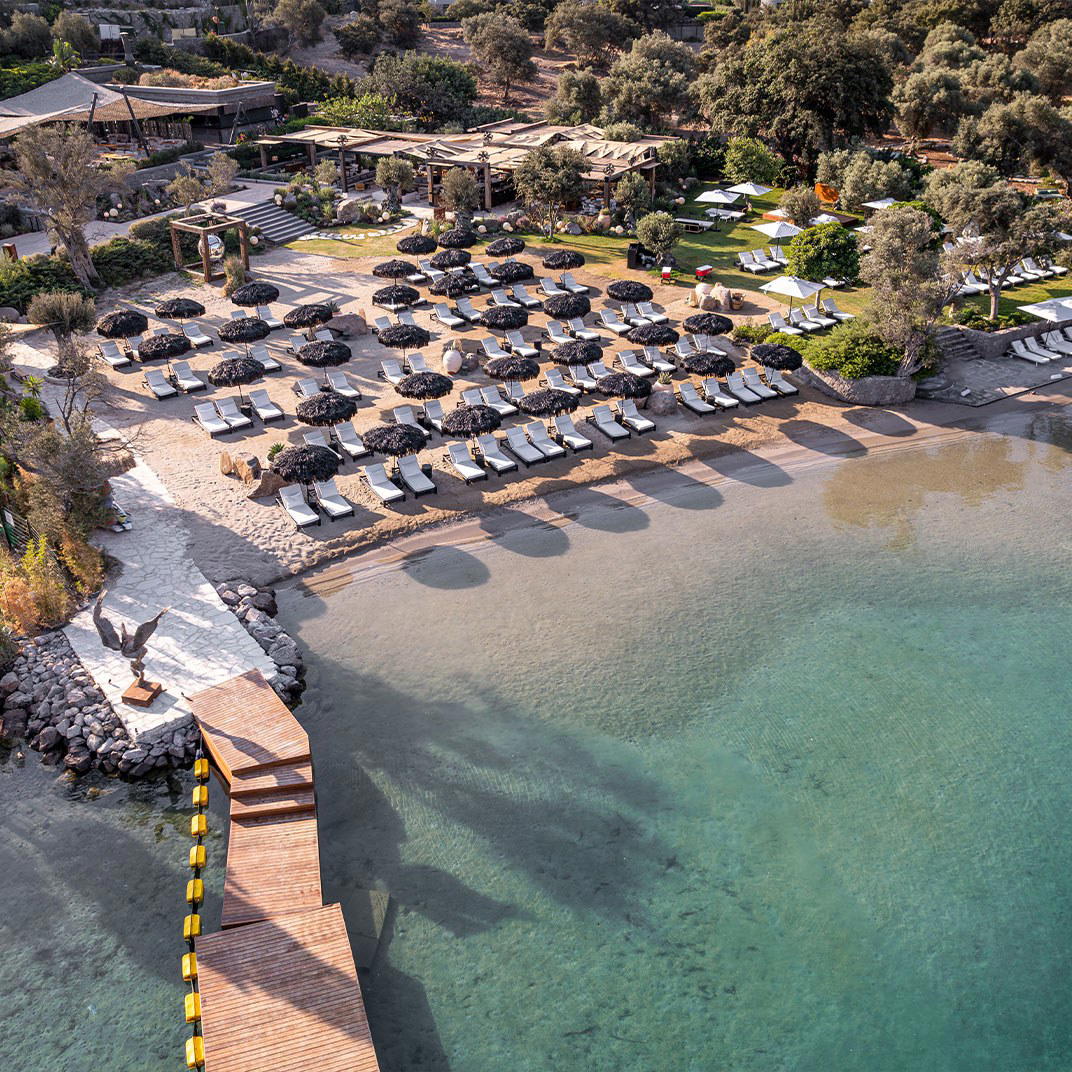
Approach Torba from the Bodrum road and the bay reveals itself gradually: a crescent of calm water flanked by pines, with fishing boats anchored close enough to the shore that you can read the hull markings from a waterside table. This is not the high-season theatre of Bodrum's main harbour. Torba operates at a slower frequency, and Marina's position along the waterfront reflects that register. The dining room opens directly toward the sea, and the light at the end of an afternoon shifts from hard Mediterranean white to something softer, almost amber, by the time the first courses arrive.
The Muğla coast has long occupied a specific position in Turkish dining. It is where the Aegean's sourcing discipline is most visible: local day-boat catches, wild herbs foraged from the hillsides above the bays, and olive oil pressed from groves that predate most of the restaurants using them. Across the peninsula, a cluster of serious kitchens has formed around this raw material advantage. Maçakızı in Bodrum anchors the upper tier of that conversation, operating at a ₺₺₺₺ level with a modern cuisine format that treats the Aegean pantry as a reference point rather than a backdrop. Marina operates within the same coastal tradition, where the sourcing logic is the architecture on which a menu is built.
The Ingredient Culture of the Bodrum Peninsula
Understanding what makes this stretch of coastline distinctive requires looking at the supply chains that feed its kitchens. The Aegean fishing grounds between Bodrum, Marmaris, and the Greek island chain produce a range of species that does not replicate cleanly anywhere else in Turkey: red mullet from the rocky shallows, sea bass and sea bream from the open water, sea urchin when the season allows, and octopus that has been dried on wooden frames under the sun for decades as a form of preservation that is also, incidentally, a form of intensification. These are not premium substitutes imported from elsewhere. They are the default materials of any kitchen that takes its address seriously.
The same logic applies to the land side of the menu. Muğla's highland villages supply dried herbs, thyme in particular, alongside wild greens that appear in mezes the way they have for generations. The olive oil from Milas and the surrounding region carries a grassy, low-acidity character that suits raw applications and light cooking rather than heavy frying. Kitchens on this coast that respect their geography use it as the foundation of the menu, not as a garnish on top of a format imported from elsewhere. This sourcing discipline is the thread that connects the serious dining options across the peninsula, from Hiç Lokanta in Urla on the northern Aegean coast to the waterfront operations that define Bodrum's dining character.
Torba in the Context of Bodrum's Dining Spread
Bodrum's dining scene has fragmented across the peninsula's many bays over the past two decades. The centre of gravity is no longer the main harbour alone. Yalıkavak, Türkbükü, and Gölköy have each developed their own dining micro-climates, with the tone shifting from party-forward to quieter and more food-focused as you move around the peninsula. Torba sits on the eastern side, accessible from Bodrum by a short drive but removed from the peak-season congestion that defines the town centre in July and August. That geography carries a practical implication: the pace of a meal here differs from what you encounter at a table overlooking the main marina.
For context on the broader Turkish fine dining conversation, kitchens like Turk Fatih Tutak in Istanbul and Asitane in Fatih operate at the highest level of the national conversation, using historical Ottoman and Anatolian source material as a framework. The Bodrum coast works from a different set of reference points: the Aegean rather than the imperial archive, proximity to Greece and the islands rather than to the Topkapı kitchens. Both are legitimate frames for serious Turkish cooking, and they tend to attract different kinds of diners. Narımor in Izmir represents another point on that map, where the urban Aegean identity shapes a kitchen's sourcing and register. Marina sits within the coastal end of that spectrum.
Planning a Meal at Marina
Torba is roughly five to ten minutes by road from the centre of Bodrum, making it a direct evening destination from most accommodation on the eastern side of the peninsula. The bay is calmer than the main harbour for much of the year, which makes waterfront dining viable into the shoulder season, when September and October bring lower crowds and water temperatures that remain warm enough for swimming after dinner. The peak summer window from late June through August is when the bay sees most of its traffic, and advance planning is advisable for waterfront tables during that period.
For a broader picture of what Muğla's dining options look like across price points and formats, our full Muğla restaurants guide maps the peninsula's kitchens by neighbourhood and style. Separately, those building a longer Turkish food itinerary might cross-reference venues as different in register as Kocak Baklava in Gaziantep, Ciğerci Mahmut in Adana, or Dürümzade in Beyoglu to understand how regional sourcing traditions diverge from one another across the country.
At the international level, the question of how coastal geography shapes a kitchen's sourcing discipline appears in the programming of restaurants like Le Bernardin in New York City, where the entire format is organised around a single ingredient category. The Aegean equivalent is less formally structured, but the underlying logic is the same: the sea is not decoration, it is the point.
Frequently asked questions
Is Marina child-friendly?
Torba's bay setting at Marina Torba, Muğla lends itself to a relaxed pace that suits families. The calm waterfront location in Torba rather than the busier Bodrum centre keeps the environment quieter.
What's the vibe at Marina?
Marina sits on Torba Bay, a sheltered crescent of water flanked by pines roughly five to ten minutes from central Bodrum. The setting is noticeably quieter than the main harbour restaurants, with fishing boats anchored close to shore setting the tone. Expect a waterside atmosphere that prioritises the bay view over high-volume footfall.
How does Marina in Torba differ from Bodrum's main harbour restaurants?
Marina is located in Torba, a bay roughly five to ten minutes by road from central Bodrum, placing it outside the concentrated tourist strip around the main harbour. This separation means Torba attracts a more local-facing dining crowd and operates at a pace distinct from the peninsula's higher-volume waterfront venues. For visitors staying across the Bodrum peninsula, the short drive to Torba positions Marina as an alternative to the more-trafficked central options in Muğla.
What's the signature dish at Marina?
Given the restaurant's position on Torba Bay and the Bodrum peninsula's established Aegean fishing supply chains, seafood preparations tied to daily catch are the logical anchor of the menu. Confirm current offerings directly with the venue.
Where exactly is Marina?
Marina is located at Torba (Bodrum), Muğla, Muğla.
What's the best way to book Marina?
The most reliable approach is to enquire through your accommodation in Bodrum, as local concierge teams on the peninsula typically hold direct contacts for bay-side restaurants in Torba. Walk-in availability may vary by season, with summer months on the Bodrum coast tending toward heavier demand.
What's the signature at Marina?
Marina's defining characteristic is its placement on Torba Bay, a quieter inlet within the wider Bodrum peninsula, which shapes both the supply sourcing and the dining atmosphere. The Aegean fishing grounds accessible from this stretch of coastline support kitchens that rely on short supply chains from sea to table.
Comparable Venues
Comparable venues nearby, for context on price, style, and recognition.
| Venue | Cuisine | Price | Awards | Notes |
|---|---|---|---|---|
| MarinaThis venue — the venue you are viewing | Turkish Seafood | $20–30 | Not listed | Not listed |
| Ege Restaurant | Seasonal Aegean Fine Dining | Not listed | Not listed | .null |
| Müstesna Balık | Turkish Seafood | Not listed | Not listed | Altınordu |
| Partal Kardeşler Balık Restorant | Turkish Seafood & Grills | $20–30 | Michelin Bib Gourmand | Balıklıova |
| Albura Kathisma | Traditional Turkish Kebab House | $20–30 | Not listed | Sultan Ahmet |
| Portside Restaurant | Turkish Seafood | Not listed | Not listed | Babataşı |
Details
- Casual Hangout
- Waterfront
- Waterfront
- A La Carte
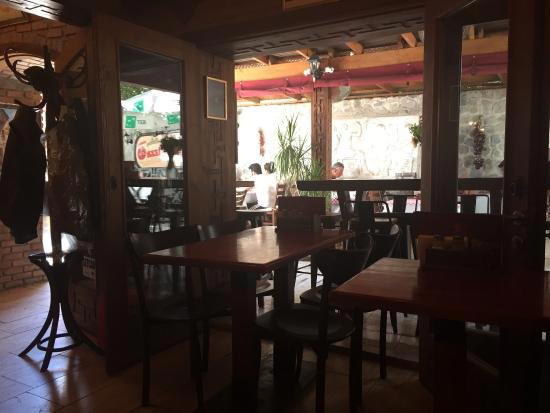
Casual seaside atmosphere with outdoor seating.