
Ahama Ege reads Muğla through produce rather than spectacle: Aegean herbs, seasonal vegetables, fish, and robata technique filtered through a Japanese kitchen vocabulary. The appeal is clearest for diners who want the coast translated with restraint, where the sourcing and cooking method matter more than decorative luxury.
Pearl is the En Primeur Club membership app — saves, bookings, and concierge access live there. Same editors, same standards.
- Address
- Günlüklü Koyu, Yanıklar MAH, Fethiye/Muğla
- Phone
- +90 252 440 04 00
 Saves & bookings on Pearl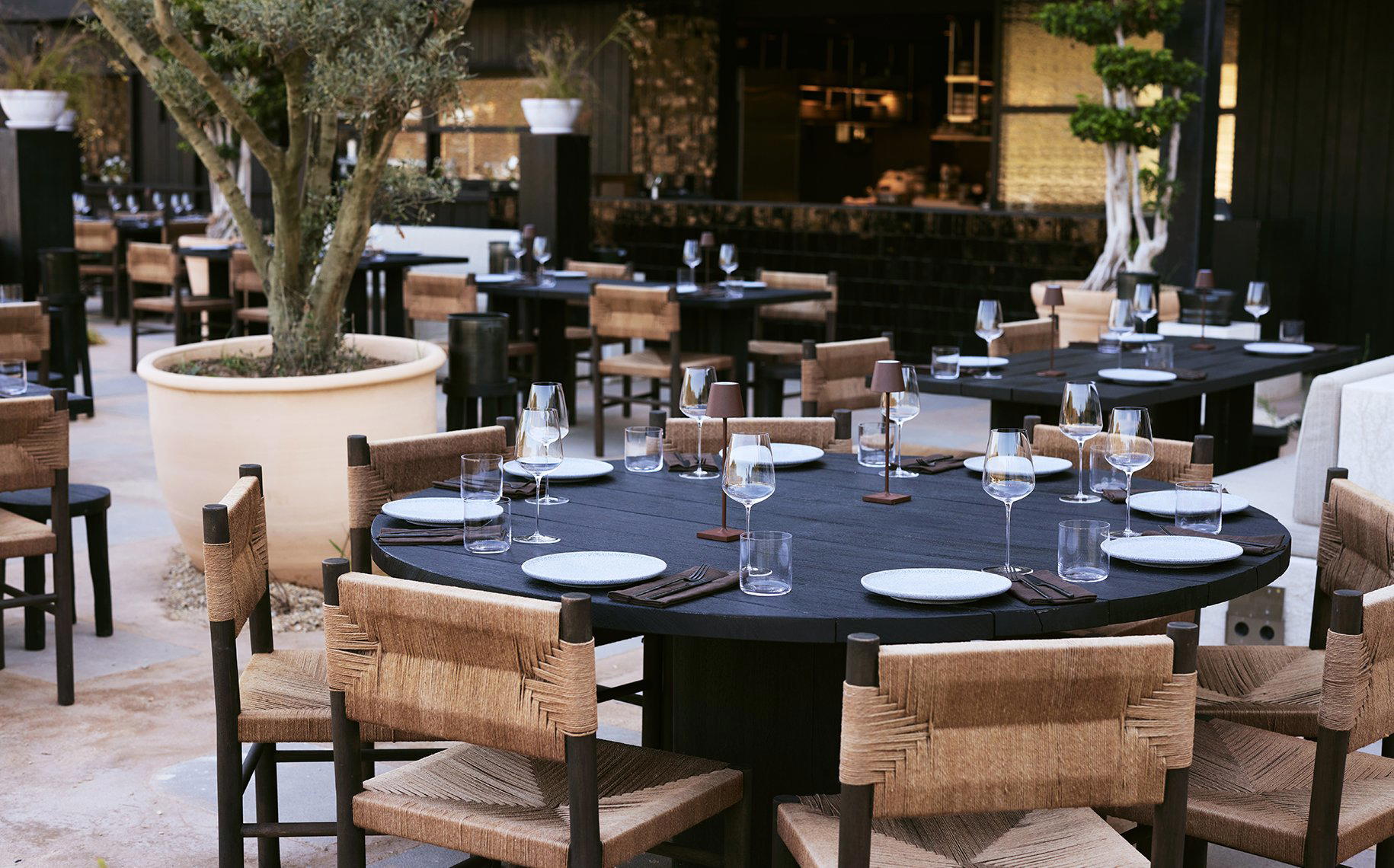
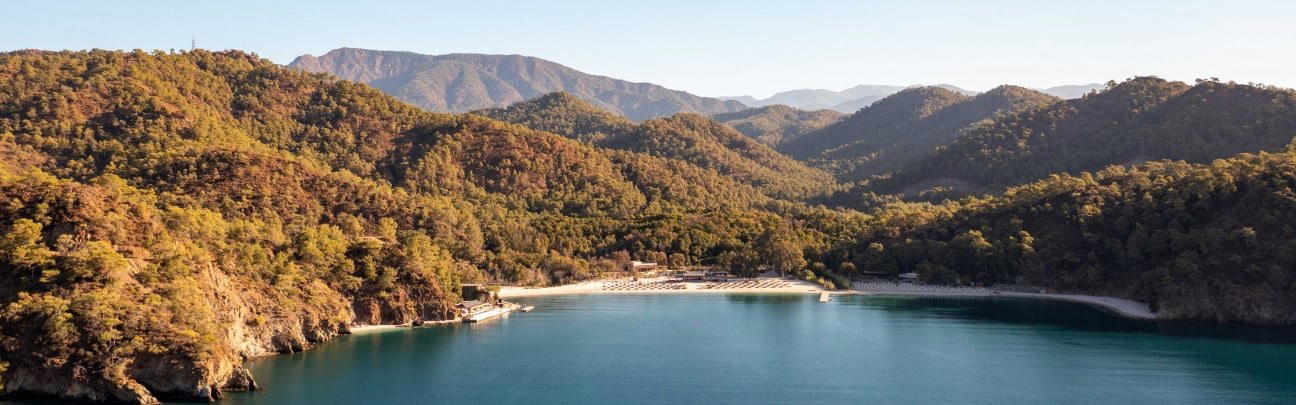
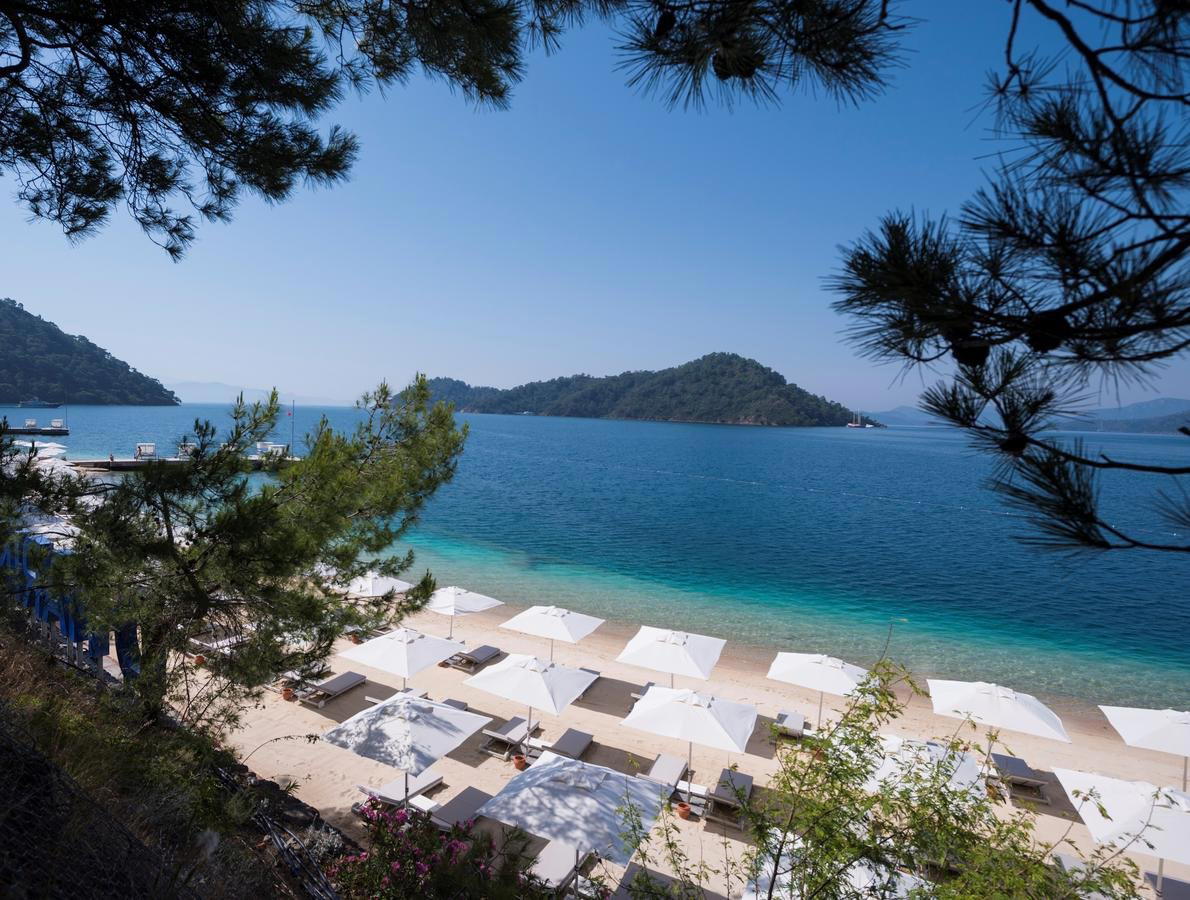
Approaching dinner on this stretch of the Muğla coast, the first cue is the slower grammar of the Aegean: pine, salt air, heat stored in stone, and a shoreline where fish and herbs are local currency, not garnish. Ahama Ege belongs to the newer coastal Turkish table, where the old meze-and-grill template is tightened, edited, and read through other techniques. Here, the outside lens is Japanese: not decoration, but a way to sharpen seasonality, smoke, texture, and restraint.
That matters because Muğla’s restaurant culture is often pulled between two poles: the holiday table, generous and familiar, built around grilled fish, cold starters, and long lunches; and the hotel-dining model, where international polish can flatten the place it should showcase. Ege sits in a narrower lane: creative cooking rooted in Aegean ingredients, with wild herbs, seasonal produce, delicately prepared fish, and robata cooking forming the meal’s spine. It is a useful case study in how coastal Turkish dining is changing without abandoning its raw materials.
Aegean ingredients, Japanese discipline
The central idea is sourcing first. In this part of Turkey, the kitchen starts strong: fish from nearby waters, vegetables shaped by dry summers, herbs carrying bitterness, resin, citrus, and sea-salt notes. A lesser restaurant would simply display that abundance. The more interesting move is editing it. Japanese technique gives the kitchen a grammar of heat control, knife work, and reduction, while the Aegean supplies the flavour register.
Robata cooking is the useful signal. In many coastal restaurants, the grill is blunt: char, lemon, olive oil, repeat. Robata asks for a narrower margin, using smoke and heat to mark rather than dominate. That distinction explains why Ege sits closer to contemporary creative dining than to a conventional fish restaurant. The fish remains central, but the meal is not only about the catch; it is about how the surrounding season comes into focus.
The Aegean’s herb culture also changes the tone. Wild greens and aromatic leaves have long shaped western Turkish cooking, especially in market-led homes and taverns, where bitterness and freshness balance oil, dairy, and fish. In a creative kitchen, those herbs can act almost like seasoning architecture, connecting sea to land without heavy sauces. That is where the Japanese influence makes sense: clarity, proportion, and negative space.
For readers mapping the wider region, Our full Muğla restaurants guide is the better starting point for the broader dining spread. Nearby coastal addresses such as ADA Restaurant in Fethiye, Ahãma in Göcek, Agora Pansiyon in Milas, and Marina show how varied the province can be: resort tables, harbour cooking, village formats, and contemporary kitchens within the same travel radius.
Why the format fits Muğla now
Muğla has become a testing ground for restaurants that must speak to Istanbul weekenders, yacht traffic, international hotel guests, and locals who know when a tomato tastes right. The risk is a diluted menu designed for everyone. Stronger restaurants avoid that by choosing a clear point of view. At Ege, that view is not a chef biography or theatrical concept; it lets local ingredients carry identity while technique supplies precision.
This is why the cooking reads differently from the larger-city Turkish conversation. Istanbul often frames modern Turkish food through history, migration, palace references, and urban nostalgia. The southwest coast is more elemental. The questions are simpler and less forgiving: what came from the sea, what is in season, what grows nearby, and how much intervention improves it. Japanese technique works here because it does not compete with those questions. It answers them quietly.
Creative cooking on the coast can drift into ornament. The better version keeps the plate tied to source and season. Ege’s publicly stated emphasis, seasonal produce, wild herbs, fish, and robata, gives the restaurant discipline. It is not trying to make Muğla look cosmopolitan by importing a foreign identity wholesale. It uses an external technique set to make local ingredients more legible.
That places it in a broader national pattern, not as a stand-alone curiosity. Across Turkey, ambitious kitchens are moving from oversized menus toward tighter formats that express place with more control. For contrast, readers can look at city and regional references including 16 Roof Swissotel in Besiktas, 1924 İstanbul in Istanbul, 360 Istanbul in Beyoglu, 7 Mehmet in Antalya, Adil Müftüoğlu in Balcova, Adil Müftüoğlu in Izmir, and Ala Aksam Restaurant in Serik. Those links are not substitutes; they show how Turkish dining shifts by coast, city, and format.
The reader decision: restraint over spectacle
Ahama Ege is the stronger choice for diners who want a composed coastal meal rather than a celebratory sprawl. Its value is not excess, and the restaurant should be judged by balance: how clearly the fish reads, how the herbs are used, how much smoke the robata contributes, and whether the seasonal produce remains specific to the Aegean rather than generic luxury produce. That is the right critical frame for this kind of kitchen.
It is also useful for travellers building a Muğla trip around more than dinner. The province rewards itinerary planning across sleep, sea, and table, especially between Fethiye, Göcek, Bodrum, and the inland villages. Use Our full Muğla hotels guide, Our full Muğla bars guide, Our full Muğla wineries guide, and Our full Muğla experiences guide to place the meal inside a wider coastal plan rather than treating it as an isolated stop.
The wider creative-cooking category is broad enough to become meaningless unless the place itself does the work. Two European reference points in the same label, A-Bay Beach Bar, Creative cooking in Stari Grad and Ars Vivendi, Creative cooking in Bad Laasphe, underline the point: creative cooking is not a style by itself. It becomes persuasive when geography, technique, and sourcing line up. In Muğla, Ege’s argument is clear: the sea and sun set the terms, the Aegean provides the produce, and Japanese technique keeps the kitchen from overplaying its hand.
Comparable Venues Nearby
Comparable venues nearby, for context on price, style, and recognition.
| Venue | Cuisine | Price | Notes |
|---|---|---|---|
| Ahama EgeThis venue — the venue you are viewing | Seasonal Aegean Fine Dining | $$$$ | Not listed |
| Marina | Turkish Seafood | $$ | Bodrum City |
| SPAGO Bodrum | California-Asian Fusion | $$$$ | Bodrum City |
| WAM by Karma | Mediterranean | $$$$ | Golkoy |
| Onur Kebap, Sheraton Grand Adana | Turkish Kebap Grill | $$$ | Yuregir |
| Nusr-Et Steakhouse | Turkish Steakhouse | $$$$ | Besiktas |
Recognition history
Dated appearances from independent guides and award organizations, with the underlying list record or original source where available.
Relais Chateaux Award
Relais Chateaux
Continue exploring
More in Muğla
Restaurants in Muğla
Browse all →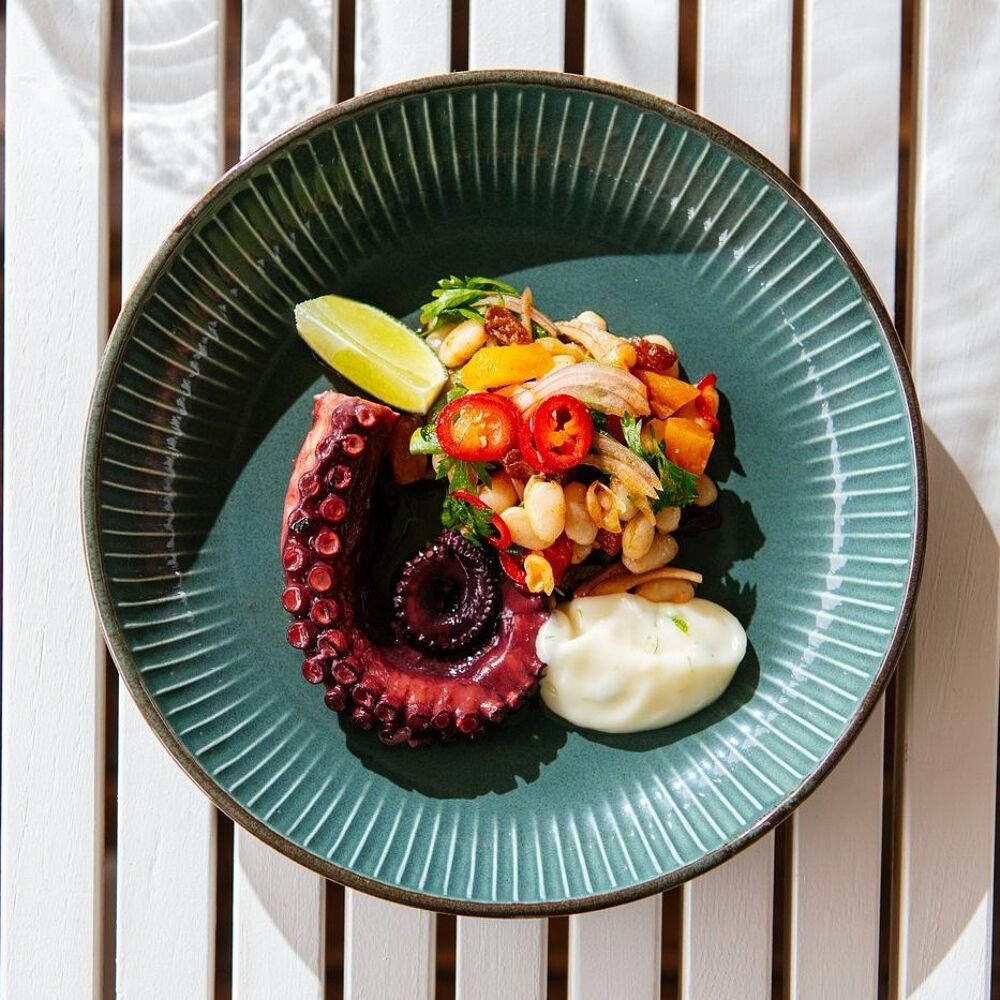
At a Glance
- Romantic
- Elegant
- Scenic
- Intimate
- Sophisticated
- Date Night
- Special Occasion
- Business Dinner
- Celebration
- Waterfront
- Hotel Restaurant
- Extensive Wine List
- Local Sourcing
- Farm To Table
- Waterfront
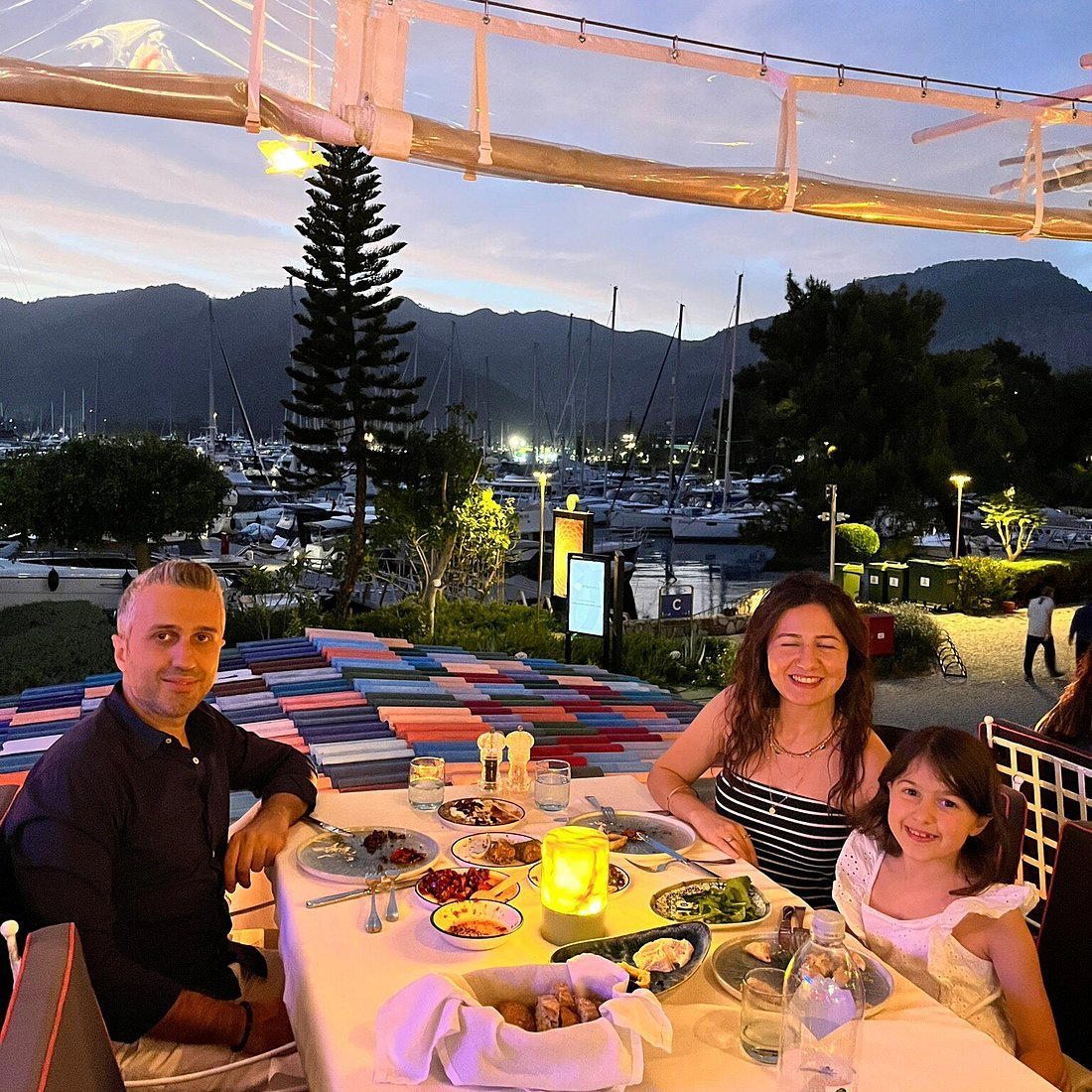
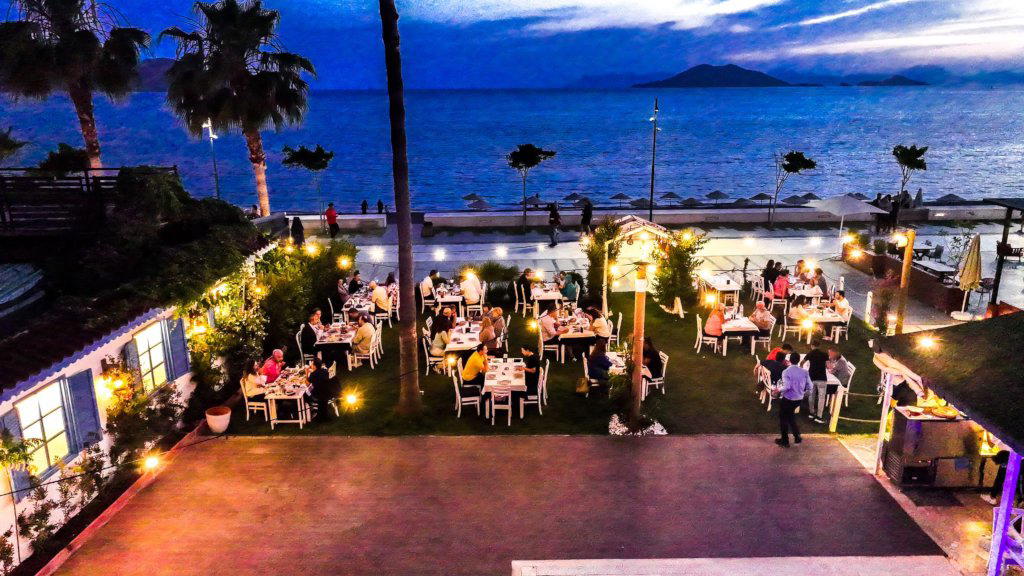
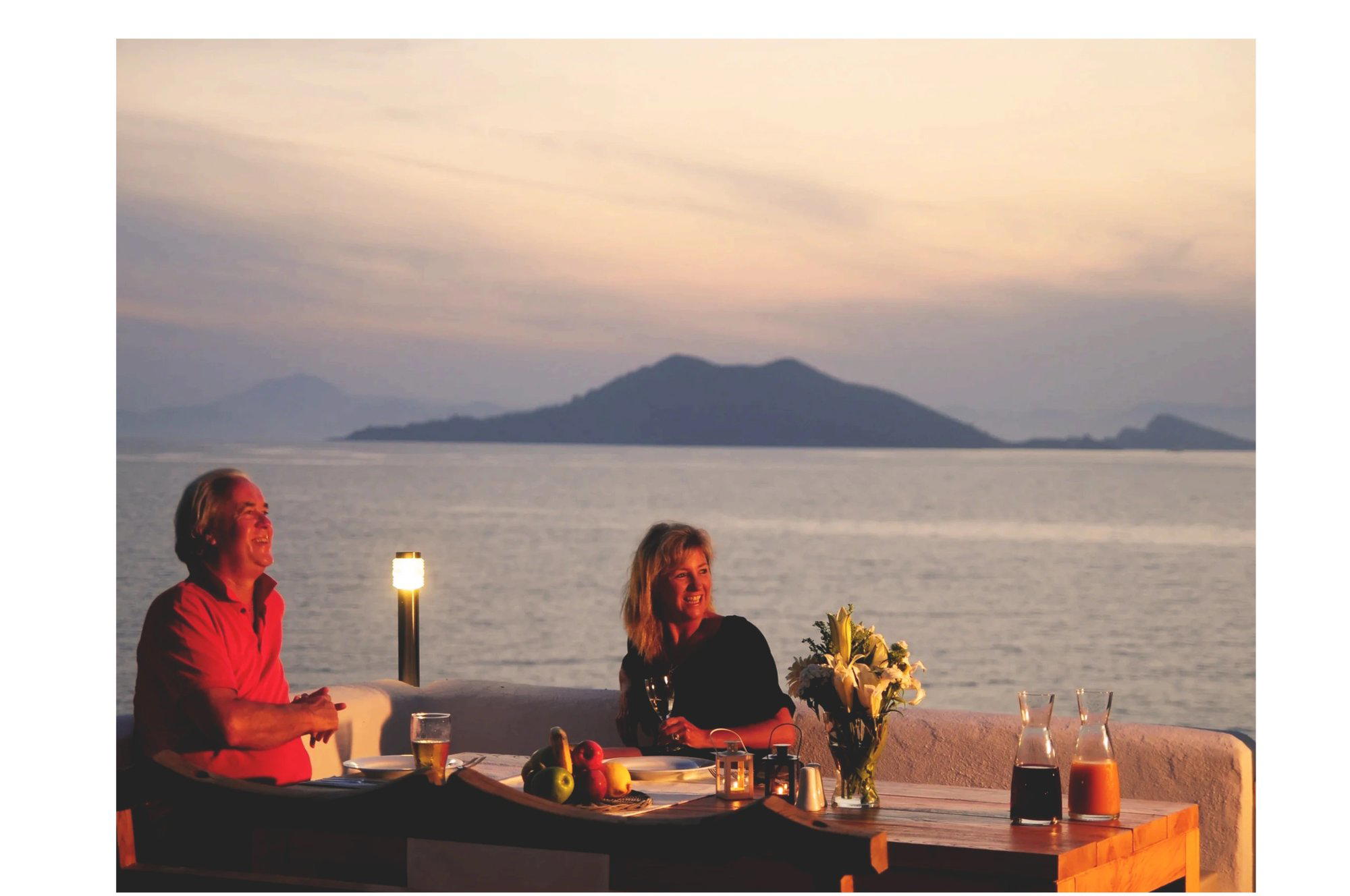
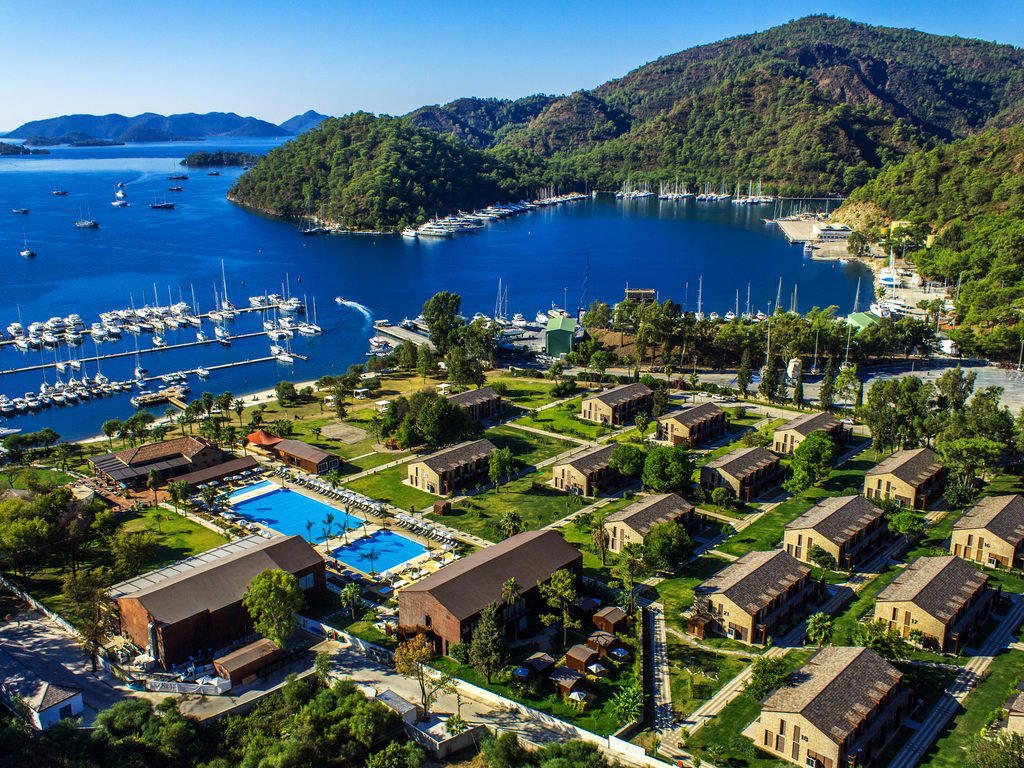
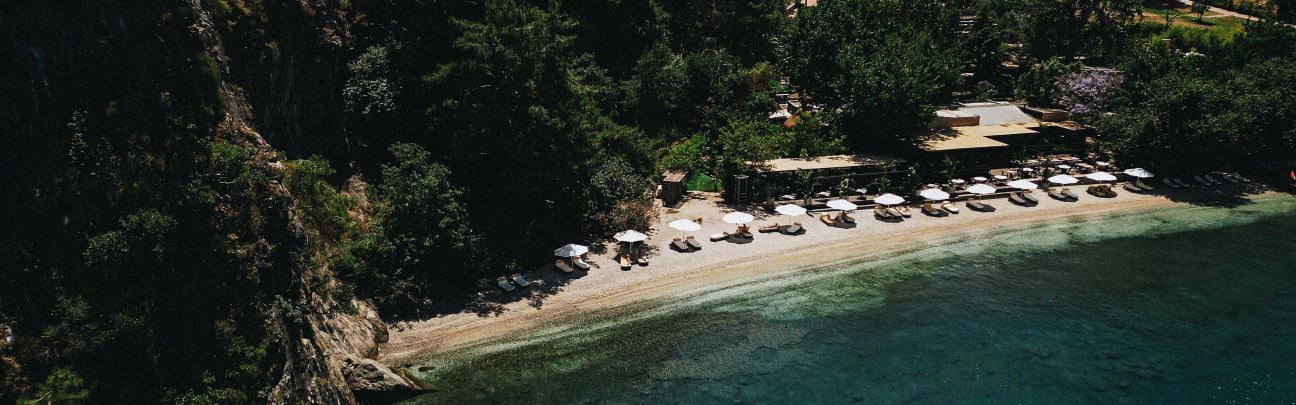
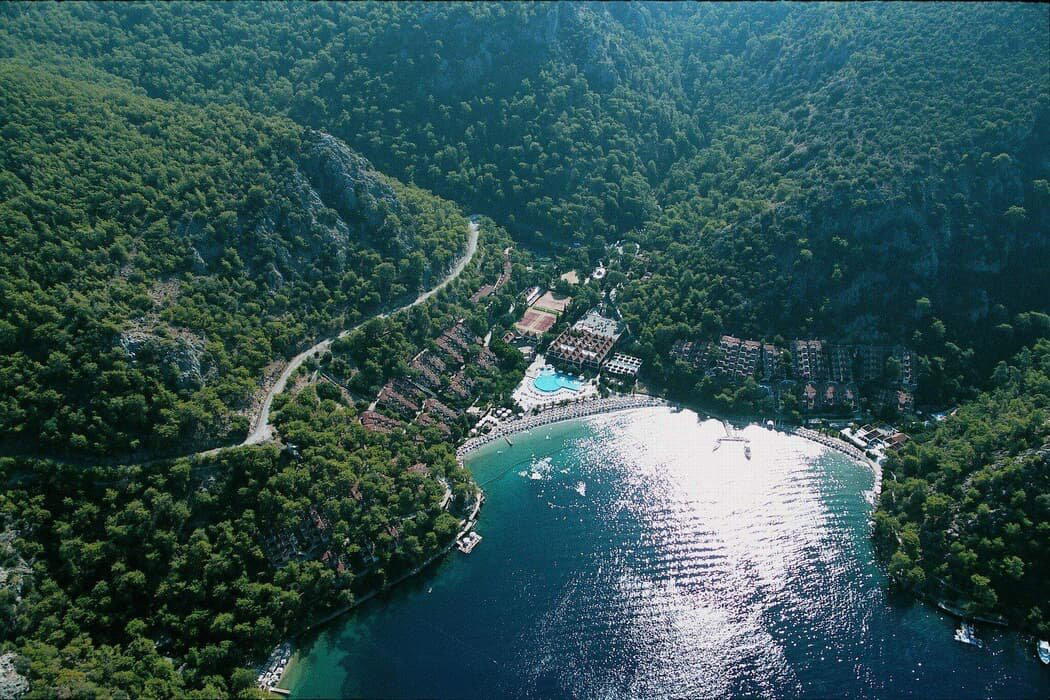
Refined and intimate fine-dining atmosphere with elegant décor, soft lighting, and a tranquil waterfront view that guests describe as beautiful and romantic, suitable for special evenings.