Marco Polo
Marco Polo at 345 Court St in Carroll Gardens, Brooklyn occupies a specific corner of New York's neighbourhood restaurant scene where Italian-American tradition and contemporary technique converge. The address places it squarely in one of Brooklyn's most settled residential dining corridors, where longevity and local loyalty tend to matter more than Michelin positioning or media cycles.
Pearl is the En Primeur Club membership app — saves, bookings, and concierge access live there. Same editors, same standards.
- Address
- 345 Court St, Brooklyn, NY 11231
- Phone
- +17188525015
- Website
- marcopoloristorante.com
- Directions
- Get directions
 Saves & bookings on Pearl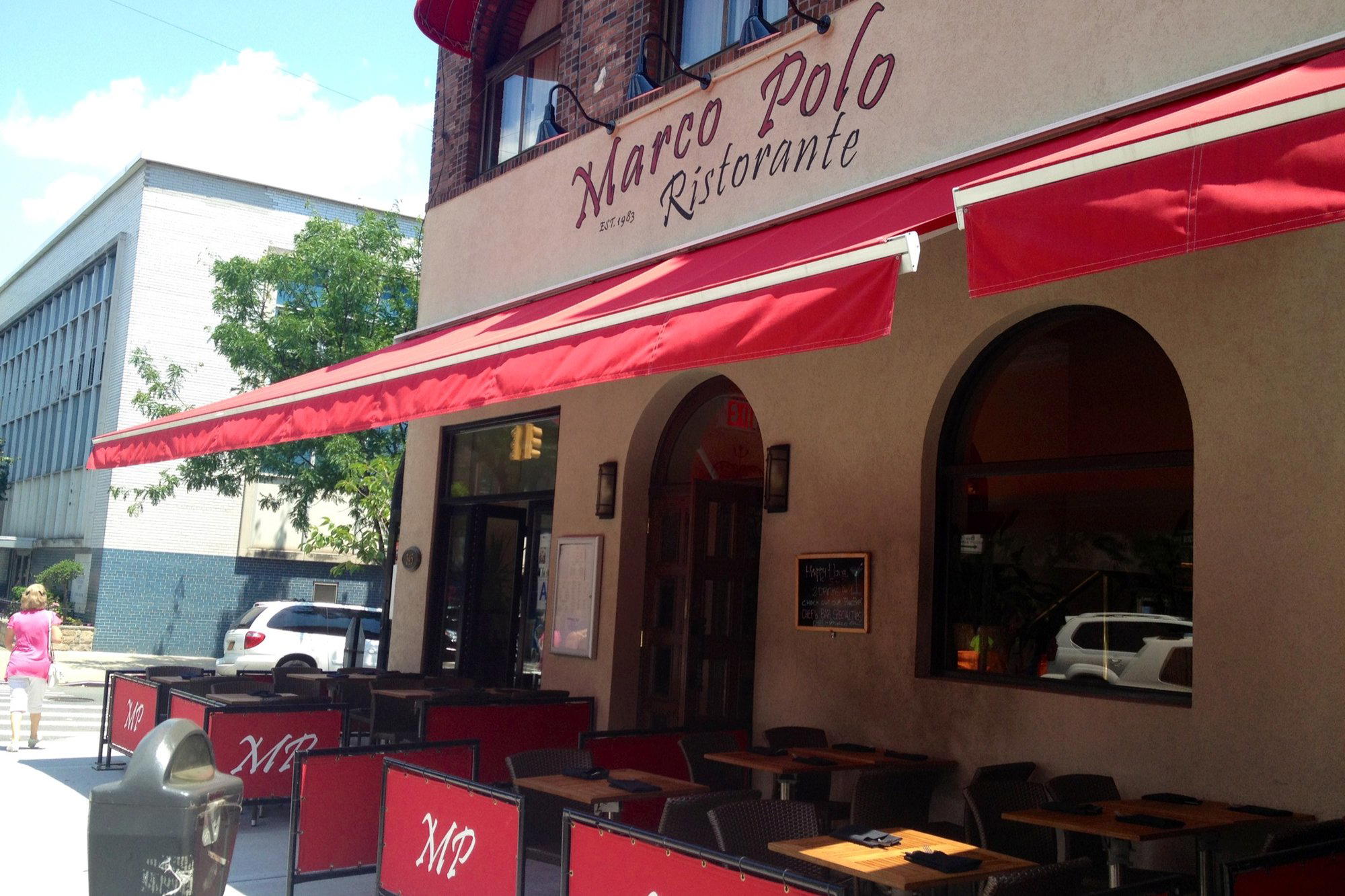
Carroll Gardens and the Italian-American Dining Tradition
Carroll Gardens has maintained one of the most consistent Italian-American dining identities in New York City for decades. The neighbourhood's demographic history, rooted in Sicilian and Calabrian immigration patterns that shaped South Brooklyn through the mid-twentieth century, produced a restaurant culture built on longevity rather than trend cycles. Court Street and its tributaries developed a rhythm of neighbourhood dining that persisted through waves of gentrification, where regulars measured a room's worth by years of operation rather than column inches. Marco Polo, at 345 Court St, sits inside that tradition. For a borough that now hosts some of the city's most aggressively contemporary cooking, Carroll Gardens functions as a counterweight, a place where the Italian-American canon is treated as an inheritance worth maintaining rather than a formula to be dismantled.
That positioning matters when reading the broader New York dining map. The best of the city's restaurant tier, places like Le Bernardin, Per Se, and Masa, operate under entirely different logic: formal tasting formats, ambitious price points, and institutional recognition measured in Michelin stars. Marco Polo is not competing in that register. It belongs to a different and arguably more durable category: the neighbourhood anchor, the restaurant that earns its position through community embeddedness rather than critical machinery.
Where Local Tradition Meets Imported Technique
Italian-American cooking in New York occupies a contested space in the conversation about local ingredients and imported method. The tradition itself arrived as an adaptation: Neapolitan and Sicilian techniques recalibrated to available American products, red-sauce idioms built from California tomatoes and Wisconsin cheese rather than San Marzano and Parmigiano. What emerged over generations was a genuinely local cuisine, one that should be understood on its own terms rather than as a lesser version of its European source material.
The editorial angle that repays attention at Carroll Gardens addresses is how that methodology continues to evolve. Across the neighbourhood, the more thoughtful Italian-American kitchens have started threading locally sourced produce and regional American proteins into formats that remain classically Italian in structure: house-made pasta disciplines drawn from Bologna, braising techniques with Emilian roots, but executed with ingredients that reflect the specific geography of the Northeast. The tension between imported method and indigenous product is the interesting part. It produces cooking that does not easily belong to either a European or a generic American category. Blue Hill at Stone Barns in Tarrytown has made that argument at the high-modernist end of the spectrum, anchoring the menu entirely to Hudson Valley supply. The Italian-American neighbourhood restaurant makes a quieter, less theorised version of the same case.
Comparison with other American cities clarifies what New York's Italian-American neighbourhood dining offers that is difficult to replicate elsewhere. Emeril's in New Orleans and Bacchanalia in Atlanta both demonstrate how specific regional American cooking can carry serious ambition without importing European frameworks wholesale. The Carroll Gardens model is distinct in that its framework is explicitly European, yet its execution has been so thoroughly Americanised over generations that the result is something genuinely its own.
The Brooklyn Dining Context in 2024
Brooklyn's restaurant scene has fragmented dramatically over the past fifteen years. The outer boroughs that once operated as a geographic footnote to Manhattan's dining authority now hold some of the city's most forward-looking kitchens. That shift has produced a stratification within Brooklyn itself: Williamsburg and DUMBO attract a more transient, media-attuned crowd, while Carroll Gardens and Cobble Hill retain a population of long-term residents for whom a reliable neighbourhood restaurant represents more value than a reservation at a hyped opening. It is a different transaction, and Marco Polo's Court Street address places it firmly in the latter context.
For visitors arriving from Manhattan, the logistics are accessible. The F and G trains reach Carroll Gardens in under twenty minutes from Midtown, with Smith-9th Streets or Carroll Street as the nearest stations. Court Street runs directly from the subway exits, making the address navigable without local knowledge. The neighbourhood itself rewards time before or after dinner: the brownstone blocks between Court and Clinton streets represent some of the most architecturally preserved residential fabric in the borough, and the proximity to Red Hook gives the area an end-of-the-line quality that distinguishes it from the more commercialised stretches further north.
Italian-American Cooking in a City of Comparisons
Any serious engagement with Marco Polo requires placing it against the full range of what New York's Italian-descended restaurants offer in 2024. At the progressive end of the city's Asian fusion tradition, kitchens like Atomix and Jungsik New York demonstrate what happens when European technique is applied to non-European ingredient traditions with complete technical seriousness. Italian-American cooking at the neighbourhood level is making a comparable move in a quieter register, using classical Italian technique as a vessel for American ingredients and American social rituals rather than Italian ones.
Nationally, that conversation plays out at different scales. Alinea in Chicago, Lazy Bear in San Francisco, Providence in Los Angeles, Single Thread Farm in Healdsburg, and Addison in San Diego all represent American kitchens working through the same fundamental question of how to construct a cuisine that is technically grounded but geographically specific. The French Laundry in Napa and The Inn at Little Washington answer it through rigorous French classical frameworks. For European reference, kitchens such as Alain Ducasse's Louis XV in Monte Carlo and 8½ Otto e Mezzo Bombana in Hong Kong show how Italian cooking travels and adapts across geography, a process Carroll Gardens underwent over a century ago.
Planning a Visit
Marco Polo sits at 345 Court St, Brooklyn, NY 11231, in a block of Court Street that functions as the commercial spine of Carroll Gardens. The surrounding blocks include a density of Italian-American bakeries, specialty food shops, and cafes that predate the neighbourhood's current profile, and a pre- or post-dinner circuit of that corridor extends the visit into a fuller engagement with the area's character. For a broader view of where Marco Polo fits within New York City's full range of dining, our full New York City restaurants guide maps the city's rooms across category, price tier, and neighbourhood with editorial context for each.
How Marco Polo New York City compares with similar nearby venues.
| Venue | Cuisine | Price |
|---|---|---|
| Gus's Chop House | Steakhouse | $$$ |
| Untable | Thai | $$ |
Continue exploring
More in New York City
Restaurants in New York City
Browse all →
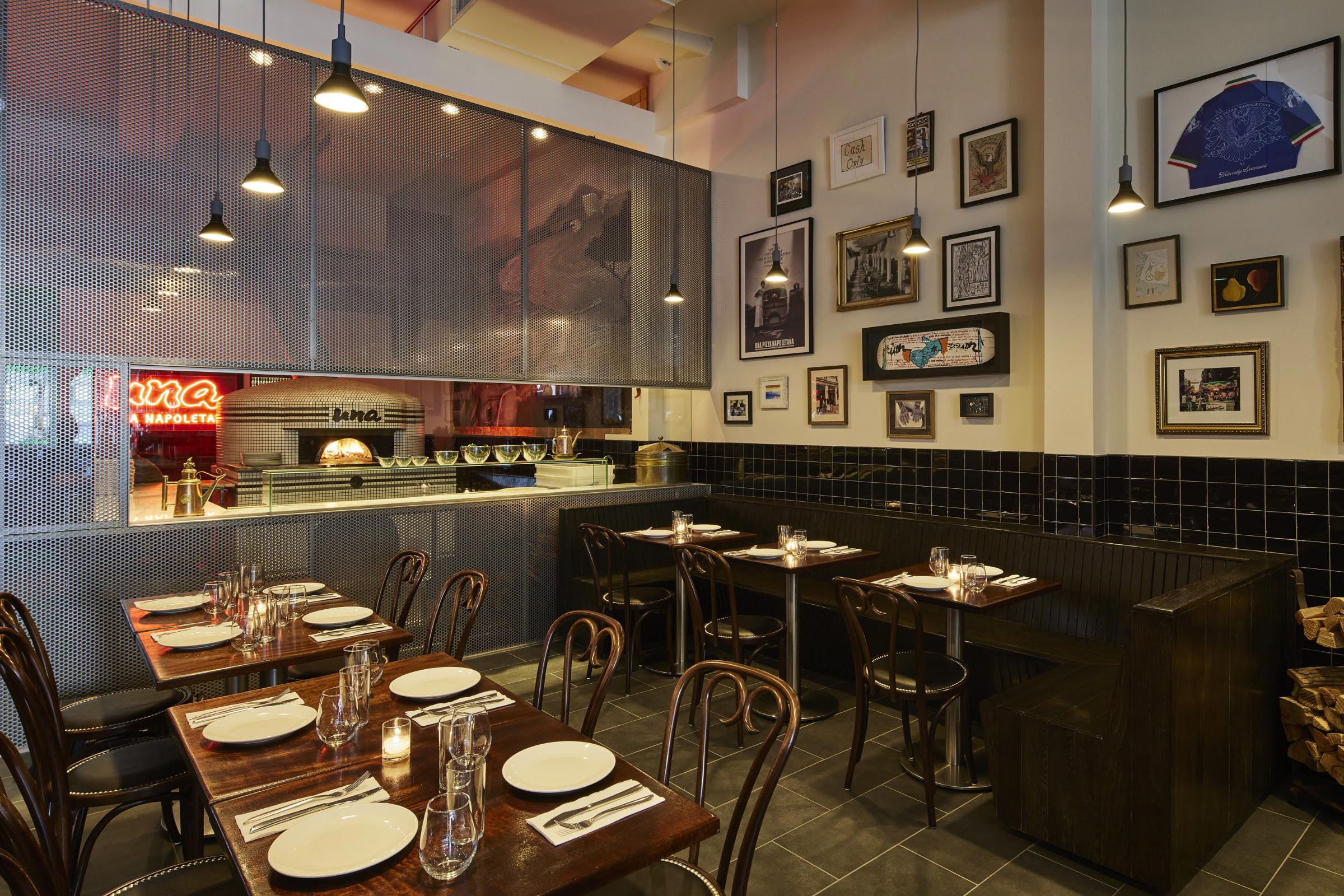
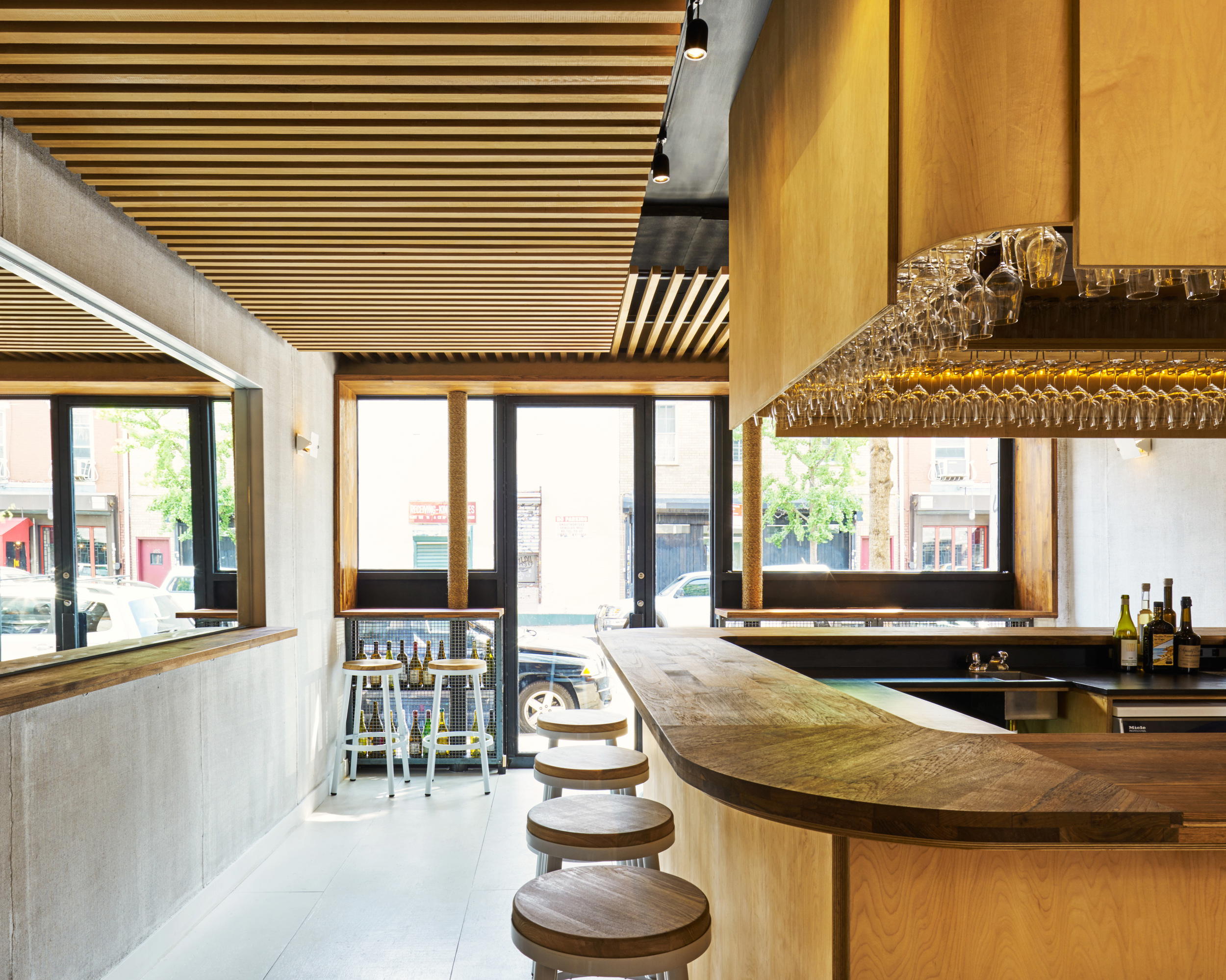
Bars in New York City
Browse all →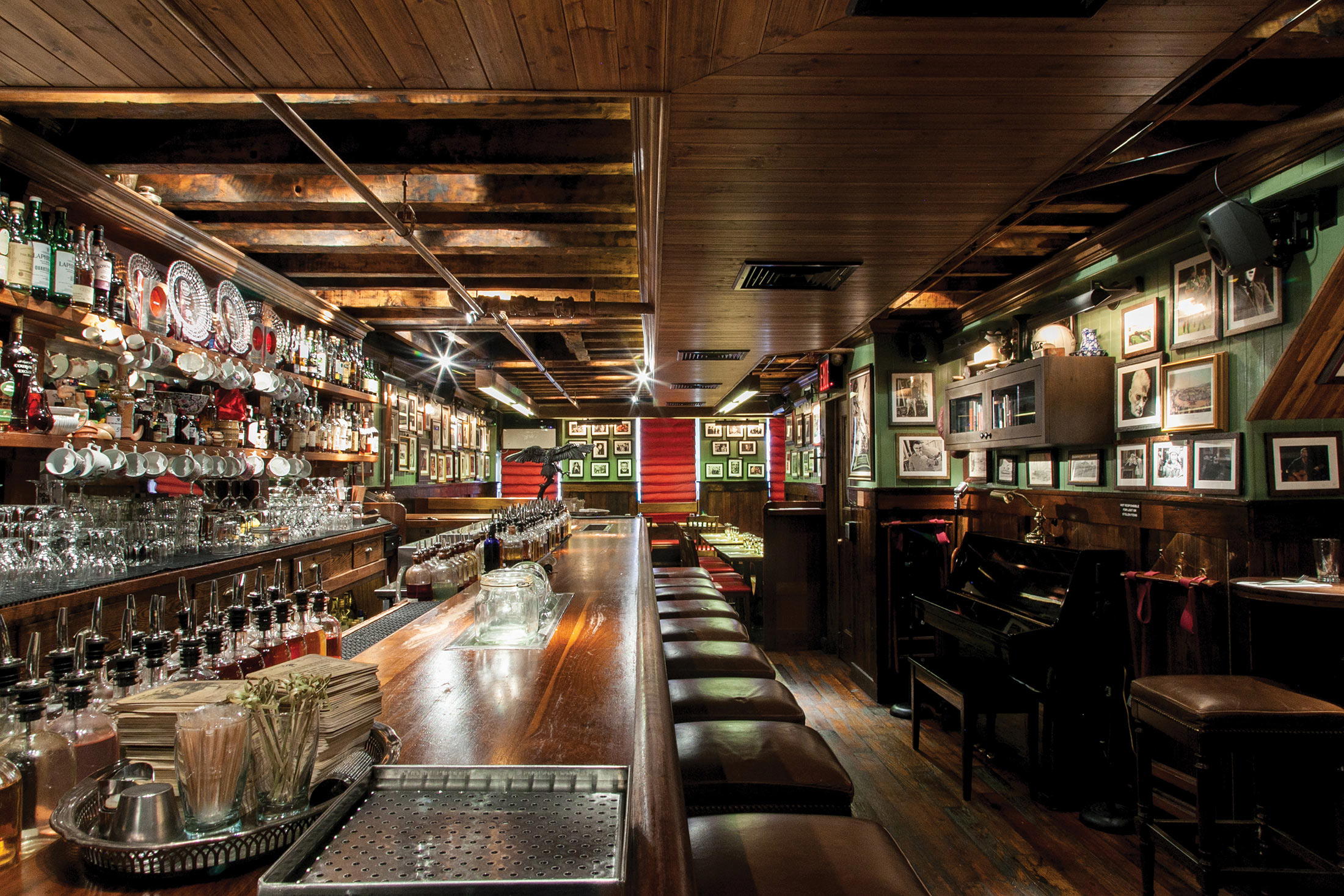
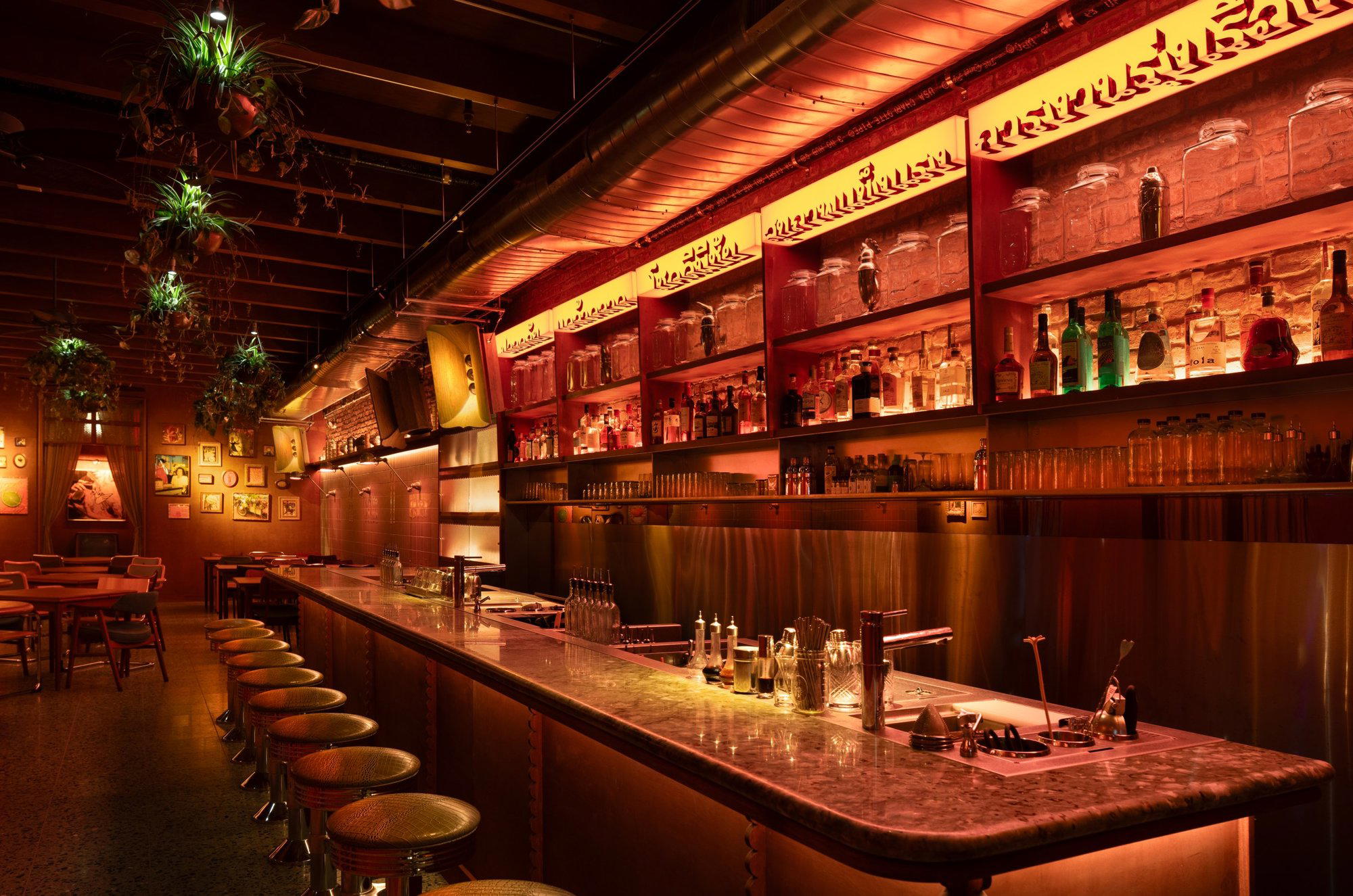
Hotels in New York City
Browse all →






At a Glance
- Classic
- Elegant
- Intimate
- Date Night
- Special Occasion
- Business Dinner
- Historic Building
- Extensive Wine List
Current opening hours
- Monday
- Closed
- Tuesday
- 12–10 PM
- Wednesday
- 12–10 PM
- Thursday
- 12–10 PM
- Friday
- 12–10 PM
- Saturday
- 12–10 PM
- Sunday
- 12–10 PM
Hours can change for holidays and private events. Last verified .
Warm and elegant with new interior design preserving classic neighborhood charm, hearty plating garnished with basil.
Know Before You Go
- Getting there
- 345 Court St, Brooklyn, NY 11231