Our verdict
Mandarin Restaurant serves Chinese Canadian buffet dining at 8787 Weston Rd in Vaughan, with casual service and conversational noise for brunch, lunch, or dinner.

Pearl is the En Primeur Club membership app — saves, bookings, and concierge access live there. Same editors, same standards.
- Address
- 8787 Weston Rd, Vaughan, ON L4L 0C3, Canada
- Phone
- (905) 605-5000
- Hours
- Mon–Thu 12–3 PM, 5–9 PMFri 12–3 PM, 5–10 PMSat 12–3 PM, 4:30–10 PMSun 12–3 PM, 4:30–9 PM
- Website
- mandarinrestaurant.com
- Directions
- Get directions
Chinese Buffet in the Suburbs: What Vaughan's Mandarin Tells You About How Canadians Eat
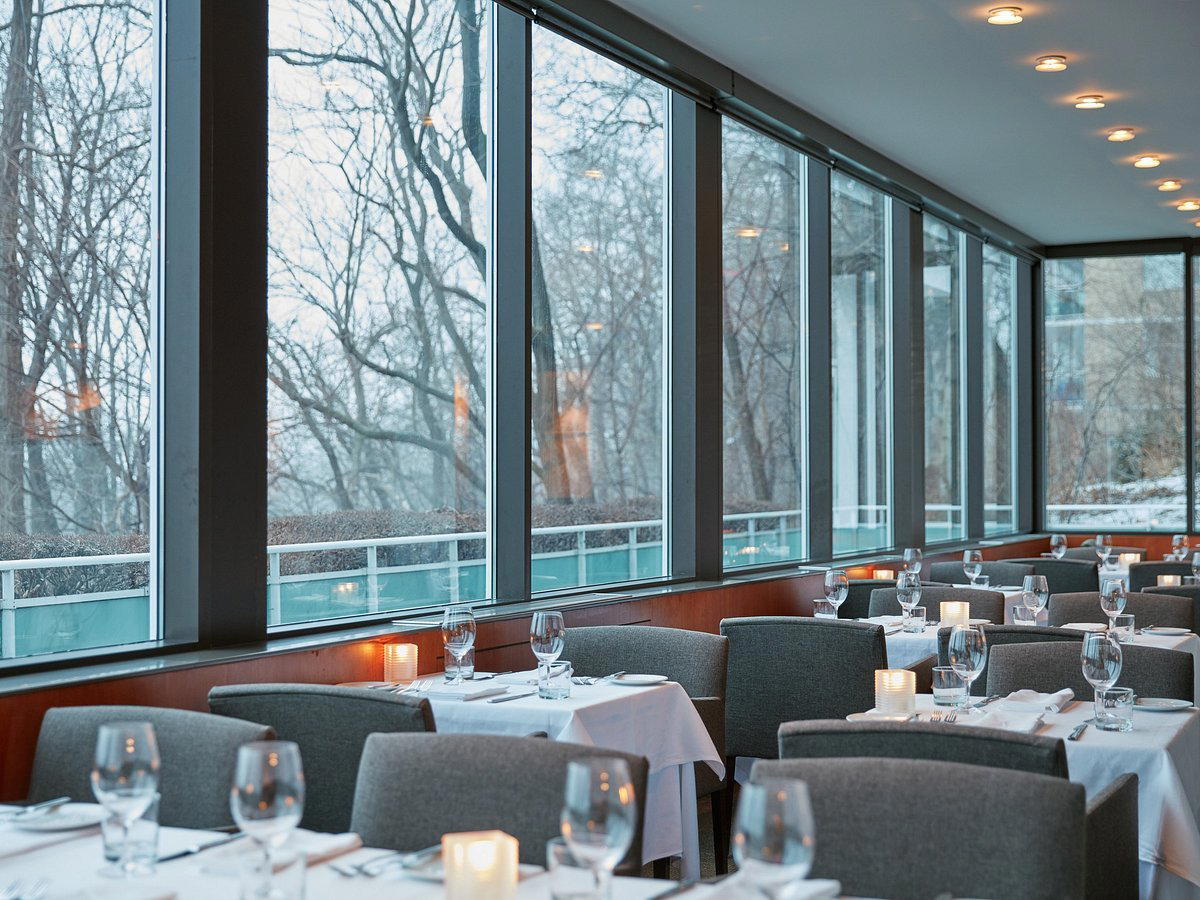
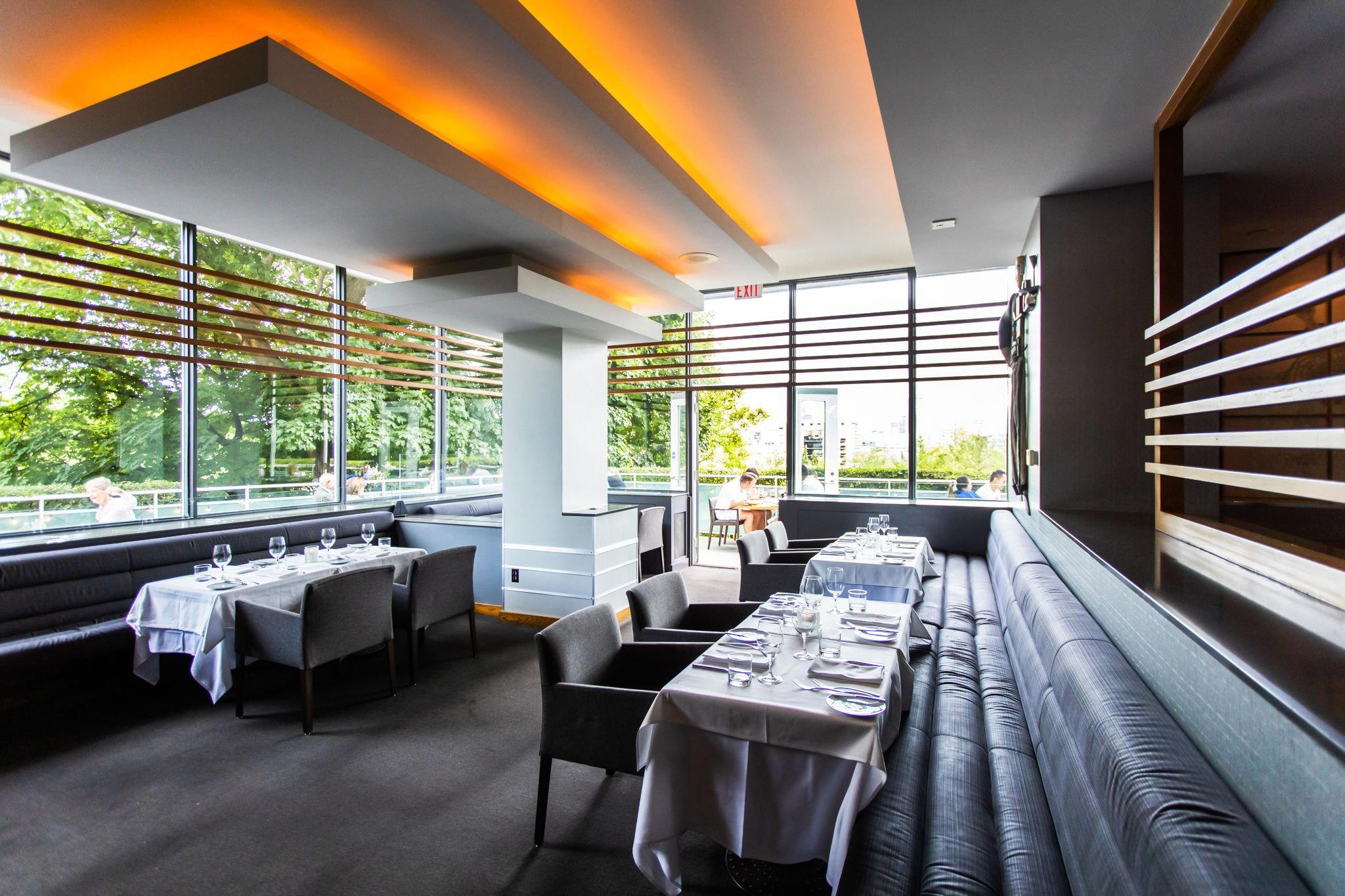
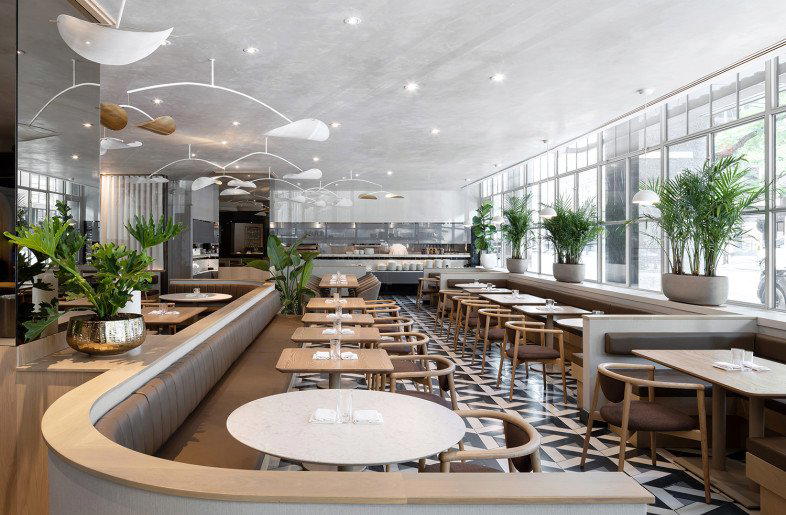
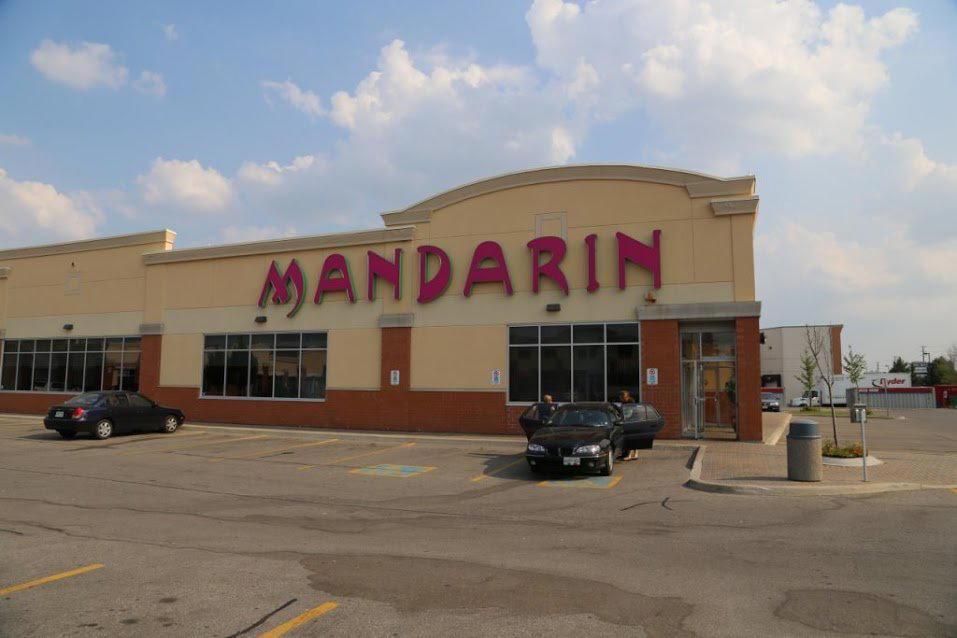
Pull into the parking lot at 8787 Weston Road on a Saturday afternoon and the scene is immediately legible: minivans, extended families spanning three generations, a steady queue at the door that moves faster than it looks. Mandarin Restaurant in Vaughan occupies the kind of sprawling, purpose-built dining room that suburban Ontario has made a genre of its own — high ceilings, wide aisles, a buffet line that wraps the interior perimeter. The physical environment is designed around abundance and throughput, and it delivers on both without apology.
That directness is worth paying attention to. Mandarin operates in a register of Chinese-Canadian hospitality that is almost entirely distinct from the tasting-menu-and-tong narrative that dominates food criticism. Where Alo in Toronto or Tanière³ in Quebec City pitch to a narrow, maximally attentive diner, Mandarin pitches to the family of eight who want General Tso's chicken alongside congee, wonton soup, and a dessert station that satisfies a seven-year-old and a seventy-year-old simultaneously. These are genuinely different projects, and conflating them produces bad criticism.
The Cultural Logic of the All-You-Can-Eat Chinese Buffet
The all-you-can-eat Chinese restaurant in North America carries a history that most diners absorb without registering. The format emerged from mid-20th-century immigration patterns, licensing economics, and the practical need to serve communities unfamiliar with — or unwilling to pay for, individual-portion Chinese dining. What looked like a compromise to some observers was in fact a sophisticated adaptation: a format that removed the anxiety of ordering unfamiliar dishes (you try everything, you pay once), minimized language barriers, and allowed Chinese-Canadian operators to serve high volumes with smaller front-of-house teams.
Mandarin, as a chain, has operated in Ontario since the 1980s, which places it squarely in the generation of Chinese-Canadian restaurants that built suburban dining culture across the Greater Toronto Area. The Vaughan location at Weston Road serves a corridor that has seen significant immigration from mainland China, Hong Kong, and Taiwan over the past two decades, alongside a large Italian-Canadian community that formed the area's earlier demographic identity. The buffet format, paradoxically, serves both cohorts reasonably well: familiar comfort dishes for diners with deep familiarity with Chinese cuisine, approachable fried and sweet preparations for those without it.
This is a different competitive context from the Italian-forward Vaughan dining scene represented by venues like Bocconcino Restaurant, Buca Vaughan, Cantina Amici, or Bomond Restaurant. Those restaurants compete on provenance, technique, and room atmosphere. Mandarin competes on scale, inclusivity, and consistency, a different axis entirely.
What Gets Ordered, and Why
Regulars at Mandarin locations across Ontario tend to organize their plates around a few fixed anchor points: the Peking duck station (where available), the fresh sushi bar, the har gow and siu mai at the dim sum end, and the wok-fried mains that rotate by location. The value of the buffet format is that it rewards exploratory eating, a diner can take a small portion of something unfamiliar without committing to a full dish or its price. For younger diners encountering Chinese cuisine for the first time through a school friend's birthday dinner, that low-stakes sampling has historically done meaningful cultural work.
The dessert section at most Mandarin locations runs a dual track: Western-style cakes and soft-serve ice cream alongside sesame balls, egg tarts, and red bean preparations. It is a minor but telling detail about how the restaurant understands its audience, not as a homogeneous group with one set of expectations, but as a cross-section of suburban Ontario with divergent tastes that a single format has to accommodate.
Comparison with dedicated dim sum houses in the Toronto region, or with the higher-specification Cantonese cooking available in Richmond Hill and Markham, is instructive but not damning. Those restaurants optimize for a different outcome.
Vaughan as Context
Vaughan's restaurant scene sits in an interesting position relative to Toronto proper. The city has the density of a mature suburb but the ambitions, increasingly, of a primary dining destination. Italian red-sauce traditions run deep, 3 Mariachis and the broader Woodbridge corridor reflect decades of community formation, but the Weston Road and Highway 400 corridors have diversified considerably. Our full Vaughan restaurants guide maps that spread more completely, but the short version is that the city now sustains everything from Turkish grills like Mama Fatma to Japanese seafood at Koganei, alongside the Chinese-Canadian formats that have been present since the 1990s.
Within that spread, Mandarin occupies a specific and stable niche: the high-capacity, occasion-neutral dining room that works for a corporate lunch, a birthday party, and a Sunday family outing with roughly equal competence. That flexibility is not incidental, it is the product design.
Planning a Visit
The Vaughan location sits at 8787 Weston Road, accessible from Highway 400 at Major Mackenzie Drive. Weekend lunch service is the peak period, and walk-in waits can extend to twenty or thirty minutes during the noon-to-2pm window; arriving before 11:45am or after 1:30pm reduces that friction. Weekday lunch runs at lower capacity and is often the preferred visit for diners who want a more relaxed pace at the buffet. Pricing for the all-you-can-eat format varies by meal period, lunch rates run below dinner across all Mandarin locations, and the chain's Ontario pricing has historically placed it in the mid-tier of family dining, below full-service à la carte restaurants but above fast-casual. For groups with mixed dietary requirements, the buffet breadth typically accommodates pescatarian and vegetarian needs, though diners with serious allergen concerns should contact the location directly before visiting, as cross-contamination in a buffet environment is an inherent operational consideration.
For context on how Mandarin compares to the more destination-driven dining that EP Club typically covers, places like Restaurant Pearl Morissette in Lincoln, Eigensinn Farm in Singhampton, The Pine in Creemore, AnnaLena in Vancouver, Jérôme Ferrer - Europea in Montreal, Narval in Rimouski, Aux Anciens Canadiens in Quebec, Barra Fion in Burlington, Le Bernardin in New York City, or Atomix in New York City, the categories are simply different. Mandarin is not competing for the same diner, the same occasion, or the same critical recognition. Understanding that distinction is what makes the format legible rather than dismissible.
Frequently asked questions
What's Mandarin Restaurant's location?
Mandarin Restaurant is located at 8787 Weston Rd, Vaughan, ON L4L 0C3, Canada, Vaughan.
Do I need a reservation at Mandarin Restaurant in Vaughan?
Weekend lunch at the Vaughan location draws extended families in volume, and walk-in waits during peak Saturday service are common. The Weston Road address near Highway 400 at Major Mackenzie Drive makes it accessible enough that arriving early — before noon — is the practical approach if you want to avoid a queue. Phone and online booking details are not currently listed for this location.
What do regulars order at Mandarin Restaurant?
At Mandarin locations across Ontario, plates tend to organise around a few fixed anchor points: the Peking duck carving station, honey garlic chicken, and congee at breakfast service. The approach is deliberate — regulars cycle through two or three passes rather than loading a single plate. The buffet format at the Vaughan location on Weston Road rewards that kind of structured revisiting.
Do I need a reservation for Mandarin Restaurant?
Reservations are recommended for Mandarin Restaurant in Vaughan. Confirm current policy via the venue's official channels.
What do critics highlight about Mandarin Restaurant?
Critical attention toward Mandarin tends to focus on the chain's cultural function rather than individual dishes: it became a standard-bearer for how all-you-can-eat Chinese dining was absorbed into Ontario suburban life across the late 20th century. The Vaughan location at 8787 Weston Road operates within that broader conversation about how the format shaped Canadian expectations around Chinese food. No individual awards are currently documented for this location.
Can Mandarin Restaurant adjust for dietary needs?
The buffet format at the Vaughan location provides some inherent flexibility — diners self-select from a spread that typically includes steamed, fried, and roasted preparations alongside soups and rice dishes, which means avoiding specific proteins or sauces is more feasible than at a set-menu restaurant.
Is Mandarin Restaurant good value for money?
The all-you-can-eat model at Mandarin's Vaughan location is designed around volume and variety rather than premium ingredients, which historically positions it as one of the more accessible sit-down options for larger groups in the GTA suburbs.
Side-by-Side Snapshot
Comparable venues nearby, for context on price, style, and recognition.
| Venue | Cuisine | Price | Notes |
|---|---|---|---|
| Mandarin RestaurantThis venue — the venue you are viewing | Chinese Canadian Buffet | $30–50 | Not listed |
| NeNe Chicken Vaughan | Korean Fried Chicken | $10–20 | Vaughan |
| Ice Cream Patio | Italian Pizza and Gelato | $20–30 | Woodbridge |
| Flaming Grill | Turkish Grill | $20–30 | Vaughan |
| The Secret Kitchen - Vaughan | Modern Indian Fusion | Not listed | Vaughan |
| Romano's Restaurant | Classic Italian Pizza & Pasta | $30–50 | Woodbridge |