Our verdict
On a quiet street in Sofia's center, Manastirska Magernitsa has anchored Bulgarian culinary tradition for decades, drawing on monastic recipes and countryside ingredients that most city restaurants abandoned long ago. The setting evokes a rural guesthouse, heavy wood, embroidered textiles, earthenware, while the kitchen works from a repertoire that treats preservation, fermentation, and seasonal field-to-table sourcing as structural principles rather than marketing. For visitors seeking a grounded read on what Bulgarian cooking actually tastes like, this is the place to start.

Pearl is the En Primeur Club membership app, where members save venues, book tables and use the concierge.
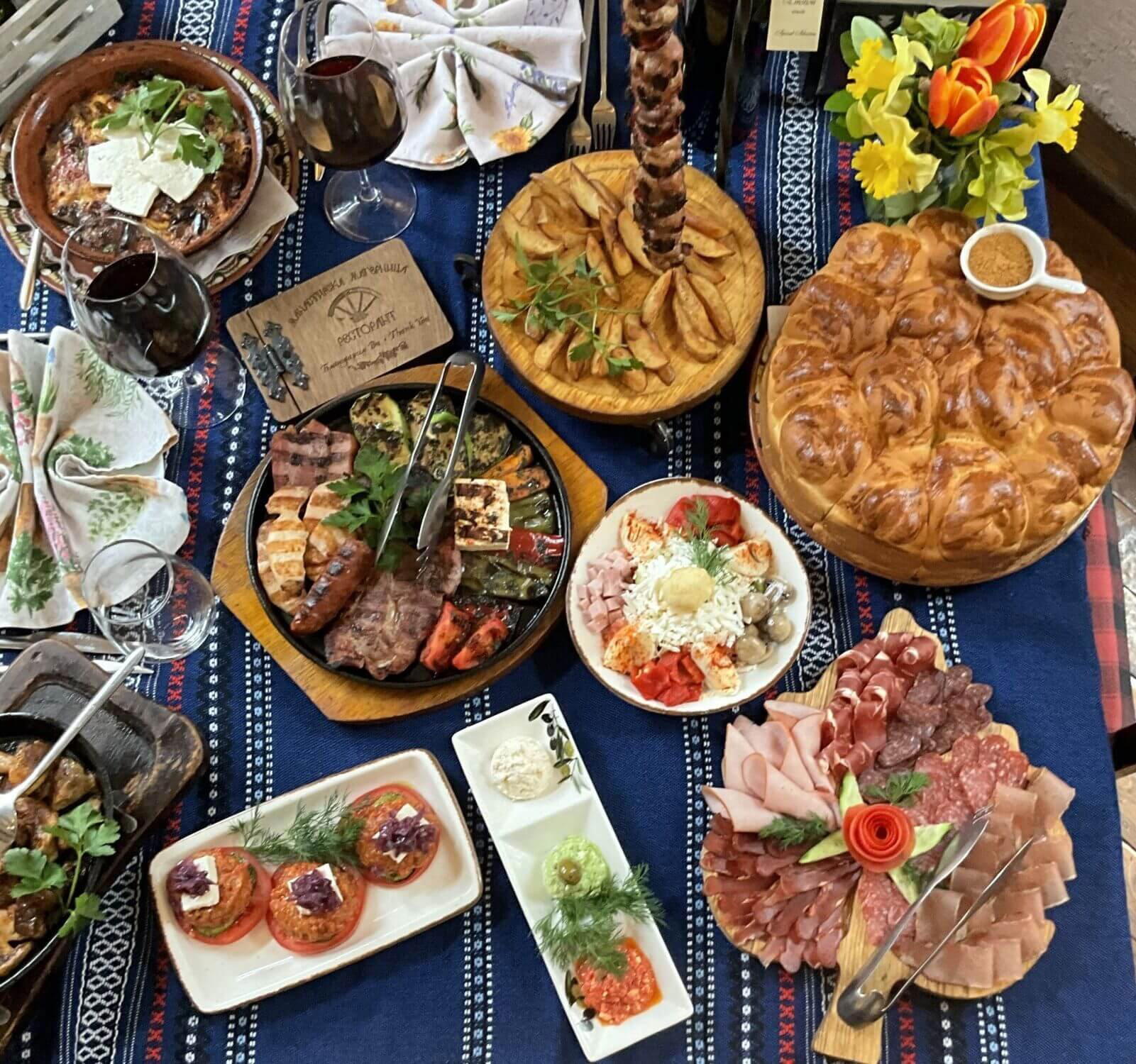
Where the Food Comes From, and Why That Still Matters in Sofia
Bulgarian restaurant culture in Sofia has, over the past decade, split in two directions: internationalist dining rooms chasing European fine-dining codes, and a smaller cohort of places committed to the country's pre-industrial food traditions. Manastirska Magernitsa occupies a specific and increasingly rare position in the second group. The name translates loosely as "monastery kitchen," and that etymology is not decorative. The restaurant draws its recipe architecture from Bulgaria's Orthodox monastic cooking tradition, a body of knowledge built around long-keeping ingredients, seasonal field harvests, and the kind of slow preparation that monastery kitchens required precisely because they had no supply chains. In a Sofia dining scene where that tradition is often gestured at rather than practiced, the gap between gesture and commitment is the most interesting thing to assess.
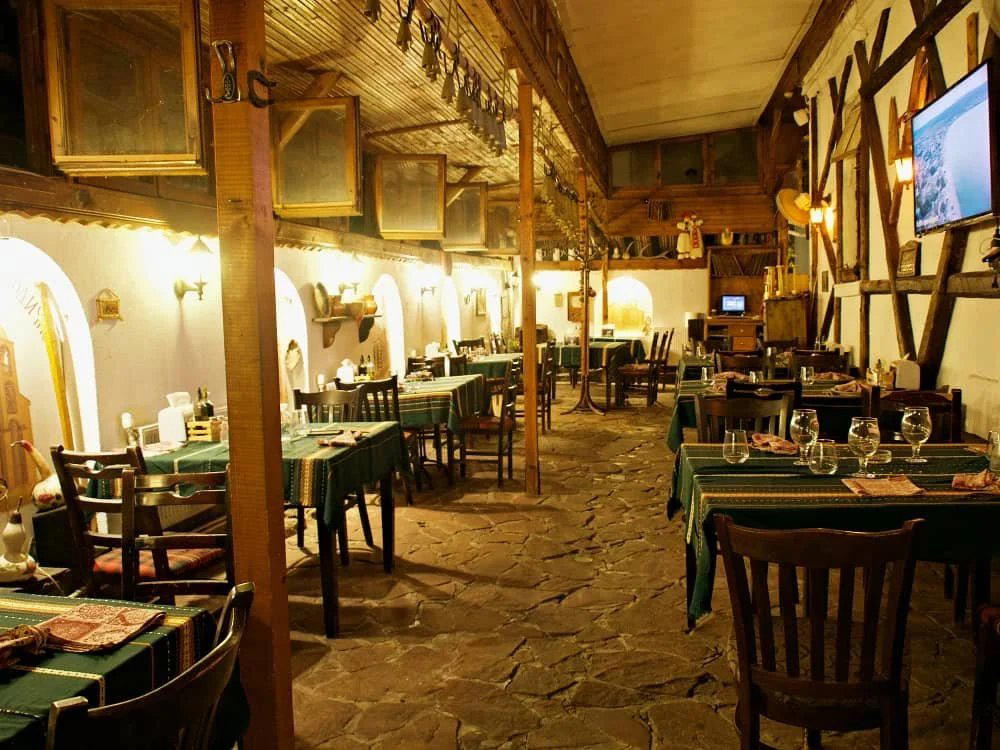
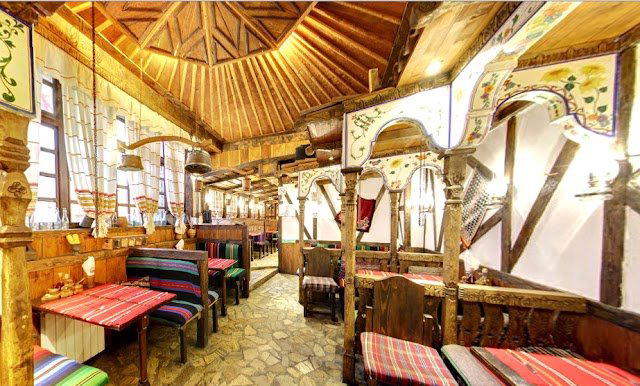
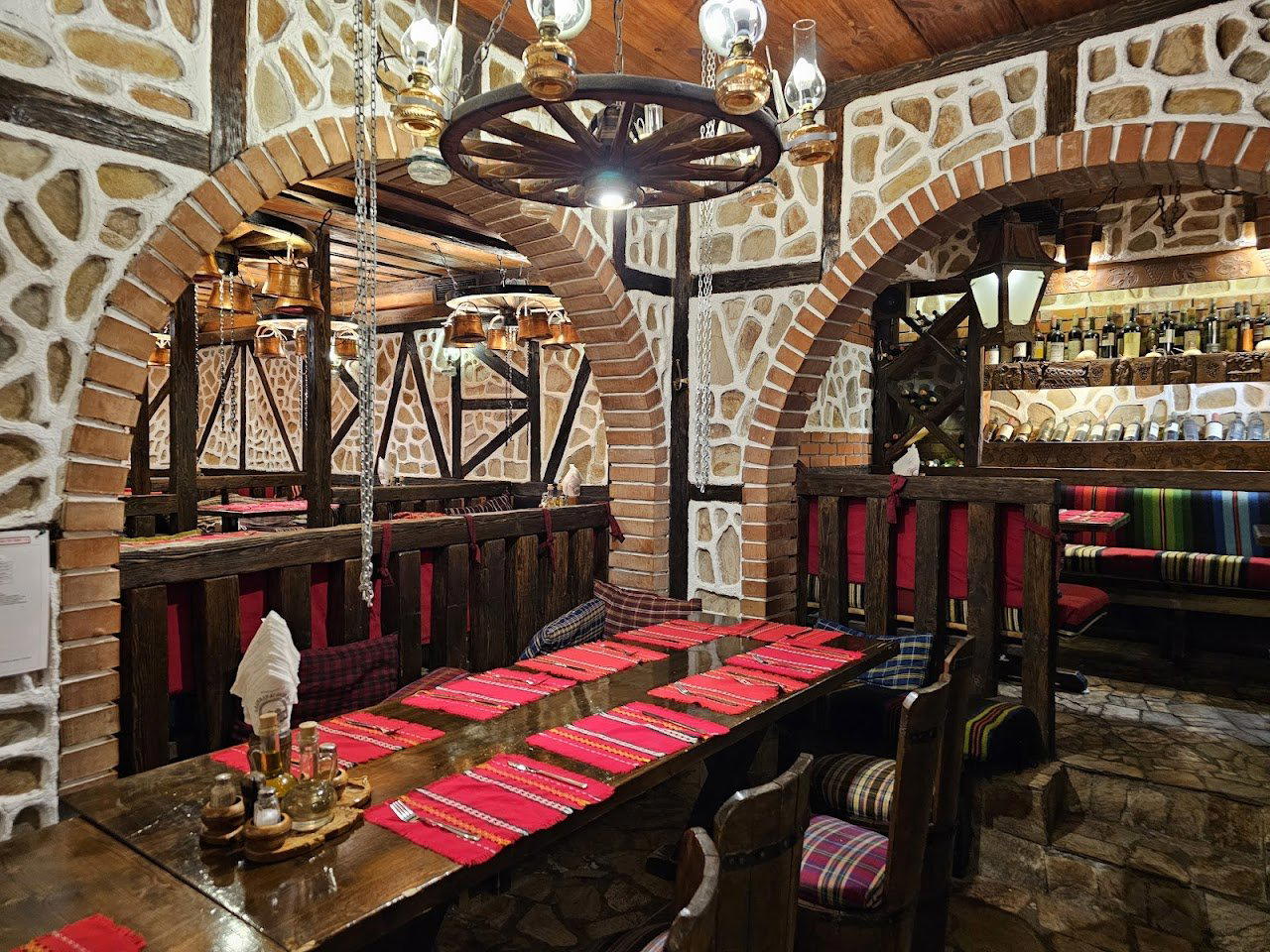
The address, ul. Han Asparuh 67 in Sofia Center, places the restaurant within walking distance of the National Palace of Culture and the city's denser cultural quarter. The building signals its purpose from the entrance: the interior runs to heavy carved wood, embroidered folk textiles, and earthenware vessels that function as atmosphere but also as evidence of the kitchen's sourcing logic. These are not decorative objects imported from a prop warehouse. The preservation jars and dried herb bundles visible in the dining room reflect a pantry approach that was once universal in Bulgarian rural cooking and is now practiced by very few urban restaurants. Compare this to the dining room at Art Club Museum, where the visual identity is contemporary and the food references tradition at a distance. Manastirska Magernitsa makes no such distance.
The Sourcing Logic Behind Bulgarian Monastic Cooking
Bulgaria's culinary geography is more varied than its international profile suggests. The Rhodope mountains, the Danube plain, the Black Sea littoral, and the Rose Valley each produce distinct ingredients that shaped regional cooking before centralization flattened those differences. Monastic kitchens were historically among the most deliberate users of this diversity because they operated year-round with fixed communities and seasonal access. The result was a cooking tradition that relied heavily on fermentation, drying, cold-pressing, and pickling to extend the life of summer and autumn harvests through winter. Tarator, kavarma, and dishes built around dried legumes and preserved vegetables are not poverty food in this framework; they are the output of a sophisticated preservation culture.
In contemporary Sofia, most restaurants that claim Bulgarian identity treat these ingredients as background rather than foreground. The monastic sourcing model flips that relationship, making the preserved element, the foraged green, or the slow-braised legume the structural center of the dish rather than a garnish to a protein. This approach aligns with what international observers have tracked in Scandinavian and Georgian cuisines, where fermentation and preservation have moved from peasant necessity to critical culinary vocabulary. Bulgaria has the same raw materials for that conversation; what it has lacked is consistent urban representation. Restaurants like Dark Sister by Made in Home push the contemporary end of Sofia's food scene, while Manastirska Magernitsa holds the traditional anchor.
For context on how Bulgaria's regional kitchens translate outside the capital, Koriata Restaurant in Kazichene and Bistro 55 in Zornitsa demonstrate how sourcing-focused cooking operates when the kitchen sits closer to its primary agricultural supply. The capital version, as Manastirska Magernitsa shows, requires more deliberate procurement. Cinecittà in Boyana takes a different approach entirely, leaning into Italian references from Sofia's suburban fringe.
Where It Sits in Sofia's Dining Order
Sofia's restaurant scene has developed considerable range in the past five years. At the contemporary end, places like Chef's and Secret by Chef Petrov frame Bulgarian ingredients through a European fine-dining lens. At the casual end, Boom! Burgers and Bamboo Flavor Factory serve the city's appetite for international fast-casual formats. Manastirska Magernitsa sits in a different band entirely, one that does not map cleanly onto the fine-dining versus casual axis.
That tradition carries weight beyond Sofia. Aestivum in Melnik and Zornitza Family Estate in Nessebar represent how Bulgarian wine and food culture is being packaged at a premium level for international visitors. Dieci Boutique Restaurant in Devino works the boutique winery dining angle. Manastirska Magernitsa serves a different function for a different audience, one that wants the tradition without the estate wrapping. Paşa Restaurant in Plovdiv occupies a comparable position in Bulgaria's second city, treating Ottoman-influenced Bulgarian cooking with similar seriousness.
For international visitors calibrated to high-commitment traditional-format restaurants elsewhere, the reference points are instructive. The monastic cooking revival happening here has structural parallels to what Georgia's qvevri wine and supra culture achieved in terms of international recognition, or what nose-to-tail British cooking did for pub dining in London during the 2000s. The ingredients and the culinary logic were always present; what changed was the framing. Venues that do this work, like Manastirska Magernitsa in its Sofia context, perform a cultural function that extends beyond any single meal. Compare that sense of culinary mission to the very different registers of Le Bernardin in New York City or Atomix in New York City, both of which have codified a cuisine and a tradition into a form legible to an international audience, and you begin to understand what is at stake in Sofia's traditional dining tier.
Planning Your Visit
Manastirska Magernitsa operates in Sofia Center, making it reachable on foot from most centrally located hotels and from the NDK metro station. The neighborhood's restaurant density is lower than the area around Vitosha Boulevard, which tends to mean easier pavement access and a quieter approach. The interior format, with its folk-house visual register and multi-room layout, accommodates groups without the acoustics becoming punishing, which is not uniformly true of Sofia's older dining rooms. For visitors also exploring Bulgaria's Black Sea restaurant culture, Sushi Box Vinitsa in Varna marks the opposite end of the country's dining spectrum. A broader read on what Sofia's dining options look like across all price points and styles is available in our full Sofia restaurants guide. Reservations are advisable for dinner service, particularly on weekends, when the combination of tourist traffic and local demand for this style of cooking compresses availability. Evenings here run at a deliberate pace; the kitchen is not structured for quick turns, and the experience rewards treating the meal as its own occasion rather than a stop between activities. For a broader sense of American fine-dining comparisons, Emeril's in New Orleans offers an instructive parallel in how a regional culinary tradition can be both preserved and made commercially legible over decades.
Frequently asked questions
Would Manastirska Magernitsa be comfortable with kids?
The setting at Manastirska Magernitsa draws on Bulgarian monastic tradition, which tends toward warm, communal hospitality rather than formal constraint. Families are a natural fit for this style of dining. The restaurant sits in Sofia Center on ul. Han Asparuh, easily reachable on foot from central hotels, which makes logistics straightforward for parents with children.
Is Manastirska Magernitsa formal or casual?
The restaurant's identity is rooted in Bulgarian monastic cooking culture, which is by nature unpretentious and grounded. Expect a setting that reflects that tradition rather than a fine-dining room. Sofia Center's Han Asparuh address places it in a neighbourhood context, not an expense-account dining strip, which sets the tone before you arrive.
Is Manastirska Magernitsa a good option for vegetarians interested in traditional Bulgarian food?
Bulgarian monastic cooking has a historically significant vegetarian tradition, as Orthodox fasting periods required monastery kitchens to produce extensive meatless menus across centuries. This makes Manastirska Magernitsa, which draws on that monastic culinary lineage in Sofia Center, a more considered choice for vegetarians than most conventional Bulgarian restaurants. The breadth of plant-based preparation within this tradition is considerably wider than the grilled-meat image of Bulgarian cuisine typically suggests.
What's the must-try dish at Manastirska Magernitsa?
Manastirska Magernitsa centres its menu on Bulgarian monastic recipes drawing from the Rhodope mountains, the Danube plain, and the Black Sea littoral, meaning the strongest choices tend to be slow-cooked regional preparations rather than any single signature plate. Ask staff which dishes reflect the current seasonal sourcing from Bulgarian producers. That conversation typically points you toward the kitchen's genuine strengths.
What's Manastirska Magernitsa's location?
Manastirska Magernitsa is located at Sofia Center, ul. "Han Asparuh" 67, 1000 Sofia, Bulgaria, Sofia.
How hard is it to get a table at Manastirska Magernitsa?
Manastirska Magernitsa is one of Sofia's most consistently referenced addresses for traditional Bulgarian cooking, which means demand from both locals and visitors holds steady. Booking ahead is advisable, particularly for evenings and weekends. The restaurant is located at ul. Han Asparuh 67 in Sofia Center, so walk-ins during quieter lunch periods may fare better.
What's the defining dish or idea at Manastirska Magernitsa?
The defining idea is fidelity to Bulgarian monastic cooking as a living tradition rather than a folkloric reconstruction. The kitchen sources from Bulgaria's distinct regional geographies and prepares dishes according to methods associated with monastery kitchens, which historically preserved recipes during periods when urban food culture was disrupted. That gives the menu a coherence that purely nostalgic Bulgarian restaurants often lack.
In Context: Similar Options
Comparable venues nearby, for context on price, style, and recognition.
| Venue | Cuisine | Price | Notes |
|---|---|---|---|
| Manastirska MagernitsaThis venue (the venue you are viewing) | Traditional Bulgarian Monastery Cuisine | $20–30 | Not listed |
| The Happy Pig - Food & Cocktails | Modern Bulgarian-Asian Fusion | $10–20 | Oborishte |
| Vegetarian restaurant and bakery "Sun Moon" | Vegetarian Bakery Cafe with Bulgarian Influences | $10–20 | Sofia Center |
| Dark Sister by Made in Home | Modern Mediterranean with Eastern European influences | $20–30 | City Center |
| MEAT Gourmet Sandwiches and Burgers | Gourmet Burgers and Sandwiches | $10–20 | Sofia Center |
| Divaka | Traditional Bulgarian | $1–10 | Old City Center |
Continue exploring
More in Sofia
Restaurants in Sofia
All restaurants in Sofia →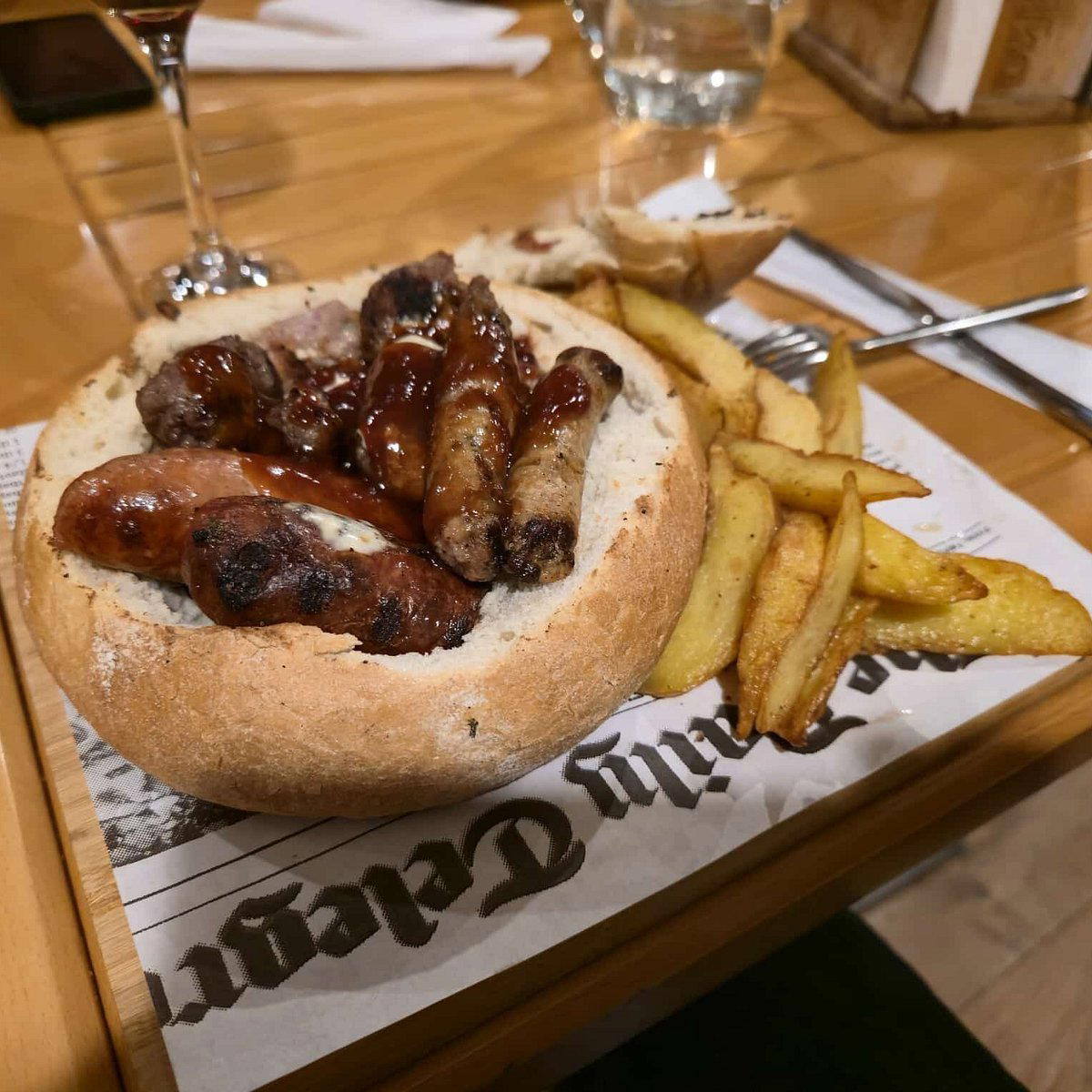
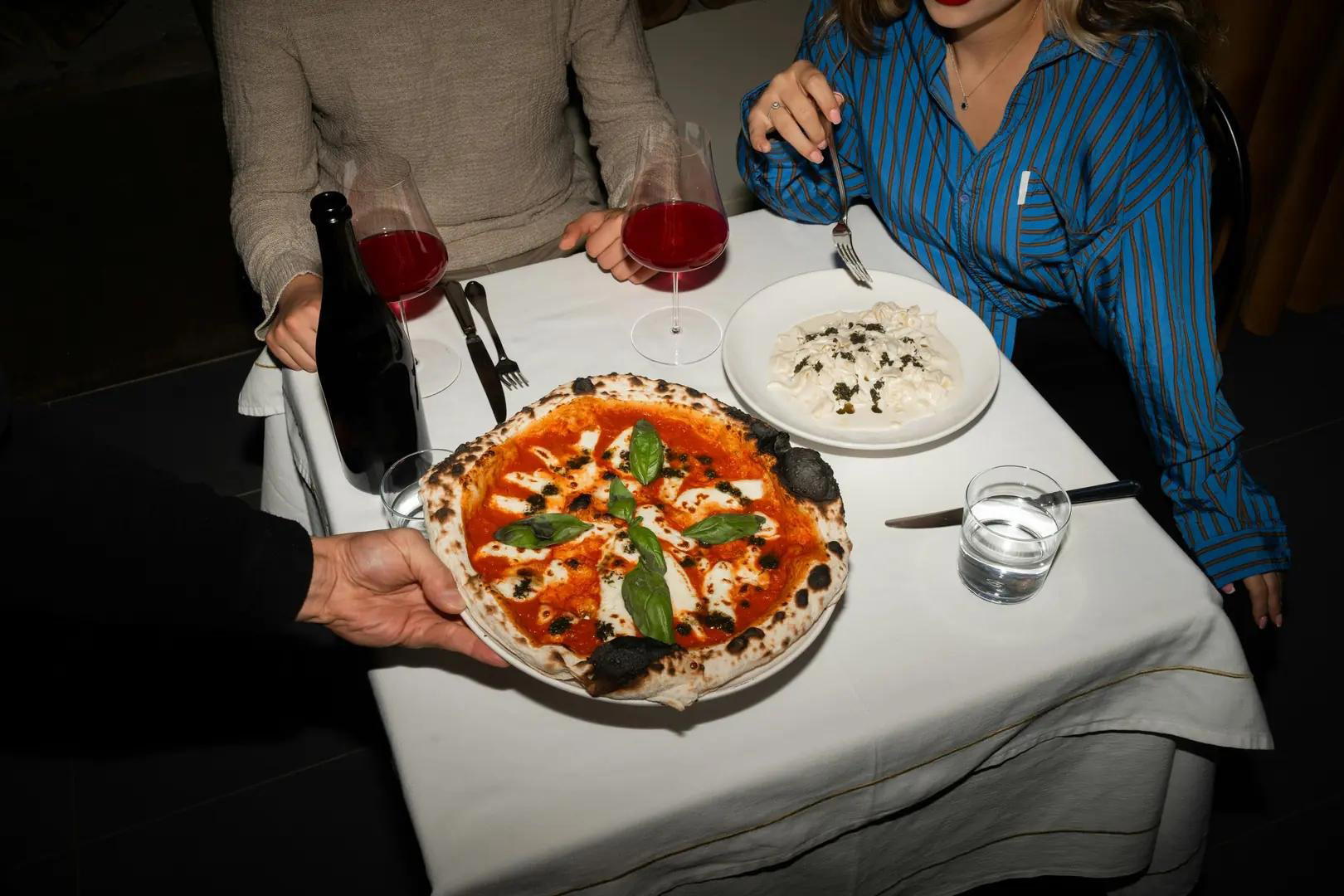
Bars in Sofia
All bars in Sofia →
Hotels in Sofia
All hotels in Sofia →
Wineries in Sofia
All wineries in Sofia →
Details
- Cozy
- Rustic
- Classic
- Historic
- Intimate
- Family
- Group Dining
- Special Occasion
- Garden
- Historic Building
- Beer Program
- Garden
- A La Carte
- Vegetarian Friendly
- Gluten Free Options
- Vegan Options
Current opening hours
- Monday
- 12–11 PM
- Tuesday
- 12–11 PM
- Wednesday
- 12–11 PM
- Thursday
- 12–11 PM
- Friday
- 12–11 PM
- Saturday
- 12–11 PM
- Sunday
- 12–11 PM
Hours can change for holidays and private events. Hours as of .
Cozy traditional Bulgarian atmosphere with fireplaces, winter garden, and summer garden evoking a grandmother's kitchen.