
Michelin Selected
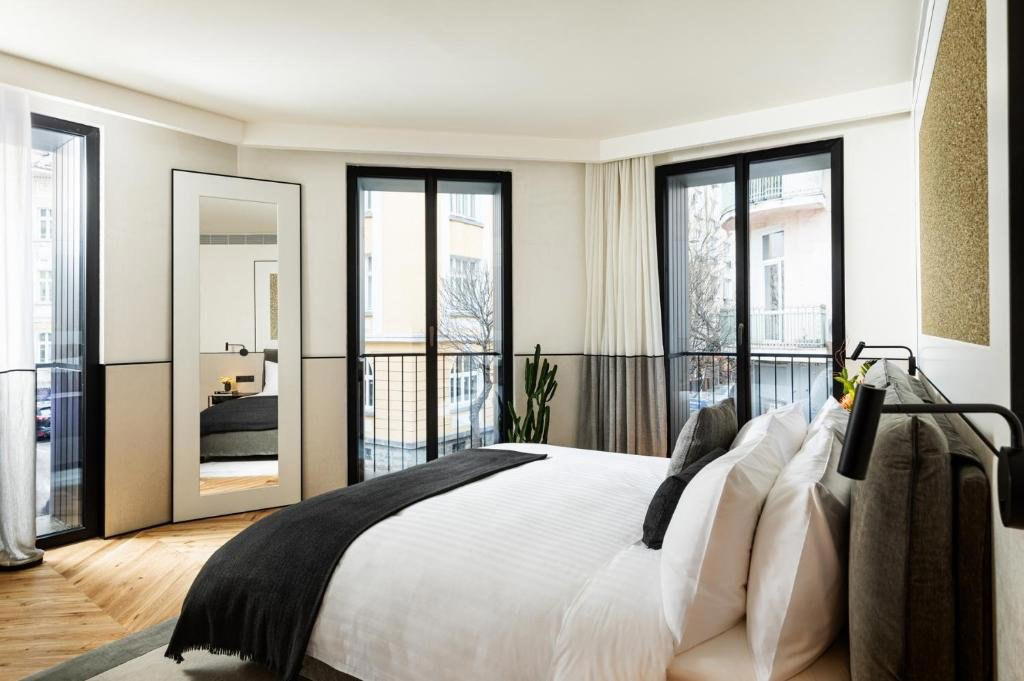
A MICHELIN Selected boutique property on Oborishte Street, one of Sofia's most architecturally coherent residential avenues, Oborishte 63 positions itself at the intersection of gallery culture and considered hospitality. The art-forward premise is structural, not decorative: the building itself functions as a curatorial space within a neighbourhood that has quietly become central to Sofia's independent hotel scene.

Pearl is the En Primeur Club membership app, where members save venues, book tables and use the concierge.
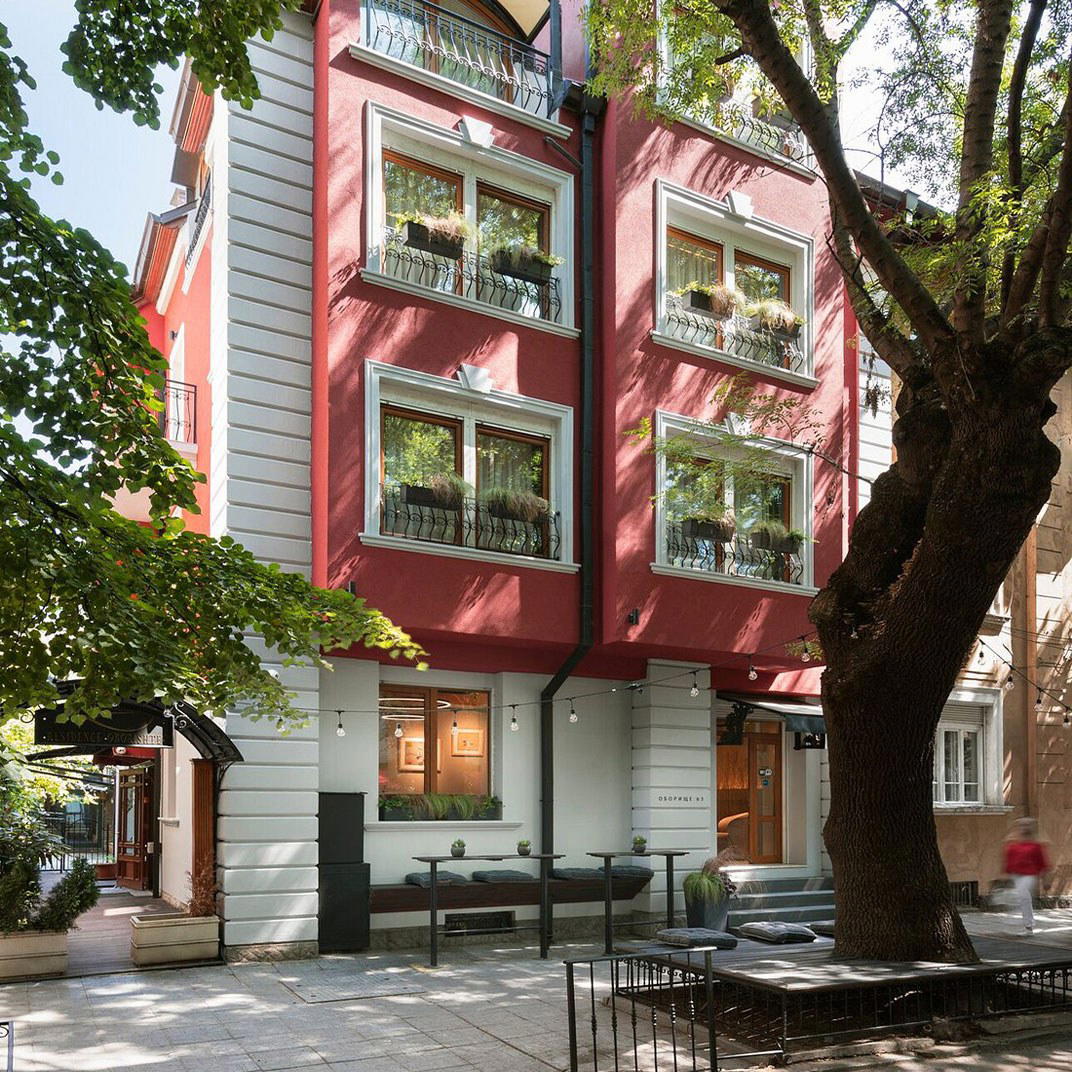
Where Oborishte Street Places You
Sofia's hotel market has consolidated around two poles: the large international flags clustered near the city centre, and a smaller cluster of design-led independents that have taken root in the residential neighbourhoods to the northeast. Oborishte Street sits in that second zone. The avenue is wide, tree-lined, and built out with early twentieth-century residential architecture that has survived the city's more disruptive planning periods largely intact. It is the kind of street that functions as a social barometer: embassies, consulates, and a handful of cultural institutions line it, and the buildings have attracted renovation rather than demolition. For a boutique hotel with an art-forward identity, the address is not incidental. It signals a specific positioning within the Sofia accommodation market, one that prioritises neighbourhood character over proximity to monument tourism.
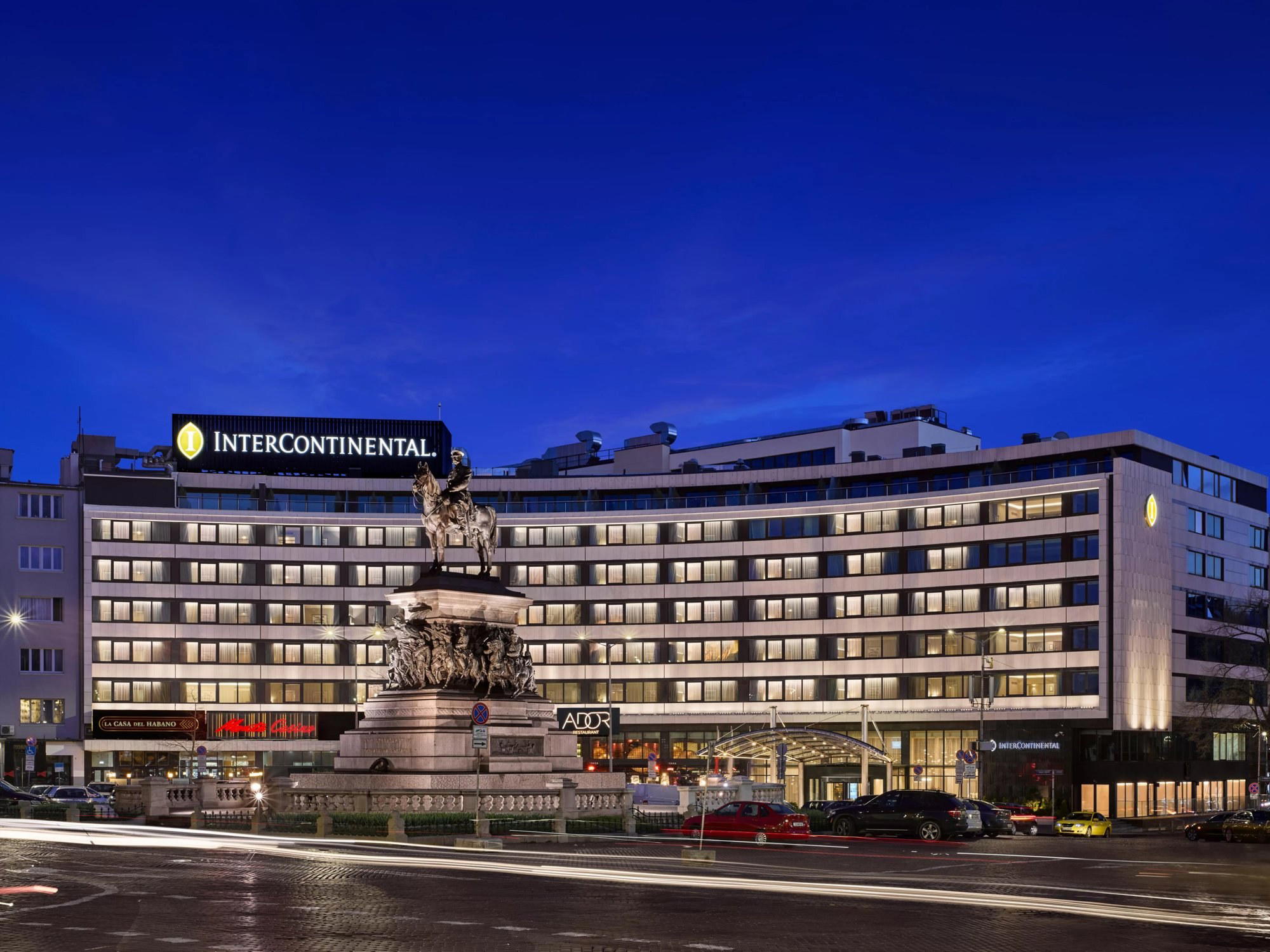
Within Sofia's independent hotel tier, Oborishte 63 occupies a niche defined by low key count, a curated aesthetic, and an explicit relationship with visual art. This is a smaller cohort than the volume-oriented segment represented by properties like the Hyatt Regency Sofia or the InterContinental Sofia, and it competes on different terms: atmosphere, specificity of design, and the kind of experience that a guest at a 300-key international property is not seeking. The Juno Hotel Sofia and the Sense Hotel Sofia represent the same general bracket of Sofia's independent market, though each has a different design orientation.
The Architecture of the Experience
The name carries its premise openly: this is an art boutique hotel, which in European boutique hospitality language means the building is expected to function as a frame for a collection or curatorial programme, not merely to hang prints in corridors. In Sofia's context, that premise connects to a broader shift in how the city has approached its built heritage. The Oborishte neighbourhood contains a concentration of preserved pre-communist residential architecture, and properties that work with rather than against that context tend to read as more coherent. The MICHELIN hotel programme evaluates on criteria including design character, service personalisation, and setting, which aligns directly with what the art boutique format is attempting.
Design-led properties in this segment typically operate on a logic where every space is treated as an extension of the collection: hallways, reception areas, and common spaces carry the same curatorial weight as the rooms. This approach borrows from the gallery-hotel model that became prominent in major European art cities, but in Sofia's case it lands differently. The city is not Bruges or Venice, where the physical setting is itself a permanent exhibition. Sofia's architectural narrative is more contested and layered, which means a property that takes a clear design position occupies that territory with more specificity. The building at 63 Oborishte Street is embedded in a residential block, which keeps the scale appropriate and prevents the hotel from registering as a spectacle rather than a stay.
Fitting It Into a Bulgaria Itinerary
Sofia is increasingly a standalone destination rather than a transit point, and the accommodation market has responded by developing more options in the boutique and design-led segment. For travellers building a wider Bulgaria itinerary, the property works as a Sofia anchor alongside very different properties elsewhere in the country. On the Black Sea coast, Vaya Beach Resort in Irakli and Blu Bay Hotel Sozopol in Sozopol represent the coastal leisure end of the spectrum, while Boutique Hotel by BlackSeaRama in Balchik occupies a golf and resort niche. For spa-focused travel, Kashmir Wellness & Spa Hotel in Velingrad, Hot Springs Medical & Spa Hotel in Banya, and 103° Hotel & Spa in Sapareva Banya each draw on Bulgaria's thermal infrastructure. Mountain skiing routes the conversation toward Kempinski Hotel Grand Arena Bansko in Bansko. For wine tourism, Zornitza Family Estate in Melnik sits in the Struma Valley wine region. The broader picture of Bulgarian boutique hospitality also includes The Emporium Hotel Plovdiv in Plovdiv and Thracian Cliffs Golf & Beach Resort in Bozhurets.
Within the European boutique market, Oborishte 63's positioning as a MICHELIN Selected art hotel places it on a continuum with properties elsewhere that have made design and art the central premise. Hotels like Aman Venice or Cipriani, A Belmond Hotel, Venice operate at a very different price point and scale, and properties like Le Bristol Paris or Hôtel de Paris Monte-Carlo sit in a grand palace category that is an entirely separate competitive set. Oborishte 63's relevance is to travellers interested in the boutique-with-credentials category at a Sofia price point, which remains considerably more accessible than Western European comparables. For travellers who also consider Mandarin Oriental Ritz, Madrid, Bvlgari Hotel Tokyo, or Aman New York for other trips, Oborishte 63 offers a meaningfully different register: smaller, more neighbourhood-integrated, and more directly tied to a single city's architectural and cultural moment.
Planning logistics for a Sofia stay in the Oborishte area are relatively uncomplicated. The neighbourhood is walkable to the city's main cultural institutions and is well-served by Sofia's tram network. The city's airport connects to most major European hubs, with flight times under three hours from Western European capitals. Sofia sits on the itinerary of travellers who also cover the wider Balkans, and the overland connections to Plovdiv, the country's second city with its own distinct architectural heritage, are direct. See the full Sofia restaurants and hotels guide for further coverage of the city's dining and accommodation options.
How It Stacks Up
Comparable venues nearby, for context on price, style, and recognition.
| Venue | Cuisine | Price | Awards | Notes |
|---|---|---|---|---|
| Oborishte 63,The Art Boutique HotelThis venue (the venue you are viewing) | Art-inspired urban boutique in renovated historic residence | Not listed | Michelin Selected | Not listed |
| Hyatt Regency Sofia | Modern upscale urban retreat blending contemporary design with Bulgarian elements. | $200–300 | Not listed | Vasil Levski Square |
| Sense Hotel Sofia | Modern luxury design hotel in the city center with spa focus | $100–200 | Michelin Selected · Design Hotels Member | Sofia City Center |
| InterContinental Sofia | Contemporary luxury with Art Deco architectural elements, eco-certified operations, and modern amenities blended with classic elegance. | $200–300 | 1 Michelin Key · World Luxury Hotel Awards WLHA Regional Winner | Sofia City Center |
| Juno Hotel Sofia | New modern chic boutique in historic city center with custom local furnishings. | Not listed | 1 Michelin Key · Design Hotels Member | Sofia City Center |
| 103° Hotel & Spa | Modern spa hotel with wellness emphasis | Not listed | World Travel Awards | Sapareva Banya |
Recognition history
Dated appearances from independent guides and award organizations, with the underlying list record or original source where available.
Michelin Selected
Michelin
Continue exploring
More in Sofia
Hotels in Sofia
All hotels in Sofia →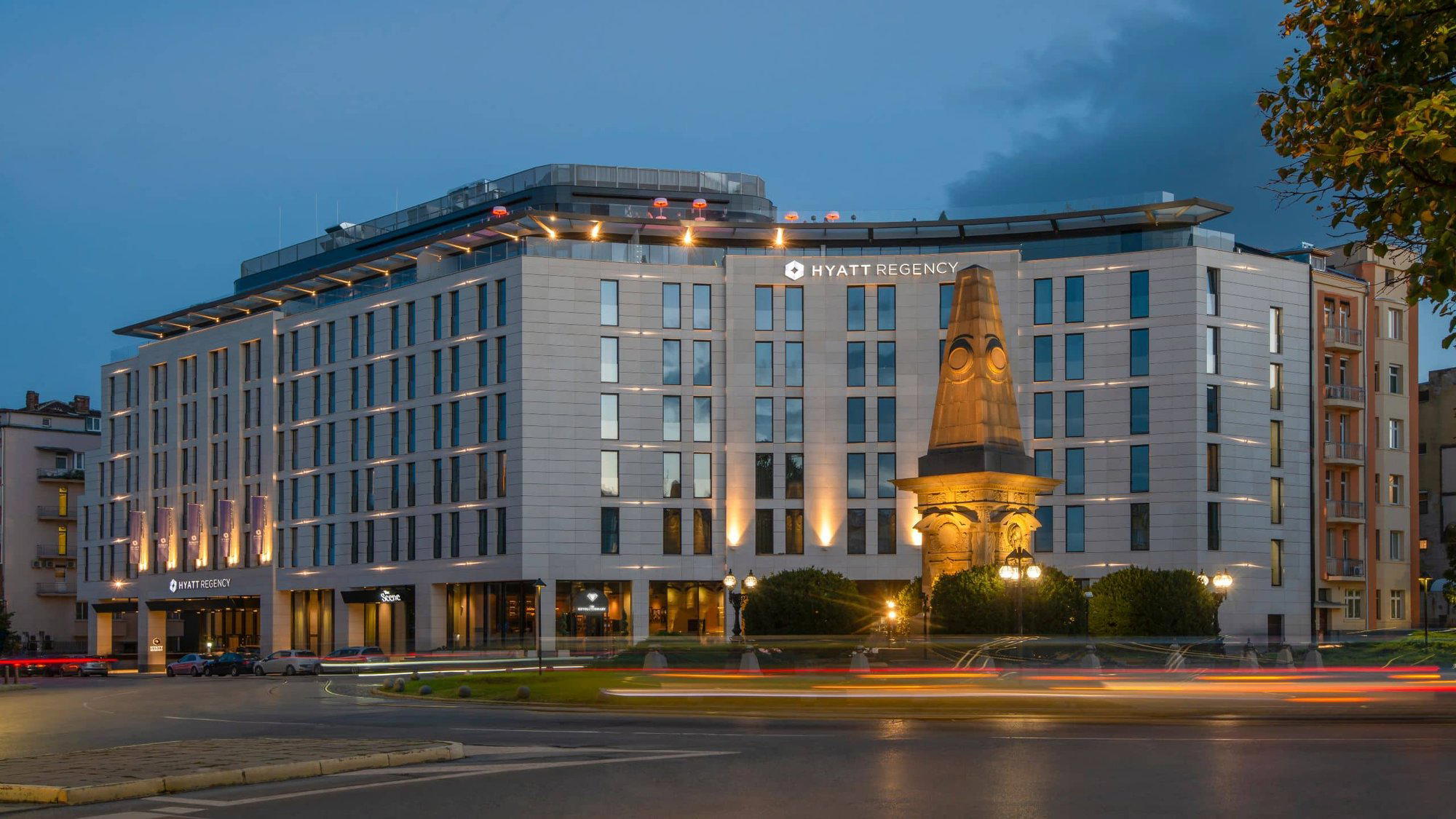
Bars in Sofia
All bars in Sofia →
Restaurants in Sofia
All restaurants in Sofia →
Wineries in Sofia
All wineries in Sofia →
Details
- Romantic
- Elegant
- Modern
- Intimate
- Sophisticated
- Romantic Getaway
- Honeymoon
- Business Trip
- Weekend Escape
- Terrace
- Historic Building
- Design Destination
- Wi Fi
- Spa
- Sauna
- Restaurant
- Room Service
- Air Conditioning
- Garden
- Massage
- Street Scene
Intimate and artistic atmosphere with curated color palettes, custom textures, soft lighting, and a home-like tranquility on a quiet street.