Mama Delia

Michelin Bib Gourmand
Our verdict
A Spanish kitchen on Division Street in Chicago's Wicker Park corridor, Mama Delia earned consecutive Michelin Bib Gourmand recognition in 2024 and 2025 under chef Klaus Georis. The room translates the casual energy of a Spanish tasca into a Chicago neighborhood frame, offering a price point that sits well below the city's tasting-menu tier while delivering cooking that Michelin's inspectors found worth flagging twice running.

Pearl is the En Primeur Club membership app — saves, bookings, and concierge access live there. Same editors, same standards.
- Address
- 1721 W Division St Ground Floor, Chicago, IL 60622
- Phone
- (312) 487-1236
- Hours
- Mon ClosedTue–Wed 4–10 PMThu–Fri 4 PM–2 AMSat 4 PM–3 AMSun Closed
- Website
- mamadelia.com
- Directions
- Get directions
- Booking
- Book on OpenTable
The menu
What to order
- Pulpo canario
- Tacos de oreja
- Tarta de Santiago
Division Street and the Space That Sets the Tone
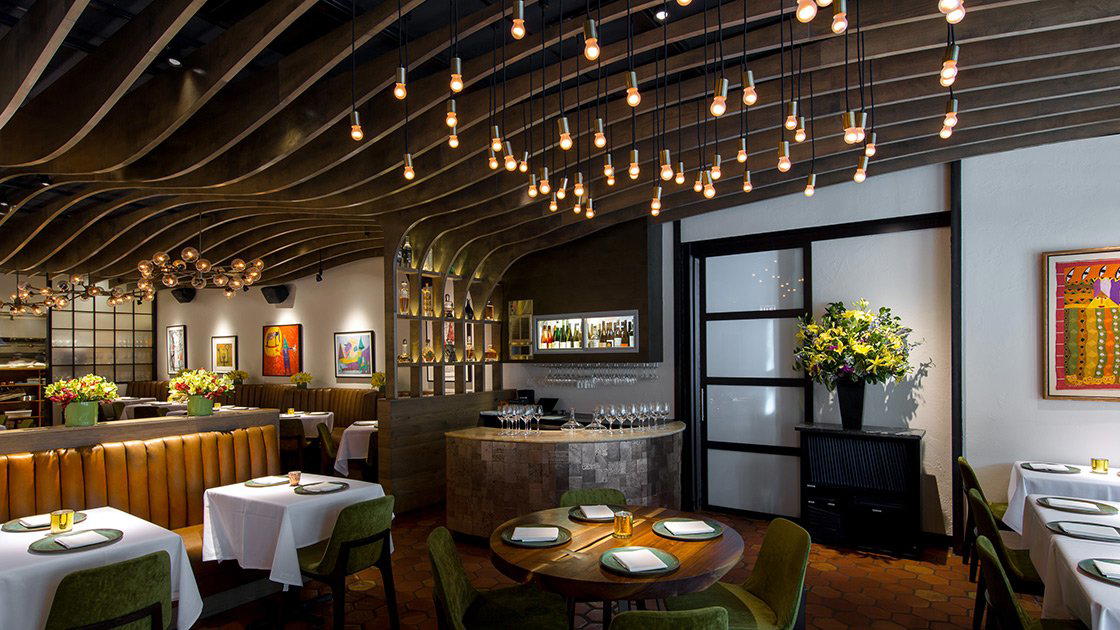
Wicker Park's dining strip along West Division has long occupied a middle register in Chicago's restaurant hierarchy: too food-serious to be purely a bar neighborhood, too neighborhood-rooted to compete for the tasting-menu crowd that fills Alinea or Smyth. Mama Delia at 1721 W Division fits that register with some precision. The ground-floor position keeps it accessible in both the physical and psychological sense: no elevator lobbies, no valet theater, no ambient signal that you are about to spend what a flight costs. The room reads as the kind of Spanish tasca that has always functioned leading at street level, where the divide between kitchen noise and dining room noise is productively thin.
Spanish casual dining in American cities often resolves into one of two formats: the large-format paella house designed for groups, or the tapas bar that leans on imported ibérico and tinned fish to do most of the work. Mama Delia sits closer to the latter tradition but with a kitchen that takes more visible interest in the cooking itself. The physical container — ground floor, Division Street address, accessible price range — frames everything that follows.
What the Space Signals Before You Sit Down
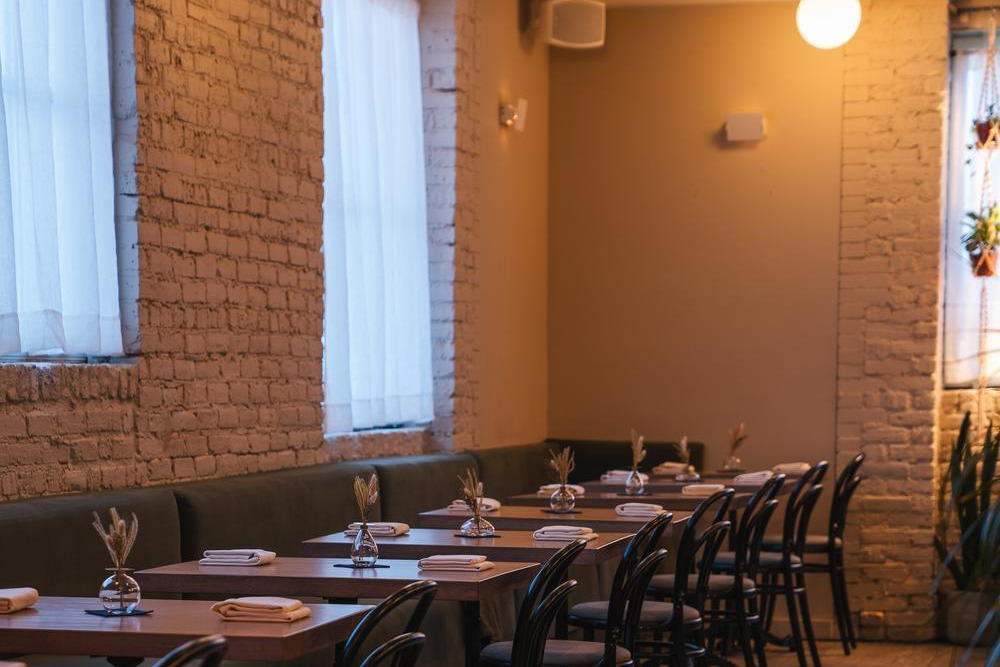
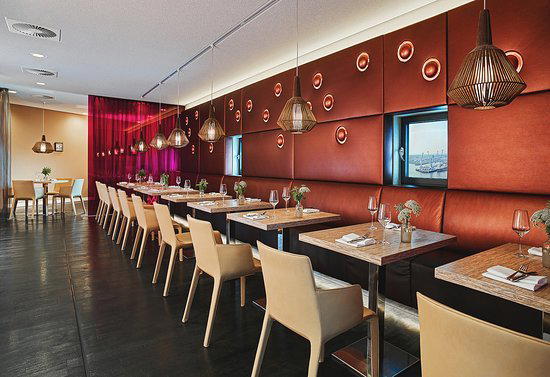
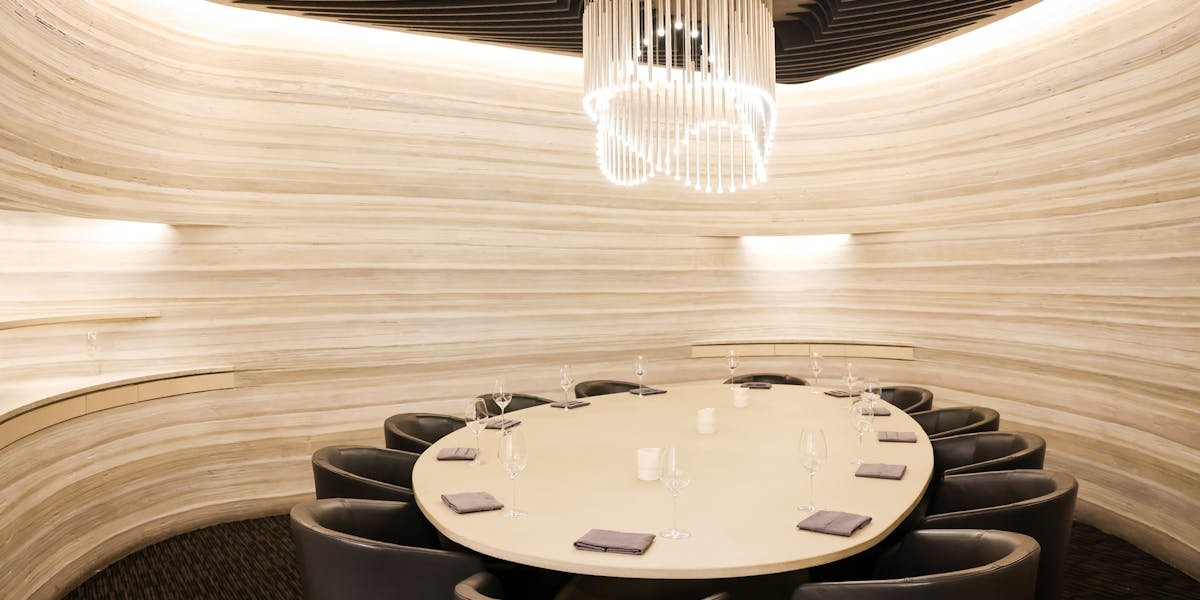
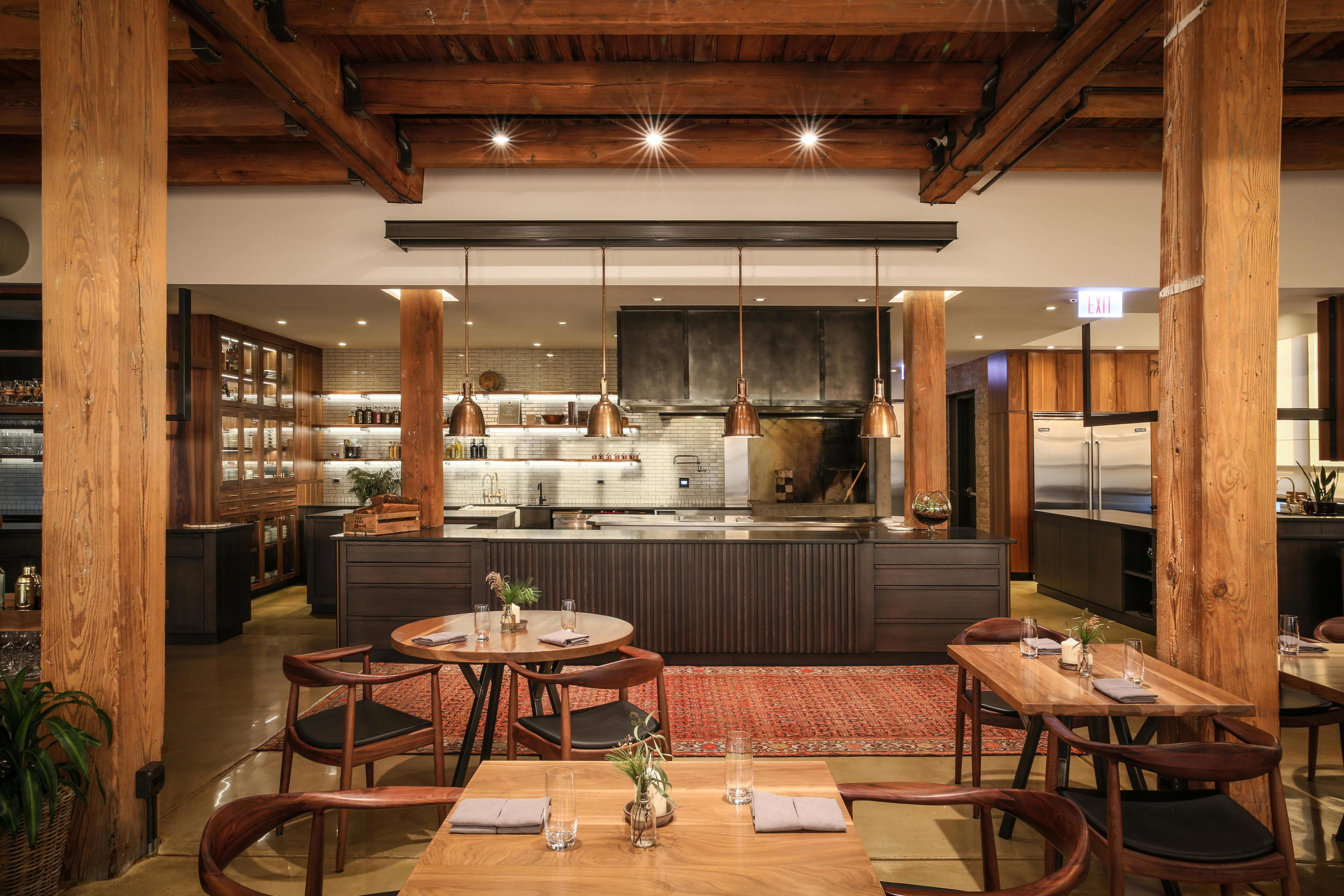
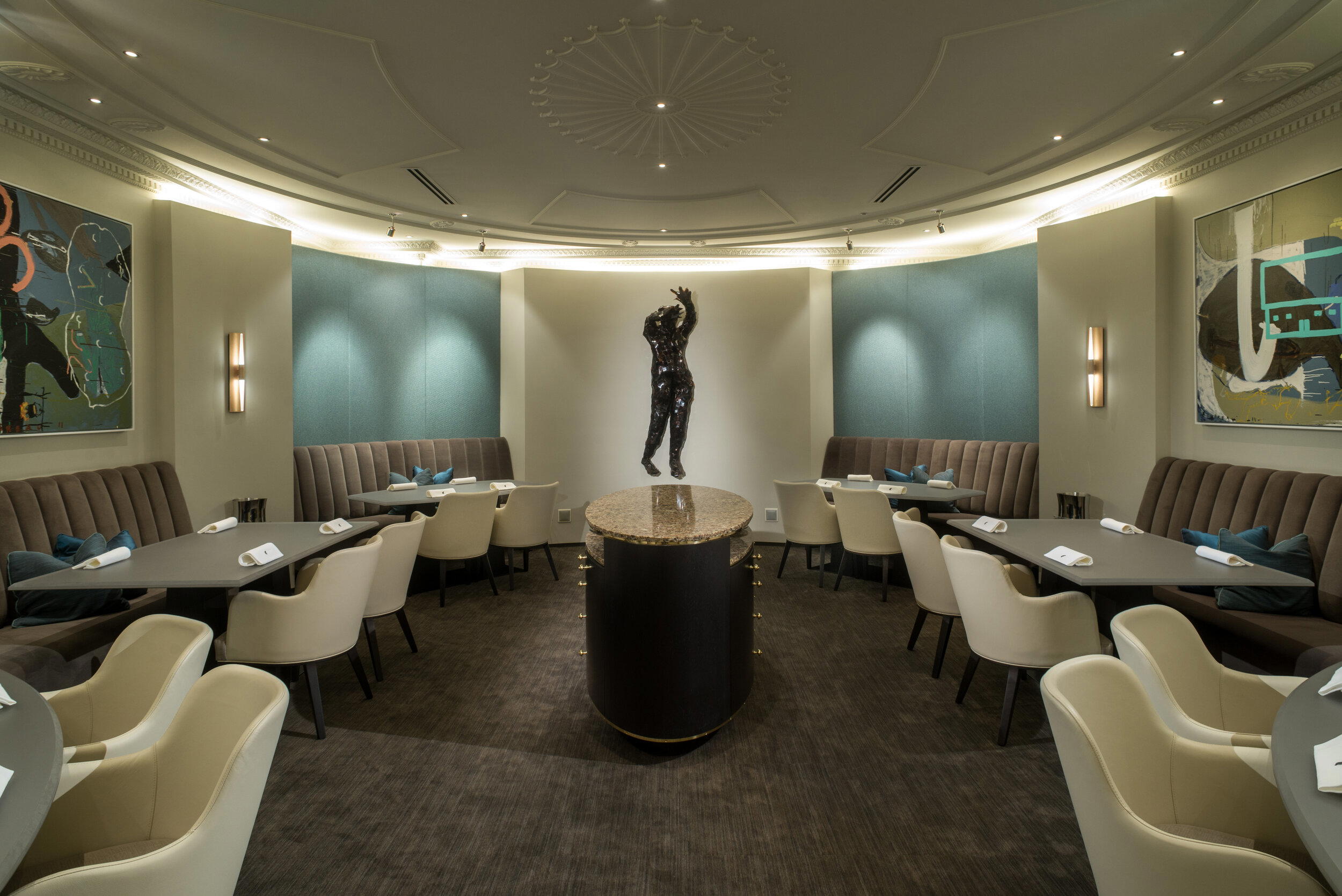
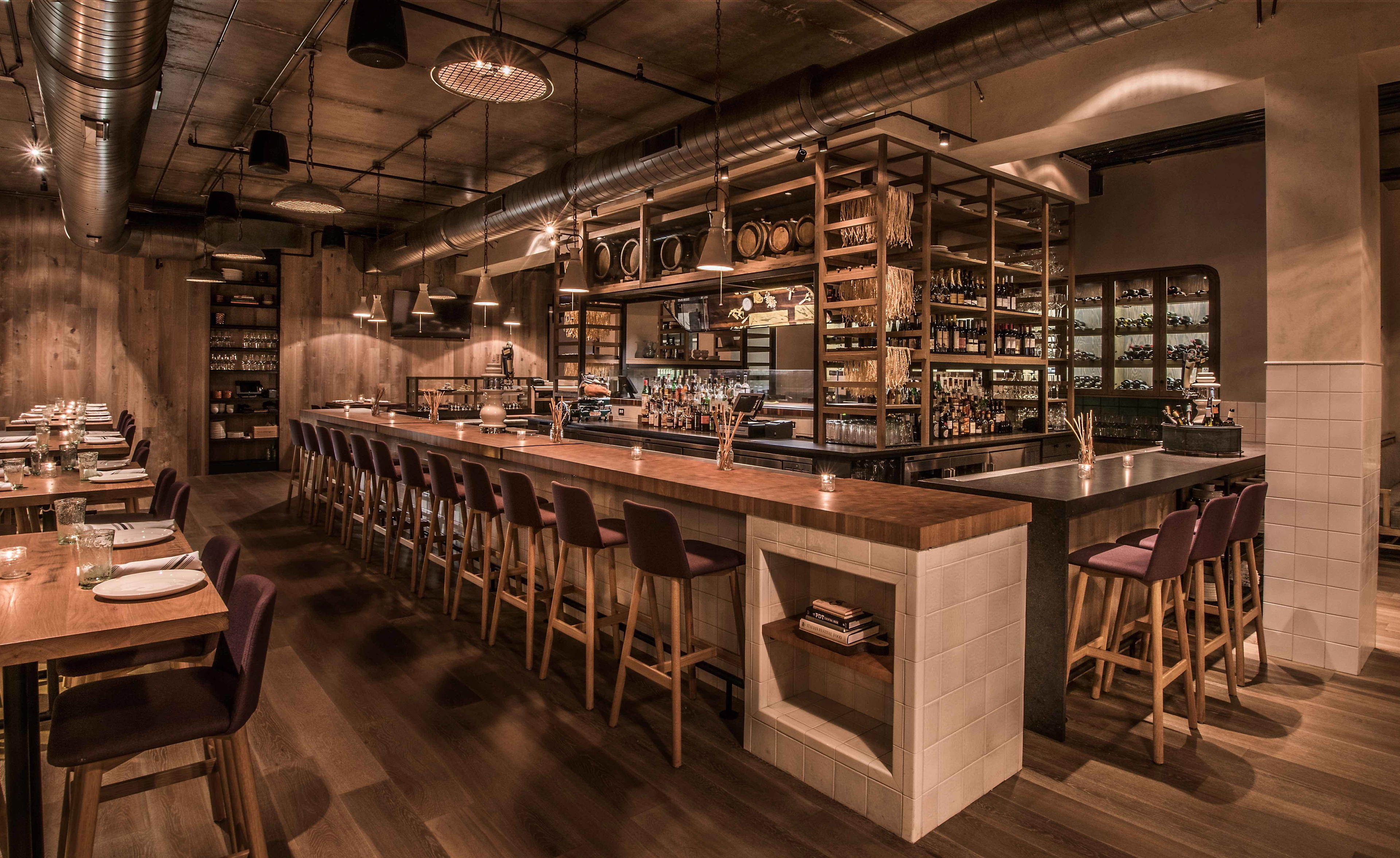
The design approach in this category of Spanish restaurant also tends to run against the grain of Chicago's dominant fine-dining visual language. Where places like Oriole or Next Restaurant invest heavily in spatial drama and controlled atmosphere, the Spanish tasca model works through deliberate informality. Worn wood, ceramic tiles, low-key lighting that still lets you see the food: these are signals of a different set of priorities, where the room is a backdrop rather than a statement. That approach demands the kitchen carry more of the evening's weight, which is a reasonable trade when the price point is the $$-tier against a city full of $$$$-tier progressive American menus.
Michelin's Bib Gourmand and What It Actually Measures
The Bib Gourmand designation, awarded to Mama Delia in both 2024 and 2025, is Michelin's marker for good cooking at a price point below their starred tier. It is not a consolation category. In dense food cities, Bib Gourmand lists tend to be more contested than the starred lists because the field is larger and the inspectors are specifically looking for kitchens that maintain quality discipline without the financial scaffolding that expensive tasting menus provide. Consecutive recognition across two years indicates the kitchen is consistent rather than peaking, which matters more at this price point than at higher ones.
Chef Klaus Georis leads the kitchen. The Spanish cuisine designation and the Bib Gourmand recognition together position Mama Delia in a specific niche: not the Basque-influenced fine dining that places like ZURRIOLA in Tokyo or Arco by Paco Pérez in Gdańsk represent at the tasting-menu end of Spanish cuisine's international footprint, but the more grounded, ingredient-led register that earns repeat visits rather than one-time pilgrimages. That distinction matters for how you approach a booking.
Against Chicago's own benchmark restaurants, the positioning is clear. Kasama occupies the $$$$-Filipino tier with a different format entirely. The progressive American houses at the top of the market, Alinea, Smyth, Oriole, operate at a different price register and a different experiential register.
Spanish Cooking in a Chicago Context
Spanish cuisine has never dominated Chicago's dining conversation the way Italian or Japanese cooking has. The city's strongest Spanish representations have historically been scattered rather than concentrated, without the neighborhood-level clustering that makes, say, Chicago's Chinatown or Pilsen easy to read as culinary zones. That diffusion means individual Spanish restaurants carry more weight as standalone arguments for the cuisine rather than benefiting from the context a concentrated neighborhood provides.
For travelers building a wider Chicago itinerary, Mama Delia slots into a city guide that also runs from Wicker Park through the Loop and into the city's broader dining geography. See our full Chicago restaurants guide for how it maps to the rest, alongside our Chicago hotels guide, bars guide, wineries guide, and experiences guide. For comparison points outside Chicago, the Bib Gourmand tier's value proposition parallels what neighborhood-serious restaurants deliver in other major American cities, the kind of cooking that holds its own against destination restaurants like Le Bernardin in New York, Lazy Bear in San Francisco, or Providence in Los Angeles, even if the format and price register are entirely different. The same logic applies when considering the gulf between a Bib Gourmand neighborhood restaurant and the destination-dining tier represented by The French Laundry in Napa, Single Thread Farm in Healdsburg, or Emeril's in New Orleans: they are measuring different things, and Mama Delia is operating in a category where the measures favor it.
Know Before You Go
Address: 1721 W Division St, Ground Floor, Chicago, IL 60622
Cuisine: Spanish
Chef: Klaus Georis
Price range: $$ (moderate; below Chicago's tasting-menu tier)
Awards: Michelin Bib Gourmand 2024 and 2025
Frequently asked questions
What should I order at Mama Delia?
The kitchen operates in the Spanish cuisine tradition under chef Klaus Georis, and the consecutive Michelin Bib Gourmand awards in 2024 and 2025 confirm the inspectors found the cooking consistent across visits. At the $$ price point, the format tends to support sharing multiple dishes rather than ordering one plate per person, which is also how Spanish bar-kitchen cooking is meant to be experienced. The Bib Gourmand recognition signals the kitchen takes the cuisine seriously enough to trust that approach.
A Credentials Check
| Venue | Cuisine | Price | Awards | Notes |
|---|---|---|---|---|
| Mama DeliaThis venue — the venue you are viewing | Modern Spanish Tapas | $50–100 | Michelin Bib Gourmand | Not listed |
| Alinea | Avant-Garde Molecular Gastronomy | $300–500 | 2 Michelin Stars · World's 50 Best #37 | Progressive American, Creative |
| Smyth | Modern American Tasting Menu | $200–300 | 3 Michelin Stars · World's 50 Best #1 | Progressive American, Contemporary |
| Kasama | Modern Filipino | $30–50 | 2 Michelin Stars · World's 50 Best #31 | Filipino |
| Next Restaurant | Avant-Garde Themed Tasting Menus | Not listed | 1 Michelin Star · We're Smart World 2 Radishes | American Cuisine |
| Boka | Modern American Seasonal Fine Dining | $150–200 | 1 Michelin Star · La Liste Top Restaurants | New American, Contemporary |
Recognition history
Dated appearances from independent guides and award organizations, with the underlying list record or original source where available.
Michelin Bib Gourmand
Michelin
Full recognition history (2 entries)
Michelin Bib Gourmand
Michelin
Details
- Elegant
- Cozy
- Trendy
- Intimate
- Date Night
- Group Dining
- Casual Hangout
- Open Kitchen
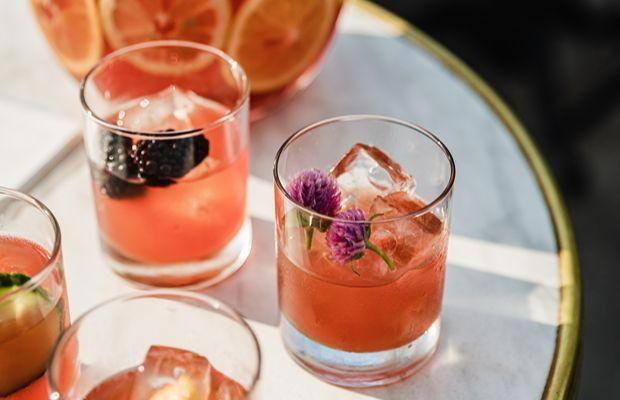
- Craft Cocktails
- Small Plates
- A La Carte
- Sherry
- Cocktails
- Vegetarian Friendly
Current opening hours
- Monday
- Closed
- Tuesday
- 4–10 PM
- Wednesday
- 4–10 PM
- Thursday
- 4 PM–2 AM
- Friday
- 4 PM–2 AM
- Saturday
- 4 PM–3 AM
- Sunday
- Closed
Hours can change for holidays and private events. Last verified .
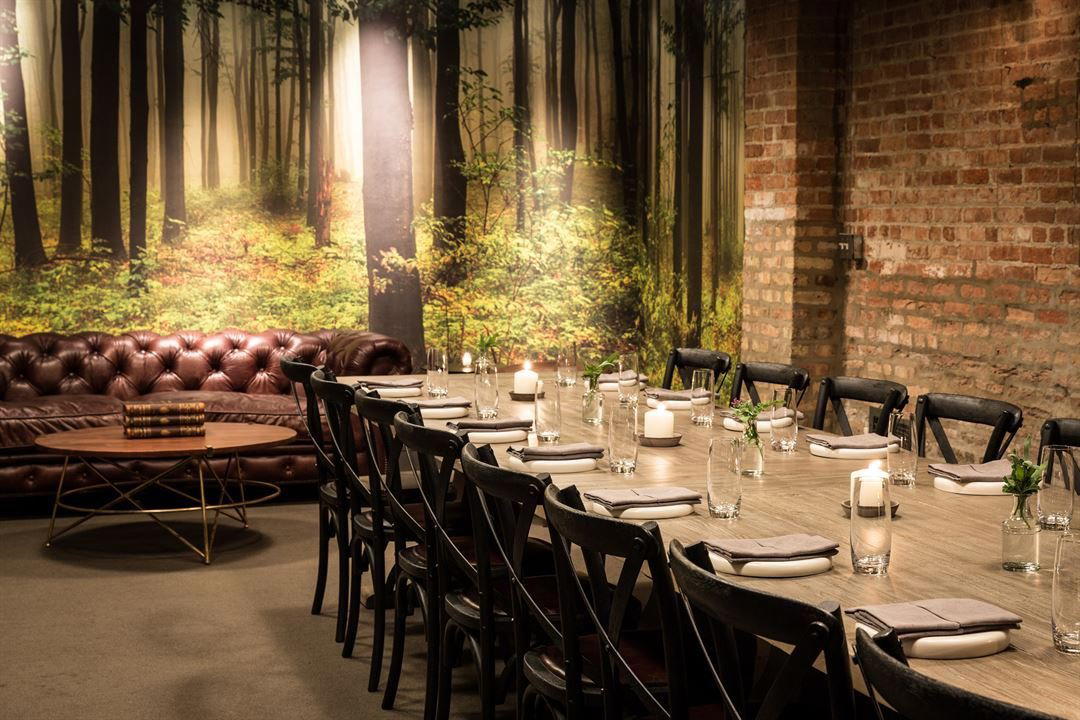
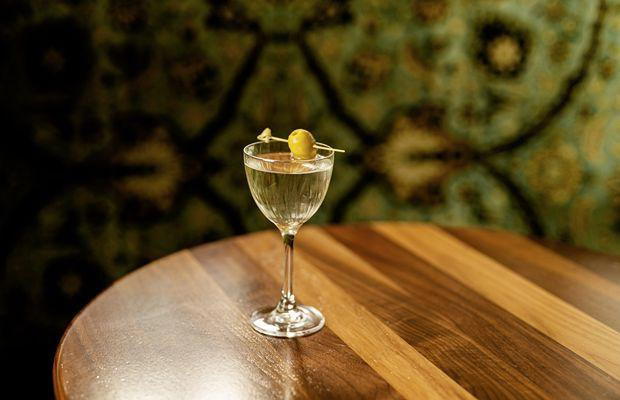
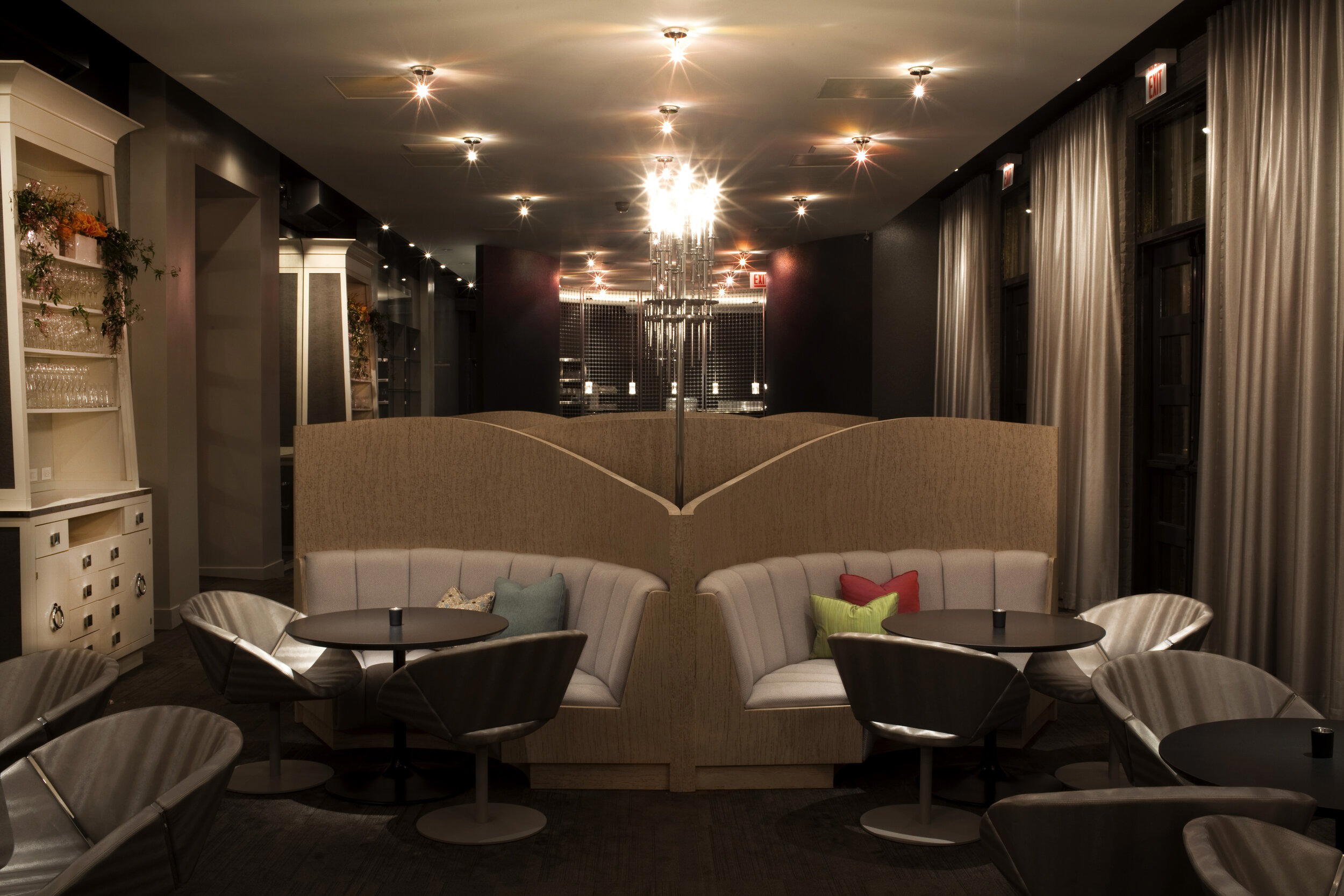
Plush red banquettes, vintage rugs, bright Moorish tiles, wrought-iron chandeliers, and ornate furniture create a visually striking, elegant atmosphere reminiscent of Spain.