MaKiin
Our verdict
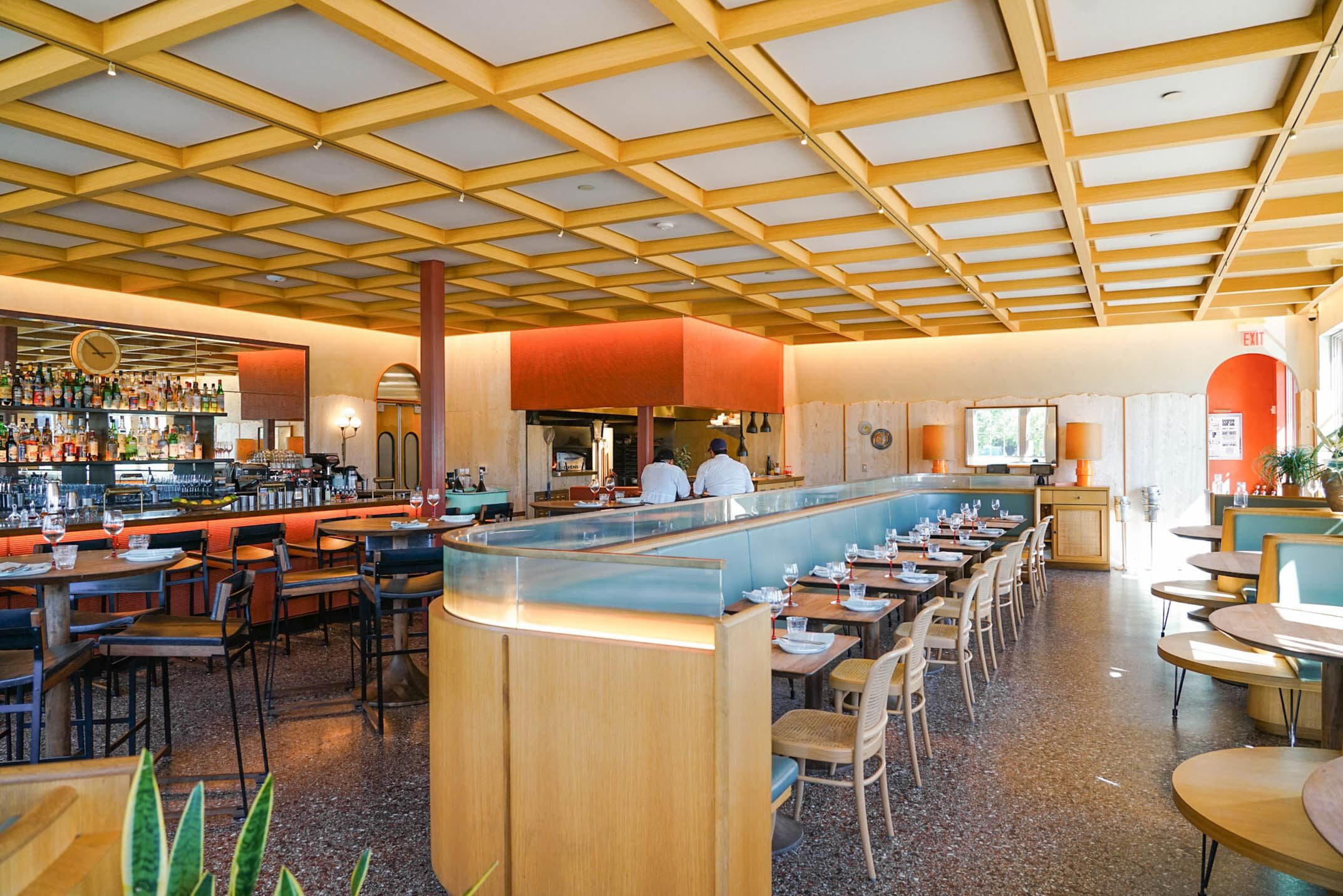
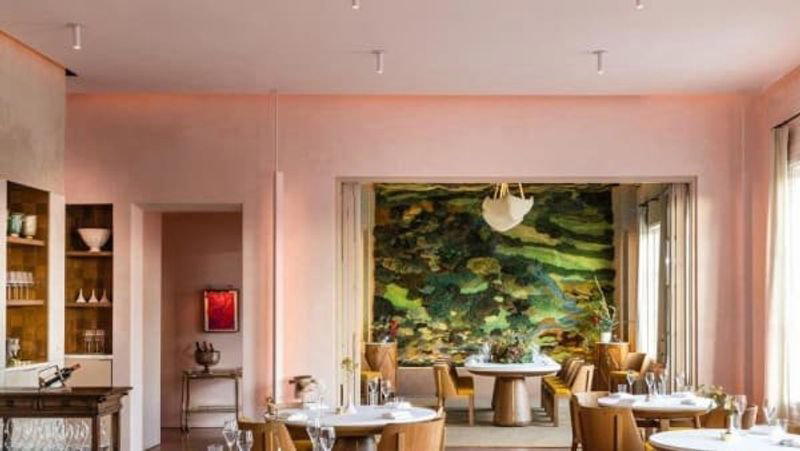
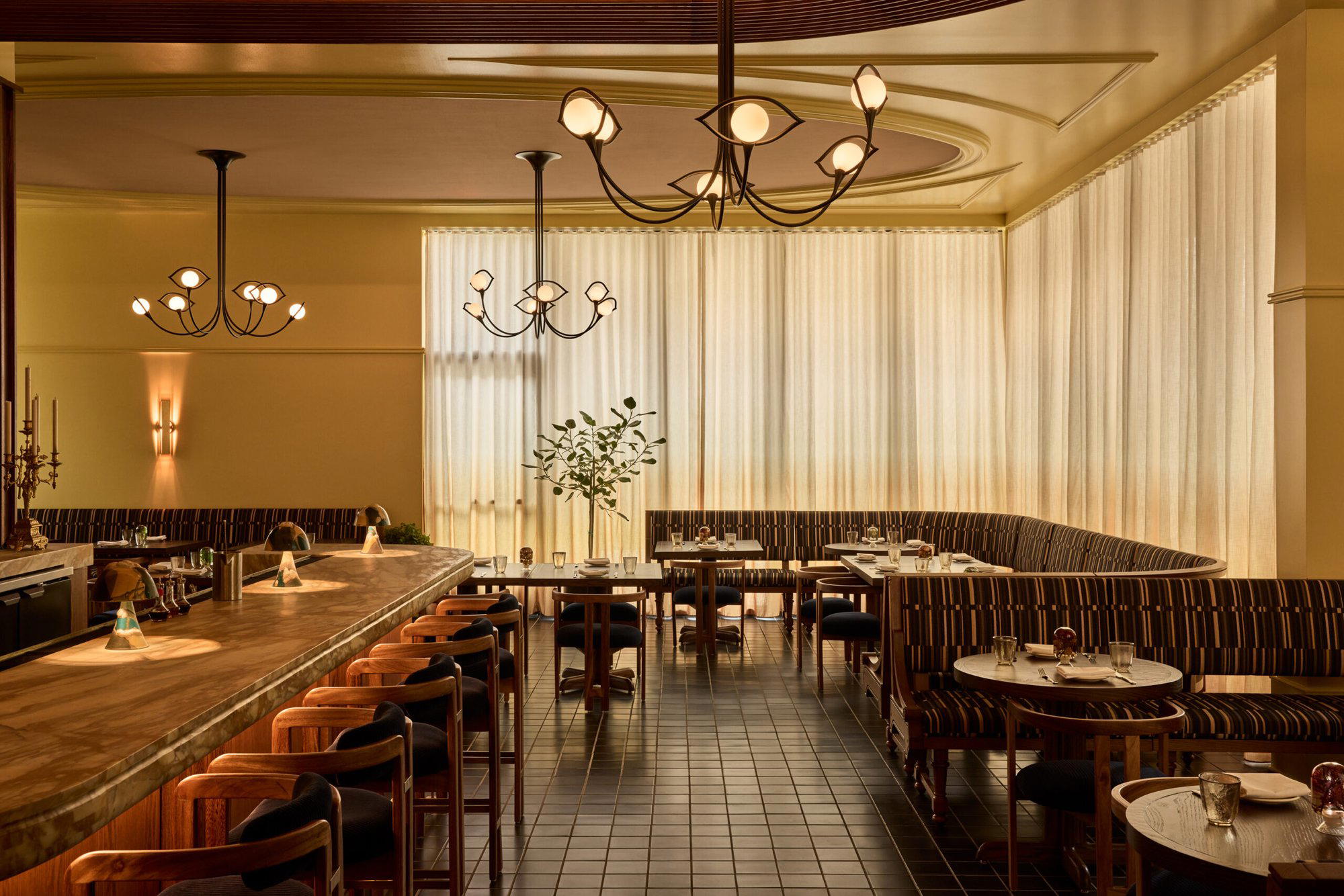
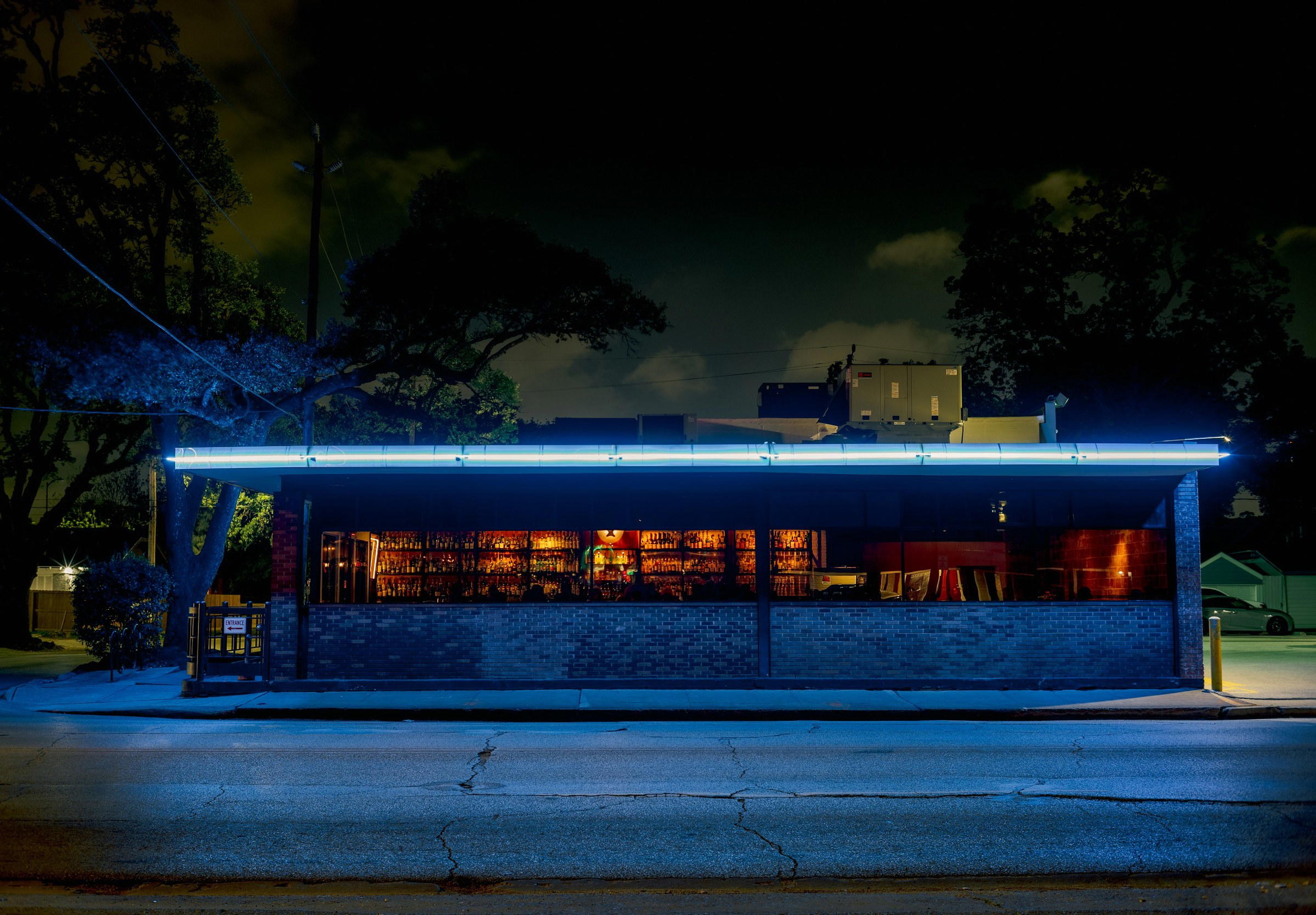
MaKiin brings Thai cooking to Houston's Montrose-adjacent dining corridor at 2651 Kipling Street, positioning itself within the city's expanding tier of cuisine-specific, destination-worthy restaurants. The format draws evening diners seeking composed Thai dishes in a sit-down setting, distinct from the fast-casual Thai options that dominate the broader market. For Houston's international dining circuit, it occupies a specific niche worth tracking.

Pearl is the En Primeur Club membership app — saves, bookings, and concierge access live there. Same editors, same standards.
- Address
- 2651 Kipling St Ste 101, Houston, TX 77098
- Phone
- (832) 695-9999
- Hours
- Mon–Thu 11:30 AM–3 PM, 5–10 PMFri 11:30 AM–3 PM, 5–11 PMSat 11:30 AM–11 PMSun 11:30 AM–10 PM
- Website
- makiinthai.com
- Directions
- Get directions
- Booking
- Book on OpenTable
The menu
What to order
- Thai Street Noodle Magic
- Khao Soi
- Pad Thai
- Massaman Curry
Thai Cooking in a City That Takes Cuisine Seriously
Houston's restaurant culture has spent the past decade sorting itself into tiers with unusual clarity. At the leading end, a handful of rooms — March with its Venetian tasting menu and Musaafer with its regional Indian ambition — have established that the city will sustain serious, format-driven dining at premium price points. Below that, a second layer of restaurants has emerged: places that treat a specific cuisine tradition with the same compositional rigor, without necessarily scaling to the full omakase or tasting-menu structure. MaKiin, on Kipling Street in the area bordering Montrose, sits in that second tier, applying a focused approach to Thai cooking in a market where the category has historically ranged from street-food casual to buffet-format.
That positioning matters more than it might initially seem. Houston's Thai restaurant count is substantial, but the number of Thai rooms that compete on compositional precision rather than price and convenience is considerably smaller. MaKiin at 2651 Kipling St addresses that gap, operating in a part of the city where diners are already primed for cuisine-specific destination restaurants rather than neighborhood convenience stops. The surrounding corridor includes some of Houston's more considered dining addresses, which shapes the expectations guests arrive with.
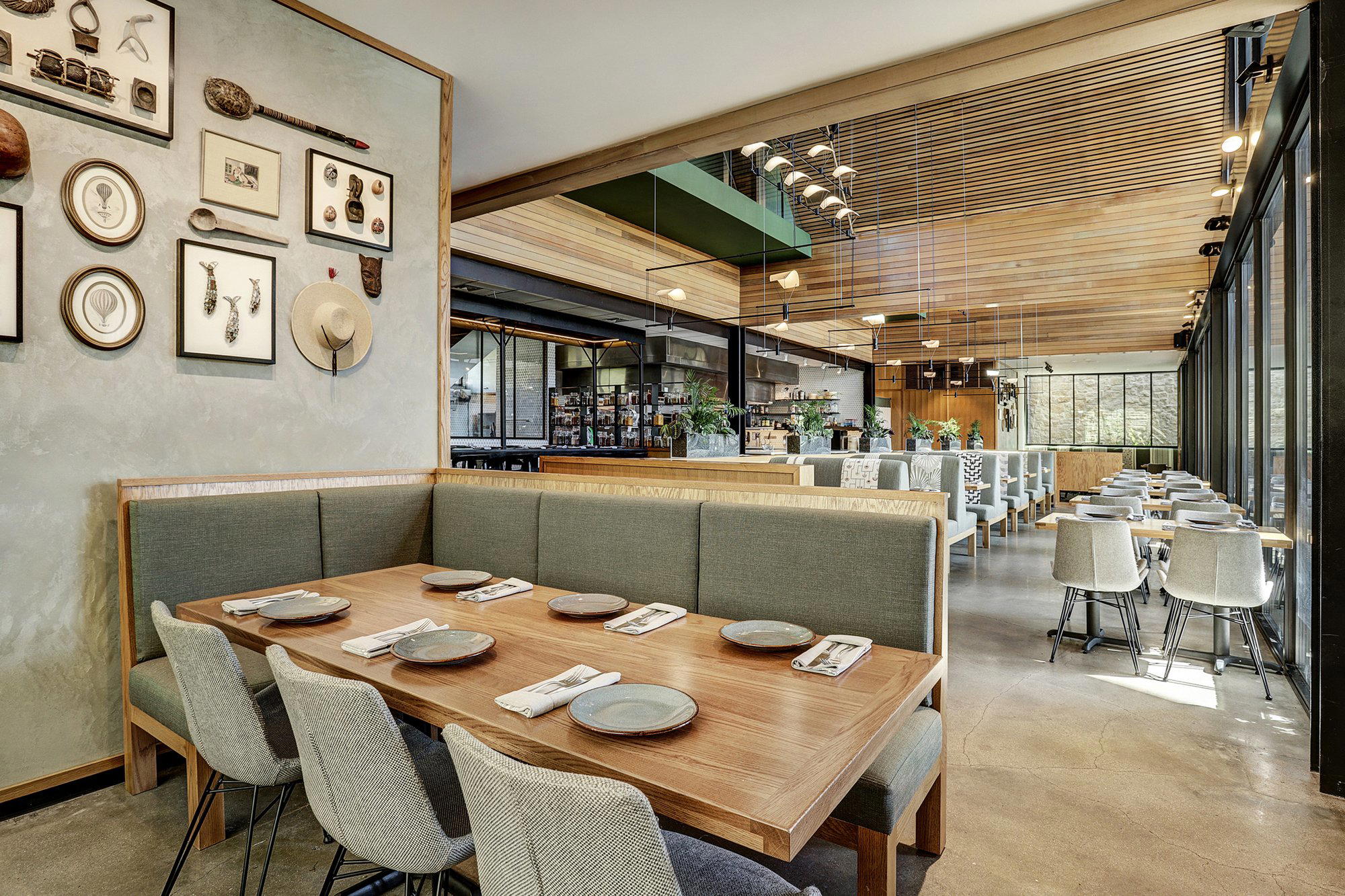
How the Room Reads by Light
The lunch-versus-dinner divide at destination Thai restaurants in American cities tends to reveal something about the kitchen's actual priorities. Lunch service, where it exists, typically functions as a more accessible entry point: shorter formats, lighter dishes, a menu calibrated for the working week. Evening service, by contrast, is where the fuller expression of the cooking tends to emerge, more courses, more composed plates, a pacing that allows flavors to build rather than land simultaneously.
At a restaurant operating in MaKiin's segment, the evening format is the reference point against which the room is judged. That's the service where Thai cooking's layering of aromatics, heat, acidity, and fat can be paced deliberately rather than delivered in a single bowl. It's also the format where Houston's dining-out culture, which skews later and longer than many comparable American cities, shows up most consistently. The practical implication for a first visit: evening reservations will reflect the fuller intent of the kitchen, while a daytime visit, if available, offers a lower-stakes way to calibrate expectations before committing to a longer evening format.
This dynamic is not specific to MaKiin, it's a pattern visible at composed ethnic-cuisine restaurants across the country, from Atomix in New York City, where Korean fine dining operates on a strictly evening tasting-menu format, to Providence in Los Angeles, where the lunch experience is structured differently than the evening progression. The question for any dining room in this category is whether the daytime offer is a genuine editorial choice or simply a concession to the building's lease economics.
Thai Cuisine at the Precision End
Thai cooking in the United States spent much of the late twentieth century flattened into a narrow set of reference dishes, pad thai, green curry, tom kha, that bore a functional relationship to the actual breadth of regional Thai cuisine without really representing it. The shift toward more precise renditions of that cuisine has accelerated in American cities over the past decade, partly driven by chefs with direct training lineage in Thailand and partly by a dining public that has traveled more and expects more specificity.
That shift positions restaurants like MaKiin within a broader national realignment, where Thai cooking is being presented with the same sourcing attention and technique discipline that refined Japanese, Korean, and Indian restaurants in the same period. Comparative reference points exist across the American dining scene, Lazy Bear in San Francisco and Blue Hill at Stone Barns in Tarrytown each demonstrate, in their respective cuisines, how format discipline and sourcing specificity can reframe a dining category entirely. The same logic applies to Thai cooking: precision of technique and ingredient sourcing changes what the cuisine can communicate.
Within Houston specifically, that evolution connects to the city's documented status as one of the most ethnically diverse large metros in the United States, which has historically meant access to ingredients and cooking traditions unavailable in less heterogeneous markets. Houston diners in the Montrose and Midtown corridors have shown, through the sustained success of restaurants like Tatemó on the Mexican side and BCN Taste and Tradition on the Spanish side, that they will support cuisine-specific restaurants operating at a level of specificity well above the category baseline.
Where MaKiin Sits in the Houston Circuit
For visitors building a Houston dining itinerary, the relevant question is where MaKiin fits relative to the other destination restaurants in the city. The top tier, March, Le Jardinier, demands full-evening commitment and corresponding budget. MaKiin occupies a different position: a restaurant where Thai cooking is taken seriously as a subject, in a format that fits between the long tasting-menu evening and the quick weeknight dinner. That's a useful slot in any city's dining circuit, and Houston's dining culture, which has deepened considerably across cuisines over the past five years, supports it.
For context on how cities develop this kind of mid-serious tier in cuisine-specific dining, it's worth looking at how New Orleans has built around places like Emeril's, or how San Diego's dining scene has stratified around anchors like Addison, in both cases, the presence of serious anchor restaurants raises the floor for the tier immediately below them. Houston's anchor tier, which now includes French Laundry-tier ambition in the form of Inn at Little Washington-level formatting at March, has had that floor-raising effect on the restaurants operating just beneath it. See our full Houston restaurants guide for a broader map of where the city's dining scene currently sits.
Know Before You Go
- Address: 2651 Kipling St, Suite 101, Houston, TX 77098
- Neighbourhood: Kipling Street corridor, bordering Montrose
- Booking: Check current availability directly, evening reservations in this dining tier in Houston typically fill ahead of weekends
- Practical timing: Evening service reflects the fuller kitchen format; daytime visits, where available, offer a lower-commitment introduction
- Peer context: Sits in the mid-serious tier of Houston dining, below the full tasting-menu rooms and above casual-format Thai
Frequently asked questions
How do I find MaKiin?
MaKiin is located at 2651 Kipling St Ste 101, Houston, TX 77098, Houston.
Is MaKiin a good option for someone exploring Houston's Thai food scene beyond casual restaurants?
MaKiin at 2651 Kipling St represents the precision end of Thai cuisine in Houston, a city whose restaurant culture has sorted itself into tiers with unusual clarity over the past decade. For diners whose Thai reference points are neighborhood casual spots, MaKiin operates at a different register — closer in intent to Houston's destination dining rooms than to a neighborhood staple. It is the logical next step for anyone who has exhausted the casual Thai circuit and wants to see what the cuisine does under closer culinary attention.
What dish is MaKiin famous for?
MaKiin operates at the precision end of Thai cuisine in Houston, where the kitchen's reputation rests on compositional rigor across the menu rather than a single signature dish. That approach places it in a segment of American Thai dining that prioritizes technique and sourcing over any one crowd-pleaser. Diners coming in expecting a standout pad thai moment will find the frame of reference has shifted considerably from the casual Thai circuit.
Should I book MaKiin in advance?
Weekend evening tables at Houston's mid-to-serious dining tier have tightened over the past several years, and MaKiin on Kipling Street sits squarely in that bracket. Booking ahead is the practical approach, particularly for Thursday through Saturday seatings. Walk-in availability at peak hours is not something to count on at this level of the Houston dining circuit.
Reputation Context
Comparable venues nearby, for context on price, style, and recognition.
| Venue | Cuisine | Price | Notes |
|---|---|---|---|
| MaKiinThis venue — the venue you are viewing | Modern Thai Fine Dining | $50–100 | Not listed |
| Songkran Thai Kitchen | Traditional Bangkok Thai | $30–50 | Afton Oaks |
| Monarch | Contemporary American Steakhouse | $50–100 | Museum District |
| Pacha Nikkei | Nikkei Peruvian-Japanese Fusion | Not listed | Westchase |
| Anthony’s New York Italian | Upscale Italian-American with Prime Steaks & Seafood | $50–100 | River Oaks |
| Exilio™ Latin Flair | Latin Flair Fusion | Not listed | Harlow District |