Pacha Nikkei
Our verdict
Nikkei cuisine, the fusion tradition born from Japanese immigration to Peru, has a dedicated address in Houston's Westheimer corridor at Pacha Nikkei. The restaurant occupies a specific niche in the city's international dining scene, where Japanese technique meets South American ingredient logic. It sits in a growing Houston cohort that treats culinary hybridity as a serious discipline rather than a novelty.

Pearl is the En Primeur Club membership app, where members save venues, book tables and use the concierge.

Where Two Culinary Traditions Converge in Houston
Nikkei cuisine has a documented origin story: Japanese immigrants arrived in Peru in significant numbers beginning in the late nineteenth century, and over generations their cooking absorbed the acidic brightness of Peruvian citrus, the heat of ají chiles, and the seafood-centric habits of a Pacific coastline. What emerged was not fusion in the looser modern sense but a distinct culinary grammar, one now practiced at serious addresses from Lima to Tokyo. Houston's Pacha Nikkei, located at 10001 Westheimer Road in the Westheimer corridor, brings that tradition to a city whose international dining scene has expanded markedly over the past decade.
Houston's restaurant culture has shifted from a steakhouse-and-Tex-Mex baseline toward a considerably wider range of reference points. The city now has Venetian fine dining at March, haute Indian at Musaafer, and Spanish tradition at BCN Taste & Tradition. Pacha Nikkei sits within that broadening, occupying a category that few Houston restaurants address with any seriousness: the Japanese-Peruvian synthesis that Nikkei cooking represents at its most disciplined.
The Nikkei Tradition and What It Demands
Understanding what Pacha Nikkei is attempting requires some context about Nikkei as a culinary category. The tradition prizes precision: Japanese knife work, an instinct for clean, restrained seasoning, and a respect for the quality of raw material. Layered on leading is a Peruvian sensibility that introduces acidity through leche de tigre, textural contrast through corn varieties unavailable in Japanese cooking, and heat registers that Japanese cuisine rarely explores. The marriage works because both traditions are fundamentally ingredient-led rather than sauce-led.
At its finest, Nikkei cooking produces dishes where the two influences are genuinely integrated rather than simply placed side by side. This is the standard by which serious practitioners of the form are judged, not how many Japanese ingredients appear alongside Peruvian ones, but whether the resulting plate has an internal logic that neither cuisine alone could have produced. Globally, this benchmark has been set at restaurants like Atomix in New York City, where culinary hybridity is treated as a rigorous discipline, and in the broader conversation around precision-led American dining that includes Le Bernardin and Alinea.
Houston's Westheimer Corridor as a Dining Address
Pacha Nikkei's location on Westheimer Road places it in one of Houston's most commercially active dining corridors. The stretch from the Galleria westward toward the Energy Corridor has accumulated a range of international restaurant concepts, partly because the area draws a demographically diverse professional population with appetite for cooking that travels beyond American defaults. It is not the concentrated fine-dining district that, say, San Francisco's SoMa or Chicago's West Loop represent, but it functions as a reliable address for restaurants trying to build a regular clientele rather than a tourist-facing footfall.
For context on how Houston's dining geography works: the city's serious restaurants are distributed across neighborhoods rather than clustered, which means destination dining requires intentional navigation. Pacha Nikkei's Westheimer address makes it accessible from multiple parts of the city without being tied to a single residential neighborhood's foot traffic.
The Evolution of Nikkei in American Fine Dining
Nikkei cuisine has followed an interesting arc in American restaurants. For much of the early 2000s, Japanese-Peruvian crossover appeared primarily as ceviche with yuzu dressing or tiradito served at pan-Latin restaurants that were more interested in novelty than in the tradition's actual depth. The subsequent evolution has pushed toward greater rigor: dedicated Nikkei restaurants that treat the category as a primary identity rather than a menu section, with beverage programs that take South American pisco alongside Japanese whisky seriously, and service formats that reflect both cultures' hospitality norms.
That evolution mirrors broader shifts in how American cities handle culinary hybridity. The most technically demanding American restaurants today, among them The French Laundry, Single Thread Farm, and Providence, operate from a position of deep fluency in a primary culinary tradition. The question for any hybrid-cuisine restaurant is whether it can demonstrate equivalent fluency in two traditions simultaneously. Pacha Nikkei's positioning within Houston suggests an ambition to meet that standard rather than to offer a diluted version of the form.
Houston's own trajectory in this direction has accelerated since roughly 2018. Alongside established Mexican precision at Tatemó and French-influenced contemporary at Le Jardinier Houston, the city has developed appetite for restaurants that require some culinary literacy from their guests. Nikkei sits squarely in that category: it rewards diners who understand both reference points and can appreciate when the synthesis succeeds.
Where Pacha Nikkei Fits in the Houston Dining Picture
Across Houston's current restaurant scene, the middle tier, roughly the $$ to $$$ range, has become genuinely competitive, with Nancy's Hustle and Theodore Rex both operating New American formats with serious cooking at accessible price points. The upper tier, where restaurants like March and Musaafer operate at $$$$, has a different set of expectations around format, service, and the kind of investment a diner is making. Pacha Nikkei occupies a category where pricing, format, and ambition are not yet publicly documented in detail, but its Nikkei identity places it in a niche that sits apart from both the casual middle and the full-ceremony fine-dining leading.
For diners familiar with how Nikkei restaurants price elsewhere in the country, as a cuisine category that tends toward the $$$-$$$$ range given the quality of seafood it demands, Pacha Nikkei likely represents a similar value calculation. The ingredients required for serious ceviche, tiradito, and nigiri work are not inexpensive, and the technique required to execute them well is not common. See our full Houston restaurants guide for how Pacha Nikkei compares across the city's wider dining scene.
Know Before You Go
Address: 10001 Westheimer Rd Suite 5, Houston, TX 77042
Neighbourhood: Westheimer Corridor, west of the Galleria
Cuisine: Nikkei (Japanese-Peruvian)
Booking: Contact details not currently listed publicly; check directly for reservation availability
Hours: at time of publication
Price range:; budget in line with Houston's mid-to-upper dining tier
Frequently asked questions
What is Pacha Nikkei known for?
Pacha Nikkei occupies one of Houston's most specific culinary niches: Nikkei cuisine, the Japanese-Peruvian tradition that developed through Japanese immigration to Peru in the late nineteenth century. In a Houston dining scene that has expanded its international range considerably, Pacha Nikkei addresses a category, disciplined Japanese-Peruvian synthesis, that few local restaurants take on as a primary identity. The city's comparable serious-cooking addresses include March for Venetian and Musaafer for Indian, but the Nikkei category has limited competition locally.
at Pacha Nikkei?
Nikkei cuisine's core preparations, tiradito, ceviche with Japanese citrus influence, and nigiri or sashimi informed by Peruvian seasoning logic, tend to be the most revealing dishes at any serious practitioner of the form. These are the preparations where the integration of both culinary traditions is most legible and where the quality of seafood sourcing becomes most apparent.
Can I walk in to Pacha Nikkei?
In Houston's current dining climate, restaurants in the $$$-$$$$ range increasingly operate on reservation-priority systems, particularly for weekend service. Contacting the restaurant directly before arrival is the most reliable approach, given that walk-in availability at this tier tends to be limited on Thursday through Saturday evenings.
Can Pacha Nikkei accommodate dietary restrictions?
Nikkei cuisine is inherently seafood-forward, which is relevant context for guests with shellfish or fish restrictions. For specific requirements, reaching out to the restaurant ahead of a visit is the standard approach across Houston's serious dining tier; many kitchens at this level can accommodate with advance notice. Houston's dining scene broadly, including peers like Le Jardinier Houston, tends to handle dietary requests more capably with prior communication.
How does Pacha Nikkei fit into Houston's broader wave of internationally focused restaurants?
Houston has added a notable cluster of internationally specific, technically serious restaurants over the past several years, including Venetian-format dining at March and masa-focused Mexican at Tatemó. Pacha Nikkei's Nikkei identity places it in that cohort: restaurants that require culinary fluency in a specific non-American tradition and that position themselves against the cuisine category's global practitioners rather than against local peers alone. The Nikkei category's reference points, including Lima's most celebrated practitioners, set a demanding benchmark that Houston's version is implicitly measured against.
Same-City Peers
Comparable venues nearby, for context on price, style, and recognition.
| Venue | Cuisine | Price | Notes |
|---|---|---|---|
| Pacha NikkeiThis venue (the venue you are viewing) | Nikkei Peruvian-Japanese Fusion | Not listed | Not listed |
| Rio Ranch Restaurant | Texas Steakhouse with Cowboy Cuisine | Not listed | Woodlake |
| Fratelli's | Authentic Italian Ristorante | $30–50 | Spring Branch East |
| Kulture | Caribbean-Southern Fusion | $30–50 | Downtown |
| Gauchos Do Sul | Brazilian Churrascaria | Not listed | Afton Oaks |
| Warehouse 72 | Contemporary Italian & Mediterranean Bistro | $30–50 | Spring Branch East |
Continue exploring
More in Houston
Restaurants in Houston
All restaurants in Houston →
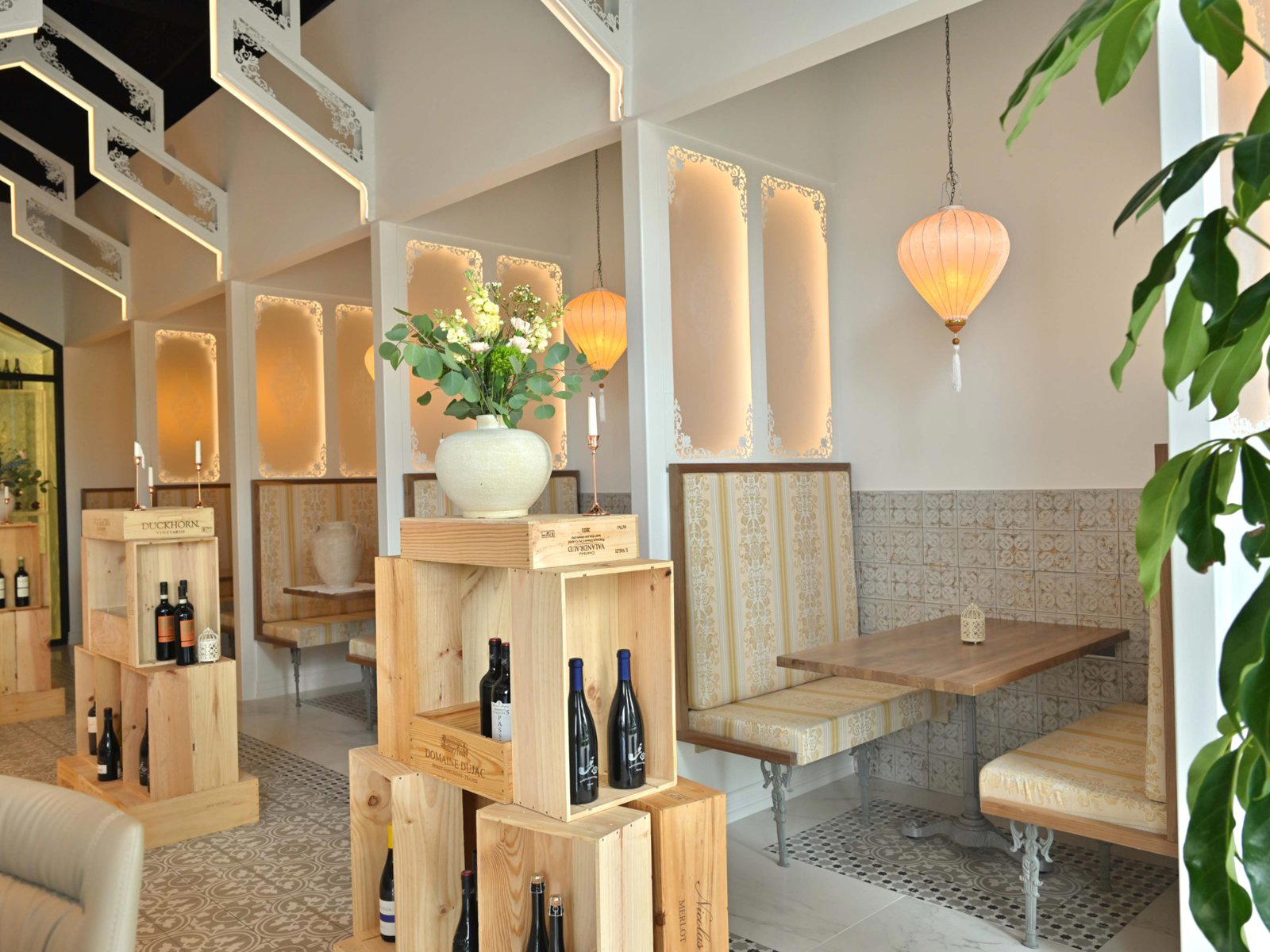
Bars in Houston
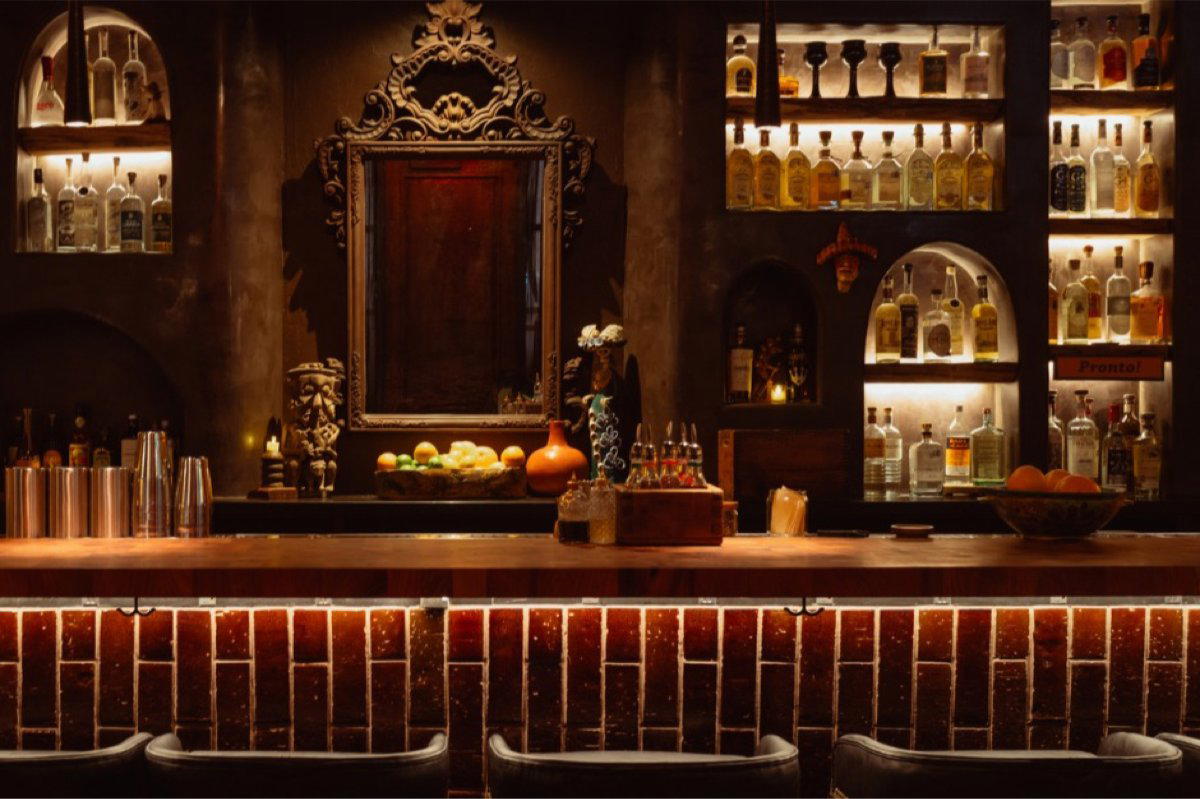
All bars in Houston →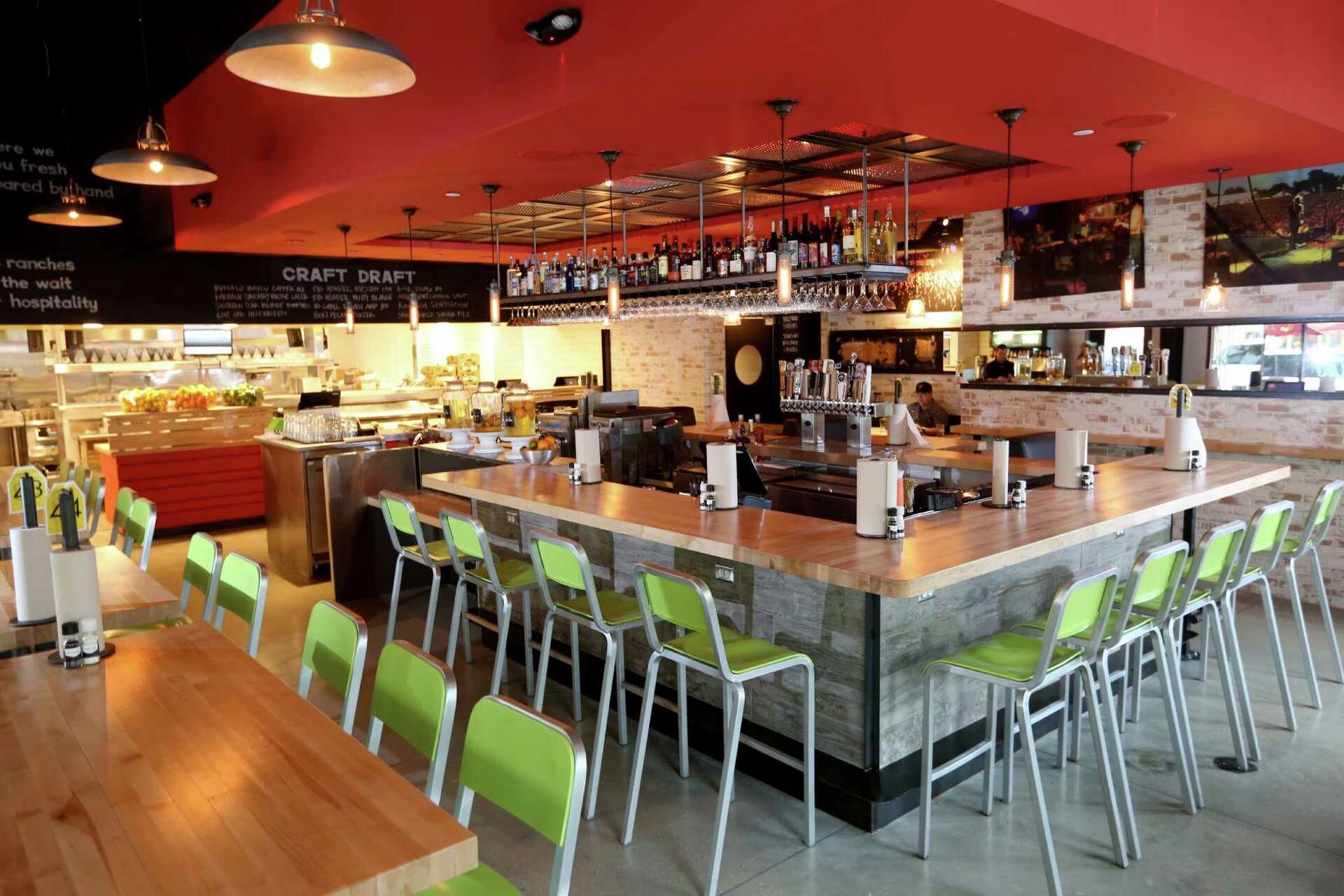
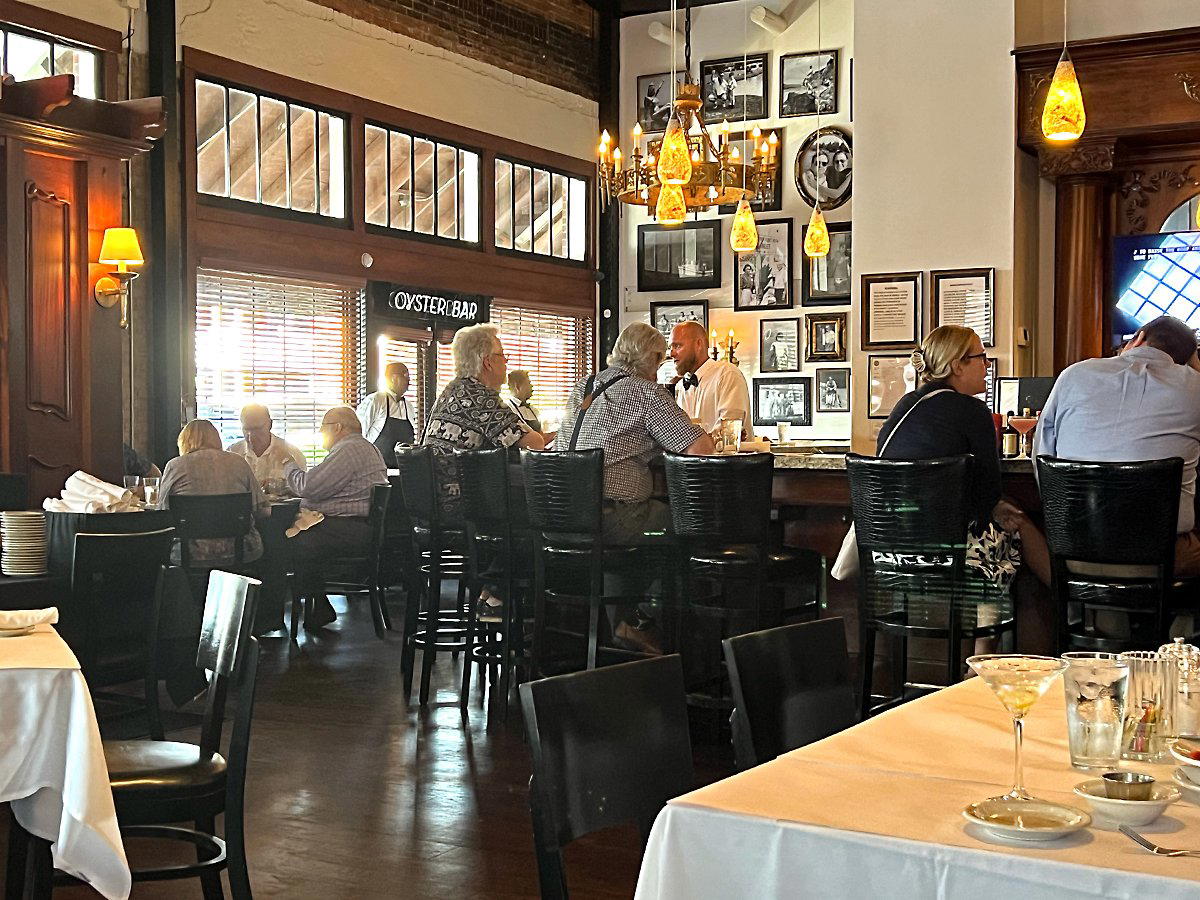
Details
- Modern
- Trendy
- Date Night
- Casual Hangout
- Open Kitchen
- Craft Cocktails
- A La Carte
- Small Plates
- Pisco Sours
- Vegan Options
Current opening hours
- Monday
- Closed
- Tuesday
- 11 AM–2 PM, 5–9 PM
- Wednesday
- 11 AM–2 PM, 5–9 PM
- Thursday
- 11 AM–2 PM, 5–9 PM
- Friday
- 11 AM–2 PM, 5 PM–12 AM
- Saturday
- 11 AM–3 PM, 5–10 PM
- Sunday
- 12–4 PM
Hours can change for holidays and private events. Hours as of .
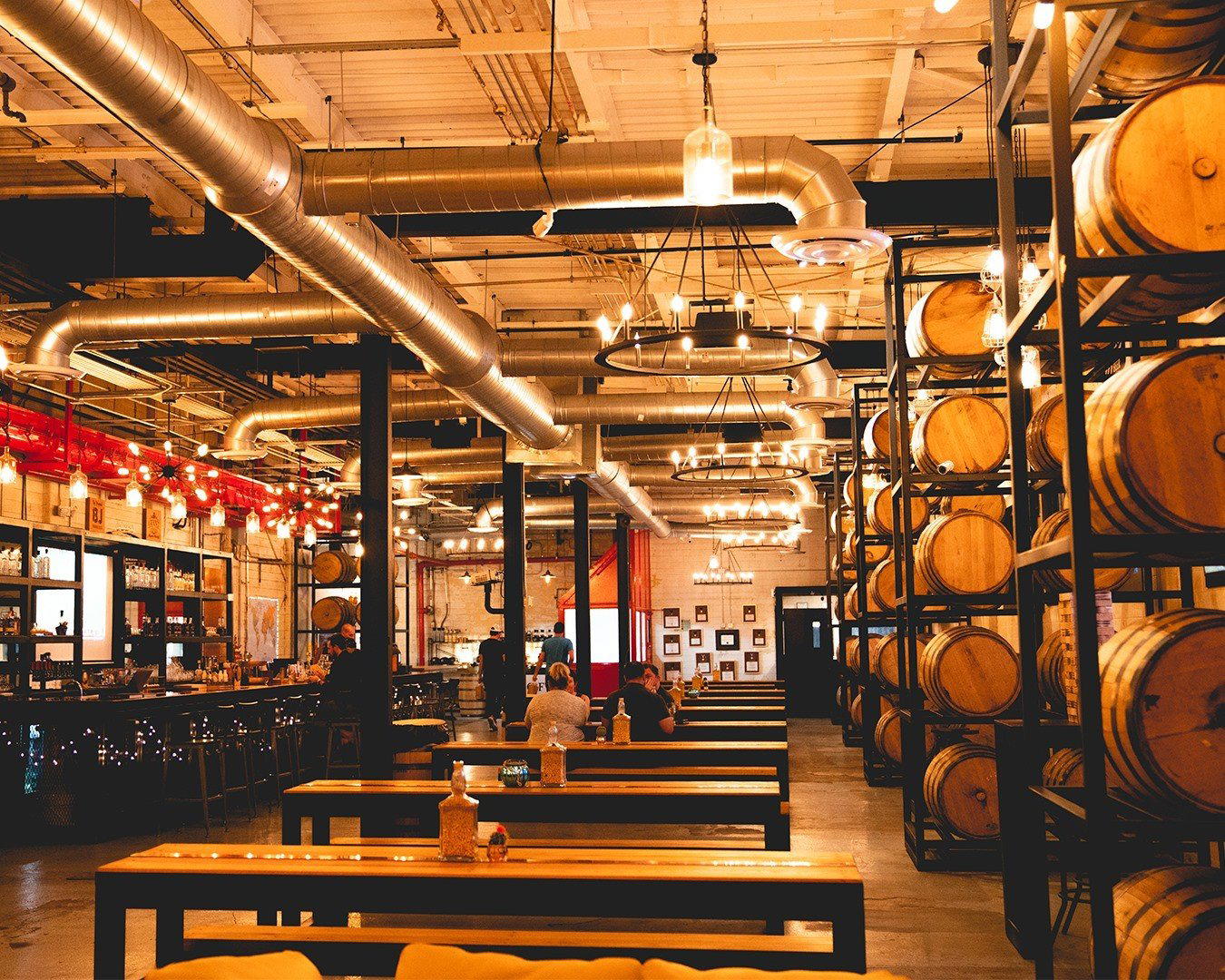
Gleaming modern open space with ceviche counter and bar area.