Anthony’s New York Italian
Anthony’s New York Italian fits Houston’s broad Italian-American lane rather than the city’s chef-driven tasting-menu circuit. The draw is the promise embedded in the name: red-sauce comfort, New York-style abundance, and an Italian vocabulary shaped by migration as much as by Rome, Naples, Tuscany, or Milan.
Pearl is the En Primeur Club membership app — saves, bookings, and concierge access live there. Same editors, same standards.
- Address
- Houston, United States
- Website
- anthonysnyitalian.com
 Saves & bookings on Pearl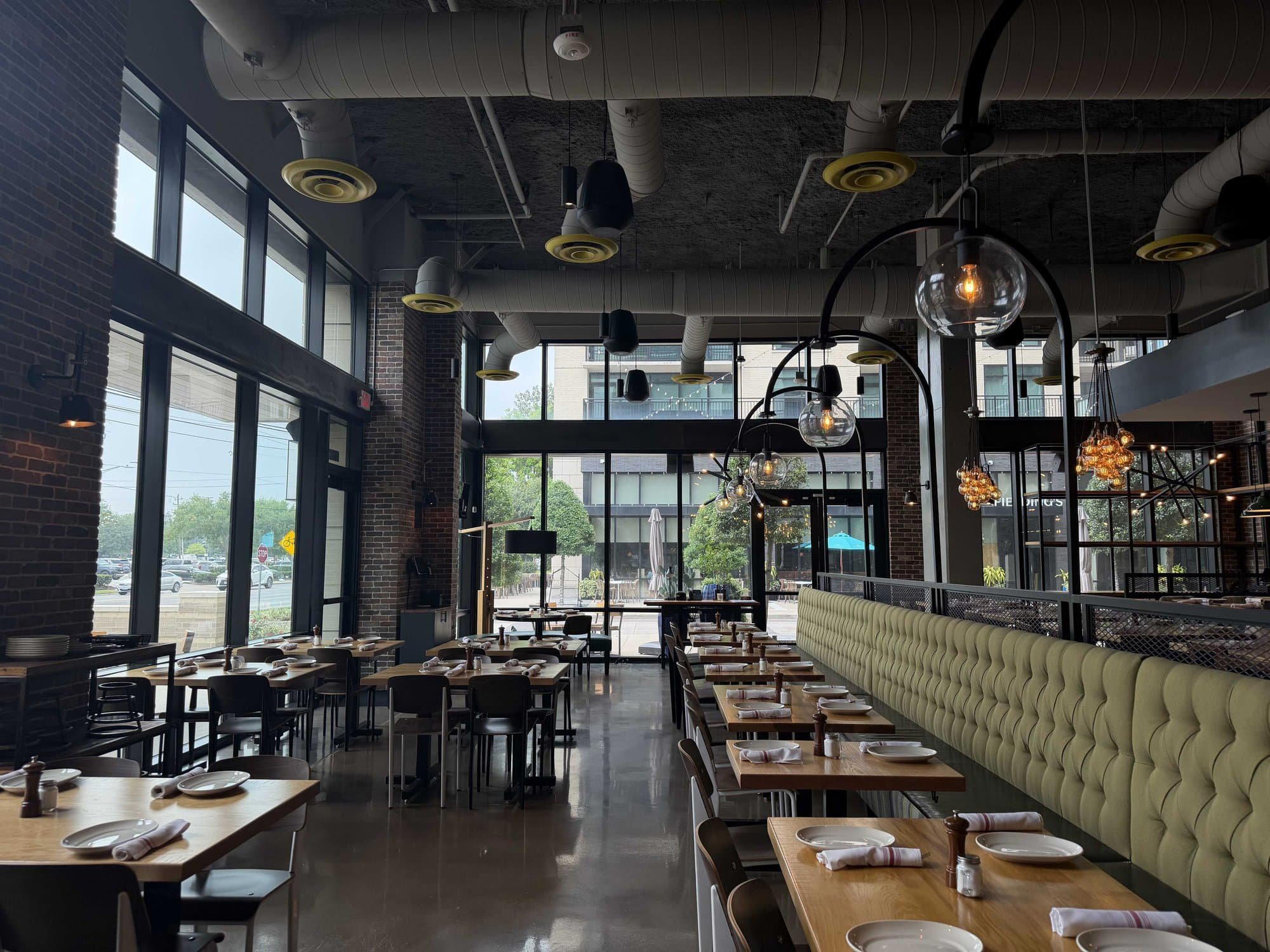
Approach a New York Italian room in Houston and the signals tend to arrive before the menu does: a preference for warmth over austerity, a language of appetite, and a dining rhythm built for groups rather than hushed ceremony. Anthony’s New York Italian belongs to that tradition, where Italian cuisine is filtered through the American East Coast and then reinterpreted again in a Texas city that has never treated immigrant cooking as museum material.
Houston’s Italian dining scene covers several registers. There are restaurants that chase regional precision, separating one Italian tradition from another and treating technique as a defining feature. Then there is Italian-American cooking, a category with its own grammar: comfort, generosity, familiarity, and service geared toward birthdays, family tables, and weeknight regulars. Anthony’s New York Italian sits in that latter conversation. Its value is not in claiming fidelity to a single Italian province; it is in carrying the New York Italian-American idea into a Houston setting.
New York Italian in Houston means migration cuisine, not regional purism
The phrase “New York Italian” matters. It points less to a map of Italy than to the foodways built by Italian immigrants and their descendants in American cities: familiar flavors, generous plates, and a sense that dinner should feel abundant. That style is often dismissed by diners trained to prize regional minimalism, but it has a serious history of its own. It is Italian cuisine after immigration, after neighborhood restaurants, after family-style dining became a cultural shorthand.
Houston adds another layer. The city’s restaurant culture rewards accessibility and range; it can support many dining formats, from ambitious tasting menus to casual neighborhood rooms, without forcing them into the same category. In that context, Anthony’s New York Italian reads as a familiar proposition: Italian-American cooking for diners who want the comfort of the genre rather than a seminar in a single Italian region.
That distinction helps set expectations. A strictly regional Italian restaurant is judged through the discipline of a particular place and tradition. A New York Italian restaurant is judged differently: satisfaction, generosity, and whether the table feels better suited to conversation than performance. Anthony’s New York Italian should be read through that lens.
The appeal is comfort, not culinary theatre
Houston has plenty of restaurants that trade on novelty. Italian-American dining works because it does the opposite. The format depends on recognition: dishes that arrive with a built-in memory, menus that do not require a glossary, and rooms where mixed-age groups can eat without negotiating a tasting-menu script. That makes this kind of restaurant useful in a city where dining decisions are often practical as much as aesthetic: business dinners, family meals, casual celebrations, and repeat local habits.
Anthony’s New York Italian is attached here to Houstonia’s coverage of new restaurant openings in Houston, with Anthony Russo identified in the venue details. Beyond that, the editorial read should stay grounded. This is not a page for star-chasing. It is a page for understanding a category. Italian-American restaurants occupy an important middle tier in American cities: less formal than white-tablecloth regional Italian rooms, more durable than trend-led openings, and more dependent on repeat local use than destination dining. In Houston, that durability matters. The city’s size and driving culture favor places that can become part of a routine, not only places that justify a special trip across town.
The regional identity angle is also where the name becomes useful. “New York Italian” suggests a kitchen shaped by American urban appetite rather than strict Italian regional doctrine. That can mean a broader sensibility, a more generous tone, and a dining room less concerned with doctrinal purity than with feeding the table. Diners seeking a narrow expression of a specific Italian region should calibrate accordingly. Diners who want Italian-American comfort in Houston will understand the proposition quickly.
How to place it in a Houston itinerary
For a broader view of the city’s dining range, start with Our full Houston restaurants guide, then use the category guides for Our full Houston hotels guide, Our full Houston bars guide, Our full Houston wineries guide, and Our full Houston experiences guide. Houston’s spread also includes other hotel dining rooms, area restaurants, casual counters, wine-bar formats, and polished dining rooms across the city.
Outside Houston, the EP Club map is useful for seeing how cuisine categories change by city rather than treating “Italian” or “casual” as fixed ideas. Compare the way other cities frame drinking, dining, comfort food, regional cooking, plant-based meals, resort restaurants, and luxury dining without assuming that any single category means the same thing everywhere.
The concise verdict: Anthony’s New York Italian is for diners who want Italian familiarity in Houston, not a tightly regional Italian exercise. Read it as part of the city’s comfort-dining fabric: useful for groups, clear in its cuisine label, and better understood through the history of New York Italian-American cooking than through a checklist of Italian provincial orthodoxy.
- Lobster Fra Diavolo
- Frutti di Mare over pappardelle
- Bone-in Veal Parmesan
- 24-ounce Prime Porterhouse
- House-made pasta dishes
- Brick-oven pizzas with imported mozzarella and burrata
Comparable Venues Nearby
Comparable venues nearby, for context on price, style, and recognition.
| Venue | Cuisine | Price | Notes |
|---|---|---|---|
| Anthony’s New York ItalianThis venue — the venue you are viewing | Upscale Italian-American with Prime Steaks & Seafood | $$$ | Not listed |
| Warehouse 72 | Contemporary Italian & Mediterranean Bistro | $$$ | Spring Branch East |
| Remi | Modern Italian with American influences | $$$ | Afton Oaks |
| Simone on Sunset | European Pizza & Wine Bar | $$$ | Upper Kirby |
| BARI RISTORANTE | Classic Italian with Seasonal Ingredients | $$$ | Galleria |
| Lombardi Cucina Italiana | Modern Italian Trattoria | $$$ | Afton Oaks |
Continue exploring
More in Houston
Restaurants in Houston
Browse all →
Bars in Houston
Browse all →

Hotels in Houston
Browse all →




Wineries in Houston
Browse all →
At a Glance
- Elegant
- Sophisticated
- Modern
- Lively
- Date Night
- Business Dinner
- Group Dining
- Special Occasion
- Celebration
- Standalone
- Terrace
- Extensive Wine List
- Local Sourcing
- Sustainable Seafood
Current opening hours
- Monday
- 11 AM–10 PM
- Tuesday
- 11 AM–10 PM
- Wednesday
- 11 AM–10 PM
- Thursday
- 11 AM–10 PM
- Friday
- 11 AM–11 PM
- Saturday
- 11 AM–11 PM
- Sunday
- 11 AM–10 PM
Hours can change for holidays and private events. Last verified .
Casual-elegant and polished, positioned as a more polished, intimate take on Italian-American dining than Russo’s fast-casual outlets, with a warm atmosphere suited to both everyday dinners and special occasions.
Know Before You Go
- Reservations
- Recommended
- Dress code
- Business casual