Makeda occupies a quiet stretch of Rue Colbert in central Tours, positioning itself within a city where African and African-influenced kitchens remain rare enough to reshape a dining conversation. As Tours develops a more considered restaurant culture alongside peers like Case. and Casse-Cailloux, Makeda represents the kind of address that broadens the city's culinary frame of reference rather than simply adding another French bistro to the roster.
Pearl is the En Primeur Club membership app — saves, bookings, and concierge access live there. Same editors, same standards.
- Address
- 86 Rue Colbert, 37000 Tours, France
- Phone
- +33247471297
- Website
- makeda-tours.com
- Directions
- Get directions
 Saves & bookings on Pearl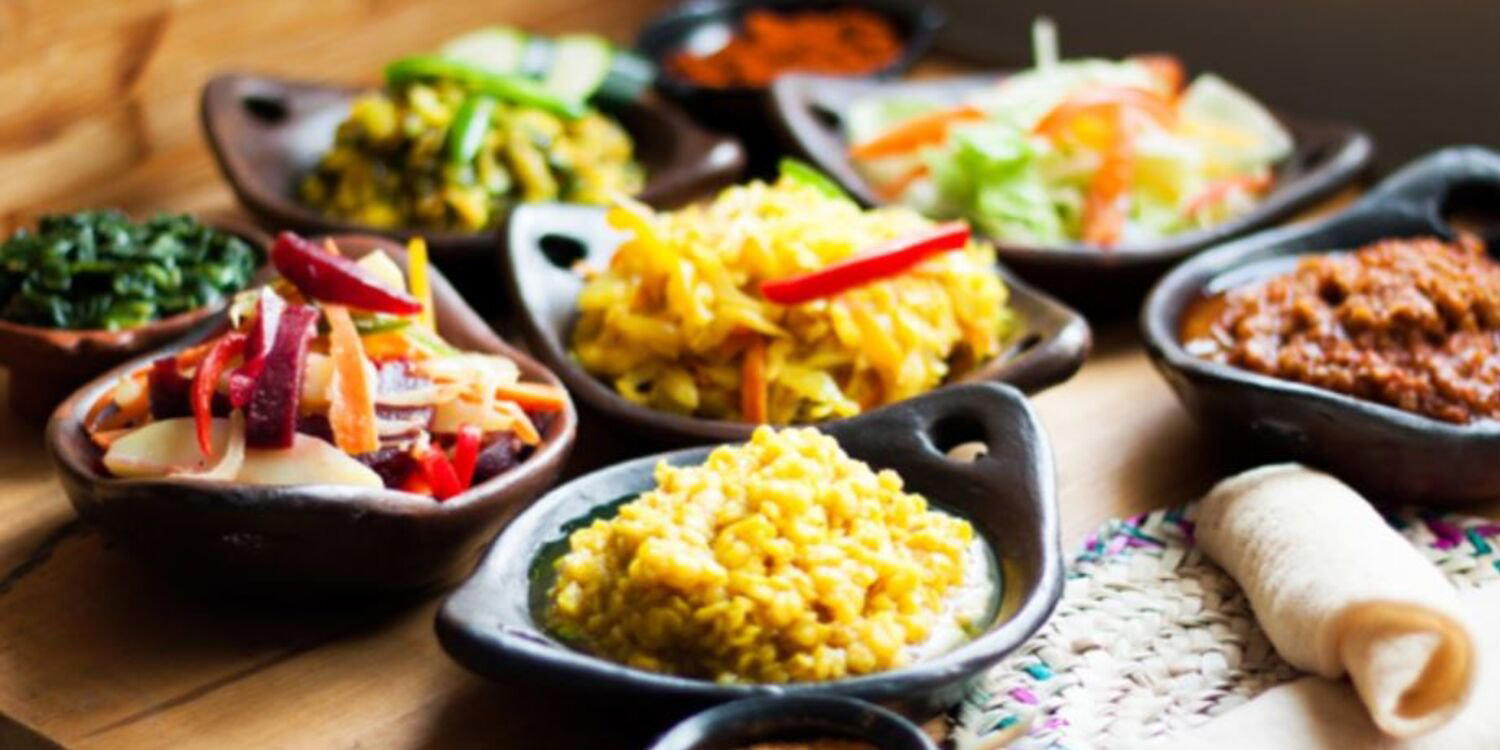
Rue Colbert and the Shape of a Room
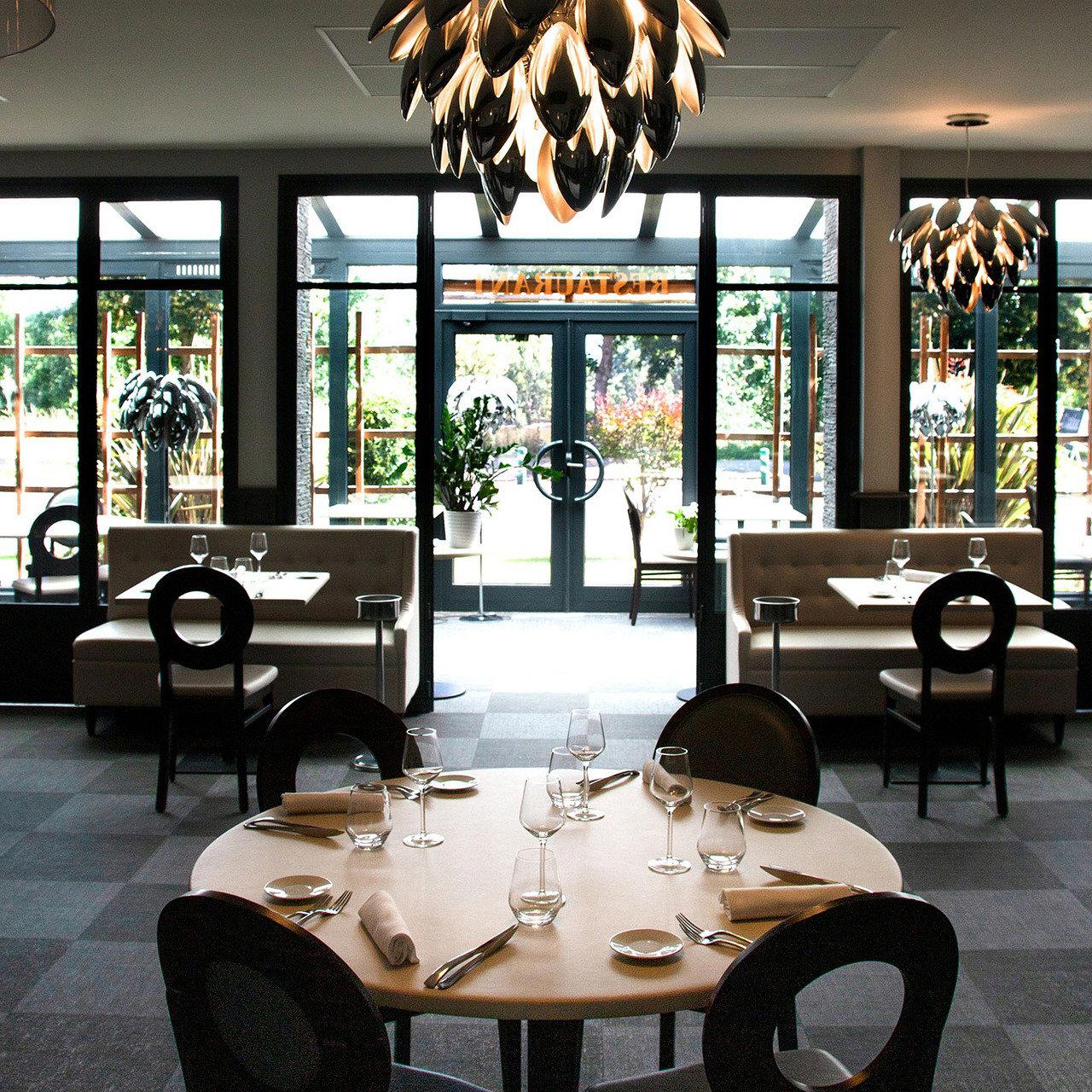
Rue Colbert runs through one of Tours' most architecturally coherent central corridors, a street where the building scale stays low and the rhythm of shopfronts encourages slow walking rather than transit. The address at number 86 places Makeda within that grain: not on a grand boulevard, not tucked into an alley, but on a street with enough foot traffic to feel alive and enough character to reward attention. In a city where the dining conversation has long been dominated by Loire Valley classicism and the bistro format that serves it, a room with a different visual and culinary register carries real weight. The physical container is part of the argument.
Tours has been building a more plural restaurant identity over the past decade. Operations like Case. (Modern Cuisine) and Casse-Cailloux (Modern Cuisine) have pushed the city's mid-range tier toward tighter, more considered cooking. Bistrot des Belles Caves and Bistrot des Halles anchor the traditional end, while Au Martin Bleu occupies a different register again. Makeda sits outside all of those categories. Its position on Rue Colbert is not just geographic, it signals a conscious separation from the Loire-centric template that most of Tours' dining addresses follow.
Design as Editorial Statement
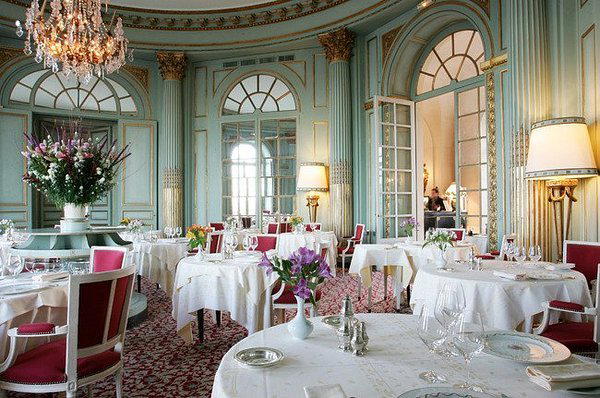
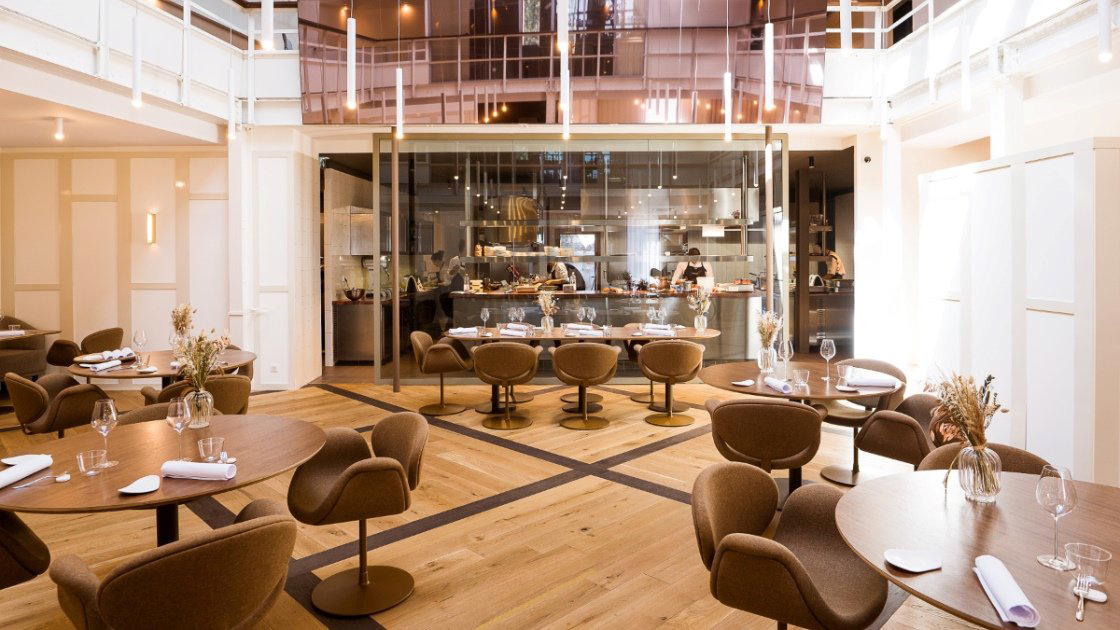
The interior architecture of a restaurant communicates before any food arrives. In cities where dining culture is actively shifting, the rooms that make the sharpest break from local convention tend to generate the strongest sense of occasion. African-influenced interiors in French provincial cities often walk a difficult line between authenticity and performance, and the quality of that calibration is usually readable in the details: in the materials used, the density of objects, the way light is handled, the relationship between seating clusters. A room that treats design as furniture rather than as atmosphere will feel thin regardless of what comes out of the kitchen.
Makeda's position within Tours' mid-range dining tier places it in a comparable set where design investment is increasingly part of the proposition. At the upper end of the French fine dining spectrum, places like Alléno Paris au Pavillon Ledoyen or Mirazur in Menton have the resources to build environments that reinforce their culinary arguments at every point of contact. At the provincial level, the challenge is making a room feel considered on a tighter budget. Particularly effective approaches tend to prioritise coherence over quantity: fewer materials handled well, seating arrangements that create intimacy rather than volume, lighting that flatters without theatrics. Whether Makeda achieves that calibration is a question answered in the room itself.
What the Address Implies About the Menu
African kitchens in France cover a wide spectrum: West African groundnut and fermented-locust-bean cooking, North African spice architecture built on preserved citrus and slow-cooked lamb, East African traditions where injera and berbere define the plate structure. What can be said is that the name choice in a French provincial city is itself a positioning decision, signalling a kitchen identity that steps outside the regional default.
For diners whose reference points extend to AM par Alexandre Mazzia in Marseille, where African heritage operates as a culinary lens rather than a theme, the question at an address like Makeda is always the same: does the kitchen treat its reference culture as a source of genuine technique and ingredient logic, or as aesthetic framing? The answer to that question tends to determine whether a restaurant builds a reputation over time or cycles through curious first-timers without developing a returning audience.
Tours as a Dining City in 2024
Tours benefits from its Loire Valley position: access to some of France's most food-productive agricultural land, proximity to the wine appellations of Vouvray, Chinon, and Bourgueil, and a local population with enough provincial pride to support serious cooking. The city is not Paris, and it does not try to be. Its dining culture rewards the kind of cooking that connects to place rather than chasing trends imported from the capital.
That context makes an address like Makeda more interesting, not less. The Loire Valley restaurant scene produces excellent versions of well-established French forms. The dishes that define it, from rillettes de Tours to tarte Tatin, from sandre au beurre blanc to the region's goat cheeses, are as refined as they are familiar. Against that backdrop, a kitchen working with different cultural references offers something the local scene does not already have in quantity. The comparison is not with provincial bistros but with the kind of culturally specific addresses that have helped diversify the dining conversation in Lyon, Bordeaux, and Strasbourg, cities where the arrival of serious non-French kitchens has added rather than diluted local character. Places like Au Crocodile in Strasbourg illustrate how a city's culinary identity can absorb multiple traditions without losing coherence.
For visitors building a Tours itinerary that covers the full range of what the city offers, the full Tours restaurants guide maps the scene across price tiers and styles. Makeda's value within that framework is precisely that it occupies territory no other listed address currently claims.
Planning a Visit
Makeda is located at 86 Rue Colbert in central Tours, walkable from the old town and the Place Plumereau area.
A Minimal comparable set
Comparable venues nearby, for context on price, style, and recognition.
| Venue | Cuisine | Price | Notes |
|---|---|---|---|
| MakedaThis venue — the venue you are viewing | Centre, Authentic Ethiopian | $$ | Not listed |
| Le Onze | Place de la Résistance, French Brasserie | $$ | Not listed |
| Bistrot des Belles Caves | Centre-ville, French Bistronomique | $$ | Not listed |
| Le Chien Jaune | Centre-ville, Traditional French Bistro | $$ | Not listed |
| Moom Thaï | Not listed | $$ | Near Gare de Tours (train station), Traditional Thai |
| Ristorante Enoteca Italiana | Centre, Authentic Italian Trattoria | $$ | Not listed |

At a Glance
- Cozy
- Intimate
- Date Night
- Group Dining
- Casual Hangout
- Open Kitchen
Current opening hours
- Monday
- Closed
- Tuesday
- 12–2 PM, 7:30–10 PM
- Wednesday
- 12–2 PM, 7:30–10 PM
- Thursday
- 12–2 PM, 7:30–10 PM
- Friday
- 12–2 PM, 7:30–10 PM
- Saturday
- 12–2 PM, 7:30–10 PM
- Sunday
- Closed
Hours can change for holidays and private events. Last verified .
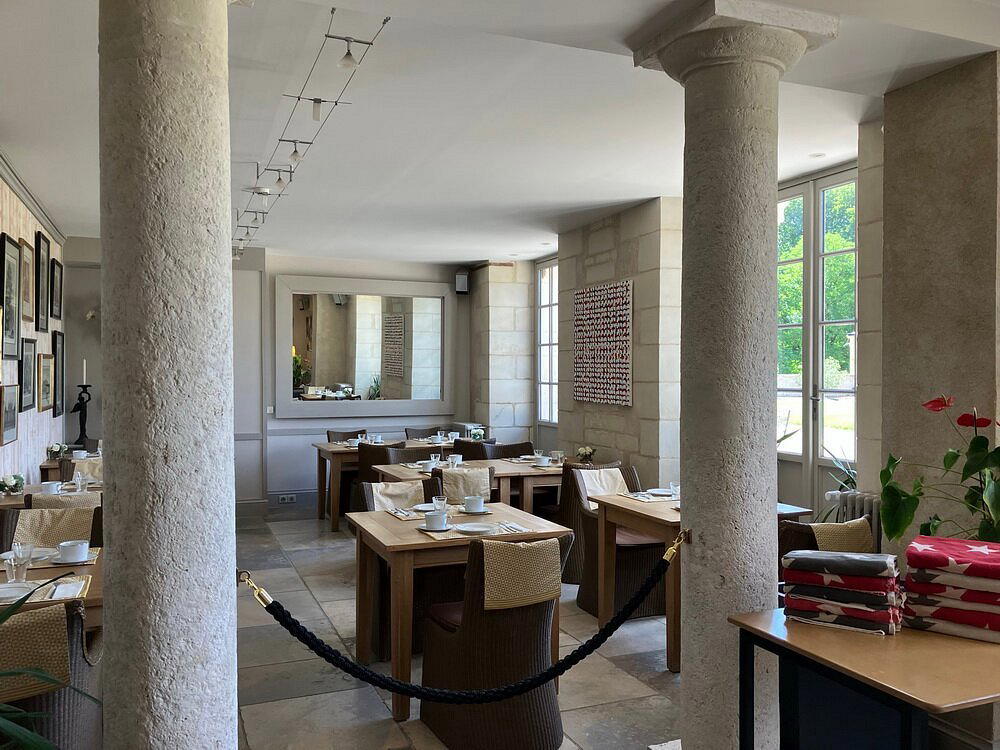
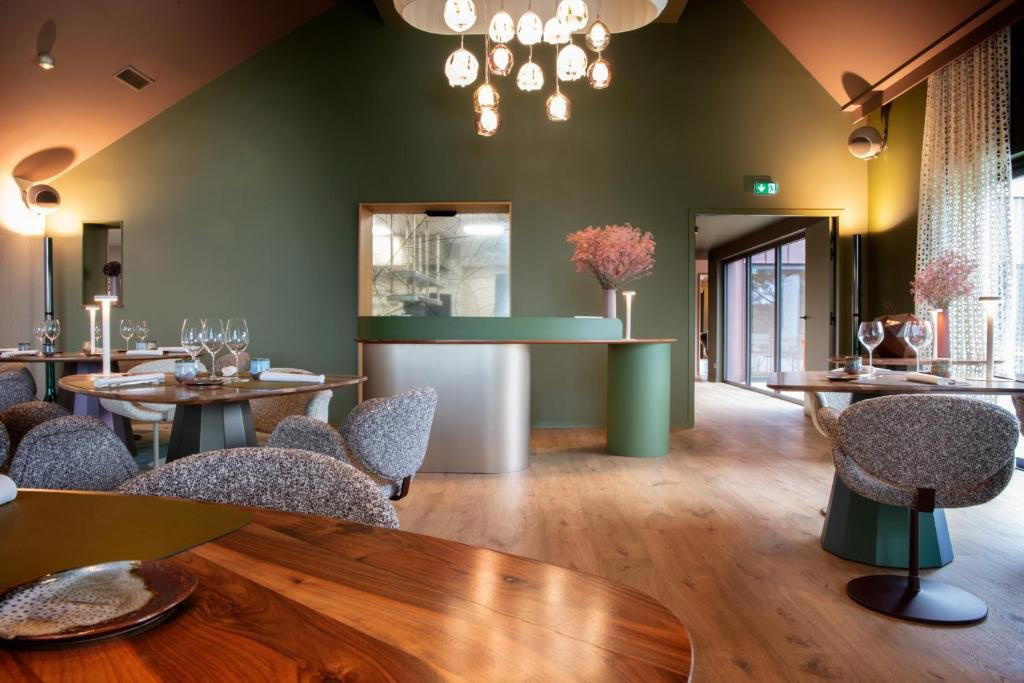
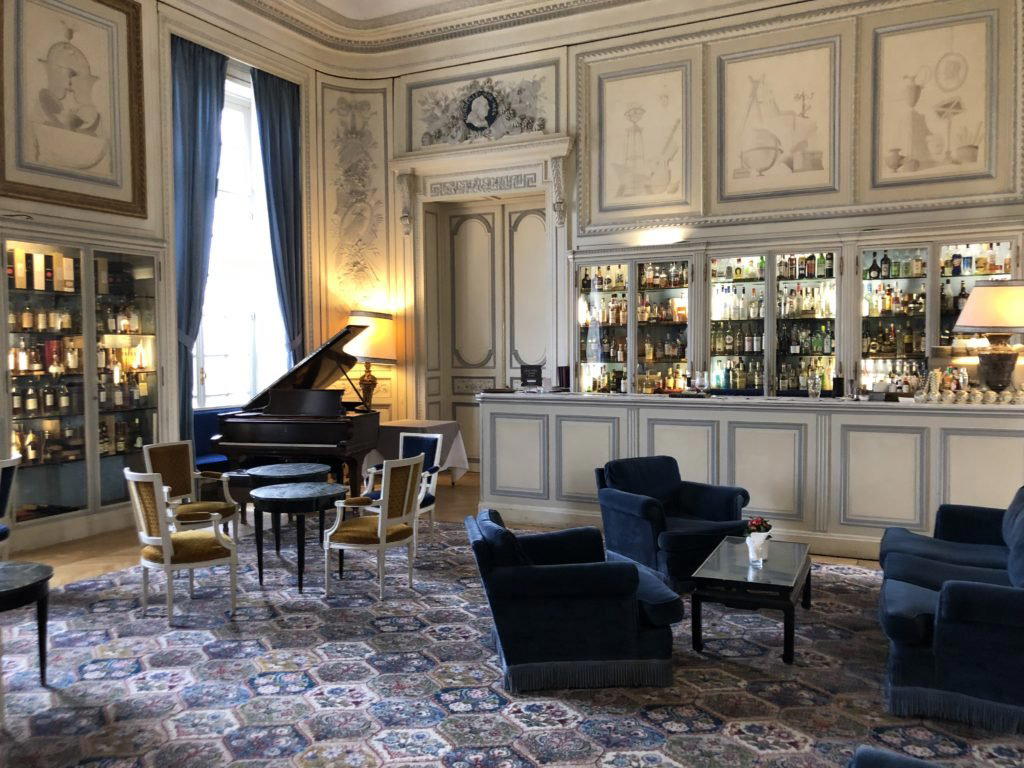
Cozy and intimate atmosphere with light wood and indigo blue decor, warm lighting, and a welcoming vibe where guests can hear conversations.