On Place de la Résistance in the heart of Tours, Le Onze occupies a position that reflects the Loire Valley's broader dining character: rooted in local produce and serious wine, without the formality of destination-restaurant theatre. The address alone signals proximity to one of France's most compelling wine regions, and the room delivers on that promise with a focus that rewards those paying attention.
Pearl is the En Primeur Club membership app — saves, bookings, and concierge access live there. Same editors, same standards.
- Address
- 11 Pl. de la Résistance, 37000 Tours, France
- Phone
- +33981677707
- Directions
- Get directions
 Saves & bookings on Pearl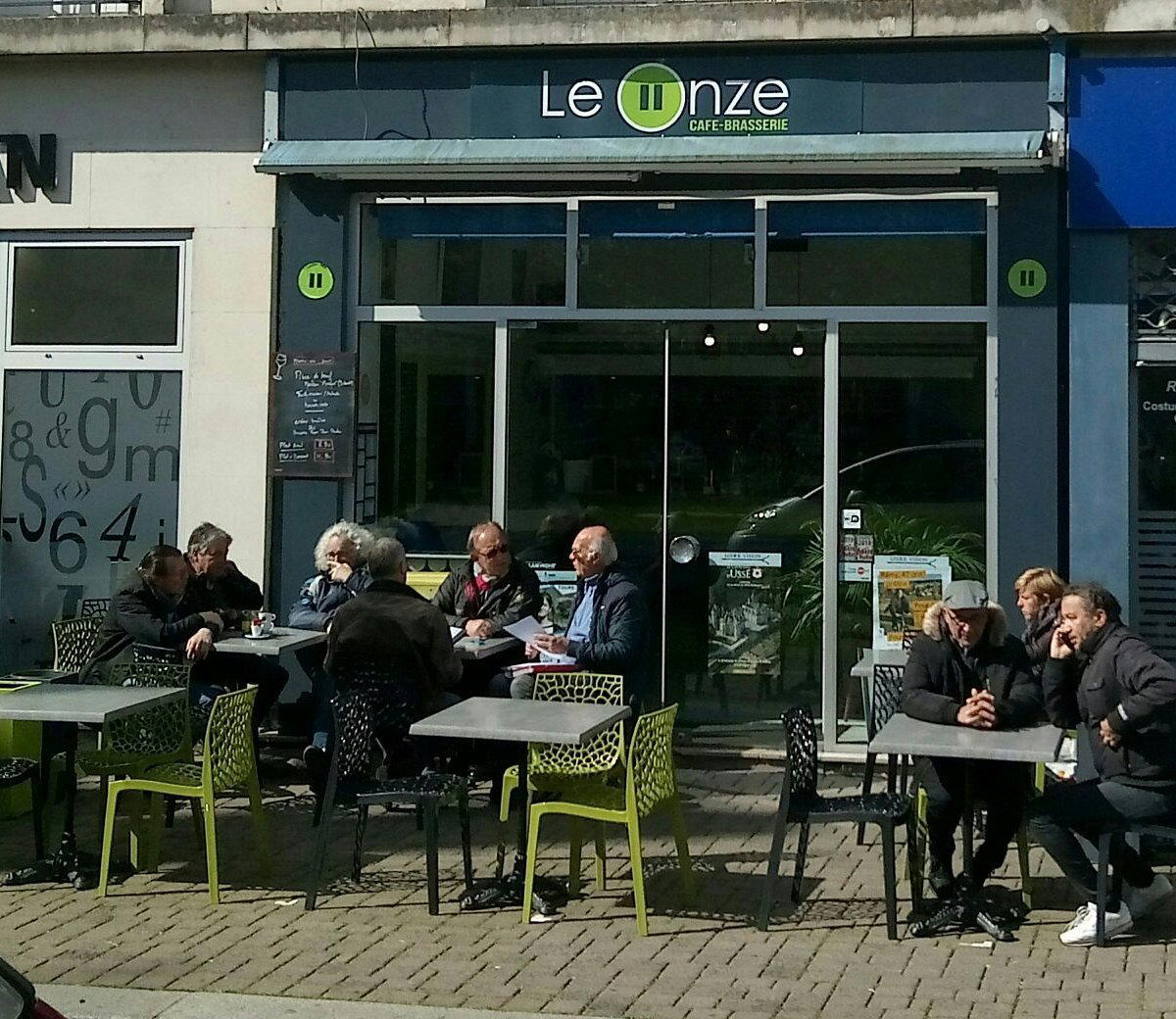
A Square in Tours, and What It Tells You About the Loire
Le Onze is a French Brasserie in Tours, France, at 11 Pl. de la Résistance. Place de la Résistance sits close enough to the old quarter of Tours to feel anchored in the city's history, yet far enough from the tourist corridors that the crowd around you is largely local. That geography matters when reading a restaurant. In Loire Valley towns, the clientele at a well-regarded address on a civic square tends to skew toward people who eat this way regularly, wine producers passing through, civil servants on long lunches, the kind of regional diner who has opinions about which Vouvray producer is having a better decade. Le Onze operates inside that context, at 11 Place de la Résistance, where the setting does some of the editorial work before the first glass is poured.
The Loire is one of France's most structurally complex wine regions, running roughly 1,000 kilometres from the Atlantic coast to the Massif Central and producing serious Chenin Blanc and Cabernet Franc in its heartland around Tours. Any restaurant in this city that takes its wine list seriously is competing against the region itself, because the reference points are hyperlocal, the producers are often reachable within twenty minutes, and a well-informed diner already knows what the bench should look like. That is a more demanding standard than the one applied to wine programs in cities without this kind of regional identity.
The Loire on a List: What Regional Wine Depth Actually Means
France's great wine-producing regions have a way of sorting restaurants into tiers based almost entirely on cellar honesty. In Burgundy, the question is whether the list goes beyond the obvious négociant names to the growers who actually define the appellation. In Champagne, it is whether the list acknowledges the récoltant-manipulant movement or remains anchored to grandes maisons. In the Loire, the relevant question is whether a restaurant leans into the region's full range, from the mineral, age-worthy Savennières and Montlouis-sur-Loire bottlings to the lighter Sancerre-adjacent expressions, or retreats to a safe, short selection of recognisable labels.
The Loire's wine identity is also complicated by the fact that it spans multiple styles that rarely appear together on lists outside the region itself. Muscadet and Pouilly-Fumé occupy the same appellation geography as Bourgueil and Chinon, and a list that treats them all seriously is one that requires genuine curatorial commitment rather than a distributor relationship. For a restaurant in Tours, the opportunity is clear: the producers are close, the harvest knowledge is local, and the diner who comes here from Paris or London is often specifically seeking the Loire perspective that a broader national list cannot replicate. Venues like Bistrot des Belles Caves have built their identities around exactly that proposition, while Bistrot des Halles takes a market-driven approach that keeps the selection tight and seasonal. Le Onze, positioned on a square with civic weight, sits in this conversation.
How the Room Reads
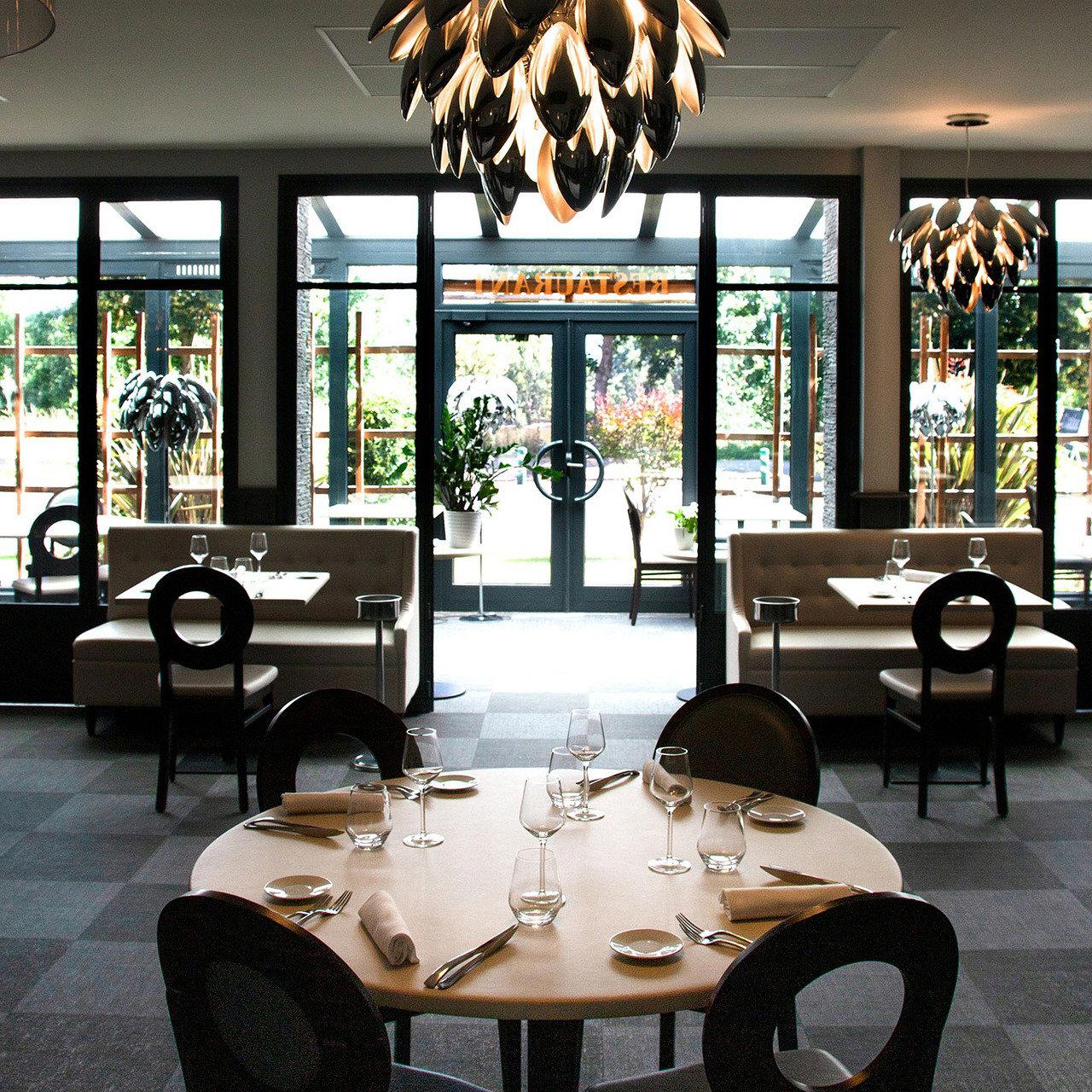
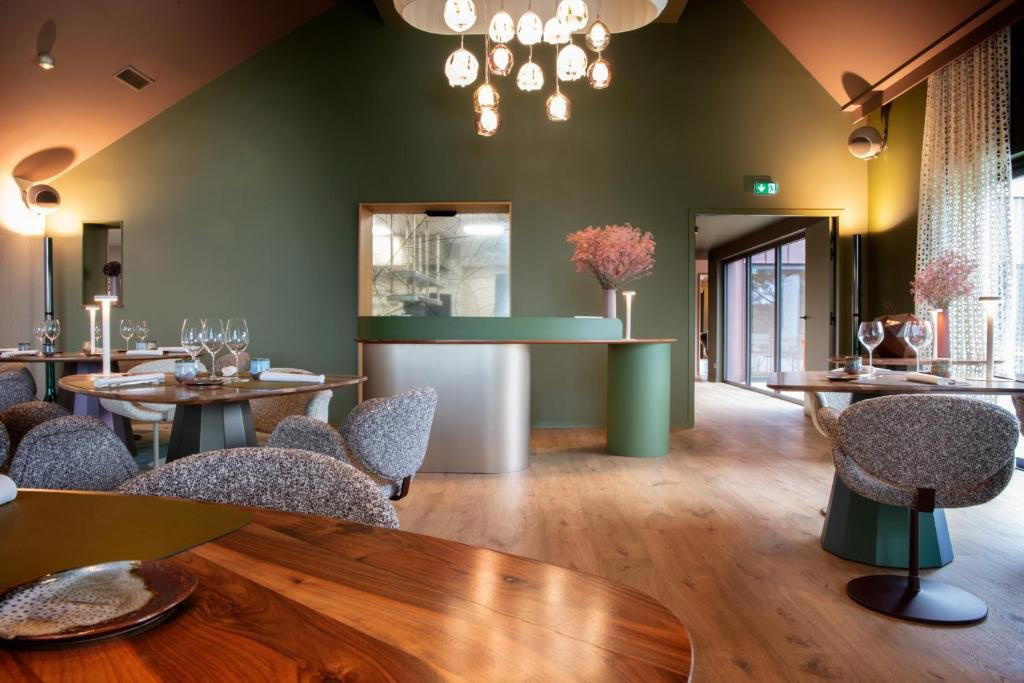
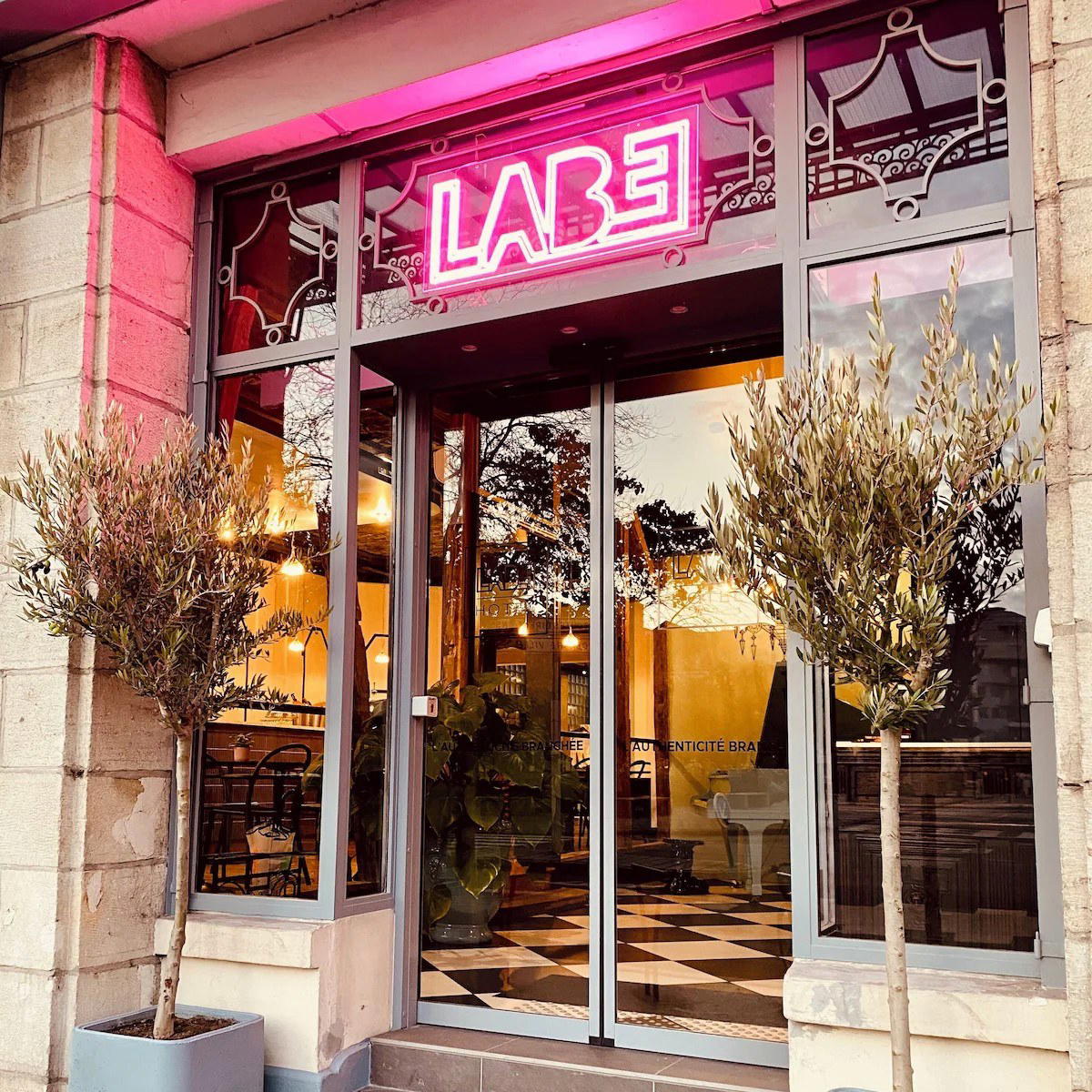
Approaching a restaurant named for its address, Le Onze is simply the number eleven, you expect a certain restraint in the room, a preference for the food and wine to carry the experience rather than the décor. That kind of naming decision is more common in the Loire than in, say, Paris, where a restaurant name is often a marketing instrument. Here it signals a particular relationship with place: this is the restaurant at number eleven, and that is sufficient introduction.
The physical address on Place de la Résistance puts the restaurant within walking distance of Tours' principal train station, which connects the city to Paris Montparnasse in roughly an hour by TGV. That proximity makes Tours a practical day-trip destination for serious wine and food travellers based in the capital, and it shapes the kind of out-of-town diner who appears at lunch.
Tours in the French Restaurant Hierarchy
Tours does not operate at the same altitude as Lyon or Paris in the national restaurant conversation, but it has a defensible regional identity that the leading addresses here build on rather than apologise for. The Loire Valley's designation as a UNESCO World Heritage site applies to the cultural landscape as a whole, which creates a diner who arrives with refined expectations across the board, not just for the château visits, but for the table they sit down to afterward.
In the French provincial dining context, the relevant comparison set for Tours is not the three-star circuit. Addresses like Mirazur in Menton, Troisgros in Ouches, or Auberge de l'Ill in Illhaeusern define a tier of French gastronomy where the destination itself is the meal. Bras in Laguiole and Flocons de Sel in Megève similarly anchor their identity in landscape and terroir at a level that draws international travel. Tours operates differently: it is a city where dining is part of a broader Loire itinerary, and the restaurants that work leading are those that act as an honest entry point to the region rather than a destination in isolation. Au Martin Bleu and Casse-Cailloux represent different registers of that local identity, while Case. pushes toward modern technique. The restaurant occupies its own position in that range.
For context on what French fine dining looks like at its most decorated, from Alléno Paris au Pavillon Ledoyen to Paul Bocuse, the comparison helps calibrate what a regional address in Tours is and is not attempting. Assiette Champenoise in Reims and Au Crocodile in Strasbourg show how provincial cities with strong regional wine identities can sustain serious restaurant culture. The Loire has the same raw material; the question is always execution. Internationally, the contrast with technically rigorous programs at Le Bernardin in New York City or conceptually driven addresses like Atomix and AM par Alexandre Mazzia in Marseille frames what ambition can look like at this price point globally.
Planning a Visit
The restaurant is located at 11 Place de la Résistance, 37000 Tours. Arriving with a reservation is the prudent approach for a Friday or Saturday evening. The TGV connection from Paris Montparnasse makes a midday arrival and late-afternoon departure a workable itinerary for visitors combining lunch here with a morning in the old town or the nearby Musée des Beaux-Arts.
At-a-Glance Comparison
Comparable venues nearby, for context on price, style, and recognition.
| Venue | Cuisine | Price | Notes |
|---|---|---|---|
| Le OnzeThis venue — the venue you are viewing | French Brasserie | $$ | Not listed |
| Restaurant Le Turon | Traditional French Bistro | $$ | Historic Center |
| La Chope | Classic French Brasserie with Seafood | $$ | Tours center |
| Bistrot des Halles | Traditional French Bistro | $$ | Place Gaston-Paillhou |
| Au Martin Bleu | Traditional Touraine French Bistro | $$ | Tours Centre |
| Comme à La Maison Côté Sud | French Bistro with Mediterranean Influences | $$$ | Vieux Tours |

At a Glance
- Cozy
- Lively
- Classic
- Casual Hangout
- Terrace
- Local Sourcing
- Street Scene
Current opening hours
- Monday
- Closed
- Tuesday
- 8 AM–6 PM
- Wednesday
- 8 AM–6 PM
- Thursday
- 8 AM–6 PM
- Friday
- 8 AM–6 PM
- Saturday
- 8 AM–6 PM
- Sunday
- Closed
Hours can change for holidays and private events. Last verified .
Convivial and relaxed with a friendly neighborhood feel, featuring a small terrace and upstairs room for groups.