Michelin Plate · Michelin Guide Plate
Our verdict
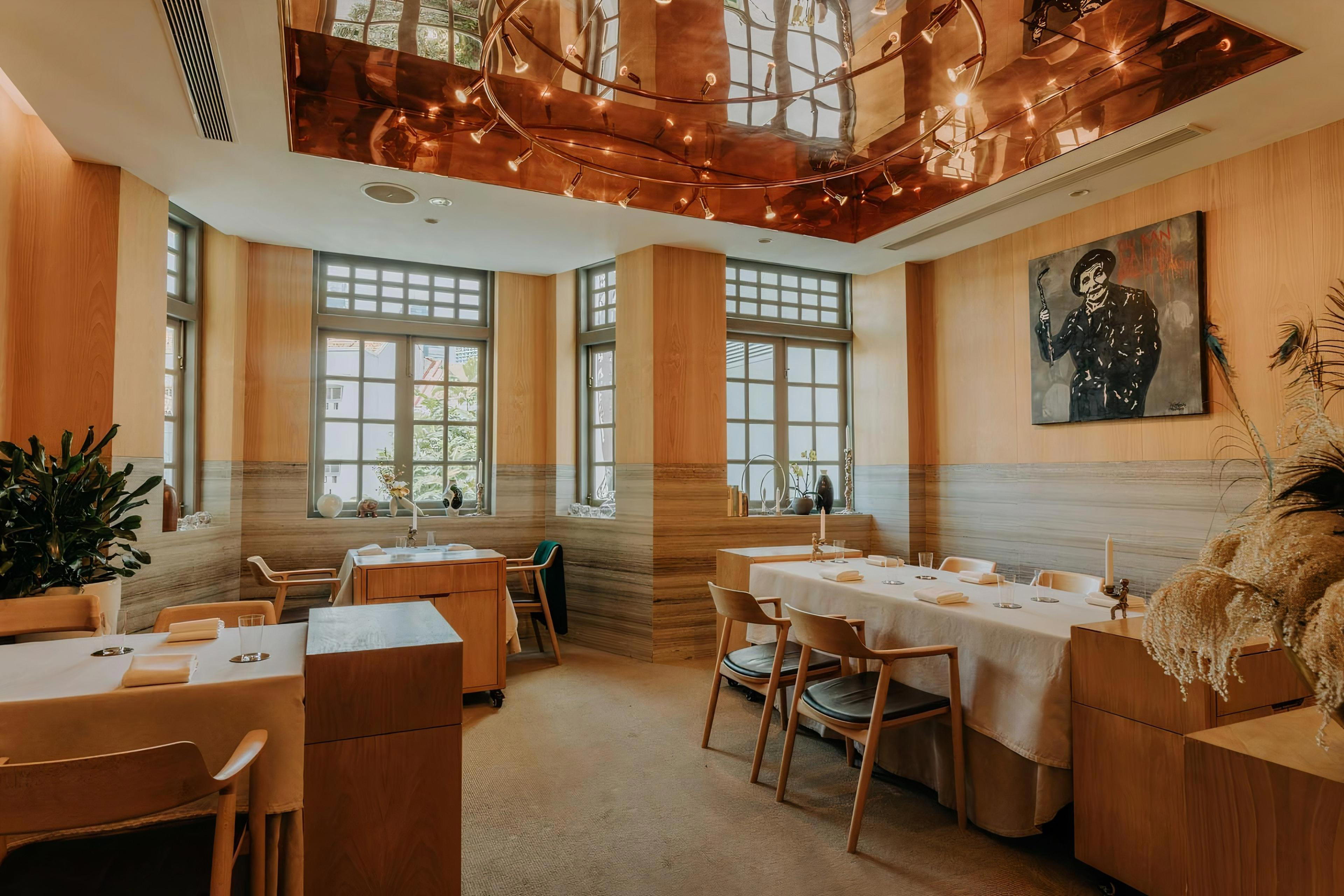
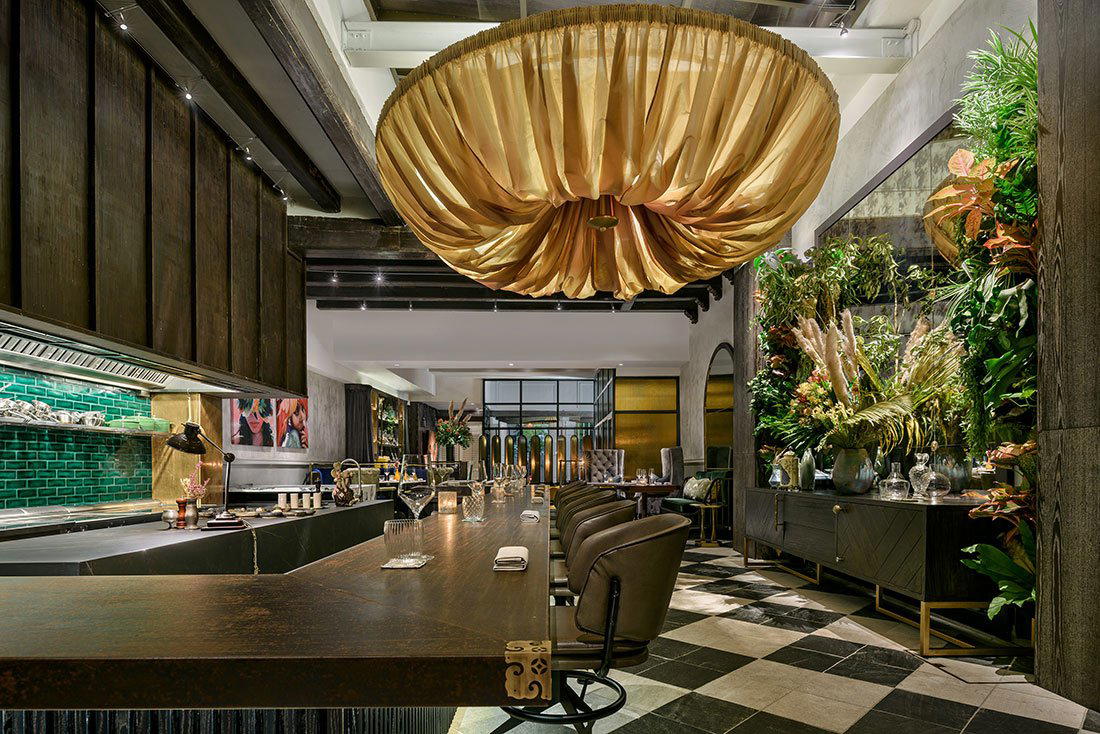
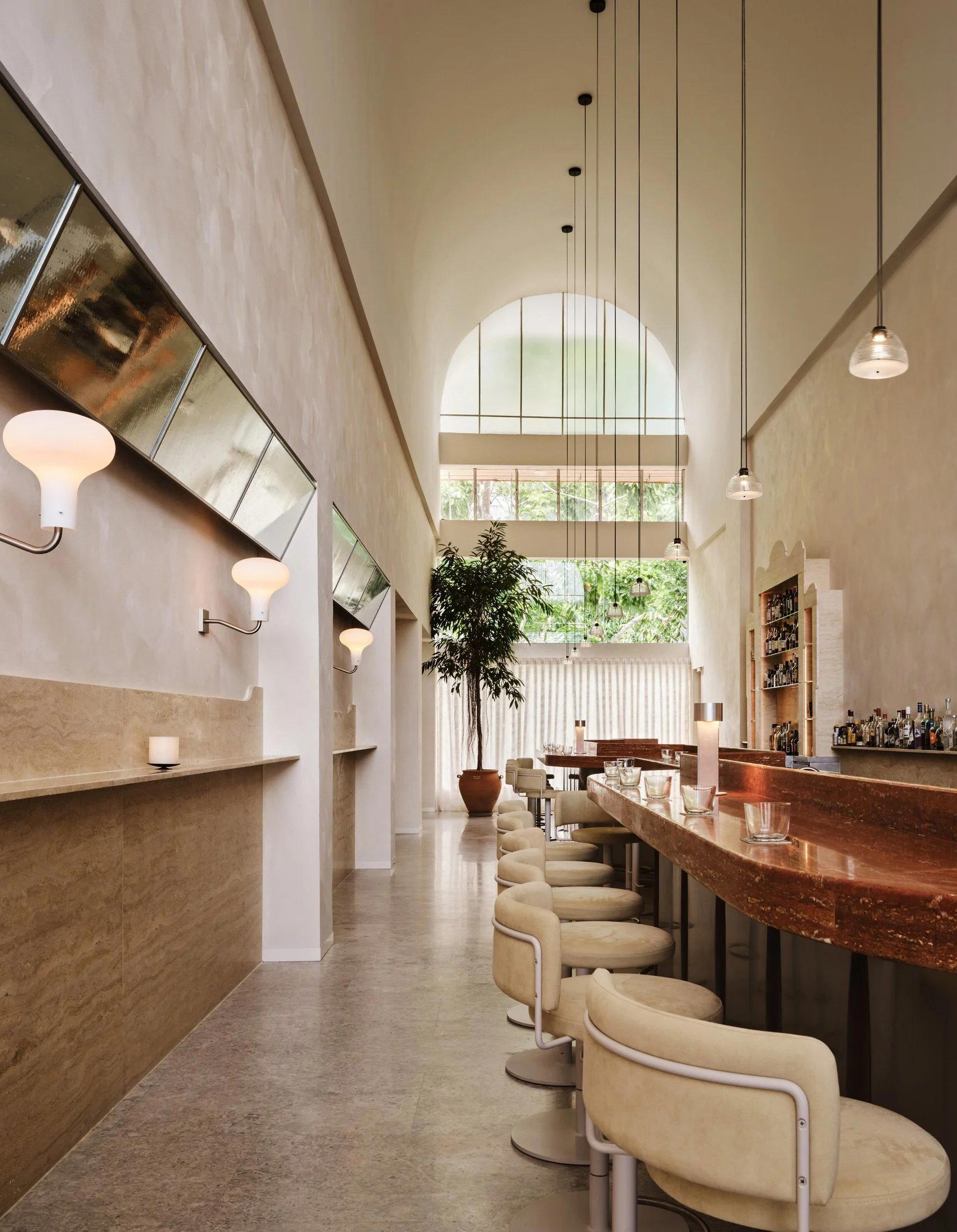
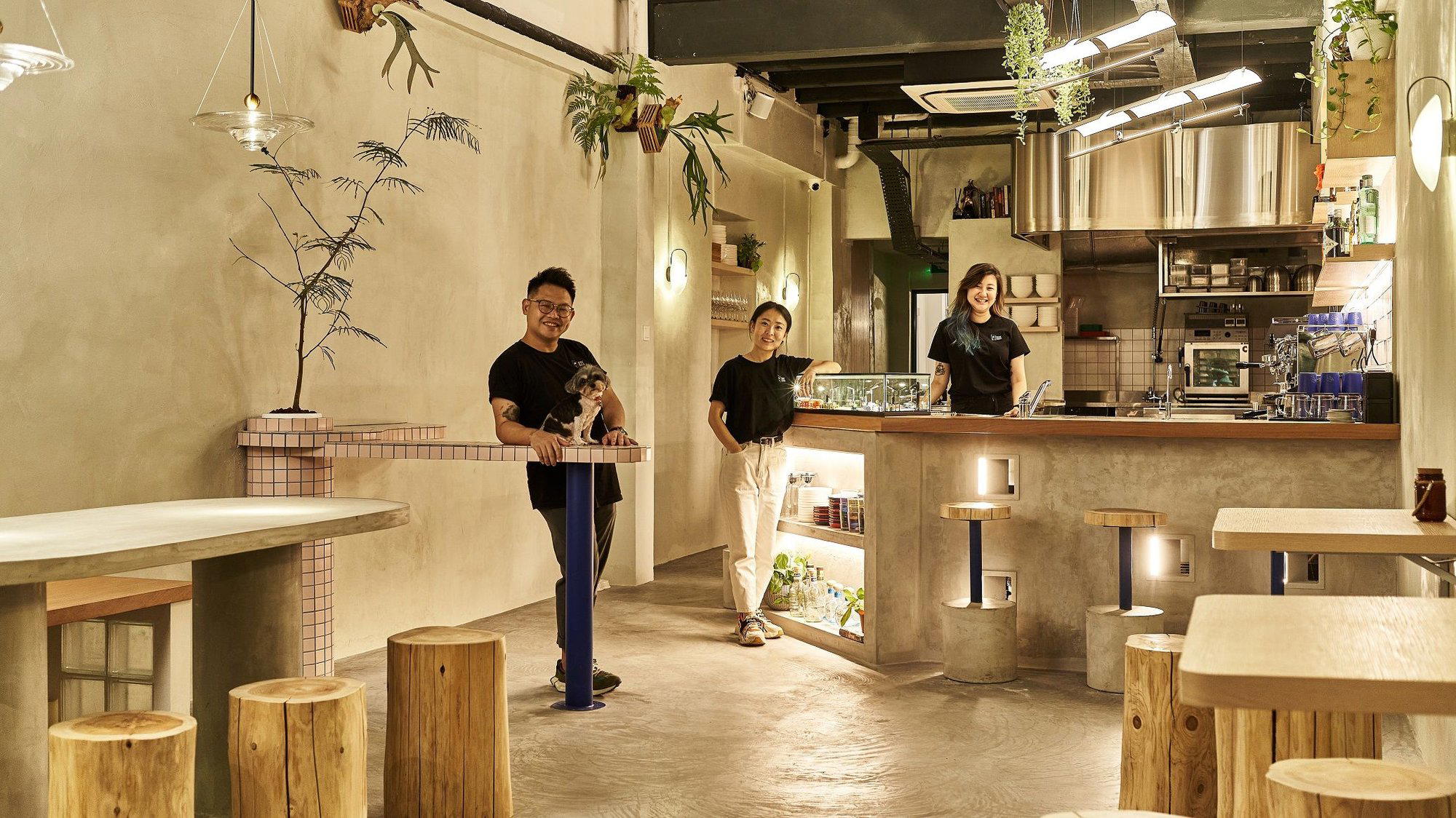
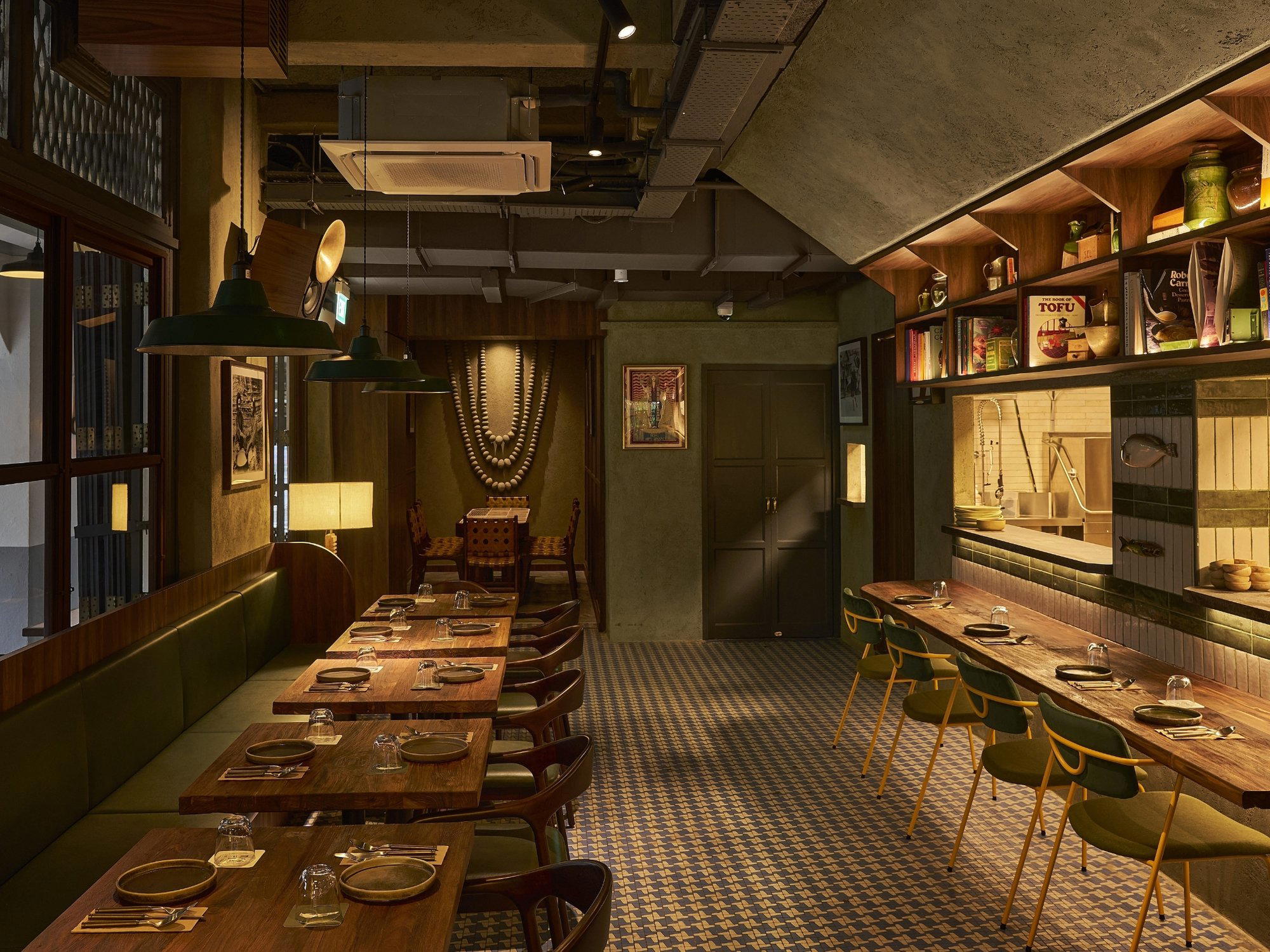
At 57 Eng Hoon Street in Tiong Bahru, Magpie operates at the intersection of neighbourhood warmth and genuinely borderless cooking. The chef draws from Indian, Chinese, European, Latin American, and Fijian traditions without forcing a unified thesis, letting each plate make its own case. Mosaic tile floors, warm wood, and a canopied patio set the register: relaxed but considered.

Pearl is the En Primeur Club membership app, where members save venues, book tables and use the concierge.
The menu
What to order
- Prawn Tostada
- Lamb T-Bone
- Cumin Lamb Ribs
- Grilled Squid
Tiong Bahru's Particular Atmosphere, and Where Magpie Sits Within It
Tiong Bahru has spent the better part of two decades evolving from one of Singapore's oldest housing estates into a neighbourhood with a distinct café and dining culture, one that tends to reward specificity over scale. The shophouse blocks, the art deco curves of the prewar flats, the morning market that still draws residents rather than tourists, these conditions produce a dining scene oriented around character over formality. It is the kind of area where a room with mosaic tile flooring and vintage knickknacks reads as considered rather than nostalgic, and where a canopied patio invites the kind of unhurried lunch that larger restaurant districts rarely accommodate. Magpie, at 57 Eng Hoon Street, fits that register precisely.
The interior works through accumulated detail rather than grand gesture: warm wood tones, tactile surfaces, objects that suggest habitation rather than staging. The patio extends the dining room outward beneath a canopy, which in Singapore's climate makes timing a genuine variable. Early evening or a cooler month shifts the experience considerably compared with midday in the heat. For those planning around the outdoor setting, the northeast monsoon season, roughly November through January, tends to bring more unpredictable rain, while the inter-monsoon months of April and October offer similar caution. February and March, and again July and August, tend toward more stable, drier conditions that suit al fresco dining.
A Cooking Approach Defined by Range, Not by Fusion Formula
Singapore has always been a city where multiple culinary traditions coexist within walking distance, but the more interesting question for any individual restaurant is what it actually does with that proximity. There is a category of cooking in this city, typified by places like Meta and Labyrinth, that treats cross-cultural reference as a structural principle rather than an occasional flourish. Magpie's approach belongs to a related but distinct mode: what the kitchen describes as borderless cuisine, where Indian, Chinese, European, Latin American, and Fijian references appear within the same menu without being resolved into a single overarching identity.
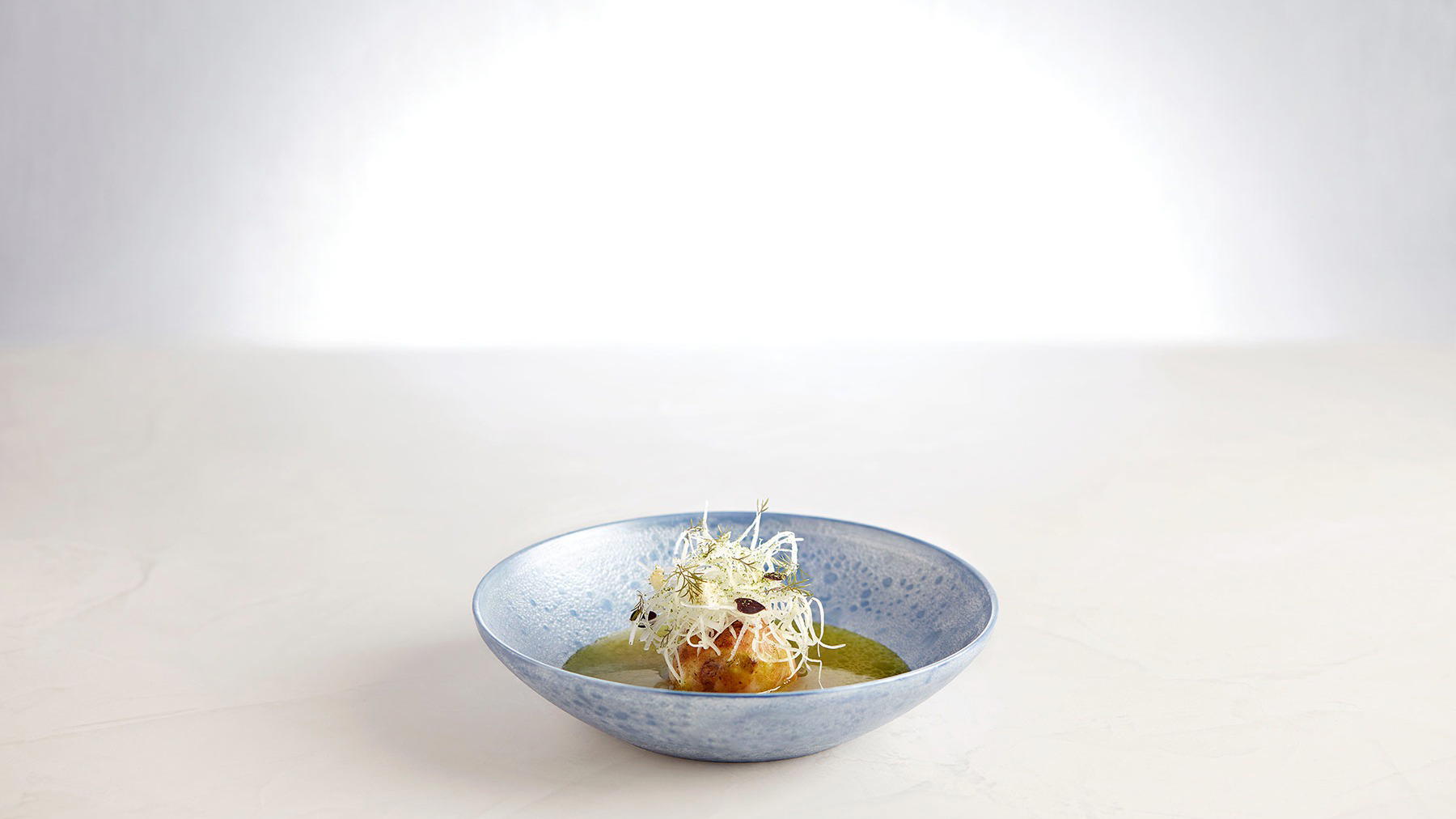
That kind of range is harder to execute than fusion, which at least provides a governing logic. Here the discipline is different: each dish has to work on its own terms, drawing from whatever tradition it references without requiring the diner to hold a conceptual framework in mind. The tandoori bread, served with a butter spread carrying citrus and pepper aromas, is a useful illustration of this approach in miniature. Tandoor-baked bread exists across multiple South Asian and Central Asian traditions; the citrus-and-pepper butter inflects it toward something that doesn't belong cleanly to any single culinary geography, yet the combination is coherent rather than arbitrary. It is the kind of dish that demonstrates craft through resolution rather than through complexity.
This positions Magpie at a different point in Singapore's dining spectrum from the destination tasting-menu restaurants that anchor the city's international reputation. Odette, Les Amis, and Zén operate in a register defined by Michelin recognition and multi-course ceremonial formats. Jaan by Kirk Westaway occupies the British Contemporary tier at a comparable level of formal intent. Magpie's proposition is different in kind, not just in price: the atmosphere is relaxed, the room is neighbourhood-scaled, and the cooking signals ambition through ingenuity rather than through the grammar of fine dining.
How Borderless Cooking Reads as a Sensory Experience
The editorial angle on a room like Magpie's is partly architectural and partly about how atmosphere shapes the way food is received. Globally, restaurants that pursue ambitious cross-cultural menus in informal settings, from Lazy Bear in San Francisco to smaller neighbourhood operators in cities with significant culinary infrastructure, tend to find that the casual register actually aids the cooking. When a diner is not processing formal service cues, the food itself carries more of the sensory weight. A dish with Fijian influence lands differently at a tile-floored table beneath an open canopy than it does under a chandelier with a sommelier at the shoulder.
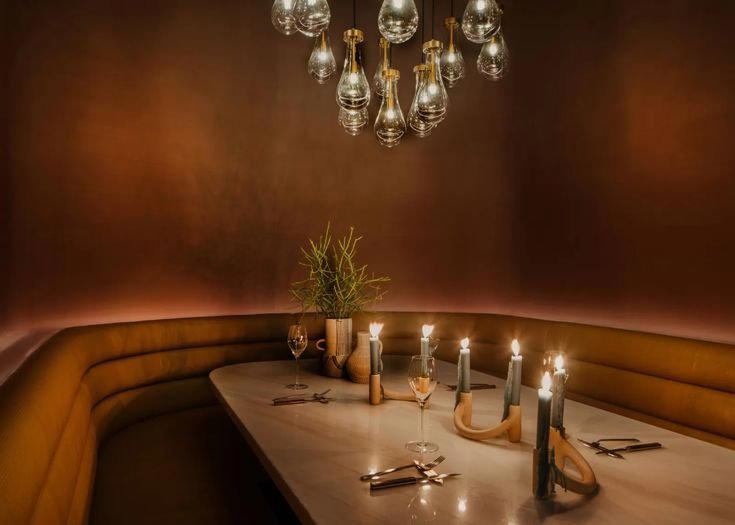
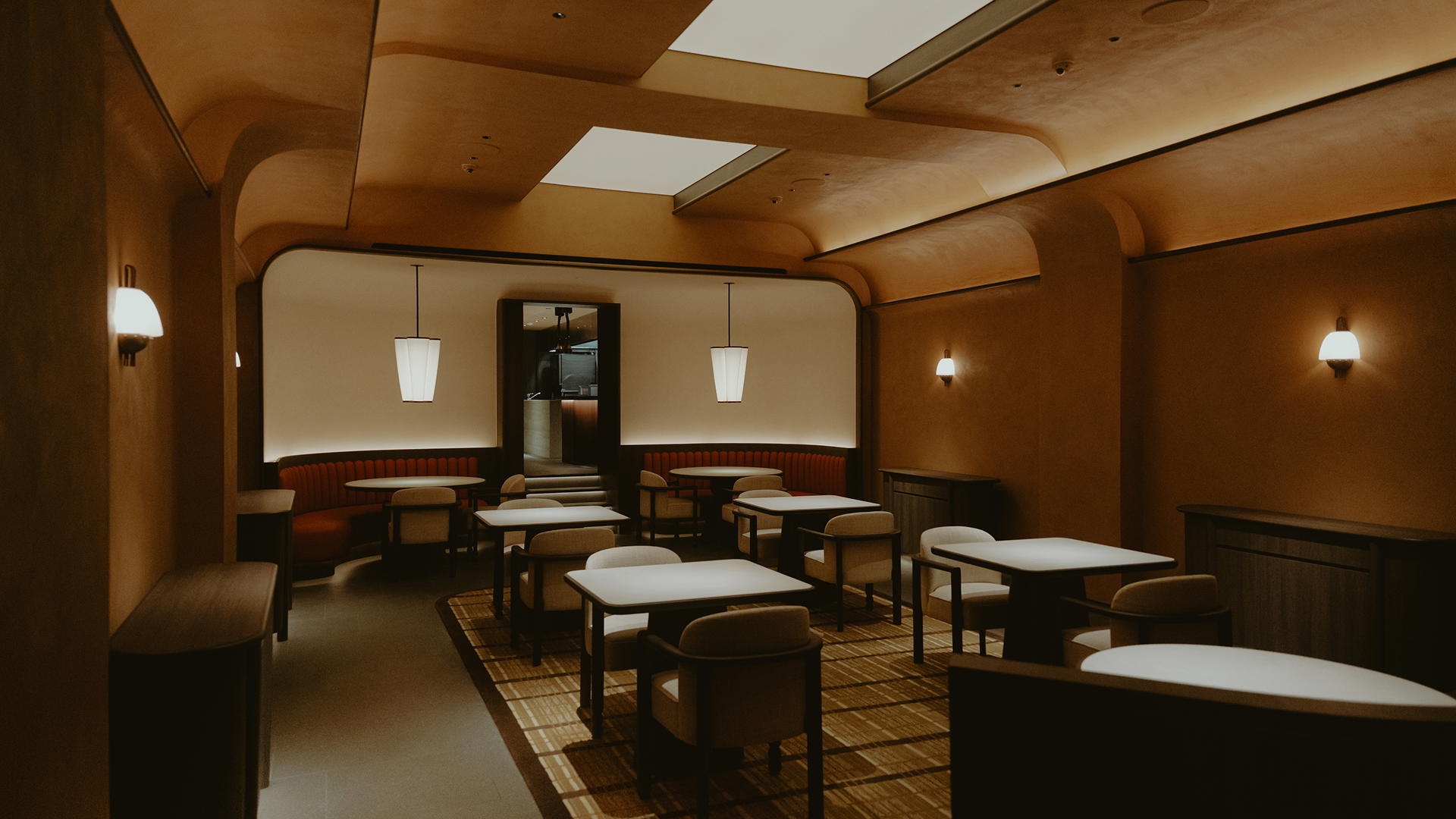
The warm wood and vintage objects at Magpie do specific work here. They signal that the room has been put together with care without asking the diner to perform appreciation of the décor. The mosaic tile floor, which has a visual rhythm that anchors the space, keeps the room from tipping into casual indifference. The result is a sensory environment that functions as a neutral, warm and attentive in character, but not so assertive that it competes with what arrives at the table.
This is a different calculation than the one made by the more architecturally ambitious end of the restaurant world. Alinea in Chicago or Alain Ducasse at Louis XV in Monte Carlo deploy environment as part of the experience's total argument. Le Bernardin in New York City uses a certain kind of understated formality to keep focus on the fish. Magpie's room is doing something closer to the latter, but through warmth rather than restraint, and at a neighbourhood rather than a destination scale.
Practical Considerations for a Visit
Magpie is located at #01-88, 57 Eng Hoon Street in Tiong Bahru, accessible from Tiong Bahru MRT on the East-West Line. The neighbourhood is walkable and compact; the address sits within the residential grid rather than on the main commercial strip, which reinforces the sense of discovering rather than arriving at a known destination.
Tiong Bahru rewards a broader itinerary. Our full Singapore restaurants guide maps the city's dining range across neighbourhoods and price tiers. For planning beyond the table, our Singapore hotels guide, bars guide, wineries guide, and experiences guide cover the full range of options.
Frequently asked questions
What awards or recognition does Magpie have?
Magpie has received recognition including: With mosaic tile flooring, warm wood tones and vintage knickknacks, the interior feels relaxing and modern; meanwhile, the patio beneath a canopy is perfect for al fresco dining. The chef champions borderless cuisine, melding eclectic influ….
Where is Magpie in Singapore?
Magpie is located at #01-88, 57 Eng Hoon Street, Singapore.
What dish is Magpie famous for?
The tandoori bread with citrus-and-pepper-perfumed butter is the dish most closely associated with Magpie's kitchen. It distils the restaurant's approach in a single plate: a technique from the Indian tradition, finished with aromatics that read as something distinctly the chef's own.
Is Magpie reservation-only?
Reservation details for Magpie at 57 Eng Hoon Street are not listed on a public booking platform at the time of writing. Given the patio seating and the neighbourhood's popularity on weekends, contacting the venue directly before visiting is the practical move.
Comparable Venues
Comparable venues nearby, for context on price, style, and recognition.
| Venue | Cuisine | Price | Awards | Notes |
|---|---|---|---|---|
| MagpieThis venue (the venue you are viewing) | Modern Borderless Fusion | $50–100 | Michelin Plate · Michelin Guide Plate | Not listed |
| Mustard Seed | Modern Singaporean (Mod-Sin) | $150–200 | Michelin Guide Plate · Michelin Plate | SERANGOON GARDEN |
| Ibid | Modern Asian Fusion Tasting Menu | $200–300 | Michelin Plate | BOAT QUAY |
| Béni | French-Japanese Fusion | $200–300 | Michelin Plate | SOMERSET |
| Ingleside | Modern European Grill | $100–150 | Michelin Guide Plate · Michelin Plate | CHINATOWN |
| Bhoomi | Modern Regional Indian Fine Dining | $50–100 | Michelin Guide Plate · Michelin Plate | BOULEVARD |
Recognition history
Dated appearances from independent guides and award organizations, with the underlying list record or original source where available.
Michelin Plate
Michelin · 2026 Michelin Plate
Michelin Guide Plate
Michelin Guide