Magpie
Magpie operates on 16th Street in Sacramento's midtown grid, positioning itself within the city's broader shift toward ingredient-led, seasonally driven cooking. The restaurant draws from the agricultural abundance of the Central Valley and Sacramento Delta, translating farm-direct sourcing into a format that sits comfortably between neighborhood accessibility and serious culinary intent. For visitors mapping Sacramento's dining scene, Magpie represents the farm-to-table tradition in its most locally rooted form.
Pearl is the En Primeur Club membership app — saves, bookings, and concierge access live there. Same editors, same standards.
- Address
- 1601 16th St, Sacramento, CA 95814
- Phone
- +19164527594
- Website
- magpiecafe.com
- Directions
- Get directions
 Saves & bookings on Pearl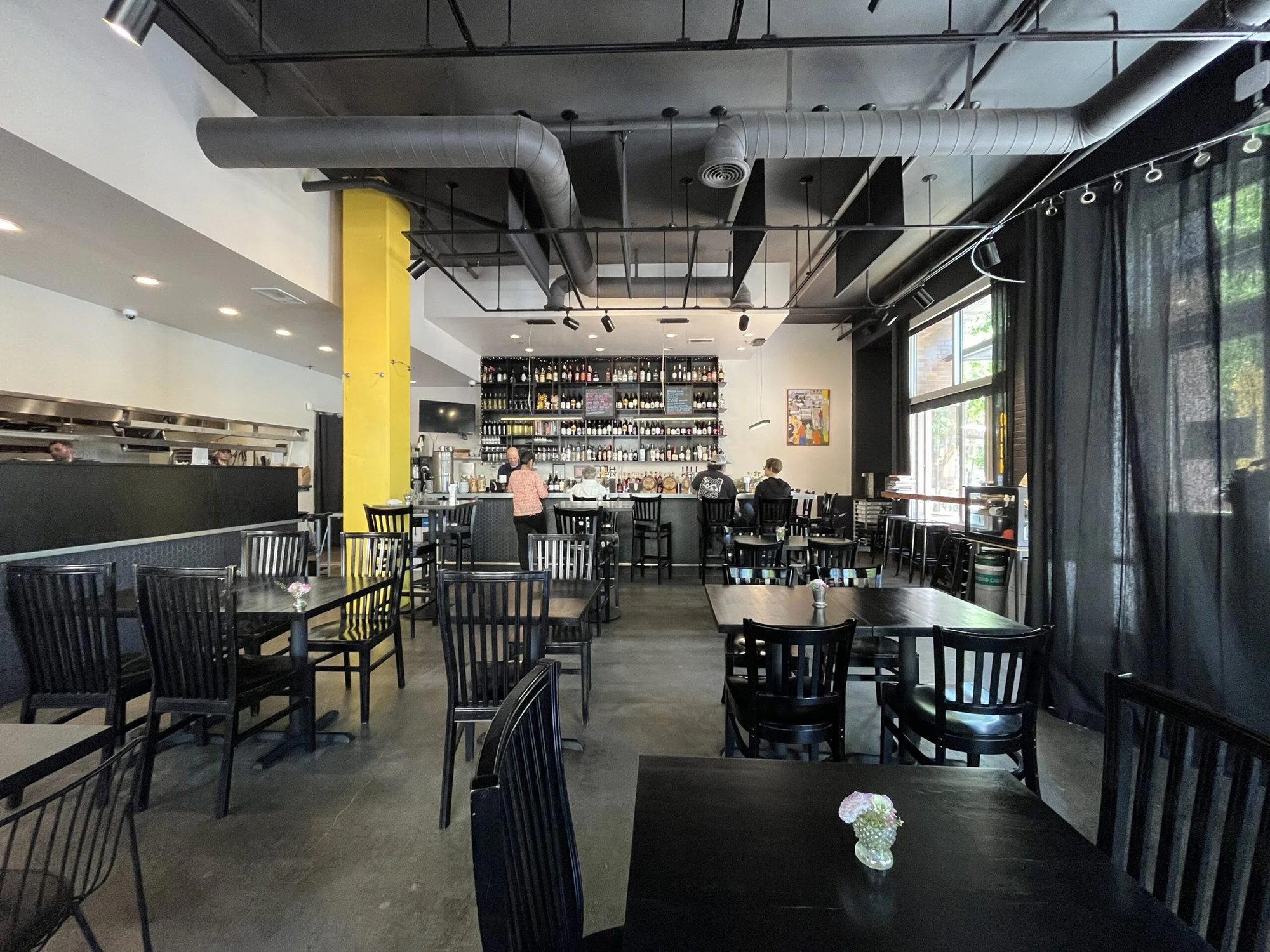
Where Midtown Meets the Valley Floor
Sacramento's 16th Street corridor has quietly become one of California's more consequential addresses for ingredient-driven cooking. The street runs through a residential midtown grid that feels neither downtown formal nor suburban casual, and the restaurants that have taken root here tend to reflect that in-between quality: serious about sourcing, relaxed about ceremony. Magpie, at 1601 16th St, occupies that register. The building sits at a corner typical of Sacramento's older midtown blocks, the kind of address that doesn't announce itself through architecture but earns attention through what comes out of the kitchen.
Approaching the restaurant, you're already in the context that defines it. Magpie is a Farm-to-Fork American restaurant in Sacramento, priced at about $30 per person. Sacramento sits at the northern end of the Central Valley, among the more productive agricultural regions in the world, and within easy reach of the Sacramento-San Joaquin Delta, whose micro-climates produce everything from dry-farmed tomatoes to heritage stone fruit. The distance from field to pass here is measured in miles, not supply-chain logistics. That proximity is the foundational fact of Magpie's cooking, and it's a fact the city itself keeps reinforcing the closer you look.
The Sourcing Argument, Made Concrete
Farm-to-table has become a phrase diluted by overuse, but Sacramento's position within the California agricultural system gives it a specific, verifiable meaning that most cities cannot replicate. The farms supplying serious restaurants here aren't distant partners accessed through a distributor. They're operations in Yolo County, Placer County, and along the Delta, many of which have longstanding relationships with midtown chefs who helped define the market for direct-to-restaurant sales over the past two decades.
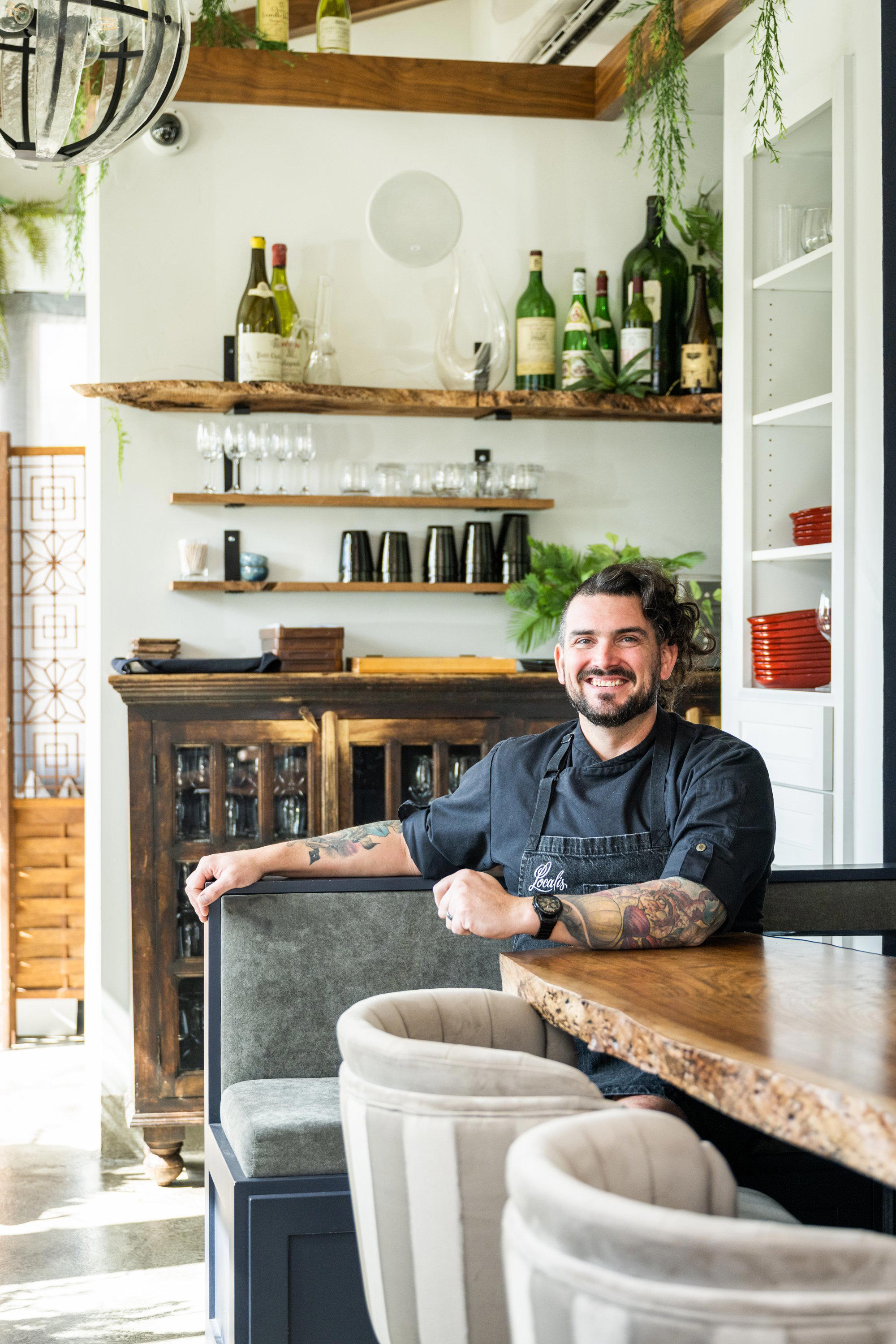
Magpie sits inside that tradition. The restaurant's sourcing orientation places it in a comparable set that includes Localis, whose Californian tasting format pushes ingredient sourcing toward a more composed, fine-dining register, and The Kitchen, where the contemporary prix-fixe format carries a $$$$ price point and a longer-standing local reputation. Magpie's positioning feels more immediate and less formal than either, which gives it a different kind of utility for the visitor who wants daily-rotation cooking without a full tasting-menu commitment.
What distinguishes Sacramento's farm-direct scene from comparable movements in Los Angeles or the Bay Area is the structural advantage of geography. Blue Hill at Stone Barns in Tarrytown built a nationally recognized model around on-site farming. Single Thread Farm in Healdsburg does the same in Sonoma County. Sacramento restaurants don't need to own farms to achieve comparable sourcing depth; they're already surrounded by them. That's a structural advantage the city's leading kitchens have been exploiting for years.
Reading Magpie Against the Sacramento Scene
Sacramento's restaurant scene has moved through several phases in the past decade. The first wave of farm-to-table enthusiasm produced a cohort of restaurants that spoke the language but didn't always have the supplier relationships to back it up. A more selective second wave, of which Magpie is a part, has built those relationships into the operational core of the kitchen, with menus that change to reflect what's actually available rather than what fits a fixed seasonal template.
Within midtown specifically, Magpie occupies a middle tier that the neighborhood does well. Adamo's Kitchen and Aioli Bodega Espanola illustrate the range of the surrounding area, from casual Italian-inflected comfort to Spanish-influenced tapas formats. Allora at the $$$$ tier shows how far the neighborhood's Italian-rooted cooking has traveled. Magpie holds its own distinct position: ingredient-focused, without the formality of a tasting menu, and accessible enough that it functions as a neighborhood anchor rather than a destination reserved for occasions.
That positioning matters in Sacramento, where the visitor profile skews toward travelers who are already attuned to California's food culture, often arriving from the Bay Area or Los Angeles with a well-developed sense of what farm-direct cooking should feel like. A diner who has eaten at The French Laundry or Providence will find Magpie's register deliberately less formal, but the sourcing logic is recognizable. The gap between what arrives on the plate and where it was grown is genuinely short, and the kitchen's choices reflect that rather than papering over it with technique.
The Broader California Context
California's ingredient-driven restaurant tradition has produced some of the country's most discussed kitchens. Alinea in Chicago and Le Bernardin in New York represent different technical pinnacles, but the California version of serious cooking has always been more interested in the provenance of ingredients than in technique as spectacle. Lazy Bear in San Francisco and Addison in San Diego each represent that California tradition at different price and format points. Magpie operates further down the formality scale than any of those, but it shares the foundational premise: that the quality of what's grown matters more than what you do to it in the kitchen.
Internationally, the equivalent logic shows up at places like 8 1/2 Otto e Mezzo Bombana in Hong Kong, where sourcing discipline operates at a different scale and price point. The comparison is useful not because the restaurants resemble each other but because it clarifies what Magpie is doing: applying sourcing seriousness in a format that doesn't require a special-occasion budget.
Planning Your Visit
Magpie is located at 1601 16th St in Sacramento's midtown neighborhood, walkable from the R Street Corridor and accessible by light rail from downtown. For visitors building a Sacramento itinerary, the 16th Street address places it within easy reach of other midtown restaurants worth considering, and the format makes it a reasonable option for a weeknight dinner without advance planning anxiety.
Visitors arriving from outside California with a reference point for farm-driven American cooking, whether from Emeril's in New Orleans, Atomix in New York, or The Inn at Little Washington, will find that Magpie operates with less ceremony than any of those but with a sourcing argument that the Sacramento Valley makes uniquely easy to sustain.
Quick Comparison
Comparable venues nearby, for context on price, style, and recognition.
| Venue | Cuisine | Price | Notes |
|---|---|---|---|
| MagpieThis venue — the venue you are viewing | Farm-to-Fork American | $$ | Not listed |
| Jack's Urban Eats | American Comfort Food | $$ | Mansion Flats |
| Cornerstone | Classic American Comfort Food | $$ | Mansion Flats |
| Roxie Deli & Barbeque | American BBQ Deli | $$ | East Sacramento |
| Frog & Slim | Modern American Steakhouse | $$$ | Richmond Grove |
| Hook & Ladder Manufacturing Company | Farm-to-Table American | $$ | Richmond Grove |
Continue exploring
More in Sacramento
Restaurants in Sacramento
Browse all →
Bars in Sacramento
Browse all →
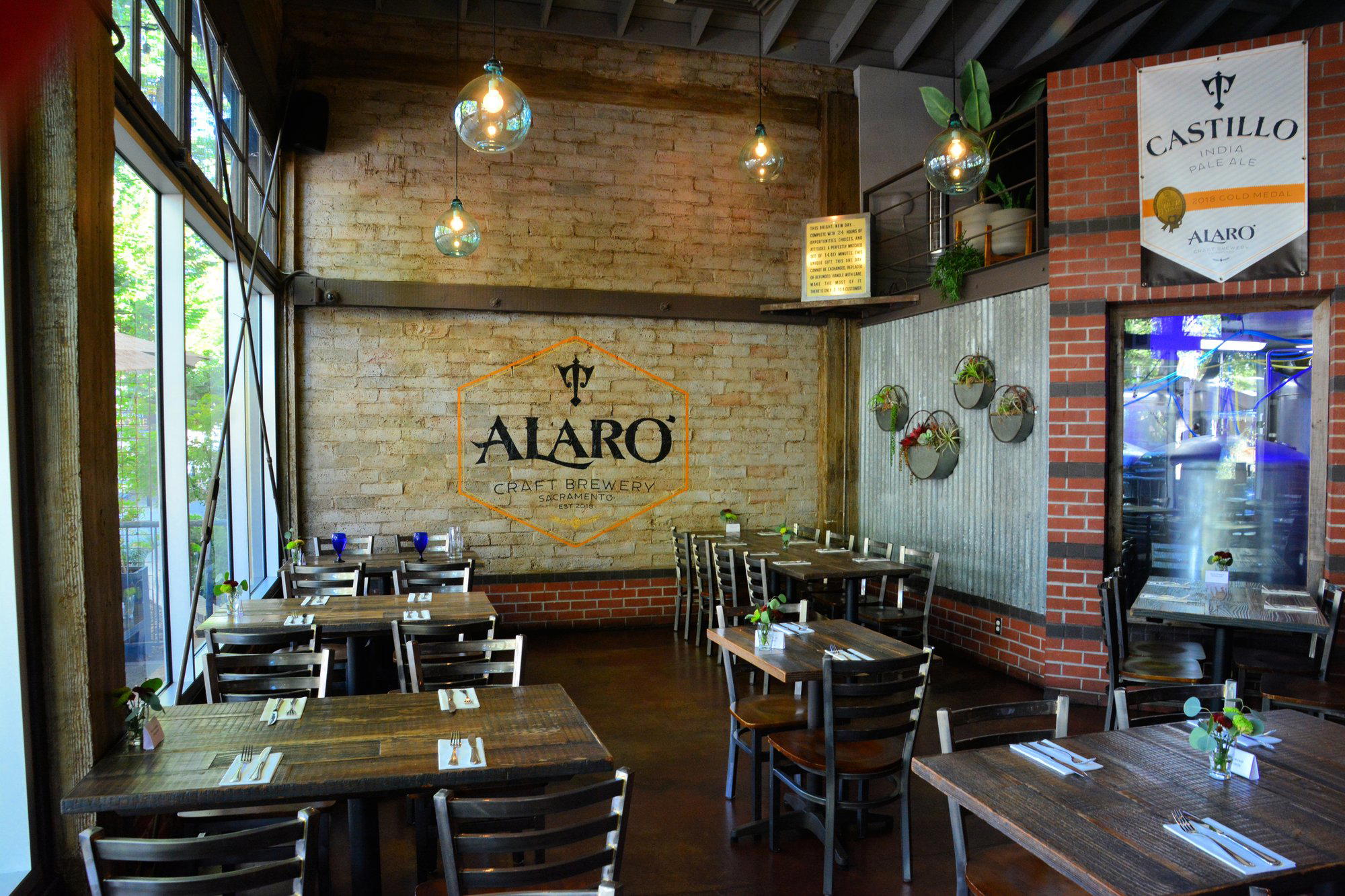

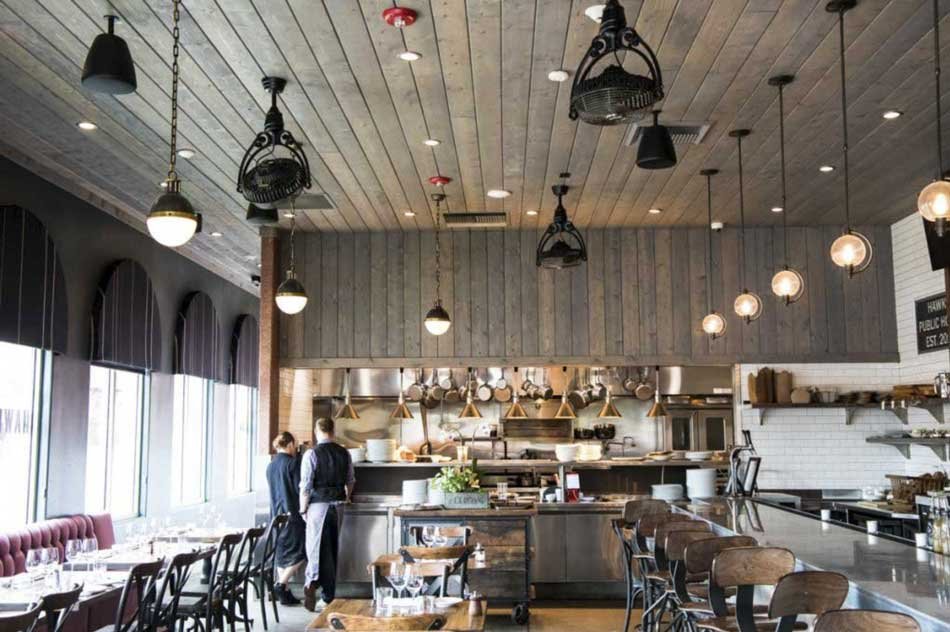
Hotels in Sacramento
Browse all →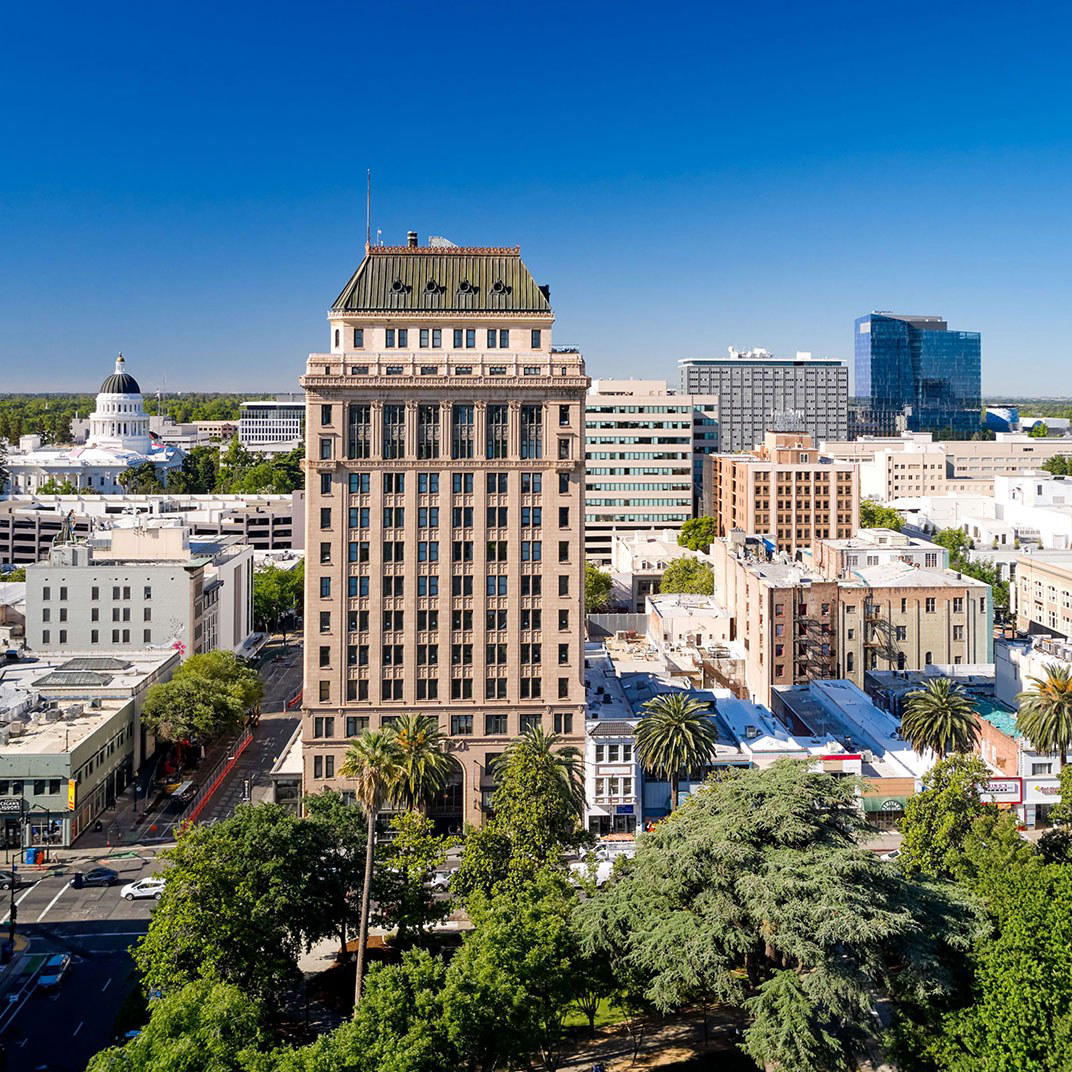

Wineries in Sacramento
Browse all →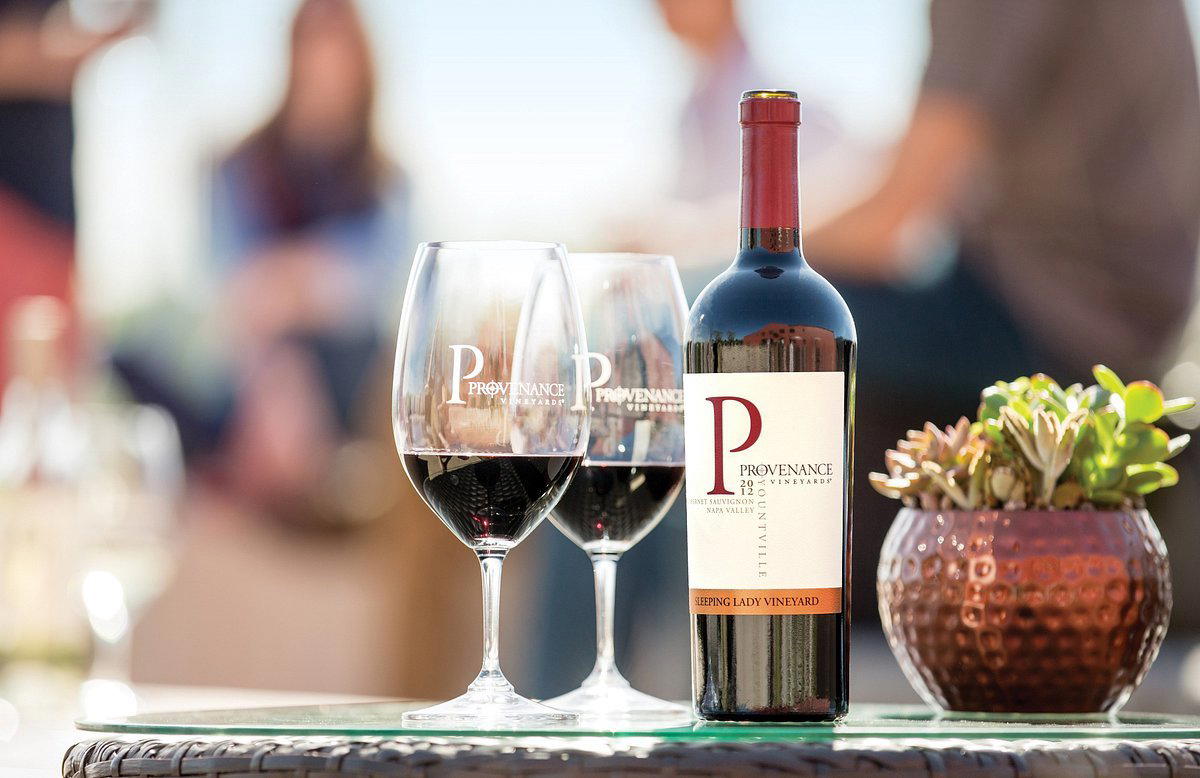
At a Glance
- Cozy
- Rustic
- Modern
- Date Night
- Casual Hangout
- Group Dining
- Open Kitchen
- Terrace
- Craft Cocktails
- Farm To Table
- Local Sourcing
- Street Scene
Current opening hours
- Monday
- Closed
- Tuesday
- 4:30–9 PM
- Wednesday
- 4:30–9 PM
- Thursday
- 4:30–10 PM
- Friday
- 12–10 PM
- Saturday
- 12–10 PM
- Sunday
- 12–9 PM
Hours can change for holidays and private events. Last verified .
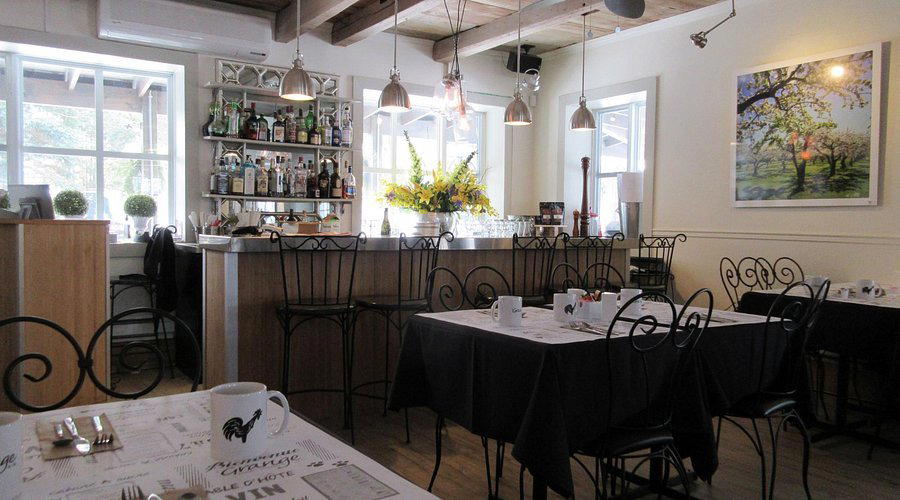
Pleasant atmosphere with large patio overlooking the park, complemented by a full bar in a sustainable, community-focused space.