Madeira
Our verdict
Madeira serves Traditional Portuguese dishes at 288 Warren Ave in East Providence, with Caldo Verde, Paella, and Gambas Grelhadas in a casual, conversational setting.

Pearl is the En Primeur Club membership app — saves, bookings, and concierge access live there. Same editors, same standards.
- Address
- 288 Warren Ave, East Providence, RI 02914
- Phone
- (401) 431-1322
- Hours
- Daily 11:30 AM–9 PM
- Website
- madeirarestaurant.com
- Directions
- Get directions
The menu
What to order
- Caldo Verde
- Paella
- Gambas Grelhadas
Warren Avenue and the Portuguese Table
East Providence sits across the Seekonk River from Providence proper, and for decades the stretch of Warren Avenue running through the Taunton Avenue corridor has been where the region's Portuguese-American community kept its own calendar: feast days, bacalhau on Fridays, and restaurants that answered to the neighborhood rather than the downtown dining press. Madeira, at 288 Warren Ave, occupies that cultural geography. The name itself signals the source: Madeira is the Portuguese archipelago whose cooking traditions — salt cod, slow-braised meats, strong wine sauces — crossed the Atlantic with emigrant fishing families and took root across Rhode Island's East Bay communities more firmly than almost anywhere else in New England.
Portuguese cooking in this part of Rhode Island is not a trend or a revival. It is a working tradition maintained by successive generations who brought recipes, technique, and expectation from the Azores and Madeira islands. That context matters when approaching a restaurant like this one: the relevant comparison is not with destination tasting-menu programs at places like Lazy Bear in San Francisco or Alinea in Chicago, but with the long tradition of community-rooted Iberian cooking that Rhode Island's Portuguese neighborhoods have sustained for over a century. This is cuisine that does not need an award to validate it; it needs an audience that understands what it is doing.
The Cultural Weight of the Name
The island of Madeira occupies a specific place in Atlantic culinary history. Its cuisine is shaped by the same oceanic crossroads that made it a provisioning stop for ships traveling between Europe, Africa, and the Americas: dried and salted fish, pork preparations built for preservation, and a repertoire of slow-cooked stews that convert cheap cuts into something of real depth. Espada (scabbardfish), espetada (beef skewered on bay laurel), and bolo do caco flatbreads are the island's signatures. When emigrant families from Madeira and the Azores settled in Rhode Island's East Bay, they brought those preparations and adapted them to available ingredients, producing a regional Portuguese-American table that is distinct from what you find in Massachusetts's New Bedford or in Newark's Ironbound.
That specificity is what gives Warren Avenue its culinary character. Restaurants here are not translating Portuguese cuisine for outside consumption; they are maintaining a local version of it. The distinction is significant. Across the United States, restaurants drawing on immigrant culinary traditions have increasingly split between two modes: the community-service model, which prioritizes familiarity and price for a neighborhood clientele, and the prestige-translation model, which reframes traditional technique for a fine-dining context, as seen at venues like Causa in Washington, D.C. or Atomix in New York City. Warren Avenue's Portuguese restaurants sit firmly in the first category, and that is not a limitation, it is the point.
East Providence in Context
East Providence does not generate the same dining coverage as Providence itself, where restaurants regularly draw regional and national press. That asymmetry is partly practical: the city is separated by a river and a psychological distance that keeps it off the itinerary of many visitors who stay on the west side of the water. For the dining traditions that matter here, that separation has been protective. The Portuguese-American restaurants along Warren Avenue have not been reshaped by the pressure to perform for an out-of-neighborhood audience.
That changes the dining experience in a concrete way. When a cuisine develops in relative insulation from outside trend cycles, it tends to preserve technical habits that more visible restaurants abandon in the chase for novelty. The braises run longer. The salt cod preparations follow older soaking and cooking sequences. The wine lists, where they exist, skew toward Vinho Verde and Douro reds rather than toward what sells in a broader market. For a specific kind of diner, that coherence is exactly what they are looking for. Our full East Providence restaurants guide covers the broader neighborhood picture, including spots like Honeybird and MidiCi that represent the area's newer dining arrivals alongside its longer-standing community institutions.
How Madeira Fits the Wider American Dining Map
The Portuguese-American table of Rhode Island rarely appears in the national conversation about serious American regional cooking, which tends to orbit the big-ticket operations: The French Laundry in Napa, Blue Hill at Stone Barns in Tarrytown, Single Thread Farm in Healdsburg, or the award-recognized rooms at Addison in San Diego and The Inn at Little Washington. But the argument for places like Madeira is a different one: that regional cooking maintained by an immigrant community over generations is itself a form of culinary seriousness, even when it operates without press attention, tasting menus, or Michelin inspectors.
Comparable arguments could be made for the Portuguese neighborhoods of Newark or the Azorean communities of San Jose, but Rhode Island's East Bay is the densest concentration of this tradition on the East Coast, and the restaurants of Warren Avenue are among the clearest expressions of it. That gives Madeira a place in a lineage that connects back to the Atlantic fishing culture of the Portuguese islands and forward to the question of how immigrant food traditions survive and adapt in American cities over multiple generations.
Planning Your Visit
Madeira is located at 288 Warren Ave, East Providence, RI 02914, on the Warren Avenue corridor that forms the spine of the neighborhood's Portuguese commercial district. Because specific hours, pricing, and booking details are not published in current directories, the practical advice is to visit during standard lunch or dinner service windows and be prepared for a cash-friendly, walk-in-welcoming environment typical of community-rooted restaurants in this part of the city. The experience will not resemble the structured pacing of destination programs at Le Bernardin in New York City or the theatrical progression of Emeril's in New Orleans, and it is not trying to. It belongs to a different and equally coherent set of priorities. Visitors from outside the neighborhood who want to understand what Portuguese-American cooking in Rhode Island actually looks like, as opposed to what it looks like when translated for a broader audience, will find Warren Avenue a more useful destination than the Providence waterfront.
Frequently asked questions
Would Madeira be comfortable with kids?
The Warren Avenue corridor in East Providence has long functioned as a family-oriented Portuguese-American dining district, and restaurants in this neighborhood context tend to accommodate children without friction. Madeiran-Portuguese cooking — built around salt cod, roasted meats, and rice dishes — translates well for younger diners. The setting at 288 Warren Ave is a working neighborhood room, not a tasting-menu counter with enforced quiet.
What's the vibe at Madeira?
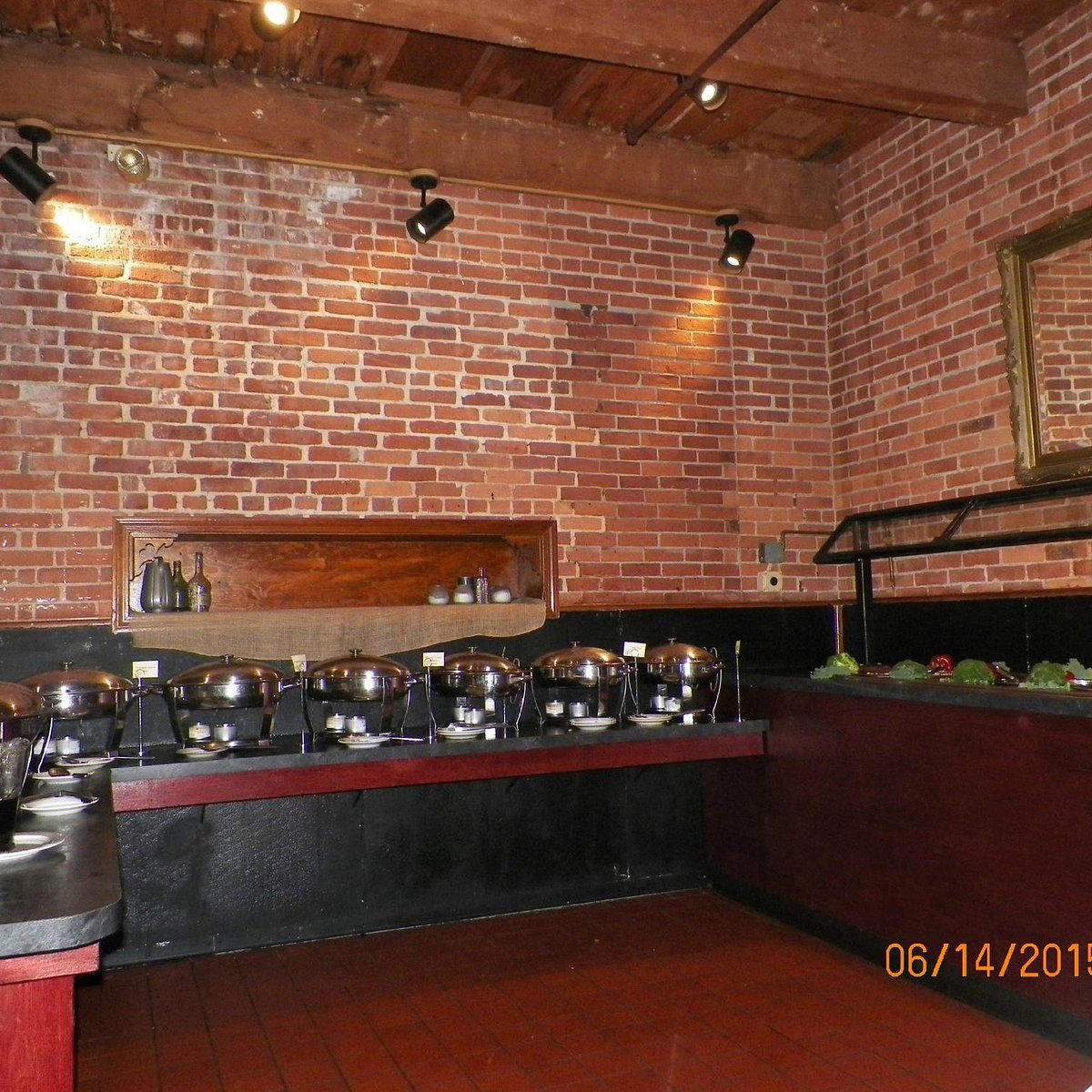
Madeira sits on Warren Avenue, the spine of East Providence's Portuguese-American community, where the dining culture runs toward regulars, large tables, and food that reflects the neighborhood rather than the food press. This is not a destination-dining room chasing Providence's College Hill crowd — it operates closer to the rhythm of the local Portuguese families who have anchored this stretch of the city for generations. Expect a room that prioritizes familiarity over theatre.
Is Madeira one of the few restaurants in Rhode Island focused specifically on Madeiran rather than mainland Portuguese cooking?
Rhode Island's Portuguese-American restaurant scene is one of the densest in the country, concentrated in communities like East Providence and Bristol, but the majority of those establishments draw on a generalized Portuguese-American repertoire rather than foregrounding a specific island tradition. A restaurant named Madeira, positioned on Warren Avenue at 288 Warren Ave in the heart of East Providence's Portuguese corridor, signals a deliberate orientation toward Madeiran heritage — espetada, milho frito, and the island's particular salt cod preparations — rather than a pan-Portuguese menu.
What should I eat at Madeira?
The culinary reference point is Madeiran-Portuguese cooking, a regional tradition shaped by the island's Atlantic position and distinct from mainland Portuguese cuisine. That points toward salt cod preparations (bacalhau in multiple forms), slow-braised meats, and the espetada-style skewered beef that is particular to Madeiran tradition. The broader menu at a restaurant named for the island typically also draws on the stewed and roasted centerpieces common to the Portuguese-American table in Rhode Island.
What part of town is Madeira in?
Madeira is located at 288 Warren Ave, East Providence, RI 02914, East Providence.
A Pricing-First Comparison
Comparable venues nearby, for context on price, style, and recognition.
| Venue | Cuisine | Price | Awards | Notes |
|---|---|---|---|---|
| MadeiraThis venue — the venue you are viewing | Traditional Portuguese | $20–30 | Not listed | Not listed |
| Honeybird | Modern Southern Fried Chicken | $20–30 | James Beard Award Semi Finalist | Rumford Center, Modern Southern Fried Chicken |
| MidiCi | Neapolitan Pizza Italian Kitchen | $20–30 | Not listed | Blackstone Valley, Neapolitan Pizza Italian Kitchen |
| Jennie Kay Beauty | Beauty Salon Services | Not listed | Not listed | Downtown Newport, Beauty Salon Services |
| Basta Italian Restaurant | Authentic Italian with AVPN Neapolitan Pizza | $30–50 | Not listed | Cranston, Authentic Italian with AVPN Neapolitan Pizza |
| Le Central | Modern French Bistro | Not listed | Not listed | Downtown Bristol, Modern French Bistro |
Continue exploring
More in East Providence
Restaurants in East Providence
Browse all →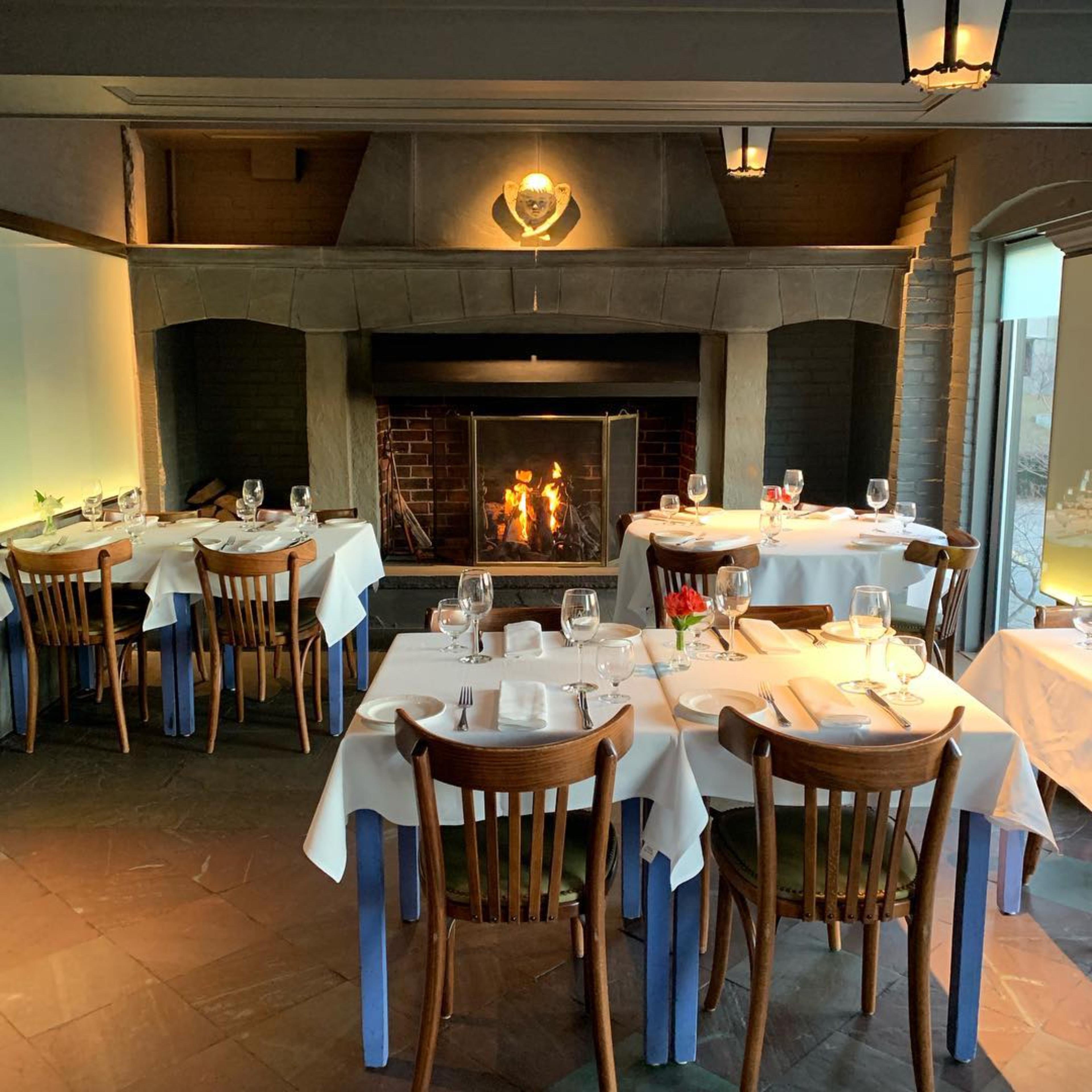
Bars in East Providence
Browse all →


Details
- Lively
- Classic
- Family
- Group Dining
- Casual Hangout
- Private Dining
- A La Carte
Current opening hours
- Monday
- 11:30 AM–9 PM
- Tuesday
- 11:30 AM–9 PM
- Wednesday
- 11:30 AM–9 PM
- Thursday
- 11:30 AM–9 PM
- Friday
- 11:30 AM–9 PM
- Saturday
- 11:30 AM–9 PM
- Sunday
- 11:30 AM–9 PM
Hours can change for holidays and private events. Last verified .
Big open space full of light with a lively yet conversational atmosphere, warm and family-friendly.