Basta Italian Restaurant
Our verdict
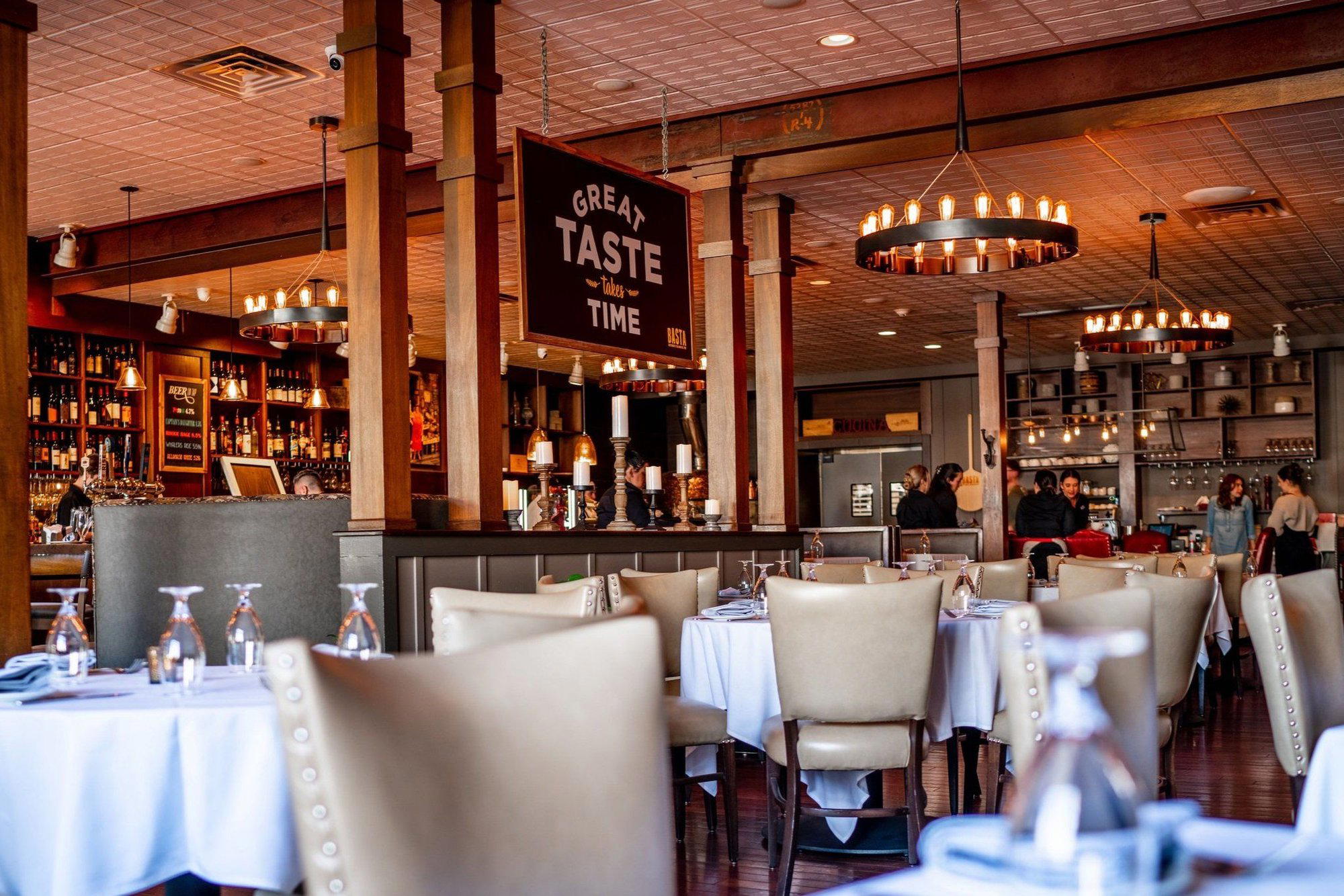
Basta Italian Restaurant pairs Authentic Italian with AVPN Neapolitan Pizza, an extensive wine list, and a leisurely, conversational dinner pace.

Pearl is the En Primeur Club membership app — saves, bookings, and concierge access live there. Same editors, same standards.
- Address
- 2195 Broad St, Cranston, RI 02905
- Phone
- (401) 461-2300
- Hours
- Mon–Tue ClosedWed–Thu 4:30–9 PMFri–Sat 4:30–10 PMSun 4:30–9 PM
- Website
- bastaonbroad.com
- Directions
- Get directions
- Booking
- Book on the venue's website
The menu
What to order
- Vitello Parmigiana con l'Osso
- Neapolitan Pizza
Broad Street, Italian Roots
Broad Street in Cranston runs south from Providence through a stretch of Rhode Island that has never needed much fanfare to feed itself well. The neighbourhood is practical rather than fashionable, which tends to produce a particular kind of Italian-American restaurant: one that earns its regulars through consistency rather than concept. Basta Italian Restaurant, at 2195 Broad St, sits in that tradition. The address alone signals something about what to expect: a dining room shaped by the surrounding community, not by a press cycle.
Rhode Island occupies an interesting position in the American Italian-American canon. The state's historic port access, combined with waves of southern Italian immigration through the early twentieth century, built a food culture that is specific and sometimes stubbornly local. Federal Hill in Providence draws the most attention, but the corridor extending into Cranston has long supported restaurants that operate outside that spotlight. For a broader survey of where Basta sits among its neighbours, the full Cranston restaurants guide maps the area's range from casual to more considered dining.
The Ingredient Question in Italian-American Cooking
The editorial angle that most honestly frames a neighbourhood Italian restaurant in New England is sourcing: specifically, what it does with the region's seasonal produce, its proximity to coastal supply chains, and whether it leans on the Italian-American pantry as a shortcut or as a genuine framework. Rhode Island's agricultural calendar is compressed, running roughly from late spring through early autumn for local produce, with the ocean providing a longer and more reliable supply of the fish and shellfish that anchor much of the state's food identity.
Italian cooking at its most grounded is a sourcing discipline first. The emphasis on ingredient quality over technique complexity that runs through the cuisine, from Liguria to Campania, translates unevenly when transplanted to New England, but the region actually offers meaningful equivalents: Narragansett Bay clams in place of vongole, local squid that functions much as it does in southern Italian preparations, and a tomato season short enough to make the most of it when it arrives. Restaurants along the Broad Street corridor that understand this relationship produce something more coherent than those that rely year-round on imported or commodity ingredients.
Across the American dining spectrum, the conversation about ingredient sourcing has sharpened considerably over the past decade. Restaurants like Blue Hill at Stone Barns in Tarrytown and Single Thread Farm in Healdsburg have made farm-to-table rigor the organizing principle of their entire identity. At the other end of the formality scale, neighbourhood Italian restaurants in cities like Providence and Cranston make sourcing decisions that rarely appear in press releases but are no less consequential for the food on the plate. The gap between a restaurant that uses fresh local clams and one that opens canned is immediately apparent, and it defines the tier a restaurant occupies regardless of its price point.
Cranston's Position in the Regional Dining Picture
Cranston is not Providence, and the distinction matters for how you calibrate expectations. The city's dining scene rewards locals who know where to look rather than visitors following a guide. That dynamic produces some genuinely committed neighbourhood restaurants alongside a significant amount of routine cooking. The Italian-American category is dense here, which means that any restaurant holding a regular clientele has earned it through repeated performance rather than novelty.
Nearby options along and around this stretch include Chaska, Fresco Cranston, and Revolution, each occupying a different register. The Italian category specifically has enough density in the area that differentiation tends to come down to execution on familiar dishes rather than menu innovation. Pasta made in-house, a serious Sunday gravy, the handling of local seafood: these are the benchmarks that matter in this context, not avant-garde departures from the tradition.
For those approaching Cranston from a wider frame of reference, the comparison set nationally includes restaurants where Italian-American or Italian-inflected cooking has been refined to considerable precision: Le Bernardin in New York City handles French-Italian seafood technique at the highest level, while Frasca Food and Wine in Boulder applies Friulian discipline to an American context. The neighbourhood Italian model is a different enterprise entirely, but understanding the wider spectrum helps locate what a Broad Street restaurant is actually doing and what it is not trying to do.
What the Italian-American Tradition Asks of a Restaurant
The Italian-American canon is not a lesser version of Italian cooking; it is its own culinary tradition, shaped by a century of adaptation to American ingredients, American appetites, and specific regional communities. Rhode Island's version carries particular markers: the influence of Portuguese immigration creates occasional crossover in fish preparations, the local dairy and produce supply shapes what is actually seasonal, and the culture of Sunday family dining has historically anchored the better neighbourhood restaurants in a rhythm of generosity over refinement.
Restaurants operating in this tradition at their most committed tend to prioritize long-cooked preparations that develop over time, handmade pasta where the category demands it, and a wine list that at minimum respects the Italian regional structure even if it does not extend to deep cellar selections. The analogy here extends across the American dining world: just as Emeril's in New Orleans built its identity on a specific regional food culture, or as The Inn at Little Washington expresses the agricultural character of the Virginia piedmont, Italian-American restaurants at their most coherent are expressions of a specific place and community, not generic iterations of a cuisine.
The global reference point for ingredient-driven Italian cooking has shifted considerably in recent years. Atelier Moessmer Norbert Niederkofler in Brunico represents the extreme discipline end: a kitchen that refuses ingredients outside its immediate alpine region. That is not the model for a neighbourhood restaurant on Broad Street, nor should it be. But the underlying premise, that Italian cooking is honest when it reflects what is actually available and in season, scales down to any level of formality.
Planning a Visit
Basta Italian Restaurant is located at 2195 Broad St, Cranston, RI 02905, accessible from central Providence in under fifteen minutes by car. Current hours, reservation availability, and contact information are best confirmed directly, as specific operational details were not available at time of publication. The Broad Street corridor is most navigable by car, with street parking generally available in this stretch of Cranston. For visitors building a wider itinerary that takes in the full range of the city's dining options, the Cranston restaurant guide provides a structured overview with context on neighbourhood-by-neighbourhood character.
Frequently asked questions
Where is Basta Italian Restaurant in Cranston?
Basta Italian Restaurant is located at 2195 Broad St, Cranston, RI 02905, Cranston.
Is Basta Italian Restaurant a good option for a casual dinner near Providence?
Cranston sits under fifteen minutes from central Providence by car, and 2195 Broad St places Basta within a stretch of Rhode Island that has supported Italian-American cooking for generations. For diners crossing from Providence, it represents a neighbourhood dining register rather than a destination tasting format — the kind of room where the cooking answers to regulars first. That accountability, in Italian-American tradition, is often where reliability is found.
What should I eat at Basta Italian Restaurant?
Ask staff what is made in-house that day. Dishes that require the most labour are usually where the kitchen shows its priorities.
Do I need a reservation for Basta Italian Restaurant?
Neighbourhood Italian restaurants on Broad Street in Cranston tend to draw a loyal local crowd, particularly on weekend evenings, so calling ahead is a practical precaution. Basta is located at 2195 Broad St, Cranston, RI 02905 — a direct line to the restaurant will confirm current availability and hours.
What has Basta Italian Restaurant built its reputation on?
Its standing in Cranston reads as the kind earned over time in a neighbourhood with a deep Italian-American heritage: consistent execution for a local customer base that returns by habit, not by headline. Broad Street itself has historically been one of Rhode Island's most self-sufficient dining corridors, and a restaurant that holds ground there does so on repeat business rather than tourist traffic.
A Quick Peer Check
Comparable venues nearby, for context on price, style, and recognition.
| Venue | Cuisine | Price | Awards | Notes |
|---|---|---|---|---|
| Basta Italian RestaurantThis venue — the venue you are viewing | Authentic Italian with AVPN Neapolitan Pizza | $30–50 | Not listed | Not listed |
| Revolution | American Gastropub | Not listed | Not listed | Pawtuxet Village |
| Chaska | Modern Indian Fusion | $20–30 | Not listed | Garden City |
| Fresco Cranston | Italian Steakhouse & Seafood | $30–50 | Not listed | Comstock Parkway |
| MidiCi | Neapolitan Pizza Italian Kitchen | $20–30 | Not listed | Blackstone Valley |
| Pasquale's Pizzeria Napoletana | Neapolitan Pizzeria | $20–30 | 50 Top Pizza USA #15 | Wakefield |

Details
- Romantic
- Cozy
- Elegant
- Classic
- Date Night
- Special Occasion
- Celebration
- Private Dining
- Extensive Wine List
- Local Sourcing
- A La Carte
- Vegetarian Friendly
- Gluten Free Options
Current opening hours
- Monday
- Closed
- Tuesday
- Closed
- Wednesday
- 4:30–9 PM
- Thursday
- 4:30–9 PM
- Friday
- 4:30–10 PM
- Saturday
- 4:30–10 PM
- Sunday
- 4:30–9 PM
Hours can change for holidays and private events. Last verified .
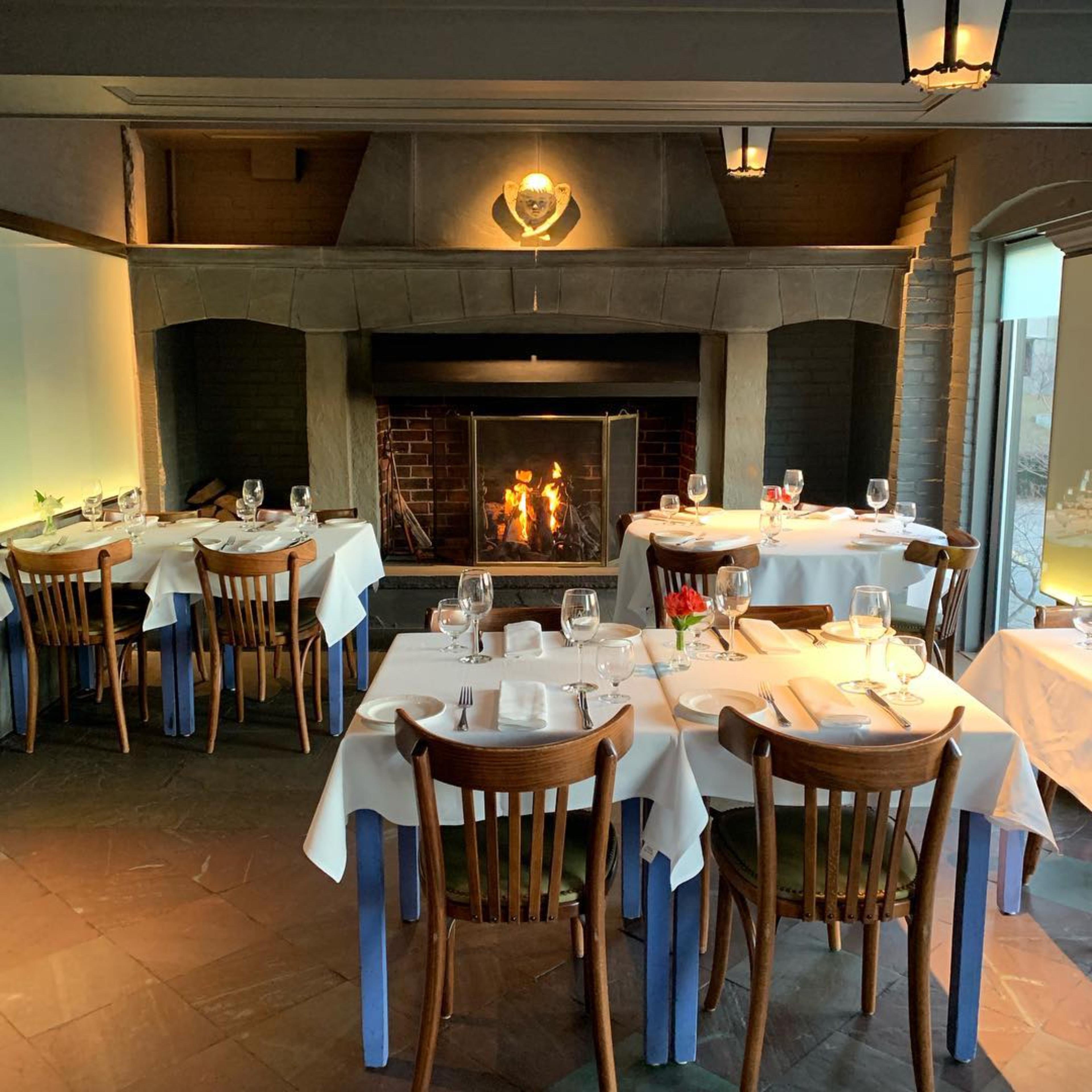
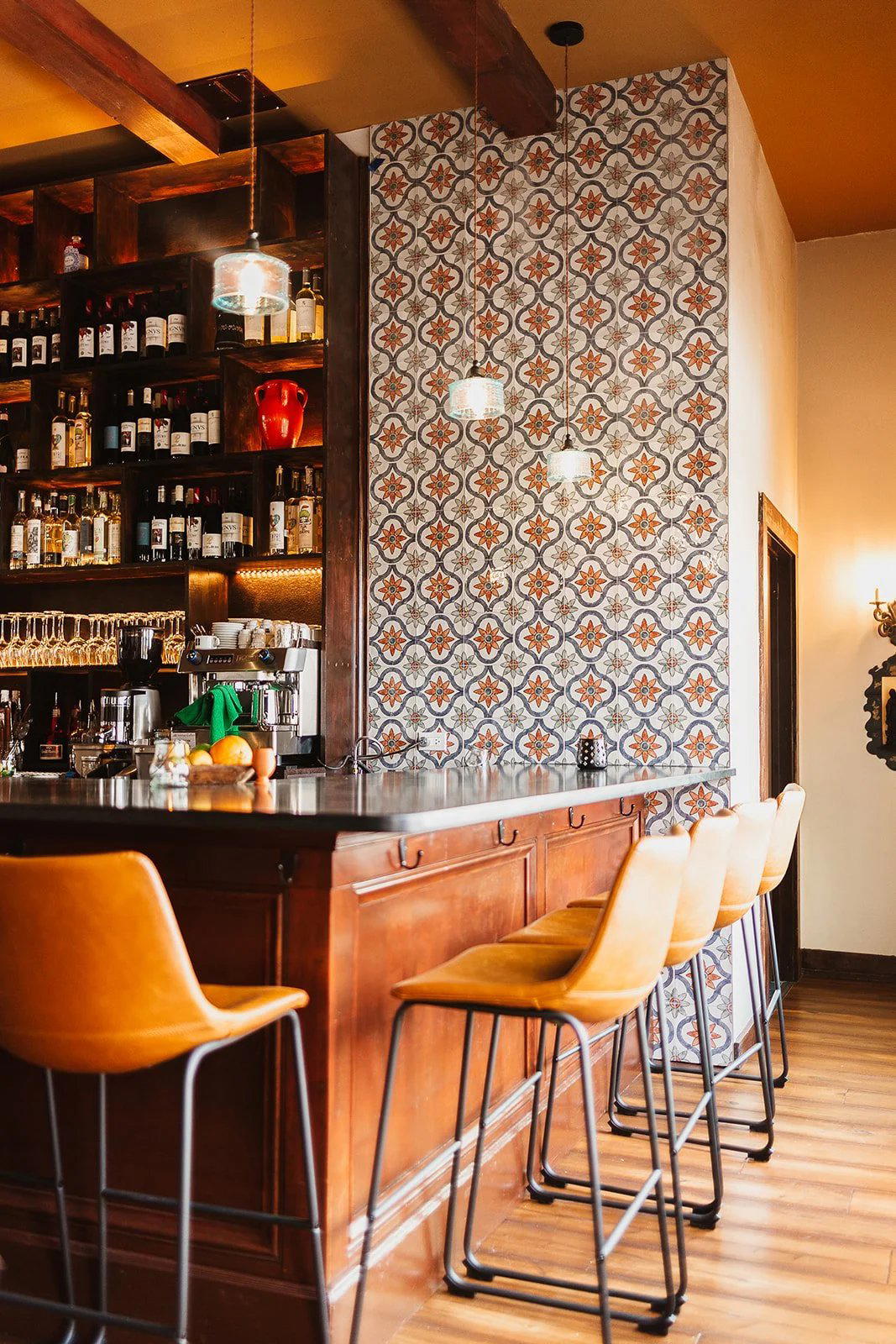
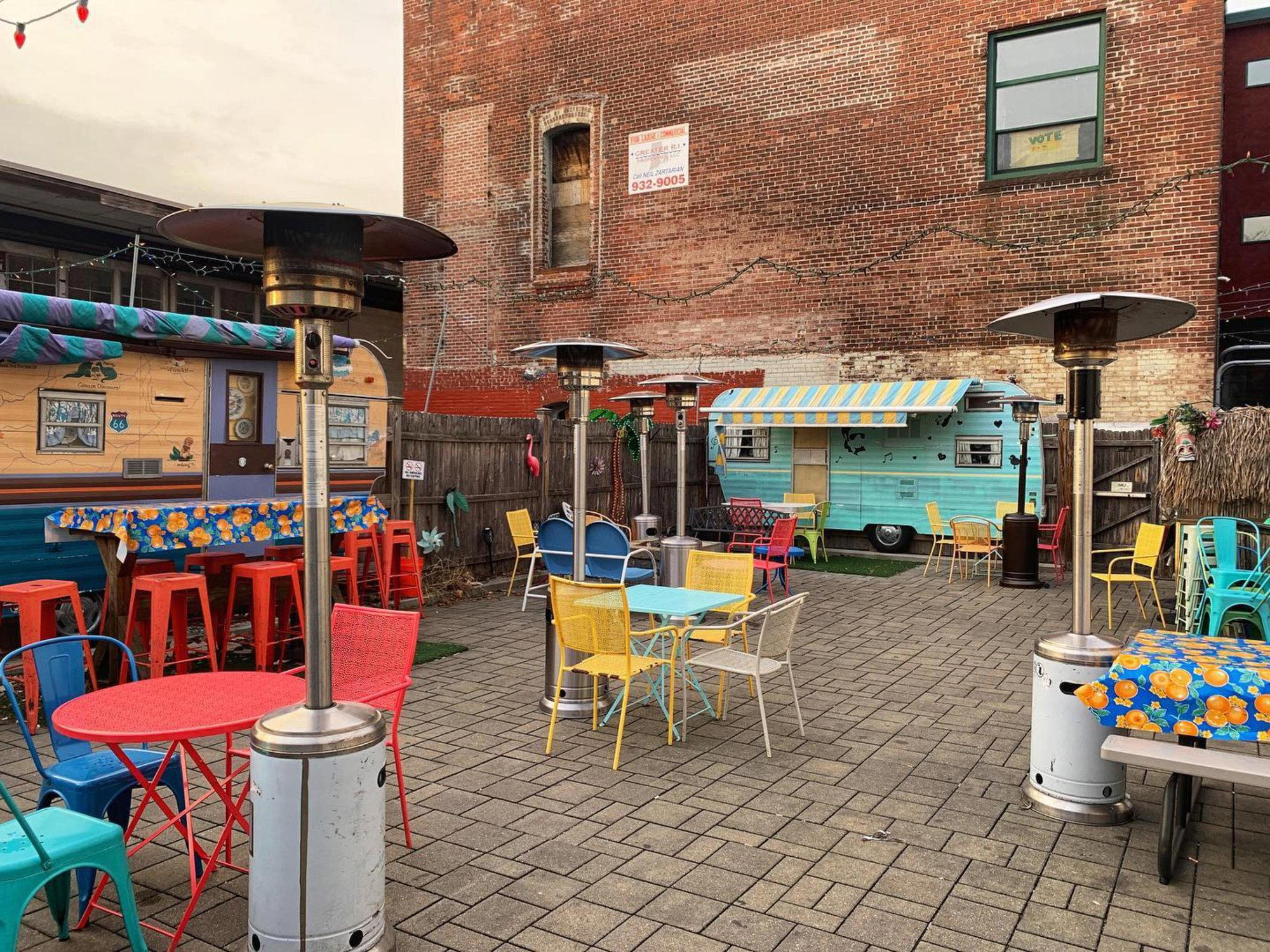
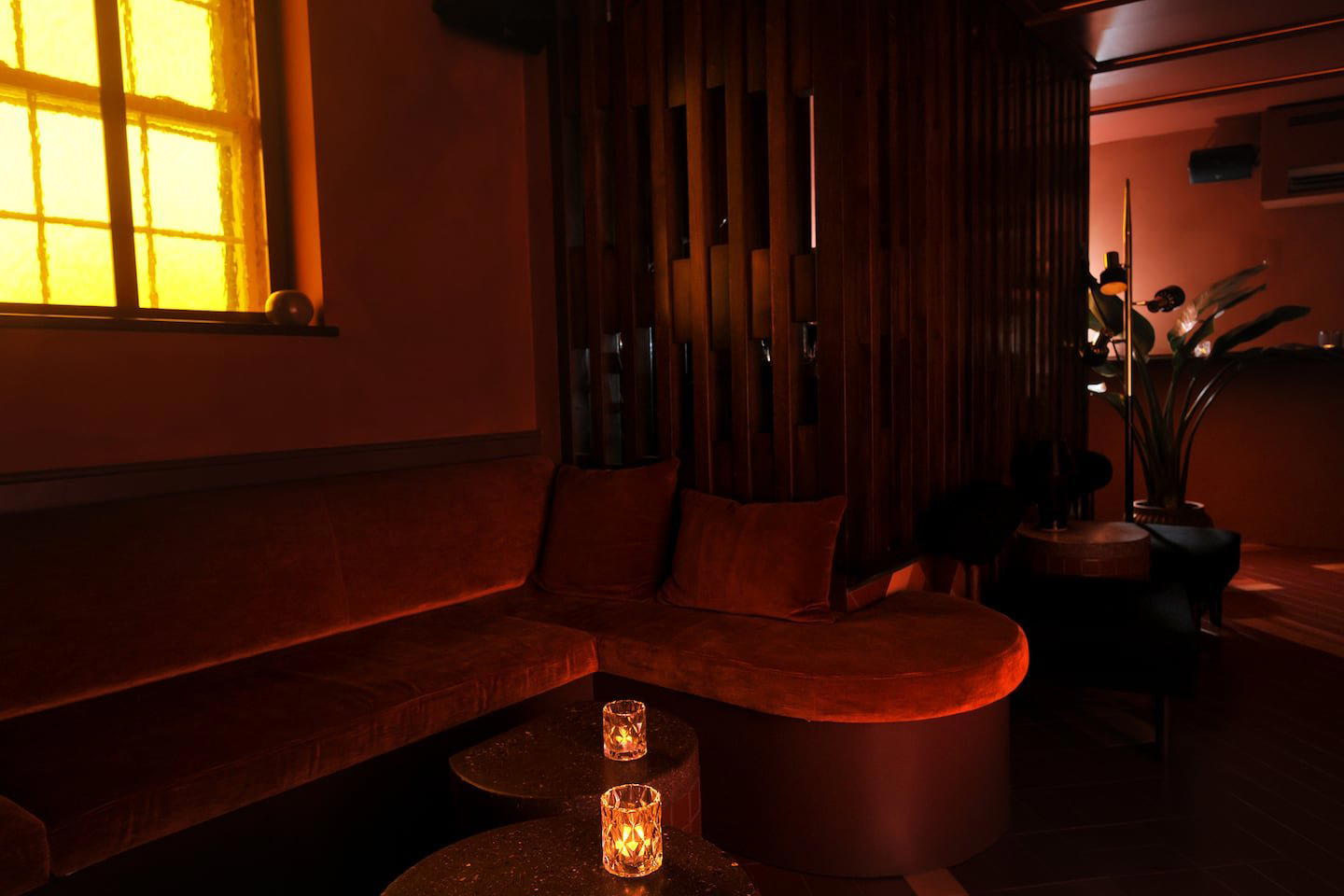
Romantic and comfortable with tasteful indoor and outdoor seating areas, warm lighting, and a welcoming atmosphere praised for special occasions.