Le Central
Le Central occupies a quiet pocket of Bristol, Rhode Island, where French bistro tradition meets the sourcing rhythms of New England. The address on Hope Street places it firmly in a town that takes its agricultural and maritime heritage seriously, and the kitchen reflects that. For visitors comparing notes with Bristol's broader dining scene, this is a room that earns its place through what arrives at the table, not through spectacle.
Pearl is the En Primeur Club membership app — saves, bookings, and concierge access live there. Same editors, same standards.
- Address
- 483 Hope St, Bristol, RI 02809
- Phone
- +14013969965
- Website
- lecentralbristol.net
- Directions
- Get directions
 Saves & bookings on Pearl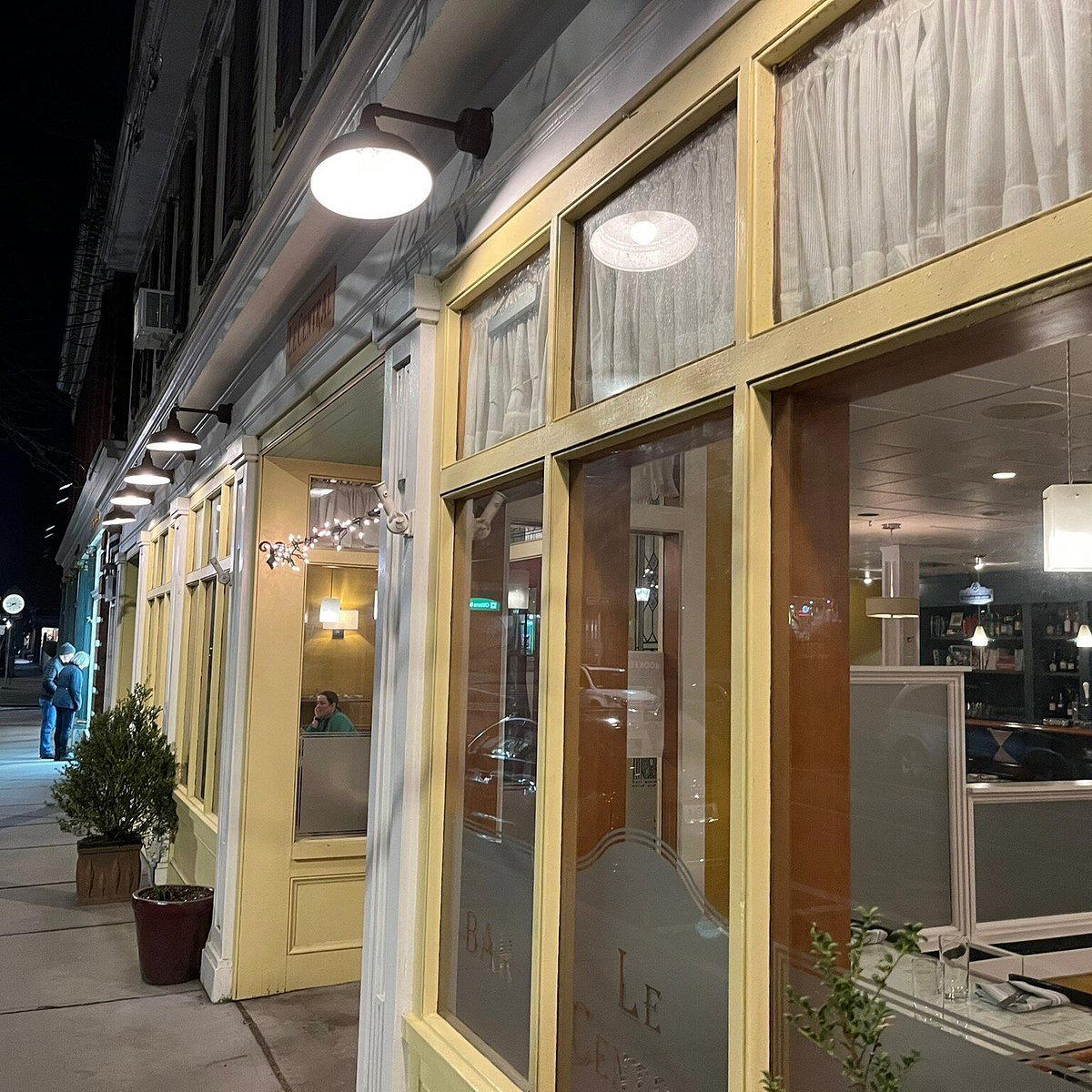
Hope Street in Context
Bristol, Rhode Island sits on a narrow peninsula between Narragansett Bay and the Mount Hope Bay, and its dining culture carries the dual imprint of that geography. The town has long operated as a quieter counterpoint to Providence's restaurant density, attracting a crowd that arrives with patience and specific intent rather than spontaneous appetite. Hope Street, where Le Central is addressed at number 483, runs through the civic and commercial heart of Bristol and has developed a cluster of independent restaurants that collectively reflect the town's preference for depth over volume.
French bistro cooking in New England occupies an interesting position within the regional dining conversation. Unlike the coastal Italian and modern American formats that dominate much of Rhode Island's casual-to-mid-tier spectrum, the French bistro model carries with it a particular set of sourcing expectations: provenance over novelty, seasonal discipline over menu variety, and a kitchen vocabulary built around classical technique applied to local produce. Where Bristol's scene sits in relation to Providence's more competitive restaurant tier can be mapped partly by price and format, partly by the sourcing relationships that define a kitchen's actual character.
What the Sourcing Story Tells You
Rhode Island is smaller than most visitors expect, and that compression creates meaningful sourcing opportunities for a restaurant operating with genuine intention. The state's agricultural output is modest in volume but specific in character: small dairy operations in the northwest, coastal aquaculture centred around Narragansett Bay, and farm plots in the Sakonnet Valley and South County that supply leafy vegetables, root crops, and heritage proteins to kitchens that have built standing relationships with growers. A French bistro format is well-positioned to work within this structure, since classical French technique was always, at its practical core, about making the most of what a particular landscape produces in a given week.
The ingredient sourcing angle matters beyond provenance signalling. Kitchens that source close and seasonally tend to produce menus with shorter windows, meaning what a table receives in October has a different composition than what arrives in May. That specificity is more demanding for a kitchen to execute and more rewarding for a diner willing to return across seasons. It also places Le Central in a different peer conversation than venues operating from a stable, year-round menu designed around distributor availability.
For diners calibrating Le Central against the wider Bristol and Rhode Island field, the French bistro register here is worth considering alongside what Providence's more decorated rooms offer. Bulrush (Modern British) and Adelina Yard (Modern Cuisine) represent the upper tier of the adjacent Bristol dining conversation in the UK city of the same name, while Bristol, Rhode Island's own scene operates on a more intimate scale. Nationally, restaurants like Blue Hill at Stone Barns in Tarrytown and Single Thread Farm in Healdsburg have defined what a fully committed farm-to-table sourcing philosophy looks like at the top of the American market. Le Central operates well below that investment level and ambition tier, but the French bistro format it works within shares the same foundational logic: what the region grows should determine what the kitchen cooks.
Reading the Room
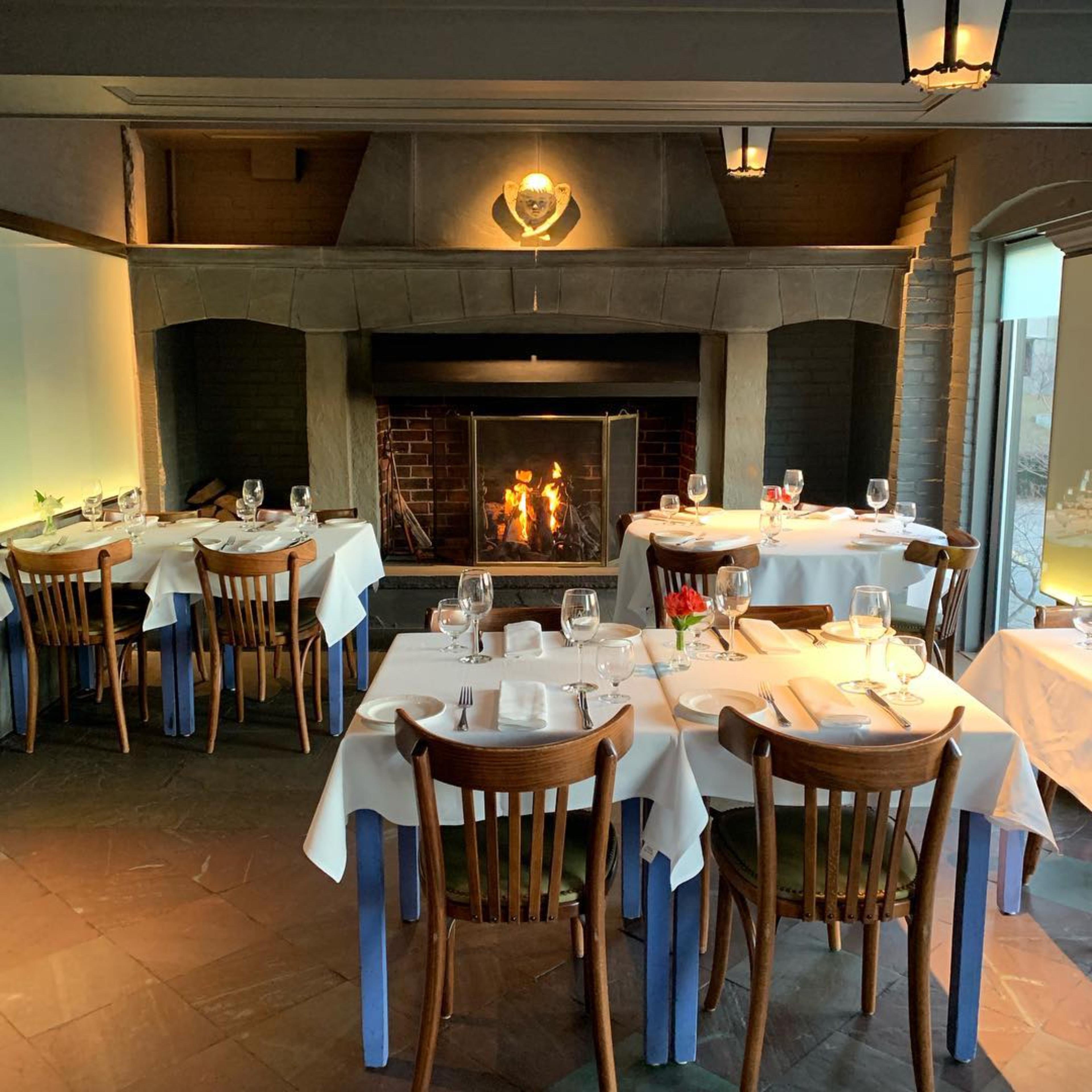
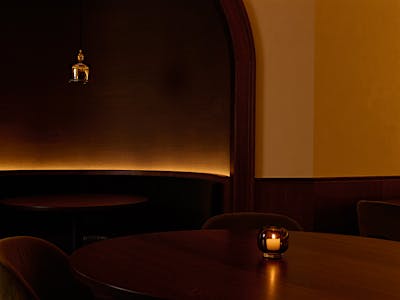
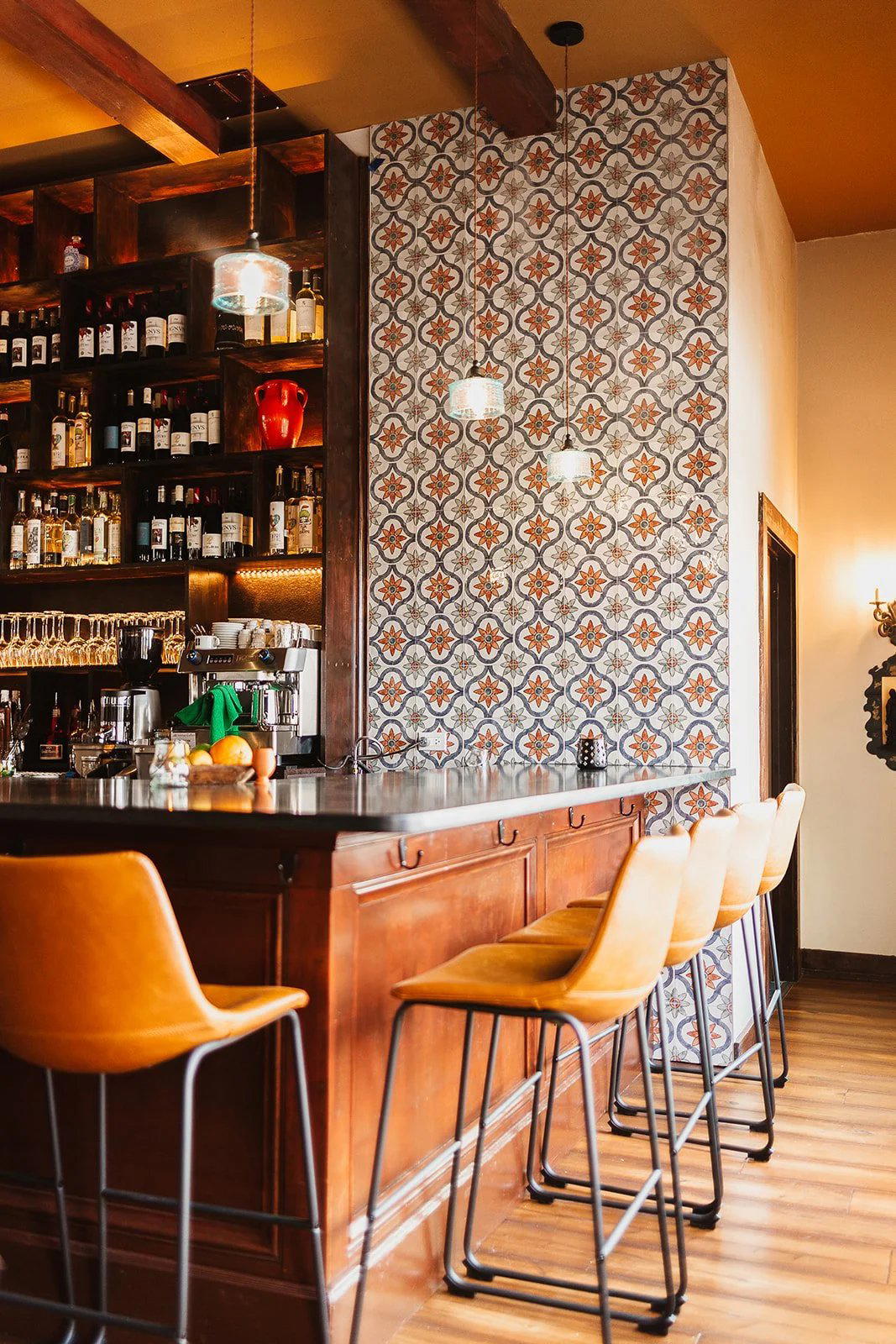
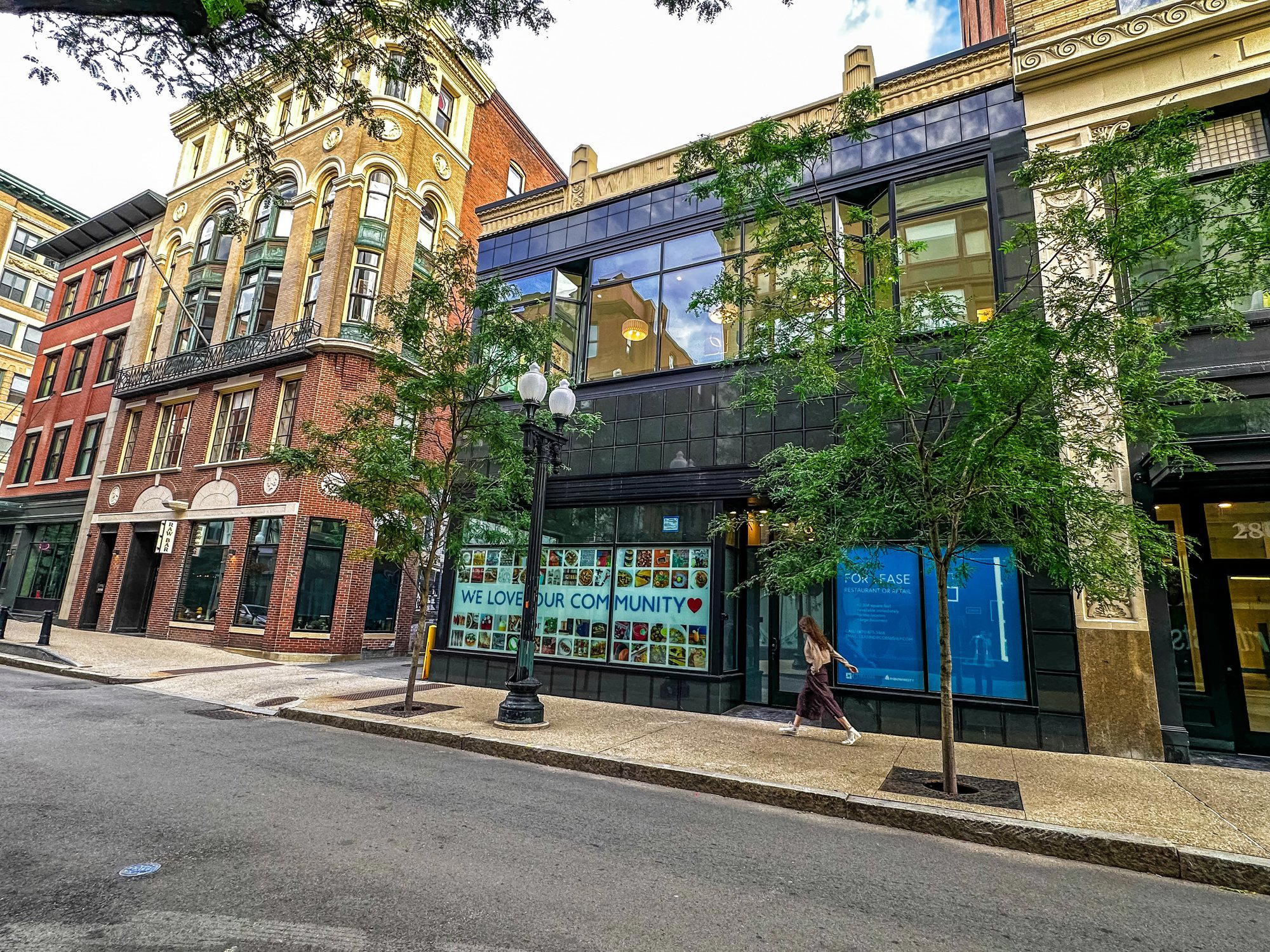
French bistro interiors in American small towns often fall into one of two traps: either the Parisian cliché of checkered tablecloths and baguette prints, or the stripped-back minimalism that reads more as a design statement than a functional dining environment. The better examples hold a middle register, where the room feels assembled over time rather than installed all at once. Hope Street's character as a working commercial street rather than a curated restaurant row means that what surrounds Le Central gives the venue a kind of ambient legitimacy that purpose-built dining districts rarely achieve. The approach to the space matters because it sets the register before a dish arrives.
For diners accustomed to the formatting of larger American fine dining rooms, such as Le Bernardin in New York City, Alinea in Chicago, or The French Laundry in Napa, a Rhode Island bistro operates on a different register entirely. The comparison set is closer to 1 York Place (European) or Bank in terms of ambition and scale, where the value proposition is precision within a limited scope rather than spectacle across a wide one. That calibration is not a limitation; it is the format's actual proposition.
Planning Your Visit
Bristol is accessible from Providence in under thirty minutes by car and sits at the end of Route 114, making it a manageable day trip or an easy extension to a Providence itinerary. The town draws significant visitor traffic during the summer season, when Hope Street sees its highest foot traffic, and reservations at the better-regarded independent restaurants in Bristol tend to tighten from June through August. Visiting in the shoulder months of April, May, September, or October typically offers more availability and, in terms of sourcing, some of the most interesting seasonal transitions in the kitchen. Specific booking details for Le Central, including reservation policy and hours, are best confirmed directly before visiting, as the venue's current operational format is not centrally documented.
For visitors building a wider Rhode Island or New England itinerary, Le Central sits within a regional circuit that could reasonably include Providence's stronger dining rooms and, for those with longer travel windows, venues in the Boston or coastal Connecticut corridor. The national reference points worth holding in mind for comparison include Providence in Los Angeles, Addison in San Diego, and The Inn at Little Washington in Washington, all of which operate in the formal American tasting menu register that sits several tiers above the bistro format but shares a commitment to sourcing discipline. Closer to home, Bianchis and Emeril's in New Orleans represent different expressions of the mid-tier American restaurant with French influence worth knowing for context.
For the full picture of where Bristol, Rhode Island fits within the broader dining conversation, see our full Bristol restaurants guide.
At a Glance
- Cozy
- Classic
- Date Night
- Casual Hangout
- Standalone
- Local Sourcing
Current opening hours
- Monday
- Closed
- Tuesday
- Closed
- Wednesday
- 12–8 PM
- Thursday
- 12–8 PM
- Friday
- 12–9 PM
- Saturday
- 12–9 PM
- Sunday
- 11 AM–8 PM
Hours can change for holidays and private events. Last verified .
Cozy neighborhood bistro atmosphere with a focus on classic French dining.
Know Before You Go
- Getting there
- 483 Hope St, Bristol, RI 02809