Machu Picchu
A Peruvian restaurant on Somerville Avenue, Machu Picchu sits within a stretch of Davis and Union Square dining that prizes neighborhood permanence over trend-chasing. The address at 307 Somerville Ave places it in the current of a city that has developed one of Greater Boston's more varied dining corridors, where Andean cooking occupies a distinct and underrepresented position among the area's Latin American options.
Pearl is the En Primeur Club membership app — saves, bookings, and concierge access live there. Same editors, same standards.
- Address
- 307 Somerville Ave, Somerville, MA 02143
- Phone
- +16176287070
- Website
- machupicchuboston.com
- Directions
- Get directions
 Saves & bookings on Pearl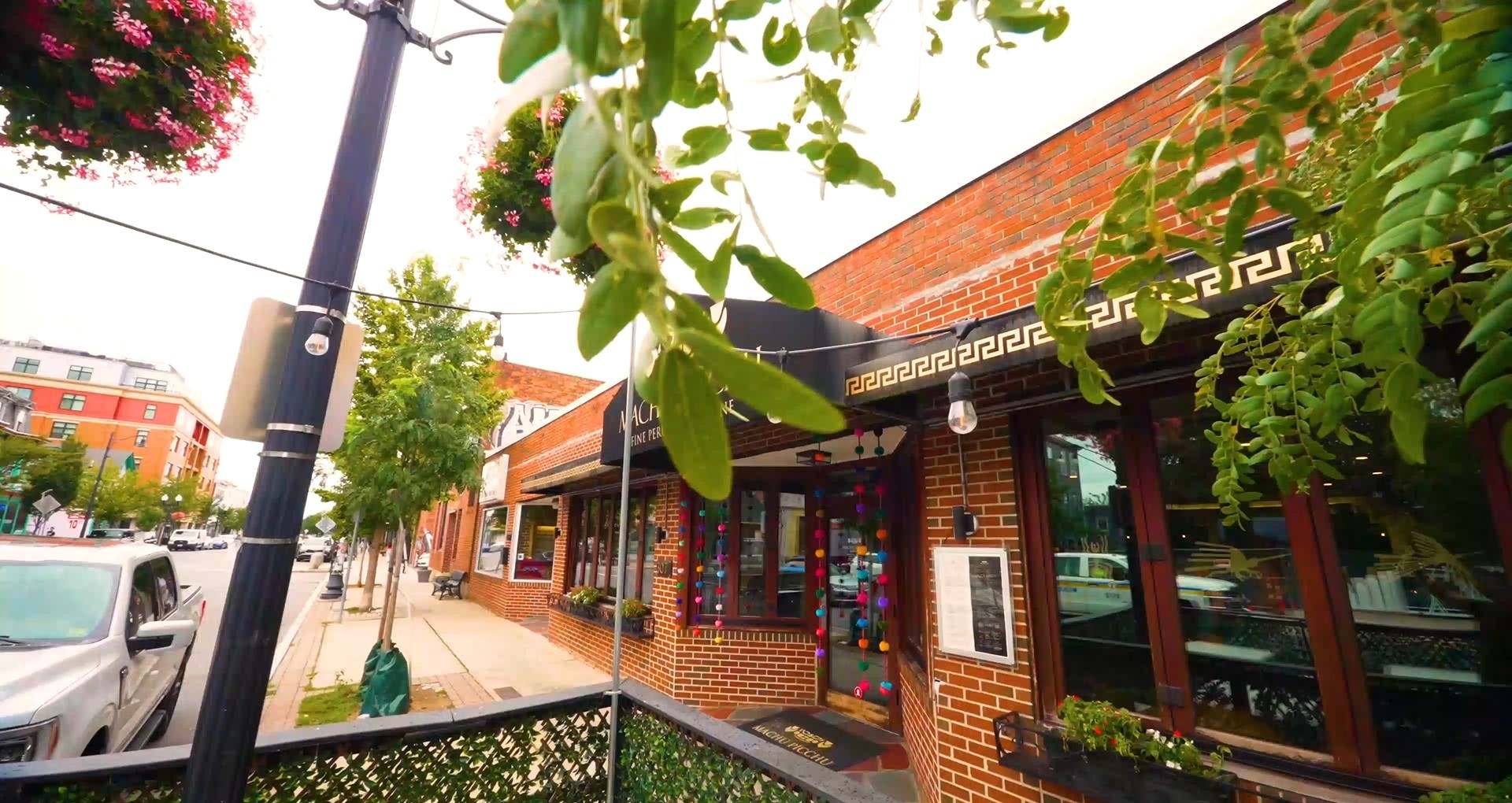
Somerville Avenue and the Peruvian Table
Somerville's dining corridor along Somerville Avenue does not announce itself with marquee names or hotel-adjacent foot traffic. It earns its reputation through continuity: restaurants that survive here do so because the neighborhood returns for them, not because visitors stumble in. That dynamic shapes how Peruvian cooking operates in this part of Greater Boston. Andean cuisine is not a dominant presence in the city's broader restaurant conversation, which is weighted toward New England seafood, Italian-American traditions, and the explosion of East and Southeast Asian options in neighboring Cambridge. That relative scarcity gives a Peruvian address on Somerville Avenue a specificity it might not carry in a city like New York or Miami, where the cuisine has deeper institutional roots.
Machu Picchu, at 307 Somerville Ave, occupies that position.
The Architecture of a Peruvian Meal
Peruvian dining, at its most considered, has a rhythm that differs from the European tasting-menu model that has come to define premium dining in cities like Chicago, where Alinea structures the evening around sequential surprise, or in Healdsburg, where Single Thread Farm builds courses around hyper-local agricultural calendars. The Peruvian table is more lateral than linear. Dishes arrive in clusters rather than processions. Ceviche anchors the early part of a meal not because it is an amuse-bouche but because the acidity of leche de tigre functions as a palate primer, a piece of culinary logic rather than ceremony. Anticuchos, lomo saltado, and causa follow a logic of texture and heat contrast, not a narrative arc.
That structural difference matters when deciding how to eat here. Ordering one dish at a time, as one might at a European fine-dining room, misses how the food is meant to interact on the table. The meal works better when two or three dishes land together, allowing the brightness of citrus-cured proteins to play against the depth of wok-fried beef or the starchiness of potato-based preparations. This is not service-format laziness; it reflects how Andean cooking has always operated, as a communal grammar rather than a solo recitation.
Peruvian Cooking in the Boston-Cambridge Context
Boston's premium dining identity tilts heavily toward New England tradition and French-influenced fine dining. Operations like Le Bernardin in New York City set benchmarks for seafood precision that influence how critics and diners in coastal cities evaluate fish-forward menus. Peruvian cooking shares an intense relationship with seafood, particularly in its coastal cevicherías tradition, but the techniques, citrus cures, aji pepper heat gradations, and the use of choclo rather than European grains, sit outside that European-influenced critical frame.
That gap creates both an opportunity and a risk for Peruvian restaurants in markets like Greater Boston. The opportunity is that the cuisine fills genuine white space. The risk is that diners without familiarity default to measuring it against Mexican or pan-Latin benchmarks, which flattens its specificity. Somerville, with its high concentration of university-adjacent residents who have traveled or studied broadly, is a more receptive market for that specificity than many Boston neighborhoods. The comparison set for a Somerville Avenue Peruvian restaurant is not Emeril's in New Orleans or Providence in Los Angeles; it is the handful of Latin American addresses in the immediate corridor, and within that frame, Andean cooking occupies its own category.
Nearby, Dali represents the Spanish tapas tradition on the same street, while Bronwyn anchors a Central European register in Union Square. Celeste and Cocolee extend the neighborhood's range further. These are not competing propositions so much as evidence that Somerville has developed genuine culinary range rather than clustering around one safe category. Machu Picchu fits within that plurality.
What Orders Tell You About a Kitchen
In Peruvian cooking, the technical markers worth watching are the leche de tigre, the emulsification and acidity balance in the curing liquid that defines ceviche quality, and the wok control behind lomo saltado, a dish that requires high heat management to achieve the char-without-drying that distinguishes a competent version from a flat one. These two preparations function as diagnostic dishes in the same way that roast chicken does in a French bistro or tagliatelle al ragù does in a Bolognese trattoria. They are not elaborate, which is precisely why they reveal kitchen discipline.
Restaurants across the American premium dining spectrum, from The French Laundry in Napa to Blue Hill at Stone Barns in Tarrytown, have built reputations on the argument that ingredient sourcing determines outcome. The Peruvian kitchen makes a parallel argument through its pepper hierarchy: ají amarillo, ají panca, and rocoto are not interchangeable heat sources but distinct flavor registers, and a kitchen that treats them carefully is signaling the same sourcing discipline that Northern California farm-to-table operations signal through their produce lists.
Getting There and Planning a Visit
Machu Picchu sits at 307 Somerville Ave, accessible from Davis Square or Union Square depending on your direction of approach. The MBTA Red Line to Davis Square puts the restaurant within a walkable distance along Somerville Avenue, making it accessible without a car from Cambridge or central Boston. The stretch is dense enough that combining dinner here with a stop at Diesel Cafe for coffee before or after is a practical option rather than a detour. The restaurant is recommended for reservations, particularly for weekend evenings when the Somerville Avenue corridor draws higher foot traffic.
For readers who benchmark dining decisions against premium American reference points, the Peruvian kitchen at this price and neighborhood tier operates in a different register than the tasting-menu formats of Lazy Bear in San Francisco, Atomix in New York City, or Addison in San Diego. It is a neighborhood restaurant in the specific and meaningful sense: its value is in the cooking's cultural fidelity and the communal format of the table, not in the ceremony of the room. Those are different things, and the distinction is worth holding when deciding what kind of evening you're after.
Cuisine and Recognition
Comparable venues nearby, for context on price, style, and recognition.
| Venue | Cuisine | Price | Notes |
|---|---|---|---|
| Machu PicchuThis venue — the venue you are viewing | Authentic Peruvian | $$ | Not listed |
| Celeste | Peruvian Ceviche & Stews | $$ | Union Square |
| Premiere on Broadway | Italian-American with Live Music | $$ | Magoun Square |
| Fuji at Assembly | Modern Japanese Sushi with Sichuan Fusion | $$$ | Assembly Row |
| Redbones | Southern Barbecue | $$ | Davis Square |
| The Painted Burro | Modern Mexican Taqueria | $$ | Davis Square |
Continue exploring
More in Somerville
Restaurants in Somerville
Browse all →
Bars in Somerville
Browse all →
Hotels in Somerville
Browse all →
Wineries in Somerville
Browse all →
At a Glance
- Casual
- Cozy
- Casual Hangout
- Group Dining
- Open Kitchen
Current opening hours
- Monday
- 11:30 AM–9 PM
- Tuesday
- 11:30 AM–9 PM
- Wednesday
- 11:30 AM–9 PM
- Thursday
- 11:30 AM–9 PM
- Friday
- 11:30 AM–10 PM
- Saturday
- 11 AM–11 PM
- Sunday
- 11 AM–9 PM
Hours can change for holidays and private events. Last verified .
Casual and relaxed atmosphere in a proper dining room well-suited for unwinding with good food.