LV Mar
LV Mar sits on Broadway in Redwood City's increasingly serious dining corridor, bringing a seafood-forward approach to a Peninsula market that has historically sent its appetite northward to San Francisco. The restaurant addresses the gap between casual waterfront dining and the more technically demanding fish cookery that defines coastal California at its most considered. For the Peninsula diner tired of making the drive up 101, it makes a genuine case for staying local.
Pearl is the En Primeur Club membership app — saves, bookings, and concierge access live there. Same editors, same standards.
- Address
- 2042 Broadway, Redwood City, CA 94063
- Phone
- +18774088234
- Website
- lvmar.com
- Directions
- Get directions
 Saves & bookings on Pearl
Broadway's Seafood Argument
Redwood City's Broadway strip has spent the better part of a decade building a dining identity credible enough to retain local appetite rather than cede it to San Francisco. LV Mar is a Redwood City restaurant serving Latin Tapas & Cocktails at 2042 Broadway, with a recommended reservation policy and smart casual dress code. The corridor now holds enough range, from the South Asian depth of Broadway Masala to the Mediterranean warmth of Angelicas and the Middle Eastern cooking at MAZRA, that the question is no longer whether you can eat well here, but which corner of that range you want tonight. LV Mar occupies the seafood position in that conversation, and on the Peninsula, that position matters. California's central coast and the Northern California fishing grounds running up through Bodega Bay and beyond are among the more consequential sourcing regions in American seafood cookery. A restaurant that takes that supply chain seriously operates with ingredients that coastal-focused kitchens elsewhere in the country would consider aspirational.
What Coastal Sourcing Means at This Level
The case for ingredient-led seafood cooking in Northern California rests on geography as much as philosophy. The cold, nutrient-dense waters of the Pacific Coast produce Dungeness crab, Monterey Bay squid, Pacific halibut, and rockfish that arrive in San Francisco-area restaurants with a provenance advantage that East Coast and Gulf seafood simply cannot replicate by the time it reaches the same table. Restaurants on the Peninsula sit at the inland edge of that supply chain, close enough to receive product at comparable freshness to San Francisco, far enough from the dock that the sourcing decisions become deliberate rather than automatic. When a kitchen at this latitude commits to tracing its fish rather than buying on commodity terms, the difference registers in the plate: texture is firmer, flavor is less mediated by transit time, and the kitchen's job shifts from compensating for decline to amplifying what is already there.
That shift is what separates the more considered seafood programs along the Bay Area's mid-Peninsula from casual fish-and-pasta operations. It also places LV Mar in a conversation that extends well beyond Redwood City. At the national level, the restaurants that have defined serious seafood cooking, Le Bernardin in New York City, Providence in Los Angeles, Addison in San Diego, share a commitment to sourcing transparency that functions as a prerequisite for technical ambition. Closer to home, farm-to-table rigor at places like Single Thread Farm in Healdsburg and the sourcing disciplines at The French Laundry in Napa set a benchmark for what Northern California produce-forward cooking looks like when the sourcing is handled without compromise. LV Mar does not operate at those price points or with those staffing structures, but it draws on the same regional supply that makes those programs possible.
The Peninsula Dining Gap It Addresses
The mid-Peninsula has a specific dining problem: its restaurant population skews toward convenience (the fast-casual and suburban Italian category) or imported ambition (the occasional high-concept opening that struggles to build a local audience). Serious seafood sits in an awkward gap. The casual end of the spectrum, fish tacos, sushi rolls, is well served. The technically demanding end, the kind of cooking that treats fish cookery with the same seriousness that meat-forward kitchens apply to butchery and aging, has historically required a trip to the city. LV Mar's address on Broadway places it in the part of Redwood City that is working hardest to close that gap, alongside Milagros and Brochette Dumpling and Grill in a corridor that is accumulating enough critical mass to justify a dedicated evening rather than a stopgap dinner before the Caltrain back to the city.
That positioning also shapes who LV Mar is for. The tech-adjacent workforce that populates the mid-Peninsula has spending habits calibrated to San Francisco prices but patience calibrated to suburban convenience. A restaurant that can satisfy both vectors, serious enough for a client dinner, accessible enough for a Tuesday, occupies a commercially useful position that the Broadway strip is increasingly able to support.
Comparing the Regional Context
Northern California's seafood-forward restaurants occupy a different register than their counterparts in other coastal cities. In New Orleans, a place like Emeril's draws on Gulf traditions where shellfish richness and Creole technique define the idiom. In San Francisco, Lazy Bear uses Northern California's pantry for a tasting-menu format that abstracts ingredients through technique. The mid-Peninsula's version of seafood seriousness tends toward directness: the fish is the argument, and the kitchen's job is to not obscure it. That restraint, when it works, reads as confidence. When it falls short, it reads as undercooked ambition. LV Mar's location on Broadway, in a market where the competition is broad-category rather than specialist, means it faces less pressure to compete on technique alone and more pressure to be the reliable answer to a specific craving.
For readers interested in how the ingredient-sourcing conversation plays out at the demanding level nationally, the comparison set is instructive: Blue Hill at Stone Barns in Tarrytown, Alinea in Chicago, The Inn at Little Washington, and Atomix in New York City all treat provenance as a load-bearing element of the dining proposition rather than a marketing footnote. 8½ Otto e Mezzo Bombana in Hong Kong demonstrates how European technique applied to high-quality regional seafood can anchor a restaurant's identity in a market where the seafood sourcing field is genuinely competitive. These are not direct comparisons to LV Mar, but they establish the framework within which any serious seafood kitchen earns its credibility.
Planning a Visit
LV Mar sits at 2042 Broadway in Redwood City, reachable from the Redwood City Caltrain station on foot in under ten minutes, which makes it practical for the train-commuting Peninsula professional who does not want to manage a car after dinner. Broadway's parking is generally available in the evening, though the block's growing popularity means early arrival is the safer approach on weekends. The restaurant is open Monday through Thursday from 3 to 9 PM, Friday and Saturday from 11:30 AM to 10 PM, and Sunday from 11:30 AM to 8 PM.
At-a-Glance Comparison
Comparable venues nearby, for context on price, style, and recognition.
| Venue | Cuisine | Price | Notes |
|---|---|---|---|
| LV MarThis venue — the venue you are viewing | Latin Tapas & Cocktails | $$$ | Not listed |
| Angelicas | California Cuisine with Latin Flair | $$ | Downtown Redwood City |
| Mistral | Mediterranean-Influenced California Cuisine | $$$ | Redwood Shores |
| MAZRA | Levantine Mediterranean BBQ | $$ | downtown |
| Milagros | Eclectic Mexican | $$ | Redwood City |
| Brochette Dumpling and Grill | Chinese, Japanese, and Korean Fusion | $$ | Redwood City |
Continue exploring
More in Redwood City
Restaurants in Redwood City
Browse all →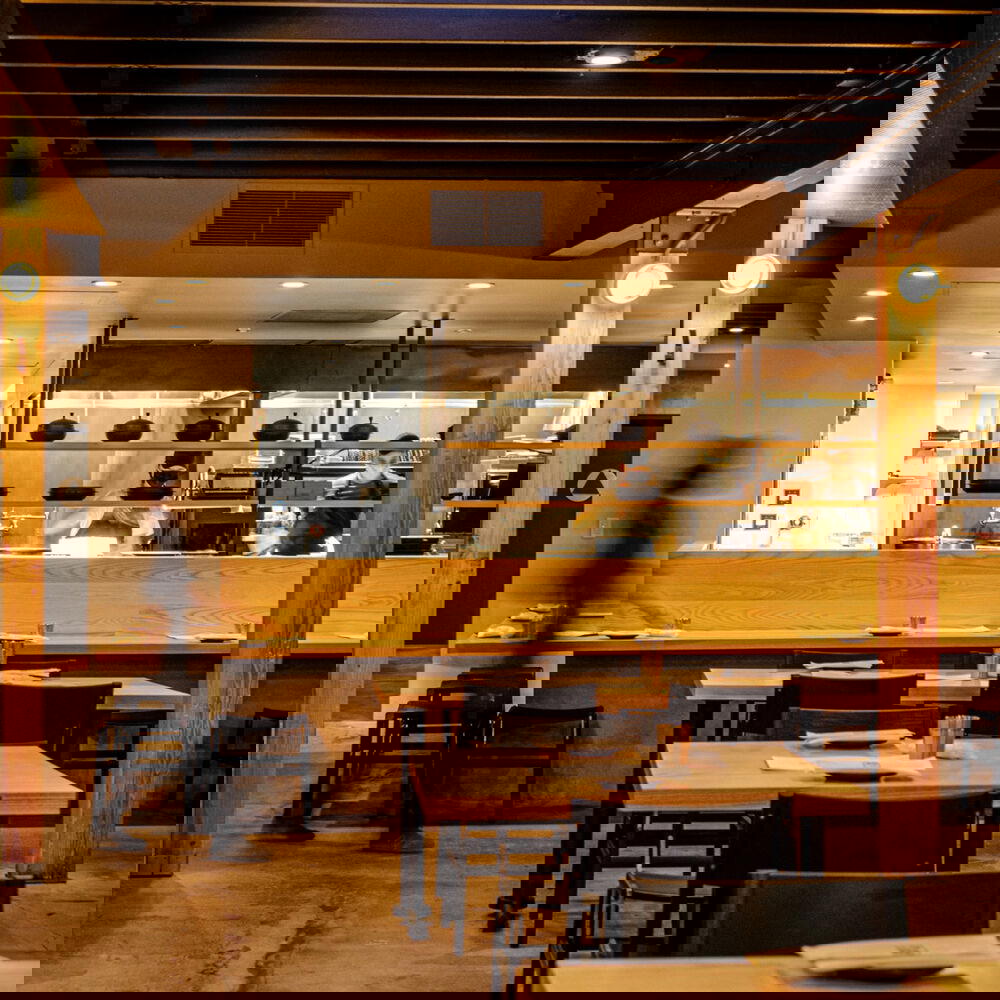
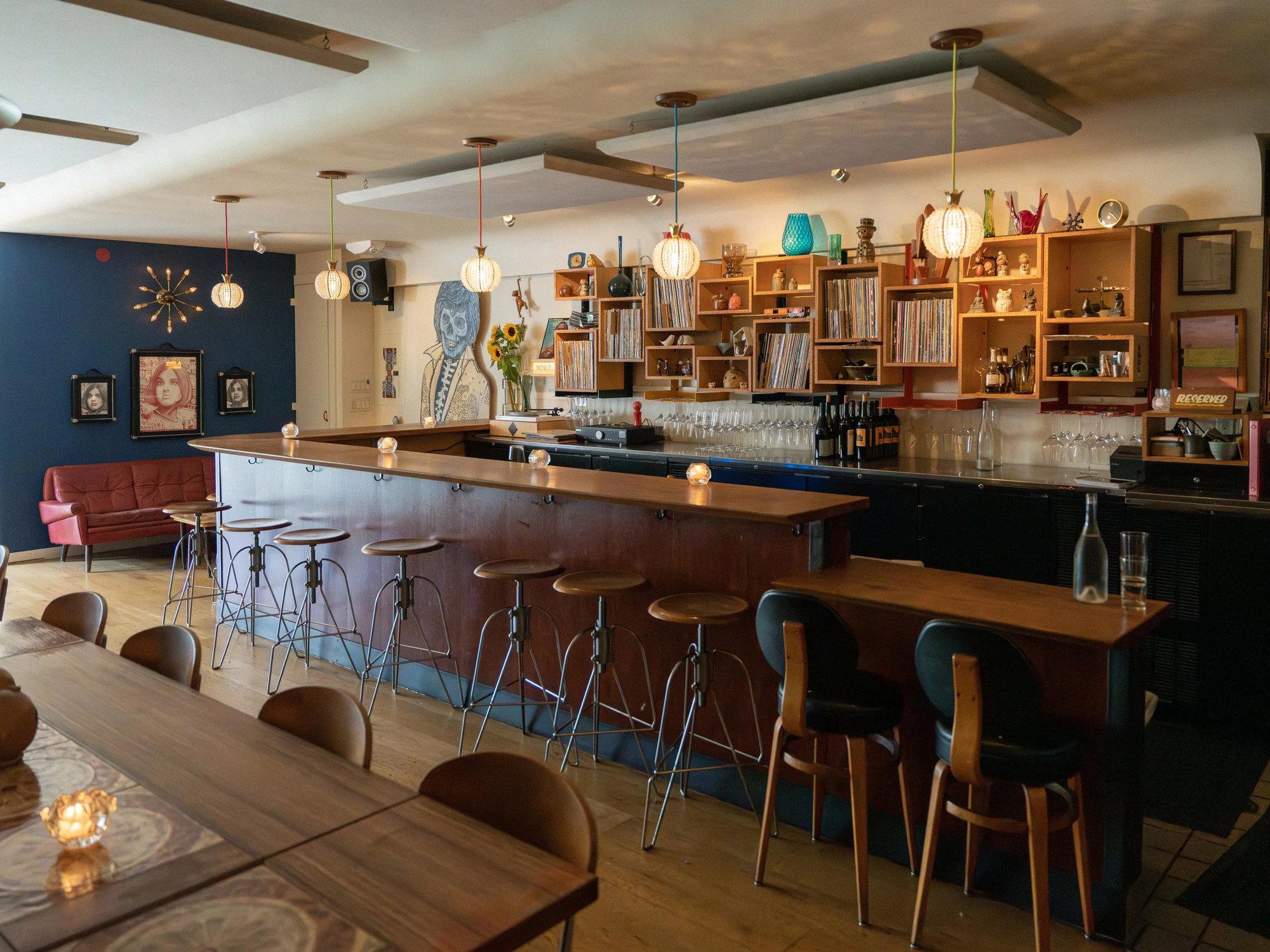
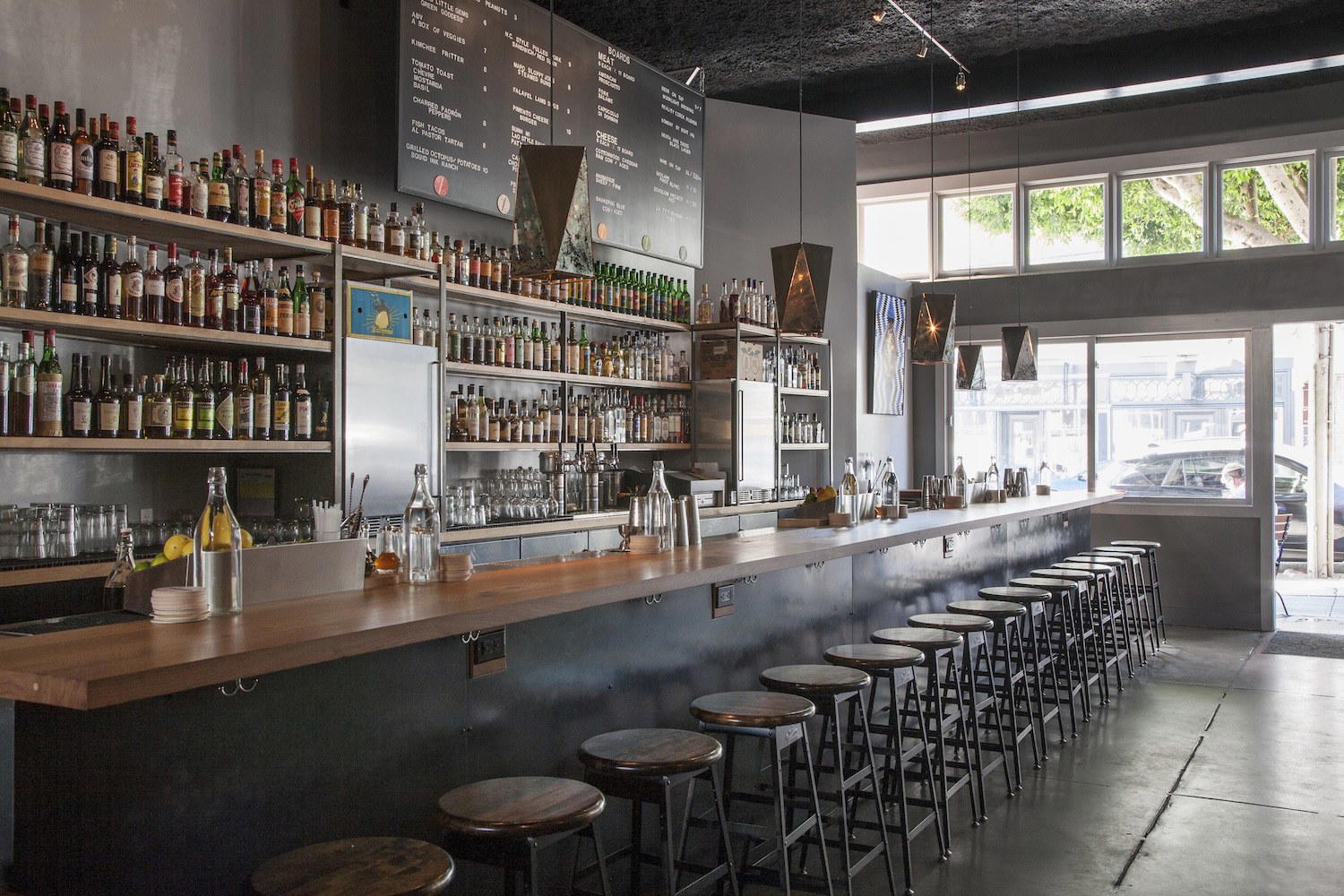
Bars in Redwood City
Browse all →
Hotels in Redwood City
Browse all →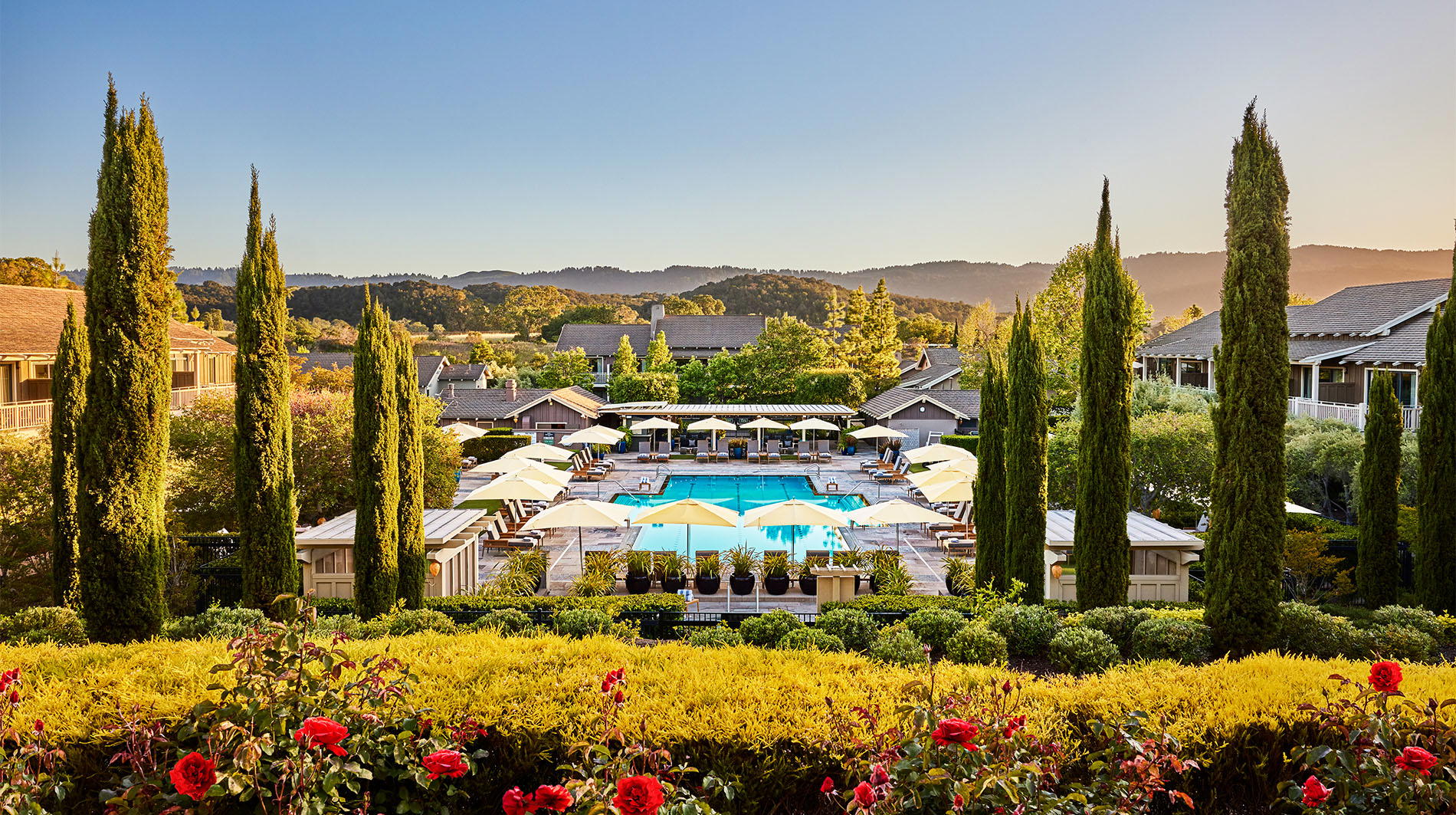
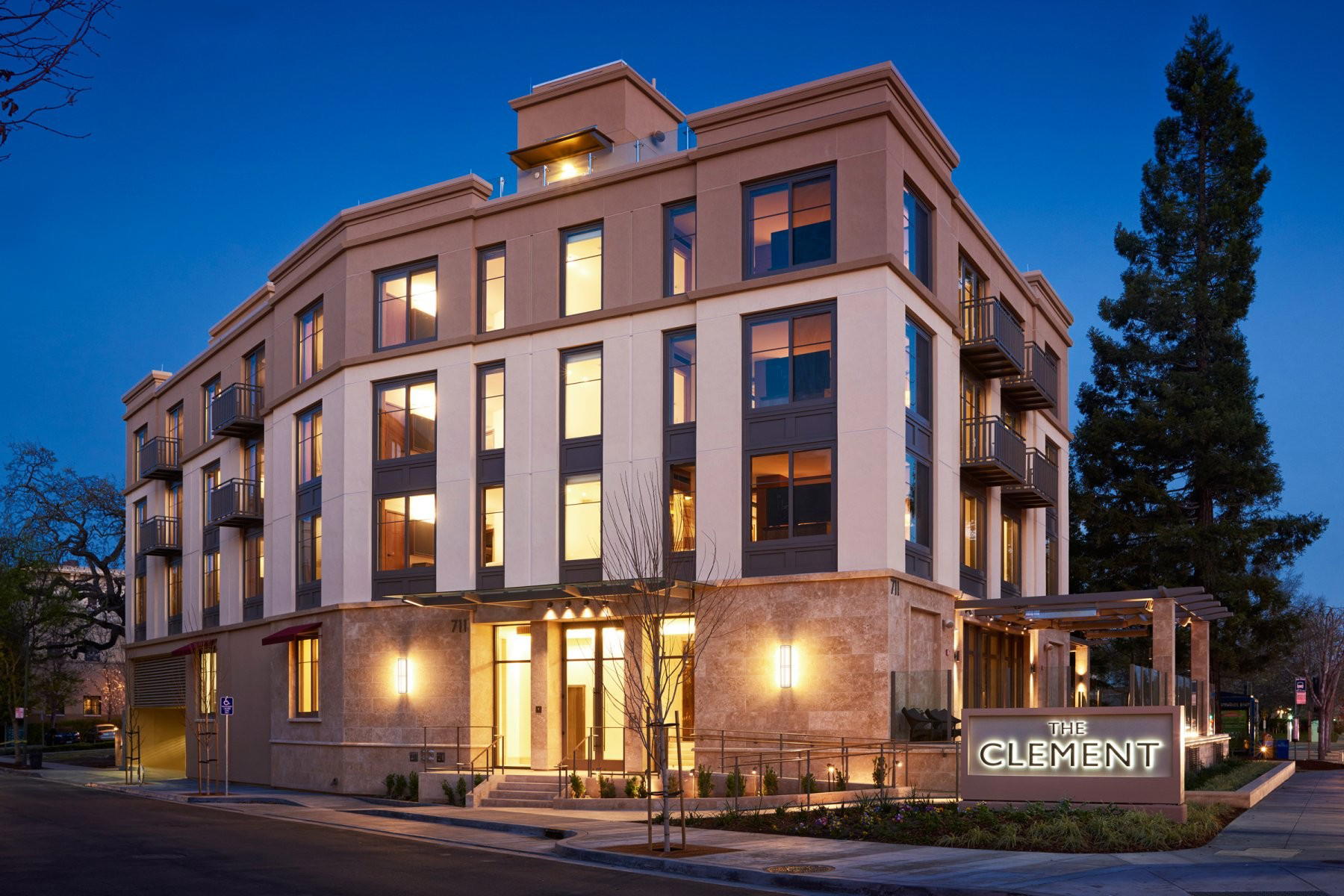


Wineries in Redwood City
Browse all →

At a Glance
- Lively
- Modern
- Trendy
- Elegant
- Date Night
- Group Dining
- Casual Hangout
- Special Occasion
- Open Kitchen
- Craft Cocktails
Current opening hours
- Monday
- 3–9 PM
- Tuesday
- 3–9 PM
- Wednesday
- 3–9 PM
- Thursday
- 3–9 PM
- Friday
- 11:30 AM–10 PM
- Saturday
- 11:30 AM–10 PM
- Sunday
- 11:30 AM–8 PM
Hours can change for holidays and private events. Last verified .
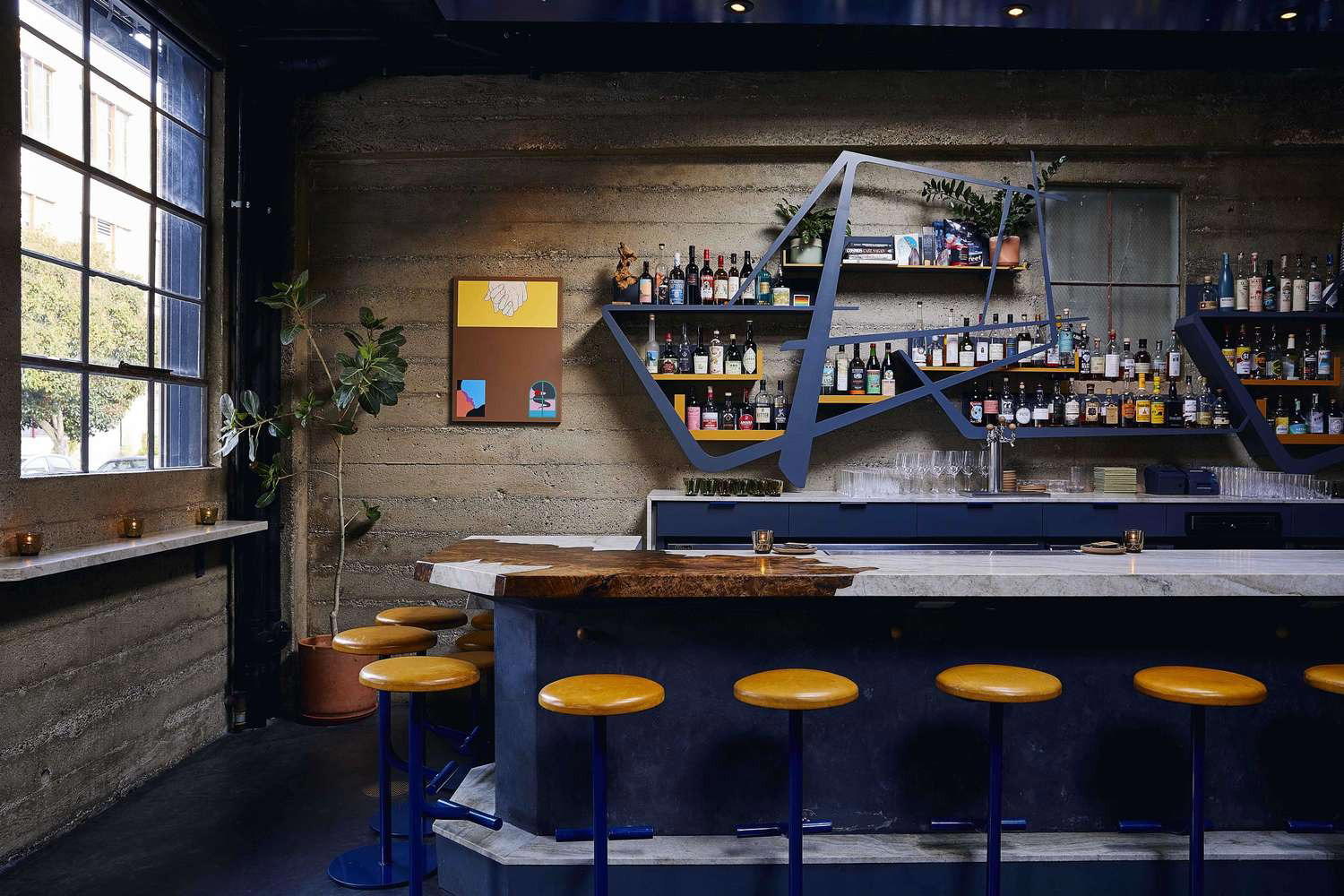
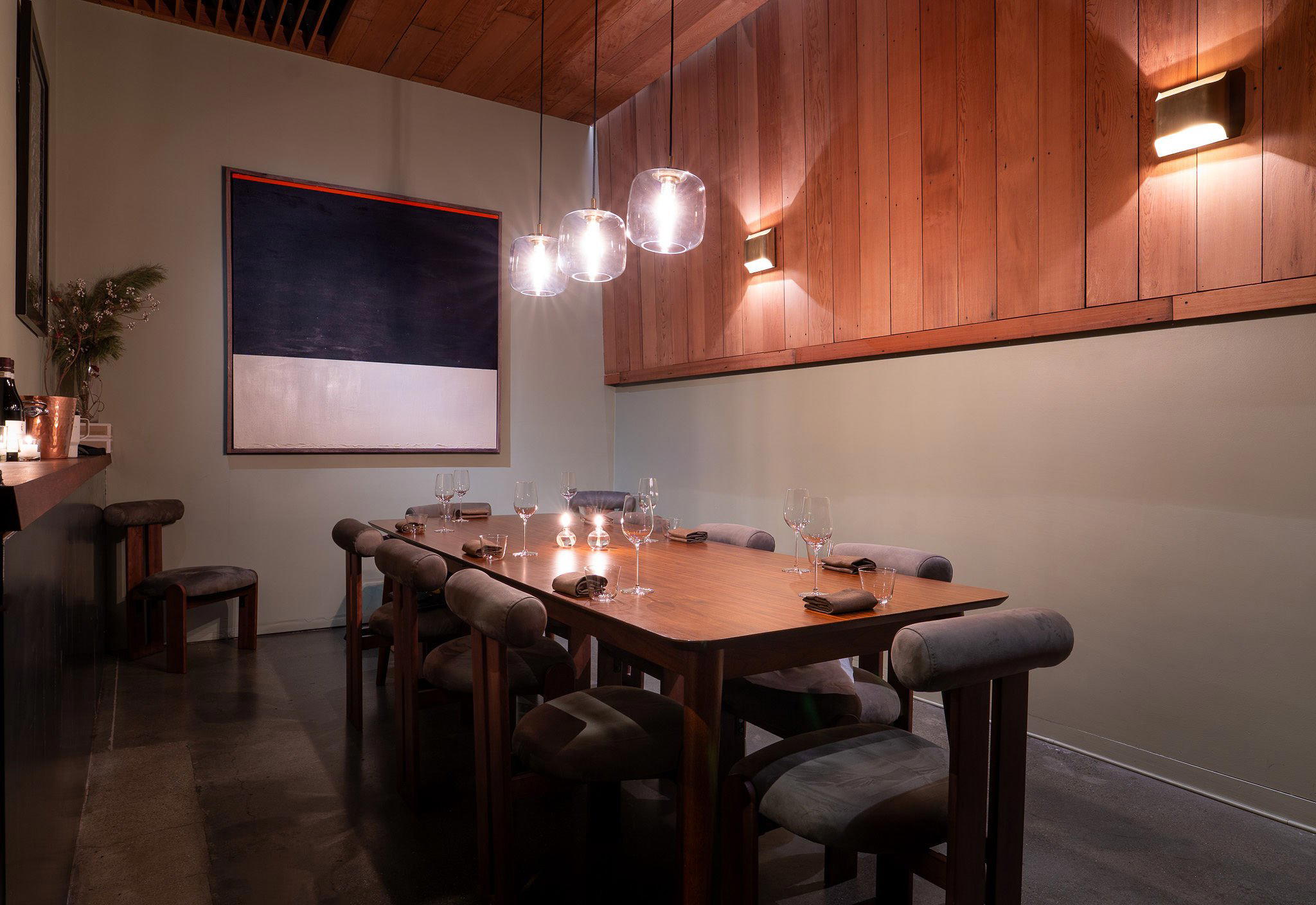
Stylish yet comfortable space with minimal modern interior, lively dining room, and welcoming patio well-suited for long conversations and social gatherings.