Lunasia Dim Sum House(Alhambra)


Lunasia Dim Sum House on West Main Street is one of Alhambra's most consistently packed dim sum destinations, drawing regulars from across the San Gabriel Valley and beyond. The kitchen operates within a Cantonese tradition that prizes fresh, properly sourced ingredients over cutting corners on volume. For weekend yum cha, arrive early or expect a wait.
Pearl is the En Primeur Club membership app — saves, bookings, and concierge access live there. Same editors, same standards.
- Address
- 500 W Main St, Alhambra, CA 91801
- Phone
- +1 626 308 3222
- Website
- qmenu.us
- Directions
- Get directions
 Saves & bookings on Pearl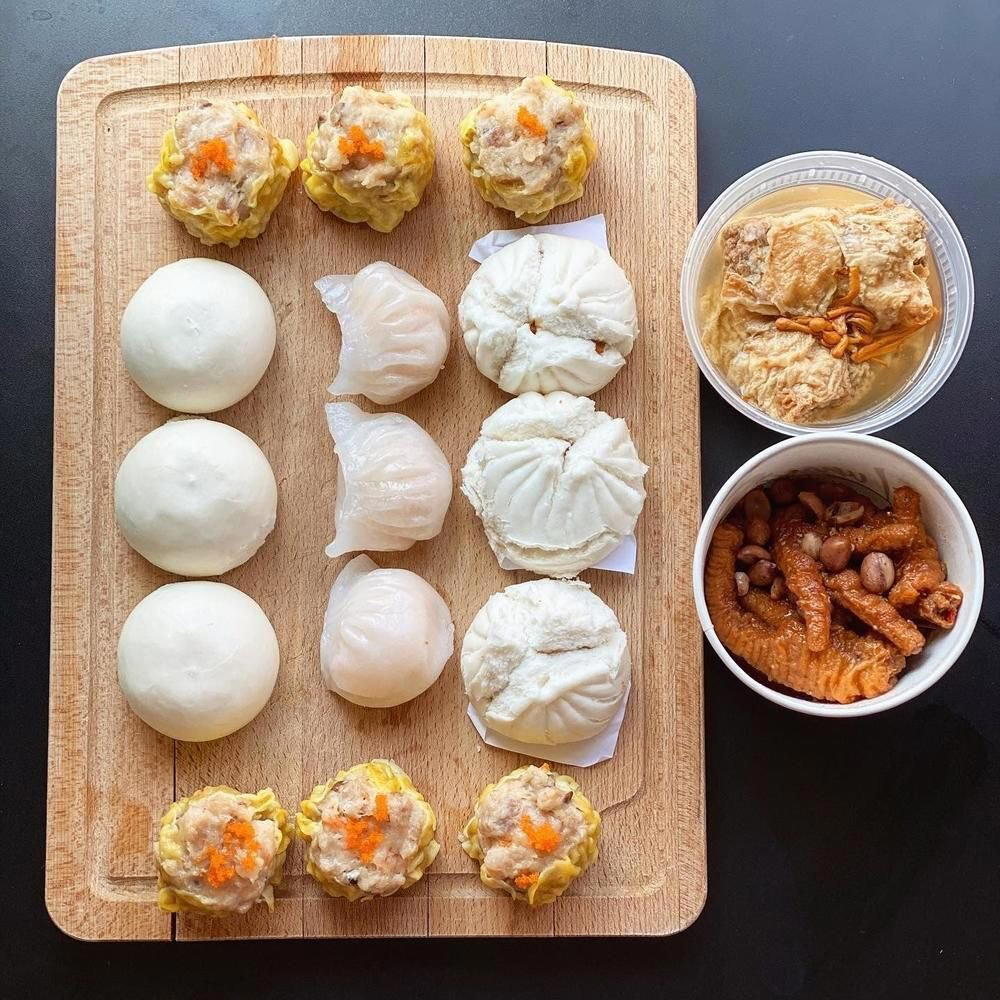
The Room Before the First Bite
On weekend mornings along West Main Street in Alhambra, the sidewalk in front of Lunasia Dim Sum House functions as a kind of informal barometer for the city's appetite. The queue forms early, families cluster near the entrance with paper number tickets, and the dining room beyond fills with the particular noise of a Hong Kong-style yum cha session done at scale: the clatter of bamboo steamers, the percussion of tea service, the ambient hum of conversation across large round tables. This is not a quiet, intimate room. It is a room built for the social ritual of dim sum, which has never been a solitary practice.
Alhambra sits at the center of the San Gabriel Valley's dense concentration of Chinese and Chinese-American dining, a corridor that runs from Monterey Park westward and stretches the range of regional cuisines, price points, and formality levels available to diners willing to leave Los Angeles proper. Within that broader scene, dim sum occupies a specific and demanding position. The format requires consistent, high-volume execution across a wide range of preparations simultaneously, steamed, fried, baked, braised, while managing the social expectations of a tradition that is as much about the gathering as the food itself. Lunasia has built its reputation inside that specific demand.
Ingredient Logic in a High-Volume Kitchen
The editorial angle that separates serious dim sum houses from assembly-line operations is sourcing and production discipline. In the San Gabriel Valley, where competition among Cantonese kitchens is intense, the venues that hold their position over time tend to be those that maintain attention to the quality of core inputs: the freshness of shrimp in har gow, the fat content and seasoning of pork in siu mai, the lamination and texture of pastry in egg tarts and baked buns. These are not glamorous talking points, but they are the markers that regular dim sum diners use to form preferences and loyalty.
Dim sum's sourcing demands differ from those of farm-to-table tasting menus at places like Blue Hill at Stone Barns in Tarrytown or Single Thread Farm in Healdsburg, where provenance is narrated explicitly on the menu. In dim sum, sourcing quality surfaces through result rather than declaration: the snap of a properly fresh prawn, the balance of fat and lean in a steamed pork dumpling, the yield of a bun that has been proofed and filled with care rather than speed alone. These signals are legible to any experienced dim sum diner without a word of explanation from the kitchen.
The Cantonese tradition that underlies dim sum's most important dishes developed in a context of daily market buying, where chefs sourced proteins and aromatics in small quantities and cooked them quickly. That discipline persists in kitchens that take the format seriously. The San Gabriel Valley's density of Asian grocery suppliers and wholesale markets gives its restaurant community access to ingredient quality that supports this approach, which is part of why the corridor has sustained its reputation as serious Chinese dining region outside of major East and Southeast Asian cities.
Where Lunasia Sits in the Alhambra Scene
Alhambra's dining character is shaped by its position within the San Gabriel Valley and its high concentration of Chinese, Vietnamese, and other East and Southeast Asian restaurants. The street-level mix on Garfield and Main includes everything from quick-service noodle shops to full-scale banquet operations. For context on the breadth of that scene, the guide to our full Alhambra restaurants guide maps the range across cuisines and formats.
Within the city's Chinese dining tier, Lunasia occupies the mid-to-upper range of dim sum options, drawing a clientele that includes both local San Gabriel Valley families and visitors making a deliberate trip from Los Angeles. That audience profile is a meaningful signal: when diners choose to drive past closer options to reach a specific restaurant, the decision is almost always anchored in prior experience rather than proximity or convenience. For Vietnamese options in the same area, Bánh Mì Mỹ Tho and Dong Nguyen Restaurant represent the comparable level of category commitment. For hand-pulled noodle work, 101 Noodle Express holds a similar position in its niche. Across these venues, the pattern is consistent: Alhambra's dining reputation is built on category specialists rather than generalists.
The scale of dim sum service at Lunasia places it in a different operational category from the refined, ingredient-narrated tasting formats found at Providence in Los Angeles or the precision-driven menus at Atomix in New York City. Those are formats built around scarcity and intimacy. Dim sum at this scale is built around abundance and community, and the kitchen's job is to sustain quality across hundreds of covers while the room remains in constant motion.
Planning the Visit
The practical structure of a Lunasia visit is shaped by format and timing. Dim sum service in the Cantonese tradition runs through the hours listed for the restaurant, with peak demand on Saturday and Sunday during late morning and early afternoon. The restaurant is located at 500 W Main St, Alhambra, with street and nearby lot parking available, though weekend congestion in this part of Main Street is typical of the broader dining corridor.
Large-group dining is structurally suited to the format: round tables, shared dishes, and the rotating service model of dim sum mean groups of six to ten typically experience the meal more fully than parties of two. For dessert after the meal, Fosselman's Ice Cream on Mission Road has operated since 1919 and remains one of the area's most consistent post-meal stops. For a different mode of Alhambra dining, Charlie's Trio represents the city's range beyond Asian cuisine categories.
Phone and website details are not confirmed in current records. Walk-in is the standard mode for dim sum formats of this type; reservation practice, if available, should be verified directly with the venue before a large-group visit.
Comparison Snapshot
Comparable venues nearby, for context on price, style, and recognition.
| Venue | Cuisine | Price | Notes |
|---|---|---|---|
| Lunasia Dim Sum House(Alhambra)This venue — the venue you are viewing | Cantonese Dim Sum | $$ | Not listed |
| Savoy Kitchen | Chinese Hainan Chicken Rice | $ | Alhambra |
| U2 Cafe | Hong Kong-Style Cafe & BBQ | $$ | Alhambra |
| Charlie's Trio | Traditional Italian Trattoria & Pizza | $$ | Alhambra |
| 101 Noodle Express | Shandong-Style Chinese Noodles and Dumplings | $$ | Alhambra |
| Dong Nguyen Restaurant | Chinese-Vietnamese Hainanese Chicken Rice | $ | Alhambra |
Recognition history
Dated appearances from independent guides and award organizations, with the underlying list record or original source where available.
Michelin Bib Gourmand
Michelin
Opinionated About Dining Casual in North America Recommended
Opinionated About Dining
Continue exploring
More in Alhambra
Restaurants in Alhambra
Browse all →
Bars in Alhambra
Browse all →
Hotels in Alhambra
Browse all →

Wineries in Alhambra
Browse all →
At a Glance
- Classic
- Brunch
- Group Dining
- Family
- Private Dining
Current opening hours
- Monday
- 10:30 AM–8:30 PM
- Tuesday
- 10:30 AM–8:30 PM
- Wednesday
- 10:30 AM–8:30 PM
- Thursday
- 10:30 AM–8:30 PM
- Friday
- 10:30 AM–8:30 PM
- Saturday
- 9:30 AM–8:30 PM
- Sunday
- 9:30 AM–8:30 PM
Hours can change for holidays and private events. Last verified .
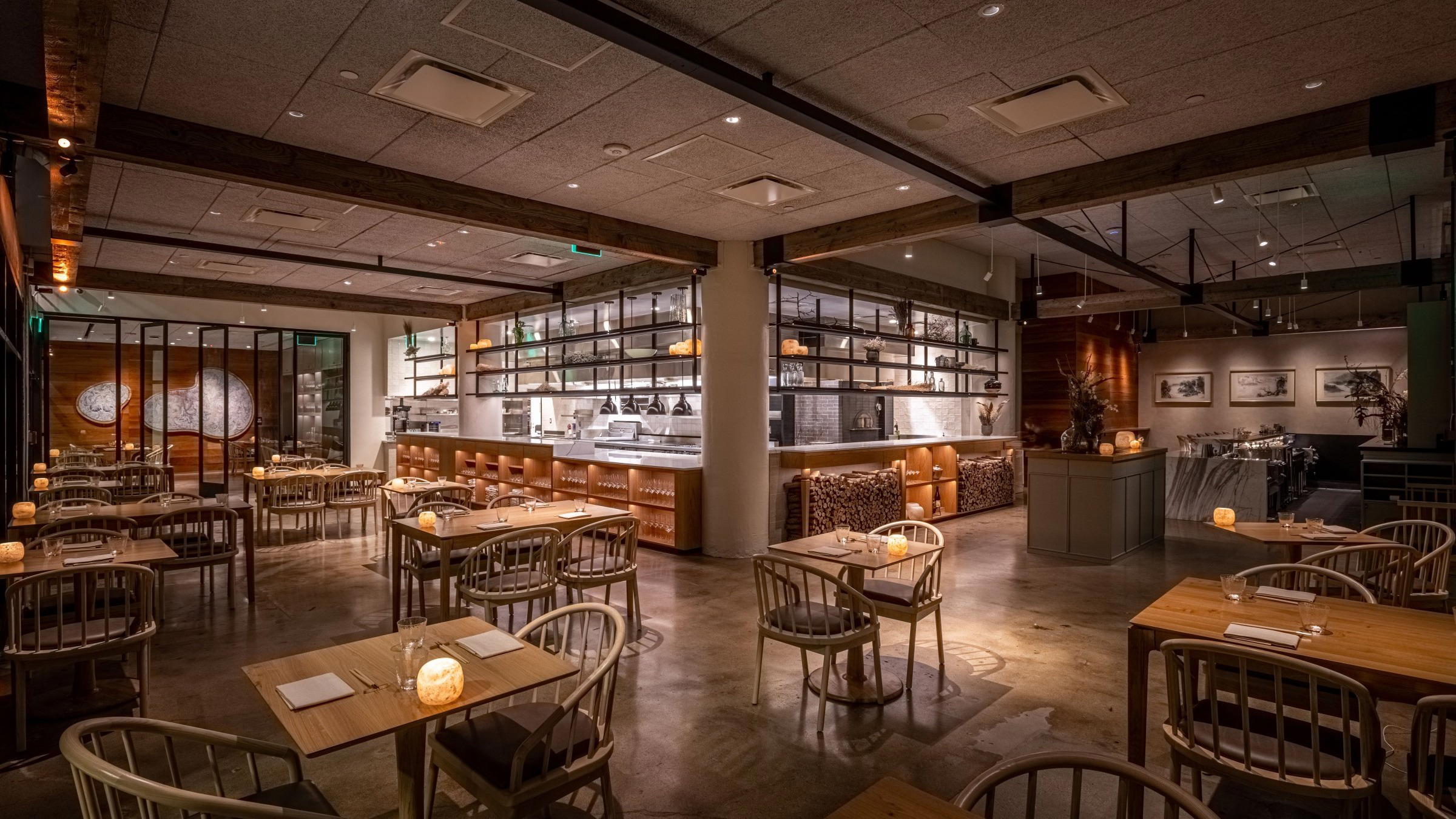
Sleek yet simple quiet beauty with moderate noise levels.