Lugano Swiss Bistro
Lugano Swiss Bistro sits in The Barnyard shopping complex in Carmel-by-the-Sea, bringing a European bistro sensibility to a coastal California village already accustomed to serious dining. The Swiss framing positions it at an angle few competitors on the Monterey Peninsula occupy, offering a point of difference in a town where Italian and French influences dominate. Booking ahead is advisable during peak Carmel season.
Pearl is the En Primeur Club membership app — saves, bookings, and concierge access live there. Same editors, same standards.
- Address
- 3670 The Barnyard, Carmel-By-The-Sea, CA 93923
- Phone
- +18316263779
- Website
- luganocarmel.com
- Directions
- Get directions
 Saves & bookings on Pearl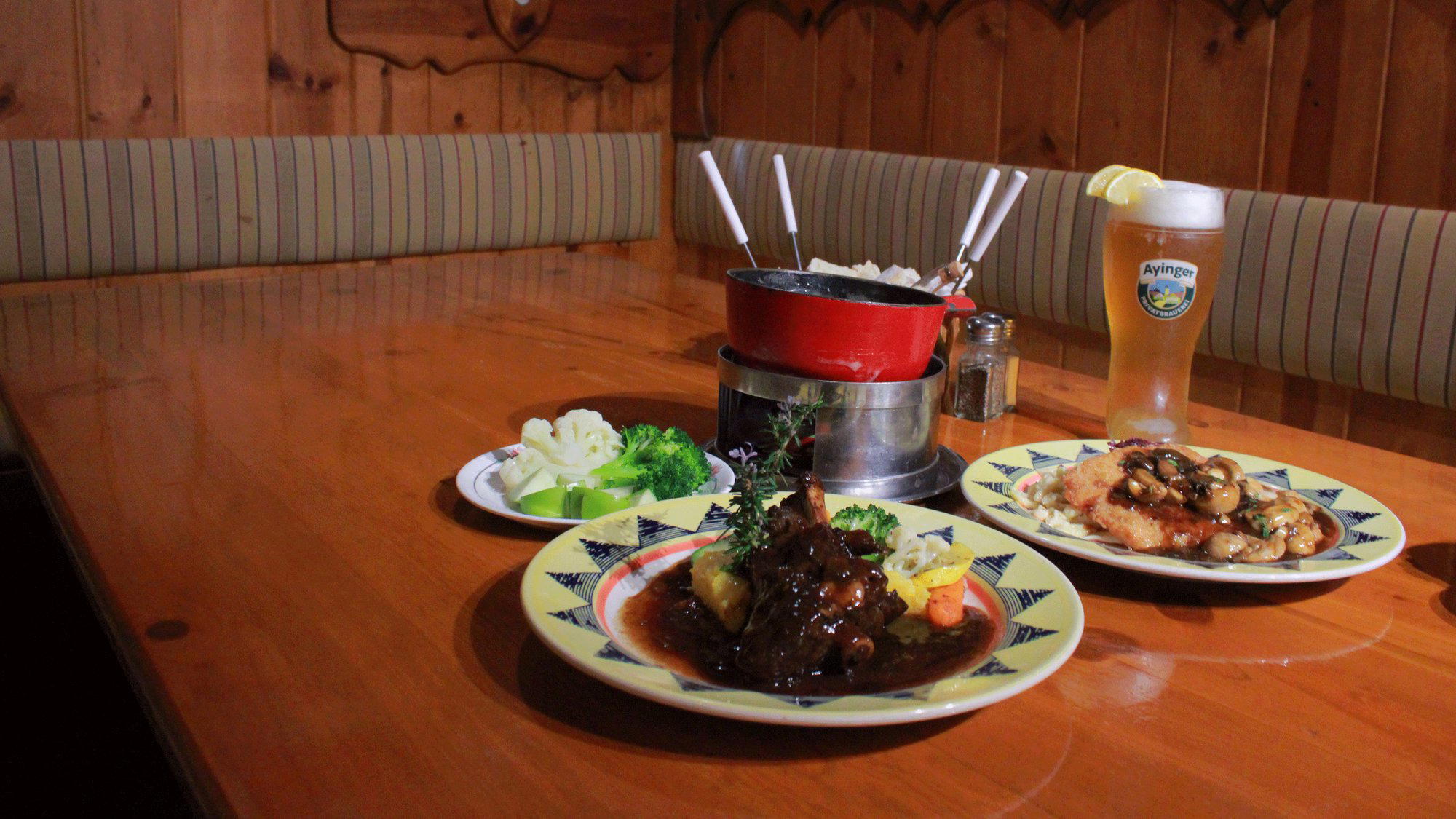
The Barnyard Setting and What It Signals
The Barnyard complex in Carmel-by-the-Sea has long functioned as a quieter alternative to the village's main retail corridor, with its garden courtyards and low-slung wooden structures offering a pace that suits leisurely dining. Restaurants in this pocket tend to draw a mix of locals and visitors who have already done the Ocean Avenue circuit and are looking for something less performatively touristy. Lugano Swiss Bistro occupies that space, both literally and in terms of positioning: a European-inflected dining room in a setting that rewards the visitor willing to walk a short distance off the main corridor.
Swiss cuisine sits in an interesting position within European food traditions. It draws from German, French, and Italian influences without fully belonging to any of them, producing a culinary identity built around dairy-rich preparations, cured meats, and dishes designed for high-altitude practicality rather than courtly display. On the Monterey Peninsula, where French and Italian references dominate menus from Anton & Michel to Allegro Pizzeria, a Swiss framing is genuinely uncommon, which gives Lugano a distinct niche in the local dining ecosystem.
Sourcing Context: California Ingredients, Alpine Tradition
Swiss bistro cooking, when it travels to California, faces an immediate tension: the alpine larder that defines the original tradition, mountain-cured meats, aged cheeses from small regional dairies, cold-weather root vegetables, does not map cleanly onto what Monterey County farms produce. How a kitchen resolves that tension reveals a great deal about its culinary priorities.
The Central Coast offers notable raw material. Salinas Valley, roughly thirty miles inland from Carmel, is among the more productive agricultural zones in the United States, supplying lettuces, brassicas, and alliums to restaurants far beyond the region. Carmel's proximity to that supply chain means any kitchen paying attention has access to produce that few European Swiss restaurants could match for freshness. The question for a Swiss bistro in this setting is how it uses that access to shape classic preparations.
Restaurants that handle this well tend to do what places like Single Thread Farm in Healdsburg and Blue Hill at Stone Barns in Tarrytown have demonstrated at a higher price tier: anchor the menu in a specific culinary tradition while building the ingredient story around what grows nearby. At Lugano's price point and format, that integration is less formal, but the opportunity to pair local dairy with traditional preparations remains important.
Where Lugano Sits in Carmel's Dining Structure
Carmel-by-the-Sea runs a compact but genuinely layered dining scene for a village of its size. At the upper end, white-tablecloth rooms with wine lists weighted toward Burgundy and Napa set the register. Further down, casual neighbourhood spots like 101 Craft Kitchen and Caffé Buondí handle the everyday trade. Lugano's Swiss bistro positioning places it in a middle tier that values European formality without the full ceremony of Carmel's most ambitious rooms.
That middle tier is where most dining decisions actually get made in a town like this. Visitors with two or three nights in Carmel often want one occasion dinner and one or two meals that feel considered without long lead times. A bistro format, shorter menu, more flexible pacing, approachable wine list, fits that rhythm well. Compared to the broader California bistro category, where French influence remains dominant, a Swiss reference point offers something genuinely different without the learning curve of a highly specialist cuisine.
For context, The French Laundry in Napa and Providence in Los Angeles show the region's fine-dining benchmark. Lugano operates well below that register, but the ingredient-sourcing conversation those restaurants have normalized has raised expectations across all price points in California, including in Carmel.
The Broader Swiss Bistro Category
Swiss cuisine rarely gets treated as a serious category in American food writing, which often reduces it to fondue and rösti. That reduction misses the more interesting corners of the tradition: the charcuterie culture of the Graubünden region, the wine-braised preparations common to the Valais, the precision dairy work that underpins Appenzeller and Gruyère production. A kitchen genuinely engaged with Swiss food history has material to work with that goes well beyond the hits.
The bistro format itself carries specific expectations. In a European context, the bistro is a democratizing form: better technique than a café, shorter menu than a full restaurant, and pricing that allows regulars to return weekly rather than annually. American interpretations have varied widely, from faithful small-plate formats to loosely European-branded casual dining. Where Lugano falls on that spectrum shapes whether it serves a specific cultural reference or simply a comfortable meal.
Planning Your Visit
The Barnyard sits on the eastern edge of Carmel-by-the-Sea, a short walk or drive from the village center. Parking is easier here than on the main shopping streets, which matters during summer and holiday weekends when Carmel's compact layout strains under visitor volume. The shoulder seasons, late spring and early autumn, offer particularly comfortable conditions for exploring the area without the weekend crowds that compress the village through July and August.
Visitors building a fuller Carmel dining itinerary can look to Anthony's Chophouse for those prioritizing red meat and a deep California wine list. For a sense of what California's most sourcing-focused restaurants do at a higher tier, Lazy Bear in San Francisco and Addison in San Diego offer useful comparison points, as does Emeril's in New Orleans for American bistro format with a strong regional sourcing identity.
In Context: Similar Options
Comparable venues nearby, for context on price, style, and recognition.
| Venue | Cuisine | Price | Notes |
|---|---|---|---|
| Lugano Swiss BistroThis venue — the venue you are viewing | Swiss Bistro | $$$ | Not listed |
| Grasing's | American Steakhouse with Coastal Cuisine | $$$$ | Carmel-by-the-Sea |
| From Scratch Restaurant | Classic American Breakfast & Lunch | $$ | Barnyard Shopping Village |
| Portabella | Italian Bistro with French and Spanish Influences | $$ | Carmel-by-the-Sea |
| Katy's Place | Classic American Breakfast | $$$ | Carmel Village |
| Brunos Market and Deli | American Deli Sandwiches | $ | Carmel-by-the-Sea |
Continue exploring
More in Carmel
Restaurants in Carmel
Browse all →
Bars in Carmel
Browse all →
Hotels in Carmel
Browse all →
Wineries in Carmel
Browse all →
At a Glance
- Cozy
- Romantic
- Elegant
- Classic
- Date Night
- Special Occasion
- Family
Current opening hours
- Monday
- Closed
- Tuesday
- 11:30 AM–8 PM
- Wednesday
- 11:30 AM–8 PM
- Thursday
- 11:30 AM–8 PM
- Friday
- 11:30 AM–8 PM
- Saturday
- 11:30 AM–8 PM
- Sunday
- 11:30 AM–8 PM
Hours can change for holidays and private events. Last verified .
Cozy European chalet atmosphere with warm, intimate lighting well-suited for romantic dining.