Skip to Main Content
← Collection
LocationLa Jolla, United States

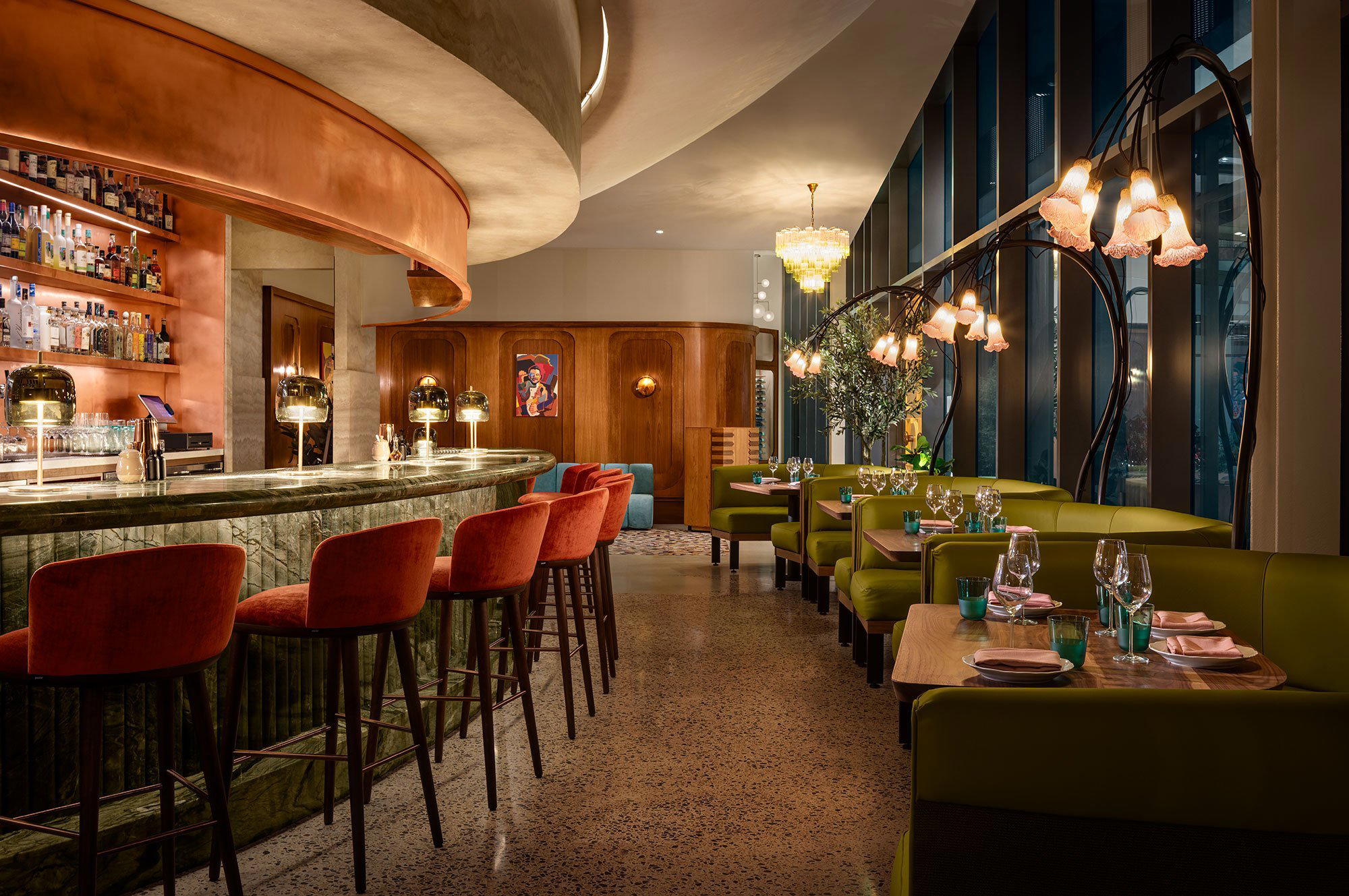
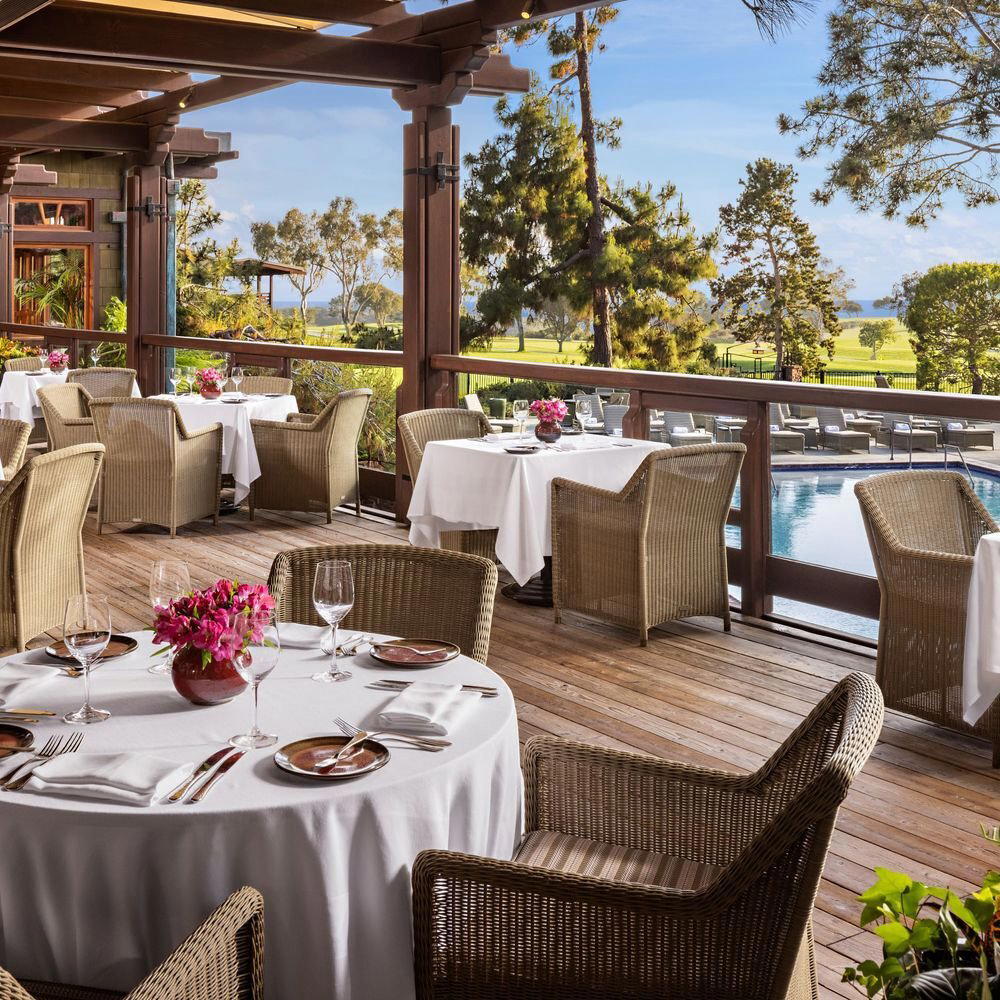
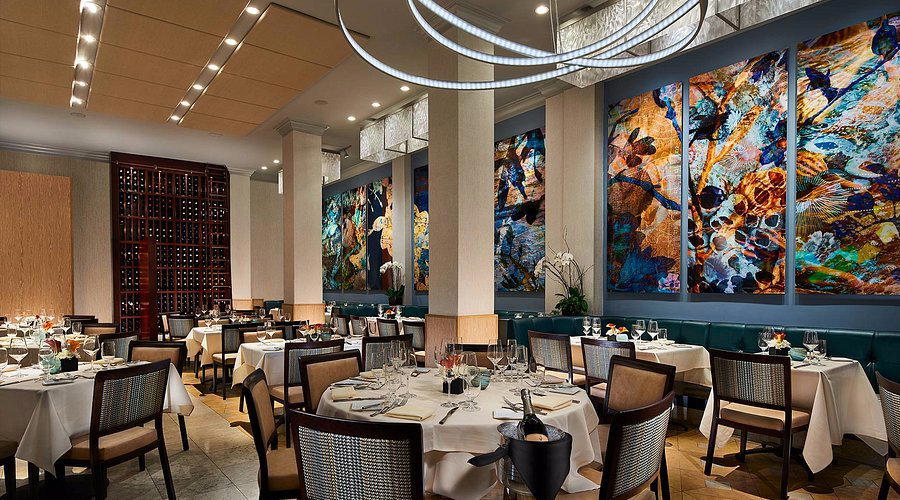
Fleurette brings French- and Italian-leaning cooking to the Torrey Pines corridor of La Jolla, occupying a quiet register in a dining scene more often associated with coastal seafood and contemporary Californian menus. The kitchen draws on classical European traditions without the formality that usually accompanies them, sitting at an accessible remove from the tasting-menu tier that dominates local fine dining conversation.

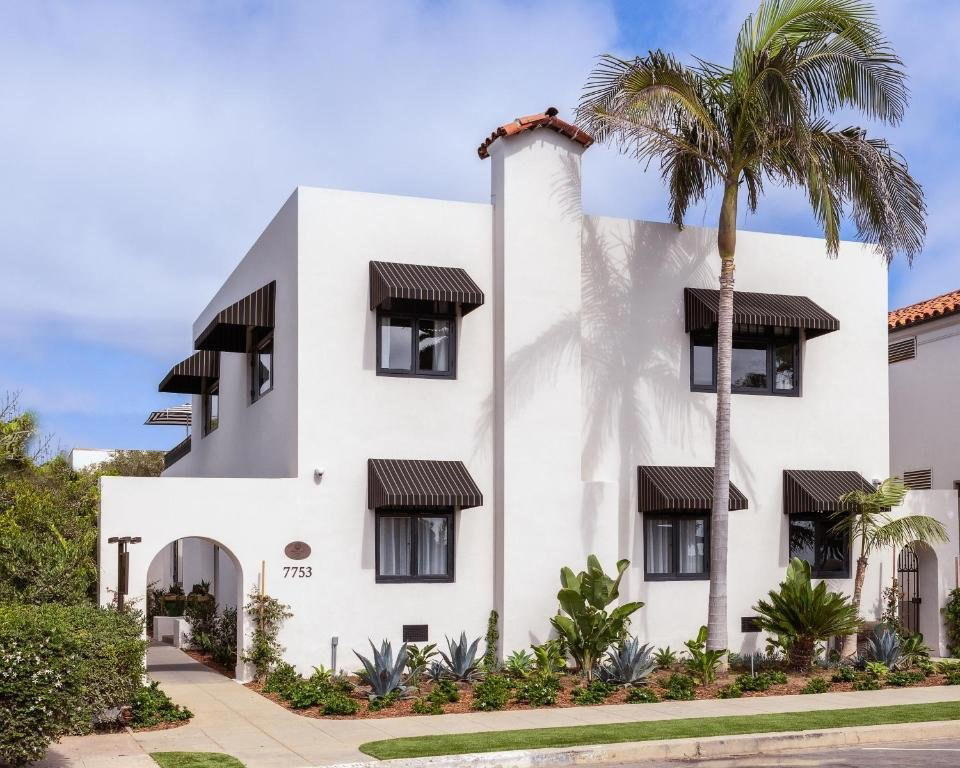
Fleurette restaurant in La Jolla, United States
About

European Traditions in a Californian Context

La Jolla's dining identity has long been pulled between two poles: the coastal-Californian idiom that shaped restaurants like A.R. Valentien and the more casual neighbourhood energy found along Prospect Street and in the village proper. What sits less comfortably in that framework is the Franco-Italian tradition, a cuisine that in American cities tends to cluster either at the formal tasting-menu end or the red-checkered-tablecloth end, with relatively little in between. Fleurette occupies that middle register. Located in the Torrey Pines business corridor at 4727 Executive Drive, it reads as a deliberate counter to La Jolla's seafood-forward defaults, drawing instead on the kind of classical European cooking that cities like San Francisco and Los Angeles sustain more easily at volume.

The Franco-Italian culinary tradition is worth placing in context. French and Italian cooking share a common grammar, particularly in the north, where Piedmontese and Lyonnaise kitchens have influenced each other for centuries through shared geography, trade, and the movement of cooks across the Alps. That cross-pollination produced a repertoire built on technique, seasonal produce, and restraint in seasoning, as distinct from the bolder, more assertive profiles of southern Italian or Provençal cooking. A kitchen that draws from both traditions simultaneously is operating in a specific subset of European cooking, one that prizes clarity of flavour over complexity of spice. That is the register Fleurette has staked.

Where It Sits in the La Jolla Dining Scene

La Jolla supports a wider range of European-influenced restaurants than its beach-town reputation suggests. Bernini's Bistro works the Italian side of the ledger, while Bistro du Marché occupies the French bistro niche more directly. Beaumont's and Beeside Balcony operate in a looser, more American-casual idiom. Fleurette's decision to blend French and Italian influences rather than commit to one tradition places it in a distinct position relative to those peers, closer in spirit to the brasserie-osteria hybrid that has become a recognizable format in coastal California dining over the past decade.

That hybrid format carries its own competitive logic. In California, French and Italian cooking share a common bond with local agriculture, particularly in the way both traditions rely on seasonal vegetables, high-quality olive oil, and bread as structural elements of a meal. The state's Central Valley and coastal farms supply the kind of produce that makes northern Italian and French provincial cooking sing without heavy modification. For a kitchen in La Jolla, where Southern California's year-round growing season offers continuous access to stone fruit, citrus, and brassicas, that alignment between European tradition and local supply is a practical advantage as much as an aesthetic one.

At the broader California level, the Franco-Italian register has produced some of the state's most recognized kitchens. The French Laundry in Napa operates at the formal end of French-inflected fine dining, while Single Thread Farm in Healdsburg draws on European seasonal discipline through a different cultural lens. In Los Angeles, Providence demonstrates how European technique can be applied to California seafood at high resolution. Fleurette does not compete in that tier by geography or format, but it shares the underlying premise: that European cooking traditions remain a productive frame for California ingredients.

The Regional Traditions Behind the Menu

A Franco-Italian kitchen is not a single thing. The cooking of Lyon, Burgundy, and the Alsace-Lorraine border reads very differently from that of Normandy or the Basque coast. On the Italian side, the northern regions of Lombardy, Piedmont, and Valle d'Aosta have more in common with French alpine cooking than they do with Neapolitan or Sicilian traditions. Risotto, polenta, butter-braised vegetables, and charcuterie all cross the Franco-Italian border freely. A kitchen that draws from this northern corridor has access to a vocabulary that is simultaneously French and Italian without contradiction.

That specificity matters when evaluating what kind of restaurant Fleurette is and is not. It is not the trattoria model, built around handmade pasta and long-simmered ragù in the Roman or Bolognese style. It is not the Parisian brasserie, with its zinc counter and plateau de fruits de mer. It sits instead in a more nuanced tradition, one that rewards attention to sourcing and technique over spectacle. In a national context, that approach has found its most sophisticated expression at places like Le Bernardin in New York City, where French discipline applied to a single ingredient category produces cooking of unusual depth, or at Smyth in Chicago, where European structural logic meets American seasonal produce. In Europe, Atelier Moessmer Norbert Niederkofler in Brunico demonstrates how the Alpine Franco-Italian tradition can produce cooking of the highest precision when taken seriously on its own terms.

San Diego's most formally ambitious restaurant in this lineage is Addison, which holds Michelin recognition and operates at the tasting-menu level with French classical foundations. Fleurette does not position itself in that tier. Its address in a business-park suite rather than a destination dining room signals a different intent: a neighbourhood restaurant that applies European training to everyday dining rather than a set-piece occasion.

Planning a Visit

Fleurette is located at 4727 Executive Drive, Suite 100, in the University City-Torrey Pines corridor, a stretch of San Diego that sits north of the main La Jolla village but within the broader La Jolla postal boundary. The area is primarily office and research park development, which shapes both the lunchtime demographic and the evening quietude. Visitors coming from the coast will find it a short drive inland from Torrey Pines State Reserve. Given the limited public data available on current hours and reservation policy, checking directly before visiting is advisable, as business-corridor restaurants sometimes operate lunch-focused or reduced-week schedules. For a wider orientation to the area's dining options, the full La Jolla restaurants guide maps the scene across neighbourhoods and price points.

Frequently Asked Questions

What dish is Fleurette famous for?
Fleurette's kitchen draws on French and Italian traditions, the culinary foundations most associated with technique-driven sauces, house-made pasta, and carefully sourced seasonal produce. Without confirmed current menu data, attributing a signature dish would be speculative. The kitchen's stated orientation toward classical European cooking suggests the menu centres on dishes where technique and ingredient quality carry the work rather than bold seasoning or theatrical presentation.
Is Fleurette reservation-only?
Reservation policy is not confirmed in available data. In La Jolla's mid-tier dining scene, Franco-Italian restaurants at this price positioning typically accept both walk-ins and reservations, though dinner service on weekends may require advance booking. Contacting the restaurant directly before visiting is the safest approach, particularly given its business-corridor location, where demand patterns differ from village dining.
What is Fleurette leading at?
Fleurette's clearest editorial identity is its positioning at the Franco-Italian intersection, a register that in La Jolla is less crowded than either pure French bistro or Italian trattoria formats. For diners who find the local tasting-menu tier, represented at its apex by Addison, too formal and the casual Italian end too undifferentiated, Fleurette offers a middle path grounded in classical European cooking applied without ceremony.
How does Fleurette fit into La Jolla's French and Italian dining options?
La Jolla has a small but coherent cluster of European-leaning restaurants, including Bistro du Marché on the French side and Bernini's Bistro on the Italian side. Fleurette's decision to work across both traditions rather than committing to one places it in a distinct position in that peer set, drawing on the northern Franco-Italian culinary corridor where the two traditions share technique, produce logic, and a preference for restraint over richness. That cross-tradition approach is relatively uncommon at the neighbourhood restaurant level in Southern California, where French and Italian cooking more often remain siloed.

Comparable Spots, Quickly

Comparable venues for orientation, based on our database fields.

Collector Access

Need a table?

Our members enjoy priority alerts and concierge-led booking support for the world's most difficult tables.

Get Exclusive Access