Luau Kalamaku
Our verdict
Luau Kalamaku occupies a working sugarcane plantation in Lihue, framing traditional Hawaiian feast culture within a setting that connects the meal directly to Kauai's agricultural history. Where most luau formats lean toward resort-scale spectacle, this one positions ingredient provenance and island land use as the event's organizing logic. It sits in a distinct tier among Kauai's evening experiences.

Pearl is the En Primeur Club membership app, where members save venues, book tables and use the concierge.
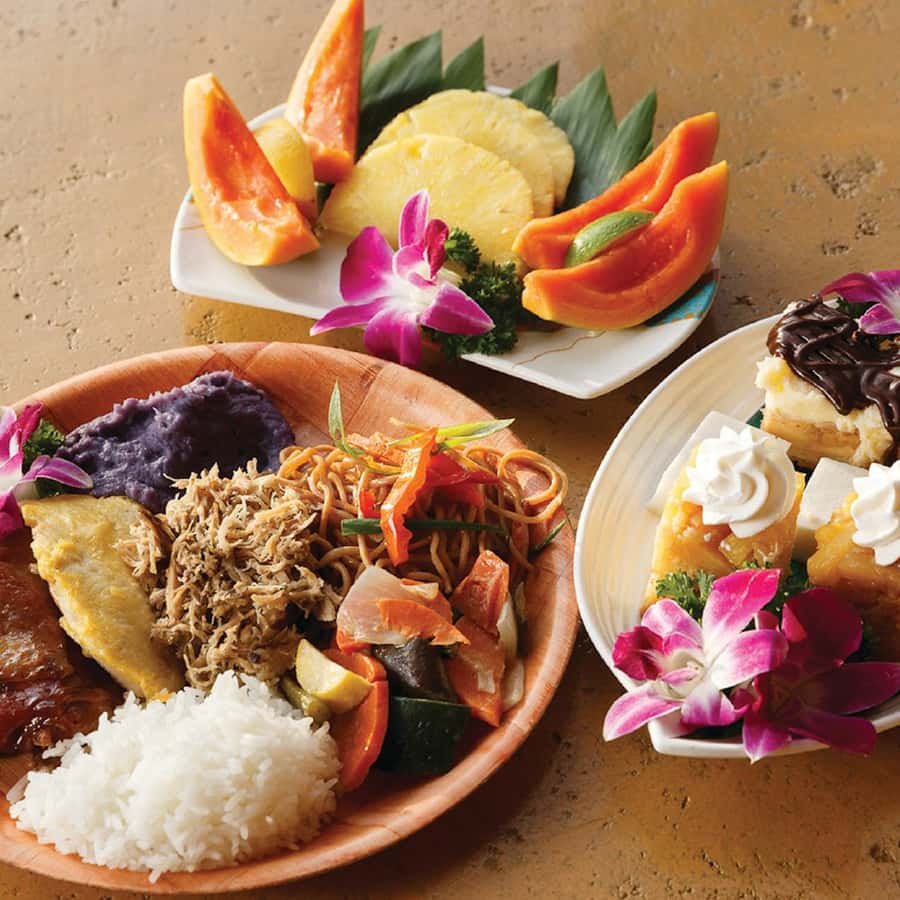
Where the Land Sets the Table
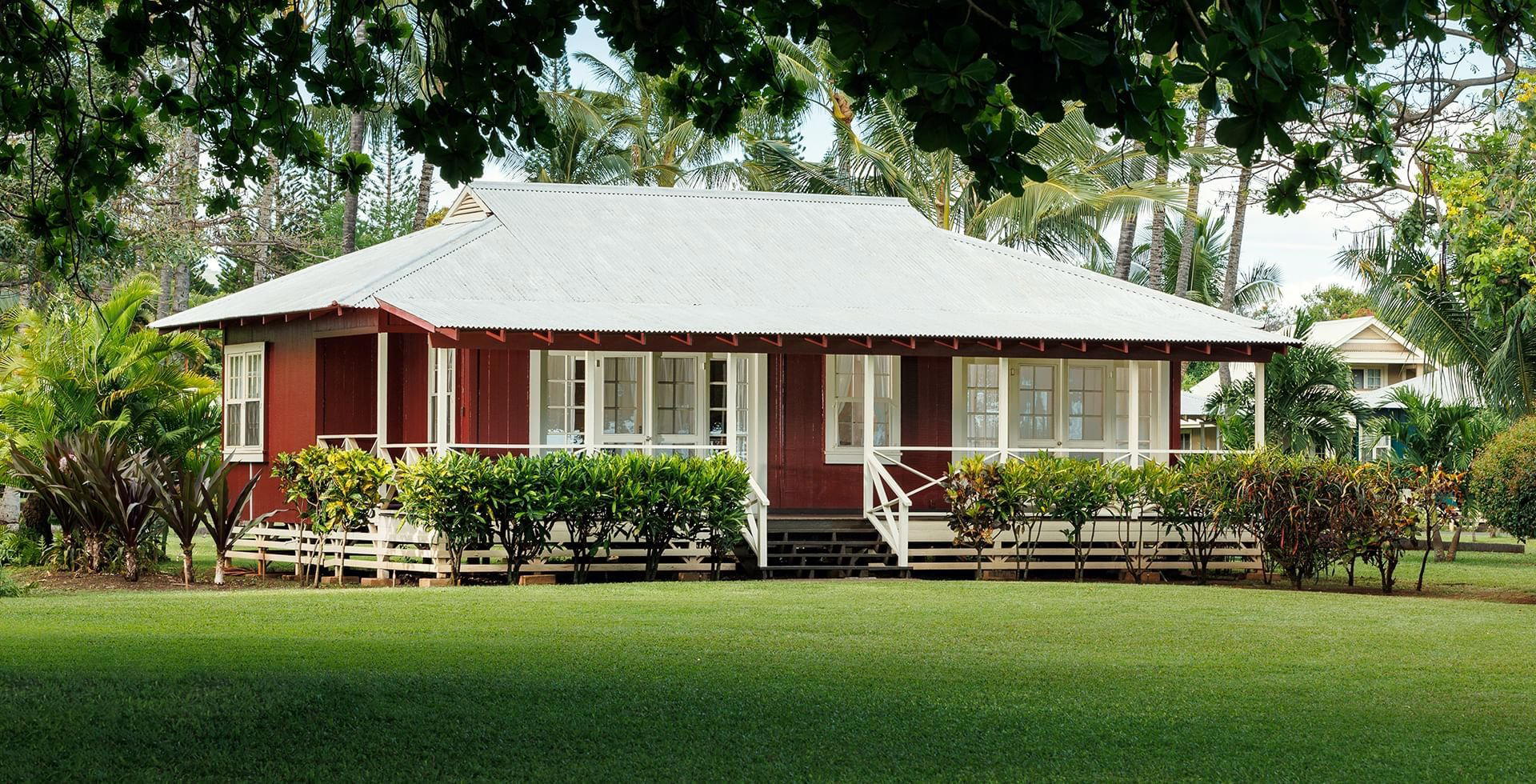
The approach to Luau Kalamaku tells you what kind of evening this will be before any food arrives. The venue sits on the grounds of Kilohana Plantation, a working estate on Kaumualii Highway in Lihue, and the plantation context is not decorative. Hawaii's luau tradition has always been rooted in land stewardship and communal harvest, and the Kilohana setting places that history in the foreground rather than treating it as backdrop. The sugar industry that shaped Kauai's economy and demographics for over a century was centered on estates exactly like this one, and eating here carries a layer of agricultural memory that resort luaus on the island's coast cannot replicate.
That physical context shapes the experience from arrival. Guests move through plantation grounds rather than a hotel ballroom or beachfront pad. The distinction matters for anyone who reads a luau as more than an entertainment package: the format here is organized around a coherent narrative of what grew on this land, who worked it, and what that history produced in terms of food culture.
Hawaiian Ingredient Culture and Why Provenance Matters
The Hawaiian luau is one of the few dining formats in the United States where ingredient sourcing is embedded in the ceremonial logic of the event, not added as a marketing layer. The imu, the underground oven in which kalua pig is slow-roasted, is the most direct expression of that: it uses the land itself as cooking apparatus, and the result cannot be replicated in a conventional kitchen. The technique predates Western contact and remains the anchor around which every serious luau is organized.
Kauai's agricultural profile makes island-sourced ingredients more accessible here than on more urbanized Hawaiian islands. The island retains working taro farms, and poi, made from cooked and pounded taro corm, connects the meal to a crop that Hawaiians consider genealogically significant, not simply nutritionally useful. The taro plant, or kalo, sits at the center of Hawaiian creation tradition, which means that serving poi at a luau is not a culinary choice in the narrow sense but a cultural one with deep roots. The degree to which any given luau engages authentically with that tradition, rather than presenting poi as a curiosity item alongside generic buffet food, is a reasonable test of the format's seriousness.
This framing places Luau Kalamaku in a different conversation from the large-scale resort luaus that dominate Kauai's west and south shores. Those events are often engineered for maximum throughput and spectacle, with headcount in the hundreds and entertainment as the primary draw. The Kilohana Plantation setting does not lend itself to that model. The estate's scale and character set a ceiling on capacity and a floor on contextual coherence that changes what the evening feels like.
Lihue's Position in Kauai's Dining Scene
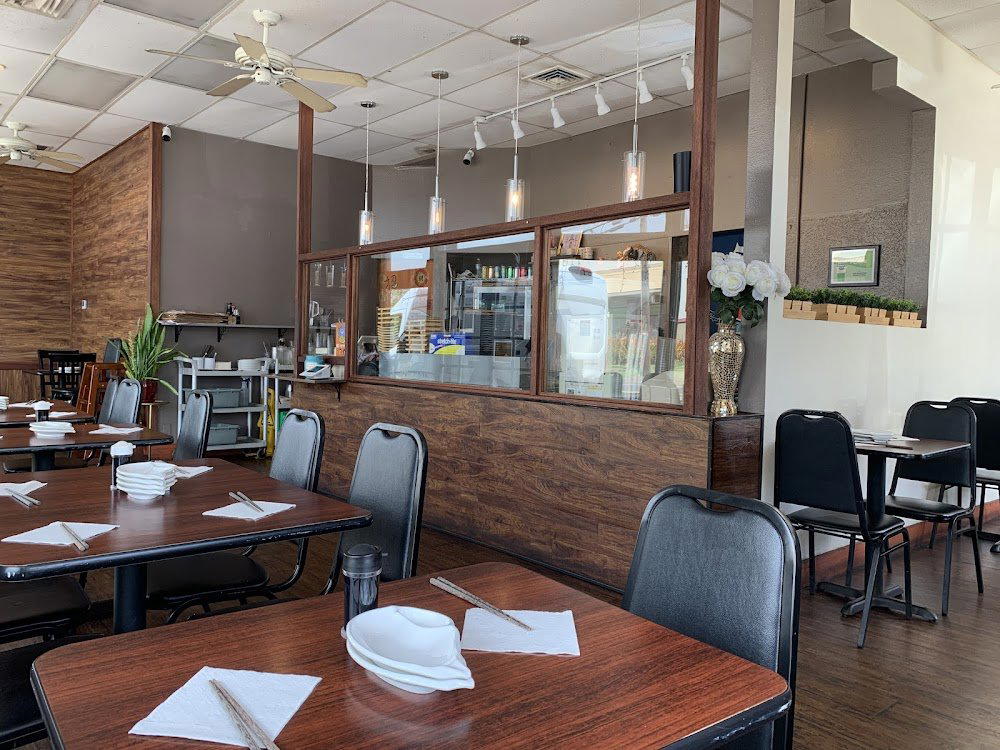
Lihue is Kauai's administrative center rather than its resort hub, and its dining scene reflects that: more practically oriented, less oriented toward premium tourist spend. The restaurants that anchor the town tend toward accessible formats. ALISA Sushi & Thai Bistro and Garden Island BBQ & Chinese Restaurant serve the everyday needs of residents and visitors who are not chasing a curated experience. Cafe Portofino and Gaylord's Restaurant step up in ambition, with Gaylord's also operating within a plantation estate and occupying a comparable historical register. Duke's Kauai handles the beach-casual bracket with significant volume.
Luau Kalamaku sits outside that everyday frame. It is an event format rather than a restaurant, which means it competes less with Lihue's dining options and more with the island's other luau products. In that comparison, the plantation provenance and the estate's documented history give it a grounding that purpose-built luau venues lack. For a broader sense of how it fits into Lihue's overall food scene, our full Lihue restaurants guide maps the range across price points and formats.
For readers who use farm-to-table sourcing as a benchmark, the relevant comparison set at the national level runs from Blue Hill at Stone Barns in Tarrytown and Single Thread Farm in Healdsburg, where the agricultural estate functions as the explicit organizing logic of the meal, to The French Laundry in Napa and Providence in Los Angeles, where sourcing discipline is expressed through menu construction rather than physical context. Luau Kalamaku operates on different terms from all of these, but the underlying question, whether the land the venue sits on is legible in what ends up on the table, is the same one serious dining asks everywhere.
Other venues in that farm-and-territory conversation include Addison in San Diego, The Inn at Little Washington in Washington, Lazy Bear in San Francisco, Alinea in Chicago, Le Bernardin in New York City, Emeril's in New Orleans, Atomix in New York City, and 8 1/2 Otto e Mezzo Bombana in Hong Kong. Each operates in a different genre and geography, but each makes an argument that where food comes from is part of what makes it worth eating.
Planning the Visit
Luau Kalamaku is a ticketed event rather than a walk-in venue, and advance booking is the standard approach for this category on Kauai. The estate address is 3-2087 Kaumualii Highway, Lihue, placing it a short drive from Lihue Airport and accessible from most parts of the island without a long transit. Because the format is event-based, timing is fixed rather than flexible: this is not an evening where you can arrive at your own pace and linger at the bar before sitting down. The structure of the luau, from imu ceremony to entertainment to the feast itself, runs on a schedule, which rewards arriving on time rather than on island time.
Families with children are a standard part of the luau audience across Hawaii, and the format here is calibrated for mixed-age groups. The entertainment program and the communal feast structure are both accessible to younger guests, and the plantation grounds provide physical space that works better for children than a tight indoor dining room would. That said, the evening runs long enough that parents should factor in the pacing when deciding whether to bring very young children.
Frequently asked questions
Is Luau Kalamaku okay with children?
Luau Kalamaku is held on the grounds of Kilohana Plantation in Lihue, and the format, outdoor ceremony, communal dining, live performance, suits families with children well. The event structure is communal rather than formal, so younger guests fit naturally into the setting. Advance tickets are required, so book ahead regardless of group composition.
Is Luau Kalamaku better for a quiet night or a lively one?
This is a production event, not a quiet dinner. Luau Kalamaku is built around live performance, ceremony, and group dining on the Kilohana Plantation estate in Lihue, which means the atmosphere runs toward the festive end of the spectrum. Guests looking for an intimate or low-key evening should consider a different format on Kauai.
How does Luau Kalamaku at Kilohana Plantation differ from hotel luaus on Kauai?
Most hotel luaus on Kauai are staged on resort properties with no direct connection to agricultural land. Luau Kalamaku takes place on the grounds of Kilohana Plantation in Lihue, a functioning estate where the surrounding land actively informs the sourcing logic and ceremonial framing of the event. That provenance gives the setting a different register than a poolside production, even when the performance elements overlap.
What dish is Luau Kalamaku famous for?
The Hawaiian luau format traditionally centers on kalua pig, slow-cooked in an underground imu oven, a method embedded in the ceremonial logic of the event itself. Luau Kalamaku operates within this tradition at Kilohana Plantation in Lihue, where the preparation method is part of the cultural presentation rather than just a menu choice.
Where exactly is Luau Kalamaku?
Luau Kalamaku is located at 3-2087 Kaumualii Hwy, Lihue, HI 96766, Lihue.
Can I walk in to Luau Kalamaku?
No. Luau Kalamaku is a ticketed event, and advance booking is standard practice for this category across Kauai. The Kilohana Plantation address is 3-2087 Kaumualii Hwy, Lihue, HI 96766, but showing up without a reservation is not a viable option on event nights.
What's the signature at Luau Kalamaku?
The defining feature is the integration of the event into the Kilohana Plantation estate in Lihue, a working agricultural property that frames the luau as something connected to the land rather than a hotel ballroom production. The imu ceremony and the estate setting together constitute the signature, more than any single dish.
Comparable Spots, Quickly
| Venue | Cuisine | Price |
|---|---|---|
| Luau KalamakuThis venue (the venue you are viewing) | Traditional Hawaiian Luau | $100–150 |
| ALISA Sushi & Thai Bistro | Thai-Sushi Fusion | $20–30 |
| Duke's Kauai | Hawaiian Regional Seafood & Steakhouse | $30–50 |
| Garden Island BBQ & Chinese Restaurant | Authentic Cantonese Chinese & BBQ | $10–20 |
| Gaylord's Restaurant | Hawaii Regional Cuisine | $30–50 |
| Cafe Portofino | Authentic Northern Italian with Fresh Seafood | $30–50 |
Continue exploring
More in Lihue
Details
- Scenic
- Lively
- Energetic
- Celebration
- Family
- Special Occasion
- Group Dining
- Live Music
- Historic Building
- Craft Cocktails
- Local Sourcing
- Garden
- Buffet
- Vegetarian Friendly
- Allergy Accommodating
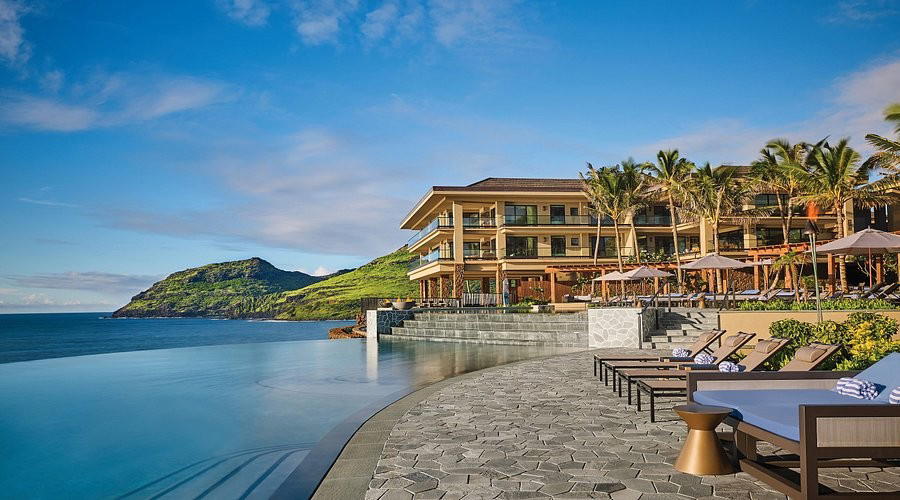
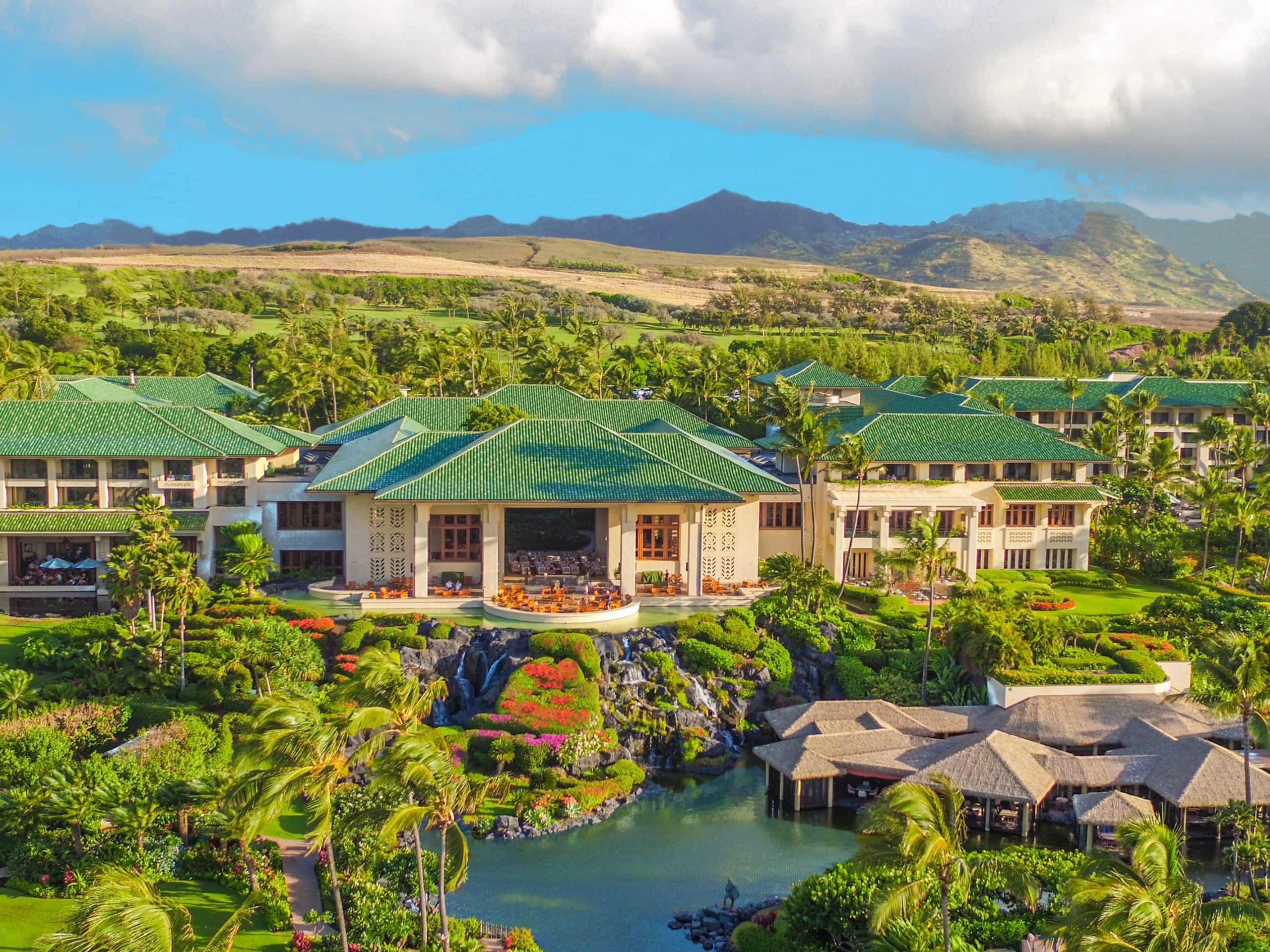
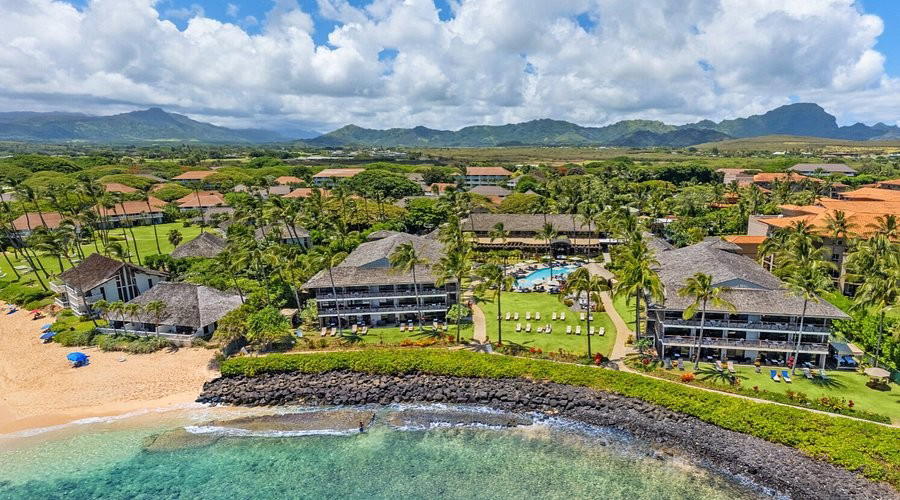
Open-air pavilion under the stars with torch lighting, live music, and a festive atmosphere blending cultural performances and communal dining.