The Plantation House by Gaylords
Gaylord's Restaurant occupies a historic plantation estate on Kauai's south shore, placing it in a different register from Lihue's casual beachside options. The setting, a 1930s plantation manor with open-air courtyard dining, does much of the contextual work before a dish arrives. For travelers moving through the island's main hub, it represents one architecturally distinctive dining address in the area.
Pearl is the En Primeur Club membership app — saves, bookings, and concierge access live there. Same editors, same standards.
- Address
- 3-2087 Kaumualii Hwy, Lihue, HI 96766
- Phone
- +18082459593
- Website
- kilohanakauai.com
- Directions
- Get directions
 Saves & bookings on Pearl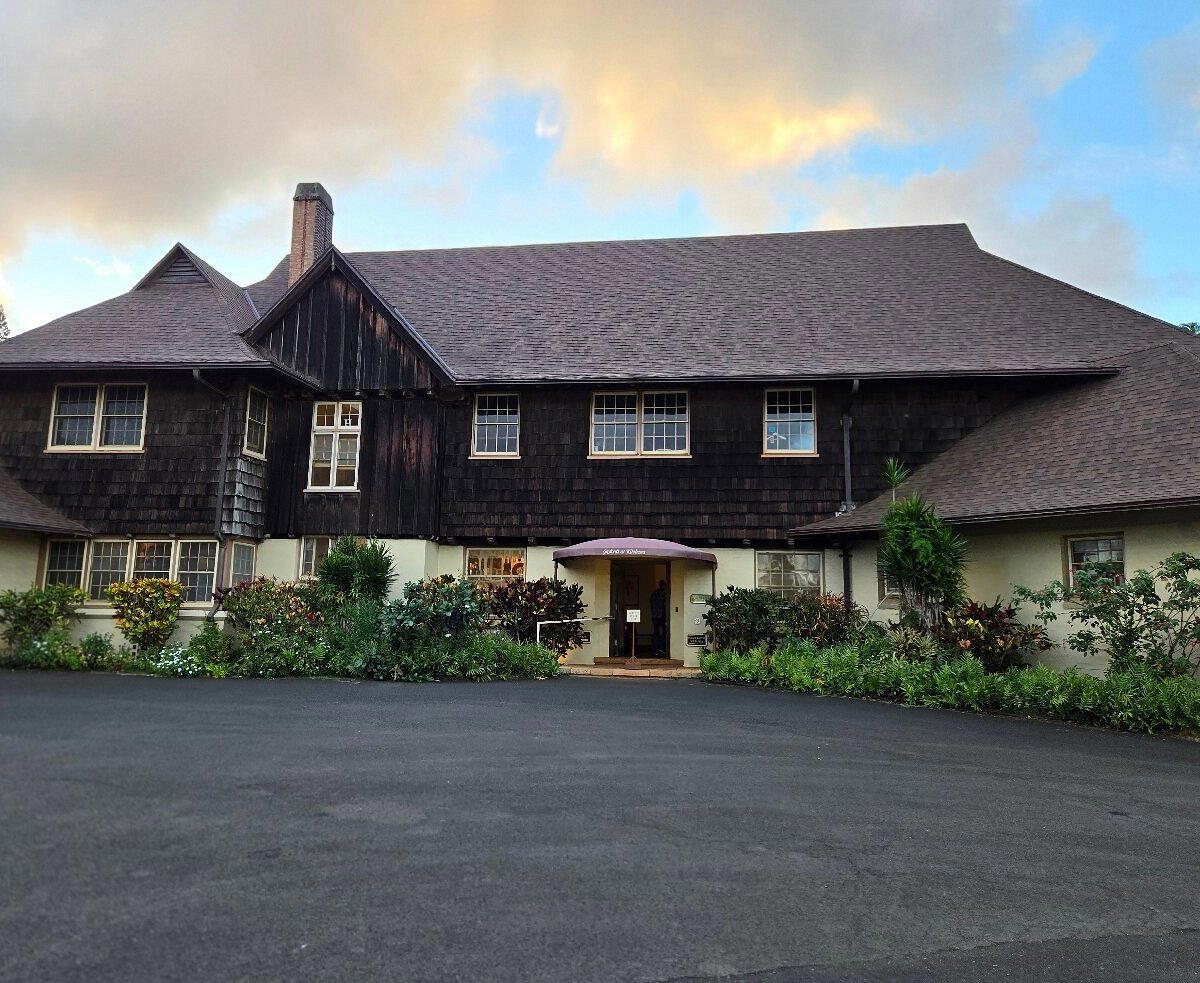
A Plantation Estate in Lihue's Dining Scene
Lihue sits at Kauai's administrative and geographic center, and it serves as a practical stop for travelers moving between the airport and the island's other districts. The town's dining options tend toward the functional: local plate lunch counters, strip-mall sushi, and oceanfront bars aimed at resort guests passing through. Against that backdrop, a 1930s sugarcane plantation manor repurposed as a full-service restaurant represents something structurally different from the rest of the block. Gaylord's Restaurant operates out of Kilohana Plantation, a preserved estate on Kaumualii Highway, and the approach to the dining room sets the tone before you sit down.
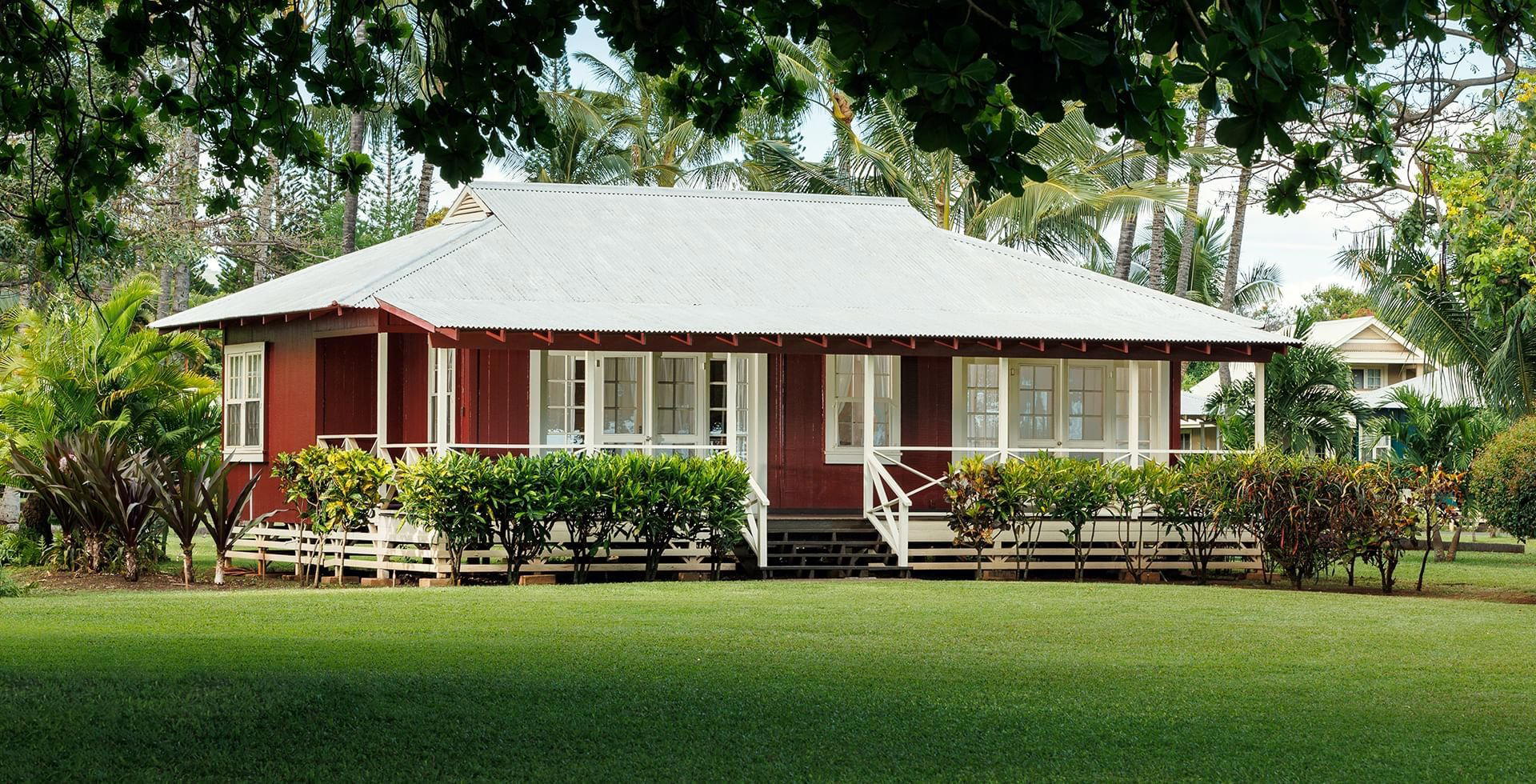
Hawaii's plantation era left a complicated architectural legacy. The manor houses built for sugar company executives in the early twentieth century were designed to project permanence and colonial ease, with wide verandas, pitched roofs, and grounds scaled for leisure rather than efficiency. Kilohana's main house, built in 1935, belongs to that typology. Dining within it places the meal inside a specific historical frame that the island's beach resort properties, however polished, cannot replicate. That distinction matters to travelers who want their Kauai meal anchored in history.
Where Gaylord's Sits Relative to Lihue's Other Tables
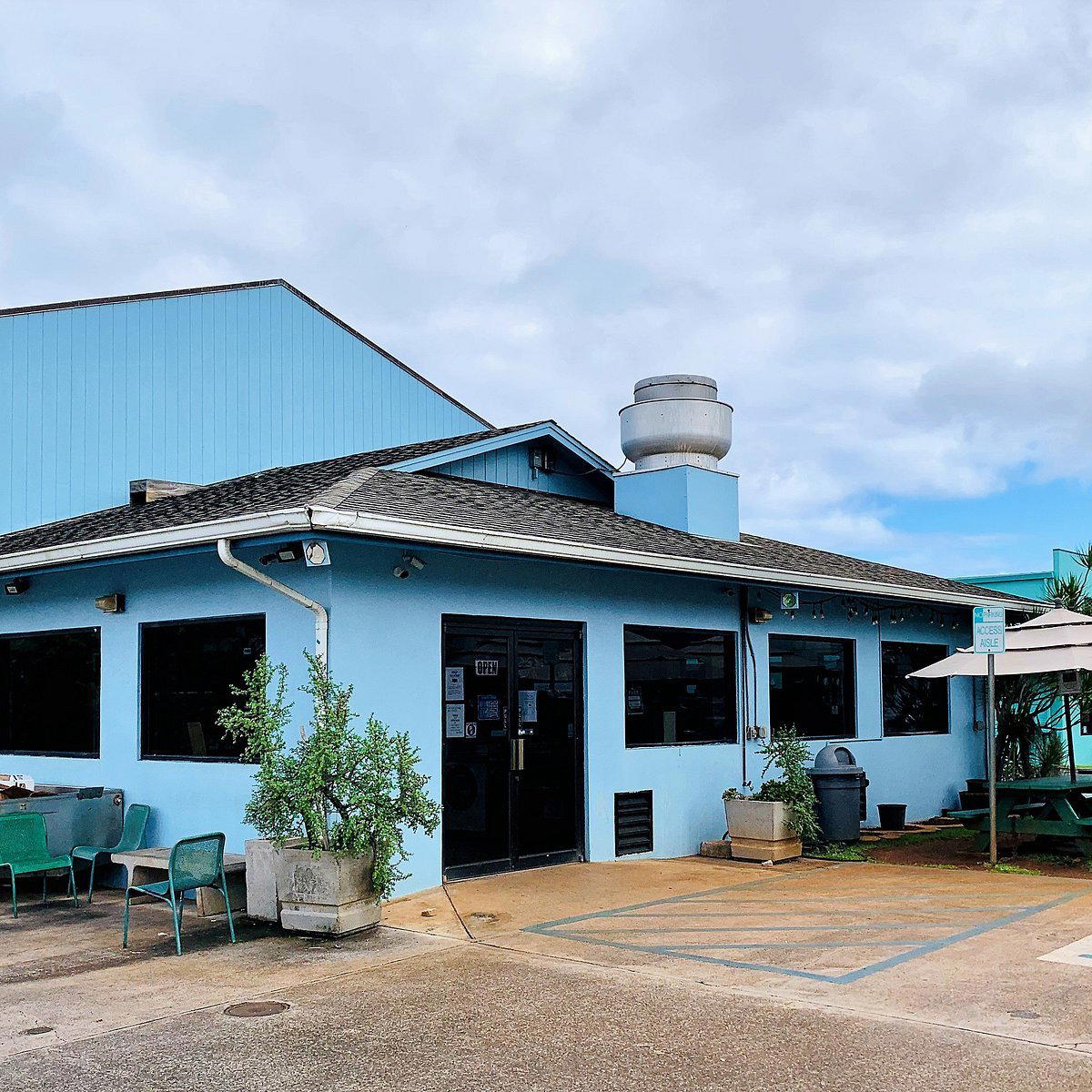
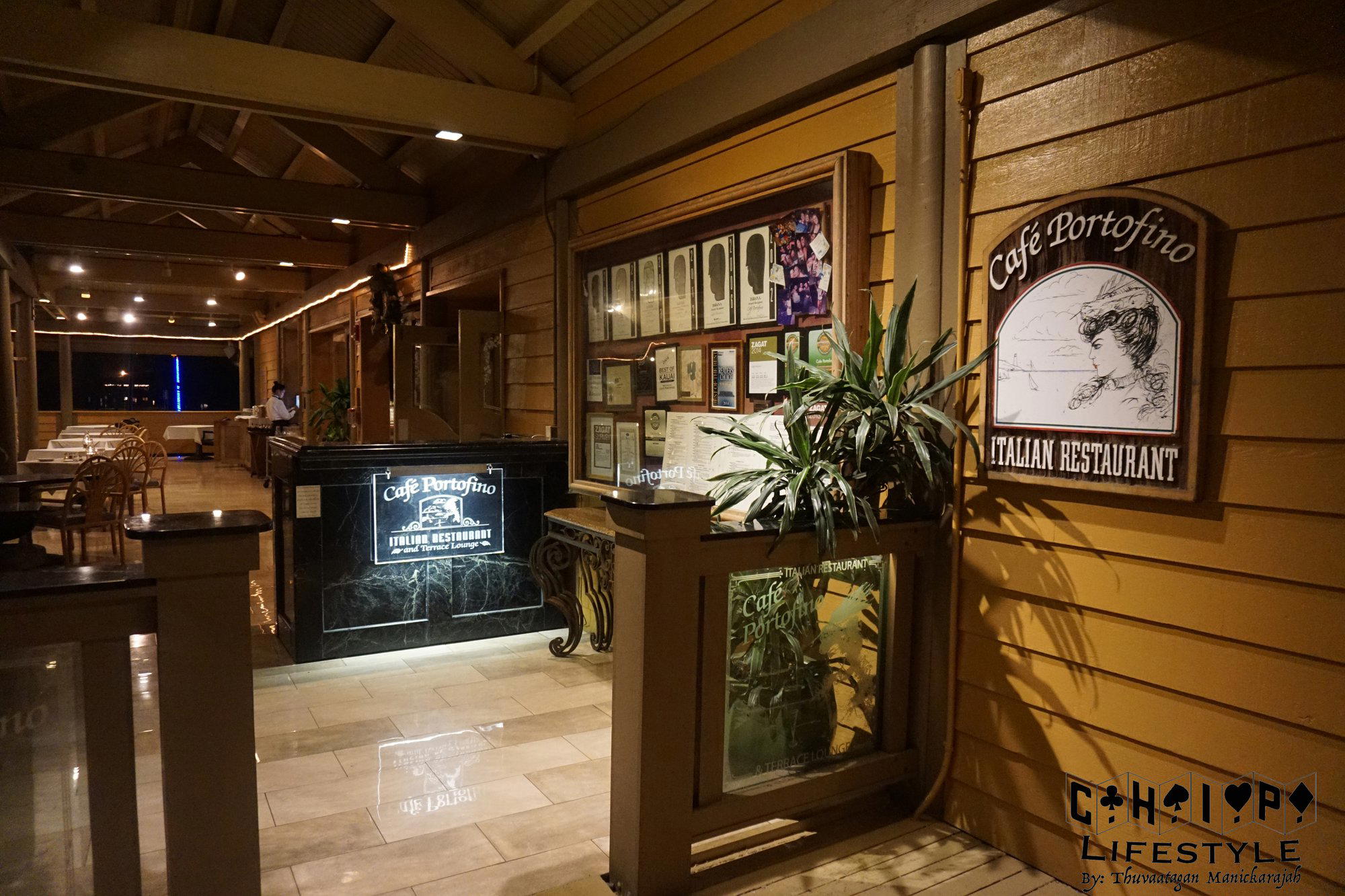
Lihue's dining scene is smaller and more local-facing than the resort corridors of Poipu or the North Shore. Hamura Saimin operates as a beloved counter institution, drawing regulars for its long-standing noodle format rather than any dining-room ambition. Duke's Kauai occupies the Marriott's waterfront position, trading on beachside access and a well-known brand. Cafe Portofino and ALISA Sushi & Thai Bistro fill the mid-range international slot, while Garden Island BBQ & Chinese Restaurant anchors the local casual end. None of these venues compete on setting in the way Gaylord's does. The plantation courtyard format positions it as the area's ceremony-grade address, the place locals book for anniversaries and visitors choose when they want a meal that reads as an occasion.
That positioning has a practical consequence: Gaylord's appeals to a broader table-type mix than most restaurants at a comparable formality level. Wedding parties, multi-generational family groups, and solo travelers seeking a slower, more atmospheric lunch all coexist here in a way that a tighter tasting-menu format would prevent. The open-air courtyard, a key feature of the estate's physical layout, distributes the room's energy differently than an enclosed dining room would. Sound travels out rather than amplifying, which makes conversation at a large table more comfortable than in many comparable settings.
The Plantation Setting as a Culinary Frame
Dining in a preserved agricultural estate creates an implicit conversation with Hawaii's food history that a purpose-built restaurant cannot manufacture. The sugarcane economy that funded estates like Kilohana also drove the labor migration that shaped Hawaii's multicultural cuisine: Japanese, Filipino, Korean, Chinese, and Portuguese communities arrived as plantation workers and left permanent marks on what the islands eat. Whether a restaurant in such a space engages that history directly through its menu or takes a lighter island approach is a meaningful editorial distinction.
Across the broader American fine-casual category, compelling estate dining experiences, from Blue Hill at Stone Barns in Tarrytown to Single Thread Farm in Healdsburg, use the agricultural provenance of their sites as a direct curatorial argument: the land informs the plate. Hawaii's own estate properties have occasionally attempted something similar, with varying degrees of commitment. The question for any visitor to Gaylord's is how closely the menu tracks the setting's historical and agricultural weight, versus how much the courtyard alone carries the experience.
For context on where Hawaii-rooted dining ambition can land nationally, venues like Providence in Los Angeles, Le Bernardin in New York City, and The French Laundry in Napa demonstrate what happens when provenance, produce, and culinary precision align. Gaylord's operates in a different register entirely, island casual with refined framing rather than destination fine dining, but the comparison is useful for calibrating expectations before arrival.
Planning Your Visit
Kilohana Plantation sits on Kaumualii Highway between Lihue and Puhi, a short drive from Lihue Airport and from the main town center. For visitors arriving on Kauai and pausing before heading north to Hanalei or south to Poipu, the estate's highway position makes it a logical stopping point rather than a detour. The plantation grounds include additional attractions beyond the restaurant, which means the visit can expand into a broader estate experience depending on how much time is available.
Lunch typically draws a lighter crowd than dinner and allows better use of the outdoor courtyard during daylight hours, when the estate's gardens and architectural details are most readable. Dinner shifts the atmosphere toward candlelit occasion dining, which is the format most visitors associate with the address. For larger groups or travelers with specific dietary requirements, contacting the restaurant directly in advance rather than relying on walk-in availability is advisable, particularly during peak visitor season between December and April and again in summer. The full Lihue restaurants guide covers the broader area context for those planning multiple meals across a stay.
Restaurants at comparable atmospheric registers elsewhere in the United States, including Emeril's in New Orleans, Lazy Bear in San Francisco, Smyth in Chicago, Addison in San Diego, The Inn at Little Washington, Atomix in New York City, and Atelier Moessmer Norbert Niederkofler in Brunico, also carry institutional weight. Gaylord's operates without that kind of national booking pressure, which makes walk-in and same-week access more realistic, though holiday periods and wedding weekends are exceptions worth checking.
The Minimal Set
Comparable venues nearby, for context on price, style, and recognition.
| Venue | Cuisine | Price | Notes |
|---|---|---|---|
| Gaylord's RestaurantThis venue — the venue you are viewing | Lihue, Hawaii Regional Cuisine | $$$ | Not listed |
| Naupaka Terrace | Lihue, Polished Hawaiian Regional | $$$ | Not listed |
| Duke's Kauai | Not listed | $$$ | Lihue, Hawaiian Regional Seafood & Steakhouse |
| Hualani's | Not listed | $$$$ | Lihue, Hawaii Regional Farm-to-Table Seafood |
| The Royal Lanai | Not listed | $$$ | Kalapaki, Japanese with Local Island Flair |
| Konohiki Seafoods | Lihue, Hawaiian Poke & Seafood Takeout | $$ | Not listed |
At a Glance
- Scenic
- Elegant
- Classic
- Special Occasion
- Brunch
- Historic Building
- Waterfront
- Open Kitchen
- Farm To Table
- Local Sourcing
- Garden
- Mountain
Current opening hours
- Monday
- 11 AM–8 PM
- Tuesday
- 11 AM–8 PM
- Wednesday
- 11 AM–8 PM
- Thursday
- 11 AM–8 PM
- Friday
- 11 AM–8 PM
- Saturday
- 11 AM–8 PM
- Sunday
- Closed
Hours can change for holidays and private events. Last verified .
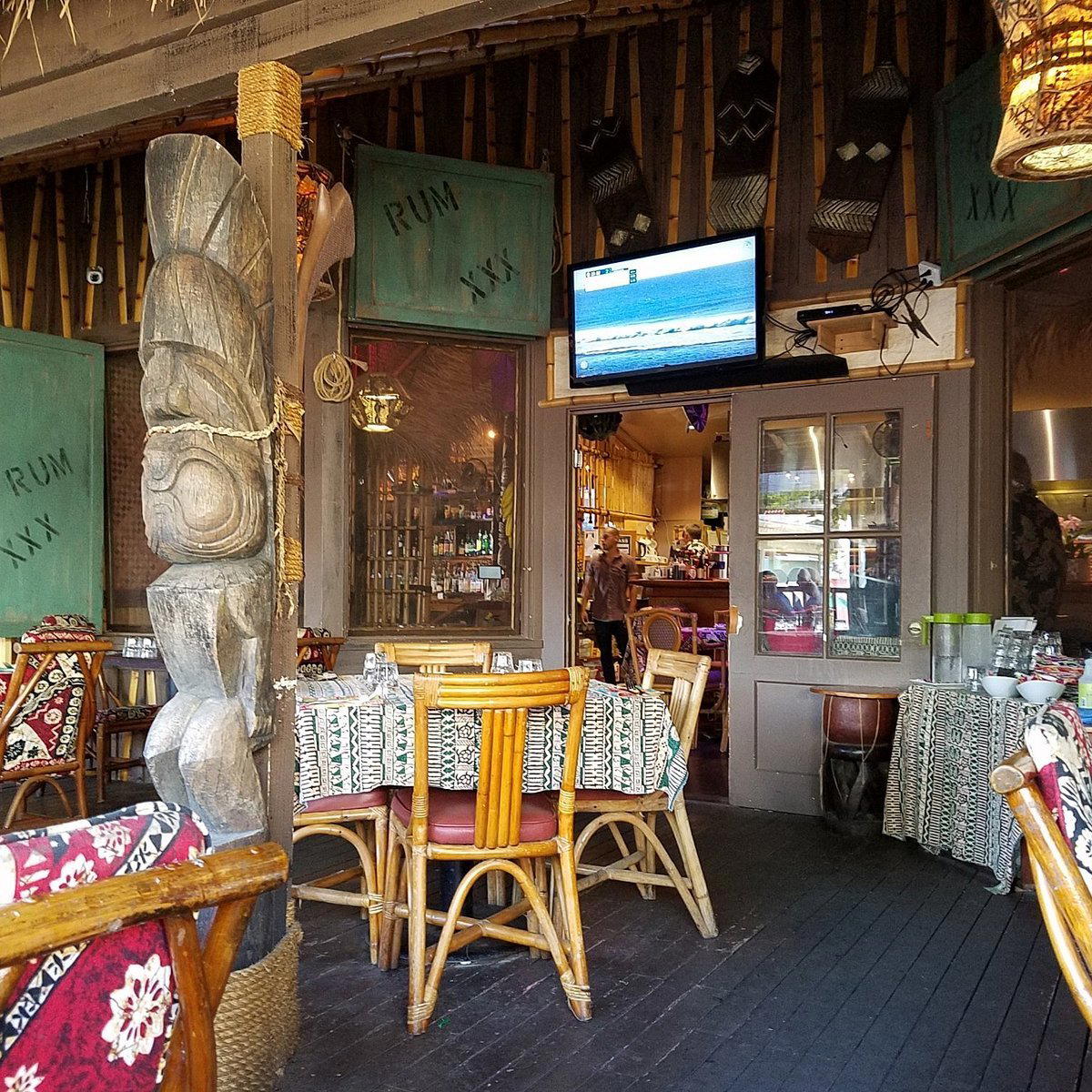
Open-air courtyard setting with beautiful plantation views, offering an enchanting and elegant atmosphere.