On a quiet residential street in central Metz, L'Épicurien occupies a position characteristic of the city's mid-tier dining scene: neither the theatrical ambition of its creative peers nor the casual simplicity of neighbourhood bistros. The address on Rue Vigne Saint-Avold places it squarely in the fabric of a city whose food culture has historically punched below its architectural weight, making it a telling measure of where Metz dining stands today.
Pearl is the En Primeur Club membership app — saves, bookings, and concierge access live there. Same editors, same standards.
- Address
- 33 Rue Vigne Saint-Avold, 57000 Metz, France
- Phone
- +33387366911
- Website
- lepicurienmetz.fr
- Directions
- Get directions
 Saves & bookings on Pearl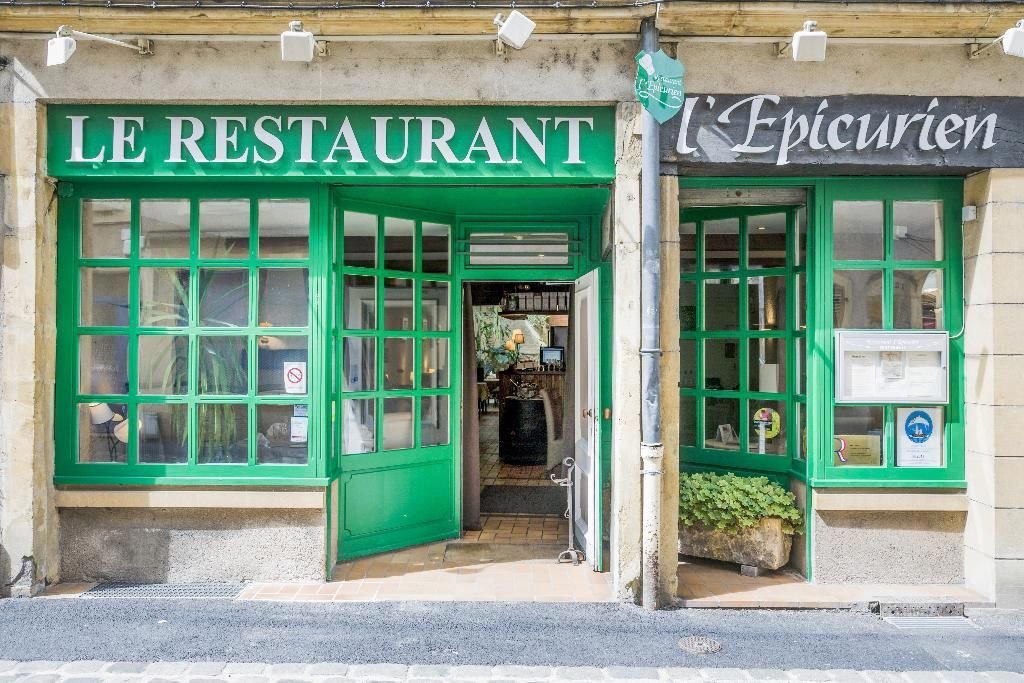
A Street, a City, and What French Provincial Dining Looks Like in Practice
Metz rarely appears in the same conversation as Lyon or Strasbourg when French regional dining comes up, and the omission is partly geographical, partly structural. The city sits in the Grand Est region, close enough to Luxembourg and Germany that its food culture has long absorbed influences from multiple directions. That cross-border layering shapes what restaurants here actually serve: the classically French foundation is present, but the northern European pragmatism around portions, pace, and value tends to moderate the more theatrical tendencies you find further south. L'Épicurien, a French Creative Bistro at 33 Rue Vigne Saint-Avold in Metz, sits within that dynamic. At about $37 per person, it offers an accessible middle-ground meal in the city.
The street itself is residential and undemonstrative, the kind of address that filters out casual foot traffic and means diners arrive with intent rather than impulse. In French provincial cities, this geography tends to correlate with a particular kind of establishment: one that depends on regulars and word-of-mouth rather than tourist positioning. Compare that to the more visible placements of Yozora, which operates at the creative and premium end of the Metz market at €€€€, or 83 Restaurant, which anchors the accessible Italian tier at €€. L'Épicurien's name, borrowed from the Epicurean philosophical tradition of measured pleasures, signals an intent to occupy the middle ground: quality-conscious without being austere, generous without being excessive.
Where L'Épicurien Sits in the Metz Dining Order
Metz's restaurant scene has a recognisable structure. At the leading, creative formats like Yozora and the modern cuisine of La Lanterne (€€€) serve a clientele willing to commit to a longer, more constructed meal. At the lower end, Bouillon Batignolles and Cantino serve the volume-driven, accessible tier. The middle band, where places like 2'Moiselles and the restaurant operate, is often the revealing of a city's actual dining culture because it has to deliver real cooking without the insurance of a tasting menu format or the simplicity of a single-concept offer.
The mid-tier in any French provincial city is where you find the tension between classical training and contemporary expectation most clearly. Diners at this level know what a proper sauce tastes like, know the difference between a kitchen that sources carefully and one that doesn't, and are less forgiving of shortcuts than the tourist-oriented segment tends to be. That pressure shapes kitchens and, over time, shapes the standard of a city's dining culture as a whole.
The Grand Est Culinary Tradition and What It Means Here
Alsace and Lorraine, the two historic regions that frame Metz's culinary identity, have produced some of France's most durable restaurant institutions. Auberge de l'Ill in Illhaeusern has held three Michelin stars since 1967, a record of continuity that reflects the region's deep attachment to classical French technique applied to local produce. Au Crocodile in Strasbourg occupies a similar position: a house with Michelin recognition that serves as a reference point for what serious northeastern French cooking looks like at its most sustained. Further afield, Assiette Champenoise in Reims represents the Champagne corridor's version of the same tradition, connecting the northern arc of French fine dining through a shared emphasis on product quality and classical construction.
The restaurant does not compete in that tier, but it operates within the same regional culinary logic: French technique as the foundation, local and seasonal product as the argument. In Lorraine, that means access to produce from the Moselle valley, proximity to the Meuse, and a cheese and charcuterie culture that runs deeper than most visitors realise. For comparison, consider the national range of ambition that places like Mirazur in Menton, Bras in Laguiole, Troisgros in Ouches, and Flocons de Sel in Megève represent at the summit of French regional cooking. The restaurant does not sit in that conversation, but it exists within the same national tradition of place-rooted French cuisine, operating at the neighbourhood scale that actually sustains that tradition across the country.
Planning a Visit: What to Know Before You Go
The restaurant's address on Rue Vigne Saint-Avold is a short walk from central Metz, accessible on foot from the city's main hotel district and the Centre Pompidou-Metz, which draws a significant volume of culturally engaged visitors to the city throughout the year. That museum connection matters for context: Metz has invested heavily in cultural infrastructure, and restaurants at this level have benefited from the accompanying increase in informed visitors. Booking ahead is advisable, particularly on weekends and during the museum's major exhibition openings, when restaurant demand across the city concentrates. Booking ahead is advisable, particularly on weekends and during the museum's major exhibition openings, when restaurant demand across the city concentrates. For dietary requirements, direct contact with the venue before arrival is the sensible path in any French provincial setting where the kitchen may work with fixed or semi-fixed menus.
For those building a broader France itinerary around serious dining, the reference points extend well beyond the region. The restaurant remains a direct French Creative Bistro in central Metz, best approached for its regional cooking rather than destination dining. Alléno Paris au Pavillon Ledoyen and AM par Alexandre Mazzia in Marseille anchor the country's most contemporary fine dining conversation. Internationally, Paul Bocuse in Collonges-au-Mont-d'Or remains the historical reference for what French classical cooking institutionalised at the highest level. Across the Atlantic, Le Bernardin in New York and Atomix in New York show how French technique and precision-driven kitchen culture translate into different idioms entirely. The restaurant is not in those tiers, but understanding where it sits relative to them clarifies what the mid-tier French provincial experience is actually offering: consistency, locality, and the specific pleasure of cooking that doesn't need to perform.
The Quick Read
Comparable venues nearby, for context on price, style, and recognition.
| Venue | Cuisine | Price | Notes |
|---|---|---|---|
| L'ÉpicurienThis venue — the venue you are viewing | vieille ville, French Creative Bistro | $$ | Not listed |
| Gueuleton - Metz | Not listed | $$ | centre historique, French Grill & Wine Bar |
| Cantino | Ancienne Ville, Italian Trattoria | $$ | Not listed |
| La Station | centre, Modern French Tapas | $$ | Not listed |
| Terroirs de Lorraine | Gare, Lorraine Bistronomy | $$$ | Not listed |
| La Goulue | Not listed | $$$$ | Metz city center, Classic French Fine Dining |


At a Glance
- Cozy
- Intimate
- Elegant
- Date Night
- Family
- Special Occasion
- Historic Building
- Extensive Wine List
- Local Sourcing
Current opening hours
- Monday
- 12–1 PM, 7–8:30 PM
- Tuesday
- 12–1 PM
- Wednesday
- Closed
- Thursday
- 12–1 PM, 7–8:30 PM
- Friday
- 12–1 PM, 7–8:30 PM
- Saturday
- 7–8:30 PM
- Sunday
- 12–1:15 PM
Hours can change for holidays and private events. Last verified .
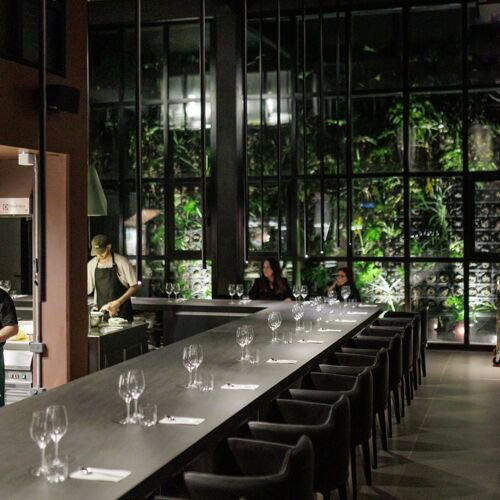
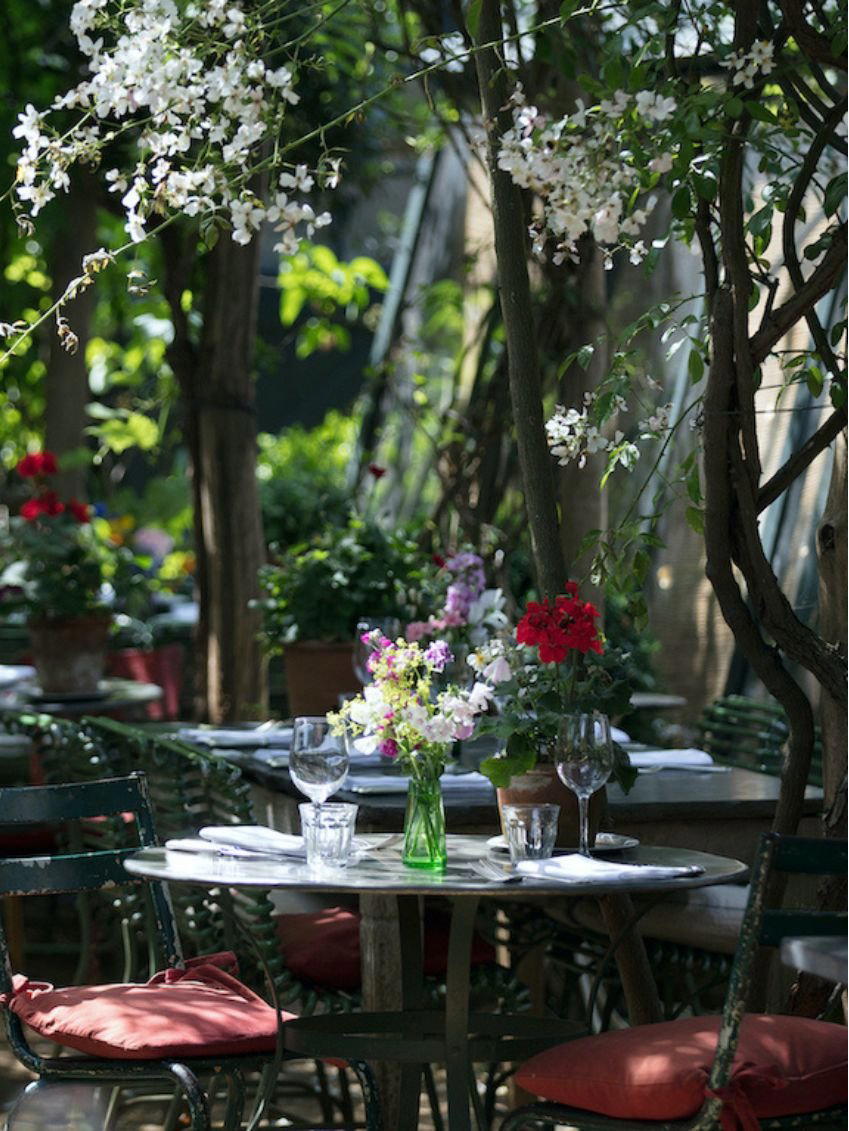
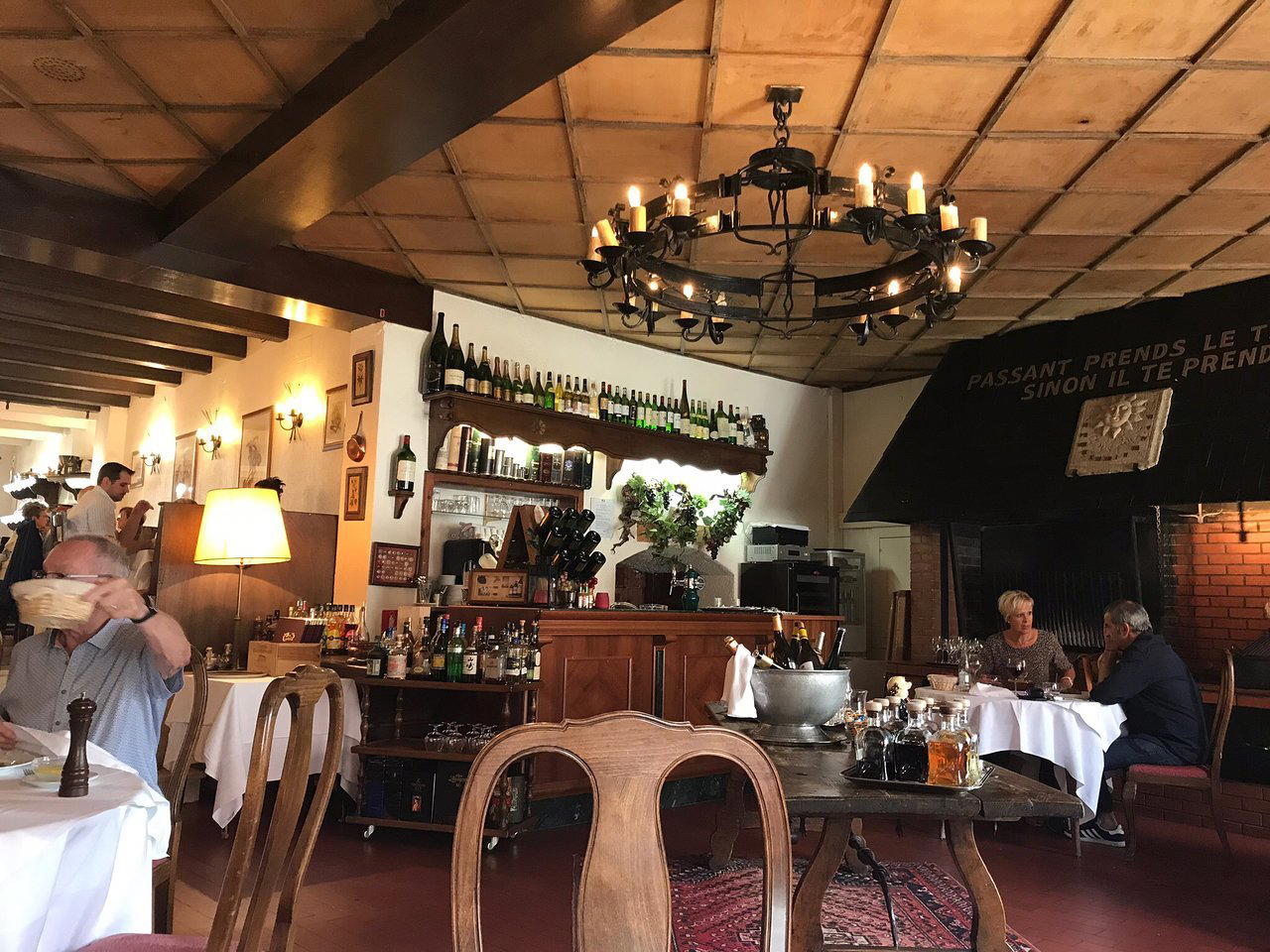
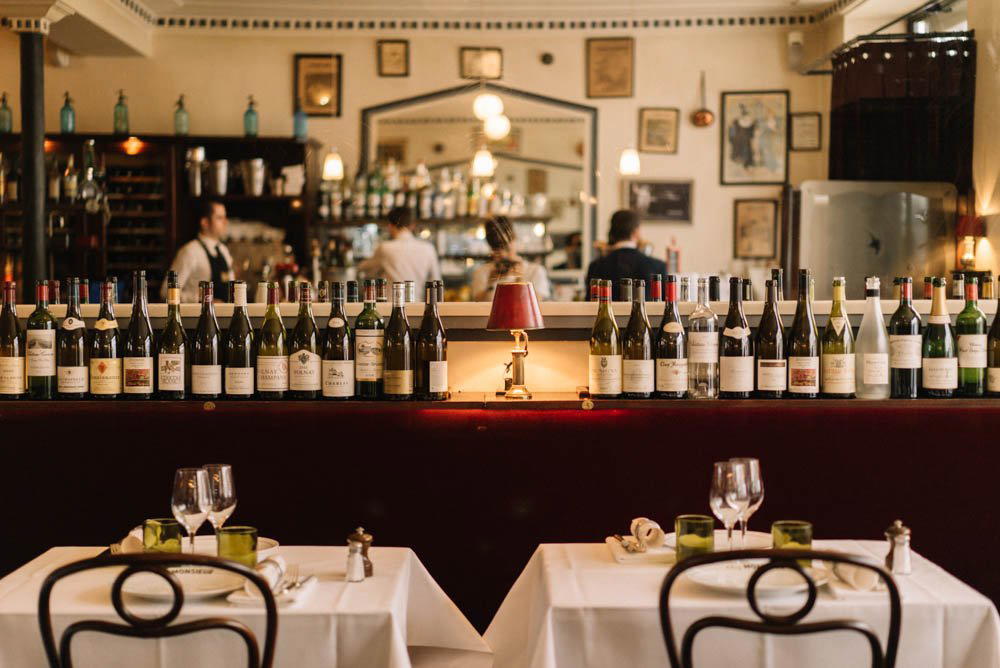
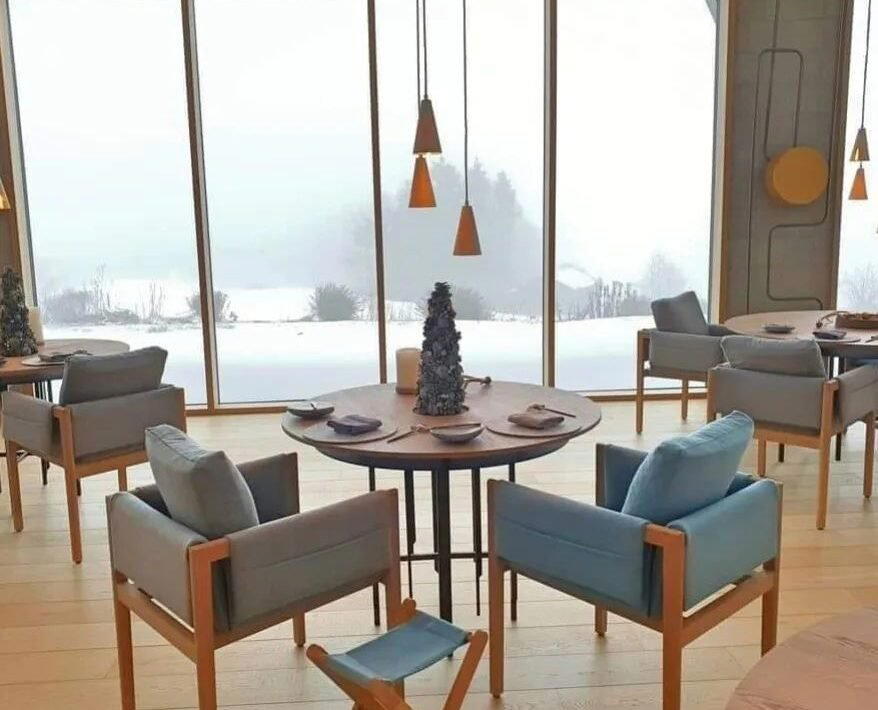
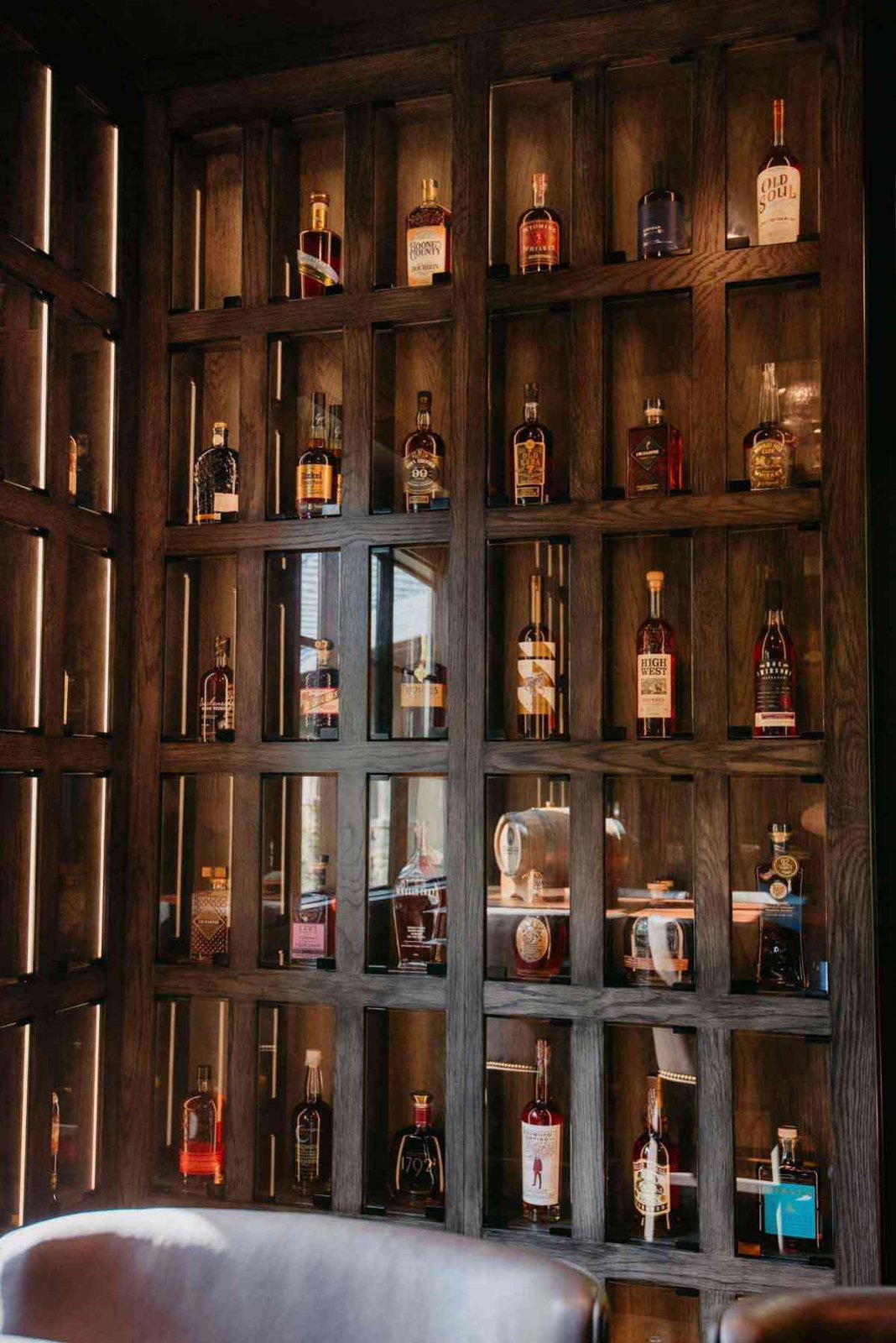
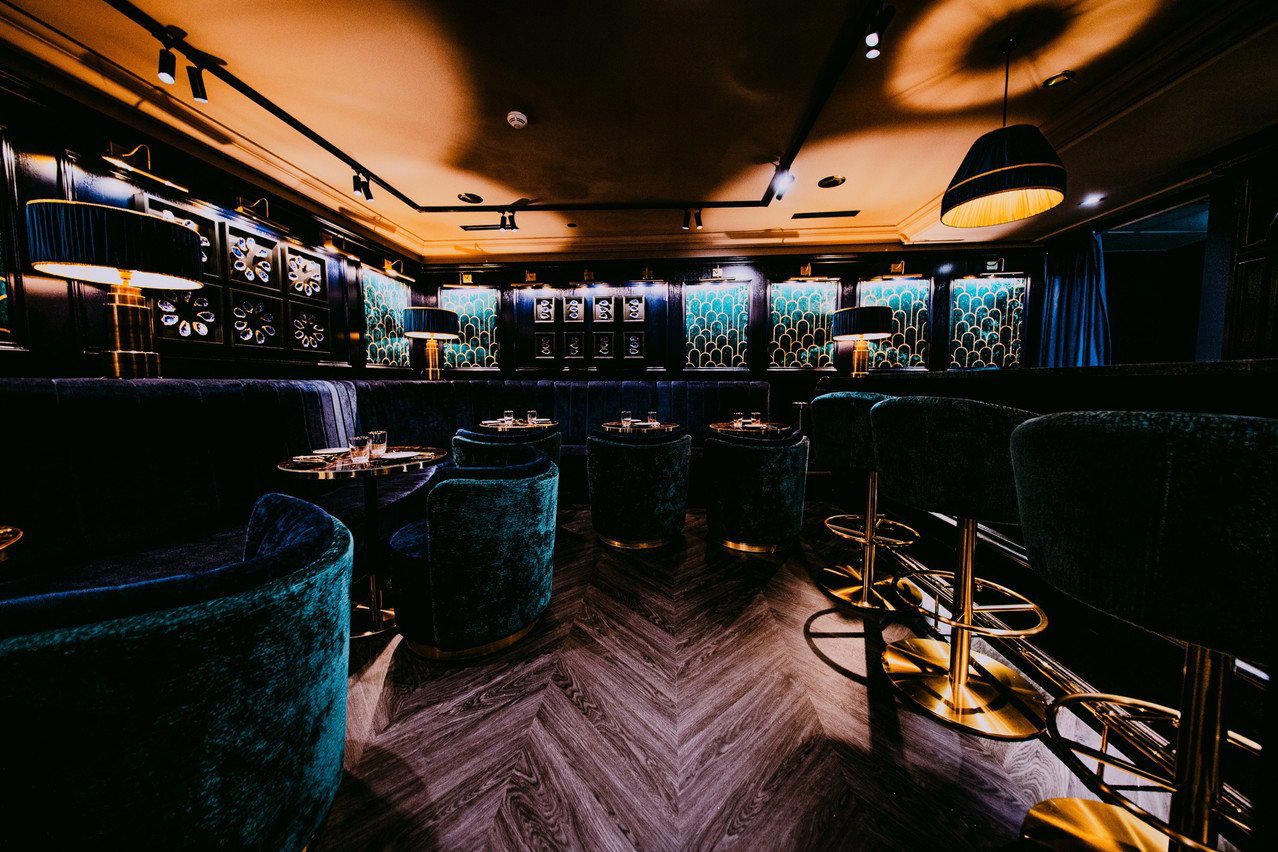
Cadre chaleureux et convivial avec cheminée, feu de bois, éclairage doux par puits de lumière, calme et cosy.