Gueuleton in Metz occupies a city where Lorraine's larder, Franco-German borderland produce, and a reviving restaurant scene converge. Located at 3 Rue de la Fontaine, it sits within a dining neighbourhood that rewards visitors who plan around seasonal availability. The address draws a local crowd alongside travellers passing through a city more visited since the Centre Pompidou-Metz opened in 2010.
Pearl is the En Primeur Club membership app — saves, bookings, and concierge access live there. Same editors, same standards.
- Address
- 3 Rue de la Fontaine, 57000 Metz, France
- Phone
- +33387742563
- Website
- gueuleton.fr
- Directions
- Get directions
 Saves & bookings on Pearl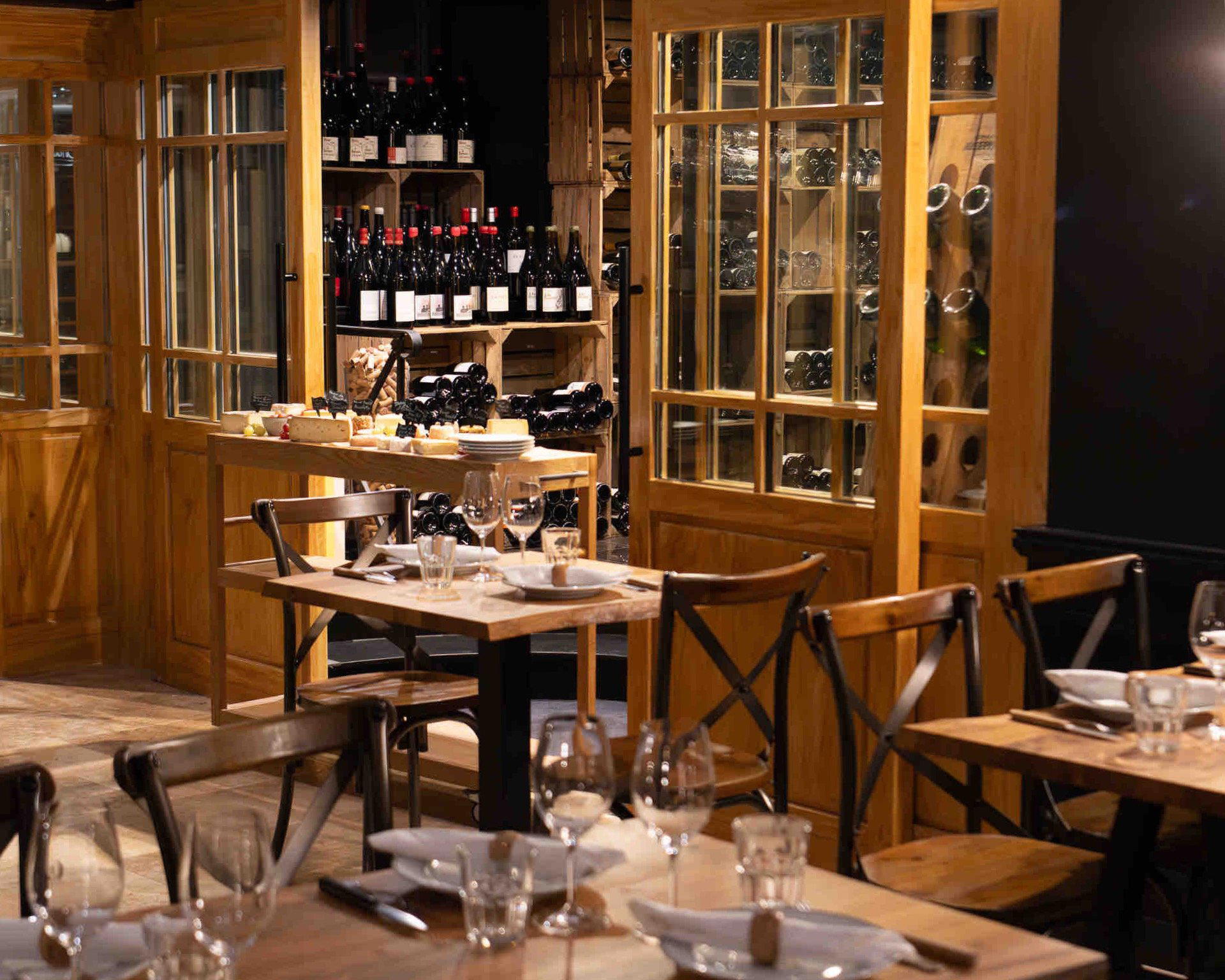
Where Lorraine's Produce Ends Up on the Plate
Metz sits at a geographic crossroads that shapes what its restaurants can credibly cook. The Moselle valley runs through the city, Lorraine's agricultural plains extend to the west and south, and the German border sits close enough that cross-border sourcing is logistically simple and culturally habitual. For a restaurant at 3 Rue de la Fontaine, that geography is not incidental: it shapes the ingredient logic behind a French Grill & Wine Bar in Metz.
In much of provincial France, the restaurants that age well are those anchored to a regional supply chain rather than imported prestige ingredients. Lorraine produces mirabelle plums, game from the Vosges foothills, river fish from the Moselle and its tributaries, and farmhouse cheeses that rarely travel far beyond the region. A kitchen that draws from that supply base is necessarily seasonal and necessarily local, not as a branding choice but as a matter of what is actually available week to week. Gueuleton at this address operates in that tradition as a French Grill & Wine Bar.
The Bistro Format and What It Demands
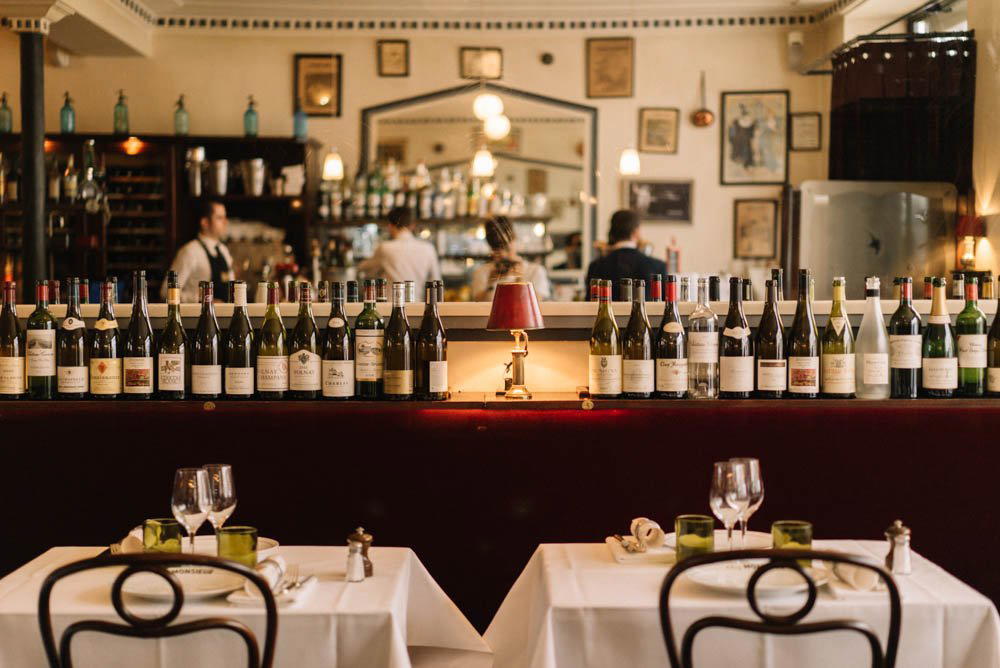
Across France, the word gueuleton carries specific weight. It implies a generous, convivial meal taken seriously, with cooking that does not apologize for appetite. The term belongs to a vernacular register that sits apart from tasting-menu culture and apart from tourist-facing brasserie formats. It signals a room where the food is the point and where regulars return because the sourcing is consistent, not because the room was designed to photograph well.
That format has become more visible in Metz over the past decade as the city's dining scene has diversified. A small tier of address-specific destinations now sits above the city's traditional brasseries, and Gueuleton at Rue de la Fontaine sits within that mid-tier, alongside contemporaries including 2'Moiselles and Cantino. For creative cooking pitched at the higher end of the city's range, Yozora represents a different register entirely.
Sourcing as Editorial, Not Marketing
In northeastern France, ingredient sourcing is less a philosophical position than a structural reality. The logistical density of small producers in Lorraine and Alsace means a kitchen with established supplier relationships can work with ingredients at a quality level that larger, more urban markets sometimes cannot match. River trout, wild mushrooms from the Vosges in autumn, Lorraine charcuterie from operations that have supplied local tables for generations: these are not romantic abstractions but specific product categories with identifiable seasonal windows.
The autumn and early winter period is when this sourcing logic becomes most visible on plates in the region. Game, fungi, root vegetables, and mirabelle-based preserves all come into season between October and December. By contrast, a summer visit aligns with the Moselle valley's lighter produce and the city's outdoor dining period.
Metz in Context: A City Gaining Traction
Metz has developed more dining credibility in the past fifteen years than its size might suggest. The Pompidou effect brought sustained cultural visitor numbers, and the city's position on the TGV network, roughly ninety minutes from Paris Est, makes it accessible for day or weekend trips. That connectivity has raised the baseline expectation for what restaurants in the city need to deliver to a mixed audience of locals, regional day-trippers, and visitors arriving specifically for the architecture and the museum.
Within that context, the restaurant tier that Gueuleton occupies, neighbourhood-anchored but serious about its sourcing, sits between the Bouillon Batignolles canteen format at one end and the more formally structured 83 Restaurant at another. For visitors comparing it with France's benchmark restaurants, ranging from Mirazur in Menton and Troisgros in Ouches to the Alsatian tradition represented by Auberge de l'Ill in Illhaeusern or Au Crocodile in Strasbourg, a Metz bistro of this type offers a lower-pressure register rather than a direct comparison point. The value proposition is different: access to a regional supply chain, a room that runs on repeat custom, and a moderate price point.
France's tradition of produce-first cooking at this scale has deep institutional roots, from Bras in Laguiole with its landscape-driven menu logic to Flocons de Sel in Megève with its mountain sourcing discipline. Those are high-formal examples of a principle that filters down through every tier of French restaurant culture. At bistro scale, the same principle produces a different kind of meal: less constructed, more direct, and dependent on whether the kitchen has the supplier relationships to back up the sourcing claim.
Planning a Visit to Rue de la Fontaine
The address at 3 Rue de la Fontaine places the restaurant within walking distance of the city's historic core, including the Saint-Étienne Cathedral and the Pompidou-Metz. For visitors arriving by train, Metz-Ville station is approximately fifteen to twenty minutes on foot from the cathedral quarter. Booking directly in advance is the practical approach, particularly for weekend evenings when the city's combined local and visitor demand on a small number of serious neighbourhood tables compresses availability. The restaurant does not list an official website or phone number in the public record at the time of writing, so current booking channels are best confirmed through the venue directly or via a local concierge.
For a broader view of where Gueuleton sits within the city's options, the EP Club Metz restaurants guide maps the full range by format and price tier. Visitors building a longer itinerary in the region might also consider the Grande Est corridor more broadly, where Assiette Champenoise in Reims anchors the champagne country end and Alsace's own restaurant density offers a full parallel itinerary to the east.
Peers You’d Cross-Shop
Comparable venues nearby, for context on price, style, and recognition.
| Venue | Cuisine | Price | Notes |
|---|---|---|---|
| Gueuleton - MetzThis venue — the venue you are viewing | French Grill & Wine Bar | $$ | Not listed |
| La Cantoche | French Contemporary Brasserie | $$ | central Metz |
| Les Pas Sages | French Bistro | $$ | centre-ville |
| La Fleure de Ly | Modern French Bistro with Local Products | $$$ | city center |
| 2'Moiselles | Seasonal French Bistronomy | $$$ | Outre-Seille |
| Kyôdaï Ramen | Authentic Japanese Ramen | $ | Centre Ville |


At a Glance
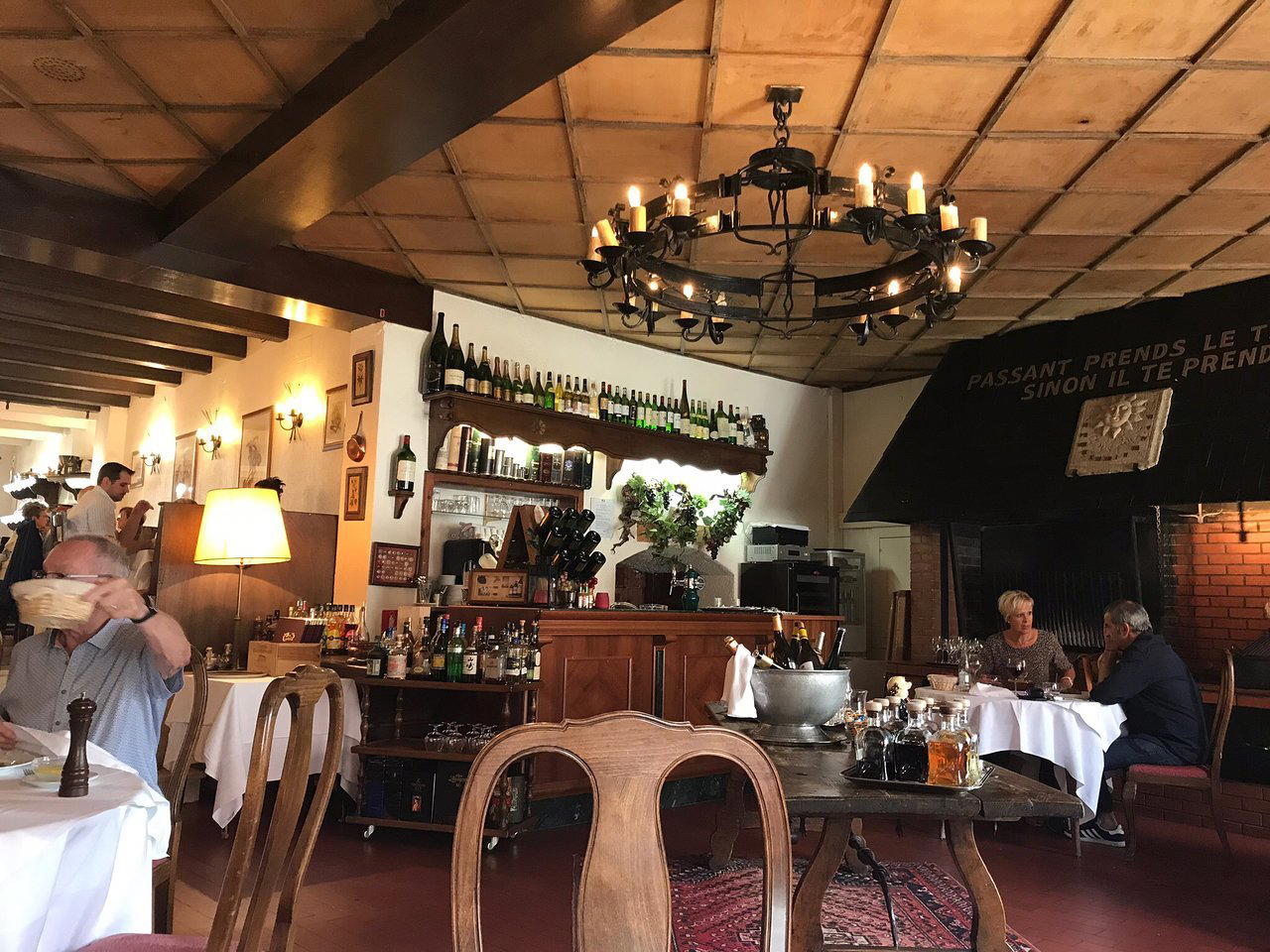
- Cozy
- Lively
- Rustic
- Group Dining
- Casual Hangout
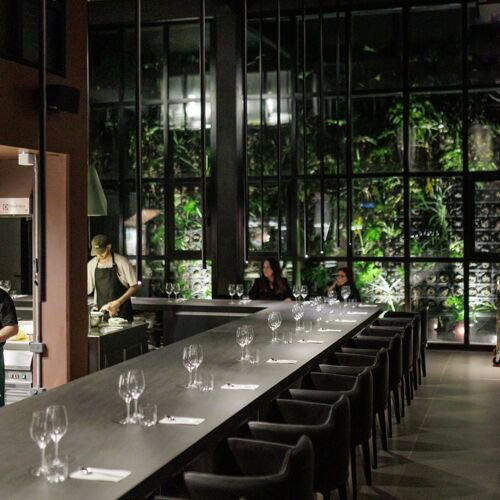
- Open Kitchen
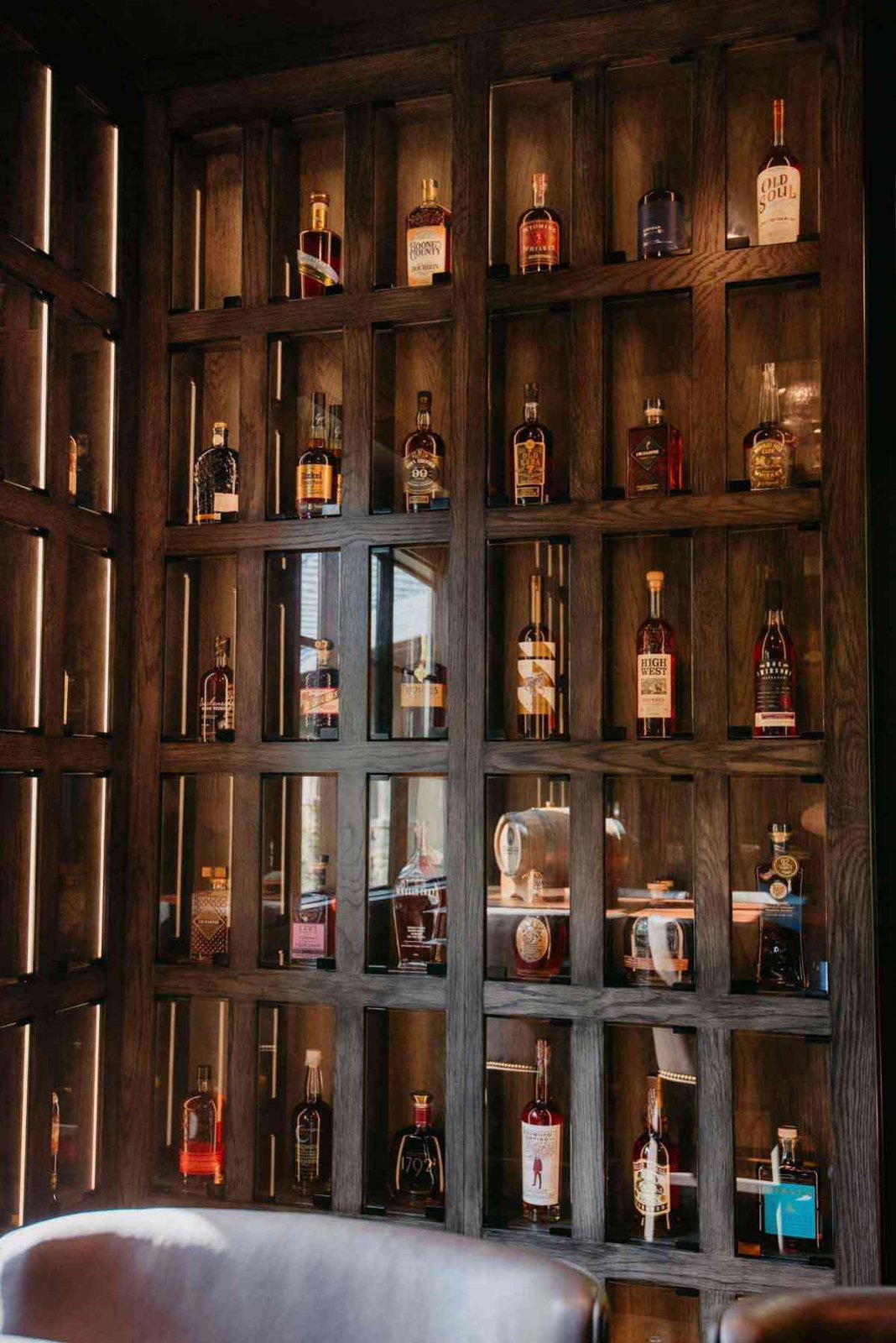
- Extensive Wine List
Current opening hours
- Monday
- Closed
- Tuesday
- 12–3 PM, 7 PM–12 AM
- Wednesday
- 12–3 PM, 7 PM–12 AM
- Thursday
- 12–3 PM, 7 PM–12 AM
- Friday
- 12–3 PM, 7 PM–12 AM
- Saturday
- 12–3 PM, 7 PM–12 AM
- Sunday
- Closed
Hours can change for holidays and private events. Last verified .
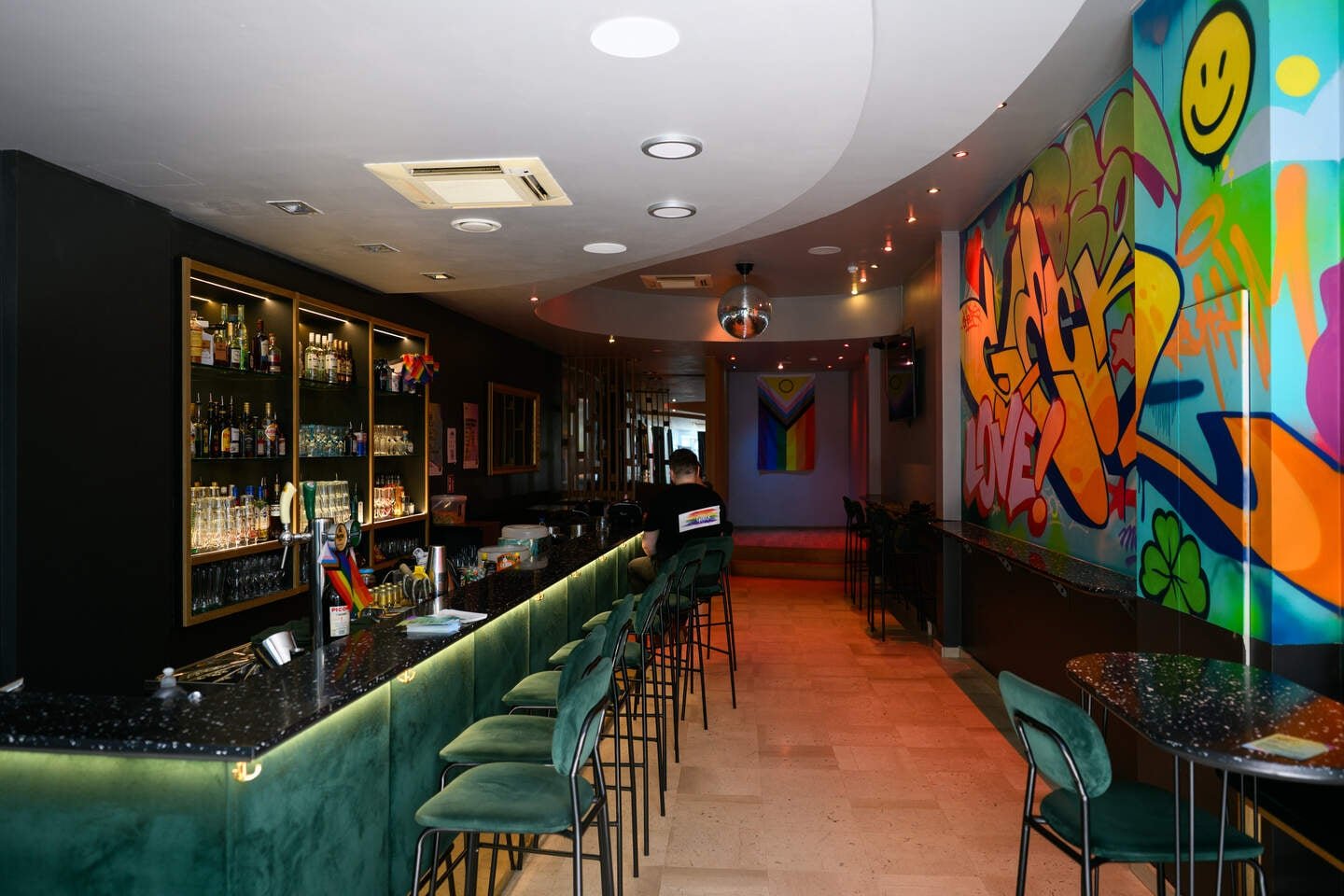
Chaleureux, authentique et convivial with warm lighting fostering a friendly sharing environment.