Our verdict
Losh sits on Getapnya Street in Dilijan, the forested resort town in Armenia's Tavush region that has become a reference point for the country's growing interest in regional cuisine. With minimal data available publicly, the restaurant draws visitors curious about Dilijan's food scene, where Armenian home-cooking traditions and mountain-town hospitality set the tone for the dining experience.
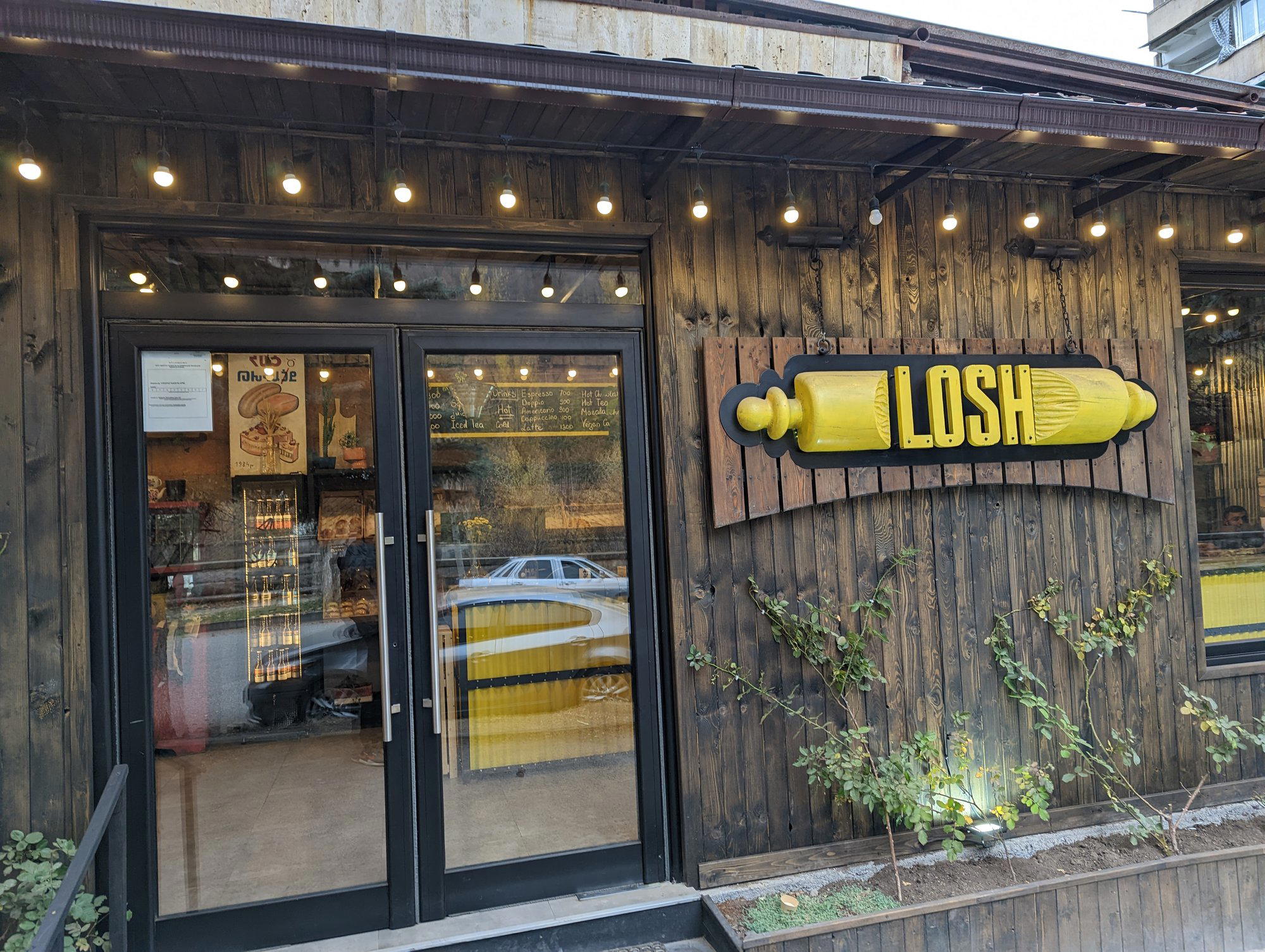
Where Dilijan's Forest Meets the Table
Arriving in Dilijan from Yerevan, the shift is immediate: the capital's urban noise gives way to cool, pine-filtered air and the particular quiet of a mountain town that has spent decades functioning as Armenia's preferred retreat. Getapnya Street, where Losh sits at number 6a, is part of this older register of the town, its architecture carrying the weight of Soviet-era resort culture alongside more recent renovation. The setting frames what eating in Dilijan tends to mean: not a metropolitan fine-dining exercise, but something closer to the logic of the Armenian table at its most grounded.
Dilijan and the Logic of Regional Armenian Cooking
To understand what a restaurant like Losh represents, it helps to understand where Armenian regional cooking sits in the country's food culture right now. Yerevan has absorbed international influence rapidly, and places like At Gayane's in Yerevan have demonstrated that Armenian cuisine can be presented with formality and ambition. But outside the capital, in towns like Dilijan and Gyumri, the tradition is less mediated. At Poloz Mukuch in Gyumri, the emphasis falls on the kind of cooking that does not announce itself: stews built around local ingredients, bread that arrives without ceremony, hospitality as a structural principle rather than a service script. Dilijan operates within a similar logic, shaped by its proximity to forest, river, and the seasonal produce that defines Tavush province.
Armenian cuisine in this northern region carries its own distinct character. Tavush's altitude and humidity produce herbs and vegetables that differ from the drier south, and the town's long history as a health-resort destination means that local kitchens have always had to answer to guests who arrived expecting something nourishing rather than merely filling. The culinary vocabulary here runs through dolma, khorovats, and fermented dairy in ways that are specific to the region, and a restaurant on Getapnya Street inherits that vocabulary whether it chooses to or not.
The Scene Losh Occupies
Dilijan's restaurant scene is small by any measure. The town's population is modest, and the visitor economy concentrates heavily in summer and early autumn, when the forest is at its most accessible and the weather permits the kind of outdoor meals that Armenians associate with genuine rest. This seasonal rhythm shapes how restaurants here operate: they are not year-round urban institutions but places calibrated to a specific kind of guest and a specific kind of stay.
Losh operates within this framework. Its address on Getapnya Street places it within the part of Dilijan that has seen the most deliberate development since the town became a focus of investment in the 2010s, when the Dilijan Free Economic Zone and associated infrastructure projects brought new attention to the area. That investment reshaped the town's hospitality profile, and the restaurants that emerged in its wake occupy a different register from the Soviet-era canteens that preceded them. The question for any Dilijan restaurant is how it positions itself between those two poles: the functional and the aspirational, the inherited and the reconsidered.
For comparison, the broader international template for restaurants in remote, nature-adjacent towns with strong regional identities, whether that is Reale in Castel di Sangro or Atelier Moessmer Norbert Niederkofler in Brunico, shows that geographic remove can be a strength rather than a limitation when cooking commits to its specific place. That commitment tends to manifest not in technique alone but in sourcing philosophy, in the depth of relationship between kitchen and local producers, and in a willingness to let seasonal availability shape the menu rather than the other way around. It is a different ambition from what drives a counter like Atomix in New York City or the sustained technical pressure of Le Bernardin in New York City, but it is not a lesser one.
Cultural Roots: What This Cuisine Is Actually Saying
Armenian cooking is among the oldest continuous food traditions in the region, and its northern variants carry specific markers. The emphasis on fermentation, on preserved vegetables, on slow-cooked meats and the communal mechanics of the table, reflects a history shaped by long winters, agricultural self-sufficiency, and a hospitality culture in which feeding guests is a form of social obligation rather than commercial transaction. When these traditions surface in a restaurant setting, they are not being performed for tourists so much as translated into a context where the guest is visiting rather than arriving home.
This translation is where the interest lies. The leading regional Armenian restaurants do not simply reproduce grandmother's recipes for paying customers. They make choices about which elements of the tradition carry most honestly into a formal dining context, and which need to be reconsidered. That editorial work, whether conscious or intuitive, is what separates a restaurant from a canteen and gives a place like Losh its potential significance within Dilijan's small but growing food identity. Other restaurants working through comparable translations of regional tradition in their own contexts include Dal Pescatore in Runate, Uliassi in Senigallia, and Quattro Passi in Marina del Cantone, each of which demonstrates how deeply local cooking can hold its own against international formats when the commitment to place is genuine.
Planning a Visit
Dilijan sits roughly 100 kilometres north of Yerevan and is accessible by marshrutka or hired car, with journey times typically running between 90 minutes and two hours depending on traffic on the M4 motorway. The town rewards a stay of at least one night, and the period from May through October offers the most predictable weather and the fullest expression of the local produce cycle. Losh's address at 6a Getapnya Street is within the developed central zone of Dilijan, making it walkable from the main accommodation cluster. For a broader orientation to what Dilijan's dining scene offers, our full Dilijan restaurants guide provides the wider context. Additional reference points in the EP Club network include Lazy Bear in San Francisco, Piazza Duomo in Alba, Le Calandre in Rubano, Waterside Inn in Bray, HAJIME in Osaka, Emeril's in New Orleans, and Quique Dacosta in Dénia, each representing how deeply place-rooted restaurants can define a destination's culinary identity.
Frequently asked questions
Would Losh be comfortable with kids?
Dilijan is a family-oriented town, and restaurants in its modest dining scene generally accommodate children without issue. Losh sits on Getapnya Street in a low-key neighbourhood context, which suits an unhurried meal with younger travellers. That said, specific family facilities are not documented, so it is worth checking directly before arriving with small children.
What is the atmosphere like at Losh?
Dilijan's restaurant culture is understated rather than performative — visitor numbers concentrate in summer and early autumn, and the town's pine-valley setting shapes a quieter register than you would find in Yerevan. Losh, on Getapnya Street, fits that grain: the draw is proximity to the region's food traditions rather than a buzzy room. Expect a pace that matches the surrounding forest town.
Is Losh a good base for understanding Tavush region cooking while staying in Dilijan?
Dilijan sits roughly 100 kilometres north of Yerevan in Tavush, a province whose cooking diverges from the capital's more internationally familiar Armenian repertoire. Losh is positioned within this regional tradition, making it a practical first reference point for northern Armenian food — fermentation-forward, herb-intensive, and grounded in mountain-country produce. For travellers arriving by marshrutka or hired car from Yerevan, it is a logical early stop before exploring the broader Tavush food culture.
What do people recommend at Losh?
Visitors to Dilijan consistently point to places that foreground these local ingredients as the more honest expression of what the area produces.
Budget Reality Check
| Venue | Cuisine | Price | Awards |
|---|---|---|---|
| LoshThis venue (the venue you are viewing) | Modern Armenian Fusion | Not listed | Not listed |
| Mina | Italian with Armenian Accents | $30–50 | Wine Spectator Award of Excellence · World's Best Wine Lists Awards WBWL 1-Star |
| Dilijan | Modern Armenian | $20–30 | Not listed |
| At Gayane's | Traditional Armenian Home Cooking | $10–20 | Not listed |
| Dolmama - Armenia's Restaurant | Modern Armenian | $30–50 | Not listed |
Continue exploring
More in Dilijan
Restaurants in Dilijan
All restaurants in Dilijan →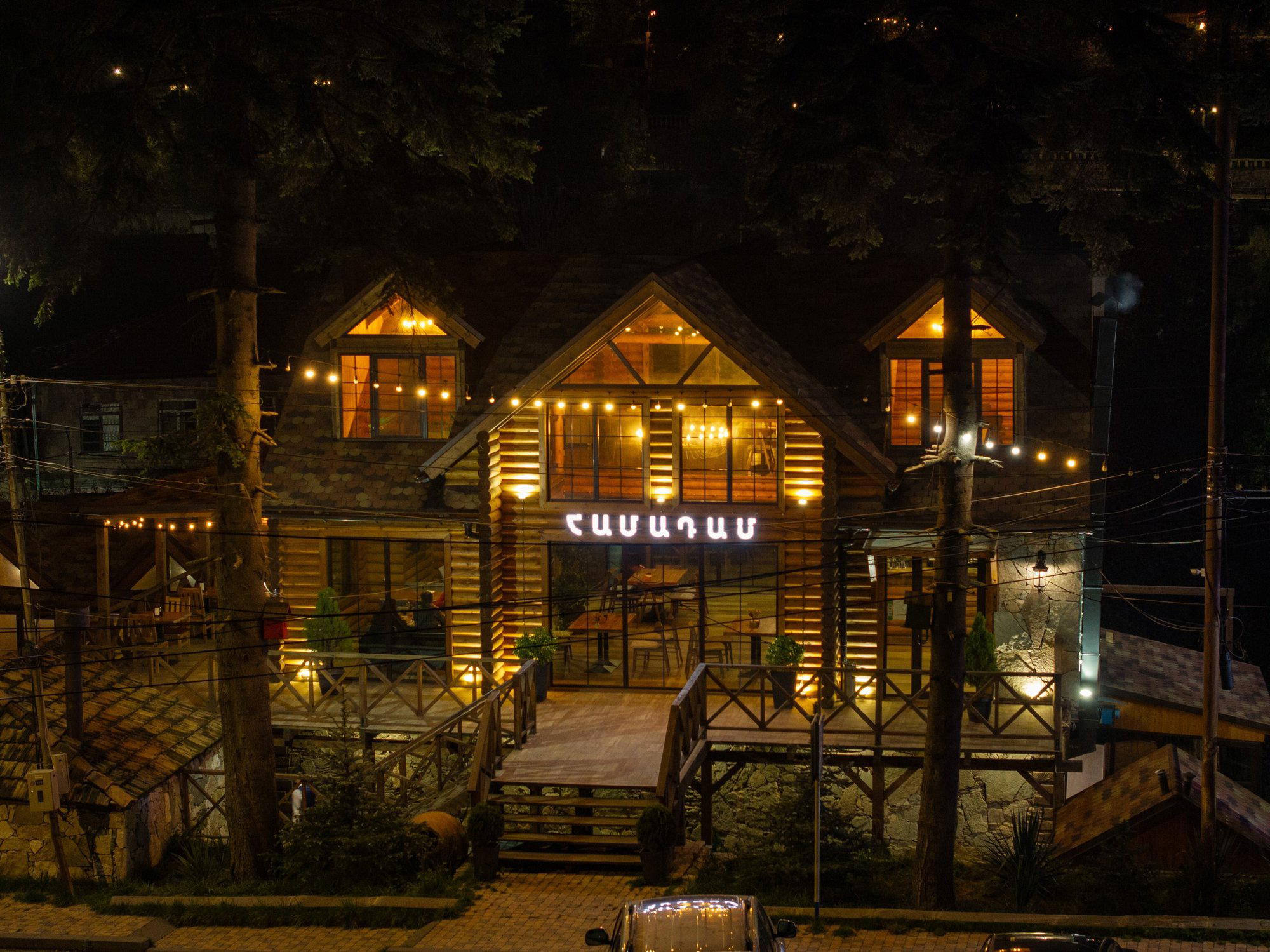
Details
- Rustic
- Cozy
- Casual Hangout
- Group Dining
- Standalone
- Extensive Wine List
- Local Sourcing
- Organic
- A La Carte
- Vegetarian Friendly
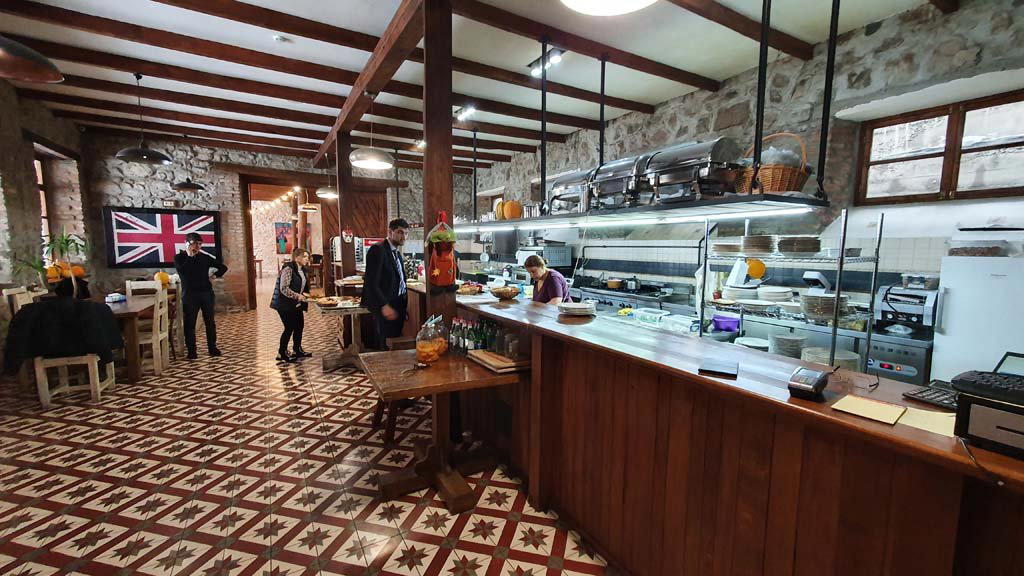
Funky and colorful interior with lots of wine on the walls.