

Michelin Plate
Our verdict
L'Os à Moelle sits in Paris's 15th arrondissement, holding a Michelin Plate and a 2024 ranking on Opinionated About Dining's Casual Europe list. Chef Thierry Faucher runs a traditional bistro format at €€ pricing, making this Rue Vasco de Gama address one of the more credible options for classic French cooking on the Left Bank's quieter western edge.

Pearl is the En Primeur Club membership app — saves, bookings, and concierge access live there. Same editors, same standards.
- Address
- 3 Rue Vasco de Gama, 75015 Paris, France
- Phone
- +33 1 45 57 27 27
- Hours
- Mon–Fri ClosedSat 7–10 PMSun Closed
- Website
- m.facebook.com
- Directions
- Get directions
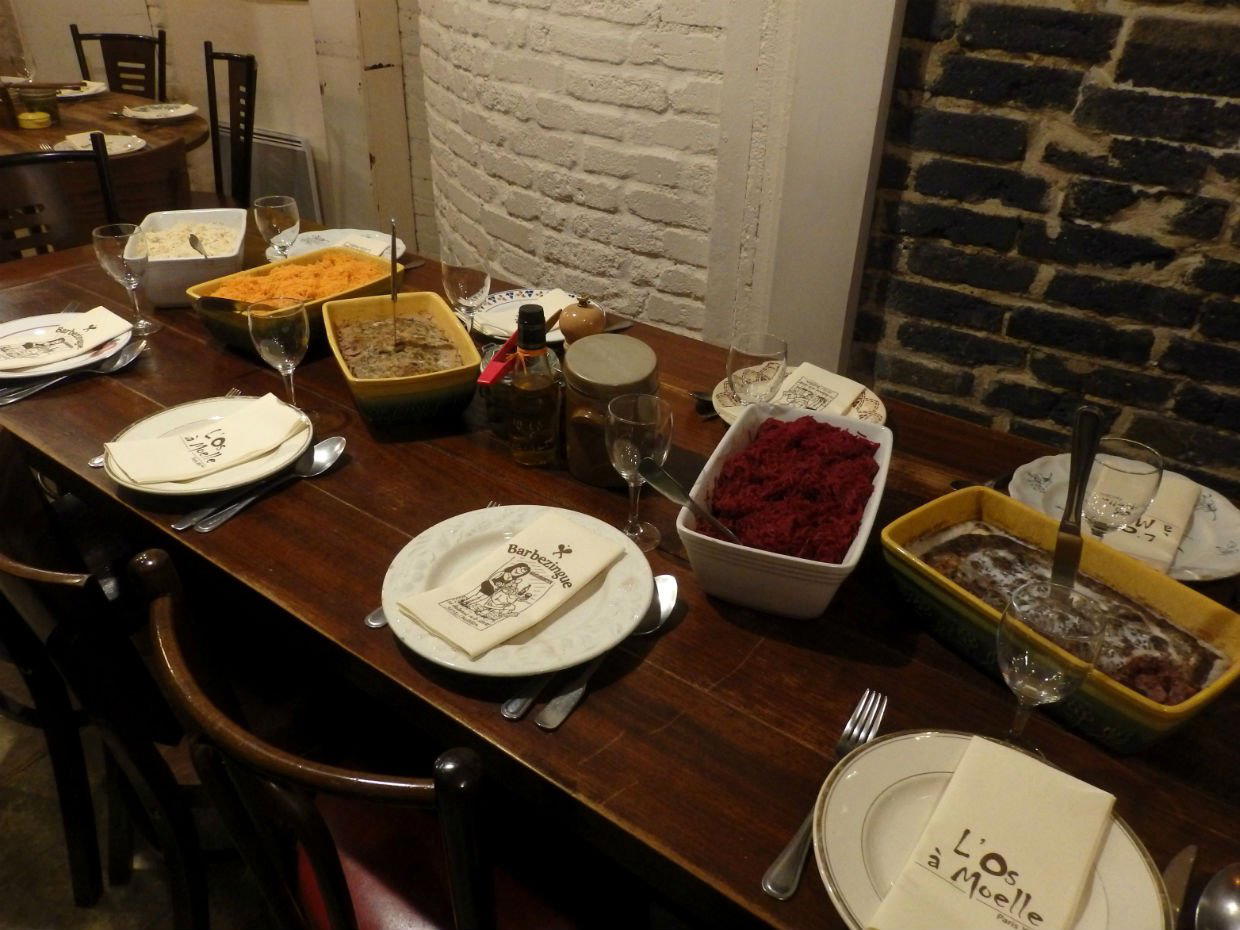
A Certain Kind of Paris Evening
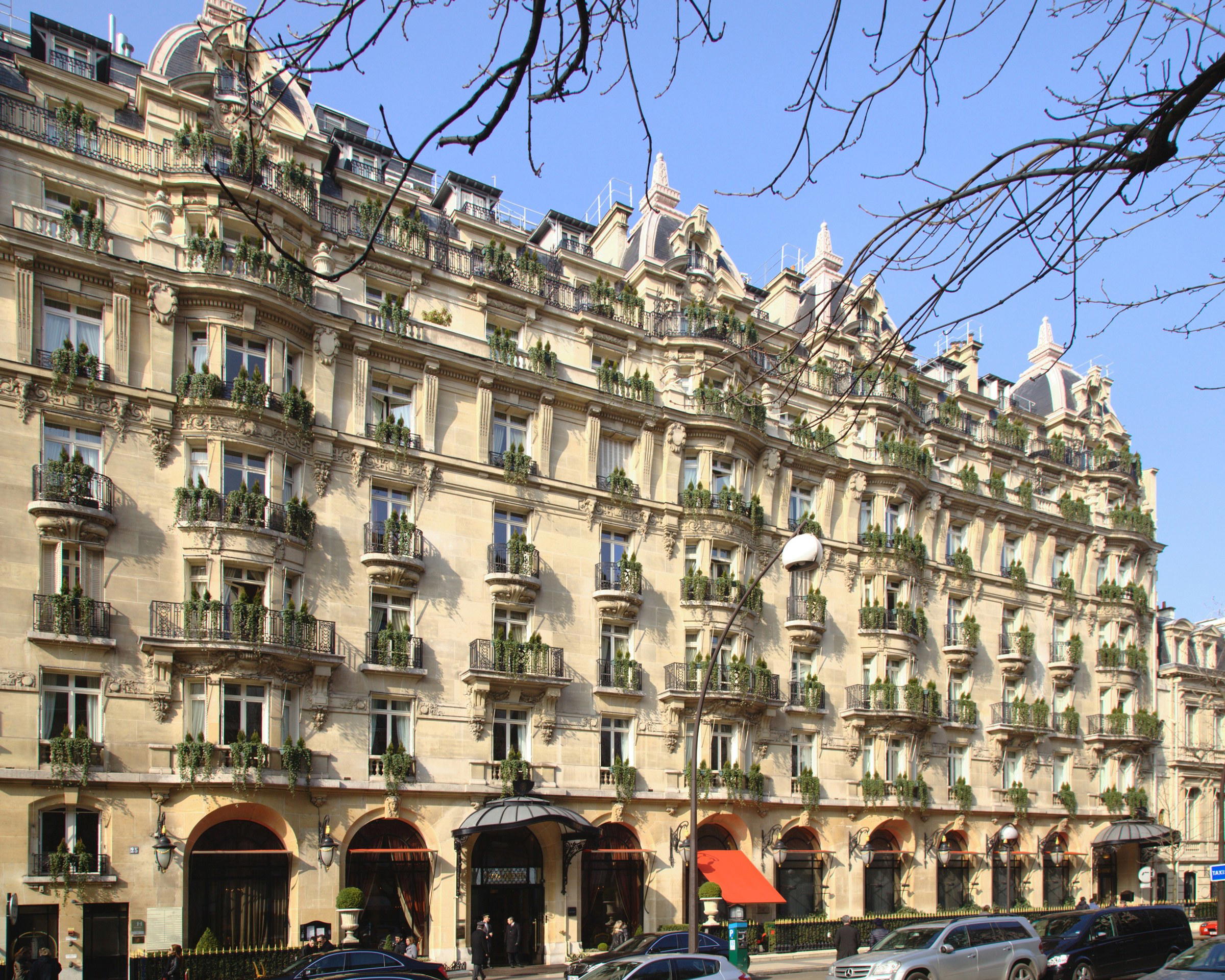
Rue Vasco de Gama does not appear on most visitors' mental map of Paris. The 15th arrondissement's western reaches sit at a remove from the gallery crowds of the Marais and the tourists circling the Eiffel Tower's base, which means arriving at L'Os à Moelle carries a particular atmosphere before you've even opened the door. The street is residential and unhurried. The light, depending on the season, catches the zinc facades of the buildings opposite in the way that still photographs never quite capture. Inside, the room operates at the temperature of a neighbourhood that has made its peace with being overlooked by the guidebook circuit — warm without theatre, attentive without performance.
This is the physical register of the traditional Parisian bistro at its most coherent: close tables, the low hum of conversation, the smell of stock that has been reducing since mid-morning. That sensory consistency is not accidental. It is the product of a format that French provincial cooking codified over generations, and that Paris's leading neighbourhood bistros have carried forward with varying degrees of conviction. L'Os à Moelle, under chef Thierry Faucher, sits at the more committed end of that spectrum.
Where This Fits in Paris Bistro Culture
Paris's restaurant scene has always operated in tiers, and the gap between them has widened in the years since the pandemic reshuffled the economics of fine dining. At one end sit the three-Michelin-star addresses — Paul Bocuse's Auberge du Pont de Collonges, and in Paris proper, houses like Alléno Paris au Pavillon Ledoyen and L'Ambroisie, where the tasting menu format and four-figure bills are the operating assumption. At the other end, the brasserie and cafe tier delivers speed and familiarity at low margins. The traditional bistro occupies the middle ground, and it is under the most pressure: too expensive to be casual, not expensive enough to justify the labour intensity of serious cooking done properly.
What sustains the serious bistros in that middle tier is a combination of neighbourhood loyalty and a cooking style that rewards repetition over novelty. The bistro format is not designed to surprise on every visit; it is designed to be reliably good across dozens of visits, which is a harder standard than it sounds. Addresses like Bistrot Paul Bert in the 11th and Le Villaret hold that standard.
The Michelin Plate, introduced in the 2018 guide as a category below the star tiers, signals cooking that the inspectors consider good enough to be worth a visit, honest, consistent, and correctly executed without the ambition or finesse that the star tiers require. For a traditional bistro in the 15th, retaining that recognition across consecutive years while keeping prices in the €€ range is meaningful. It positions L'Os à Moelle in a different competitive frame than, say, Mirazur in Menton or Flocons de Sel in Megève, those are destination addresses built around singular chef vision, but it makes direct sense alongside Café des Ministères or Parcelles in the broader context of Paris's affordable-serious dining tier.
The Opinionated About Dining ranking (Casual Europe, #687, 2024) adds a second data point from a source that weights frequency and critical depth rather than occasion dining. OAD's casual list tends to identify venues that serious eaters return to rather than venues they tick off once. An entry on that list, even at #687, indicates the kind of place that people with options keep going back to.
The Cooking and What to Expect at the Table
Traditional French bistro cooking at its most serious is built on technique applied to unglamorous ingredients. Bone marrow, the os à moelle of the name, sits precisely in that tradition: cheap, gelatinous, deeply flavoured when handled with patience, and largely absent from menus above a certain price point because it does not photograph well and takes time to prepare correctly. A restaurant that names itself after the cut is making a statement about where its interests lie, and it is not in the direction of the tasting-menu circuit or the creative contemporary French cooking that addresses like Amarante pursue at a different price and ambition level.
What the format implies: market-driven menus that shift with season and supply rather than fixed showpieces; sauces that come from long reduction rather than emulsification; cuts of meat and fish that reward cooking skill over premium sourcing. This is the cooking that French grandes maisons, Troisgros, Auberge de l'Ill, Bras, drew from before they became destinations in their own right. The bistro tier preserves its working vocabulary.
For visitors accustomed to the technical precision of Le Bernardin in New York or the multi-course architecture of Atomix, the L'Os à Moelle format operates on a different register entirely. There is no progression choreographed by a sommelier. The pleasure is more immediate and less constructed: a room that smells of cooking, a menu that reflects what was available that morning, and cooking that asks for attention rather than admiration.
Visiting: Practical Notes
The address is 3 Rue Vasco de Gama, 75015 Paris. The 15th is leading reached by metro (Lourmel or Boucicaut on line 8 are the closest stations to this part of the arrondissement). The neighbourhood offers almost no tourist infrastructure, which is part of the point. Hours: Tuesday through Friday, lunch service runs 12–2 pm and dinner 7–10 pm; Saturday dinner only, 7–10 pm; closed Sunday and Monday. Budget: €€, placing it in the range where a full meal with wine should remain accessible without advance financial planning. Reservations: Dress: No dress code is specified; smart-casual is the safe assumption for a room operating at this price point and neighbourhood character.
Autumn and winter are the seasons when this style of cooking performs leading. Braised dishes, marrow, reduced stocks, and root-vegetable preparations are at their most coherent when the temperature outside justifies them. A mid-week dinner in November or February, when Paris is at its least crowded and the bistro format most at home in its own skin, is the frame in which L'Os à Moelle makes the most sense.
For a broader picture of where this fits in the city's dining options, see our full Paris restaurants guide, alongside our full Paris bars guide, our full Paris hotels guide, our full Paris wineries guide, and our full Paris experiences guide.
Frequently asked questions
What's L'Os à Moelle known for in terms of accolades?
L'Os à Moelle has received recognition including: Michelin Plate (2025); Opinionated About Dining Casual in Europe Ranked #687 (2024); Michelin Plate (2024).
What's the must-try dish at L'Os à Moelle?
The name leaves little ambiguity: bone marrow is the ingredient this kitchen has built its identity around. Chef Thierry Faucher's approach to traditional French bistro cooking puts technique at the service of unfashionable cuts and primal preparations, and the os à moelle is the clearest expression of that philosophy. The Michelin Plate recognition in both 2024 and 2025 signals consistent kitchen execution, and the marrow course is the logical starting point for any first visit.
Is L'Os à Moelle more mid-range or high-end?
Pricing at L'Os à Moelle is listed as €€.
What are the opening hours for L'Os à Moelle?
Hours at L'Os à Moelle: Hours: Monday Closed Tuesday 12–2 pm, 7–10 pm Wednesday 12–2 pm, 7–10 pm Thursday 12–2 pm, 7–10 pm Friday 12–2 pm, 7–10 pm Saturday 7–10 pm Sunday Closed.
Same-City Peers
A small set of peers for context, based on recorded venue fields.
| Venue | Cuisine | Price | Awards | Notes |
|---|---|---|---|---|
| L'Os à MoelleThis venue — the venue you are viewing | Traditional French Bistro | $50–100 | Michelin Plate | Not listed |
| Alléno Paris au Pavillon Ledoyen | Modern French Fine Dining | $150–200 | 3 Michelin Stars · World's 50 Best #79 | Creative |
| Kei | Modern French with Japanese Influences | $300–500 | 3 Michelin Stars · World's 50 Best #93 | Contemporary French, Modern Cuisine |
| L'Ambroisie | Classic French Haute Cuisine | $300–500 | 2 Michelin Stars · World's 50 Best #23 | French, Classic Cuisine |
| Le Cinq - Four Seasons Hôtel George V | French, Modern Cuisine | Not listed | Not listed | Not listed |
| Plénitude | Modern French Sauce-Led Fine Dining | $300–500 | 3 Michelin Stars · World's 50 Best #14 | Contemporary French |
Recognition history
Dated appearances from independent guides and award organizations, with the underlying list record or original source where available.
Michelin Plate
Michelin
Opinionated About Dining Casual in Europe Recommended
Opinionated About Dining
Full recognition history (4 entries)
Michelin Plate
Michelin
Opinionated About Dining Casual in Europe Ranked #687
Opinionated About Dining
Continue exploring
More in Paris
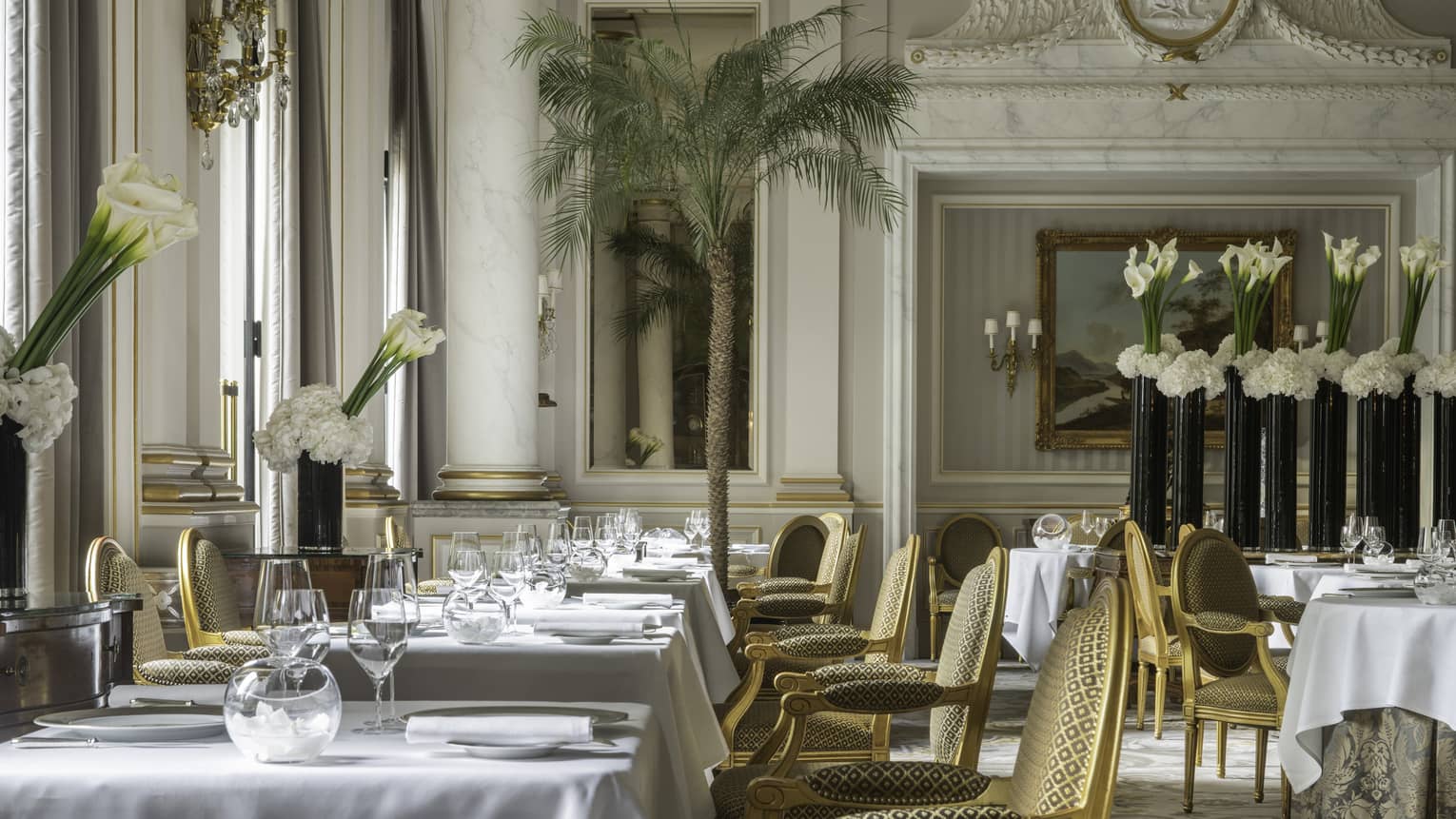
Restaurants in Paris
Browse all →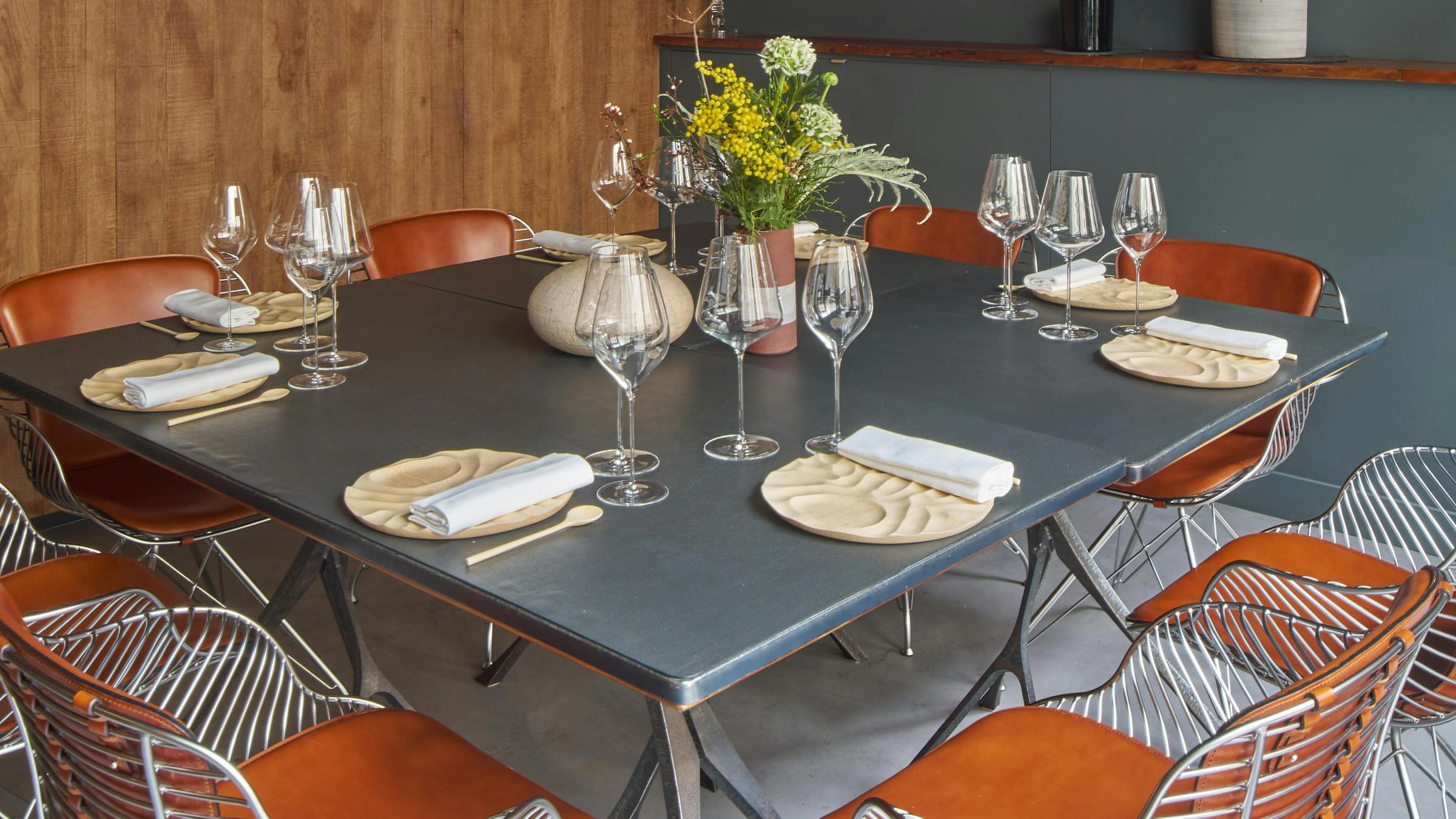
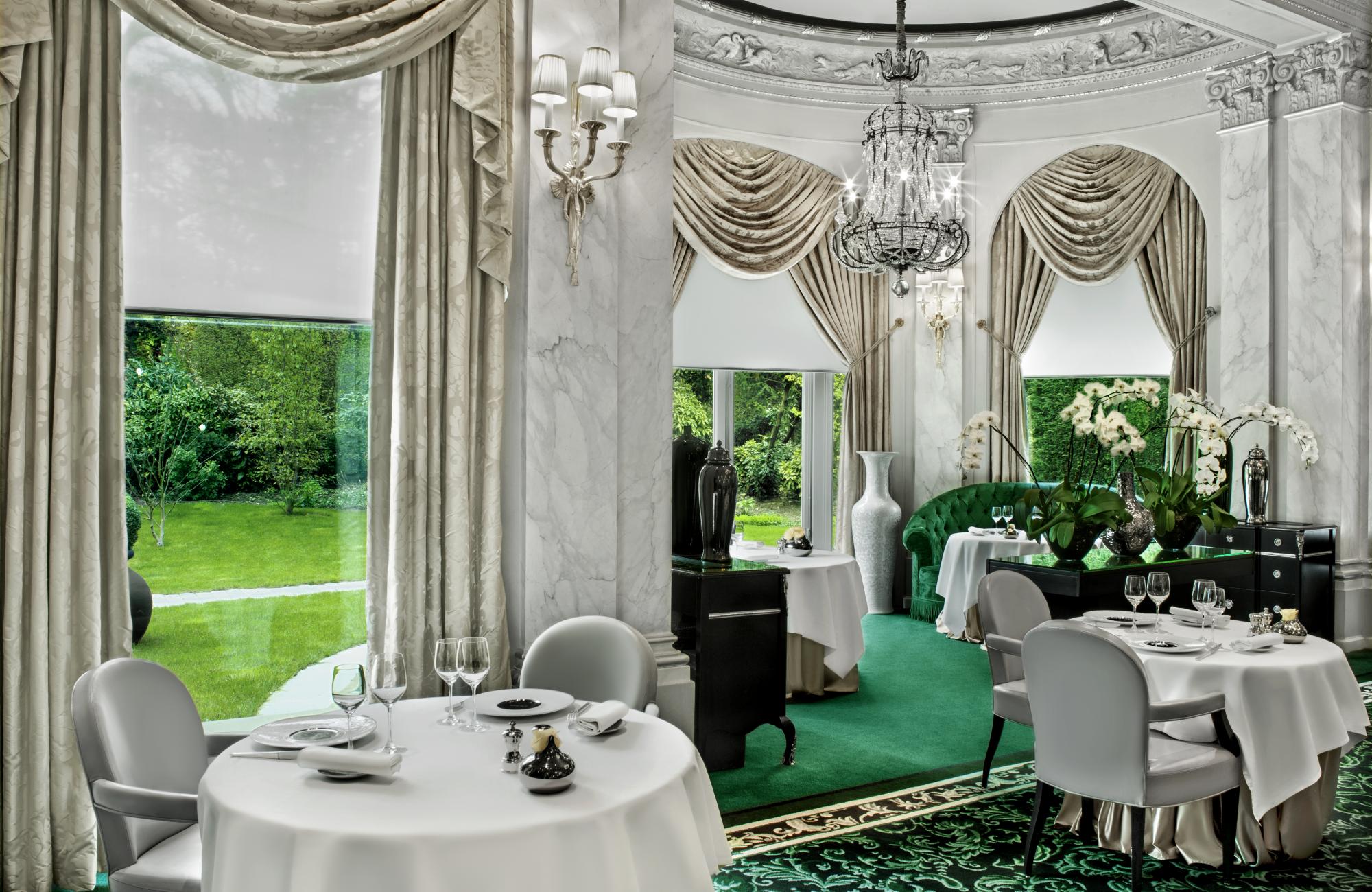
Bars in Paris
Browse all →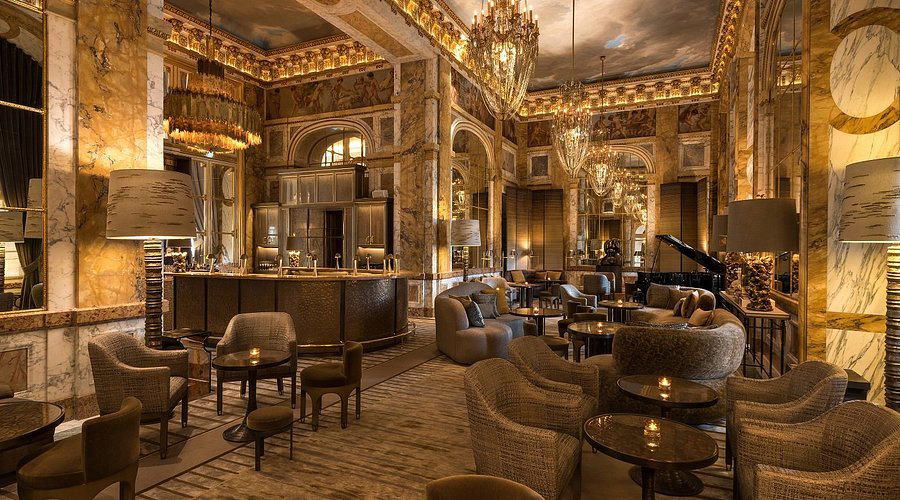
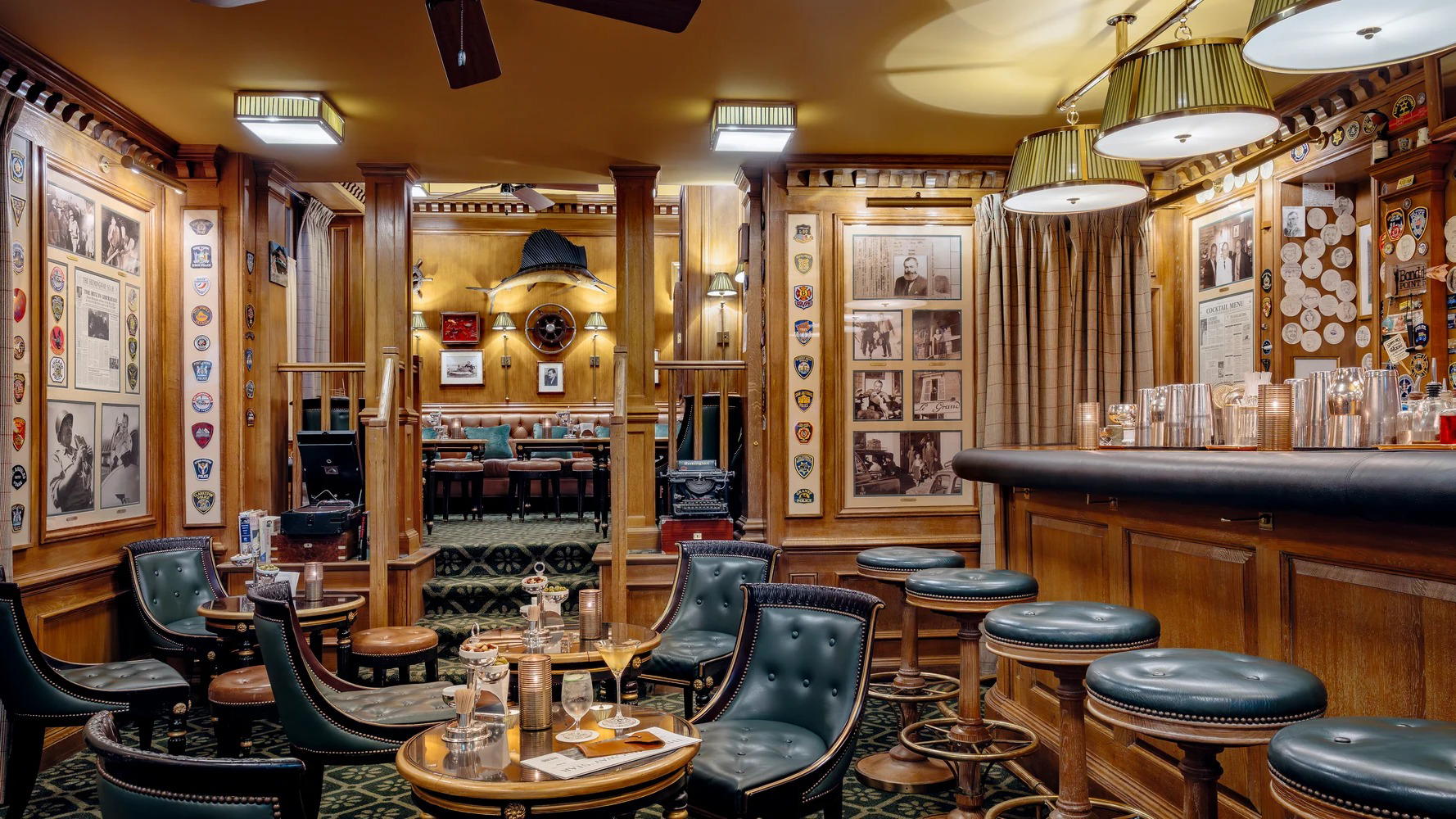
Hotels in Paris
Browse all →
L'Os à Moelle
The wine
- Wine program
- Curated wine list
- Extensive wine list
Details
- Classic
- Cozy
- Rustic
- Date Night
- Business Dinner
- Special Occasion
- Standalone
- Extensive Wine List
- A La Carte
Current opening hours
- Monday
- Closed
- Tuesday
- Closed
- Wednesday
- Closed
- Thursday
- Closed
- Friday
- Closed
- Saturday
- 7–10 PM
- Sunday
- Closed
Hours can change for holidays and private events. Last verified .
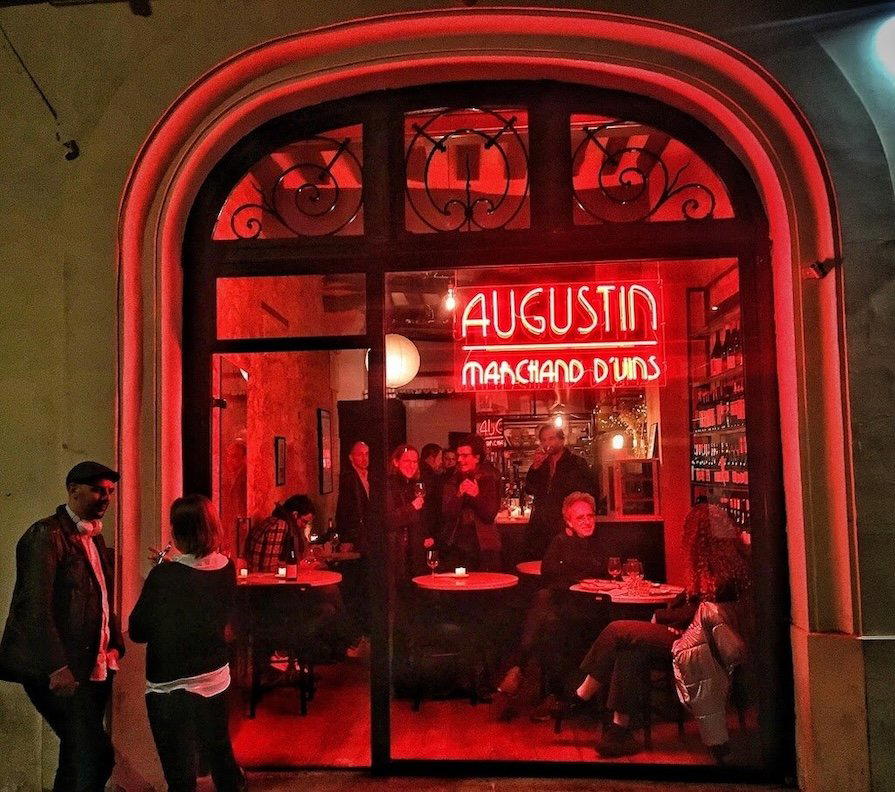
Warm and welcoming traditional bistro atmosphere with leather banquettes, large mirrors, white tablecloths, and brick walls.