L'Orgue
Our verdict
L'Orgue occupies a quiet address on Lintgen's Rue de Diekirch, placing it squarely within Luxembourg's tradition of village dining rooms that punch well above their postal codes. The restaurant sits in a country where ingredient provenance and Franco-influenced technique have long defined serious cooking, and where the distance between a rural table and a capital-city benchmark can be surprisingly small. For those tracing Luxembourg's dining map beyond the city centre, it warrants attention.

Pearl is the En Primeur Club membership app — saves, bookings, and concierge access live there. Same editors, same standards.
- Address
- 75 Rue de Diekirch, 7440 Lintgen, Luxembourg
- Phone
- +352273585
- Hours
- Mon–Tue ClosedWed–Thu 12–2:30 PM, 7–10:30 PMFri 12–2:30 PM, 7–11 PMSat 7–11 PMSun 12–2:30 PM, 7–10:30 PM
- Website
- orgue-restaurant.lu
- Directions
- Get directions
- Booking
- Book on Zenchef
Village Address, National Conversation
Luxembourg's most compelling dining often happens away from the capital's established circuit. The country's compact geography means that a restaurant in a small commune like Lintgen, roughly fifteen kilometres north of Luxembourg City along the Alzette valley, sits within easy reach of a national dining audience. That proximity matters: it has historically allowed village restaurants here to sustain the kind of repeat, locally-rooted clientele that supports careful, sourcing-led cooking rather than the tourist-facing formats that dominate more visible urban addresses.
L'Orgue, at 75 Rue de Diekirch, belongs to this tradition. The name itself — French for "the organ" — signals the Franco-Luxembourgish cultural register that defines much of the country's serious restaurant culture, where French culinary language and local identity operate in close dialogue. In a country where contemporaries like Léa Linster in Luxembourg have built international reputations from similarly rooted starting points, the village-dining model carries genuine credibility.
The Ingredient Question in Luxembourg's Kitchen
The editorial angle that matters most when assessing serious restaurants in this region is sourcing. Luxembourg's agricultural character, shaped by the Moselle valley to the east, the Ardennes plateau to the north, and productive farmland across the Gutland, gives kitchens access to a meaningful local supply chain. River fish, wild mushrooms from forested slopes, locally raised pork and lamb, and market garden produce from small producers along the valley floors have defined the better end of Luxembourgish cooking for generations.
This sourcing culture sets a particular expectation at restaurants operating in rural communes. Unlike urban venues that can lean on imported prestige ingredients to justify premium positioning, a village restaurant on a road like Rue de Diekirch draws its credibility from what it can connect to locally. The most respected tables in this tier, from Beim Bertchen in Wahlhausen to Le Bistrot Gourmand in Remerschen, tend to anchor their menus in seasonality and regional produce rather than generic European fine-dining conventions.
For visitors approaching L'Orgue, this is the frame through which to read the kitchen's choices. What arrives at the table is shaped by where the address sits geographically and what that geography historically yields. Autumn menus in this part of Luxembourg tend to reflect the wild harvest of the northern forests; spring and early summer bring the lighter produce of the valley farms. The rhythm is agricultural before it is aesthetic.
Lintgen in Context
Lintgen is not a destination commune in the way that Remich or Echternach might attract visitors independently. It is, instead, a residential village that functions as a gateway to the Ardennes corridor heading toward Diekirch and the country's north. This means that restaurants here serve a predominantly local and regional clientele rather than tourists passing through on a sightseeing circuit. That audience tends to be informed and returning, which creates conditions for a kitchen to develop and refine over time without constant pressure to perform for first-timers.
The broader Luxembourg dining scene has bifurcated over the past decade. On one side sits a cluster of high-investment, internationally recognised venues concentrated in and around the capital, including the country's Michelin-starred tables. On the other sits a network of smaller, often family-rooted restaurants in villages and market towns, operating with different economics and different relationships to their communities. L'Orgue's address places it firmly in the second category, where the comparison set is less about awards and more about consistency, loyalty, and the quality of what is on the plate season to season. For a broader view of how this split plays out across the country's dining geography, our full Lintgen restaurants guide maps the relevant options.
Understanding where L'Orgue sits requires looking at what surrounds it. Luxembourg's village-restaurant tier includes addresses with notably varied ambition and execution. Côté cour in Bourglinster operates within a castle context that brings its own gravitational pull; Victoria vum Berdorfer Eck in Berdorf draws on the Mullerthal region's natural tourism; and La table du curé in Lasauvage operates in the country's far southwest with a different cultural inflection entirely. What these addresses share is the village-dining logic: small scale, local orientation, and menus that respond to what the surrounding territory produces.
Further afield in Luxembourg's dining circuit, venues like Kore in Steinfort, B13 in Bertrange, and Beefbar Smets in Strassen represent a different model, closer to the capital and oriented toward more urbanised audiences. The contrast is instructive: dining in Lintgen is a deliberate choice to engage with a slower, more locally-embedded form of hospitality, not a fallback when the city's tables are full.
For those interested in how Luxembourg's more creative kitchens operate, Beim Schlass in Wiltz and Der Napf in Wilwerdange offer northern-region points of reference that illuminate the range available within this village-restaurant category. And for those drawing international comparisons, the sourcing rigour that defines the upper end of this tier has parallels at European-influenced fine-dining tables elsewhere, though the scale and format differ considerably from venues like Le Bernardin in New York City or Atomix in New York City.
Planning a Visit
Lintgen is accessible by car from Luxembourg City in under twenty minutes via the A7 motorway, or by train on the northern rail line with a short walk from the station. The village's compact scale means parking is not a challenge, and the restaurant's position on Rue de Diekirch places it on the town's main artery. Given the rural setting and local clientele, visits are worth planning in advance rather than on arrival, particularly for weekend evenings when demand from the surrounding communes tends to concentrate. Additional options in the region worth considering alongside L'Orgue include Domaine La Forêt in Remich, Laotse in Moutfort, and Les Roses in Mondorf Les Bains for those building a broader Luxembourg dining itinerary. For a different register entirely, Bo Zai Fan in Letzebuerg provides an Asian counterpoint within the capital's more diverse offering.
Frequently asked questions
What's the vibe at L'Orgue?
L'Orgue sits in Lintgen, a residential village north of Luxembourg City, which sets the tone before you arrive: this is the quieter, locally rooted end of the country's dining spectrum rather than the capital circuit. Village restaurants in this corridor tend toward convivial, unhurried service rather than theatrical formality. No dress code is documented for L'Orgue specifically.
Is L'Orgue worth the trip from Luxembourg City for a single meal?
L'Orgue is located in Lintgen, approximately twenty minutes from Luxembourg City by car via the A7 or reachable by train on the northern rail line with a short walk from the station. For diners interested in how Luxembourg's village-restaurant culture differs from the capital's more established circuit, that distance is a marginal commitment.
What dish is L'Orgue famous for?
No signature dish is on public record for L'Orgue. Within Luxembourg's village-restaurant tradition, kitchens in this region frequently draw on the agricultural output of the Alzette valley corridor, where the northern communes have historically produced dairy, pork, and seasonal vegetables. Until more specific menu documentation is available, the culinary direction at L'Orgue remains open to discovery on arrival.
How do I find L'Orgue?
L'Orgue is located at 75 Rue de Diekirch, 7440 Lintgen, Luxembourg, Lintgen.
How far ahead should I plan for L'Orgue?
Lintgen is reachable from Luxembourg City in under twenty minutes via the A7, which makes L'Orgue accessible to a broad catchment of weekend diners from the capital. Village restaurants with an established local following in Luxembourg's communes can fill at weekends when the surrounding residential population eats out. Booking at least a week ahead for Friday and Saturday is a reasonable baseline, though no specific reservation window is documented.
Fast Comparison
Comparable venues nearby, for context on price, style, and recognition.
| Venue | Cuisine | Price | Awards | Notes |
|---|---|---|---|---|
| L'OrgueThis venue — the venue you are viewing | Modern French Fine Dining | $50–100 | Not listed | Not listed |
| Brasserie Ciel | Bistronomic French Brasserie | Not listed | Not listed | Ville Haute |
| Victoria vum Berdorfer Eck | French Farm-to-Table Bistro | Not listed | Not listed | Berdorf |
| Le Quai Steffen | French-European Brasserie and Rotisserie | $20–30 | Not listed | Gare |
| Domaine La Forêt | Traditional French-Luxembourgish | $50–100 | Michelin Plate | Remich |
| Maison B | Modern Luxembourgish Bistronomy | Not listed | Not listed | Biergerkraiz |
Continue exploring
More in Lintgen
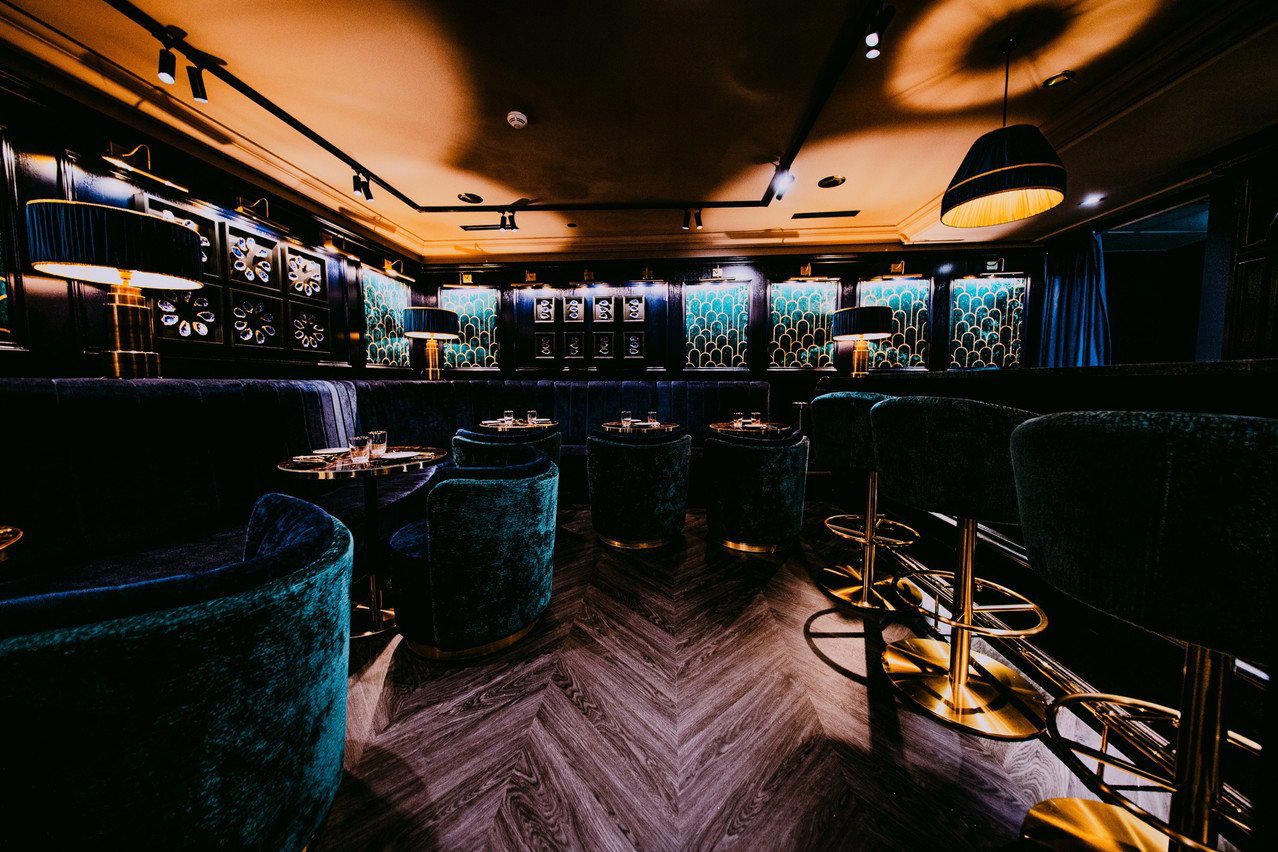
Restaurants in Lintgen
Browse all →
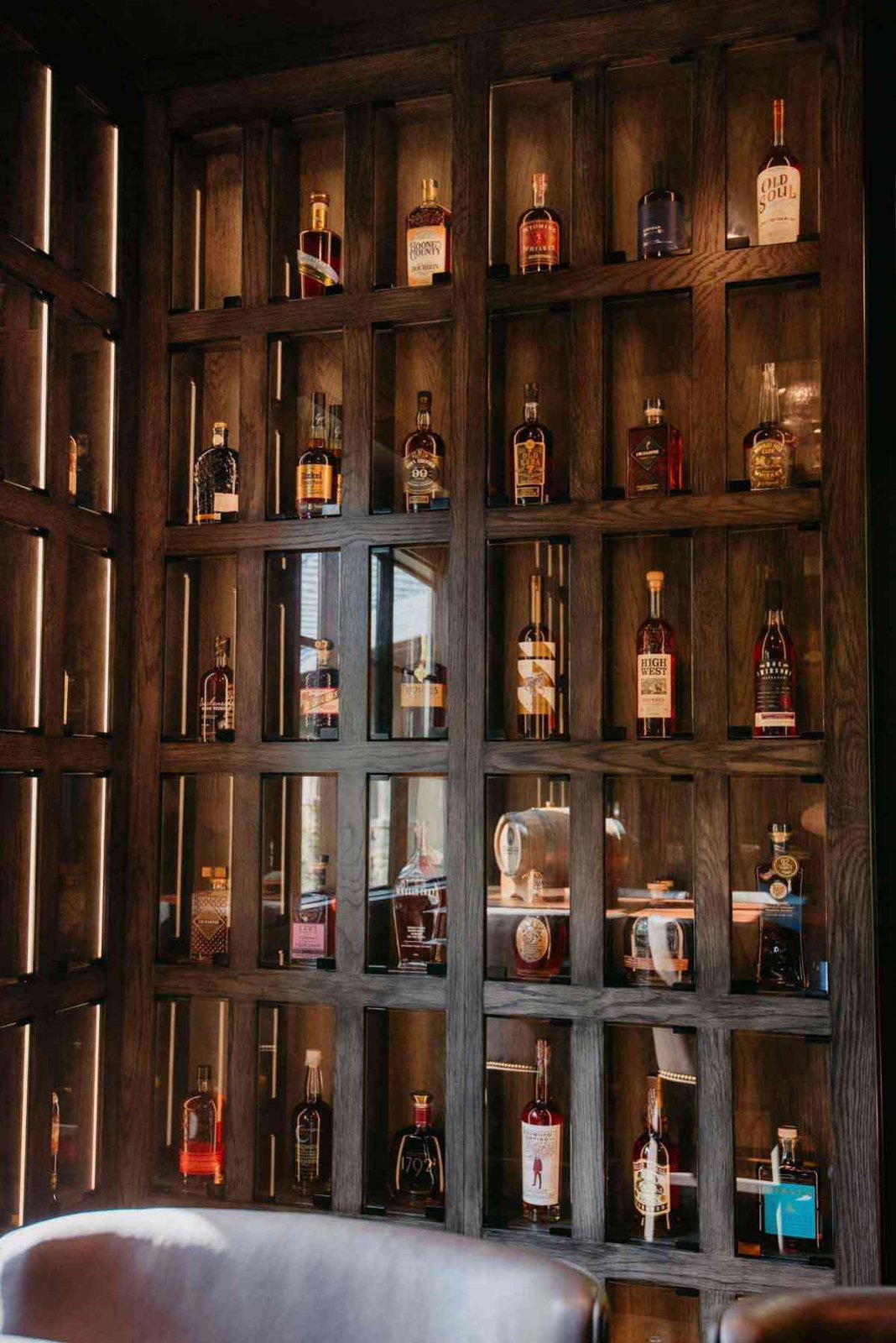
Bars in Lintgen
Browse all →

Hotels in Lintgen
Browse all →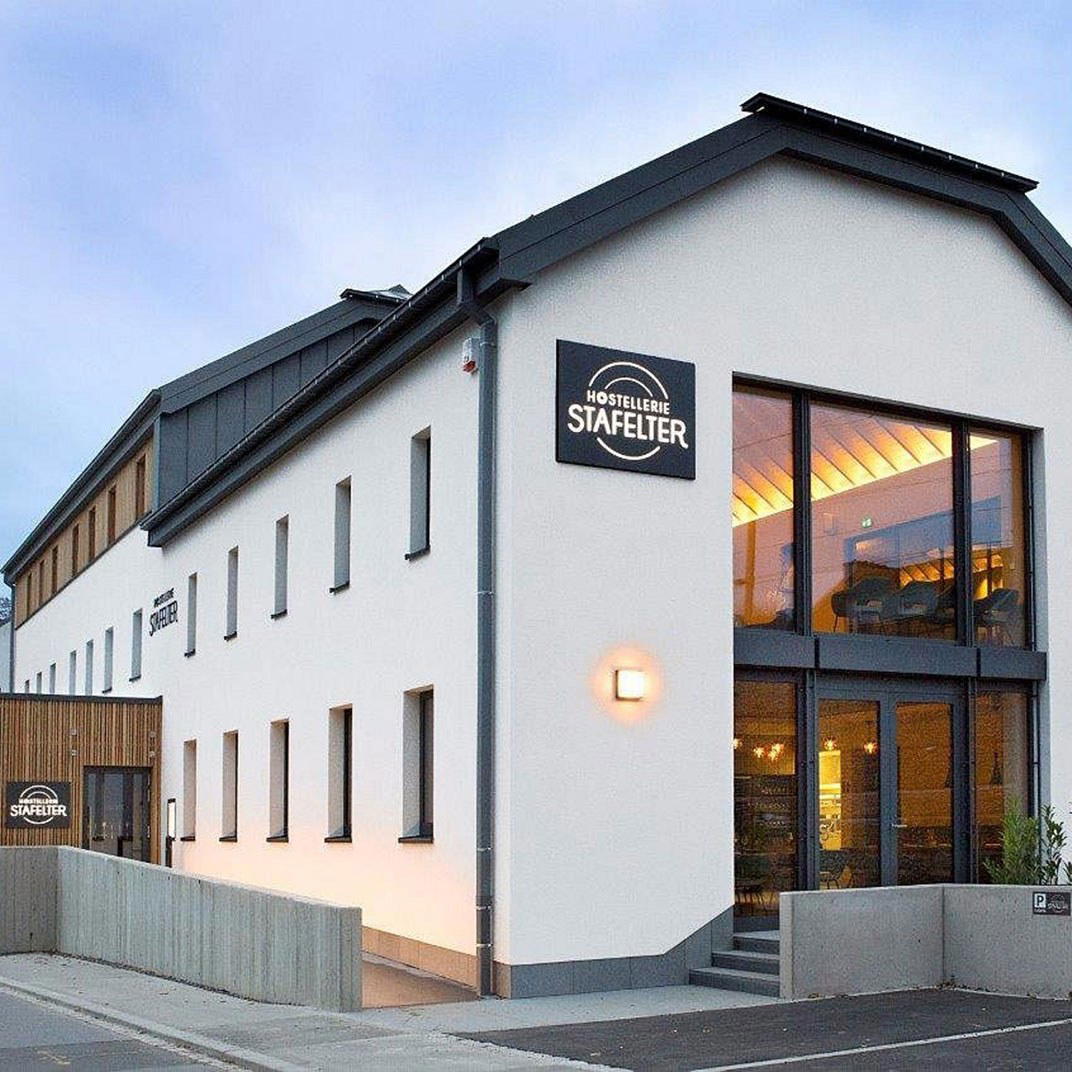
Details
- Elegant
- Sophisticated
- Intimate
- Historic
- Cozy
- Date Night
- Special Occasion
- Business Dinner
- Historic Building
- Terrace
- Extensive Wine List
- Tasting Menu
- A La Carte
- Prix Fixe
- Vegetarian Friendly
Current opening hours
- Monday
- Closed
- Tuesday
- Closed
- Wednesday
- 12–2:30 PM, 7–10:30 PM
- Thursday
- 12–2:30 PM, 7–10:30 PM
- Friday
- 12–2:30 PM, 7–11 PM
- Saturday
- 7–11 PM
- Sunday
- 12–2:30 PM, 7–10:30 PM
Hours can change for holidays and private events. Last verified .
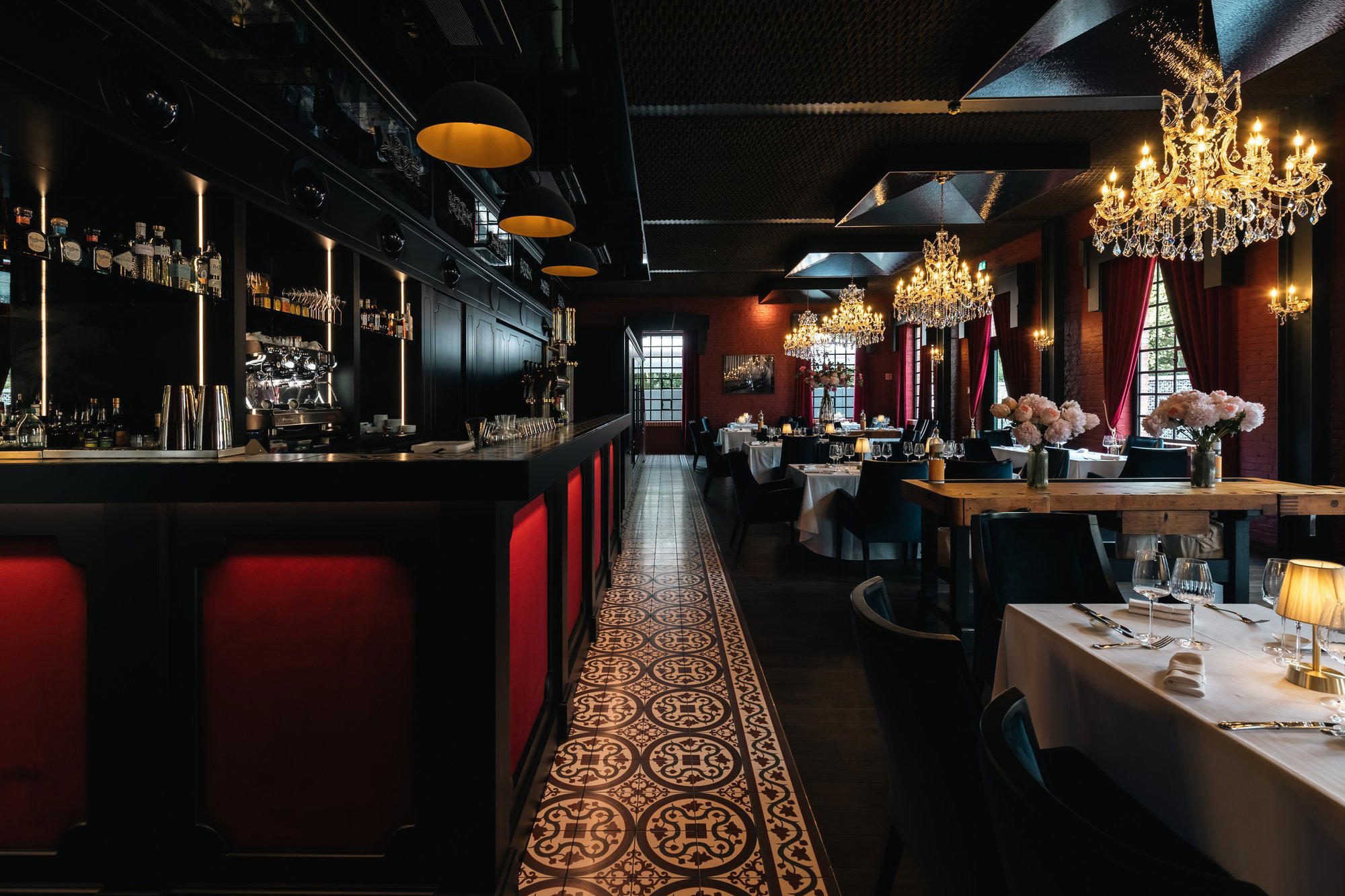
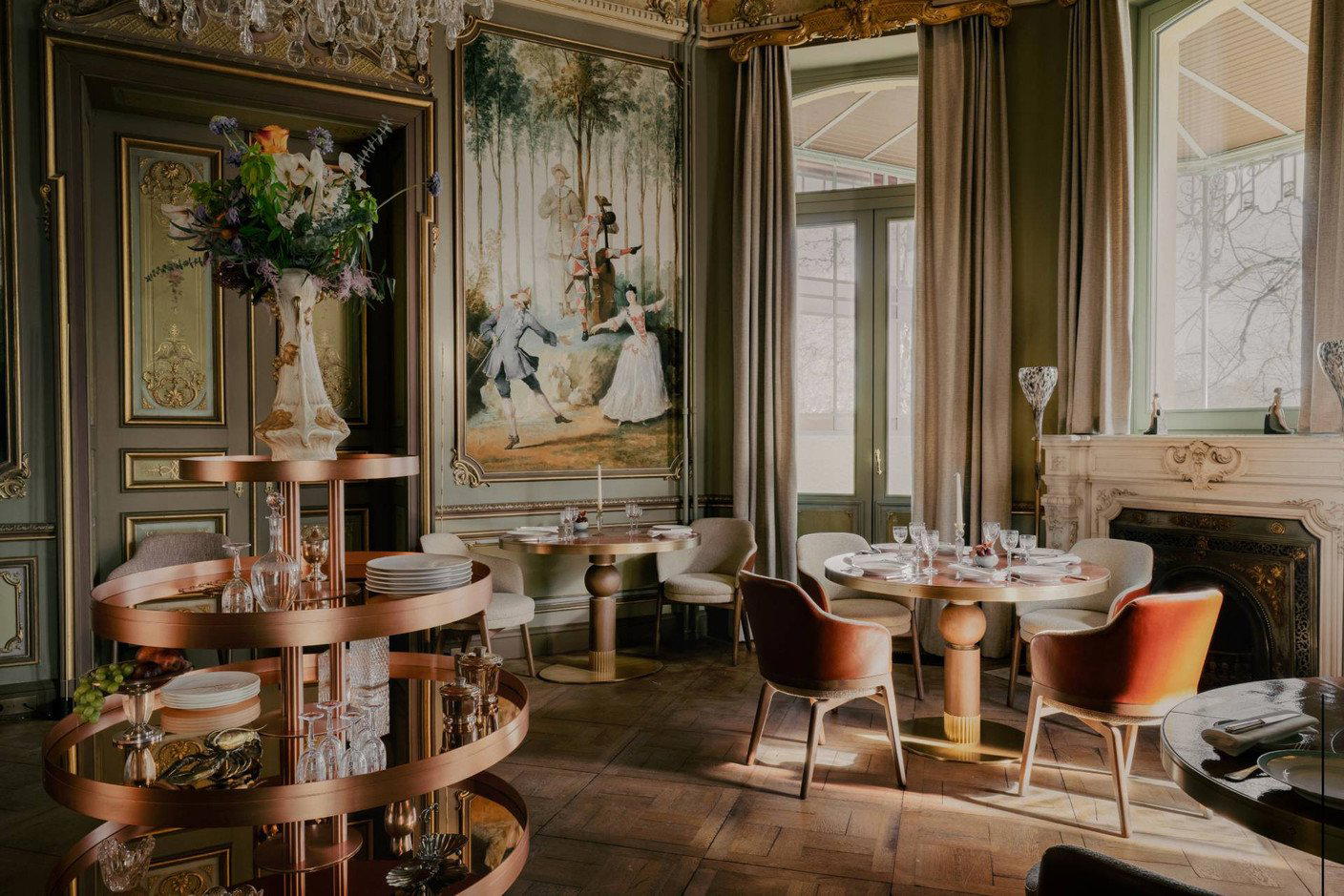
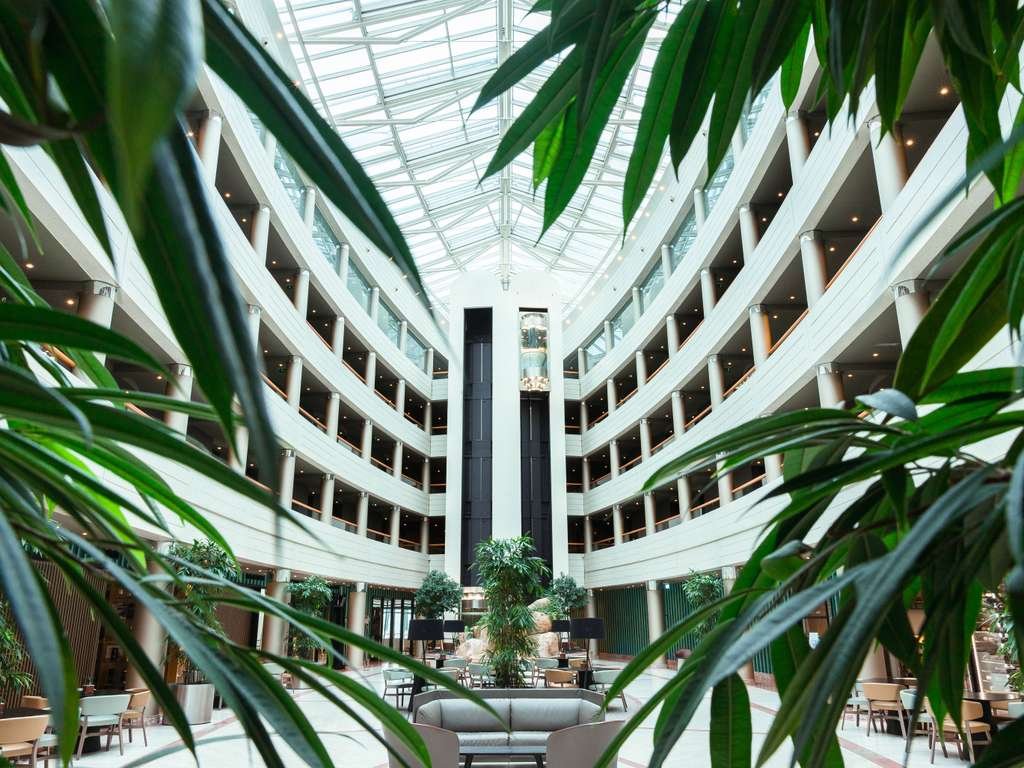
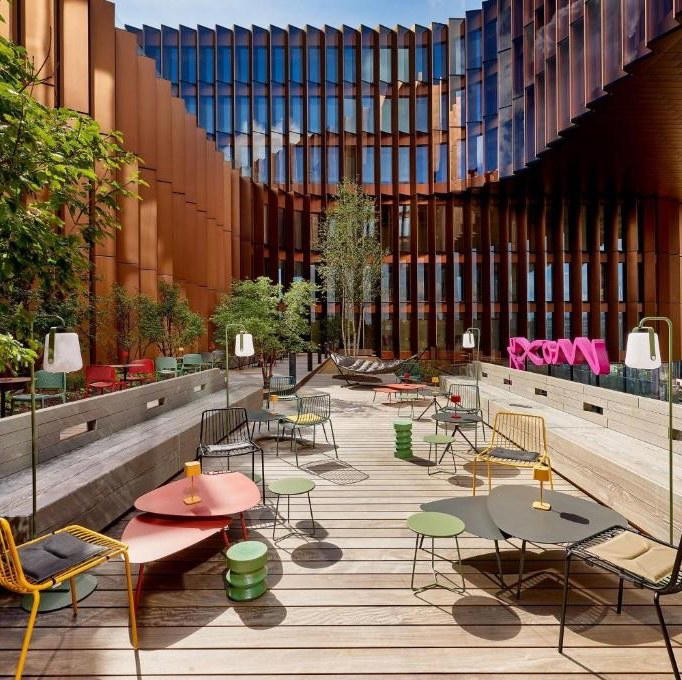
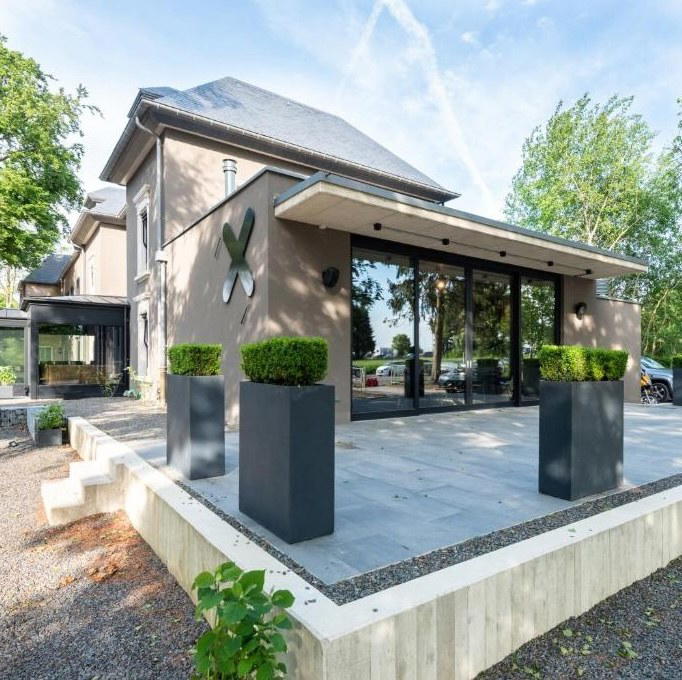
Refined setting with linen tablecloths, silver cutlery, Italian crystal chandeliers, and plush velvet chairs creating an intimate and luxurious atmosphere.