Domaine la Forêt

A Michelin Plate holder for consecutive years in the Moselle valley town of Remich, Domaine la Forêt brings classic cuisine to one of Luxembourg's quieter wine-country addresses. The address, Route de l'Europe, Remich, places it squarely on the Luxembourg wine route.
Pearl is the En Primeur Club membership app — saves, bookings, and concierge access live there. Same editors, same standards.
- Address
- 36 Rte de l'Europe, 5531 Remich, Luxembourg
- Phone
- +352 23 690
- Website
- foret.lu
 Saves & bookings on Pearl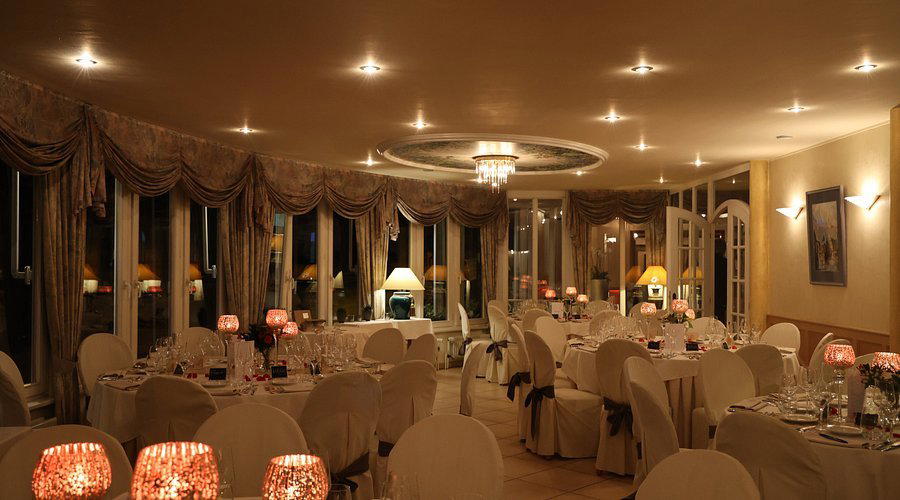
Remich and the Case for Dining Along the Moselle
Domaine la Forêt is a restaurant in Remich, Luxembourg, serving Traditional French-Luxembourgish cuisine at about €70 per person. But the Moselle valley has long supported a parallel hospitality tradition, one tied less to urban ambition and more to the rhythms of wine tourism, cross-border travel from Germany and France, and a regional appetite for direct, seasonal cooking. Remich sits at the heart of that tradition: a compact town on the Luxembourg bank of the Moselle, flanked by vine-covered slopes and a riverfront promenade that moves slowly regardless of season.
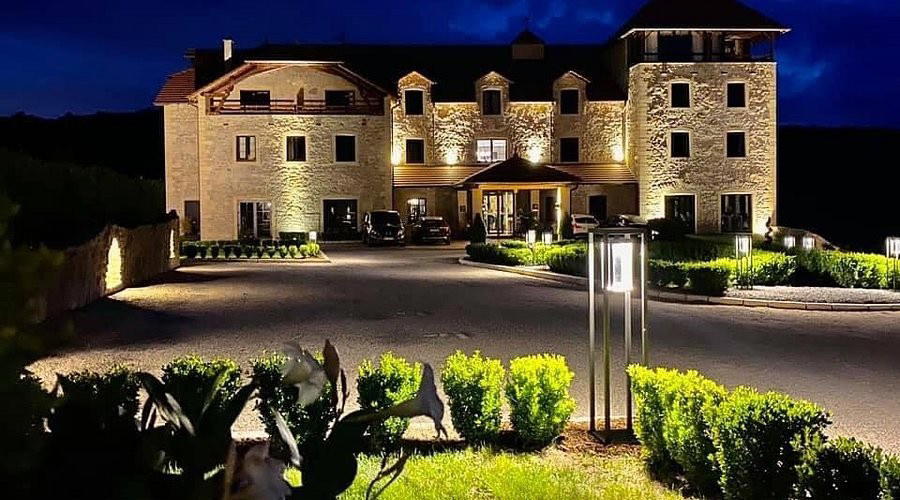
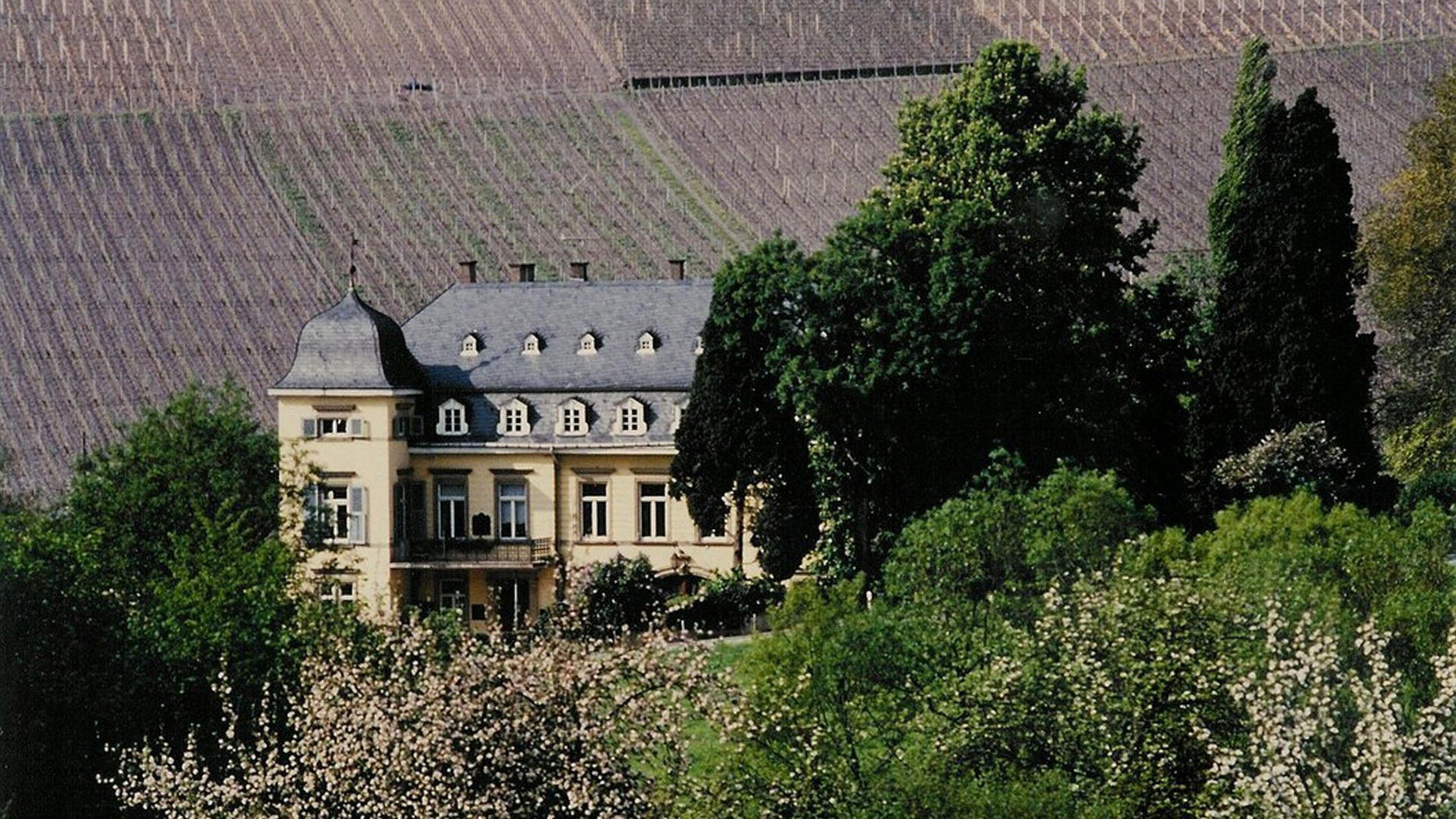
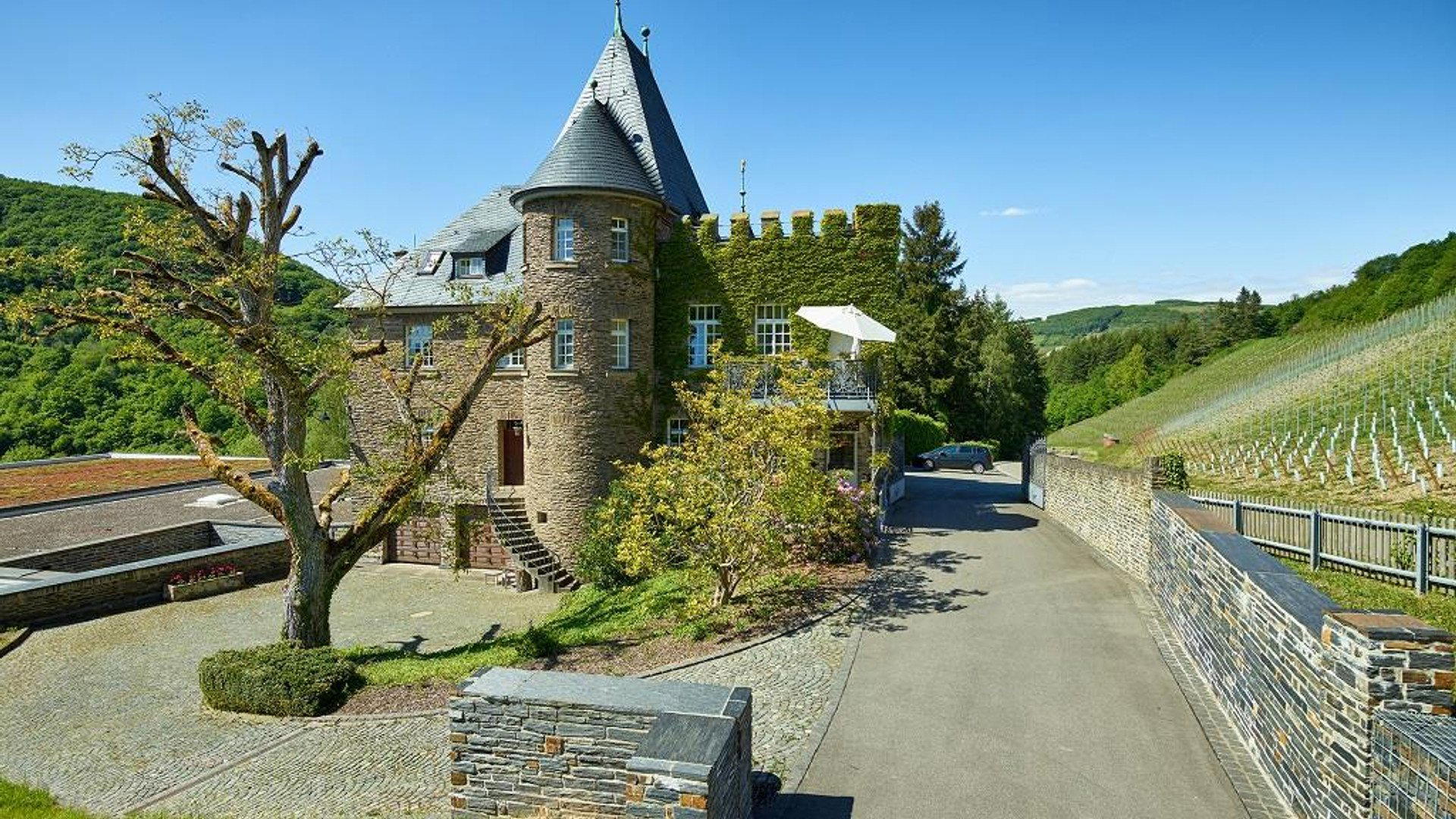
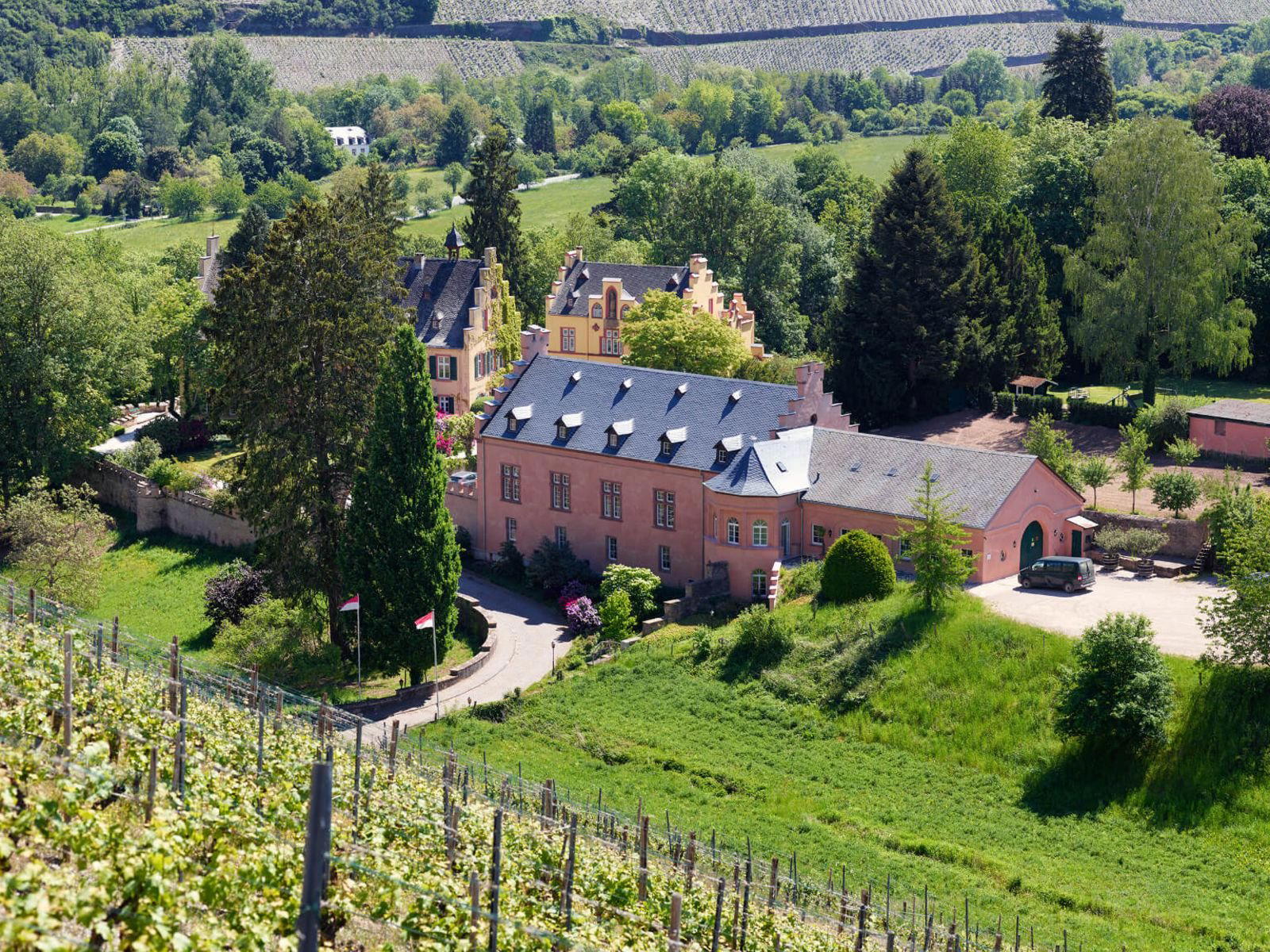
Domaine la Forêt occupies the Route de l'Europe address that has become familiar to Remich regulars and visitors arriving along the wine route from the south. Approaching from the road, the setting carries the measured calm that defines this stretch of the valley, not the theatrical drama of alpine scenery, but the quiet productivity of a working wine landscape in autumn gold or early spring green. That physical context matters for understanding what this kind of restaurant is for: it serves a function that grand-urban dining does not, offering a grounded, unhurried version of classic cuisine to a audience that is as likely to arrive from Trier or Metz as from Luxembourg City.
Classic Cuisine in a Region That Takes Its Sourcing Seriously
The Michelin Plate, awarded to Domaine la Forêt in both 2024 and 2025, signals kitchen quality without the starred pressure that reshapes menus toward performance and spectacle. Plate recognition, in Michelin's framework, identifies restaurants that prepare food carefully and consistently; it sits below the star tier but above the noise of unrecognised addresses. Across the wider classic cuisine category in this part of northern Europe, Plate-level consistency tends to align with a cooking approach that respects ingredient provenance and avoids shortcuts, whether at Meierei Dirk Luther in Glücksburg, Alt Wyk in Wyk, or Arenberg in Heverlee.
The Luxembourg Moselle has particular structural advantages for sourcing. The valley's agricultural and viticultural density means that seasonal produce, vegetables, herbs, river fish, game from the Ardennes in season, moves through short supply chains. Classic cuisine, with its emphasis on classical technique applied to good-quality ingredients, maps well onto this regional economy. A kitchen that sources within these supply chains reduces transport distances, works with producers who have reputational skin in the game, and benefits from ingredients arriving at peak condition rather than after extended cold-chain handling. These are not abstract ethical positions; they are practical advantages that show up in flavour and consistency.
For context on how this compares elsewhere in the classic cuisine category, Relais de la Poste in Magescq operates within a similarly defined regional food culture in the Landes, while Obauer in Werfen has built a reputation in the Salzach valley on Alpine sourcing and long continuity. The pattern across these addresses is consistent: regional rootedness and sourcing discipline produce better classic cuisine than urban restaurants with longer supply chains and higher turnover pressure.
Where Domaine la Forêt Sits in Luxembourg's Dining Tier
At the €€€€ price tier, the restaurant occupies the mid-to-upper tier of Luxembourg dining. That positioning is meaningful: it places the restaurant in a comparable set defined by serious cooking at accessible-luxury prices, where the dining room is not priced exclusively for expense-account occasions. In a country with a relatively high cost of living and dining, the €€€ tier represents a deliberate choice to remain available to a broader local audience, a choice that also implies something about the restaurant's orientation toward community rather than trophy dining.
For comparison, addresses with high destination appeal and low repeat visits often show higher average ratings from a smaller pool of first-time visitors motivated to review; a 4.2 across 357 reviews in a small Moselle town indicates local regulars who return often enough to dilute the first-visit enthusiasm, and who keep coming back anyway. That pattern is usually a stronger signal of everyday reliability than a higher rating built on fewer, more self-selecting reviews.
Other Michelin-recognised addresses in Luxembourg's wider dining scene skew toward the capital or toward the starred tier: Schéiss and Le Jardin de la Gaichel serve different geographic and format needs. The restaurant fills a specific gap: Michelin-acknowledged classic cooking in a wine-country setting, at a price point that sustains regular visits rather than one-off occasions.
Planning a Visit to Remich
Remich is reachable from Luxembourg City in approximately 30 to 40 minutes by road, following the Moselle south from the capital through the wine villages of Wormeldange and Stadtbredimus. The Route de l'Europe address, 36 Rte de l'Europe, 5531 Remich, sits on the main artery through town, accessible without navigating the narrower riverside streets. Cross-border visitors from Trier arrive in under an hour; the town also connects to the regional bus network, though a private vehicle is the practical choice for evening visits. Reservations are advisable, particularly in the warmer months when Moselle wine tourism increases footfall across the valley's restaurants. The €€€ price range places a meal in the bracket where booking ahead is standard practice.
Across the classic cuisine category in neighbouring countries, KOMU in Munich, Maison Rostang in Paris, and Auberge de la Mine in La Ferrière-aux-Étangs offer useful reference points for the style of cooking and the price-to-quality positioning that defines this tier.
What to Order at Domaine la Forêt
What the Michelin Plate recognition and classic cuisine classification do signal is the kind of cooking to expect: technique-driven preparation of seasonal ingredients, classical French-influenced structure, and the kind of precision that distinguishes a careful kitchen from a competent one. In this region, in this season, that typically means taking full advantage of what the Moselle valley's agricultural calendar produces, which, at the €€€ tier with consecutive Michelin recognition, is the clearest honest directive available.
City Peers
Comparable venues nearby, for context on price, style, and recognition.
| Venue | Cuisine | Price | Notes |
|---|---|---|---|
| Domaine la ForêtThis venue — the venue you are viewing | Traditional French-Luxembourgish | $$$$ | Not listed |
| Aal Schoul | Modern French Brasserie with Meat Specialties | $$$ | Hobscheid |
| La Manufacture | Modern French Fine Dining | $$$$ | Bertrange |
| Amélys | Modern French Brasserie with Luxembourgish Specialties | $$$ | Ville Haute |
| La Rameaudière | Classic French Fine Dining | $$$$ | Ellange |
| Artis | Modern French | $$$ | Hesperange |
Recognition history
Dated appearances from independent guides and award organizations, with the underlying list record or original source where available.
Michelin Plate
Michelin
Michelin Plate
Michelin
Continue exploring
More in Luxembourg
Restaurants in Luxembourg
Browse all →
Hotels in Luxembourg
Browse all →
At a Glance
- Elegant
- Romantic
- Classic
- Date Night
- Special Occasion
- Celebration
- Hotel Restaurant
- Extensive Wine List
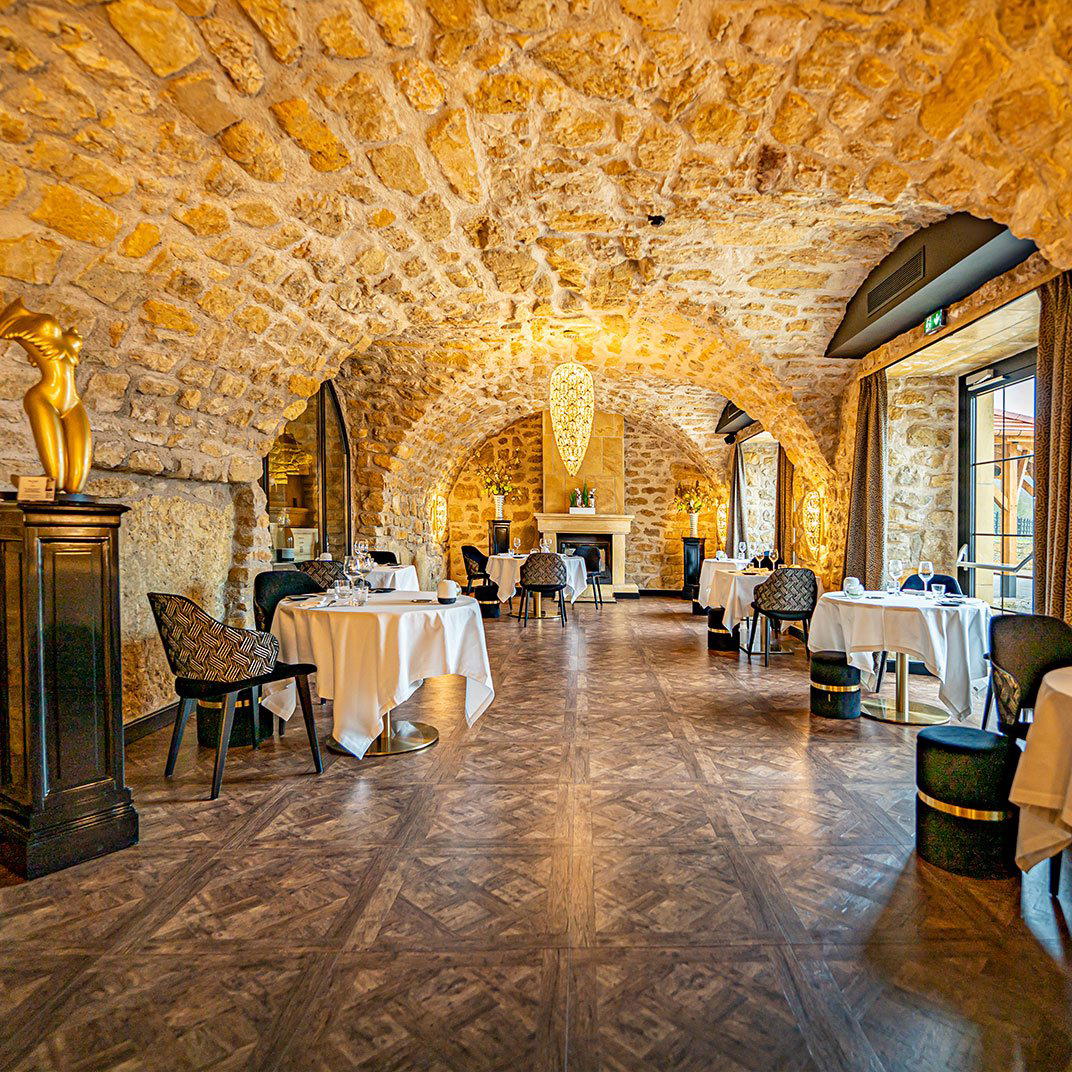
Classical and elegant with a somewhat dated decor, featuring terrace seating and a refined atmosphere suitable for romantic occasions.