
Cantonese cooking on the 28th floor of Sedona Suites, earning consecutive Michelin Plates in 2024 and 2025. Lai operates at the upper mid-range of Ho Chi Minh City's Chinese dining tier, placing it in a comparable set defined by technical precision and regional specificity rather than broad pan-Asian menus. For noodle traditions and classic Cantonese technique, it is one of the city's more credentialed addresses.
Pearl is the En Primeur Club membership app — saves, bookings, and concierge access live there. Same editors, same standards.
- Address
- Tầng 28 Sedona Suites 92-94 Nam Kỳ Khởi Nghĩa, 28th Floor, Ward, Bến Nghé, Quận 1, Thành phố Hồ Chí Minh 70000, Vietnam
- Phone
- +84 903 116 038
- Website
- laivn.com
- Directions
- Get directions
 Saves & bookings on Pearl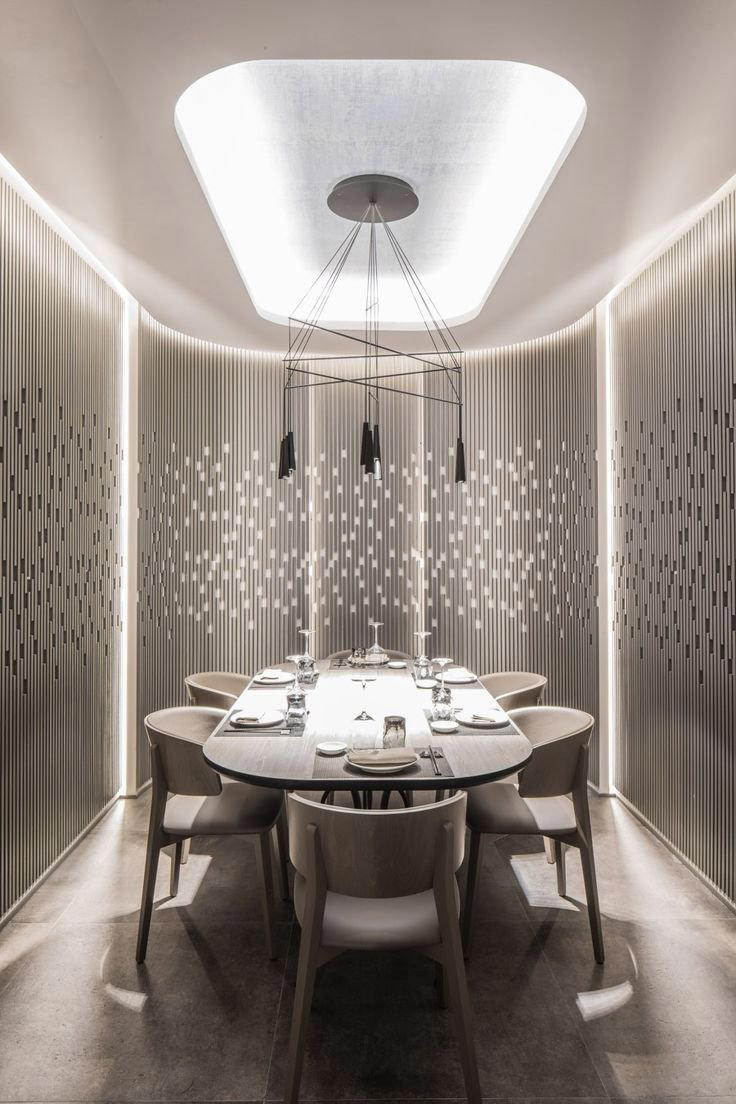
Cantonese at Altitude: The View from the 28th Floor
Lai is a Modern Cantonese restaurant in Ho Chi Minh City on the 28th floor of Sedona Suites in District 1. It sits downstream from Hong Kong and Macau's dominant reference points, cities where Cantonese cooking has accumulated decades of Michelin scrutiny, institutional memory, and fierce competition among counters, yet maintains its own character, shaped by the Chinese-Vietnamese communities of Cholon and District 1, and by the city's appetite for precision cookery at a fraction of Hong Kong prices. Lai, on the 28th floor of Sedona Suites on Nam Ky Khoi Nghia, enters that conversation with back-to-back Michelin Plates in 2024 and 2025, a credential that positions it at the summit of Ho Chi Minh City's recognised Cantonese tier.
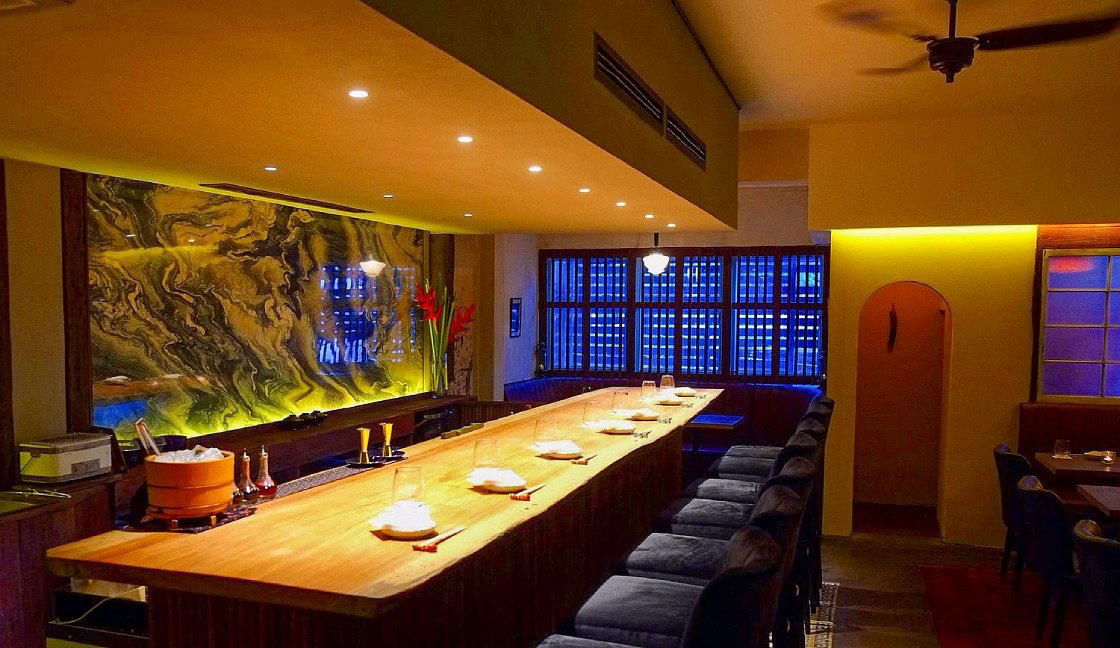
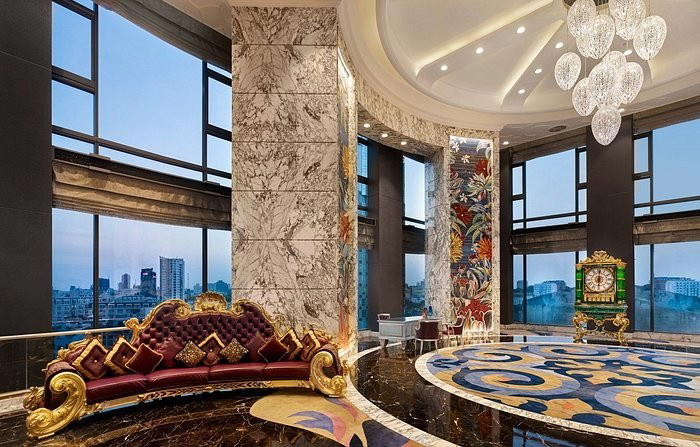
The elevation is not incidental. High-floor dining rooms have become a deliberate format choice in District 1, where ground-level space is expensive and the city's skyline has matured enough to justify the vertical approach. Arriving at the 28th floor, the transition from Saigon street-level noise to a composed, quieter dining environment is immediate. That physical separation from the street is part of what distinguishes this tier of Cantonese restaurant from the older, noisier traditions of Cholon's family banquet halls.
Noodle Tradition Inside a Cantonese Framework
Cantonese cuisine's relationship with noodles is more disciplined than it is experimental. Where Sichuan and Shanxi traditions prize hand-pulled theatrics and knife-cut width variation as signatures in their own right, the Cantonese approach is fundamentally about broth clarity, noodle texture calibrated to the soup's weight, and the balance between a stock that has been cooked long enough to carry depth without going cloudy. Wonton noodle soup is the standard-bearer: thin, springy egg noodles in a pork-and-shrimp broth, with dumplings whose skins should be translucent enough to reveal the filling's colour. The discipline is in the restraint.
This regional specificity matters when evaluating a Cantonese room like Lai against the broader spectrum of Chinese cooking available in Ho Chi Minh City. The city has many Vietnamese-Chinese hybrids, pan-Asian menus that lean toward Cantonese flavours without committing to the technical requirements of the tradition, and banquet-format restaurants where volume crowds out precision. A Michelin Plate designation signals that Lai operates differently: the inspectors' standard for that recognition requires consistent cooking quality, and two consecutive years of that recognition suggests the kitchen is not coasting on occasion.
Compared with Ho Chi Minh City's other recognised Cantonese address, Long Trieu operates at a higher price tier than Lai's ₫₫₫ positioning. That difference matters: Lai sits at a point where Cantonese technique and Michelin recognition arrive at a price accessible to a wider range of visitors than the top tier demands. For Chinese dim sum in a more casual register, Dim Tu Tac on Dong Du Street operates in a different format and price band entirely.
Where Lai Sits in Ho Chi Minh City's Dining Structure
District 1 carries most of Ho Chi Minh City's Michelin-recognised dining, and the 2024-2025 cohort reflects a city that has grown more confident in its mid-to-upper tier. Vietnamese street food and modern Vietnamese cooking have earned significant attention: Anan Saigon works within the street food tradition at a lower price point, while innovative formats like Akuna push into contemporary territory. Cantonese cooking within that ecosystem occupies a specific lane: it draws diners who want technical classical cooking rather than fusion or street-food lineage.
The ₫₫₫ price range places Lai in the upper mid-tier for the city, roughly comparable in spend to established Vietnamese banquet rooms like Tiệm Cơm Thố Chuyên Ký, though the two kitchens operate in entirely different traditions. The point is that Lai's price band is not notable for District 1; what is distinctive is the combination of Cantonese specificity and Michelin recognition at that tier.
For readers building a broader picture of Cantonese cooking across Asia, the reference set extends well beyond Vietnam. Forum and T'ang Court in Hong Kong represent the tradition at Star level, and the gap between a Plate and a Star reflects real differences in ambition and consistency rather than mere geography. In Macau, Chef Tam's Seasons and Jade Dragon operate at the highest recognised tier of the tradition. Outside the Pearl River Delta, 102 House in Shanghai and Le Palais in Taipei show how Cantonese cooking translates into different Chinese cities, each with its own interpretive pressures. Within Vietnam, Hibana by Koki in Hanoi and La Maison 1888 in Da Nang frame the country's broader fine dining geography, though both operate in entirely different culinary traditions.
Planning a Visit
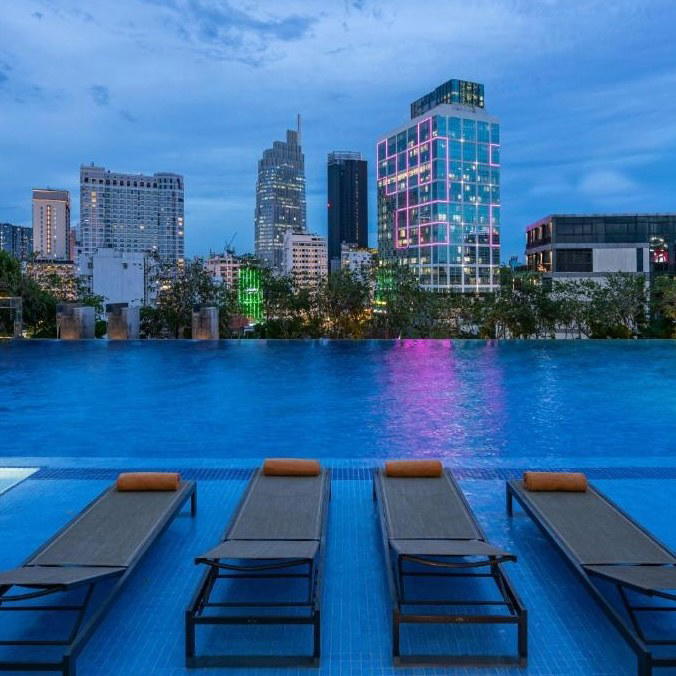
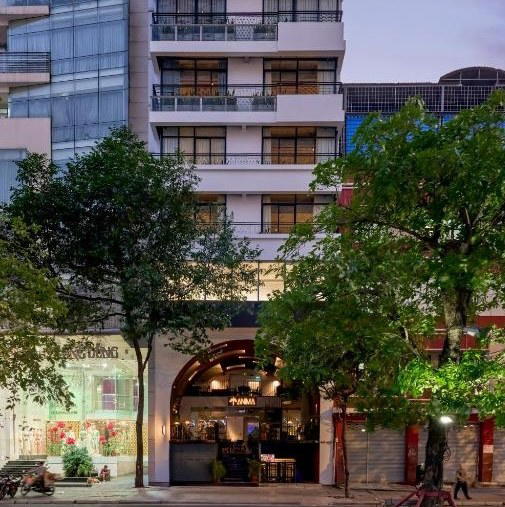
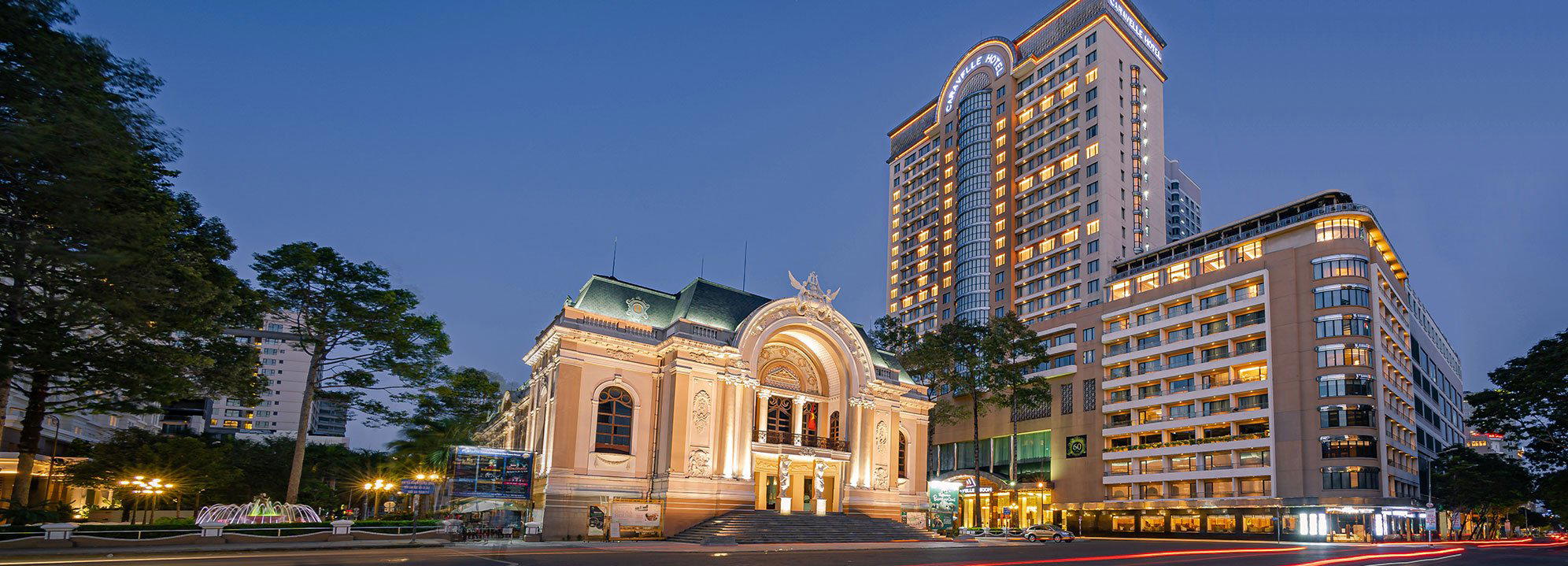
Lai occupies the 28th floor of Sedona Suites at 92-94 Nam Ky Khoi Nghia in Ward Ben Nghe, District 1, Ho Chi Minh City 70000. The Sedona Suites address is well established in District 1's central corridor, accessible from most hotels in the area without requiring long transit. The ₫₫₫ pricing tier, combined with the hotel-tower setting, suggests reservations are advisable rather than optional, particularly on weekends when high-floor dining rooms in District 1 fill through hotel concierge channels as well as direct bookings. Arriving in the early evening allows time to observe the city transition from late-afternoon light to the lit grid of Saigon at night, which the 28th-floor position frames directly.
City Peers
Comparable venues nearby, for context on price, style, and recognition.
| Venue | Cuisine | Price | Notes |
|---|---|---|---|
| LaiThis venue — the venue you are viewing | Modern Cantonese | $$$ | Not listed |
| Elgin | Modern Asian-Fusion Sharing Plates | $$$ | Quan 1 |
| Đông Phố | Upscale Hue Cuisine | $$$ | Quan 3 |
| Hoi An Sense | Central Vietnamese Fine Dining | $$$ | Quan 1 |
| Å by T.U.N.G | Modern Nordic-Vietnamese Fine Dining | $$$$ | Quan 1 |
| ST25 by KOTO | Contemporary Vietnamese | $$$ | Quan 1 |
Recognition history
Dated appearances from independent guides and award organizations, with the underlying list record or original source where available.
Michelin Plate
Michelin
Michelin Plate
Michelin
Continue exploring
More in Ho Chi Minh City
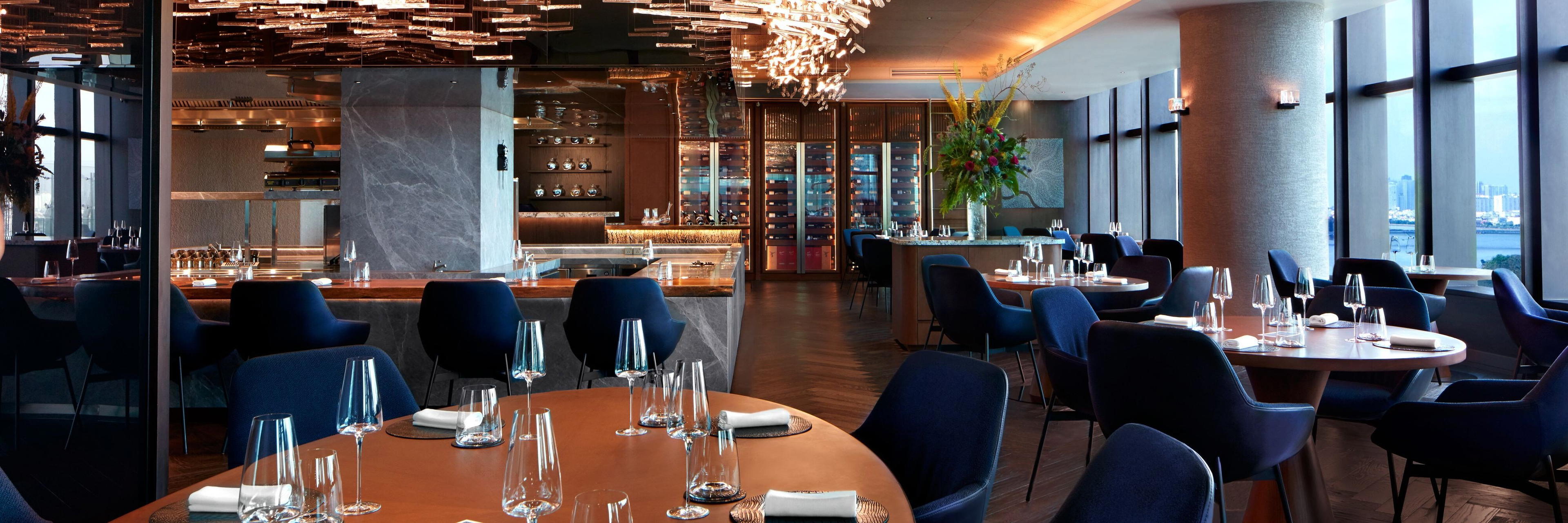
Restaurants in Ho Chi Minh City
Browse all →
Bars in Ho Chi Minh City
Browse all →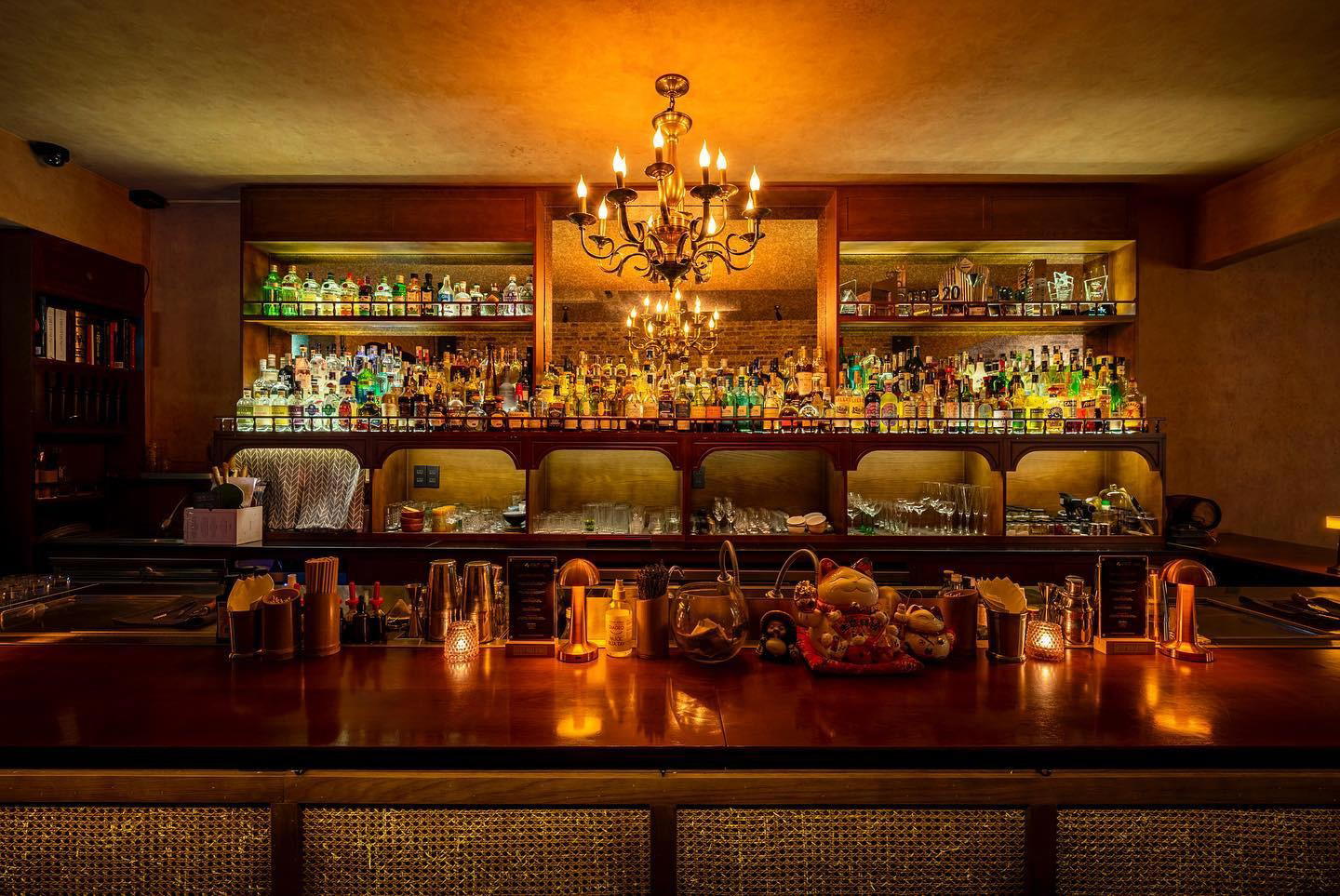
At a Glance
- Elegant
- Modern
- Sophisticated
- Romantic
- Cozy
- Date Night
- Business Dinner
- Special Occasion
- Group Dining
- Terrace
- Private Dining
- Panoramic View
- Extensive Wine List
- Skyline
Current opening hours
- Monday
- 11:30 AM–11 PM
- Tuesday
- 11:30 AM–11 PM
- Wednesday
- 11:30 AM–11 PM
- Thursday
- 11:30 AM–11 PM
- Friday
- 11:30 AM–11 PM
- Saturday
- 11:30 AM–11 PM
- Sunday
- 11:30 AM–11 PM
Hours can change for holidays and private events. Last verified .
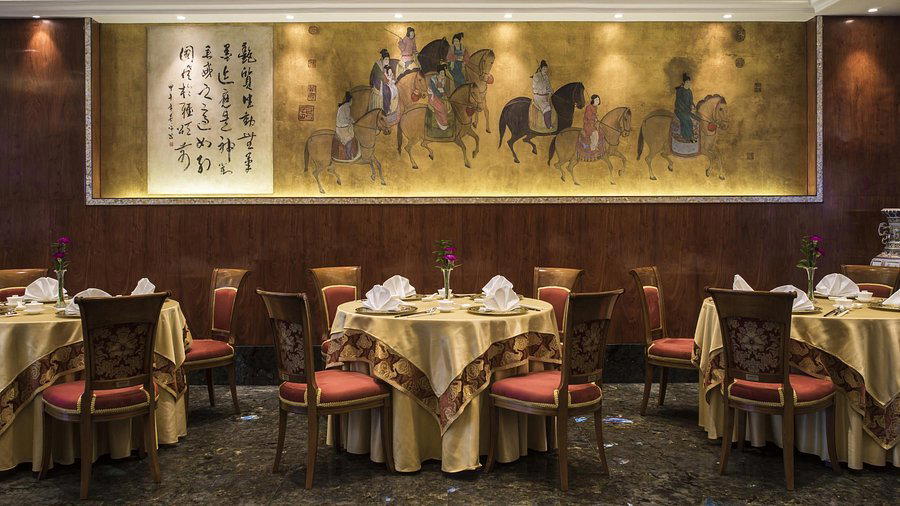
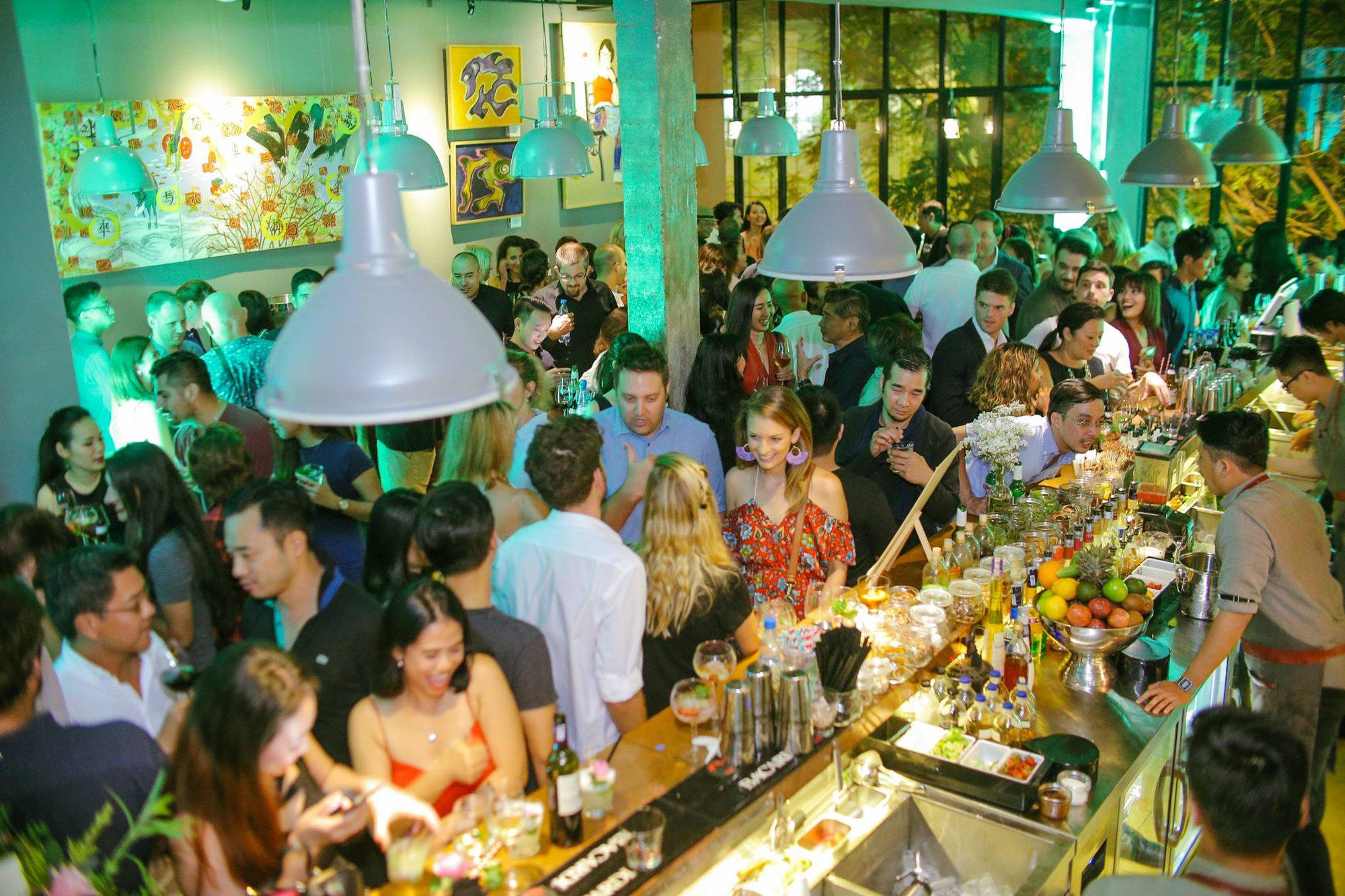
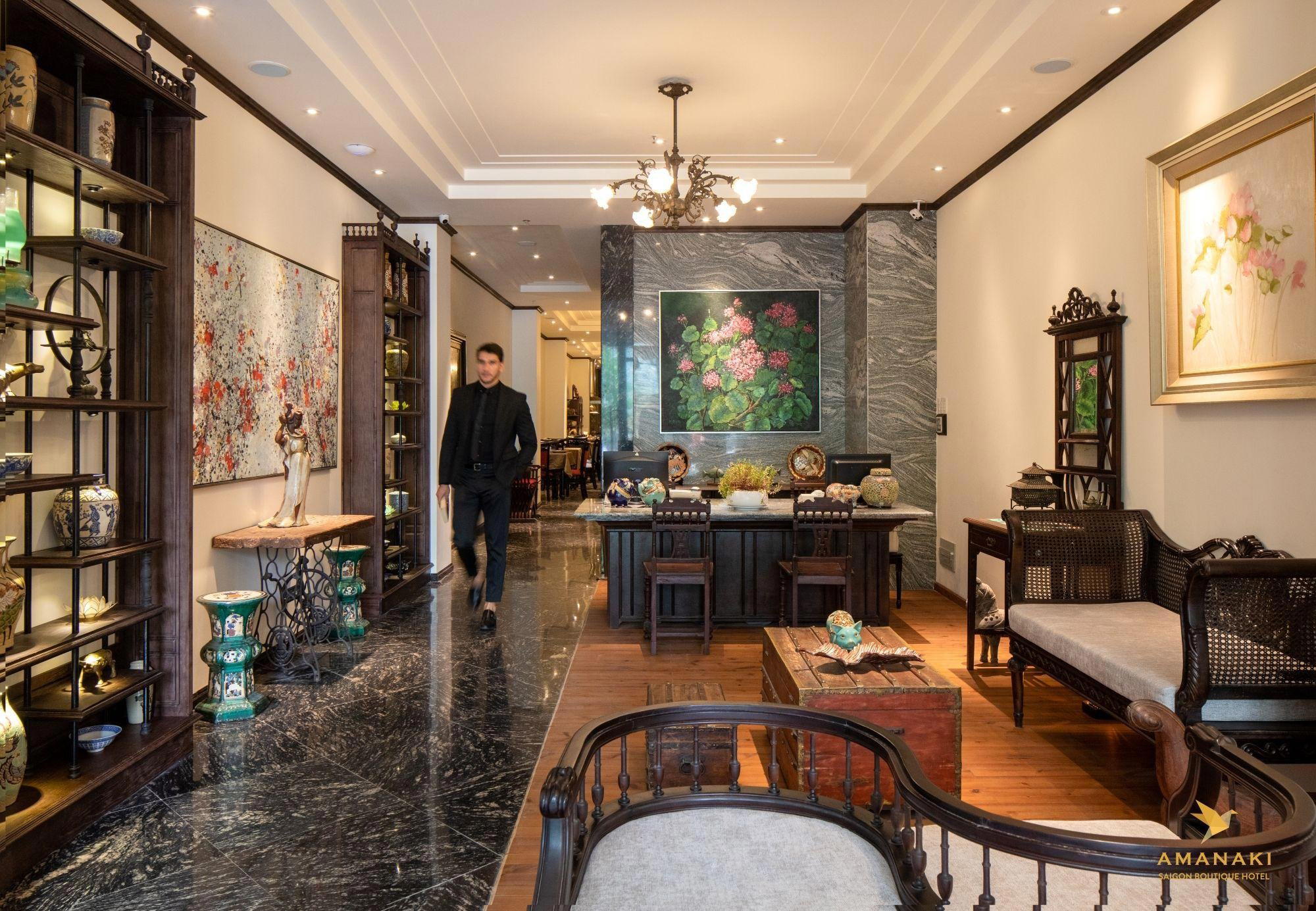
Elegant fusion of traditional Chinese decor with modern paintings, flowers, and bold contemporary elements, creating open yet connected spaces with dramatic city skyline views.