
Tabelog 100
Our verdict
Asakusa’s kissaten culture sits closer to daily ritual than destination dining, and Lodge Akaishi belongs to that older Tokyo register: coffee-shop, yoshoku counter, breakfast stop and neighbourhood room in one. Its Tabelog Kissaten 100 selection in 2021 and 2022 places it within a documented group of Japanese coffee shops where atmosphere, price discipline and continuity matter as much as the plate.

Pearl is the En Primeur Club membership app — saves, bookings, and concierge access live there. Same editors, same standards.
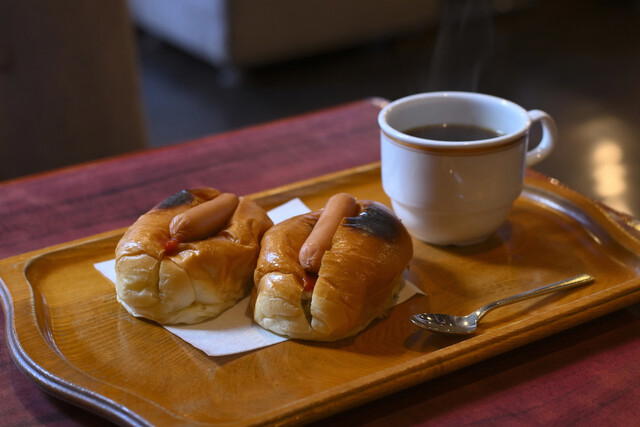
Tokyo changes texture once the busiest foot traffic thins: shutters, small signs, quieter streets and the everyday rhythm of a city that has fed visitors and locals for generations. Here, the Japanese kissaten is not a café in the international shorthand sense, but a room for lingering, solo meals, family tables and coffee overlapping with yoshoku. Lodge Akaishi fits that tradition with a format that reads as old Tokyo rather than lifestyle café.
The comparison is not Tokyo’s high-design coffee bars, where ritual often centres on beans, extraction and retail bags. Kissaten are broader: coffee shares space with Western-influenced Japanese cooking, pasta and everyday pricing that keeps regulars in the room. Lodge Akaishi’s listed categories, kissa, yoshoku and pasta, say more than a chef biography. This is Tokyo dining as habit and social infrastructure, not tasting-menu performance.
Tokyo kissaten culture, seen through coffee, yoshoku and everyday service
Tokyo’s older coffee shops survive by being specific without becoming narrow. A kissa can serve coffee and Western-style Japanese cooking under one roof because the category grew around use, not genre purity. The point is practical comfort: a midday pause, low-cost dinner or an easy meal when eating alone feels simpler than booking a restaurant. Lodge Akaishi’s Tabelog score of 3.70 and selection for Tabelog Kissaten 100 in 2022 place it among Japanese coffee shops valued for that complete pattern, not one item.
Within Tokyo, that matters. The city has obvious tourist gravity, but its better everyday dining often works smaller than the main routes suggest. Useful comparison points show the range: Taiyaki Sharaku, Chiba Ya and Tokutaro suggest a snack-and-sweets lane; Onigiri Asakusa Yadoroku represents tighter onigiri focus; Yonekyu Honten moves into a more restaurant-led bracket. Lodge Akaishi occupies an accessible middle ground, with lunch and dinner budgets listed at JPY 1,000 to JPY 1,999, keeping it in repeatable Tokyo eating rather than occasion dining.
The room’s appeal is best read in broader terms. The mixed rhythm of a kissa lets people settle into different uses: a pause, a meal, a coffee, or a practical stop between other parts of the day. In a city where premium dining often asks for planning, deposits and fixed courses, this format resists ceremony. Timing and patience matter more than advance strategy.
What the recognition signals, and what it does not
Tabelog’s Kissaten 100 selection is not the same signal as Michelin dining or a global restaurant list. It is narrower and more culturally useful here because it identifies coffee shops within Japan’s review ecosystem. For travellers, that distinction helps. A kissa is easily misread from outside: signage may look modest, the menu spread loose, the atmosphere less designed than newer cafés. Recognition within the kissaten category cues that the value lies in continuity, local use and format discipline.
That does not make Lodge Akaishi a luxury stop in the usual Tokyo sense. Its appeal is the opposite: an accessible Tokyo room where the spending bracket stays modest. The defining idea is the complete kissaten model, coffee shop as neighbourhood dining room. Yoshoku is not Western food transplanted intact, but a Japanese adaptation of Western dishes shaped over decades into its own comfort category. Pairing it with coffee and pasta inside a kissa is tradition working as intended.
For sensory expectations, read it atmospherically rather than menu-specifically. Expect the established Japanese coffee-shop idea rather than a grab-and-go coffee counter: a pace set by meals and conversation, and visual language closer to local routine than contemporary café branding. Kissaten culture rewards attention to rhythm, not extraction for a feed.
How to place it in a Tokyo day
Tokyo’s dining map splits between quick local staples, sweets, old-school restaurants and casual rooms with broad menus. Lodge Akaishi is strongest as part of that day-to-day circuit rather than a stand-alone pilgrimage. It suits a Tokyo plan built around a coffee-shop meal with local texture before returning to denser parts of the city. The address should be treated simply as Tokyo for planning purposes, with exact routing checked before visiting.
Practical constraints still matter. That matters more here than at a reservation-led restaurant because the pleasure of a kissaten is tied to arriving at the right moment for the pause the room was built to hold.
For a broader Tokyo plan, use Our full Tokyo restaurants guide for the restaurant map, then branch into city context with and Our full Tokyo experiences guide. Nearby and category-adjacent Tokyo listings can be approached generically as other everyday dining rooms, cafés and casual restaurants rather than direct substitutes for Lodge Akaishi.
Readers building a Japan-wide casual dining thread can compare the same everyday logic across unnamed dining rooms in other Japanese cities and abroad, where Japanese formats shift once they leave Japan. The comparison makes the Tokyo kissa feel less quaint and more precise: a working urban form, priced for repetition, shaped by routine and legible through how people use the room.
Frequently asked questions
What's the defining dish or idea at Lodge Akaishi?
The defining idea is the kissaten format itself: a menu category spanning kissa, yoshoku, and pasta. Its Tabelog 100 Kissaten 2022 selection places it firmly in Tokyo’s old-school coffee-shop tradition.
A Lean Comparison
Comparable venues to anchor price and recognition.
| Venue | Cuisine | Price | Awards | Notes |
|---|---|---|---|---|
| Lodge AkaishiThis venue (the venue you are viewing) | Japanese Kissaten / Retro Café | $10–20 | Tabelog 100 | Not listed |
| Coffee Senmon Ten Tomii | Not listed | $10–20 | Tabelog 100 | Sumida, Traditional Japanese kissaten & pancake café |
| Gyokueido Hikokuro | Traditional Japanese Wagashi & Dorayaki | $1–10 | Tabelog 100 #63 | Chūō, Traditional Japanese Wagashi & Dorayaki |
| DOMINICA Ginza ten | Soup curry specialty (Sapporo-style Japanese curry) | $10–20 | Tabelog 100 #74 | Chūō, Soup curry specialty (Sapporo-style Japanese curry) |
| Sugamo Tokiwa Shokudo Honten | Japanese shokudo & teishoku diner | $10–20 | Tabelog 100 #11 | Toshima, Japanese shokudo & teishoku diner |
| Uchitate ya | Handmade Udon Noodle Shop | $1–10 | Tabelog 100 #61 | Toshima, Handmade Udon Noodle Shop |
Recognition history
Dated appearances from independent guides and award organizations, with the underlying list record or original source where available.
Tabelog 100
Tabelog · Tabelog 100 - Kissaten - 2026
Full recognition history (2 entries)
Tabelog 100 #27 · No. 27
Tabelog · Tabelog 100 - Kissaten - 2022
Continue exploring
More in Tokyo
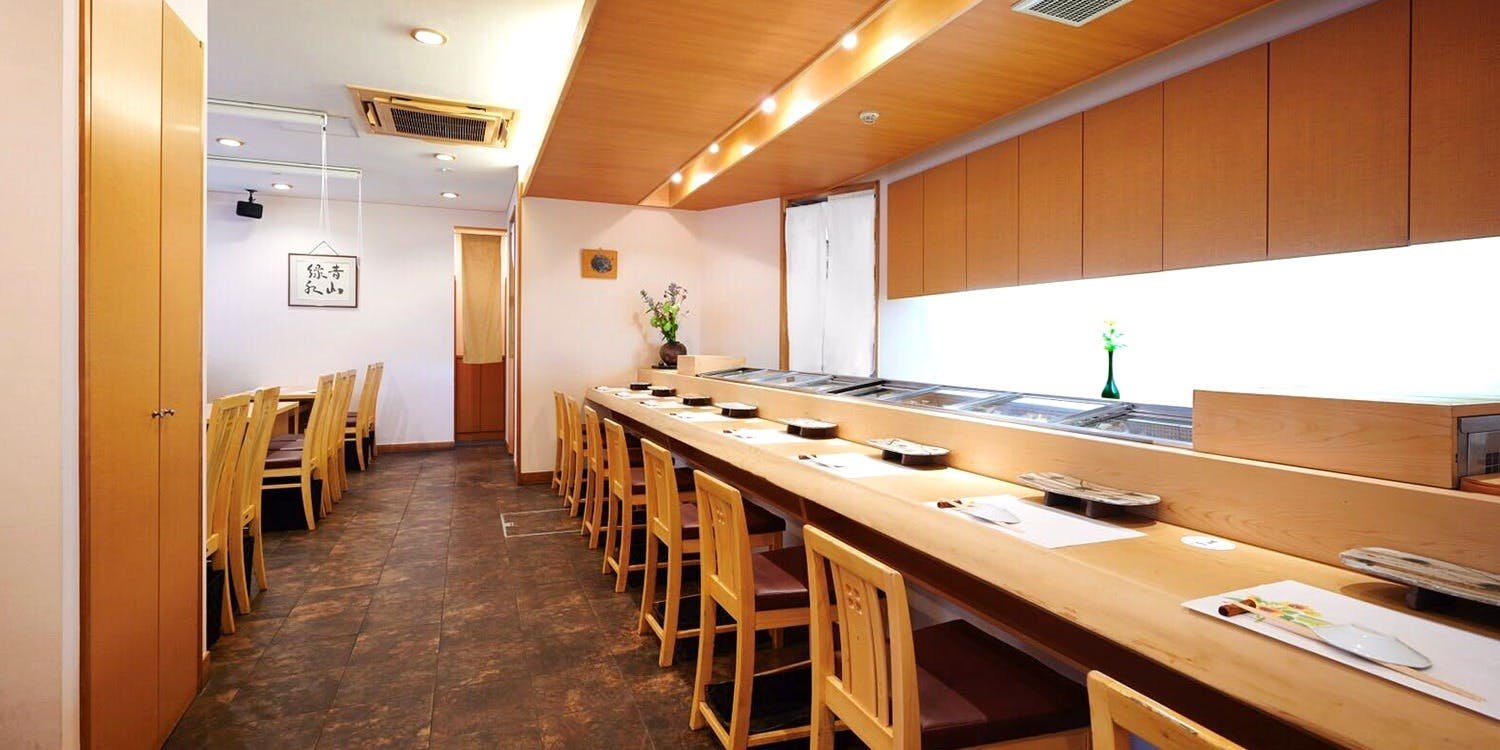
Restaurants in Tokyo
All restaurants in Tokyo →

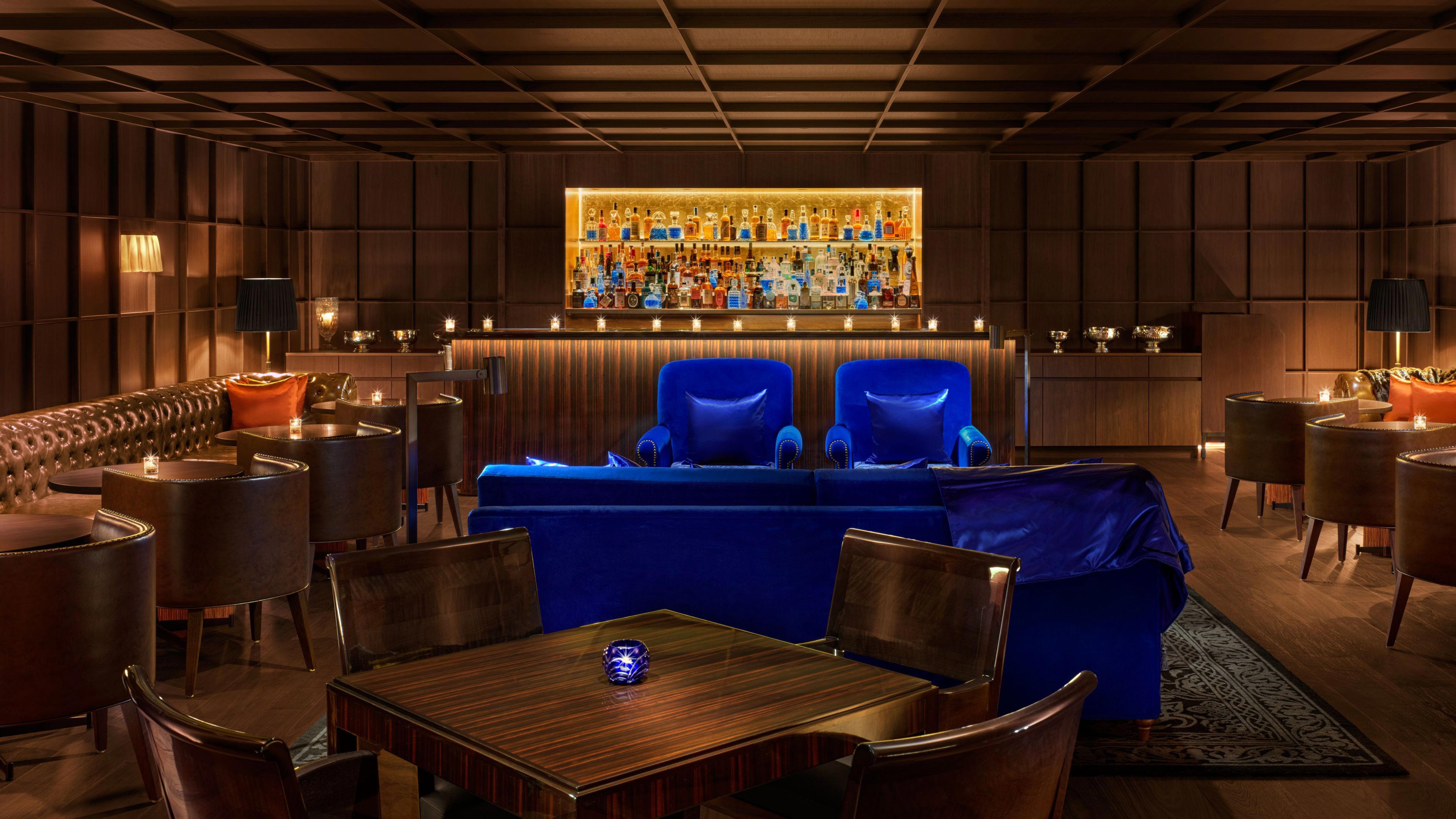
Bars in Tokyo
All bars in Tokyo →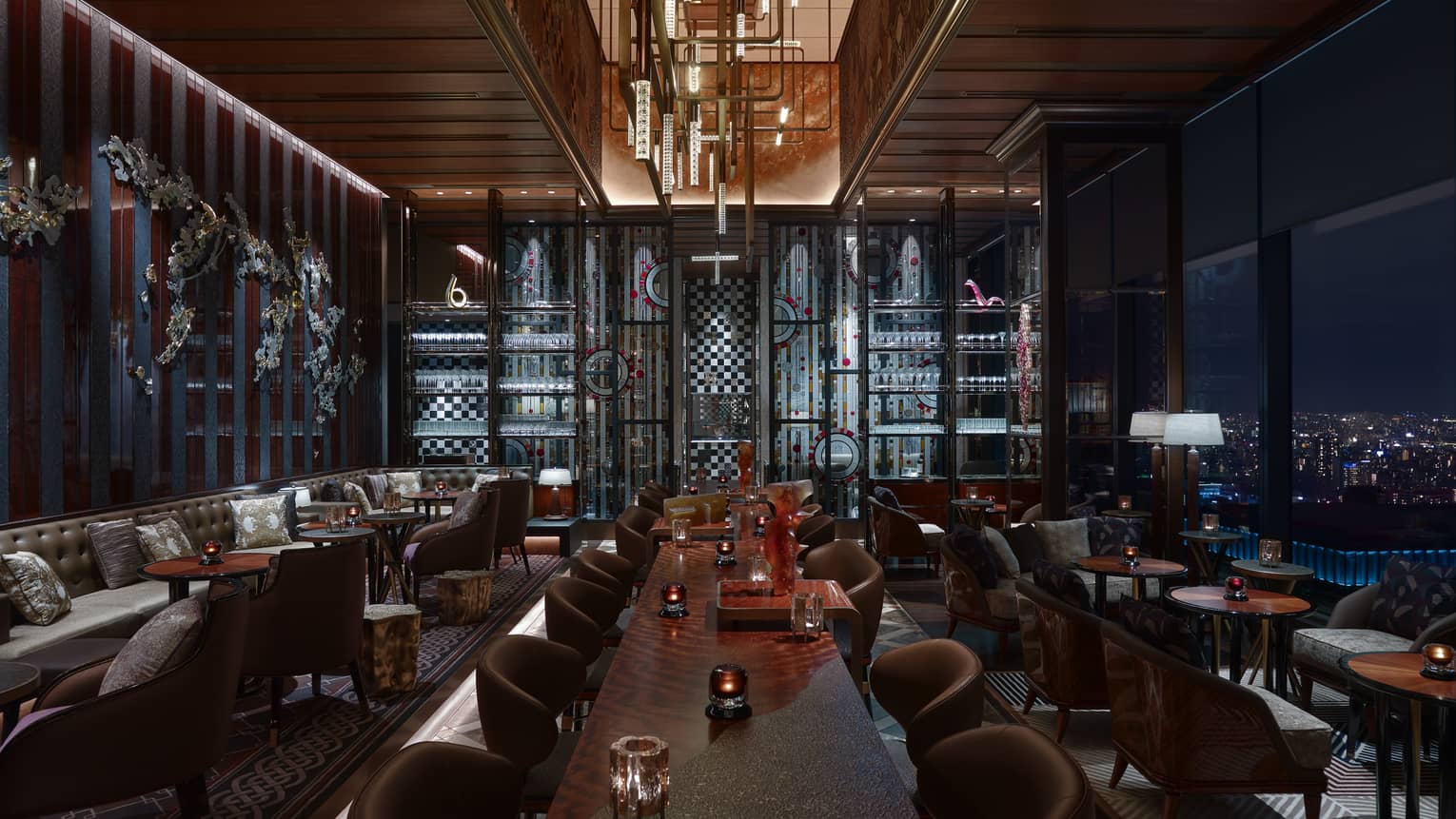

Details
- Classic
- Cozy
- Well Known
- Casual Hangout
- Solo
- Family
- Late Night
- Historic Building
- Standalone
- Street Scene
- A La Carte
- Coffee
Current opening hours
- Monday
- Closed
- Tuesday
- 9 AM–7 PM
- Wednesday
- 9 AM–7 PM
- Thursday
- 9 AM–7 PM
- Friday
- 9 AM–7 PM
- Saturday
- 9 AM–7 PM
- Sunday
- 9 AM–7 PM
Hours can change for holidays and private events. Last verified .
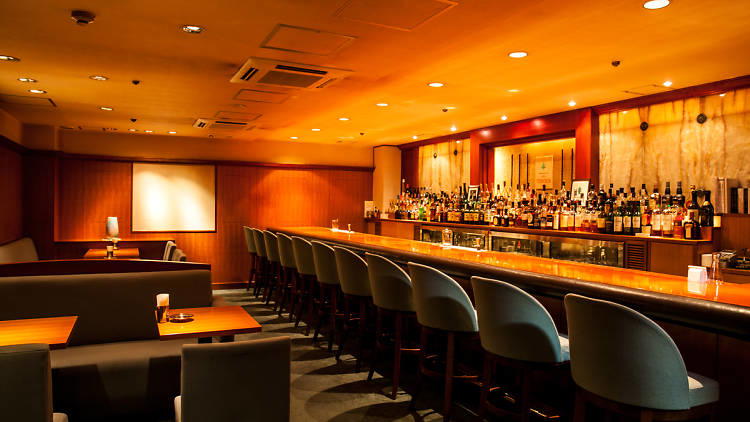
Retro, old-school coffee shop atmosphere with a mountain-lodge feel; warm and nostalgic rather than modern or polished.