Locatelli at the National Gallery

Inside the National Gallery's renovated Sainsbury Wing, Locatelli brings Giorgio Locatelli's Italian kitchen to one of London's most visited cultural addresses. Handmade pasta and carefully sourced Italian ingredients sit at the centre of the menu, with a ground-floor bar serving coffee and freshly baked maritozzi. It operates several notches above standard museum dining.
Pearl is the En Primeur Club membership app — saves, bookings, and concierge access live there. Same editors, same standards.
- Address
- Sainsbury Wing National Gallery, Trafalgar Sq, London WC2N 5DN, United Kingdom
- Phone
- +44 20 7367 9012
- Directions
- Get directions
 Saves & bookings on Pearl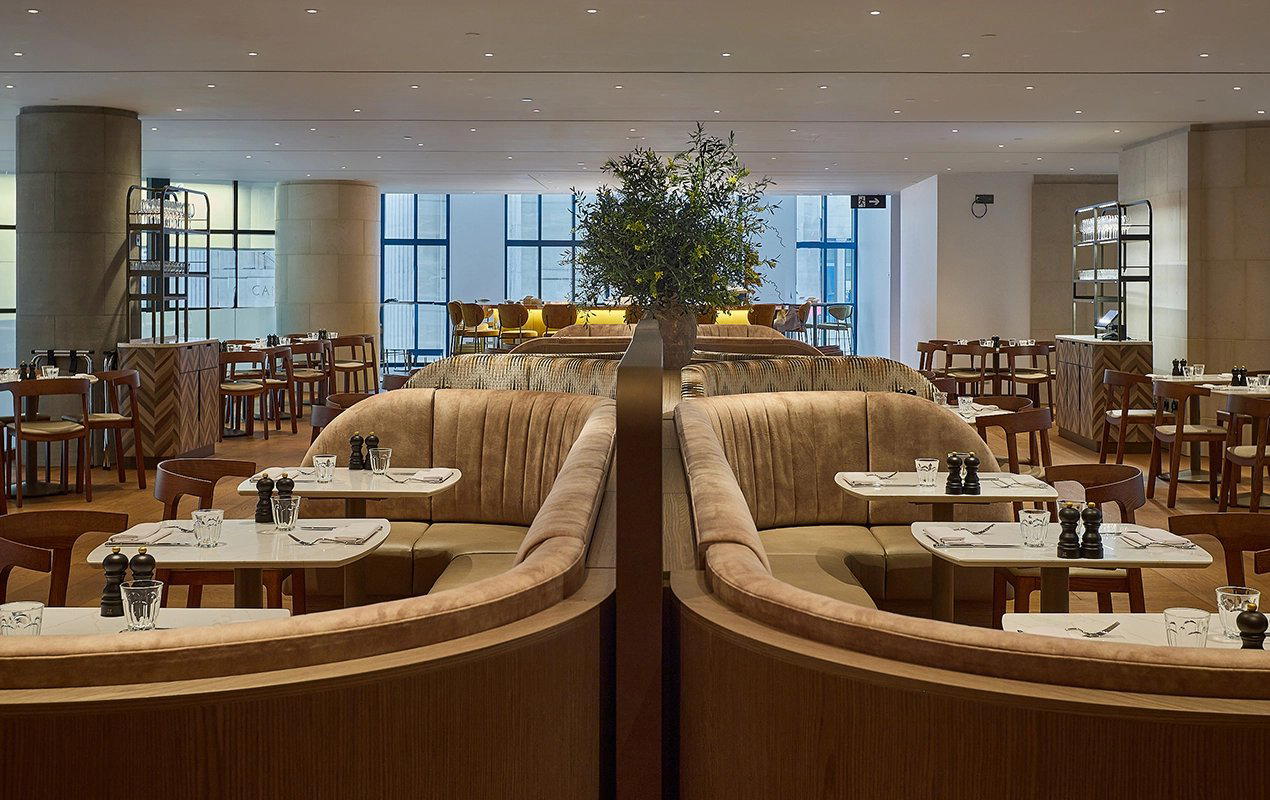
Italian Craft Inside a National Institution
Museum restaurants occupy an awkward middle ground in most cities: captive audiences, subsidised rents, and menus that rarely need to compete. London's major institutions have spent the better part of two decades trying to fix that equation, with varying results. The partnership between the National Gallery and Giorgio Locatelli, inside the Sainsbury Wing, represents one of the more considered attempts at resolving it. The logic is direct: attach a name with culinary credibility to a site with heavy footfall and architectural weight, then build a kitchen programme serious enough that visitors may choose to eat there.
That credibility rests on Locatelli's long-standing place in London's Italian dining scene. Italian restaurants in the capital split broadly between neighbourhood trattorias, mid-market pasta chains, and a smaller tier of ingredient-led kitchens where sourcing discipline and technique matter as much as atmosphere. Locatelli has occupied that upper tier for years, and the National Gallery outpost carries those standards into a publicly accessible, culturally loaded space. It is, in that sense, a different proposition from the tasting-menu rooms that dominate London's critical conversation, places like CORE by Clare Smyth, Sketch, The Lecture Room and Library, or The Ledbury, and is better understood alongside the smaller group of London restaurants where Italian craft and accessible format coexist.
Where the Food Comes From and Why That Matters
Italian cuisine's authority has always derived from specificity of origin. The regional sourcing traditions that produce Parmigiano-Reggiano from Emilia, San Marzano tomatoes from Campania, or burrata from Puglia are not branding exercises; they reflect centuries of agricultural and culinary development tied to particular soils, climates, and production methods. When a kitchen operating under Italian credentials takes those ingredients seriously, the menu reads differently from one that assembles lookalike products from undifferentiated suppliers.
At Locatelli at the National Gallery, the ingredient that most clearly signals the kitchen's priorities is pasta. Handmade pasta is labour-intensive in a way that separates kitchens with genuine craft investment from those treating it as a menu category. The cappellacci stuffed with peas noted among the kitchen's highlights represents a specific regional form, the filling-to-dough ratio and sealing technique of which demand daily repetition and consistent raw material quality. Peas, in particular, are an ingredient that deteriorates rapidly after harvest; using them in a stuffed pasta format implies either close-to-source supply or careful timing, and the dish's appearance on the menu is a reasonable indicator of how the kitchen approaches procurement.
Burrata, listed alongside the menu's Italian staples, is another ingredient where sourcing separates competent from serious kitchens. True Puglian burrata has a shelf life measured in days rather than weeks, and its cream-to-curd balance shifts quickly after production. Serving it at a museum restaurant, rather than a dedicated Italian table, requires supply chain discipline that most comparable venues skip entirely. The tiramisu signals a similar attention to classical form: a dessert that is easy to approximate and difficult to execute with the correct coffee saturation, mascarpone texture, and savoiardo integrity.
The Setting and What It Changes
The Sainsbury Wing gives the restaurant a frame that no amount of interior design budget could replicate. Dining in proximity to works by Botticelli, Raphael, and Titian shifts the register of an ordinary lunch in ways that are genuinely difficult to manufacture elsewhere in London. Cultural institutions in other European cities, Florence's Uffizi, Paris's Louvre, have long understood that hospitality embedded in serious collections commands a different kind of attention from diners. London's iteration of that model, at least in this case, is anchored by a kitchen programme credible enough to hold its own outside the gallery context.
The bar downstairs adds a secondary offer that extends the venue's usefulness beyond the main restaurant sitting. Coffee and freshly baked maritozzi position the lower level as a useful stop rather than an afterthought. Maritozzi require dough handling and timing that distinguish a bakery-serious operation from one buying in product; their presence here is another indicator of where the kitchen's craft priorities lie.
London's broader dining scene provides context for understanding where this fits. The capital's highest-profile Italian kitchens occupy a competitive tier where Restaurant Gordon Ramsay and Dinner by Heston Blumenthal set a ceiling for destination dining expectations, while the wider city accommodates a long continuum of formats and price points. Locatelli at the National Gallery occupies a specific and somewhat underserved position: formal enough to reward a dedicated visit, accessible enough to absorb a spontaneous one, and located inside a building that already draws over six million visitors per year. That combination is harder to assemble than it looks.
Beyond London: Where This Sits in a Wider British Dining Picture
For visitors using London as a base to explore British dining more broadly, the city's restaurant scene represents only one end of a spectrum. Country-house restaurants like Le Manoir aux Quat' Saisons in Great Milton, destination kitchens like L'Enclume in Cartmel and Moor Hall in Aughton, and acclaimed regional properties like Gidleigh Park in Chagford and Hand and Flowers in Marlow all offer formats and sourcing philosophies worth comparing. The Fat Duck in Bray remains its own category entirely. Internationally, the ingredient-led precision on display at venues like Le Bernardin in New York City or Atomix in New York City offers a useful calibration point for what serious sourcing commitment looks like at the highest level.
Planning Your Visit
The restaurant is located inside the Sainsbury Wing of the National Gallery, Trafalgar Square, London WC2N 5DN. The ground-floor bar offers coffee and maritozzi for shorter visits. The restaurant is recommended for reservations, with hours running Monday to Thursday and Sunday 11:30 AM to 5:45 PM, Friday 11:30 AM to 10:15 PM, and Saturday 11:30 AM to 8:15 PM.
Quick reference: Sainsbury Wing, National Gallery, Trafalgar Square, WC2N 5DN. Reserve ahead for the restaurant; bar is walk-in.
Fast Comparison
Comparable venues nearby, for context on price, style, and recognition.
| Venue | Cuisine | Price | Awards | Notes |
|---|---|---|---|---|
| Locatelli at the National GalleryThis venue — the venue you are viewing | Modern Italian | $$$ | Michelin Plate | Not listed |
| Mezzogiorno by Francesco Mazzei | Southern Italian (Calabrian) | $$$ | Michelin Plate | Whitehall |
| Olivomare | Sardinian Seafood | $$$ | Michelin Plate | Belgravia |
| Sartoria | Classic Italian with Calabrian influences | $$$$ | Not listed | Mayfair |
| 50 Kalò | Authentic Neapolitan Pizza | $$$ | Not listed | Whitehall |
| Archway | Modern Italian | $$$ | Michelin Plate | Battersea |
Recognition history
Dated appearances from independent guides and award organizations, with the underlying list record or original source where available.
Michelin Plate
Michelin

At a Glance
- Elegant
- Sophisticated
- Modern
- Classic
- Special Occasion
- Historic Building
- Hotel Restaurant
- Extensive Wine List
- Street Scene
Current opening hours
- Monday
- 11:30 AM–5:45 PM
- Tuesday
- 11:30 AM–5:45 PM
- Wednesday
- 11:30 AM–5:45 PM
- Thursday
- 11:30 AM–5:45 PM
- Friday
- 11:30 AM–10:15 PM
- Saturday
- 11:30 AM–8:15 PM
- Sunday
- 11:30 AM–5:45 PM
Hours can change for holidays and private events. Last verified .
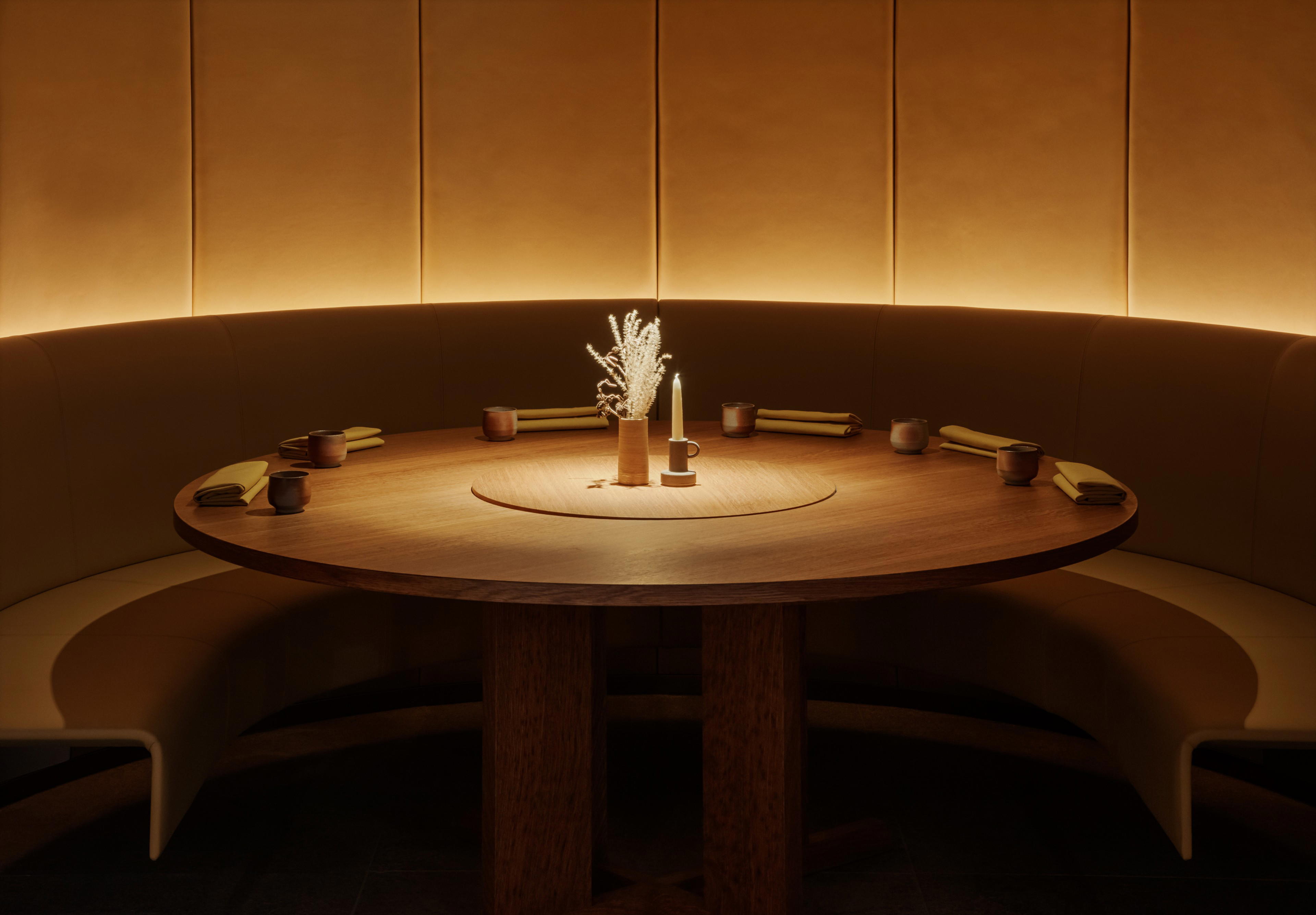
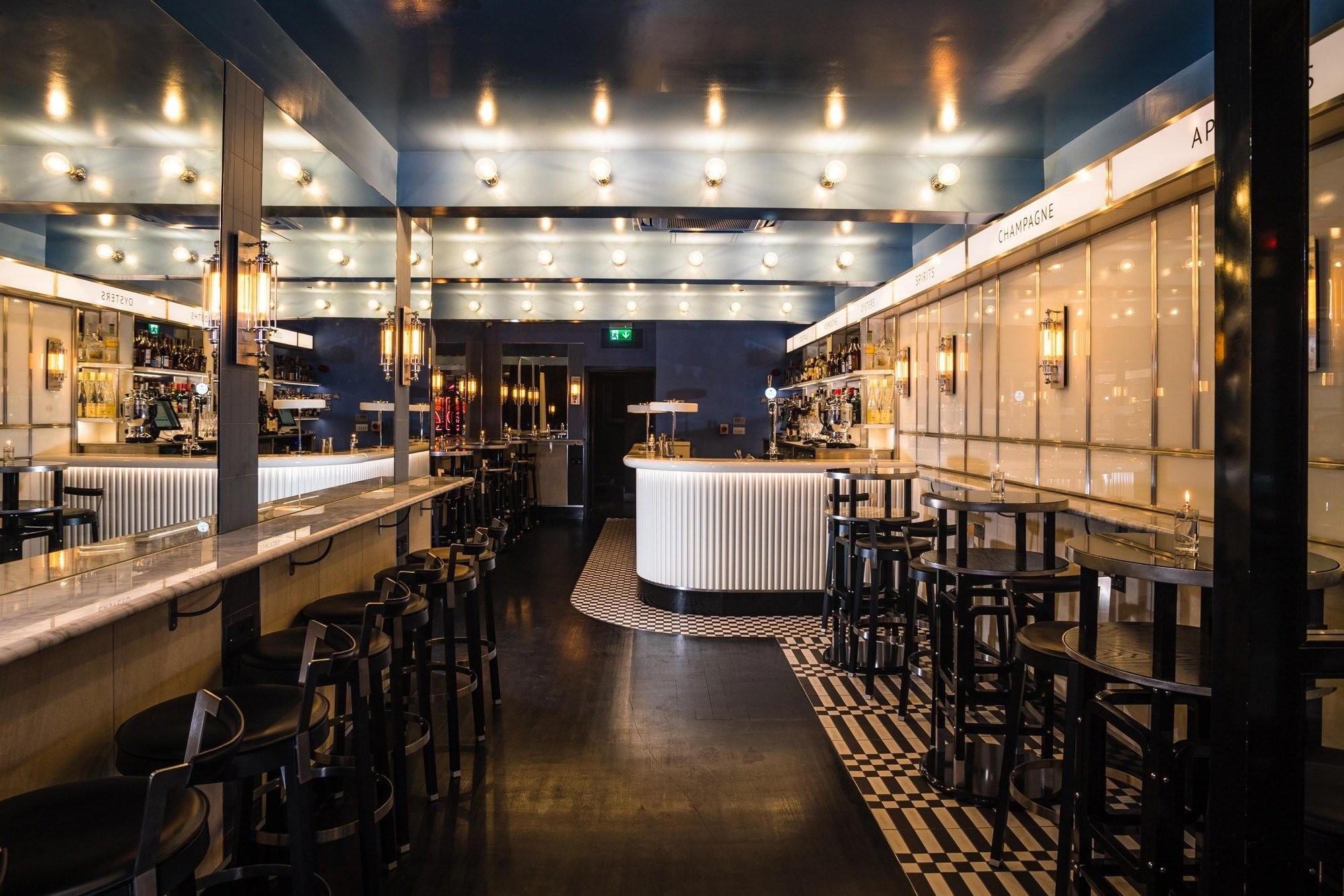
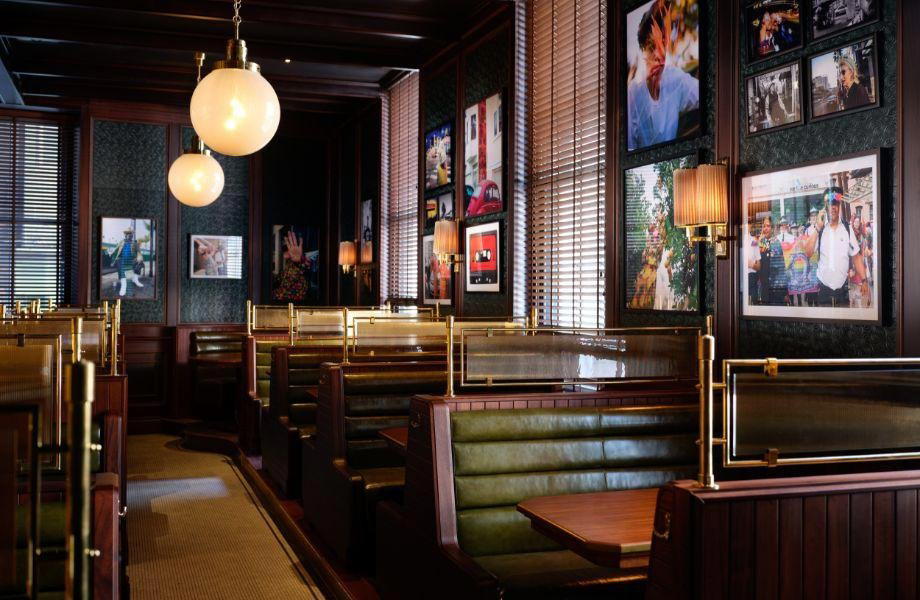
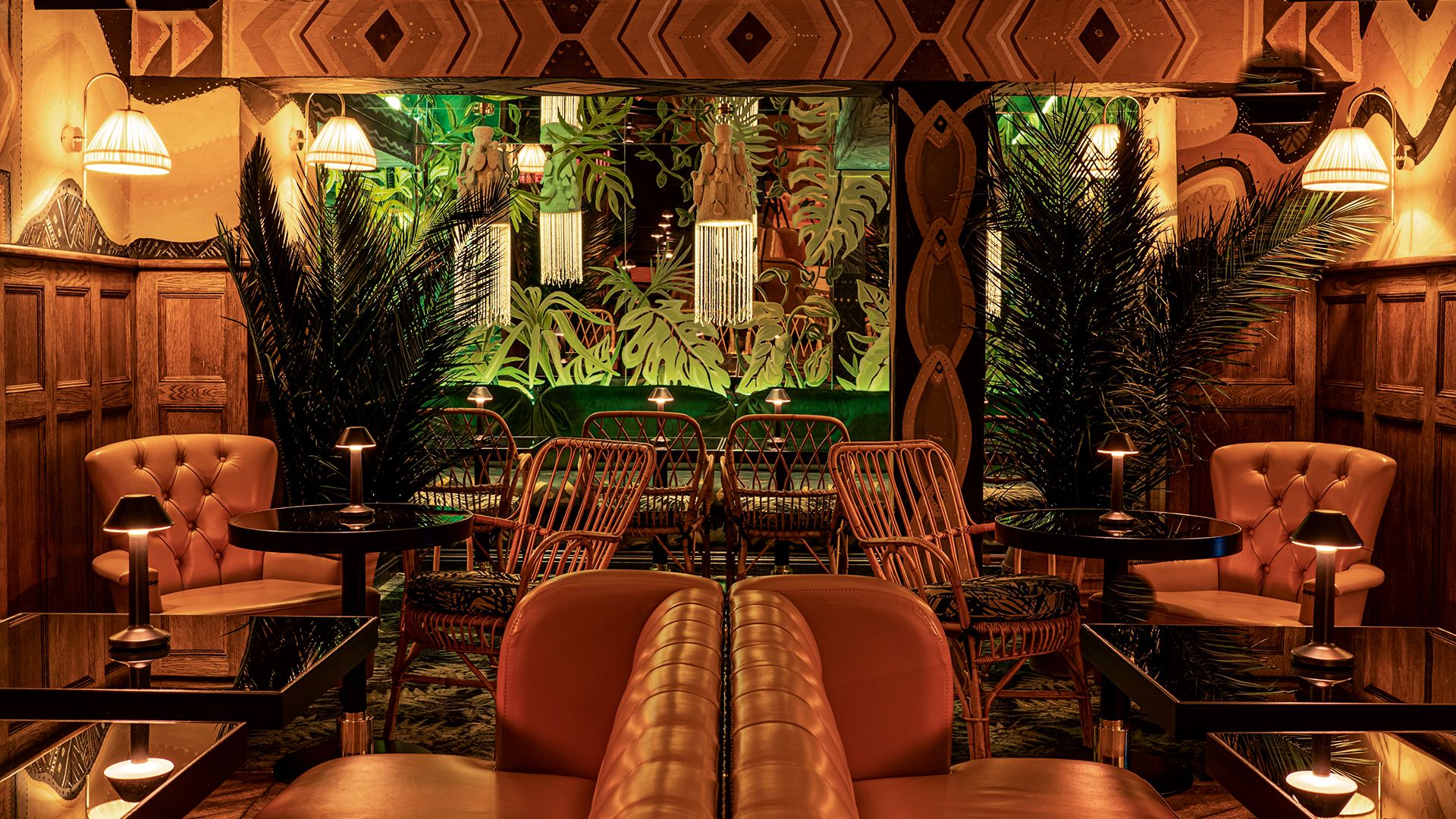
Sleek, modern, and colorful dining space with warm, sophisticated lighting and a welcoming, casually elegant atmosphere.