Our verdict
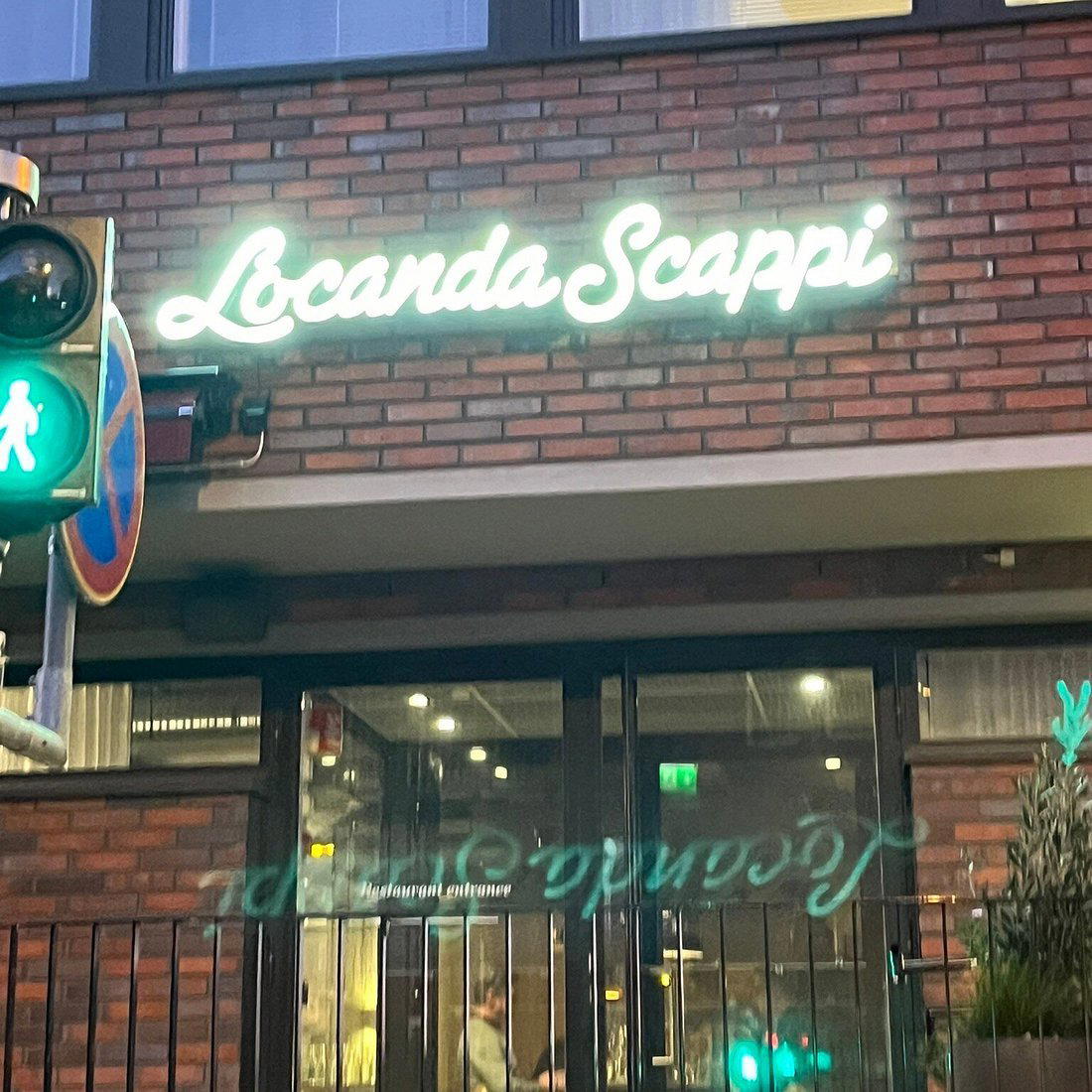
Locanda Scappi sits on Kanavakatu in Helsinki's Katajanokka district, where the city's working waterfront meets its more formal dining tier. Among Helsinki's Italian-inflected addresses, it occupies a position defined by its harbour-edge setting rather than the kind of awards infrastructure that surrounds competitors like Palace or Grön. For visitors prioritising place and atmosphere over tasting-menu credentials, the address alone carries editorial weight.

Pearl is the En Primeur Club membership app — saves, bookings, and concierge access live there. Same editors, same standards.
- Address
- Kanavakatu 1, 00160 Helsinki, Finland
- Phone
- +358400244027
- Hours
- Mon ClosedTue–Thu 4–11 PMFri 4 PM–12 AMSat 2 PM–12 AMSun Closed
- Website
- locandascappi.fi
- Directions
- Get directions
- Booking
- Book on the venue's website
The menu
What to order
- Cavatelli alla Crudaiola
- Carbonara
- Vitello Tonnato
- Ravioli cacio e pepe
Where the City Meets the Water: Katajanokka as a Dining Address
Helsinki's dining geography tends to cluster around Punavuori's design-quarter density or the central Esplanadi axis, where Michelin-tracked restaurants like Palace, Grön, and Olo compete for a relatively small pool of serious diners. Katajanokka sits apart from that concentration. The peninsula, jutting east into the harbour, carries a different register: converted red-brick warehouses, the Russian Orthodox Uspenski Cathedral on the ridge above, and a waterfront that still reads more functional than curated. It is a neighbourhood that earns its dining credibility through location rather than accumulated foot traffic, and Locanda Scappi at Kanavakatu 1 is positioned precisely at that waterfront threshold.
The address matters here in a way it does not on a busier restaurant street. Canal-adjacent dining in Helsinki is a short list. The physical proximity to the water changes the light inside any room that faces it, the ambient temperature in shoulder seasons, and the pace at which a table moves. These are not incidental details; in a city where the relationship between interior warmth and exterior severity defines so much of the hospitality culture, where you sit relative to the water is a compositional choice. Kanavakatu 1 makes that choice explicit.
Italian Registers in a Nordic Context
The name Locanda carries a specific set of associations in Italian dining tradition. A locanda is, at its root, a wayfarers' inn: unpretentious, food-forward, wine-comfortable. It sits at the opposite end of the register from the formal ristorante and closer to the trattoria in its implied relationship with the guest. When that format travels north, particularly into a Finnish dining culture that has spent the last decade asserting its own Nordic identity through places like Finnjävel Salonki and The ROOM by Kozeen Shiwan, the tension between the locanda's warmth and the Nordic aesthetic of restraint becomes the interesting editorial question.
Italian restaurants in Helsinki exist across a wide range of seriousness. At the less formal end, the city has absorbed pasta-and-pizza formats that operate as accessible neighbourhood options. At the upper tier, Italian cooking in Nordic cities has increasingly aligned itself with the wider European movement toward ingredient transparency: shorter supply chains, seasonal adaptation, and a willingness to depart from canonical Italian sourcing when local produce offers something more honest. The Scappi name, a reference to Bartolomeo Scappi, the sixteenth-century Vatican cook who codified Renaissance Italian cuisine in one of the most detailed culinary manuscripts of the era, signals an awareness of that tradition. Whether the kitchen works in direct conversation with that heritage or simply borrows the name for its resonance is a question the dining room itself answers.
The Setting as the Primary Argument
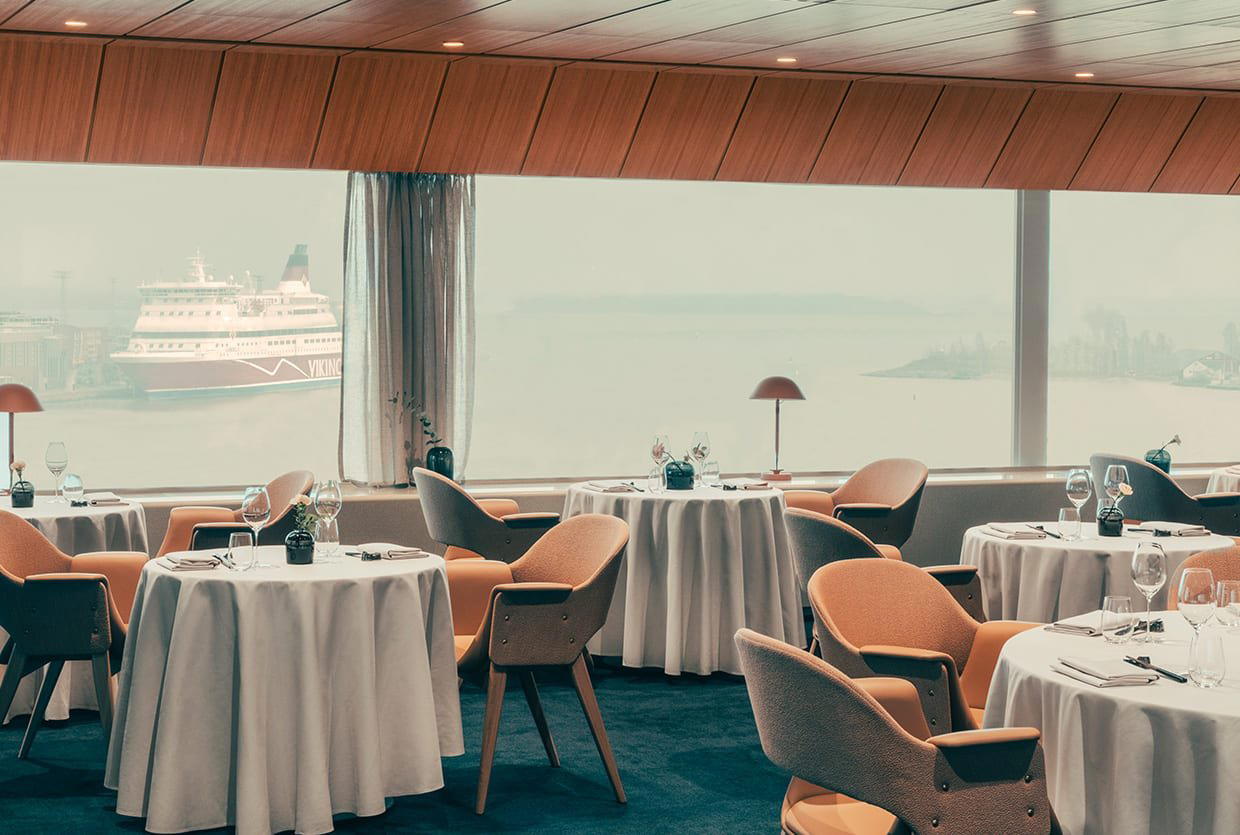
Across Helsinki's serious dining tier, the split between experience-defined rooms and menu-defined rooms has sharpened. Places like Grön and Olo make their case primarily through the plate; the room is considered but secondary. A waterfront locanda format makes a different argument: the setting is load-bearing. In that model, the restaurant is asking the guest to accept the place as co-author of the experience, with the canal view, the evening light across the harbour, and the particular quiet of Katajanokka at dinner time doing meaningful work alongside whatever arrives from the kitchen.
This is a format that works better in some seasons than others. Helsinki's long summer evenings, when light persists past ten o'clock and the harbour traffic generates a kind of unhurried animation, are the obvious peak. The same address in November, when the water goes dark and the neighbourhood empties early, demands more from the interior and the kitchen to compensate for what the setting no longer provides. For visitors building an itinerary around Finland's dining calendar, timing an Katajanokka dinner to the late spring or summer window is the logical choice. Those planning autumn or winter visits to Helsinki who want the waterfront character alongside strong kitchen credentials should cross-reference our full Helsinki restaurants guide for alternatives that carry seasonal flexibility differently.
Helsinki's Italian Address in a Wider Finnish Context
Finland's restaurant scene beyond Helsinki has developed its own serious dining nodes over the past decade. Kaskis in Turku and VÅR in Porvoo represent the kind of kitchen ambition that travels specifically for its own sake. Bistro Henriks in Tampere, Figaro in Jyväskylä, and Hejm in Vaasa confirm that the country's dining geography has diversified meaningfully. In that context, Helsinki's Italian addresses carry a specific burden: they need to justify themselves against both the city's Nordic fine-dining infrastructure and the imported format's own internal quality benchmarks.
The locanda model, if executed with rigour, sidesteps some of that competition by occupying a different emotional register. It is not trying to beat Palace or Finnjävel Salonki at their own game. It is offering something that those rooms deliberately do not: informality, Italian wine culture, and a harbour-side ease that belongs to a different tradition of eating well. In global terms, the reference points are closer to the kind of neighbourhood-anchored Italian address that cities like New York have cultivated at the serious end of casual dining, where the discipline of Le Bernardin or Atomix gives way to a more relaxed, iteration-led hospitality. Whether Helsinki's version of that format holds at the same level of consistency is the question a visit answers.
Planning a Visit
Locanda Scappi's Katajanokka address is reachable on foot from the Senate Square area in under fifteen minutes, passing through one of the more architecturally coherent stretches of nineteenth-century Helsinki. The peninsula has limited public transport penetration compared to the city centre, so walking or taxi is the practical approach for most dinner guests. For comparable restaurants across different Finnish cities, Filipof in Joensuu, Gösta in Mänttä, JJ's BBQ in Salo, Vintti in Hameenlinna, and Hai Long in Rovaniemi offer regional points of contrast that help calibrate expectations across different formats and price points.
Frequently asked questions
Is Locanda Scappi suitable for children?
The locanda format — rooted in Italian inn tradition — tends toward an inclusive, unhurried table culture rather than the strict formality of a tasting-menu room. That said, Locanda Scappi sits in Katajanokka, a quieter residential and waterfront quarter of Helsinki, which sets a more composed tone than a high-traffic city-centre address. Families with older children accustomed to sit-down dining should find it workable; very young children may suit an earlier seating better.
What kind of setting is Locanda Scappi?
Locanda Scappi occupies Kanavakatu 1 in Katajanokka, Helsinki's compact island district where 19th-century brick warehouses meet the waterfront. The locanda concept signals a room that prioritises the table and the meal over theatrical interior design — a format that contrasts with Helsinki's more experience-architected dining rooms like Grön or Olo. Expect a setting where the neighbourhood and the plate carry more weight than the decor brief.
How does Locanda Scappi fit into Helsinki's Italian restaurant scene?
Helsinki's Italian options have historically skewed toward either casual pizza and pasta spots or pan-European fine dining that incorporates Italian technique rather than committing to it. Locanda Scappi's positioning on Kanavakatu in Katajanokka places it outside the central clusters where most of Helsinki's documented restaurant scene operates, which makes it one of the few addresses in the city framing Italian locanda tradition as a standalone concept. How it compares on quality to Helsinki's broader Italian offer is not formally documented through awards or published ratings at this stage.
What's the signature dish at Locanda Scappi?
The Italian locanda tradition centres on regional, ingredient-led cooking rather than a fixed signature plate, so the menu likely shifts with season and supply. Checking directly with the restaurant before visiting is the most reliable way to know what is currently being served.
Where is Locanda Scappi located?
Locanda Scappi is located at Kanavakatu 1, 00160 Helsinki, Finland, Helsinki.
Can I walk in to Locanda Scappi?
Locanda Scappi's Katajanokka address at Kanavakatu 1 is reachable on foot from Helsinki's Senate Square in under fifteen minutes. Whether walk-in tables are available on a given evening depends on the restaurant's policy and demand, neither of which is publicly documented at this time. Booking ahead is the safer approach, particularly on weekends when Helsinki's serious dining tier tends to fill early.
What's Locanda Scappi best at?
Based on its name and address, Locanda Scappi's clearest proposition is Italian cooking delivered in a neighbourhood-inn register — less austere than a formal ristorante, more focused than a casual trattoria. Its position in Katajanokka, away from the Esplanadi and Punavuori clusters where most of Helsinki's Michelin-tracked restaurants operate, suggests a destination that earns its visit on food rather than foot traffic. Specific strengths by dish category are not documented.
The Short List
Comparable venues nearby, for context on price, style, and recognition.
| Venue | Cuisine | Price | Notes |
|---|---|---|---|
| Locanda ScappiThis venue — the venue you are viewing | Modern Italian Bistro | $50–100 | Not listed |
| Officine Brera | Authentic Italian Small Plates | Not listed | Punavuori, Authentic Italian Small Plates |
| Goose Pastabar | Modern Italian Pasta Bar | $20–30 | Kamppi, Modern Italian Pasta Bar |
| Rue Madame Brasserie | French-Finnish Brasserie | $50–100 | Kluuvi, French-Finnish Brasserie |
| Kosmos | Traditional Finnish with French, Swedish & Russian Influences | $50–100 | Kluuvi, Traditional Finnish with French, Swedish & Russian Influences |
| Aperte | Modern Finnish Neo-Bistro | $50–100 | Taka-Toolo, Modern Finnish Neo-Bistro |
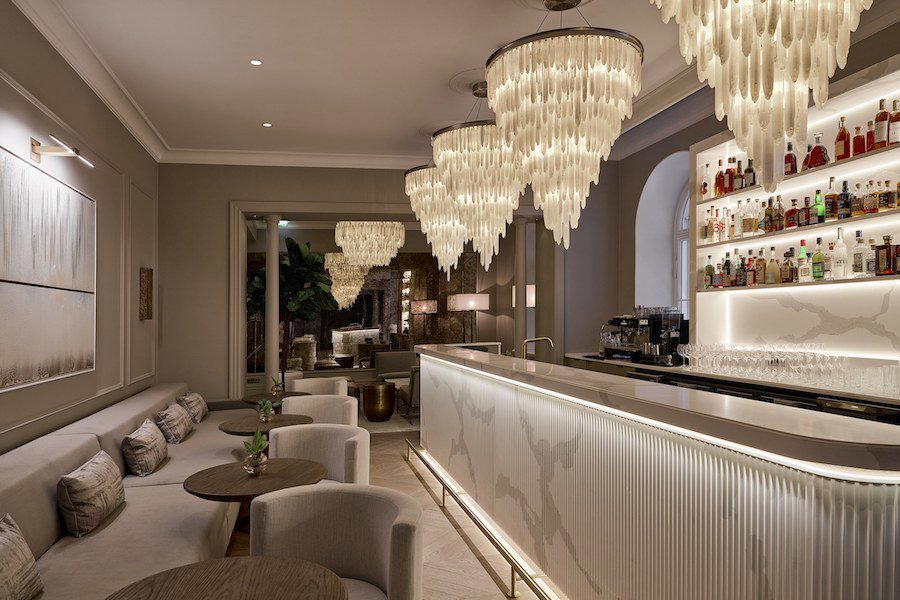
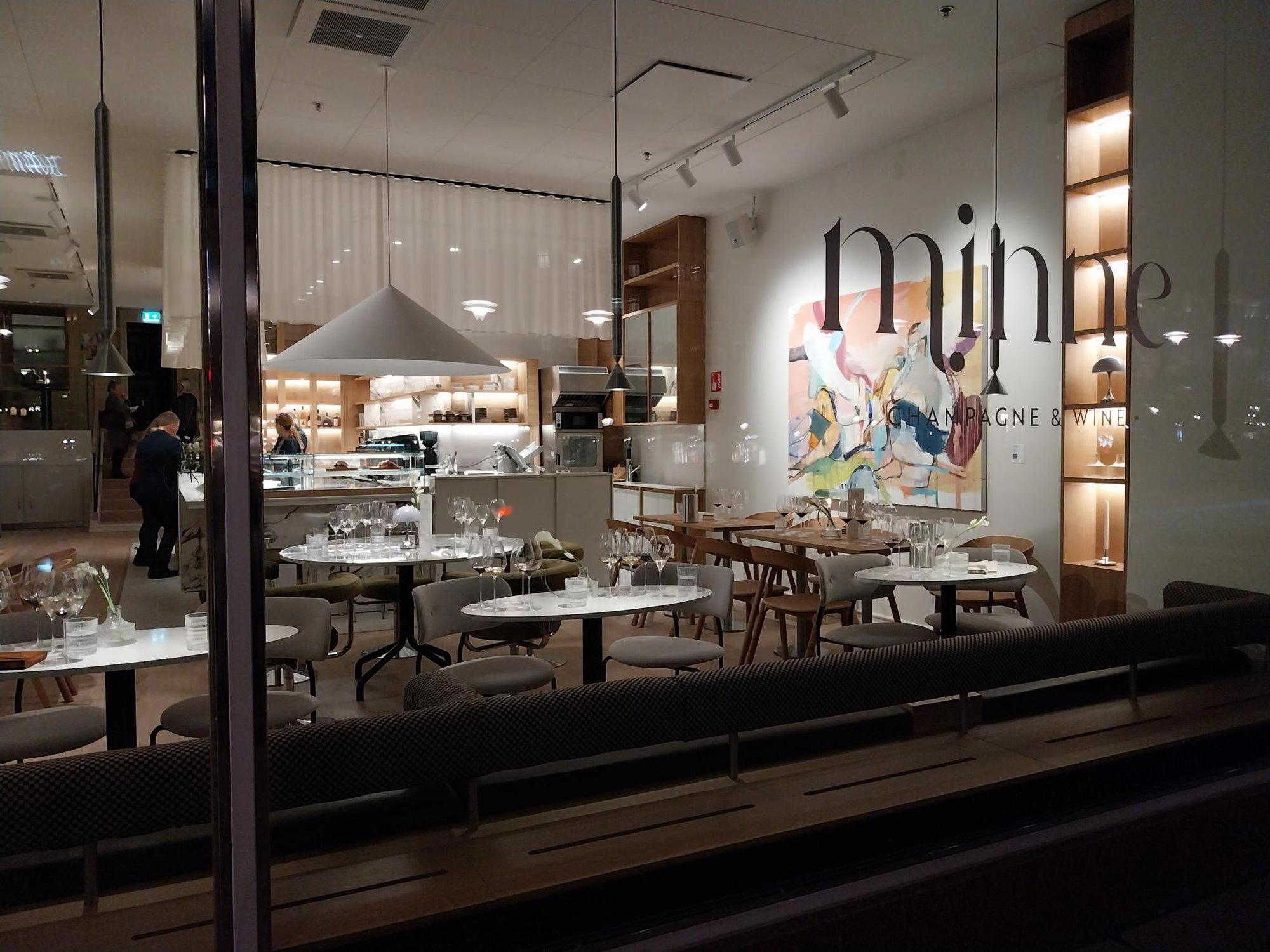
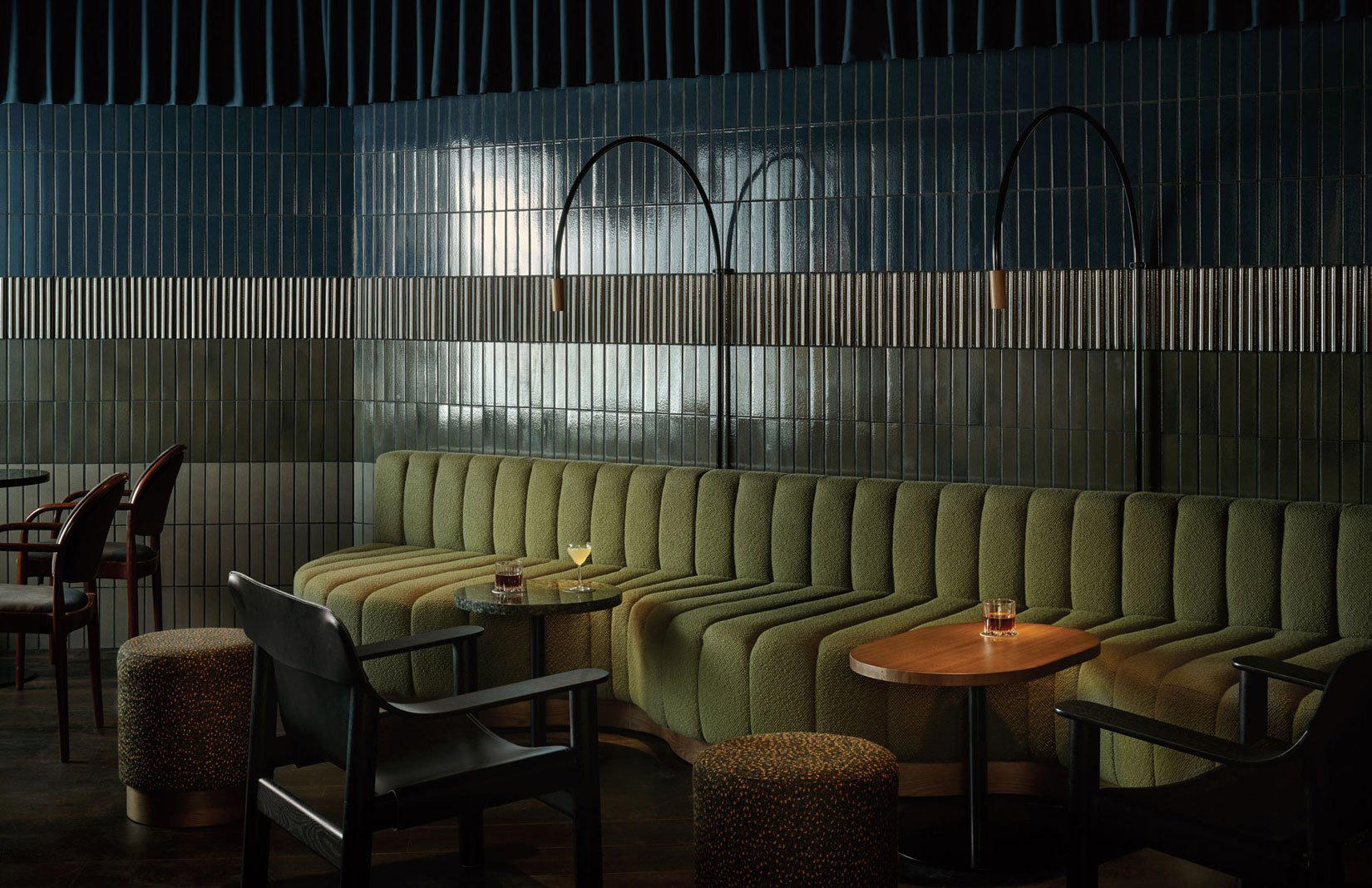
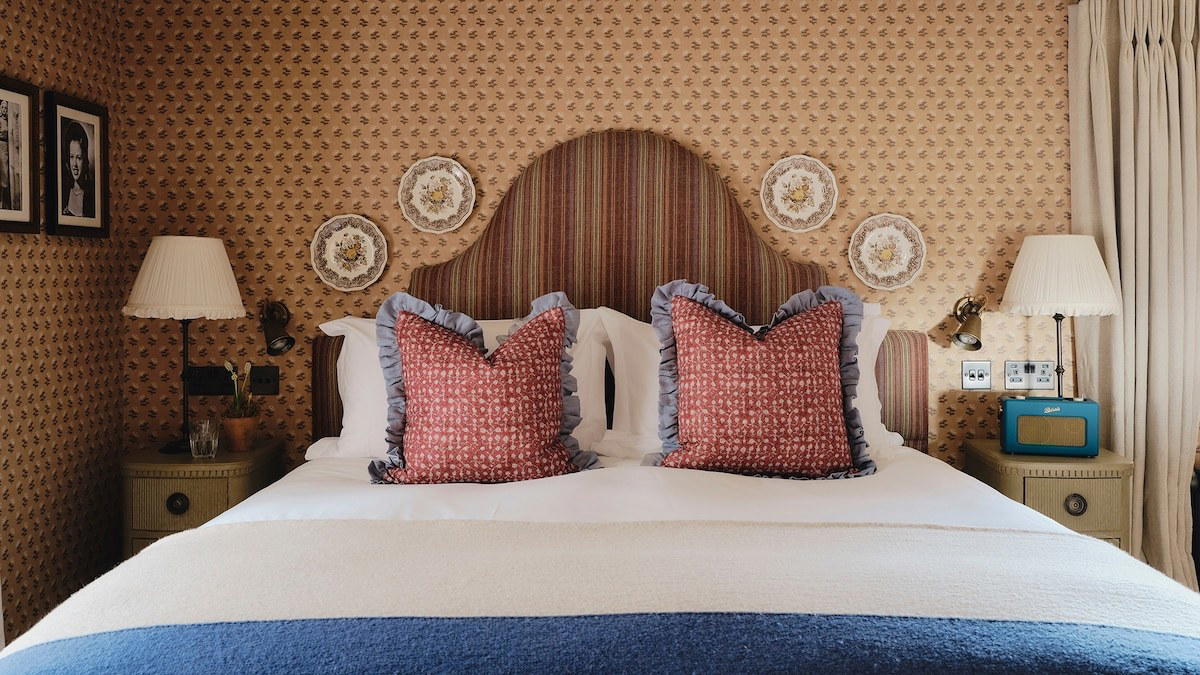
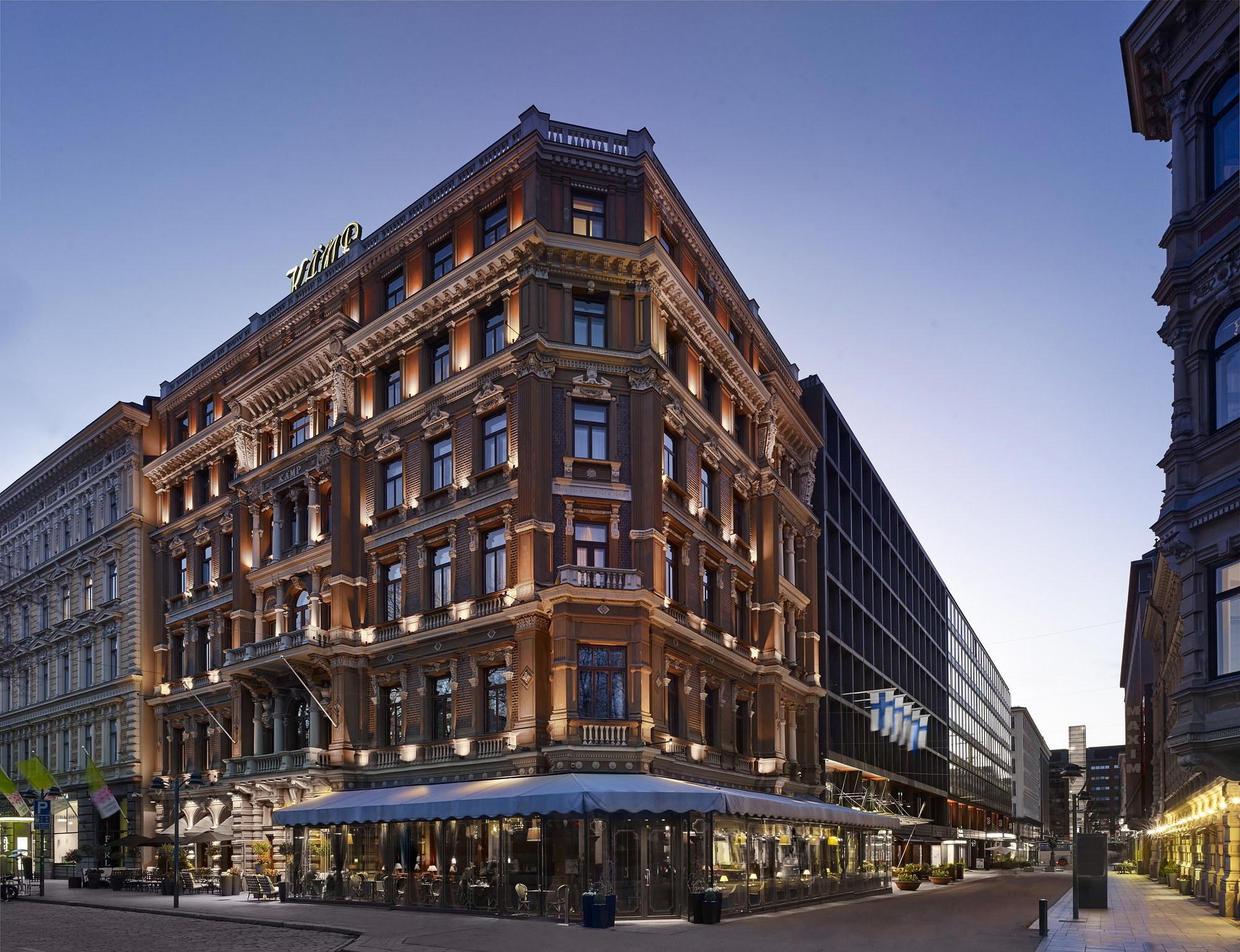
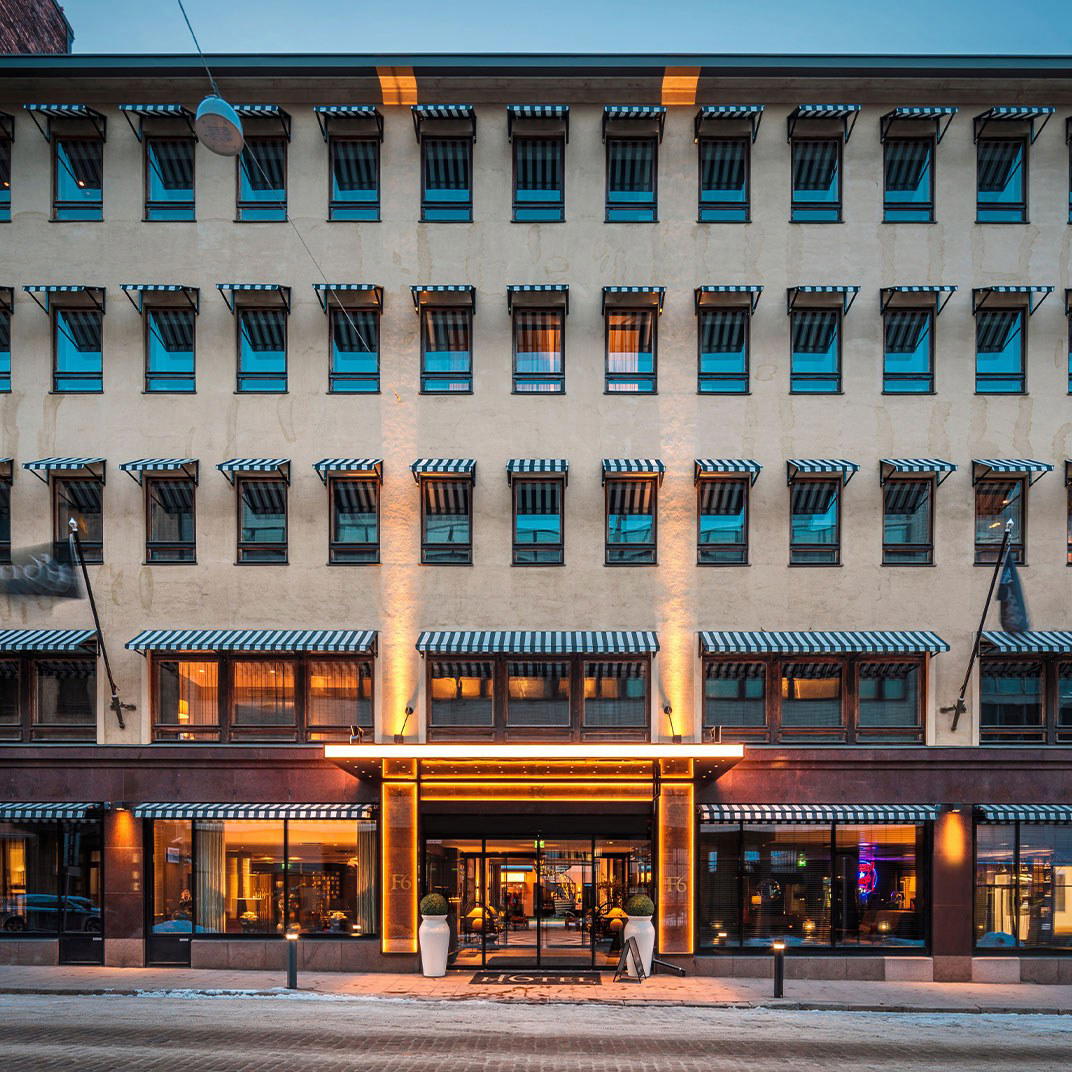
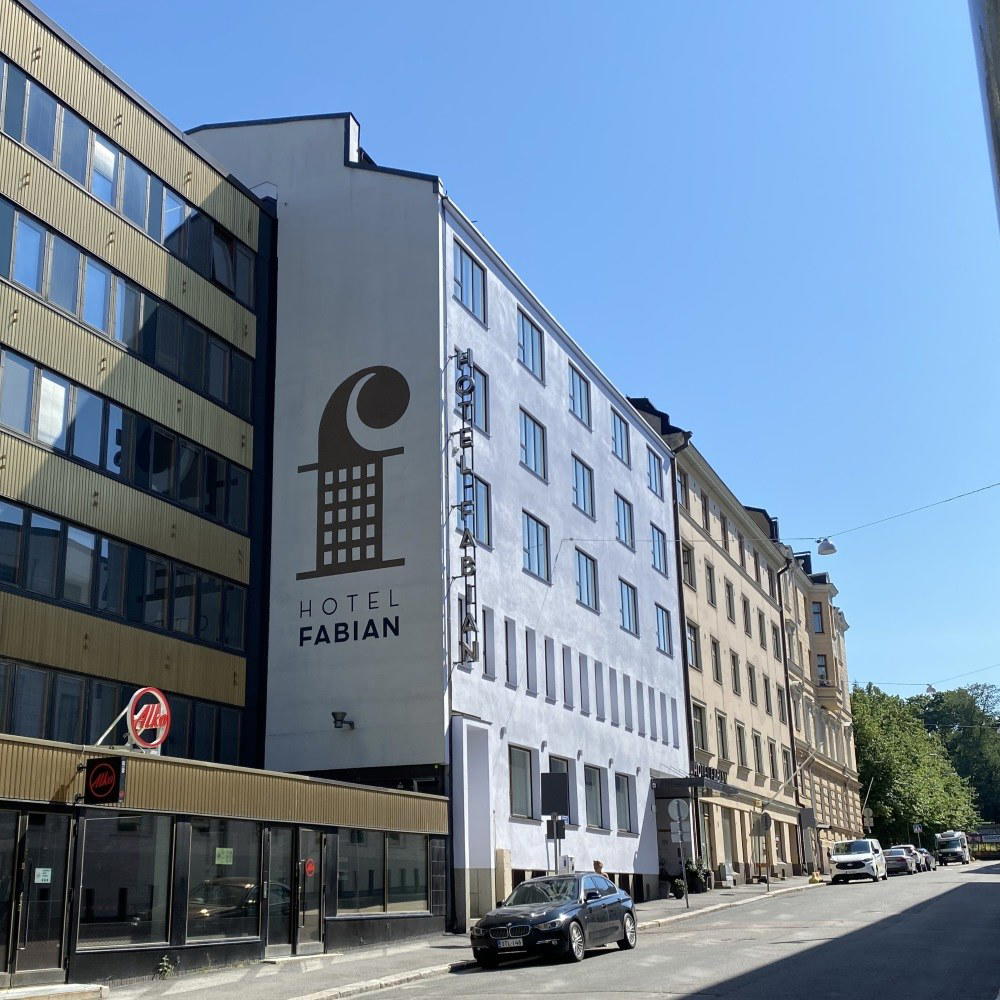
Locanda Scappi
The wine
- Wine program
- Curated wine list
- Craft cocktails
Details
- Elegant
- Lively
- Cozy
- Modern
- Industrial
- Date Night
- Special Occasion
- Business Dinner
- Open Kitchen
- Craft Cocktails
- A La Carte
- Small Plates
- Negroni
- Vegetarian Friendly
- Vegan Options
Current opening hours
- Monday
- Closed
- Tuesday
- 4–11 PM
- Wednesday
- 4–11 PM
- Thursday
- 4–11 PM
- Friday
- 4 PM–12 AM
- Saturday
- 2 PM–12 AM
- Sunday
- Closed
Hours can change for holidays and private events. Last verified .
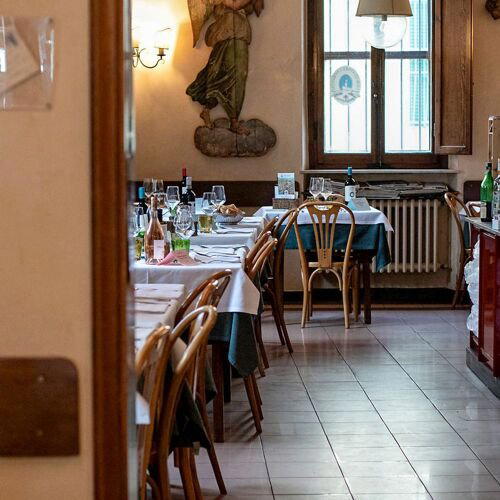
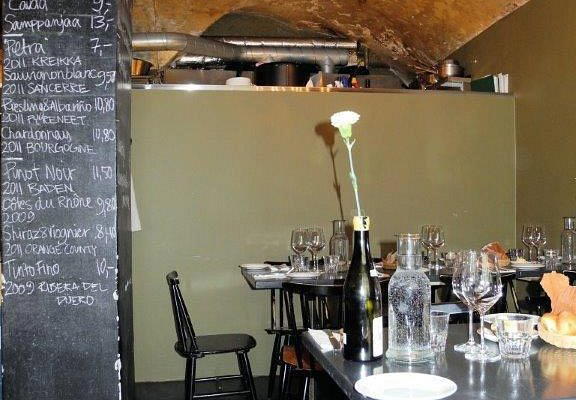
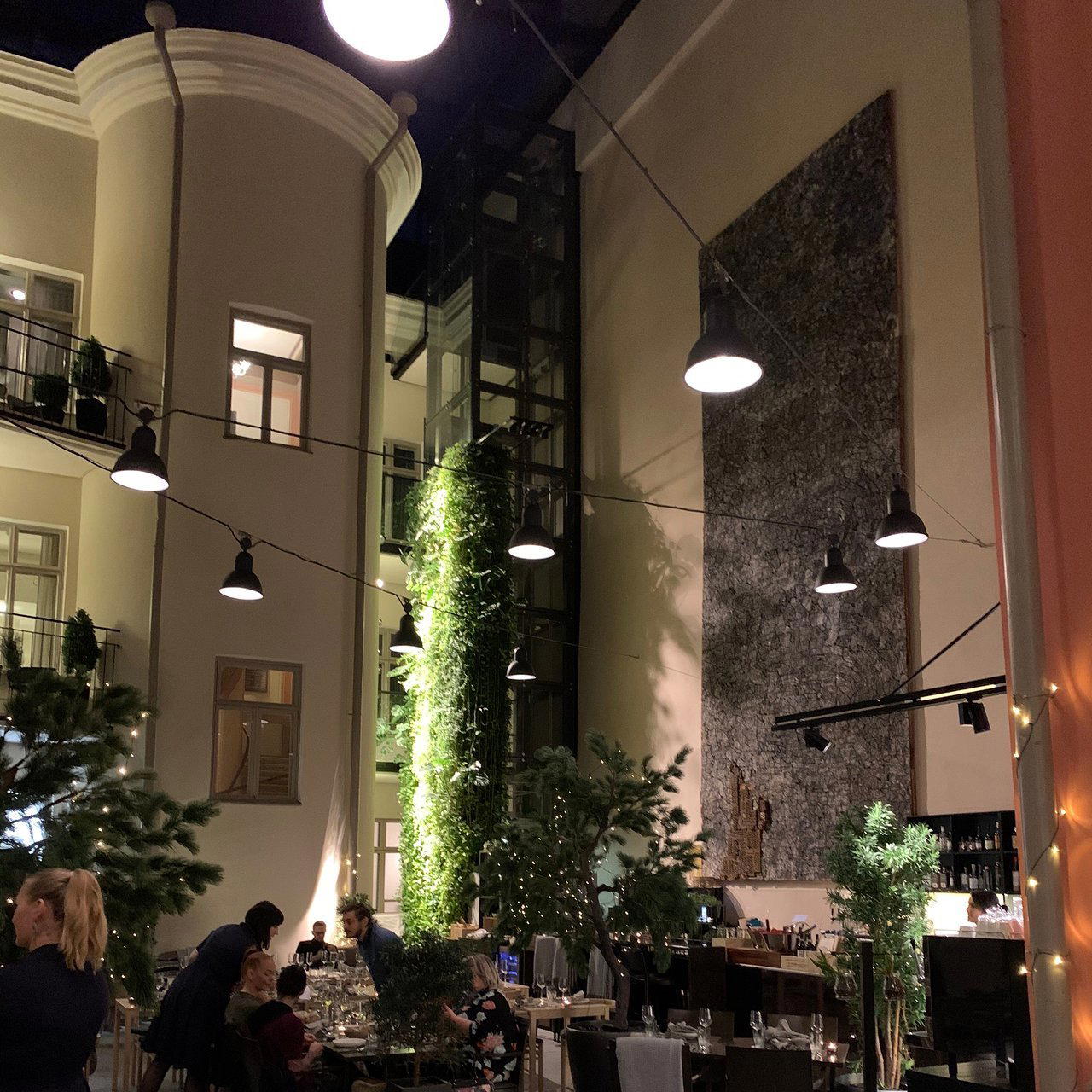
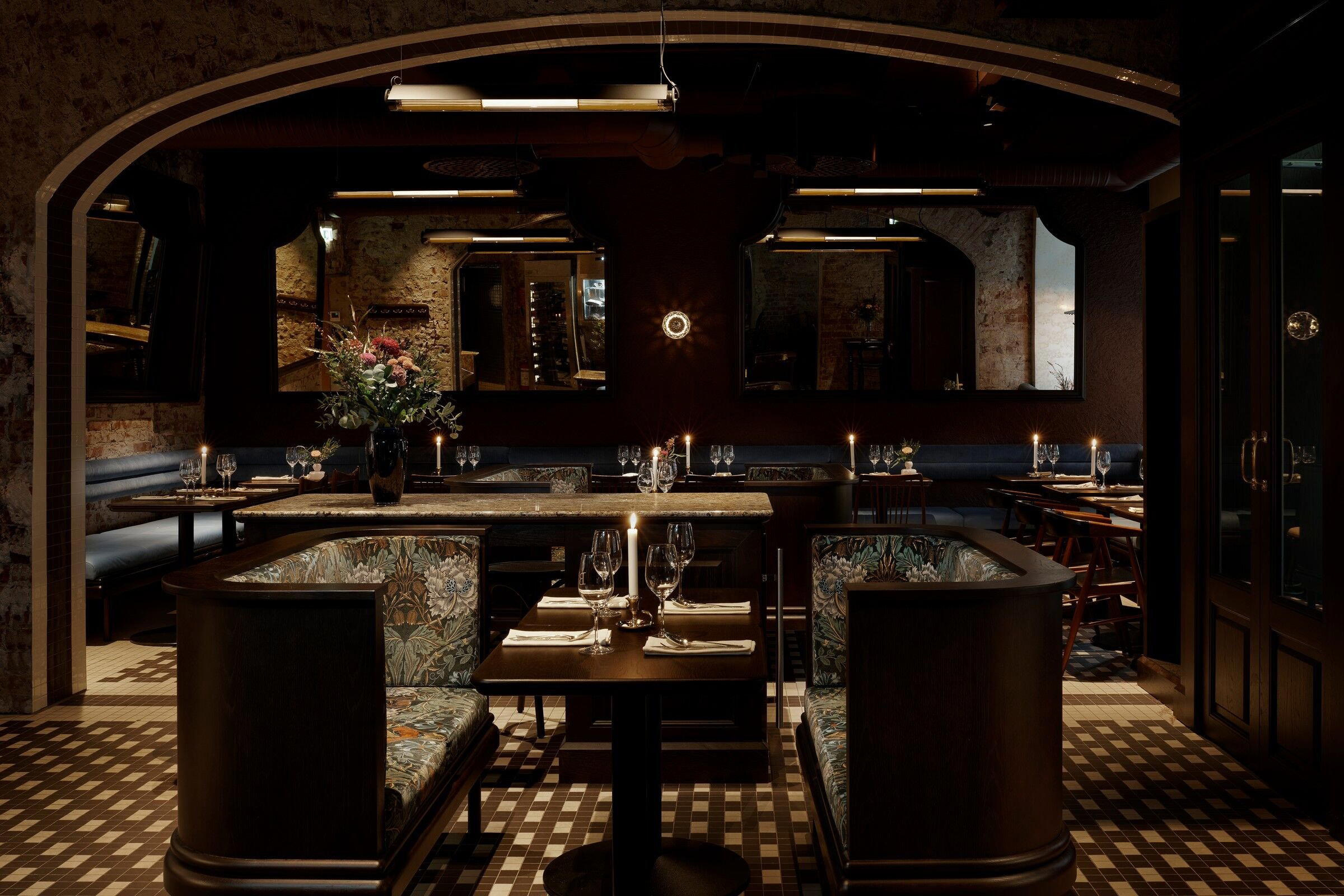
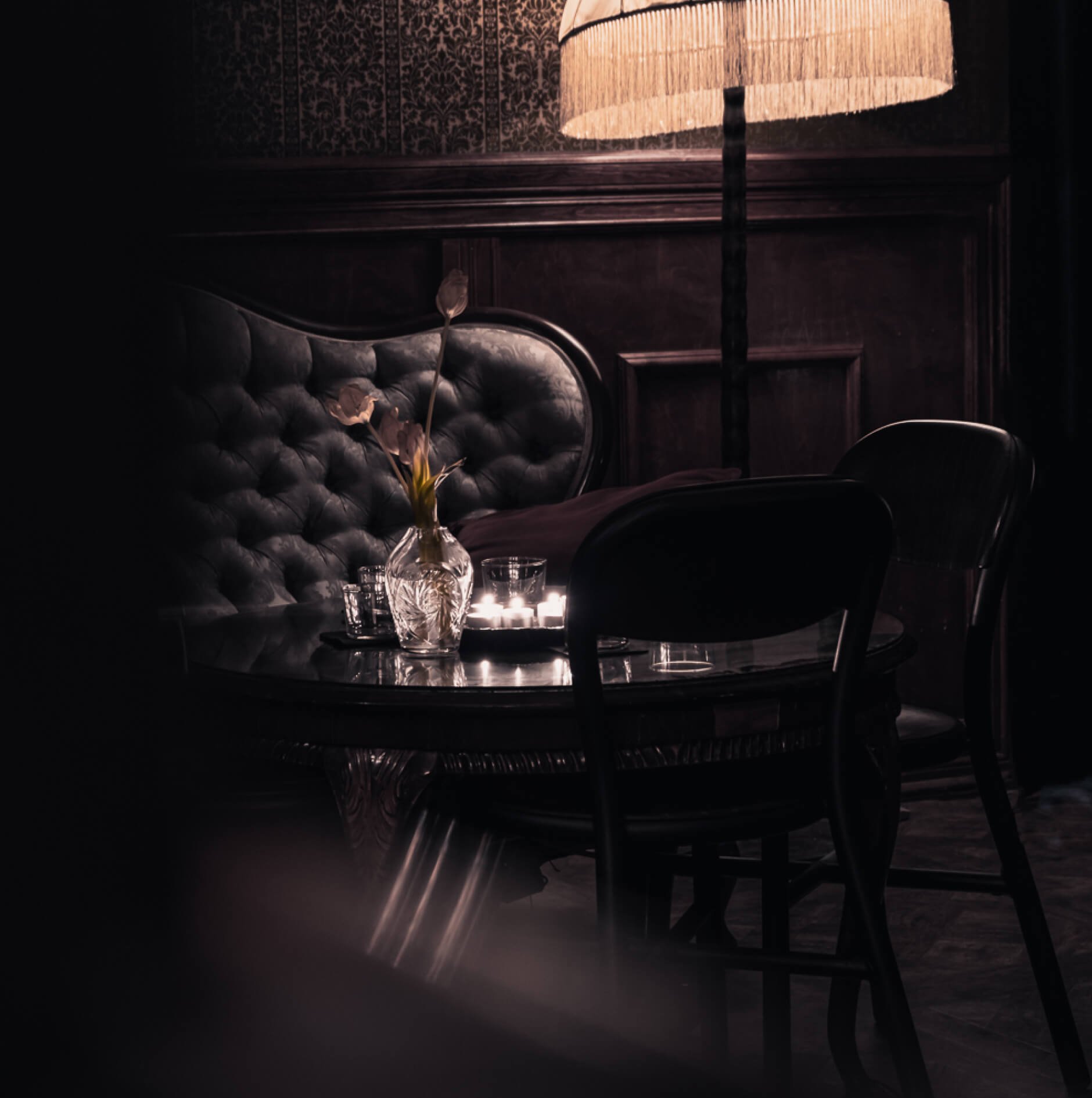
Warm, inviting atmosphere balancing elegance and comfort with young, lively energy and industrial design.