Locanda della Luna

A Michelin Plate-recognised inn in the hills of Sannio, Locanda della Luna serves Campanian cooking grounded in produce grown on-site. The owner-chef holds close to regional tradition without freezing it, and the dining room veranda and outdoor terrace offer views across a genuinely remote stretch of Benevento province. At €€, it occupies a rare position: serious kitchen, unhurried atmosphere, accessible price.
Pearl is the En Primeur Club membership app — saves, bookings, and concierge access live there. Same editors, same standards.
- Address
- Località Marzani traversa, Via delle oche, 7, 82018 San Giorgio del Sannio BN, Italy
- Phone
- +39 320 047 8609
- Website
- locandadellaluna.net
- Directions
- Get directions
 Saves & bookings on Pearl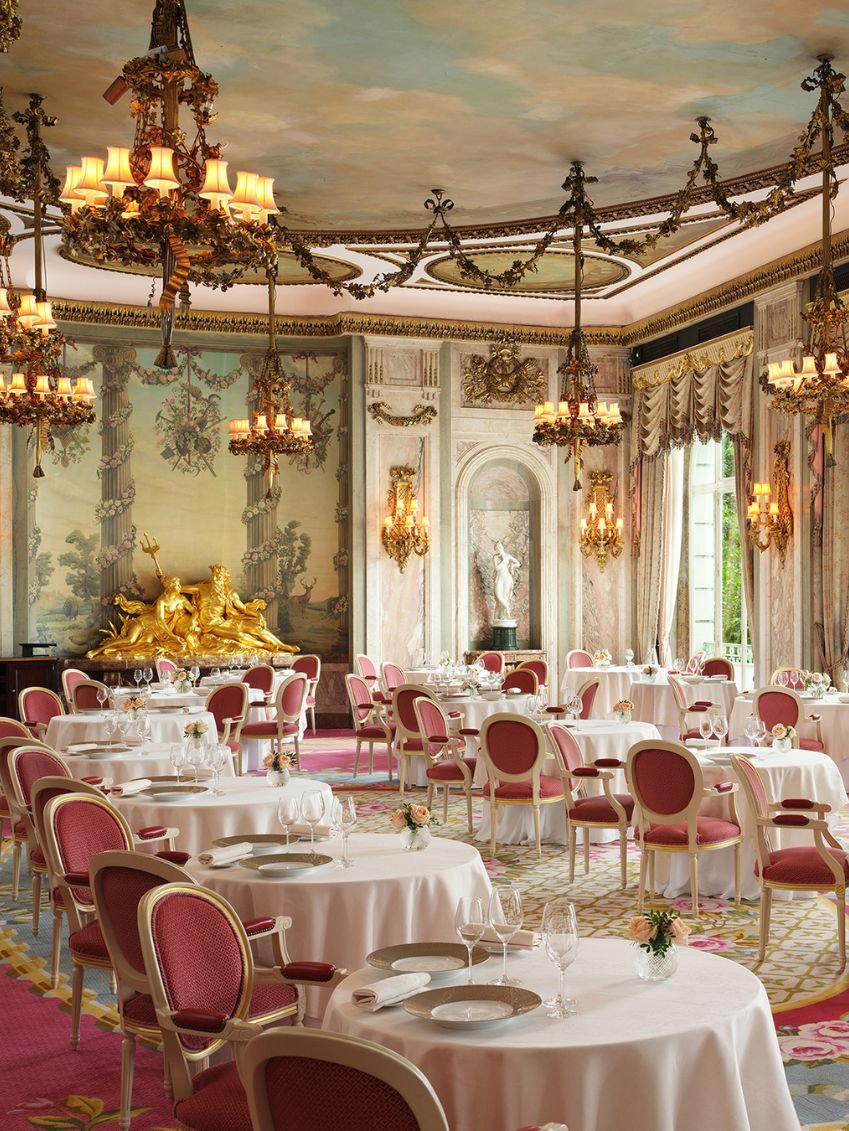
A Remote Inn, a Working Garden, and Campanian Cooking on Its Own Terms
Locanda della Luna is a restaurant in San Giorgio del Sannio, serving Traditional Campanian cooking at about €45 per person. The road into the Sannio interior is not one you take by accident. The hills of Benevento province rise and fold in a way that discourages casual tourism, and San Giorgio del Sannio sits deep inside that geography, far from the Amalfi coast crowds and the motorway pull of Naples. Arriving at Locanda della Luna, set along the Marzani locality off Via delle oche, the first thing you register is the silence, and then the view. The dining room opens onto a veranda, and beyond it a terrace frames the kind of Campanian countryside that has not been rearranged for anyone's benefit. This is the physical premise of the meal before a single plate arrives.
Where the Ingredients Begin
Campanian cuisine, in its strongest expressions, is an argument about territory. The volcanic soils around Vesuvius, the buffalo pastures of the Caserta plain, the wheat traditions of the Apennine interior, each sub-zone of the region produces ingredients that resist easy substitution. In the Sannio specifically, this means pulses, foraged herbs, preserved meats, and garden vegetables that carry the mineral character of the Apennine foothills. Locanda della Luna positions itself inside that tradition in a direct way: the owner-chef draws from a garden on the property itself.
That detail matters more than it might initially seem. A kitchen working from its own land is not simply making a sourcing choice; it is accepting a constraint that dictates the rhythm of the menu. What is ready, what is in surplus, what needs to be used, these decisions shape dishes in ways that purchasing from a distributor cannot replicate. The result is cooking that changes with the season and the soil rather than with a designer tasting menu cycle. For a restaurant operating at the €€ price tier, this is a meaningful commitment, and it aligns the restaurant with a small cohort of Italian agrarian inns where the garden is as much the kitchen as the stove.
Italy's most discussed restaurants, places like Osteria Francescana in Modena, Enoteca Pinchiorri in Florence, or Enrico Bartolini in Milan, represent a different tier entirely, both in price and in the degree to which cuisine is treated as authored expression. The Sannio tradition sits elsewhere on that spectrum: it is less about authorship than about fidelity. The cook's job, in this context, is not to transform local ingredients into something unexpected but to handle them in a way that keeps their regional identity intact.
The Campanian Interior and Its Culinary Logic
Southern Italian cooking is frequently discussed as a unified category, but within Campania, the divide between coastal and interior traditions is substantial. The coast brings seafood, preserved anchovies, citrus, and the cultural weight of Neapolitan cuisine. The interior, the Irpinia hills, the Cilento, the Sannio, works from a different pantry: dried legumes, cured pork, aged pecorino, bitter greens, and the starchy cereals that fed the Apennine economy for centuries. This is peasant cooking in the specific, non-romanticised sense: food built around what the land produces reliably and what stores through winter.
The restaurant's approach, according to Michelin's own recognition, does not stray far from local traditions. That framing is useful. It is not a kitchen chasing cross-regional technique or importing influences from outside Campania's culinary orbit. Comparisons are instructive here: Le Trabe in Paestum and Oasis - Sapori Antichi in Vallesaccarda both work within Campanian regional cooking at similar or slightly higher price points; together they form a peer group defined by terroir fidelity rather than culinary ambition in the contemporary-tasting-menu sense.
Among the broader canon of Italian cooking destinations further afield, Dal Pescatore in Runate, Quattro Passi in Marina del Cantone, Reale in Castel di Sangro, Piazza Duomo in Alba, Le Calandre in Rubano, Uliassi in Senigallia, Atelier Moessmer Norbert Niederkofler in Brunico, and Casa Perbellini 12 Apostoli in Verona, the restaurant occupies a markedly different register. Those are destination restaurants in the capital-D sense, places where the dining experience is itself the reason for travel. The restaurant is a reason to travel to the Sannio, which is a subtly different proposition: the landscape, the wine territory, the quietude of inland Campania all contribute to the experience, and the kitchen amplifies rather than replaces that context.
On the Ground: What to Expect
The setting shapes the meal in practical terms. The veranda dining room and outdoor terrace mean that the experience shifts depending on weather and season; lunch on the terrace in late spring, when the surrounding countryside is at its greenest, is a materially different proposition from an autumn evening inside. Sannio's wine production, including Falanghina del Sannio and Aglianico-based reds from vineyards that have operated in this territory for centuries, provides a natural pairing framework for the kitchen's regional cooking. The area's wine output is documented and protected under its own DOC designation, and a table here offers the kind of place-specific food-and-wine alignment that is harder to achieve in more cosmopolitan settings.
At the €€ price tier, the value calculus is direct: this is serious regional cooking at a price that does not require negotiation.
Reaching San Giorgio del Sannio is easiest by car; the address on Via delle oche, in the Marzani locality, places the restaurant slightly outside the town centre, so navigation by GPS is the sensible approach. The address on Via delle oche, in the Marzani locality, places the restaurant slightly outside the town centre, so navigation by GPS is the sensible approach.
At-a-Glance Comparison
Comparable venues nearby, for context on price, style, and recognition.
| Venue | Cuisine | Price | Awards | Notes |
|---|---|---|---|---|
| Locanda della LunaThis venue — the venue you are viewing | Traditional Campanian | $$ | Michelin Plate | Not listed |
| Pascalucci | Traditional Campanian Trattoria with Seafood | $$ | Michelin Plate | San Nicola Manfredi |
| Salvo | Authentic Neapolitan Pizza | $$ | Michelin Plate | Chiaia |
| Il Bikini | Modern Italian Seafood | $$$ | Michelin Plate | Vico Equense |
| Locanda Radici | Modern Italian Fine Dining | $$$ | Michelin Plate | Melizzano |
| L'Aia dei Cappellani | Traditional Italian Agriturismo | $$ | Michelin Plate | Contrada Maurino |
Recognition history
Dated appearances from independent guides and award organizations, with the underlying list record or original source where available.
Michelin Plate
Michelin
Michelin Plate
Michelin
Michelin Plate
Michelin
Continue exploring
More in San Giorgio del Sannio
Restaurants in San Giorgio del Sannio
Browse all →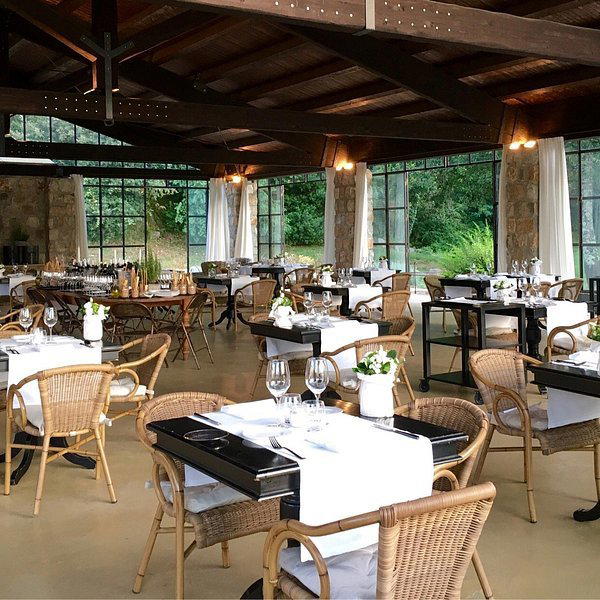
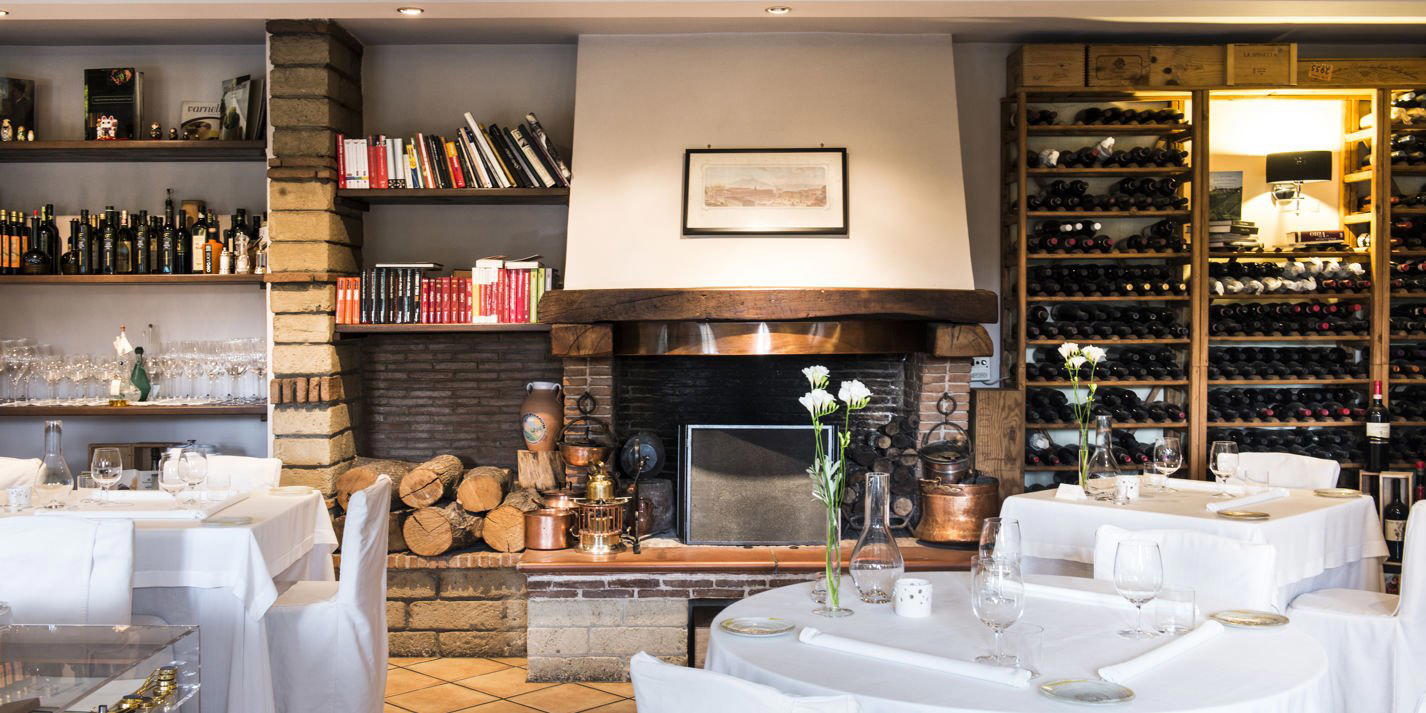
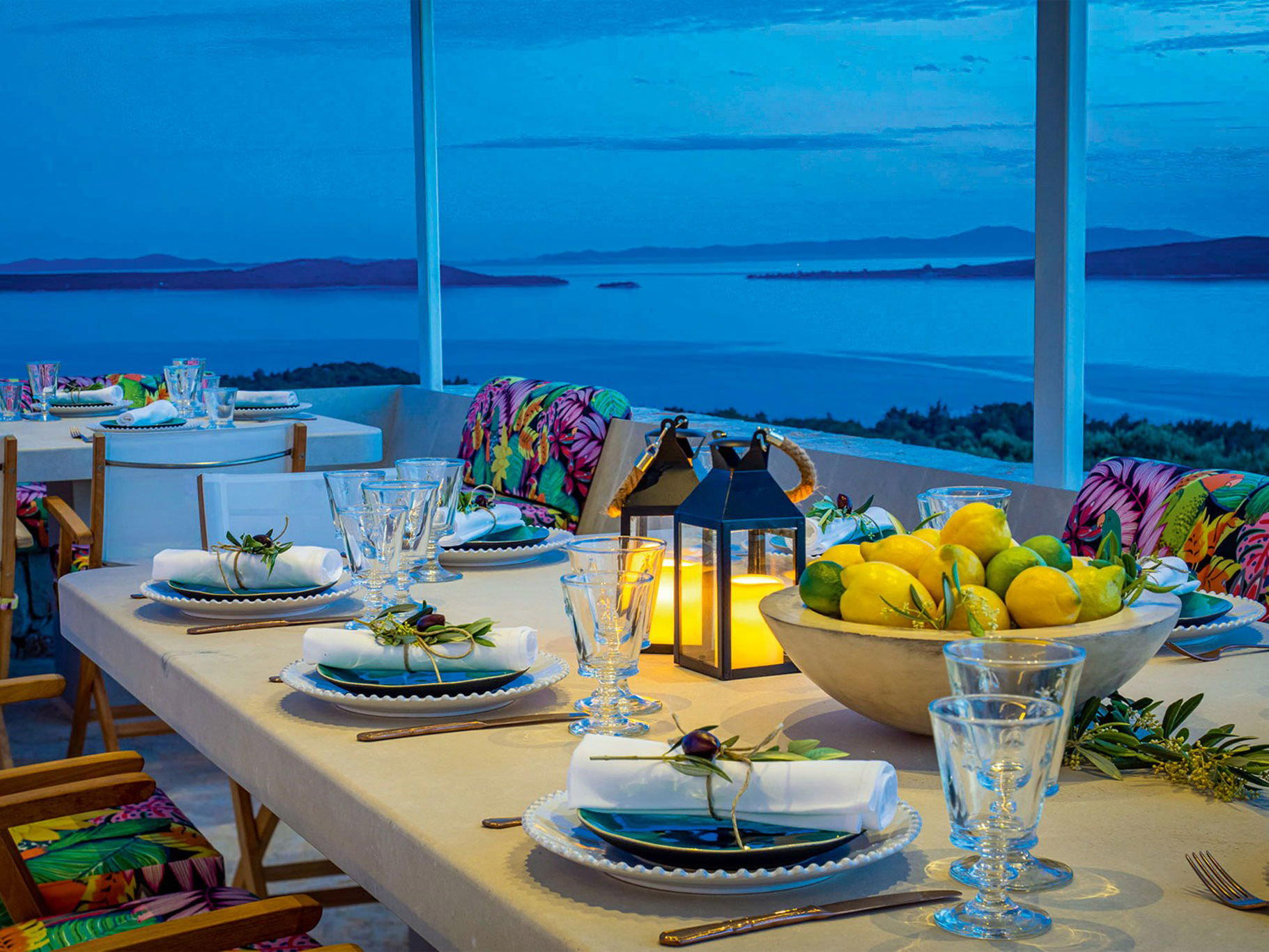
Bars in San Giorgio del Sannio
Browse all →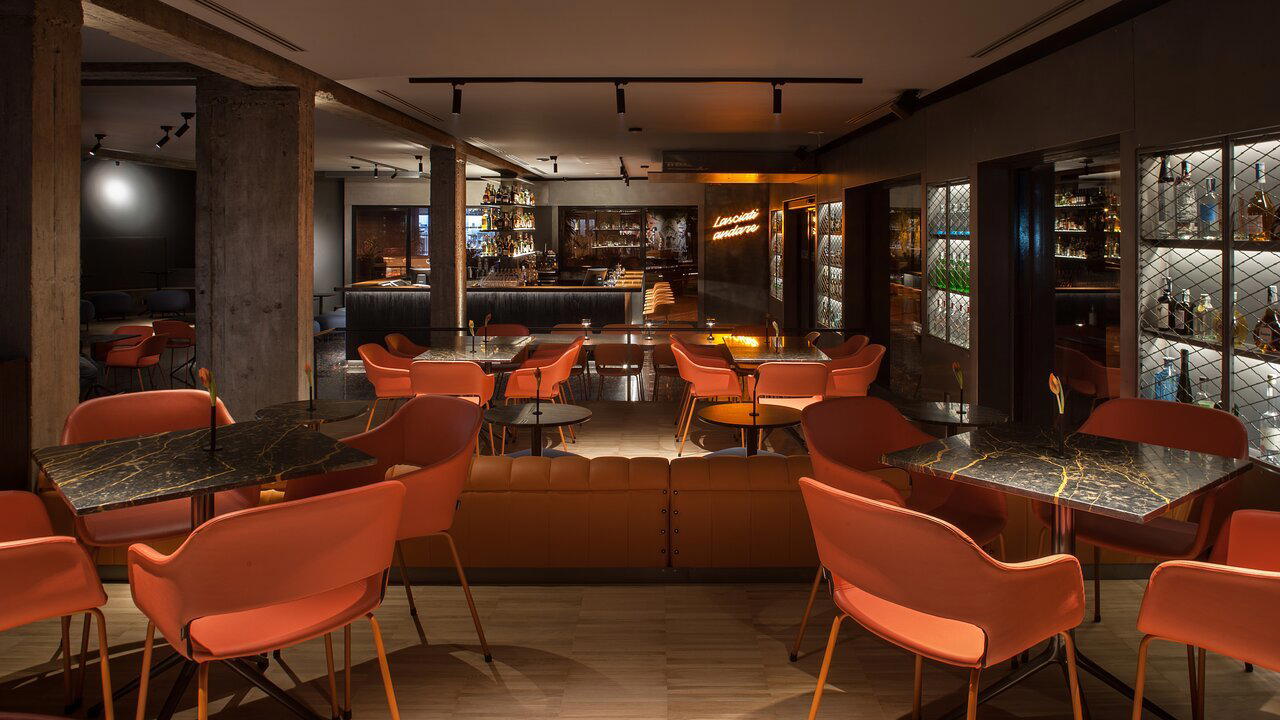
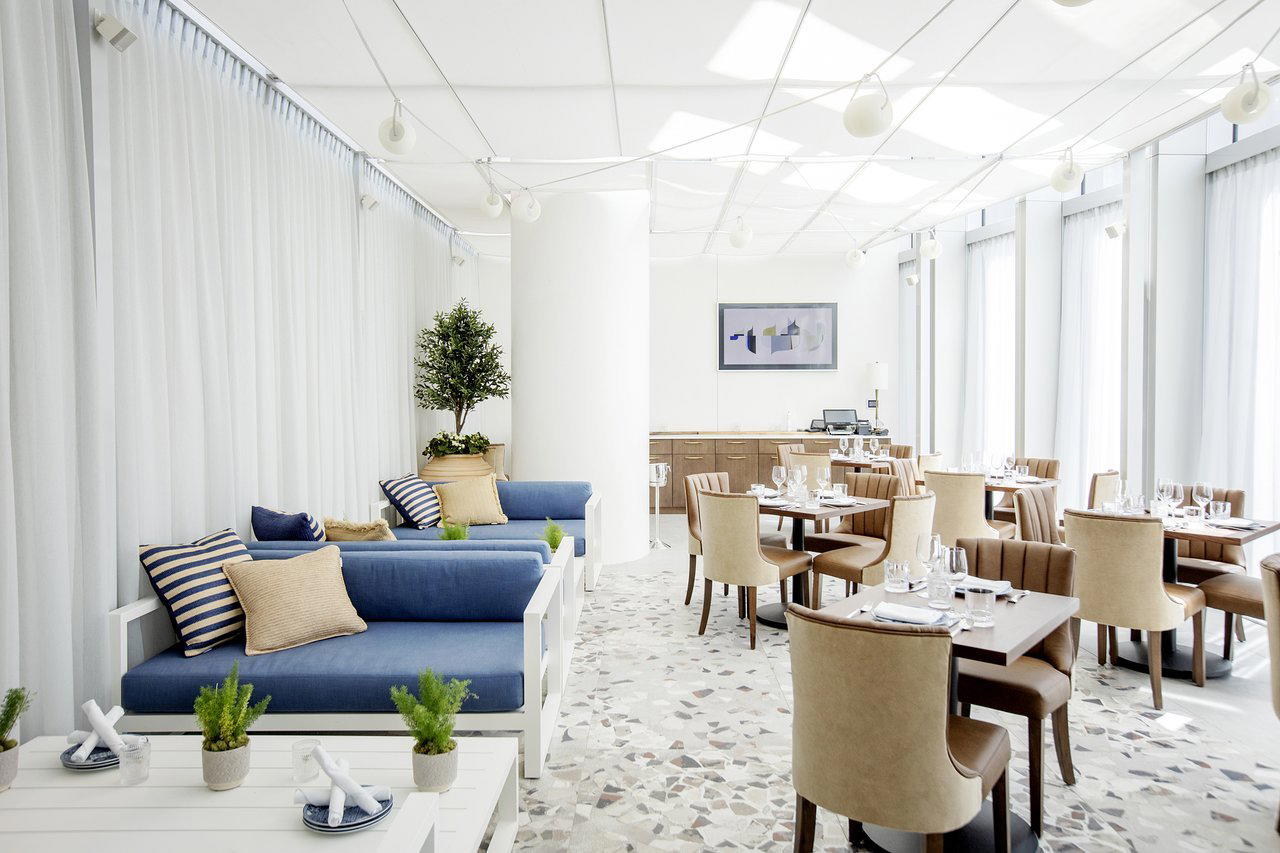
Hotels in San Giorgio del Sannio
Browse all →
Wineries in San Giorgio del Sannio
Browse all →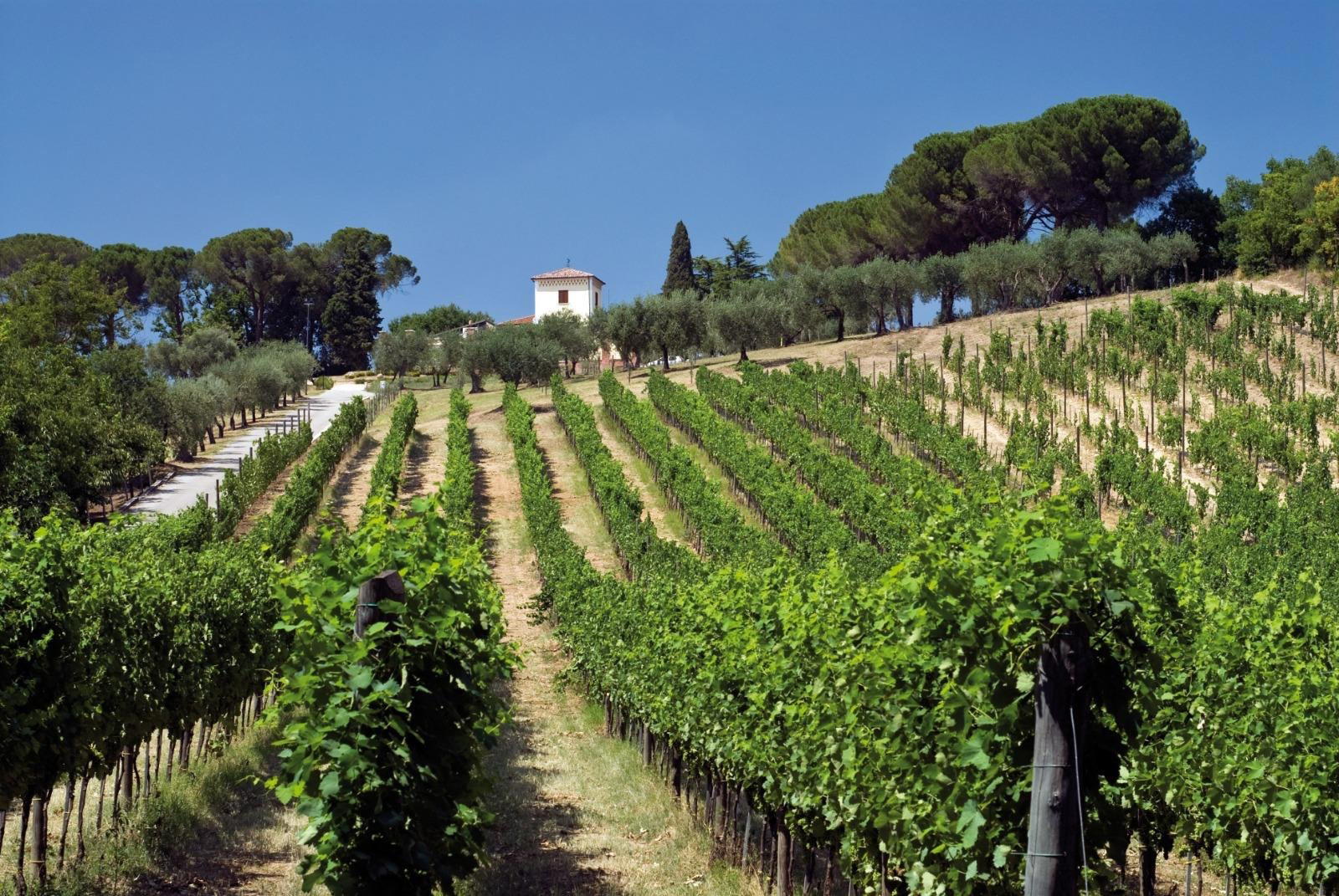
At a Glance
- Rustic
- Cozy
- Elegant
- Romantic
- Scenic
- Date Night
- Special Occasion
- Family
- Celebration
- Terrace
- Historic Building
- Extensive Wine List
- Local Sourcing
- Farm To Table
- Mountain
Current opening hours
- Monday
- Closed
- Tuesday
- Closed
- Wednesday
- 7:30–9:45 PM
- Thursday
- 7:30–9:45 PM
- Friday
- 7:30–9:45 PM
- Saturday
- 12:30–2 PM, 7:30–9:45 PM
- Sunday
- 12:30–2:30 PM
Hours can change for holidays and private events. Last verified .
Country-chic atmosphere with magical, intimate elegance, handmade decor from recycled materials, and a welcoming veranda overlooking scenic hills.