al lago

Michelin Plate
Our verdict
A Michelin Plate-recognised contemporary Italian restaurant in Ascona, al lago pairs a glass-enclosed winter garden and lakeside terrace with cooking that bridges classic Italian foundations and modern technique. Carnaroli risotto with red pepper and Cantabrian anchovies stands alongside a Guanaja chocolate mousse as the clearest expression of that range.

Pearl is the En Primeur Club membership app, where members save venues, book tables and use the concierge.
The menu
What to order
- Risotto with red pepper green sauce and Cantabrian anchovies
- Guanaja chocolate mousse with mixed berries
Lakeside Ascona and the Italian Table It Inherited
The Ticino canton occupies an awkward editorial category: geographically Italian, politically Swiss, culinarily somewhere in deliberate negotiation between the two. Ascona, which sits at the northern tip of Lago Maggiore with the Alps pressing in from three sides, has always read more like an Italian lakeside town than a Swiss administrative district. The language is Italian, the light is Mediterranean, and the restaurants that have lasted here tend to cook from the Italian tradition rather than from Zurich or Bern. Against that backdrop, contemporary Italian cooking in this town does not feel imported. It feels inherited.
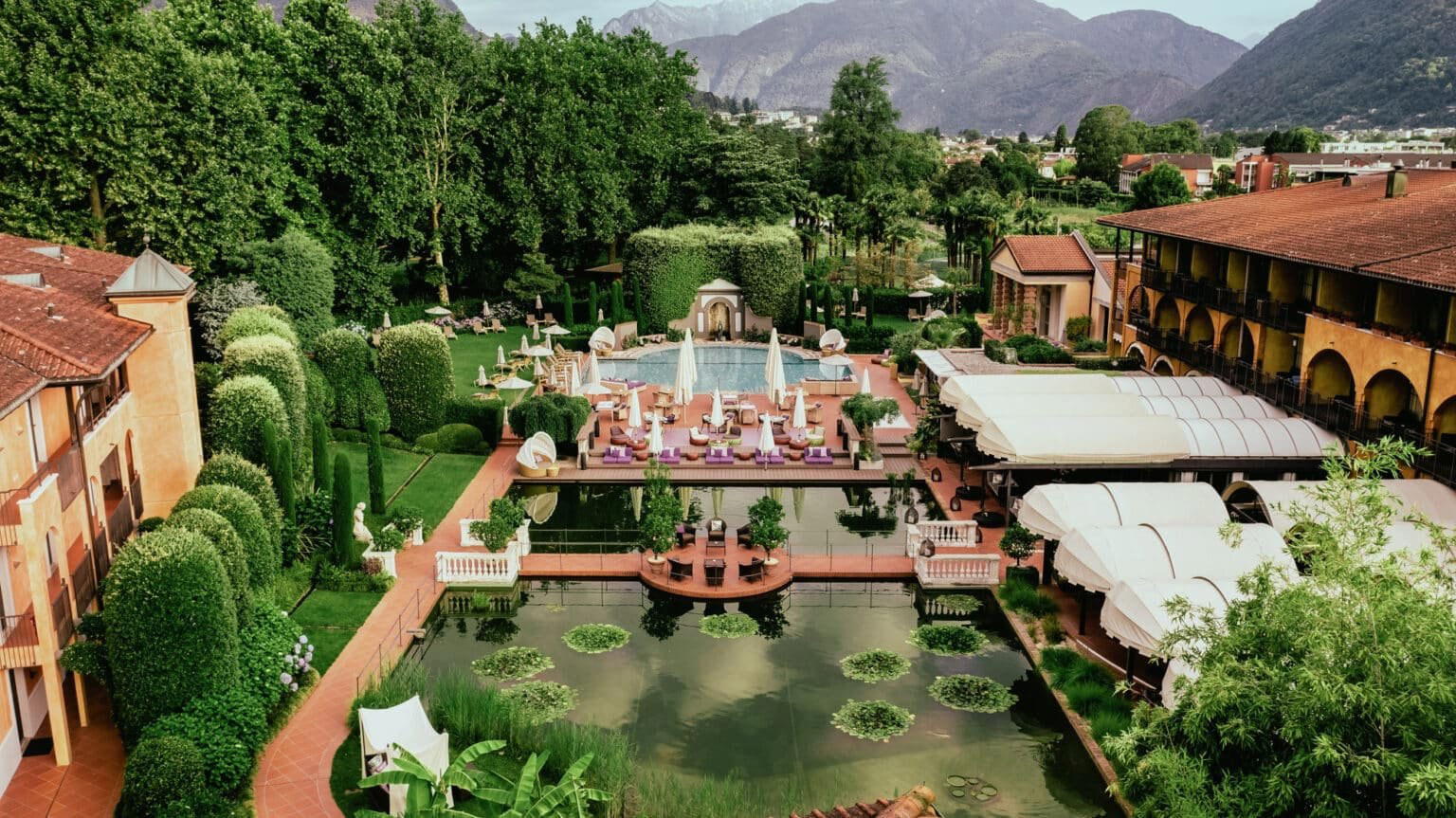
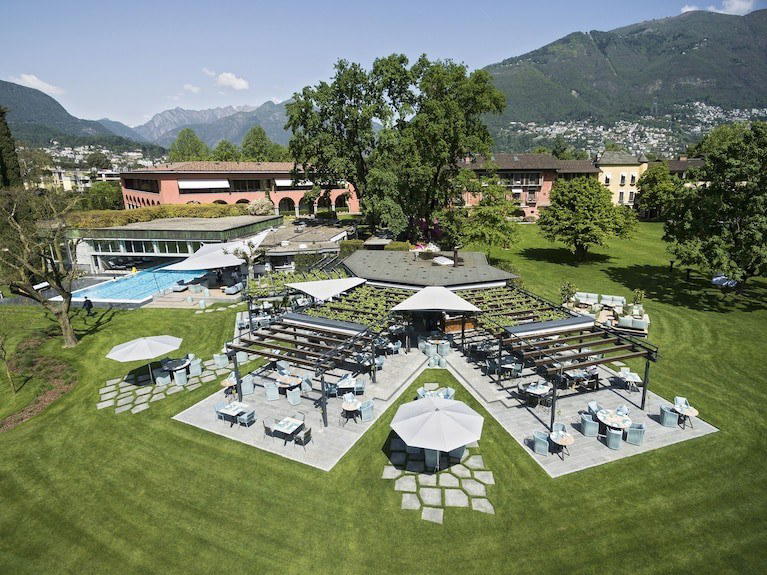
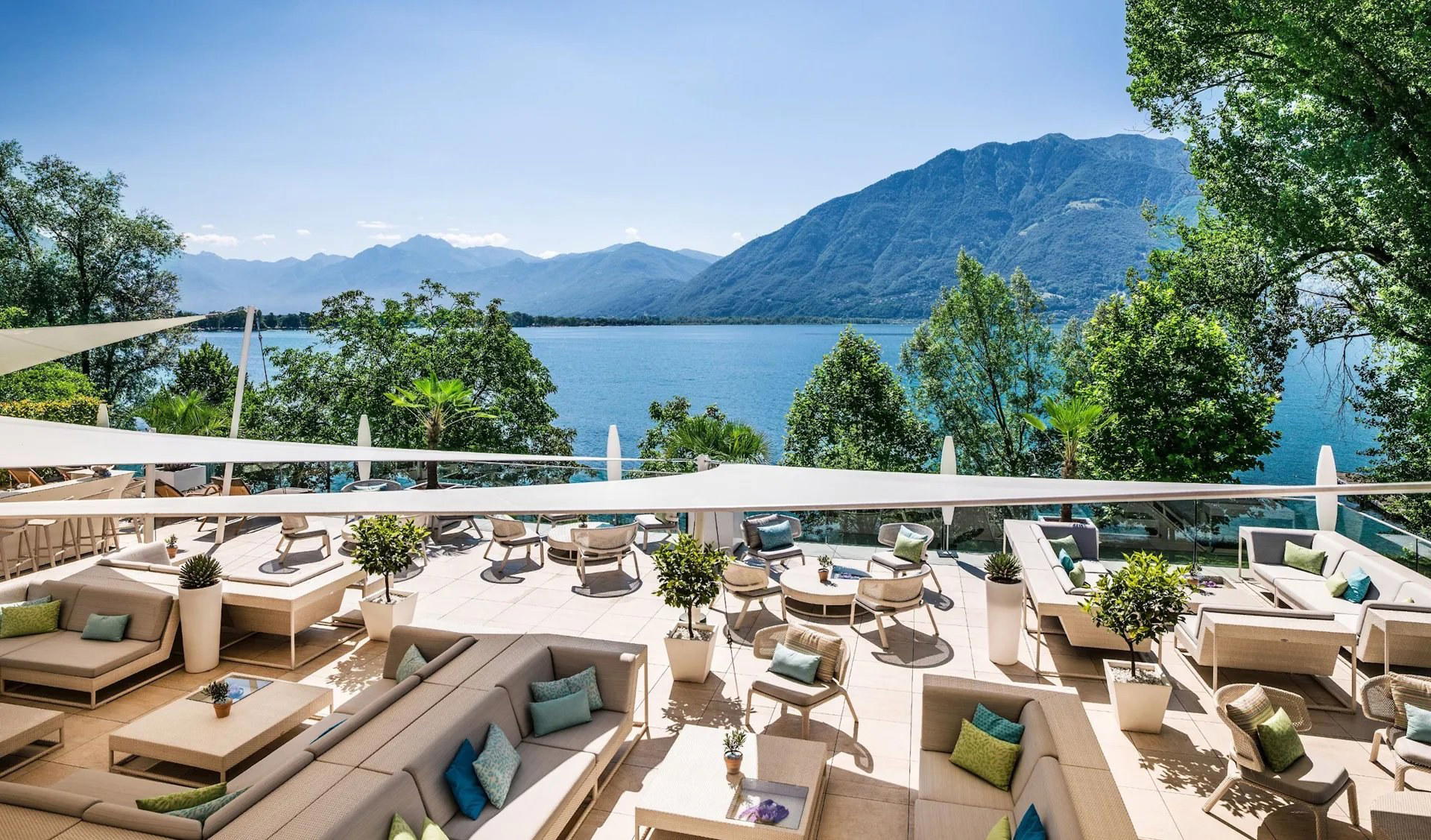
Al lago, at Via Circonvallazione 26, operates inside a glass-enclosed winter garden with an adjoining terrace that extends directly over the lake edge. The physical setup matters to the experience in ways that go beyond scenery. The winter garden format, essentially a glazed pavilion that reads as indoor dining in colder months and opens into the terrace during warmer ones, is a practical response to Ascona's climate, where the season extends longer than most Swiss towns but still demands a covered option through autumn. The terrace is the draw when conditions allow. A table there, with water immediately below and the Piedmontese mountains across the lake, frames the meal in a way that few covered dining rooms in town can replicate.
Where the Cooking Sits in the Regional Conversation
Northern Italian cooking is not a monolith. The cuisine of Milan, built around risotto, braised meats, and butter-based technique, differs materially from the olive oil tradition of Liguria to the west, or the cured fish and anchovy culture of the Cantabrian-influenced dishes that appear on menus throughout Piedmont and into the alpine north. Contemporary Italian cooking in Switzerland's Italian-speaking region tends to draw from Lombard and Piedmontese reference points, adjusted for Swiss product quality and a clientele that expects a degree of refinement without losing the directness that makes northern Italian food worth eating.
Al lago's Michelin Plate recognition for 2025 positions it within Ascona's mid-to-upper bracket, holding a price tier of €€€ that sits below the €€€€ positioning of both Locanda Barbarossa and La Brezza, the latter of which carries two Michelin Stars. That gap in both price and award tier is meaningful: al lago occupies a position where the cooking is formally recognised for quality but the format is less ceremony-driven than the town's starred options. For a dining scene as small as Ascona's, having a Michelin Plate address that is not also pushing three-figure tasting menu territory gives the town an accessible entry point to serious cooking.
The broader Swiss fine dining conversation runs from Hotel de Ville Crissier in Crissier and Schloss Schauenstein in Fürstenau at the top of the award tier, through addresses like Cheval Blanc by Peter Knogl in Basel, Memories in Bad Ragaz, and 7132 Silver in Vals. Al lago operates outside that starred tier but within the Michelin recognition system, which in Switzerland signals that the kitchen is performing at a consistent standard. Within the specifically Italian-contemporary category across the region, comparable frames of reference include Agli Amici Rovinj in Rovinj and L'Olivo in Anacapri, both of which work within the same genre of Italian cooking updated for a premium international audience.
The Dishes That Define the Kitchen
The Carnaroli risotto with red pepper, green sauce, and Cantabrian anchovies is the clearest single statement from the kitchen. Carnaroli is the preferred variety for Italian chefs who want a risotto with structural integrity, it holds its shape through long agitation and absorbs stock without losing the starchy resistance that distinguishes a properly made risotto from a soft grain dish. The combination of red pepper sweetness, herb-forward green sauce, and the salt-cured, oil-preserved anchovy from the Cantabrian sea is a northern Italian structural move: fat, acid, and umami deployed against a starchy base. That Cantabrian anchovies appear here rather than more generic salted fish is a detail that indicates how carefully the kitchen is sourcing its preserved proteins.
Guanaja chocolate mousse with ice cream and mixed berries reads as a classical French-Italian crossover dessert. Guanaja is a specific Valrhona cacao origin, 70% dark, with notable bitterness and low residual sweetness, and its presence in the dessert description suggests the kitchen is working with named-source chocolate rather than commodity product. Paired with fresh berries, it is a dessert that trusts ingredient quality over technique complexity, which is consistent with a kitchen whose broader approach uses modern influences to sharpen classic Italian foundations rather than to replace them.
Michelin citation specifically notes ingredient quality as a distinguishing factor alongside the modern-meets-classic register. That framing aligns with how northern Italian contemporary cooking has developed across the past decade: the move away from heavy reduction and elaborate plating towards cleaner, more product-dependent cooking that asks more of the sourcing than of the technique.
Service, Wine, and the Practical Shape of an Evening
Young, friendly service is noted in the Michelin record, a descriptor that in Swiss fine dining contexts carries particular weight. Ticino's restaurant culture has historically leaned formal in its upper tier, and service that is competent but less ceremonialized than a starred room appeals to the mixed clientele Ascona attracts: Italian and Swiss regulars, visitors from northern Europe, and a seasonal influx of the international lake-resort crowd that has defined the town since the early twentieth century.
The wine selection is described as excellent, which in a restaurant operating at this price tier in a border region suggests both Italian and Swiss labels with probably some French reference points. Ticino produces Merlot-dominant wines that have improved substantially over the past two decades, and a kitchen drawing on northern Italian traditions would have natural reasons to include them alongside Piedmontese and Lombard producers.
Al lago sits at €€€ pricing, which places it within the same general bracket as Hide & Seek and below the lake-facing luxury of Locanda Barbarossa or La Brezza. For the full Ascona dining picture, the EP Club Ascona restaurants guide covers the range. Those looking to extend beyond dinner can find context in the Ascona hotels guide, the bars guide, the wineries guide, and the experiences guide. Within Ascona's specifically Italian-leaning options, Ecco Ascona and Asia round out the cross-cuisine picture at different price and style points.
No booking method or confirmed hours appear in available data for al lago. Given Ascona's seasonal concentration, the town draws the largest volume of visitors between May and October, when the lakeside terrace is at full capacity, reservations during peak season are advisable rather than optional.
Frequently asked questions
What distinctions does al lago have?
al lago has received recognition including: Michelin Plate (2025); Housed in a type of winter garden with a charming terrace (the jewel in the crown!), this restaurant serves dishes that combine modern influences with more classic touches, all prepared using ingredients of the best q….
What do regulars order at al lago?
The Michelin guide specifically names the Carnaroli risotto with red pepper, green sauce, and Cantabrian anchovies, a dish that signals the kitchen's approach of grounding northern Italian technique in high-quality imported ingredients. The Guanaja chocolate mousse with ice cream and mixed berries is the other dish called out by name, making it the obvious finish to the meal.
How much does it cost to eat at al lago?
Pricing at al lago is listed as €€€.
How far ahead should I plan for al lago?
Ascona is a compact resort town whose dining scene fills quickly between late spring and early autumn, the period when the terrace at al lago becomes the main draw. A Michelin Plate recognition in 2025 adds reservation pressure; booking at least two to three weeks ahead during peak season is a reasonable working assumption.
What's the standout thing about al lago?
The glass-enclosed winter garden paired with a terrace is the physical feature Michelin singles out, the guide calls the terrace 'the jewel in the crown.' That setting, combined with €€€ pricing and cooking that layers modern technique over classic Italian references, positions al lago as the considered choice in Ascona rather than a casual lakeside stop.
| Venue | Cuisine | Price | Awards | Notes |
|---|---|---|---|---|
| al lagoThis venue (the venue you are viewing) | Modern Italian Mediterranean | Not listed | Michelin Plate | Not listed |
| Locanda Barbarossa | Mediterranean Fine Dining with Seasonal Ticino Ingredients | Not listed | 1 Michelin Star · La Liste Top Restaurants | Not listed |
| La Brezza | Modern Mediterranean Fine Dining | $200–300 | 2 Michelin Stars · La Liste Top Restaurants | Mediterranean Cuisine |
| Asia | Asian Fusion with Japanese, Thai, and Chinese | Not listed | Michelin Bib Gourmand | Not listed |
| Ecco Ascona | Modern Creative Fine Dining | $200–300 | La Liste Top Restaurants · Falstaff Restaurant - 94 Falstaff Points | Not listed |
| Hide & Seek | Modern Mediterranean with Ayurvedic Influences | Not listed | Michelin Plate | Not listed |
Recognition history
Dated appearances from independent guides and award organizations, with the underlying list record or original source where available.
Michelin Plate
Michelin
Full recognition history (2 entries)
Michelin Plate
Michelin
Continue exploring
More in Ascona
Restaurants in Ascona
All restaurants in Ascona →
Bars in Ascona
All bars in Ascona →
Hotels in Ascona
All hotels in Ascona →

Details
- Elegant
- Scenic
- Sophisticated
- Romantic
- Date Night
- Special Occasion
- Waterfront
- Terrace
- Hotel Restaurant
- Extensive Wine List
- Waterfront
- A La Carte
- Vegetarian Friendly
- Gluten Free Options
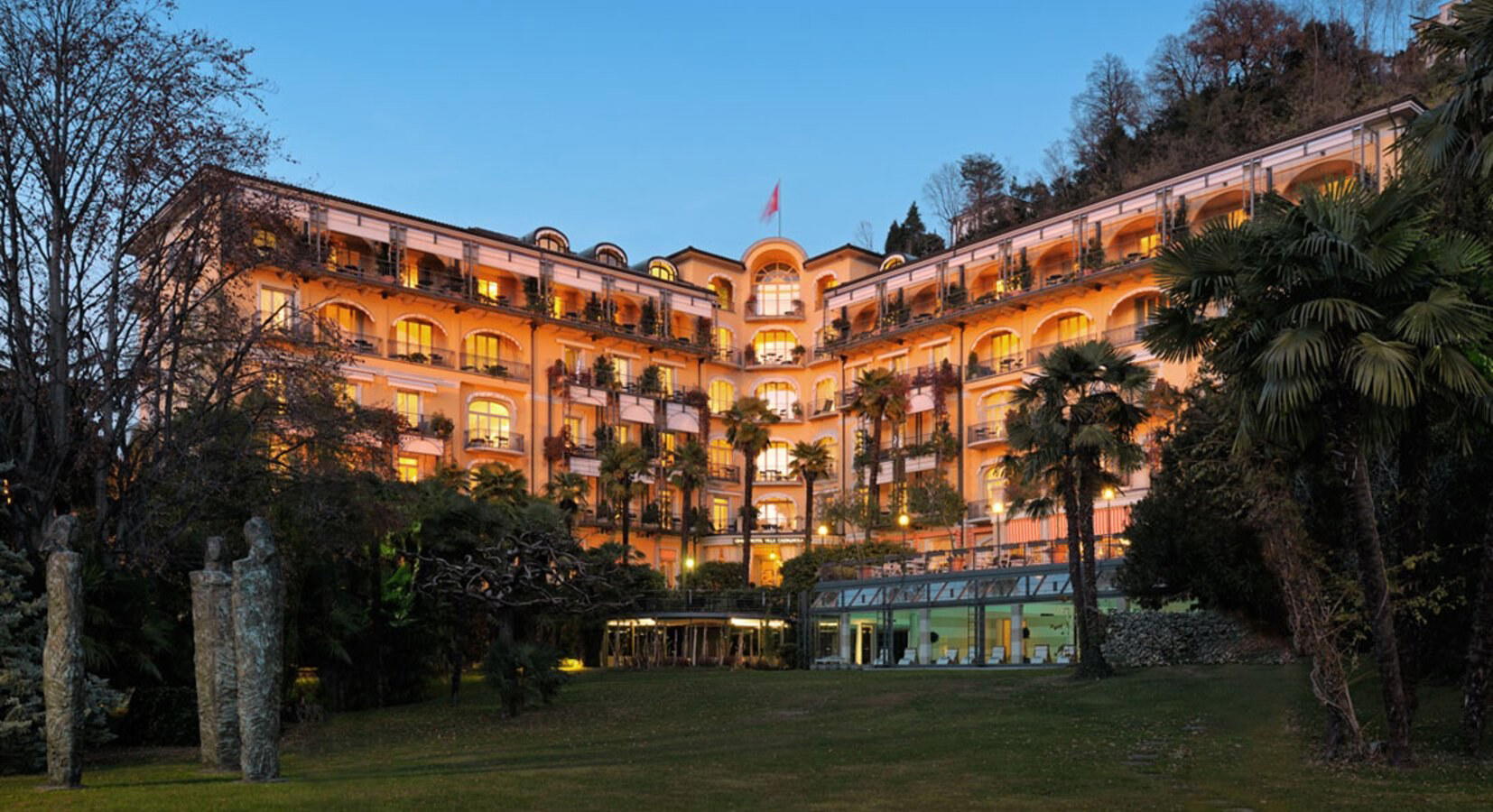
Elegant winter garden with charming terrace, beautiful decoration, and serene lakeside garden atmosphere.