
Michelin Plate
Our verdict
Liza brings Lebanese cooking into the 2nd arrondissement with a precision that has earned consecutive Michelin Plates in 2024 and 2025.

Pearl is the En Primeur Club membership app, where members save venues, book tables and use the concierge.
Where Beirut Meets the 2nd Arrondissement
The 2nd arrondissement is not where Paris concentrates its prestige dining. That context matters: when a Lebanese restaurant holds consecutive Michelin Plates here, in 2024 and again in 2025, it is doing something more precise than feeding the lunch trade. Liza has positioned itself as a reference point for Lebanese cooking in Paris, a city where Middle Eastern cuisine occupies a wide spectrum from fast-casual shawarma counters to the more considered mezze-and-mains format that Beirut's own restaurant culture has long practised with sophistication.
Lebanese cooking at its most serious is a cuisine of accumulation and balance: cold mezze that build acid, fat, and herb across a dozen small plates before a main course arrives. The tradition rewards a certain kind of attention, both in the kitchen and at the table. Paris has historically filed Lebanese food into the affordable-and-reliable bracket, which is why Michelin's recognition of Liza across two consecutive years represents a shift in how the city's establishment evaluates this cuisine. The Plate designation, distinct from the starred tier occupied by addresses like Alléno Paris au Pavillon Ledoyen or Arpège, signals good cooking worth knowing about. For a Lebanese address in Paris, earning it twice is a credential that matters.
The Atmosphere of the Room
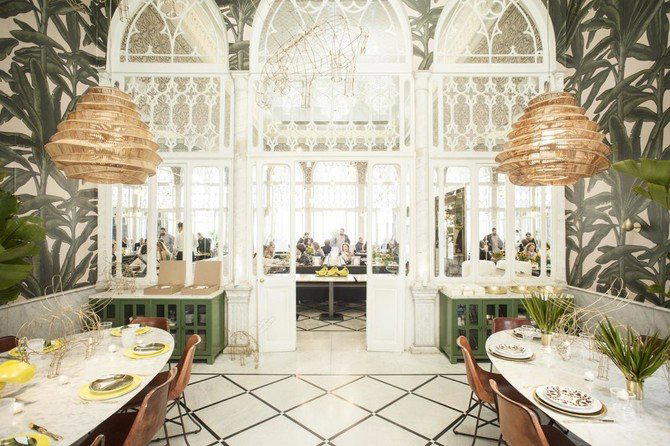
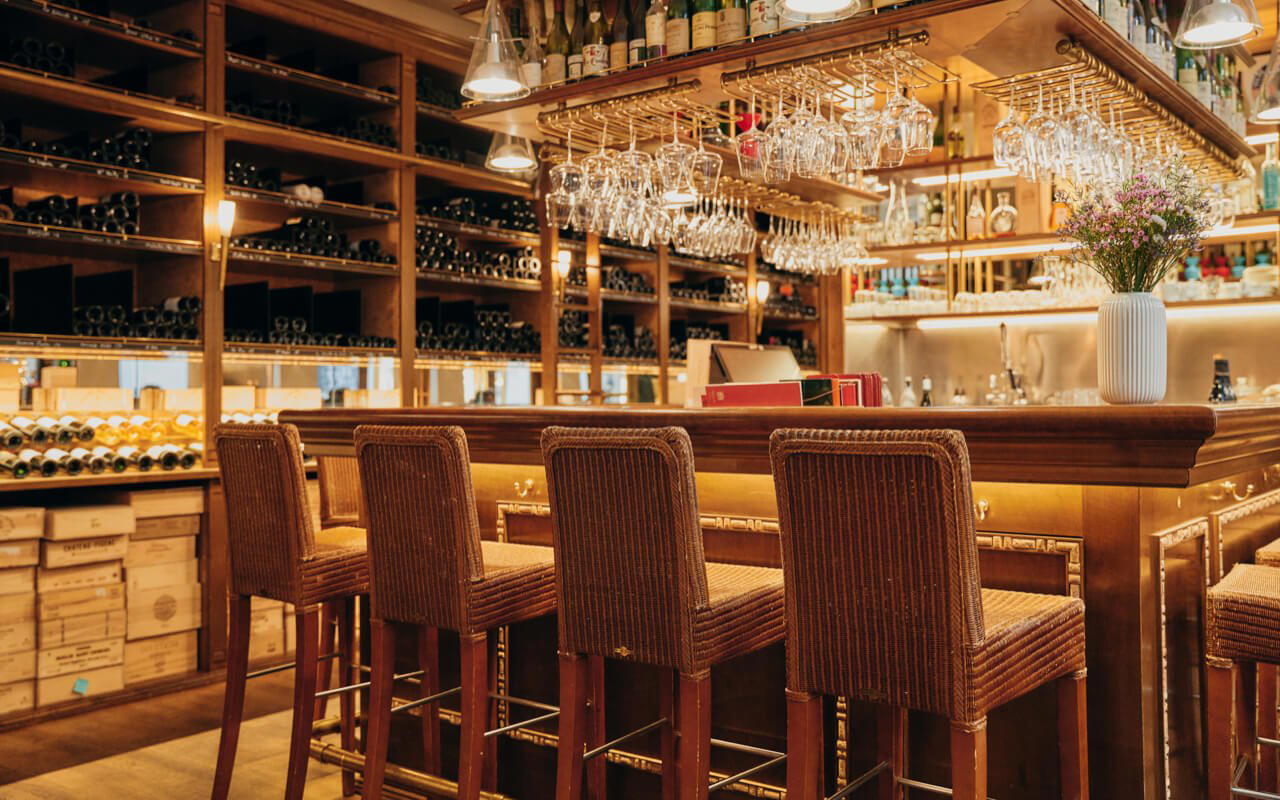
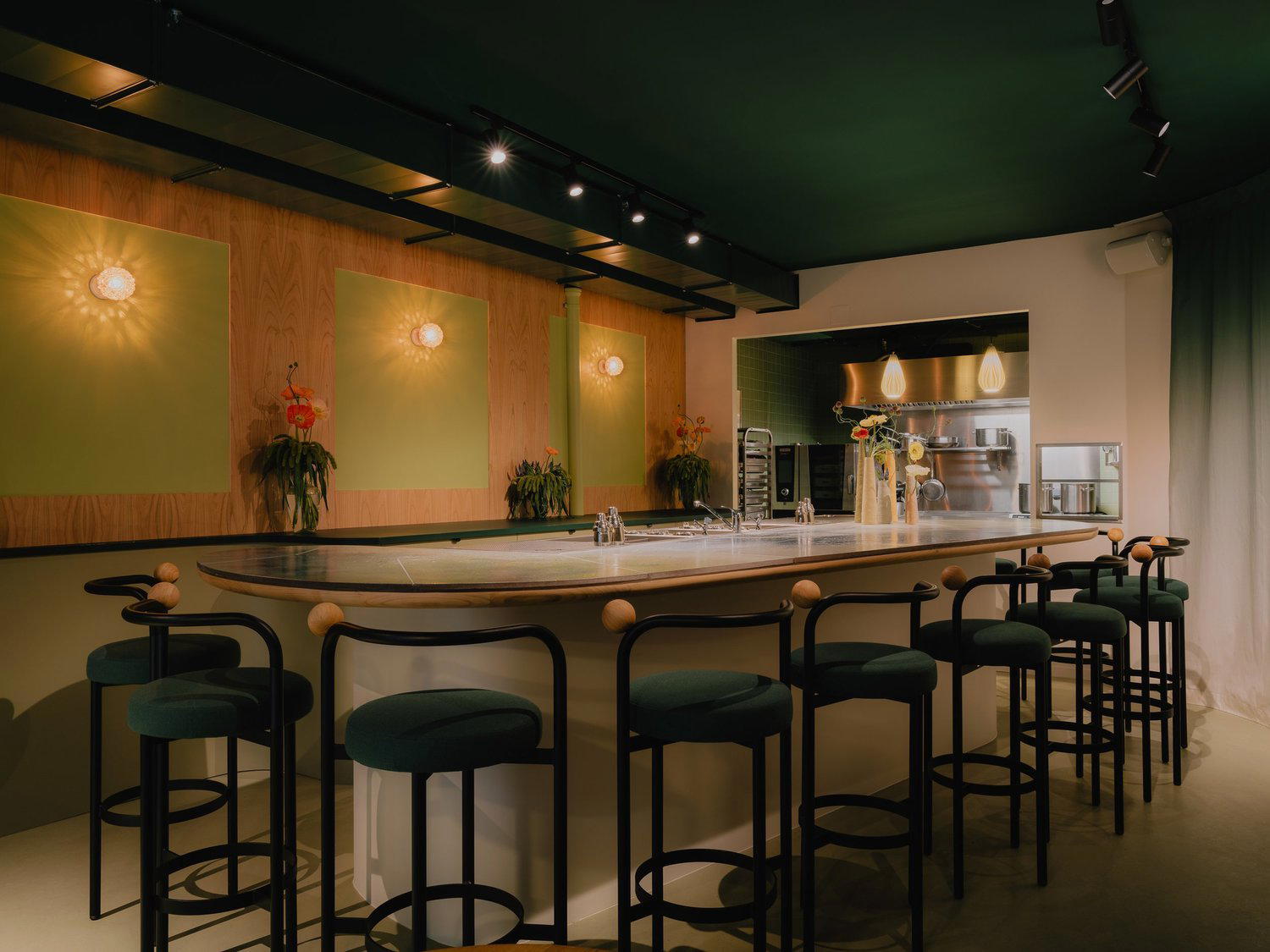
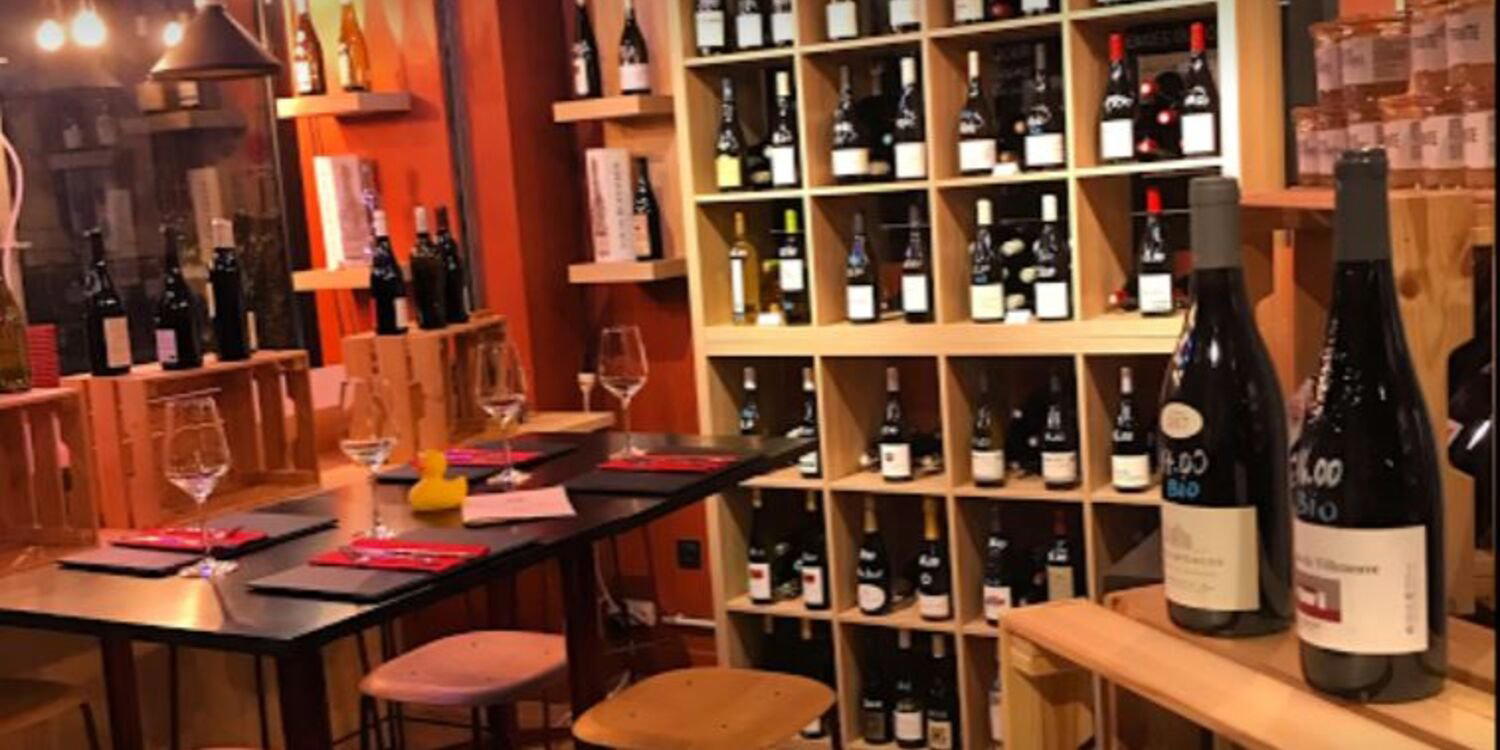
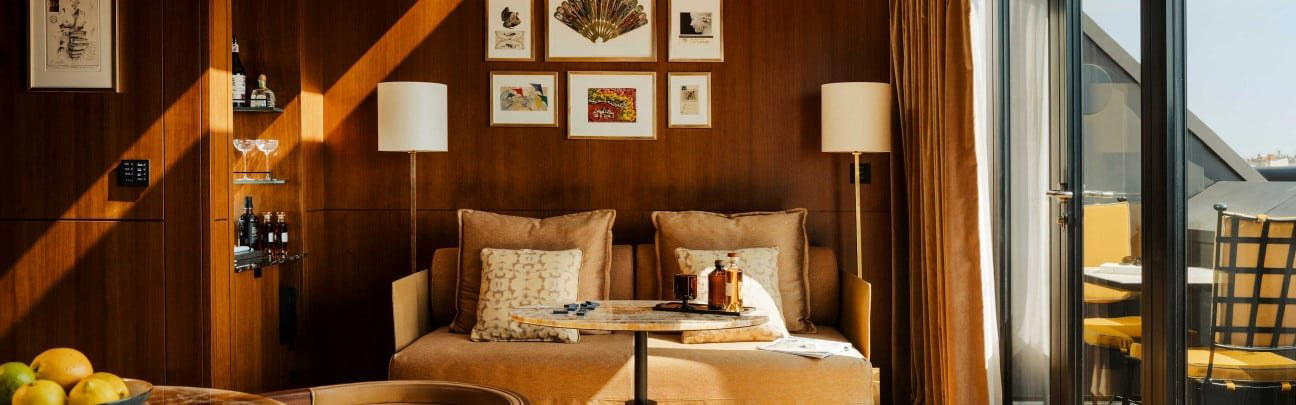
Restaurants in the €€ price range in Paris can feel spartan or merely functional. The better ones in this bracket understand that the room's sensory work, what you register in the first thirty seconds, shapes everything that follows. Lebanese design vocabulary, when it is handled seriously, draws on a Mediterranean urban tradition: tiled surfaces, warm light, the smell of dried herbs and spice from an open kitchen, a particular acoustic softness that comes from modest scale and materials that absorb rather than amplify sound. The effect is a quiet approach that makes the warmth of the interior register more sharply on arrival. Lebanese cuisine arrived along different routes and carved out a distinct niche, one associated with Beirut's cosmopolitan reputation and a kitchen culture that shares the French emphasis on technique and fresh product. The kinship is not coincidental: Beirut was shaped by French influence for decades, and its restaurant culture reflects that exchange.
What distinguishes the more considered Lebanese addresses from the wider category is the treatment of mezze. In the hands of a kitchen paying attention, hummus is not a condiment but a dish with texture, temperature, and finishing oil as deliberate choices. Fattoush carries a specific balance of crunch and acid. Kibbeh depends on the quality and seasoning of its meat and the precision of its preparation. These are technical decisions, and Michelin's consecutive recognition of Liza suggests a kitchen making them with care. For readers who have eaten at Al Mandaloun in Dubai or Almayass in Abu Dhabi, the Lebanese fine dining benchmark is well established. Liza operates in a different price register but draws from the same culinary tradition.
Paris offers a small number of Lebanese addresses that take the cuisine seriously at the €€ price point. Qasti Green represents the plant-forward end of this segment. Liza's positioning is broader in scope, covering the traditional spread of the Lebanese table rather than a specific dietary lane.
The Wider Paris Dining Frame
To understand what Liza represents in Paris, it helps to sketch the full range of the city's recognised dining. At the high end, three-starred institutions like L'Ambroisie and technically sophisticated addresses such as Kei occupy a different category entirely, in ambition, price, and format. Outside Paris, the French restaurant tradition extends through address like Flocons de Sel in Megève, Mirazur in Menton, Troisgros in Ouches, Paul Bocuse in Collonges-au-Mont-d'Or, Bras in Laguiole, and Auberge de l'Ill in Illhaeusern. Liza belongs to none of these registers, which is precisely the point. It answers a different question: where in Paris does Lebanese cooking get taken seriously without requiring a tasting-menu budget? The €€ price range makes it accessible for a long lunch or a dinner where the emphasis is on shared plates rather than a set-course format. For a broader view of what Paris offers across all dining formats and budgets, see our full Paris restaurants guide. For accommodation planning, our Paris hotels guide covers the full range of options. Additional city resources include our Paris bars guide, our Paris wineries guide, and our Paris experiences guide. Lebanese. €€.
Frequently asked questions
What should I order at Liza?
The kitchen's Michelin recognition across 2024 and 2025 is anchored in its treatment of the Lebanese mezze tradition, the cold and warm small-plate format that forms the structural core of a serious Lebanese meal. In that context, the cold mezze spread is the most direct expression of the kitchen's precision: hummus, tabbouleh, fattoush, and their variations are dishes where quality of ingredient and calibration of seasoning are fully visible. Warm mezze, including preparations like kibbeh and grilled items, extend that range. As the cuisine's tradition suggests, ordering broadly across the spread rather than anchoring to a single main course is the more revealing approach, both for understanding what the kitchen does well and for experiencing the rhythm of a Lebanese table as it is meant to work.
Style and Standing
| Venue | Cuisine | Price | Awards | Notes |
|---|---|---|---|---|
| LizaThis venue (the venue you are viewing) | Modern Lebanese | $50–100 | Michelin Plate | Not listed |
| Alléno Paris au Pavillon Ledoyen | Modern French Fine Dining | $150–200 | 3 Michelin Stars · World's 50 Best #79 | Creative |
| Kei | Modern French with Japanese Influences | $300–500 | 3 Michelin Stars · World's 50 Best #93 | Contemporary French, Modern Cuisine |
| L'Ambroisie | Classic French Haute Cuisine | $300–500 | 2 Michelin Stars · World's 50 Best #23 | French, Classic Cuisine |
| Le Cinq - Four Seasons Hôtel George V | Modern French Fine Dining | $300–500 | 3 Michelin Stars · World's 50 Best #24 | French, Modern Cuisine |
| Plénitude | Modern French Sauce-Led Fine Dining | $300–500 | 3 Michelin Stars · World's 50 Best #14 | Contemporary French |
Recognition history
Dated appearances from independent guides and award organizations, with the underlying list record or original source where available.
Michelin Plate
Michelin
Full recognition history (3 entries)
Michelin Plate
Michelin
Michelin Plate
Michelin
Continue exploring
More in Paris
Restaurants in Paris
All restaurants in Paris →
Bars in Paris
All bars in Paris →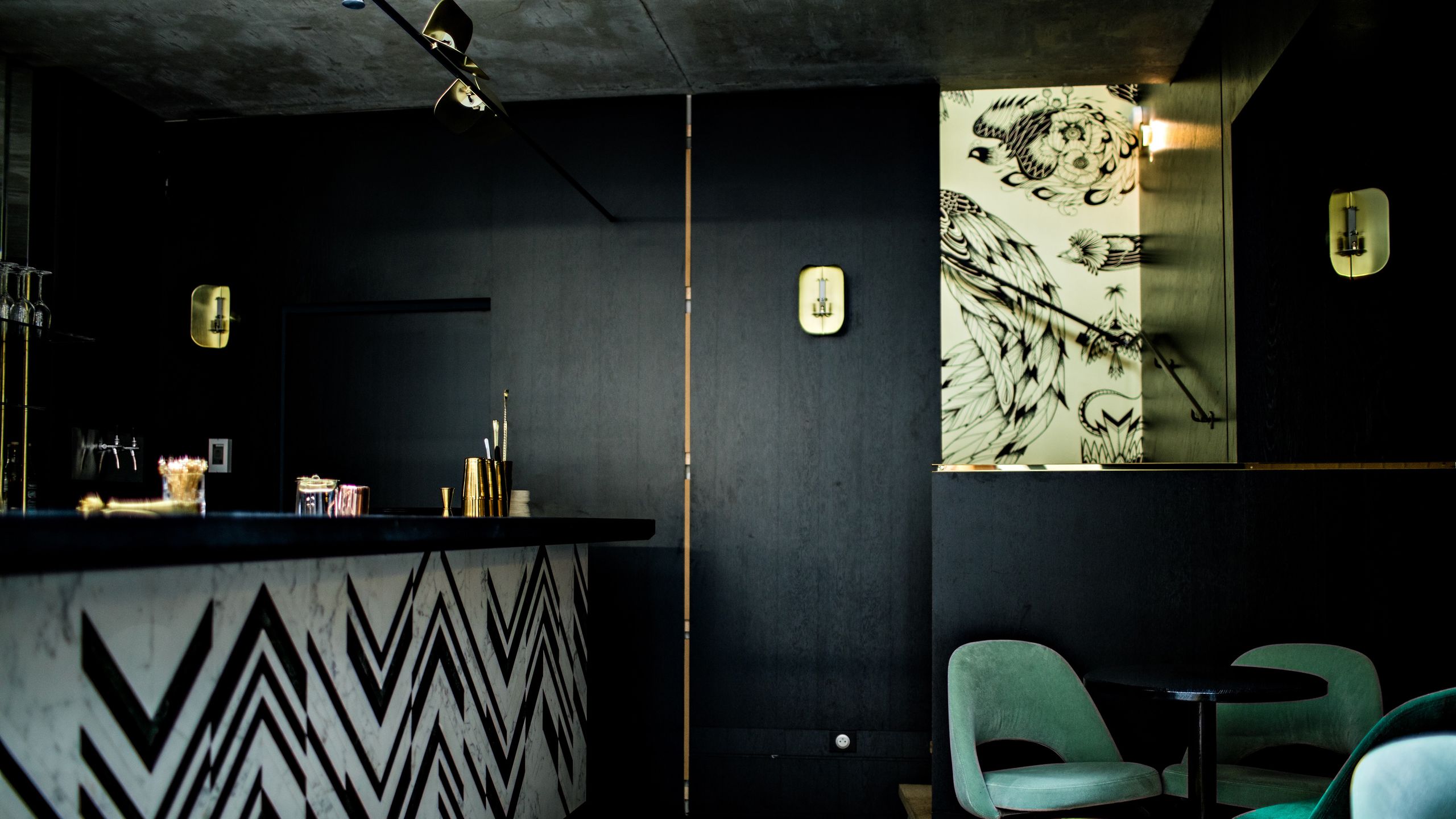





Details
- Modern
- Elegant
- Cozy
- Sophisticated
- Date Night
- Group Dining
- Family
- Brunch
- Celebration
- Open Kitchen
- Extensive Wine List
- Small Plates
- A La Carte
- Vegetarian Friendly
- Vegan Options
Current opening hours
- Monday
- 12–2:15 PM, 7–10:30 PM
- Tuesday
- 12–2:15 PM, 7–10:30 PM
- Wednesday
- 12–2:15 PM, 7–10:30 PM
- Thursday
- 12–2:15 PM, 7–10:30 PM
- Friday
- 12–2:15 PM, 7–10:30 PM
- Saturday
- 12–2:15 PM, 7–10:30 PM
- Sunday
- 12–3:30 PM, 7:30–10:30 PM
Hours can change for holidays and private events. Hours as of .
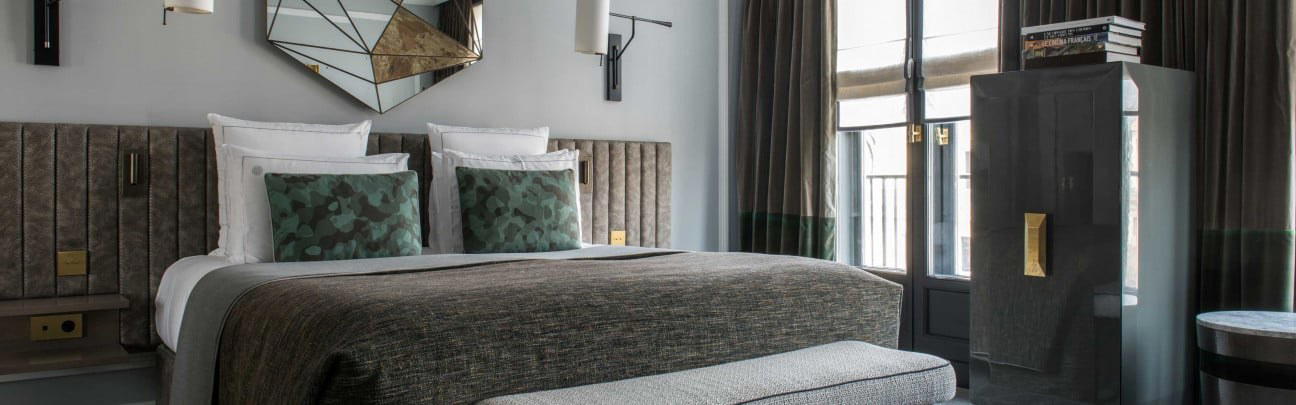
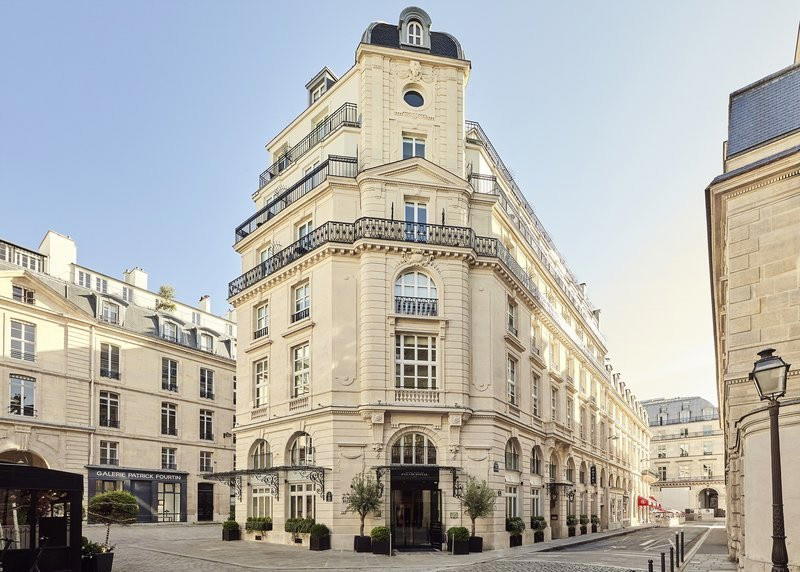
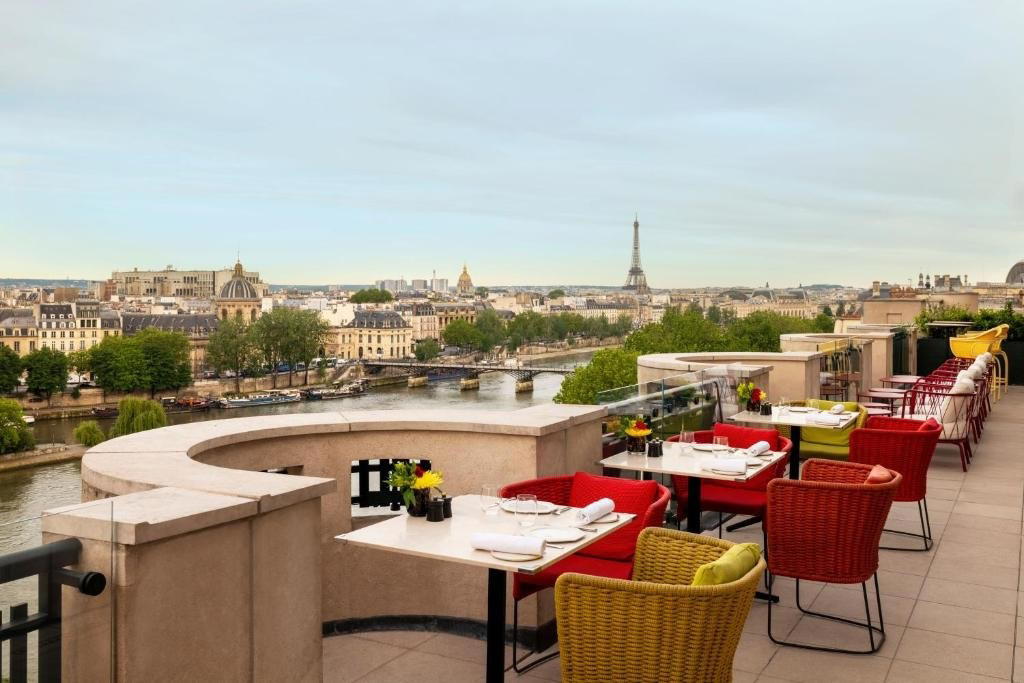
Bright interior with Middle Eastern touches, lit candles, comfortable seating, relaxed and contemporary atmosphere.