
Tabelog 100 #89
Our verdict
Kawasaki’s serious sweets culture is not only a Tokyo spillover story. Lilien Berg gives the western-style cake shop format a destination pull in Asao-ku, with repeated Tabelog Sweets 100 EAST selections and a low-friction takeout rhythm that suits travelers building a broader Kanagawa food day.

Pearl is the En Primeur Club membership app, where members save venues, book tables and use the concierge.
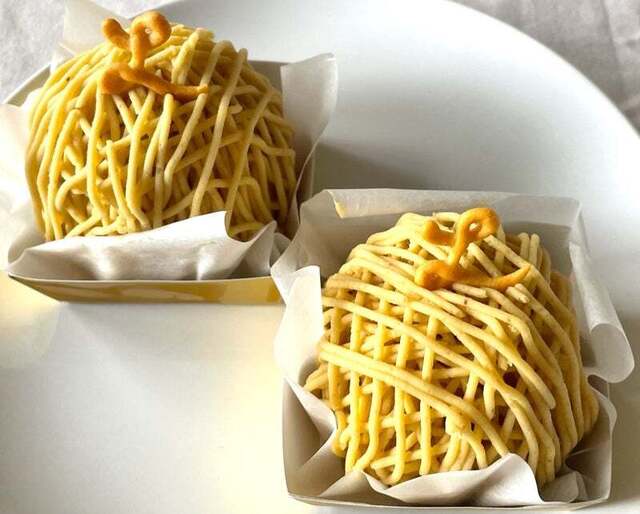
The menu
What to order
- Cakes
- Baked sweets
- Decorative cakes
- Seasonal sweets
- Confections
Approaching a suburban Japanese sweets shop can feel more revealing than entering a grand hotel salon. The scale is lower, the queue is more local, and the buying pattern is precise: cakes for home, western-style sweets for gifts, and a brief pause over something sweet when the day allows. In Kawasaki, that format matters because the city’s dining identity often gets flattened between Tokyo’s gravitational pull and Yokohama’s port-city confidence. Lilien Berg belongs to a quieter category, the destination cake shop that earns travel time without behaving like a formal restaurant.
The useful lens here is sourcing and discipline rather than spectacle. Japanese western-style sweets depend on freshness, handling, and temperature control, but the better shops are defined by restraint: sweetness that does not smother, textures that survive the trip home, and presentation treated as part of the craft rather than decoration alone. The format rewards precision in production because most customers are not lingering over a plated dessert. They are carrying the work away, which makes structure, freshness, and packaging part of the experience.
Western-style sweets with a Kawasaki address, not a Tokyo afterthought
Kawasaki’s stronger casual food addresses often sit outside the tourist corridor, and that is part of the point. A sweets shop in Kawasaki has to work for regular domestic use before it can matter to visitors. Lilien Berg’s recognition from Tabelog Hyakumeiten in 2023, with a listed score of 3.92, places it inside a competitive field where larger-city names tend to dominate attention. That recognition is not a substitute for taste, but it is a meaningful signal in a category where local loyalty and repeat buying carry more weight than dining-room theater.
The comparison within Kawasaki is instructive. Curry&herb Cherry blossom belongs to a completely different eating occasion. Etienne, another Kawasaki sweets reference, gives the city a second point of comparison within the same broad dessert orbit. Lilien Berg occupies a useful middle ground: serious enough to justify a dedicated detour, accessible enough to function as a neighborhood purchase. That is where many Japanese sweets shops are strongest, between daily utility and special-occasion polish.
For travelers building a Kawasaki food map, the city reads better as a sequence of specialist stops than as a single restaurant district. A sweets run here pairs more naturally with broader local eating than with a long tasting menu. EP Club’s full Kawasaki restaurants guide is the right frame for that pattern, especially alongside other Kawasaki dining rooms that show how varied the city’s everyday food scene can be.
The ingredient question is freshness, transport, and timing
Western-style sweets in Japan are often discussed through technique, but the more practical distinction is how the shop handles perishable items in a takeaway-first culture. Cakes and sweets ask different things of the kitchen depending on when and how they will be eaten. A destination shop has to satisfy customers buying for immediate enjoyment and those carrying items across town. That creates a style of excellence less visible than a restaurant tasting counter: consistency across batches, clean finishing, and a product range that can survive domestic routines.
Lilien Berg’s listed categories, cake and western-style sweets, point to that hybrid role. This is not a dessert bar built around a single plated sequence. It belongs to the Japanese tradition of precise sweets buying, expressed through a dedicated Kawasaki shop rather than a department-store or hotel format. The stronger reading is retail sweets specialist. The serious buyer treats it as part of a day’s route, not as a conventional sit-down meal.
That distinction matters for expectations. Visitors looking for ceremony may find a counter dessert format elsewhere more aligned with that mood. Visitors interested in how Japanese suburbs support exacting specialty food will understand the appeal faster. The appeal is practical as much as aesthetic: freshness must be obvious, portions must travel, and sweetness has to leave room for tea or coffee at home.
How to place it in a wider Japan itinerary
The strongest use of Lilien Berg is as a focused Kawasaki stop within a broader food day, especially for travelers who already understand that Japan’s serious eating is not confined to central wards and luxury counters. Kawasaki can be combined with nearby cities or a west-Tokyo rail day, depending on the rest of the itinerary. The point is contrast: Lilien Berg gives a sweets-focused pause rather than a full restaurant arc, and that makes it easy to fold into a day built around several small, specific stops.
Japan’s appeal for food travelers is often the contrast between highly specialized formats. A cake shop in Kawasaki can sit alongside bakeries, curry specialists, ramen shops, and other compact food addresses in the same itinerary logic: narrow formats executed with seriousness. Within Kawasaki itself, peers such as Backerei TOKTARO Motoishikawa honten, Prologue, and Shio Ramen Shinka 2nd help show how specialist stops can define a day more effectively than a single headline meal.
For planning beyond food, Kawasaki works better when treated as a practical base or an add-on rather than a hotel-driven destination. EP Club’s Kawasaki hotels guide, Kawasaki bars guide, Kawasaki wineries guide, and Kawasaki experiences guide help separate the city’s everyday strengths from the more polished circuits of Tokyo and Yokohama. Lilien Berg is worth reading in that context: a sweets address with enough recognition to travel for, but grounded in the rhythms of local buying.
Frequently asked questions
Would Lilien Berg be comfortable with kids?
Lilien Berg is best understood as a Kawasaki cake and western-style sweets shop, so it is more casual than ceremonial. For family suitability, check the shop’s current guidance before visiting.
Is Lilien Berg formal or casual?
It reads as casual rather than formal, with the focus on cake and western-style sweets. Its Tabelog Hyakumeiten recognition in 2023 gives it weight, but the format stays relaxed.
What does dinner at Lilien Berg typically cost?
Pricing at Lilien Berg is listed as JPY 1,000 - JPY 1,999 - JPY 999 View spending breakdown.
What time does Lilien Berg open and close?
Current opening hours are not provided here. Check directly with Lilien Berg before making a special trip to Kawasaki.
Fast Comparison
Comparable venues by cuisine and price in the same metro.
| Venue | Cuisine | Price | Awards | Notes |
|---|---|---|---|---|
| Lilien BergThis venue (the venue you are viewing) | Dessert Shop / European-Style Bakery Cafe | $10–20 | Tabelog 100 #89 | Not listed |
| Tea House Mayur Miyazakidai ten | Tea house & kakigori cafe | $10–20 | Tabelog 100 #35 | Miyazakidai |
| Belmatine | Artisanal Bakery & Bread Shop | $1–10 | Tabelog 100 #13 | Nakahara-ku (Musashi-Kosugi Area) |
| Kerala Kitchen | Authentic South Indian / Kerala cuisine | $20–30 | Tabelog 100 #88 | Nakahara-ku (Musashi-Kosugi / Shin-Maruko) |
| Menya Deko | Niboshi Ramen & Tsukemen | $10–20 | Tabelog 100 #98 | Shin-Maruko / Musashi-Kosugi |
| Pan Jabi Daba | Halal Punjabi & North Indian Curry House | $10–20 | Tabelog 100 #32 | Nakahara-ku |
Recognition history
Dated appearances from independent guides and award organizations, with the underlying list record or original source where available.
Tabelog 100 #89 · No. 89
Tabelog · Tabelog 100 - Sweets - EAST - 2023
Continue exploring
More in Kawasaki
Restaurants in Kawasaki
All restaurants in Kawasaki →

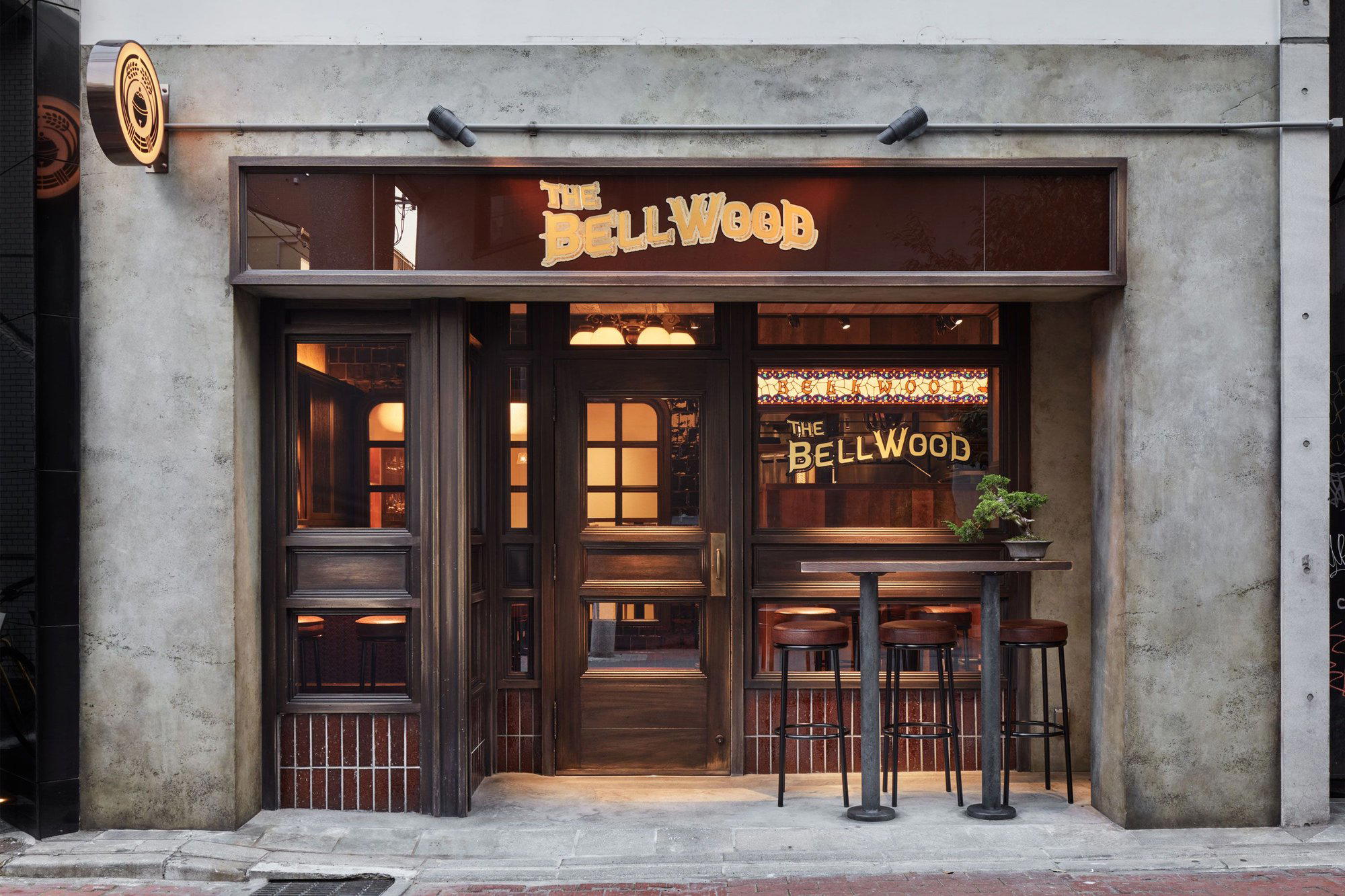
Bars in Kawasaki
Browse all →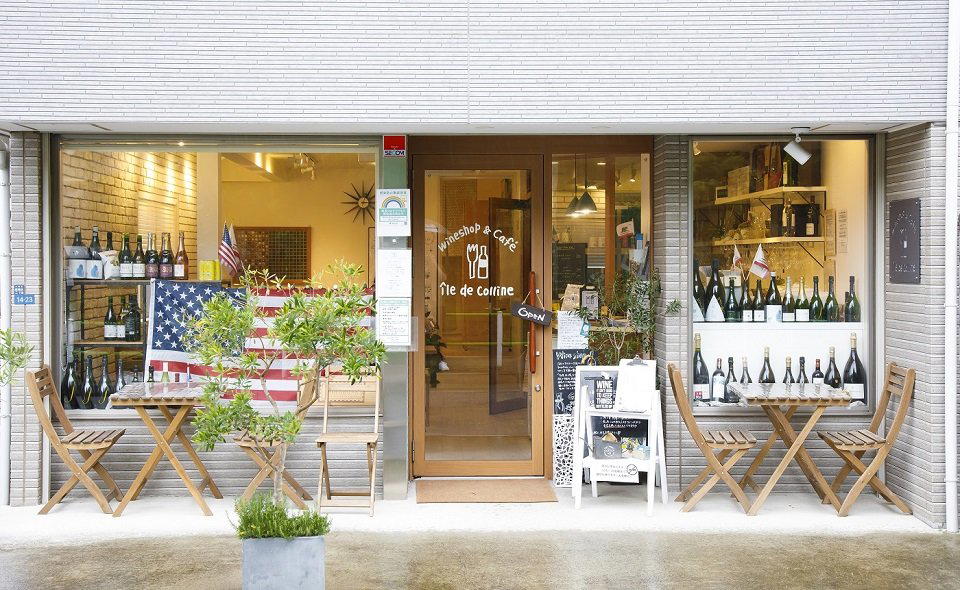
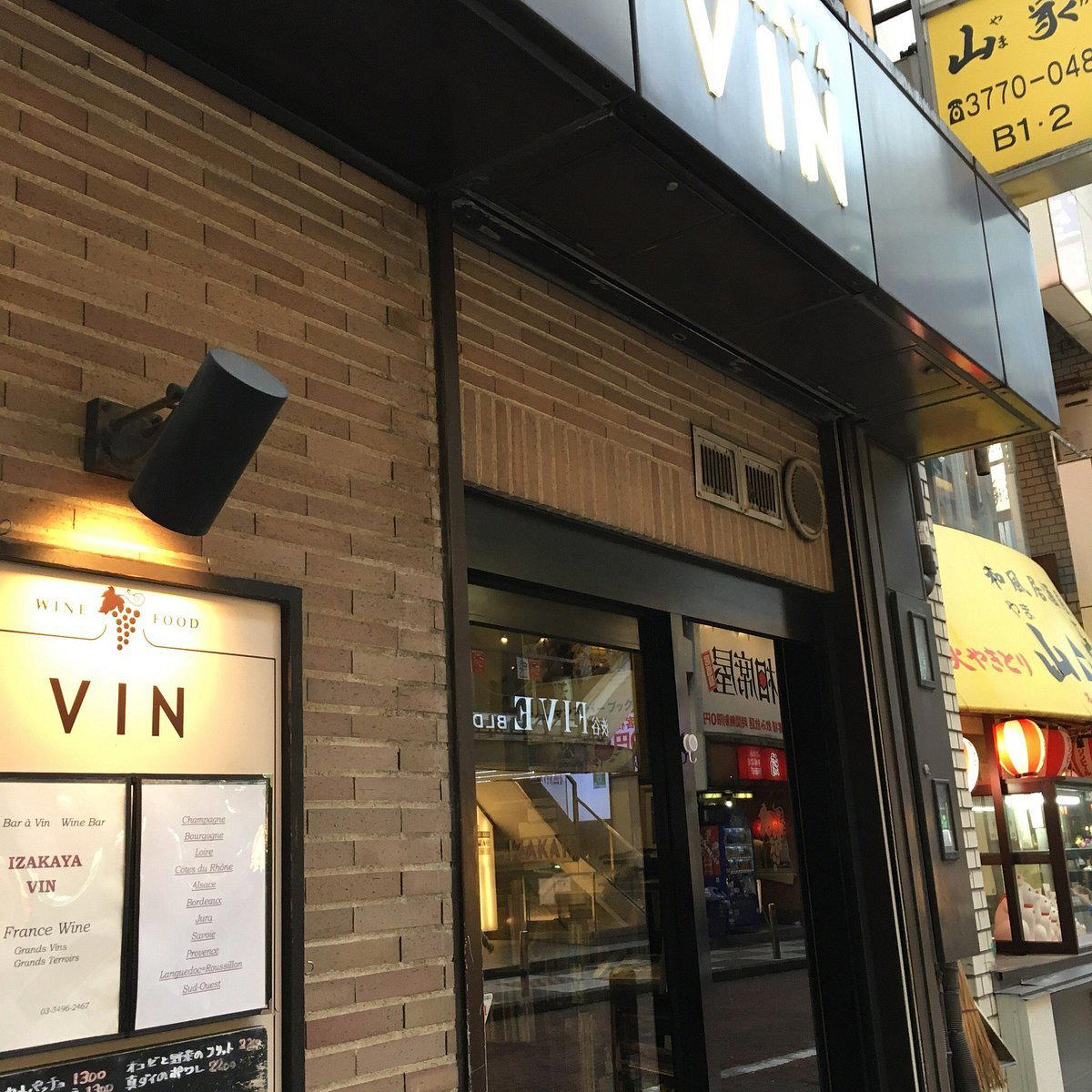


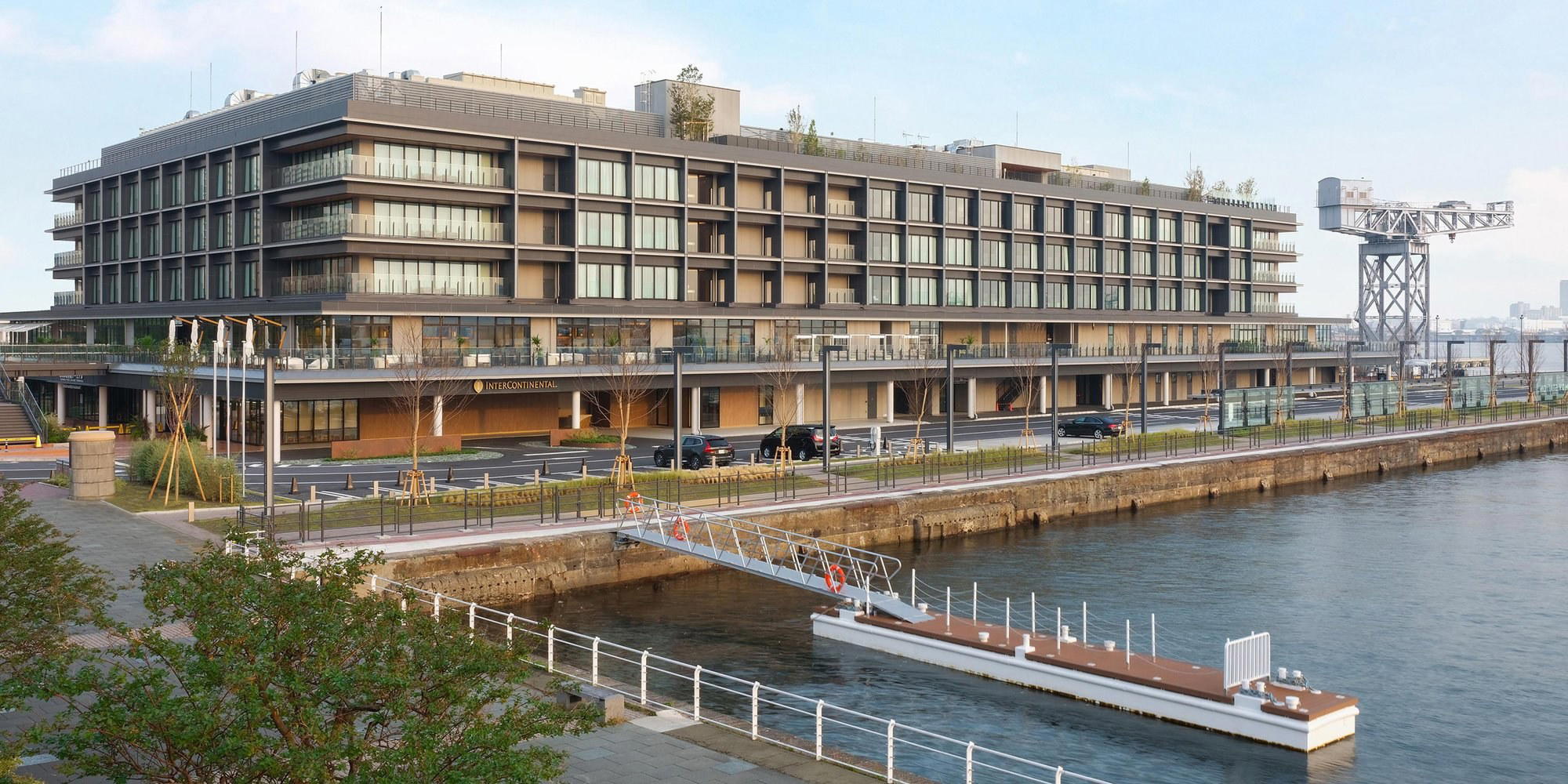
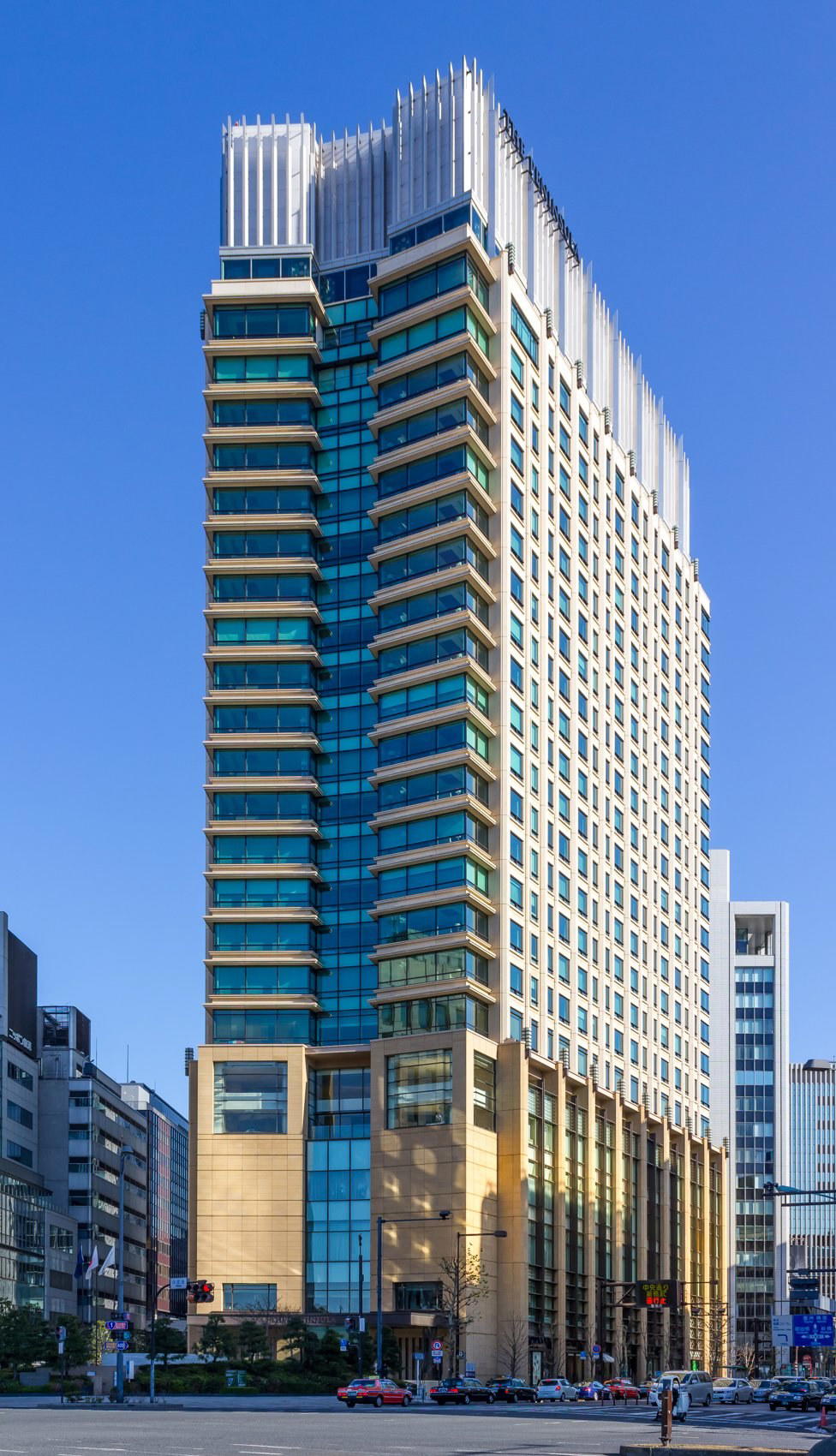
Hotels in Kawasaki
Browse all →
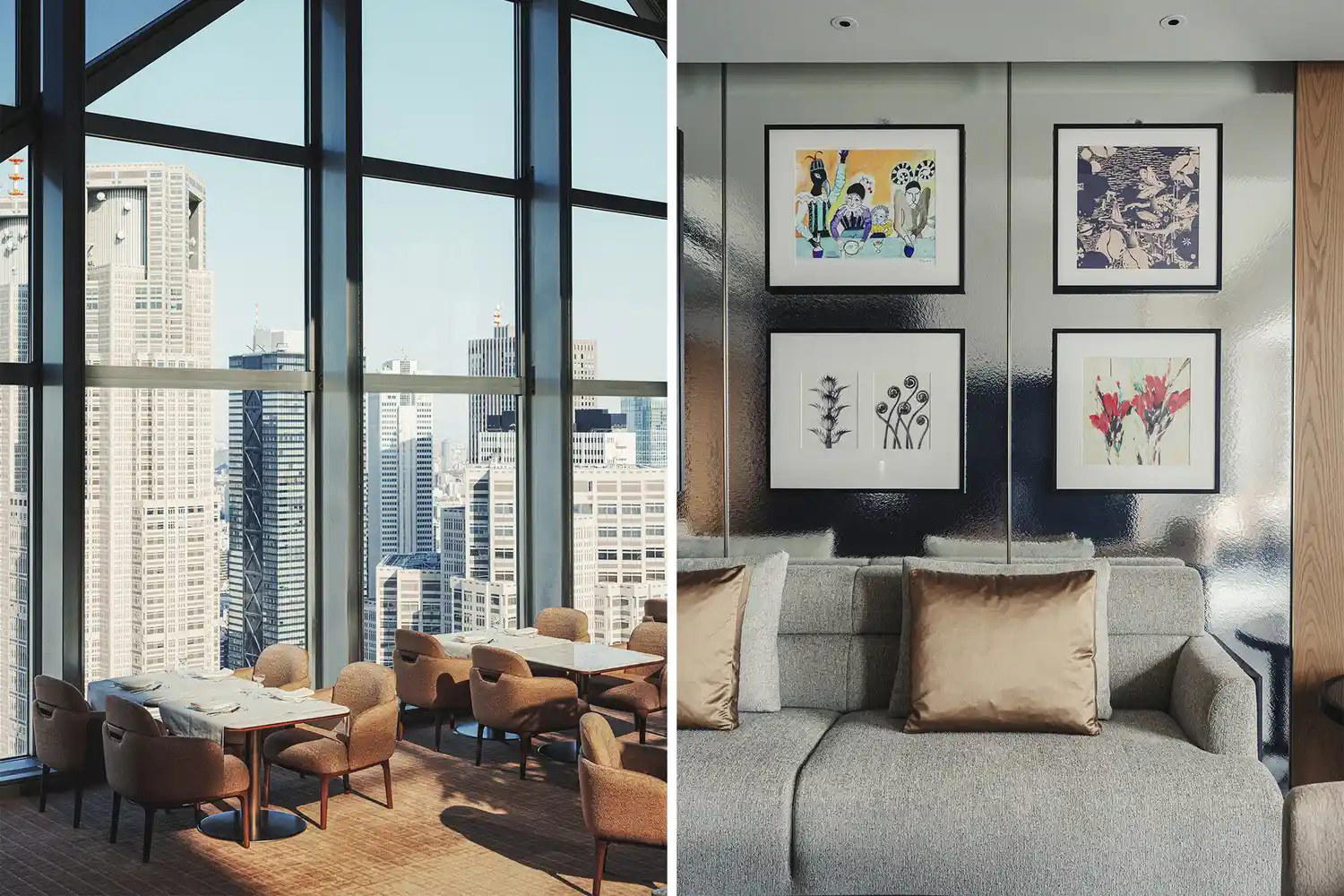

Wineries in Kawasaki
Browse all →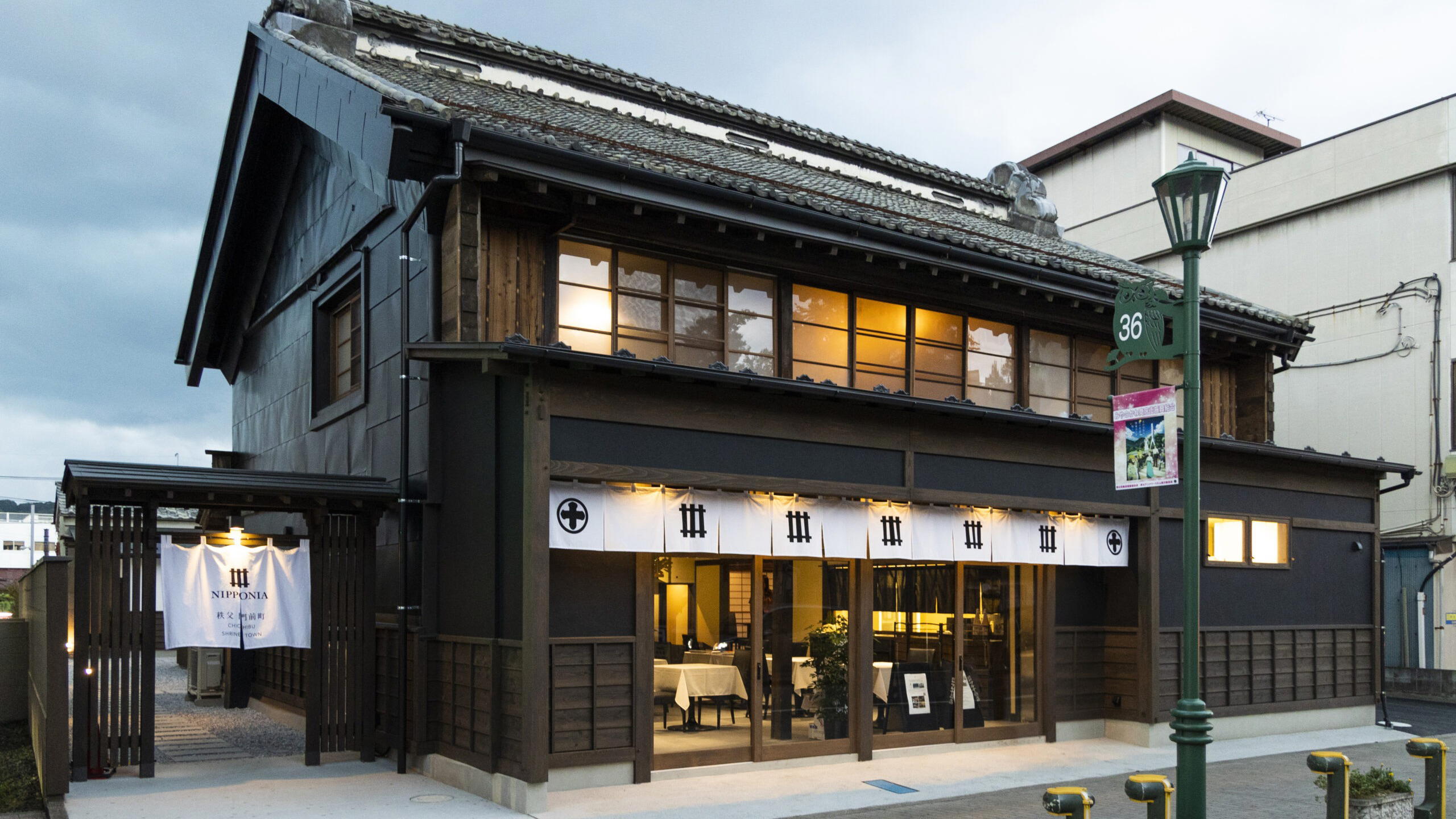
Details
- Cozy
- Classic
- Elegant
- Casual Hangout
- Family
- Celebration
- Standalone
- A La Carte
Current opening hours
- Monday
- Closed
- Tuesday
- Closed
- Wednesday
- 10 AM–5 PM
- Thursday
- 10 AM–5 PM
- Friday
- 10 AM–5 PM
- Saturday
- 10 AM–5 PM
- Sunday
- 10 AM–5 PM
Hours can change for holidays and private events. Last verified .
A warm, European-style dessert shop and cafe feel with terrace seating and a calm neighborhood atmosphere.