Base Kamp by Aïnata

Base Kamp by Aïnata brings Lebanese cooking to the upper reaches of Courchevel 1850, earning consecutive Michelin Plates in 2024 and 2025. At a resort known for French haute cuisine and Alpine classics, it occupies a distinct position: charcoal-grilled meats, Levantine spice, and mezze culture transplanted to 1,850 metres. The price point sits firmly at the summit of the market, in line with its altitude-resort peers.
Pearl is the En Primeur Club membership app — saves, bookings, and concierge access live there. Same editors, same standards.
- Address
- 356 Rue de l'Altiport, 73120 Courchevel, France
- Phone
- +33 4 79 01 46 46
- Website
- lek2altitude.com
- Directions
- Get directions
 Saves & bookings on Pearl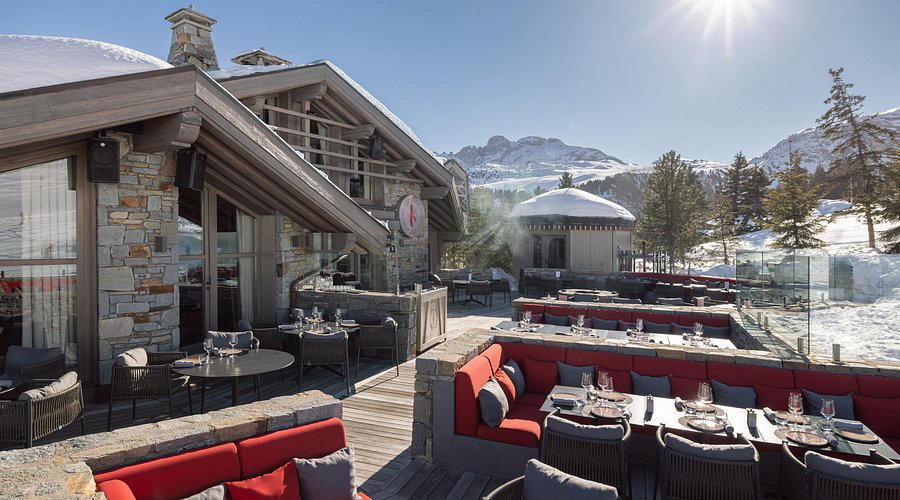
Smoke, Charcoal, and Levantine Heat at 1,850 Metres
Base Kamp by Aïnata is a Lebanese restaurant in Courchevel 1850, recognized with the Michelin Plate in 2024 and 2025, and priced at four euros signs. At the summit sits a cluster of multi-starred French tables, restaurants such as Le 1947 à Cheval Blanc, Baumanière 1850, and Le Chabichou by Stéphane Buron, where the cooking references French classical tradition or contemporary tasting-menu conventions. Below that, the resort runs the predictable range of raclette houses, brasseries, and ski-lodge staples. What Courchevel 1850 has rarely accommodated, at least at this price tier, is a kitchen built around the charcoal grill traditions of the Levant. Base Kamp by Aïnata holds that position, and the consecutive Michelin Plates it received in 2024 and 2025 confirm its place in the resort's dining scene.
The Levantine Grill Tradition in a French Alpine Context
Lebanese cooking at its most serious is grill-centred. The charcoal, the marinade, the resting time, the precise cut of the meat: these are not supporting details but the core technical language of the kitchen. Across Beirut, and in the diaspora restaurants that have carried the tradition to cities such as Dubai and Abu Dhabi (where Al Mandaloun and Almayass represent the more formal end of that lineage), the grill station defines the kitchen's ambition. Kofta, shish taouk, lamb chops, and kafta are not interchangeable with their counterparts in other traditions. The fat content of the meat, the aromatics in the marinade, the degree of char on the exterior while the interior stays yielding: all of it depends on accumulated craft rather than a recipe card.
Transplanting that tradition to a ski resort in the Savoie requires more than importing ingredients. The altitude affects combustion; the cold, dry air shifts how smoke behaves. The clientele arriving from a full day on the Saulire or Vizelle runs arriving at a resort kitchen in a specific state of appetite, one that the generous, sharing-format logic of mezze and grilled platters suits rather well. Base Kamp by Aïnata's position on Rue de l'Altiport, the road that connects the upper village to the altiport itself, places it in the quieter, more residential register of 1850, away from the dense commercial core around the Place du Forum.
What the Michelin Plate Signals in This Context
The Michelin Plate, awarded for 2024 and 2025, is not a star but it is a meaningful designation within the Guide's architecture. It marks a restaurant the inspectors consider worth knowing about: food of consistent quality prepared with care. In a resort context, where seasonal operations and high staff turnover make consistency harder to maintain than in a year-round city kitchen, holding the designation across two consecutive years carries additional weight.
Courchevel 1850 already contains particularly Michelin-decorated tables in the French Alps. Le Sarkara and Sylvestre Wahid at Les Grandes Alpes represent the starred tier. Base Kamp by Aïnata occupies a different stratum, one defined not by the starred competition but by the absence of serious Levantine cooking at this altitude and price point anywhere nearby. Its comparable set, in culinary terms, is better found in the serious Lebanese tables of Paris or the Gulf than in the chalets of the Tarentaise.
Price, Format, and Who This Is For
The four-euro-sign price point places the restaurant at the higher end of the resort's dining range. That alignment is worth noting because Lebanese dining in Europe often prices at a more accessible tier, reflecting the sharing format and the modest production costs of mezze. When a Lebanese restaurant operates at the summit of the market, it signals an investment in sourcing, in space, and in the kind of presentation that justifies the rate. The Michelin recognition suggests that investment is visible on the plate.
The sharing logic of mezze, where the table fills incrementally and the meal is measured in generosity rather than in individual plates, tends to reward groups over solo diners. The grilled-meat centrepieces of a serious Lebanese menu, whole cuts of marinated lamb, charcoal-touched kebabs, slow-cooked proteins with regional spice profiles, are dishes with a communal logic built in. For a resort that draws extended family groups, corporate parties, and anniversary trips, that format has practical as well as pleasurable advantages.
Courchevel's Non-French Table in Context
For a resort of Courchevel 1850's standing, the range of non-French fine dining has historically been narrow. L'Altiplano au K2 Palace represents the Peruvian tradition at the luxury end; the restaurant fills the Levantine position. Both exist at the intersection of global diaspora cooking and Alpine resort economics, where the clientele is international enough and wealthy enough to support tables that would be unusual at this altitude in most other ski destinations.
The broader French fine-dining context, anchored by addresses such as Alléno Paris au Pavillon Ledoyen in the capital or regional flagships like Flocons de Sel in Megève, Mirazur in Menton, Troisgros in Ouches, Auberge de l'Ill in Illhaeusern, and Bras in Laguiole, operates at a different register entirely. The restaurant is not competing with that tradition. It is filling a gap that tradition was never going to fill: the appetite, after a week of tasting menus and Alpine classics, for charcoal smoke and Levantine spice.
Planning a Visit
The restaurant operates at 356 Rue de l'Altiport, Courchevel 1850, in the upper village. As a Michelin Plate restaurant at the leading price tier in a high-demand resort, booking ahead during the winter season is advisable; the resort's peak weeks around February and school holidays fill quickly across all categories. Reservations are recommended.
What Do People Recommend at Base Kamp by Aïnata?
In serious Lebanese restaurants, this means the quality of the marinade and the heat management on the grill rather than any single named dish. The mezze format suggests that ordering broadly across the menu, allowing the table to build through smaller plates before moving to grilled centrepieces, is the approach that reflects how this cuisine is designed to be eaten. The awards anchor the cooking in the Courchevel dining conversation as a Michelin-recognised table, which, at this altitude and in this cuisine category, is a meaningful credential.
Booking and Cost Snapshot
Comparable venues nearby, for context on price, style, and recognition.
| Venue | Cuisine | Price | Awards | Notes |
|---|---|---|---|---|
| Base Kamp by AïnataThis venue — the venue you are viewing | Lebanese | $$$$ | Michelin Plate | Not listed |
| Le Grill Alpin | Not listed | $$$$ | Michelin Plate | Courchevel (Commune Non Irisée), Contemporary Alpine French Grill |
| L'Altitude | Not listed | $$$$ | Michelin Plate | Courchevel (Commune Non Irisée), Contemporary French Haute Cuisine |
| L'Altiplano au K2 Palace | Not listed | $$$$ | Michelin Plate | Courchevel (Commune Non Irisée), Modern Peruvian Nikkei |
| Rendez-vous | Not listed | $$$$ | Michelin Plate | Courchevel (Commune Non Irisée), Regional French Bistro |
| Bagatelle Courchevel | Not listed | $$$$ | Not listed | Courchevel (Commune Non Irisée), Modern French Mediterranean |
Recognition history
Dated appearances from independent guides and award organizations, with the underlying list record or original source where available.
Michelin Plate
Michelin
Michelin Plate
Michelin
Continue exploring
More in Courchevel
Restaurants in Courchevel
Browse all →
Bars in Courchevel
Browse all →
At a Glance
- Casual
- Elegant
- Scenic
- Family
- Casual Hangout
- Terrace
- Hotel Restaurant
- Mountain
Current opening hours
- Monday
- 12:30–2:30 PM
- Tuesday
- 12:30–2:30 PM
- Wednesday
- 12:30–2:30 PM
- Thursday
- 12:30–2:30 PM
- Friday
- 12:30–2:30 PM
- Saturday
- 12:30–2:30 PM
- Sunday
- 12:30–2:30 PM
Hours can change for holidays and private events. Last verified .
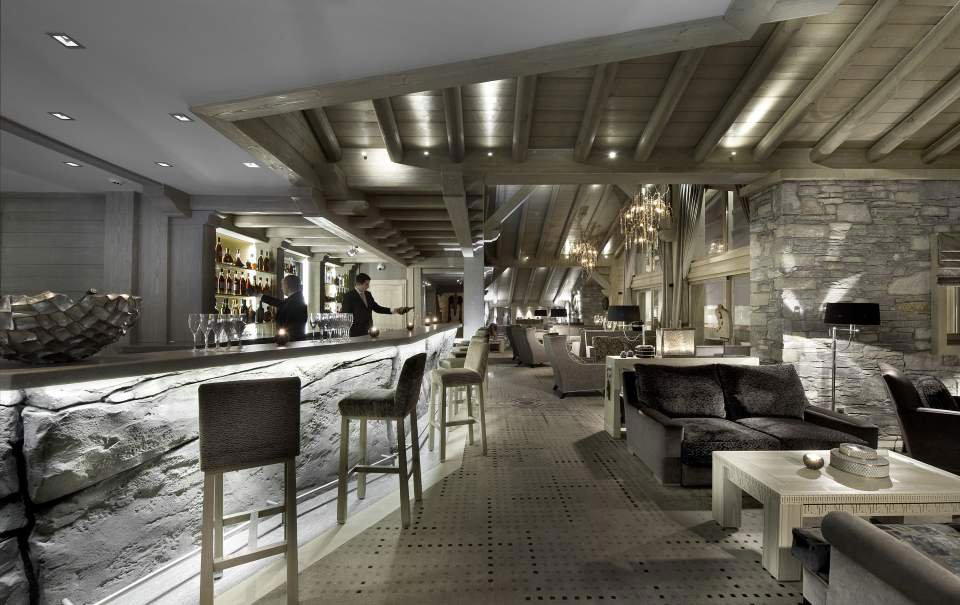
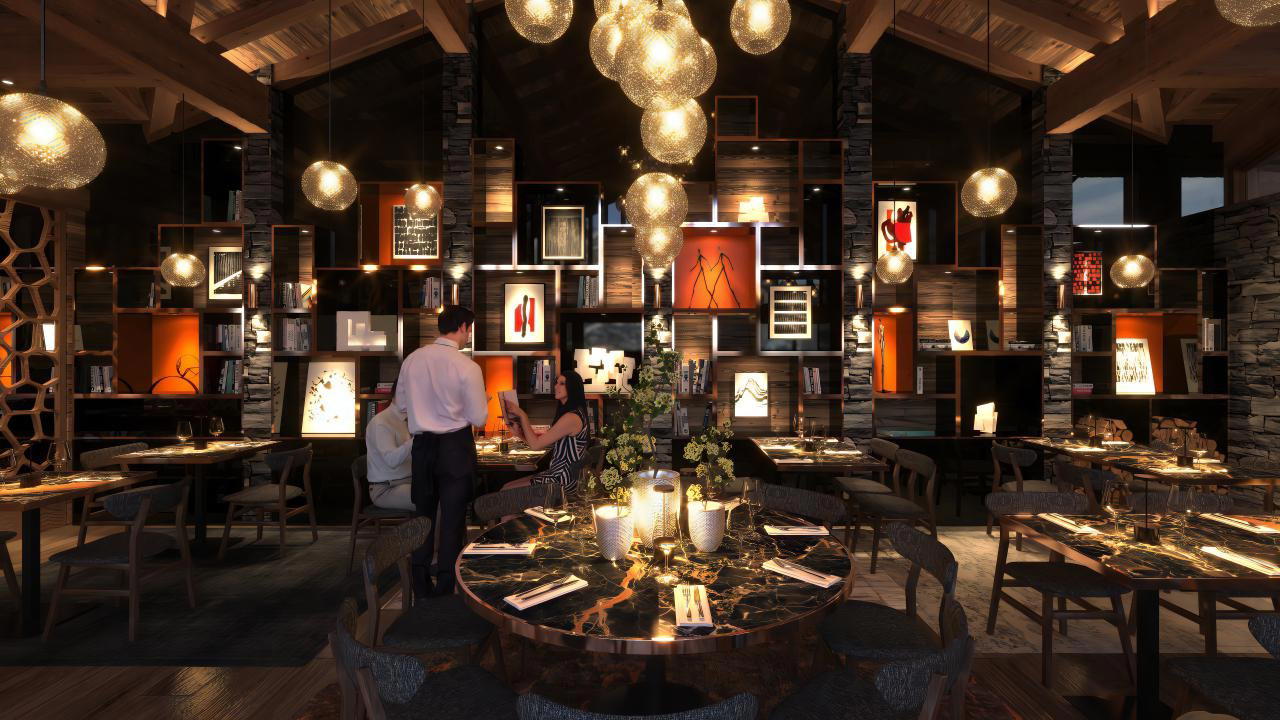
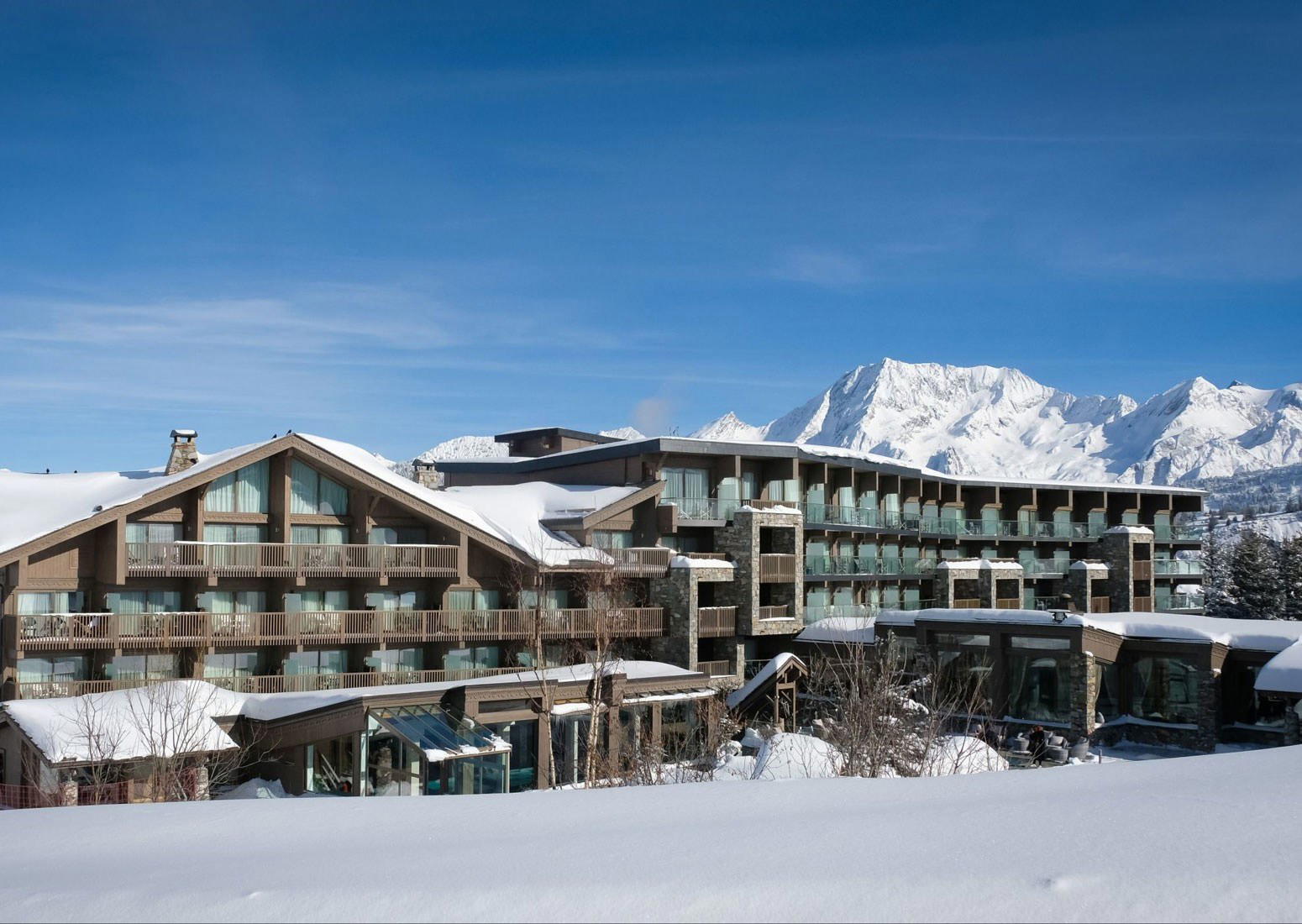
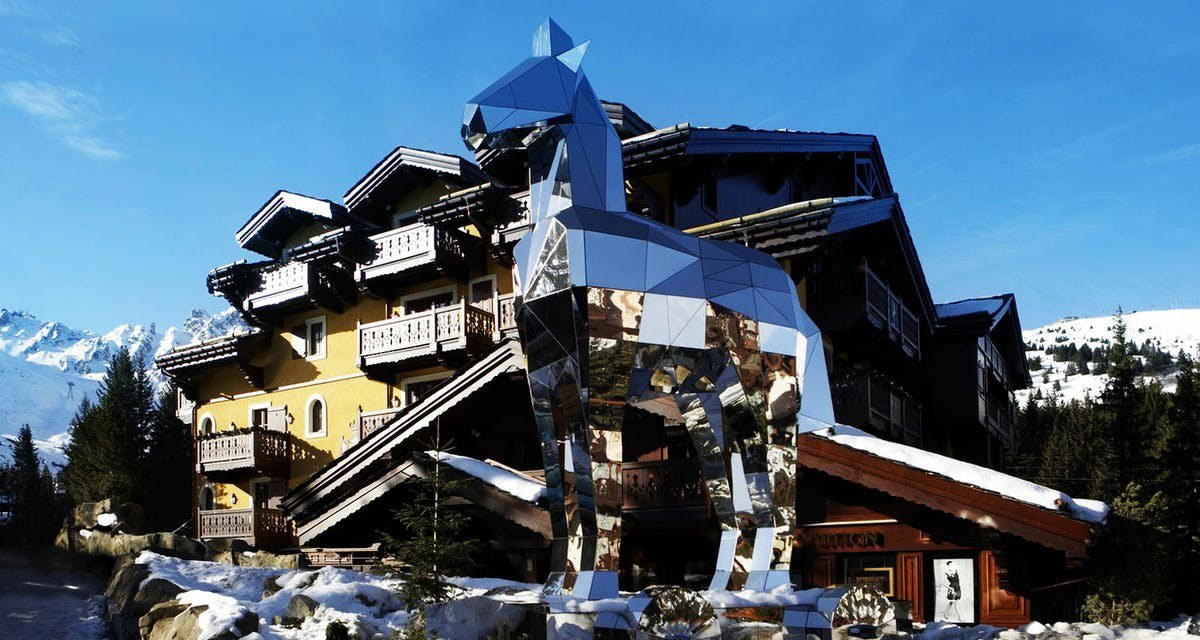
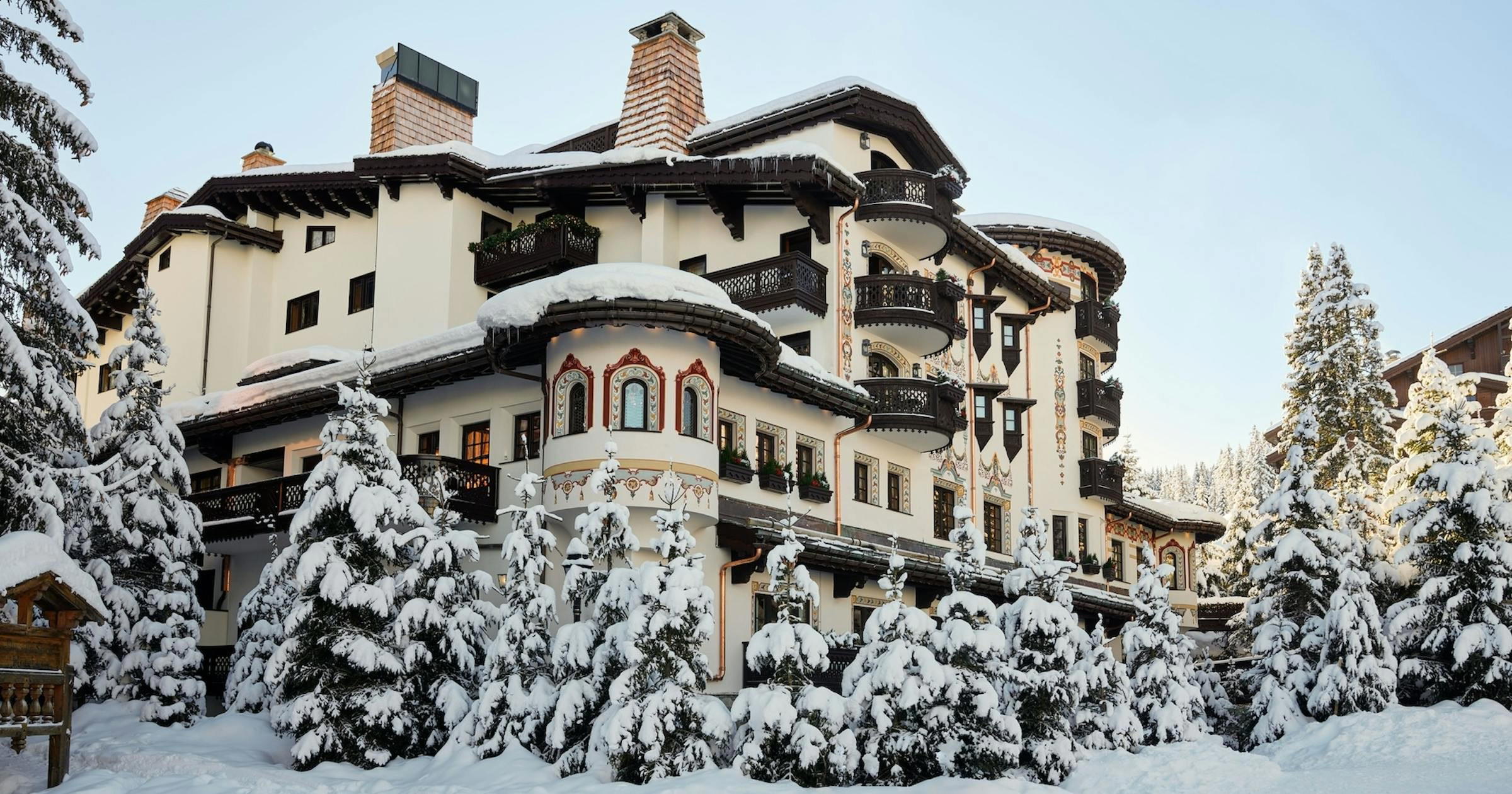
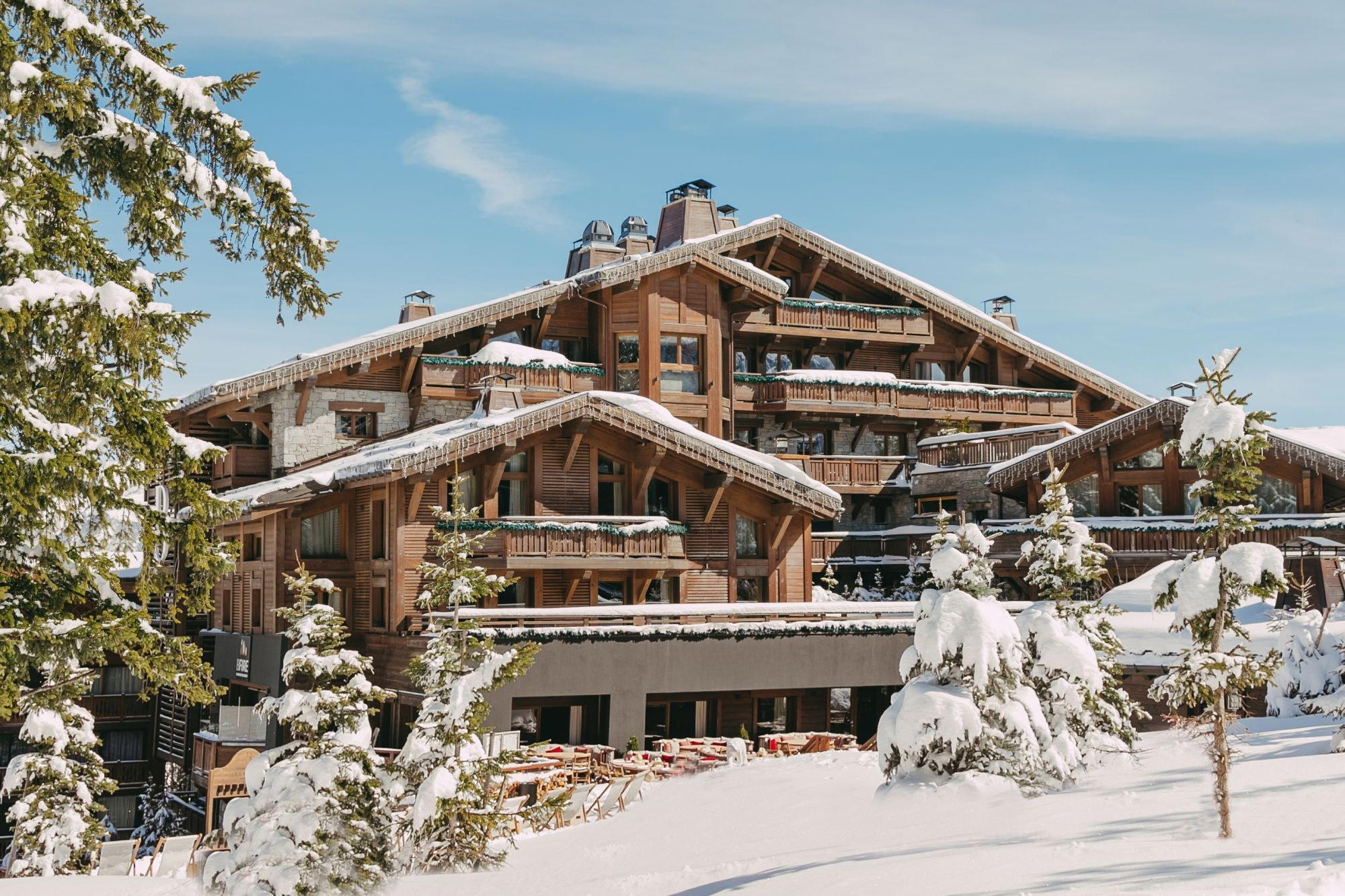
Casual chic family-friendly atmosphere with terrace views of mountains and slopes.