
Michelin Plate
Our verdict
Lesar sits in the quieter grain of the 5th arrondissement, away from the heavier restaurant traffic of central Paris. The appeal is less about spectacle than scale: a small Paris address where sourcing, seasonality, and neighbourhood rhythm matter more than a grand dining-room statement.

Pearl is the En Primeur Club membership app — saves, bookings, and concierge access live there. Same editors, same standards.
- Address
- 4 rue du Petit-Moine, Paris, Île-de-France, 75005, FRA
- Phone
- +33 1 82 83 19 94
- Website
- guide.michelin.com
- Directions
- Get directions
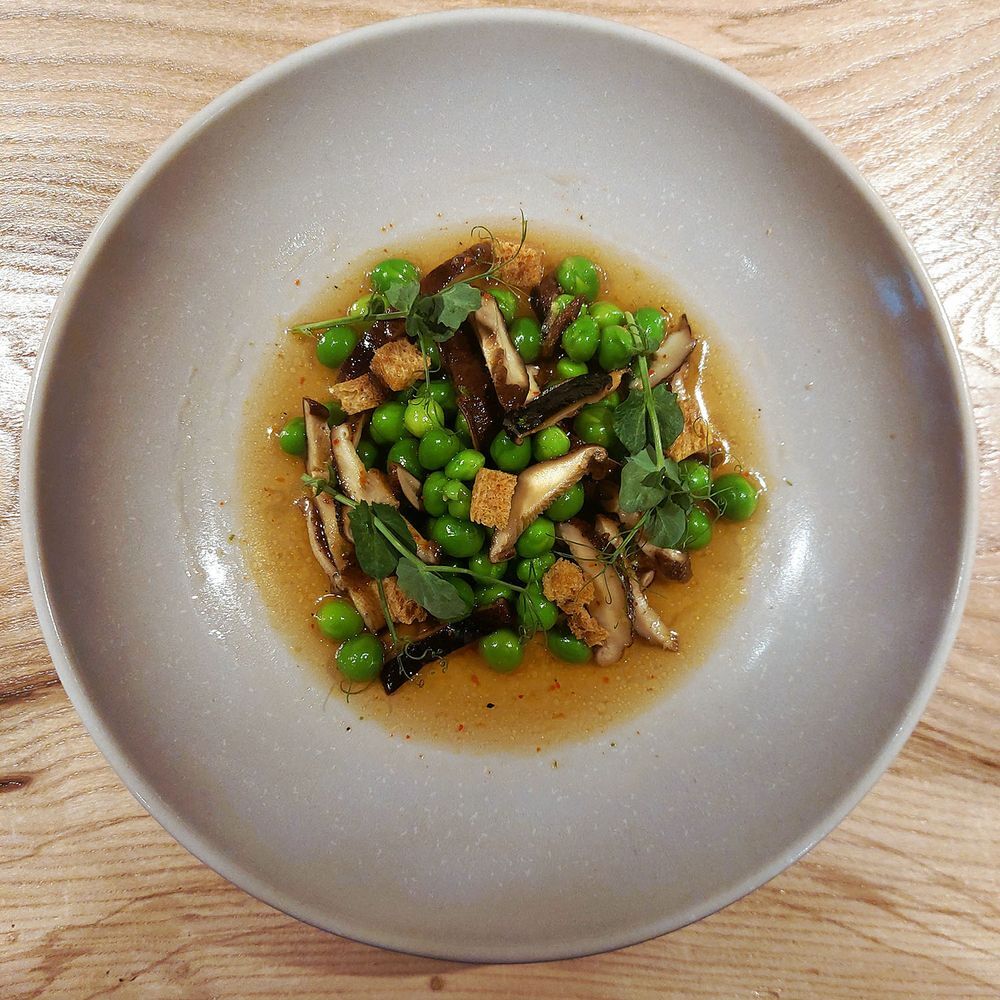
The menu
What to order
- Traditional Lyonnais cervelle de canut with grapes and croutons
- Grilled pork loin (daily seasonal preparation)
- Seasonal sharing plates based on market produce
Approaching Lesar means leaving the louder Paris restaurant circuit for a calmer Paris setting, the kind of dining room that has to earn attention without theatrical architecture or a famous hotel lobby doing the work. In Paris, that matters. The city carries several dining identities at once: everyday neighbourhood habits, destination-minded restaurant culture, and a broader restaurant instinct that still rewards places where the kitchen reads the season before it writes the menu.
For travellers using Our full Paris restaurants guide to sort serious dining from convenient tables, Lesar belongs in the category of addresses that need context rather than hype. Paris has plenty of grand rooms, chef-led counters, and high-price tasting menus; this is a smaller-scale proposition, useful for readers who care about how a restaurant fits the city. The city’s ingredient culture is not abstract. Quality and seasonality remain central to restaurant identity, and vegetables in season often tell more about a kitchen than luxury garnish ever could.
A Paris scale shaped by sourcing rather than spectacle
Paris is not a single dining personality. In busier parts of the city, quick service and passing traffic pull one way; on calmer streets, restaurants can work at a more intimate tempo. Lesar sits in that second rhythm. Without a publicly defined cuisine label attached to it, the smarter reading is not to force it into a category, but to treat it as part of a Paris pattern: compact restaurants where product selection, portioning, and restraint carry the meal.
That pattern has become more relevant as Paris dining splits into two visible lanes. One lane chases international recognition through long menus, luxury ingredients, and high ceremony. The other lane keeps the focus closer to the plate: fewer distractions, clearer sourcing logic, and a room that does not need to announce itself before the cooking begins. Lesar is better understood through the second lane. The quieter Paris setting gives the kitchen less cover for error, which is often a good thing; in small Paris rooms, seasoning, temperature, and ingredient quality are exposed quickly.
Ingredient sourcing in Paris is also a question of discipline. Menus that change with supply can sound casual, but they demand tighter buying and less tolerance for generic produce. A restaurant in this tier does not need to parade provenance at every turn. It needs to make the meal feel coherent: vegetables that belong to the season, fish or meat handled without excess, and sauces or garnishes that do not flatten the raw material. That is the useful lens for Lesar, especially for diners who prefer a kitchen’s sourcing decisions to be legible on the plate rather than explained through ceremony.
Comparison helps. Calice, also in Paris, offers one point of reference; Les Délices d'Aphrodite and Mavrommatis give the city other distinctive restaurant registers. Lesar does not need to compete by adopting those labels. Its appeal is the quieter Paris mode, where the meal is judged by balance and selection rather than by category branding.
How it fits into the Paris dining map
Paris rewards precision in choosing the right room for the right night. A grand hotel dining room serves a different purpose from a smaller Paris address: one offers the structure and polish associated with destination dining, the other asks whether the restaurant can make restraint feel deliberate. Readers comparing Paris options may also look at other dining rooms across the city for different versions of Paris’s restaurant grammar.
The broader point is that Paris is no longer read only through luxury dining and old brasseries. Its restaurant culture now depends on scale: the difference between a polished address built for destination dining and a quieter room that suits a more local evening. Lesar belongs to the latter conversation. That does not make it casual by default; it makes the decision more specific. Choose it when the priority is a composed meal in a calmer Paris room, not when the evening requires a landmark room or a known chef narrative.
For a fuller Paris itinerary, it sits naturally beside research into Our full Paris hotels guide, Our full Paris bars guide, Our full Paris wineries guide, and Our full Paris experiences guide. Travellers extending the restaurant search beyond the capital can compare the same questions of scale and locality at other French dining rooms. The contrast with restaurants in other international cities is useful too: different places express sourcing through different formats, from drinks-led rooms to more casual dining cultures.
Who should place it on a Paris evening
Lesar makes sense for diners who want Paris without the maximalist script. The useful decision is not whether it is a trophy reservation, but whether the night calls for a smaller room in a quieter Paris setting, where ingredient choices and kitchen restraint carry the argument. That is a specific pleasure in Paris, and one that often ages better than spectacle. Keep the evening uncluttered, and judge the meal by coherence: what the kitchen buys, how much it does to those ingredients, and whether the room lets the cooking stay in focus.
Frequently asked questions
Is Lesar good for families?
Lesar can suit families who want a quieter Paris dinner rather than a high-energy room. Its Paris location makes it a practical option for an early meal.
How would you describe the vibe at Lesar?
The tone is restrained rather than theatrical, shaped by its Paris setting. It fits a calmer side of the city, away from more intense dining rooms elsewhere in Paris.
Is Lesar award-winning?
Lesar is recognised by the MICHELIN Guide with a MICHELIN Plate.
What part of town is Lesar in?
Lesar is located in Paris.
Should I book Lesar in advance?
Advance booking is sensible for any Paris address with a focused dining room, and Lesar is no exception. Its Paris setting means it is better treated as a planned dinner than a walk-in gamble.
What is Lesar known for?
Lesar is known as a Paris dining room with a restrained profile rather than a spectacle-driven one, which is the point of choosing it.
In Context: Similar Options
Side-by-side context: comparable cuisine and price.
| Venue | Cuisine | Price | Awards | Notes |
|---|---|---|---|---|
| LesarThis venue — the venue you are viewing | Seasonal French Small Plates | $50–100 | Michelin Plate | Not listed |
| Calice | Modern French-Japanese Bistro | $30–50 | Michelin Plate | Modern Cuisine |
| Jules | Modern French Fine Dining | $200–300 | Not listed | Not listed |
| Les Délices d'Aphrodite | Authentic Greek | $50–100 | Michelin Plate | Greek |
| Carl Marletti | Classic French Patisserie | $10–20 | Not listed | Not listed |
| Mavrommatis | Michelin-Starred Greek & Cypriot Haute Cuisine | $150–200 | Not listed | Greek |
Recognition history
Dated appearances from independent guides and award organizations, with the underlying list record or original source where available.
Michelin Plate
Michelin
Continue exploring
More in Paris
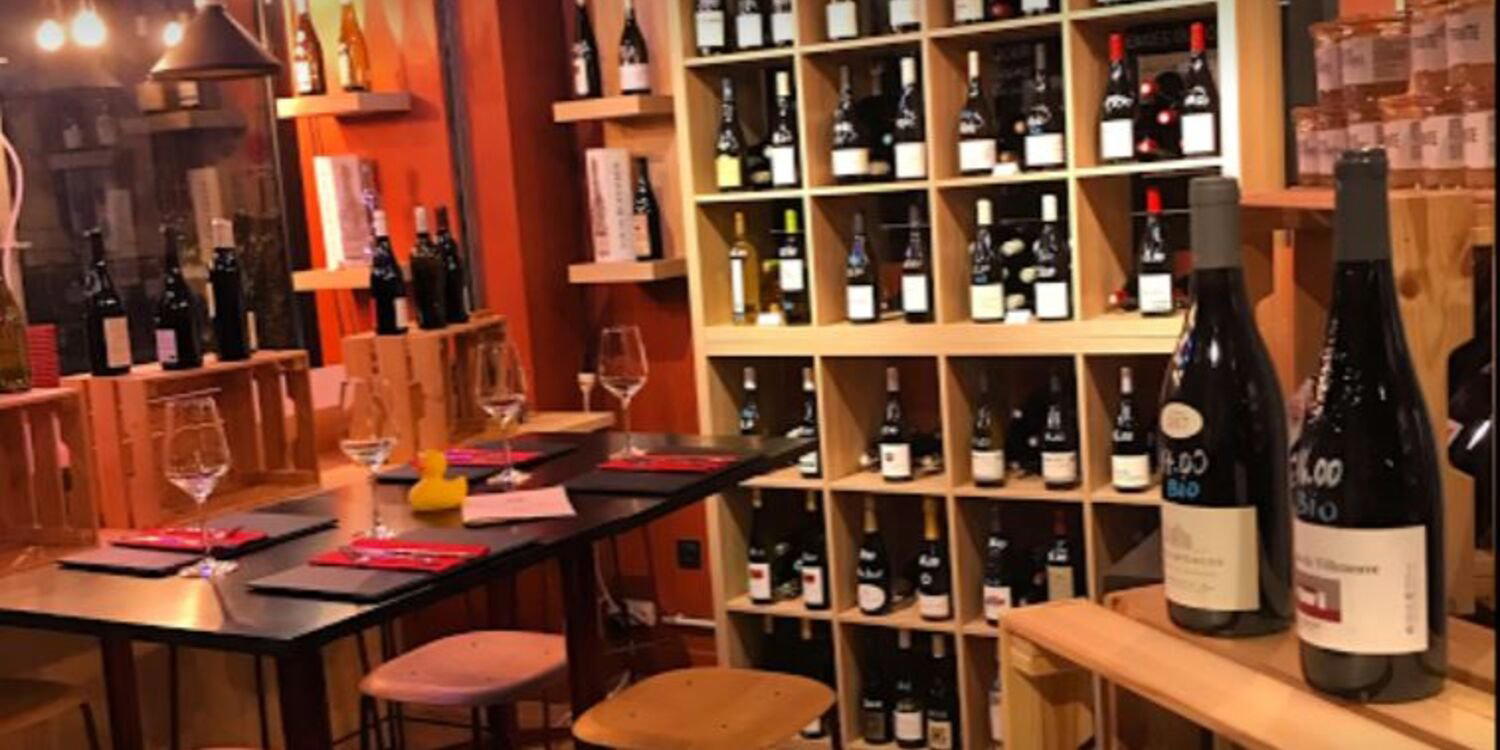
Restaurants in Paris
Browse all →
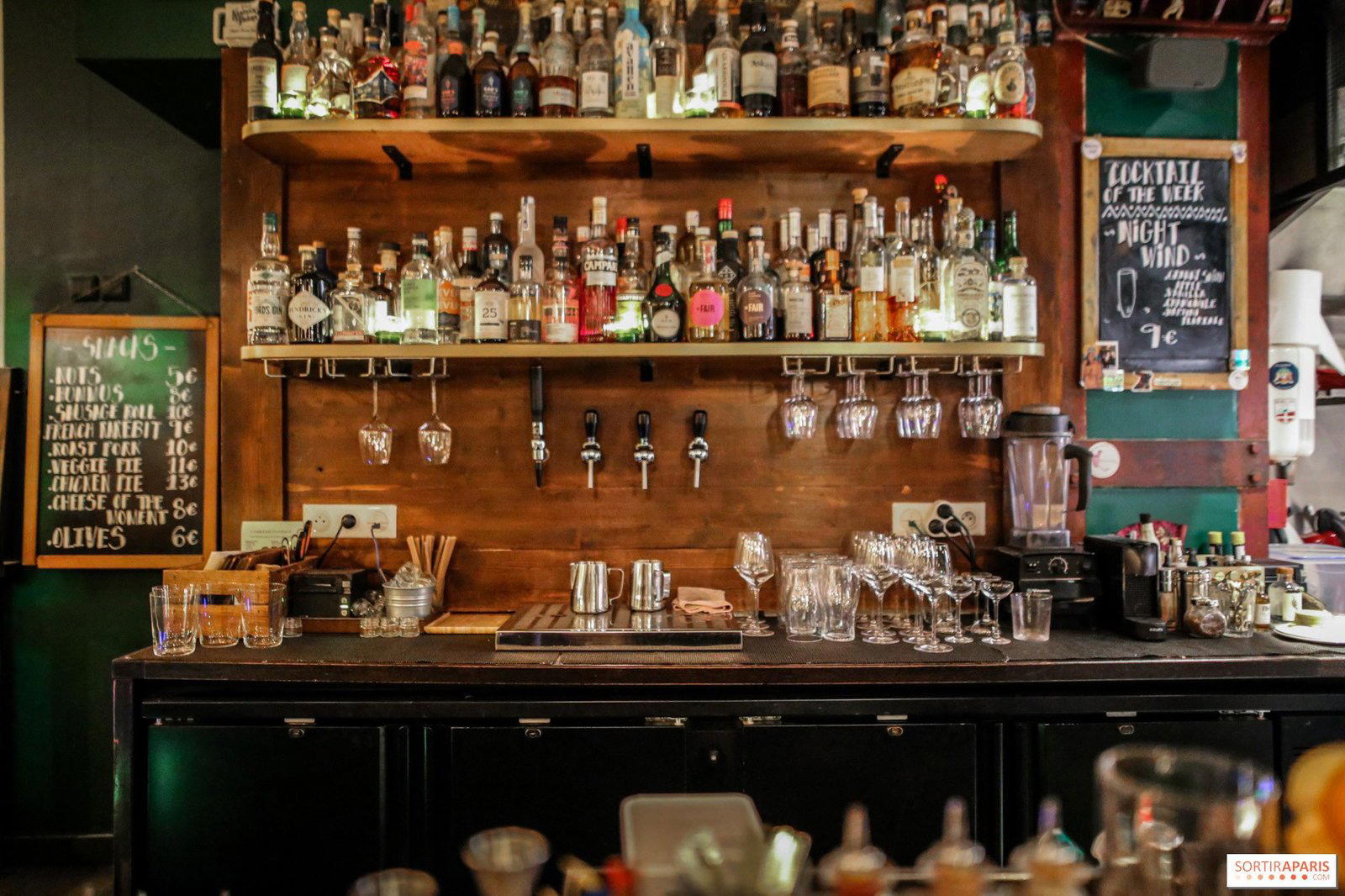
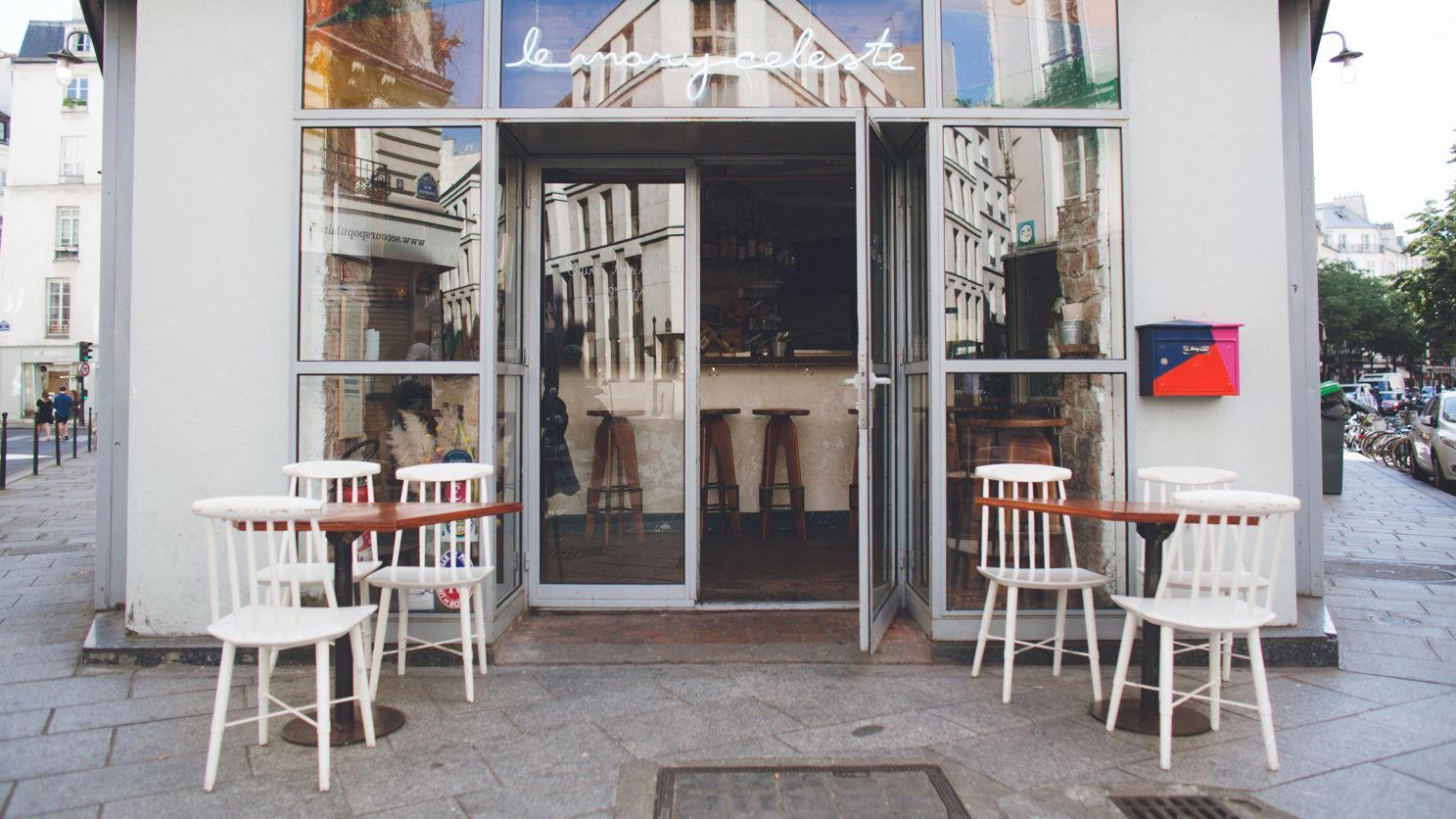
Bars in Paris
Browse all →
Hotels in Paris
Browse all →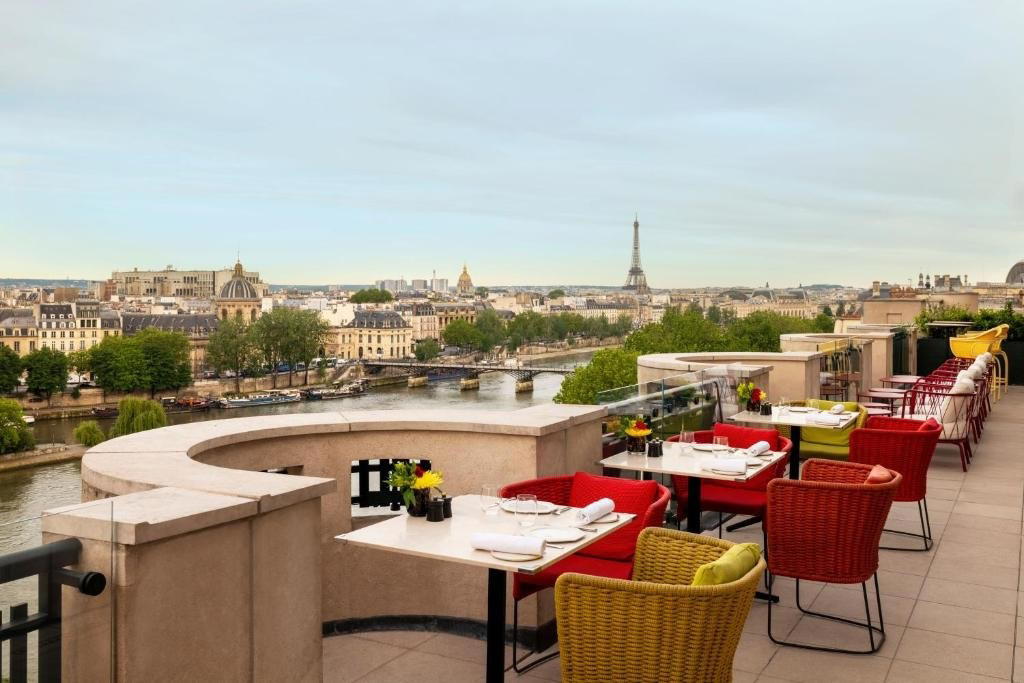


Details
- Cozy
- Modern
- Intimate
- Date Night
- Special Occasion
- Group Dining
- After Work
- Terrace
- Private Dining
- Standalone
- Design Destination
- Extensive Wine List
- Local Sourcing
- Small Plates
- A La Carte
- Wine
- Vegetarian Friendly
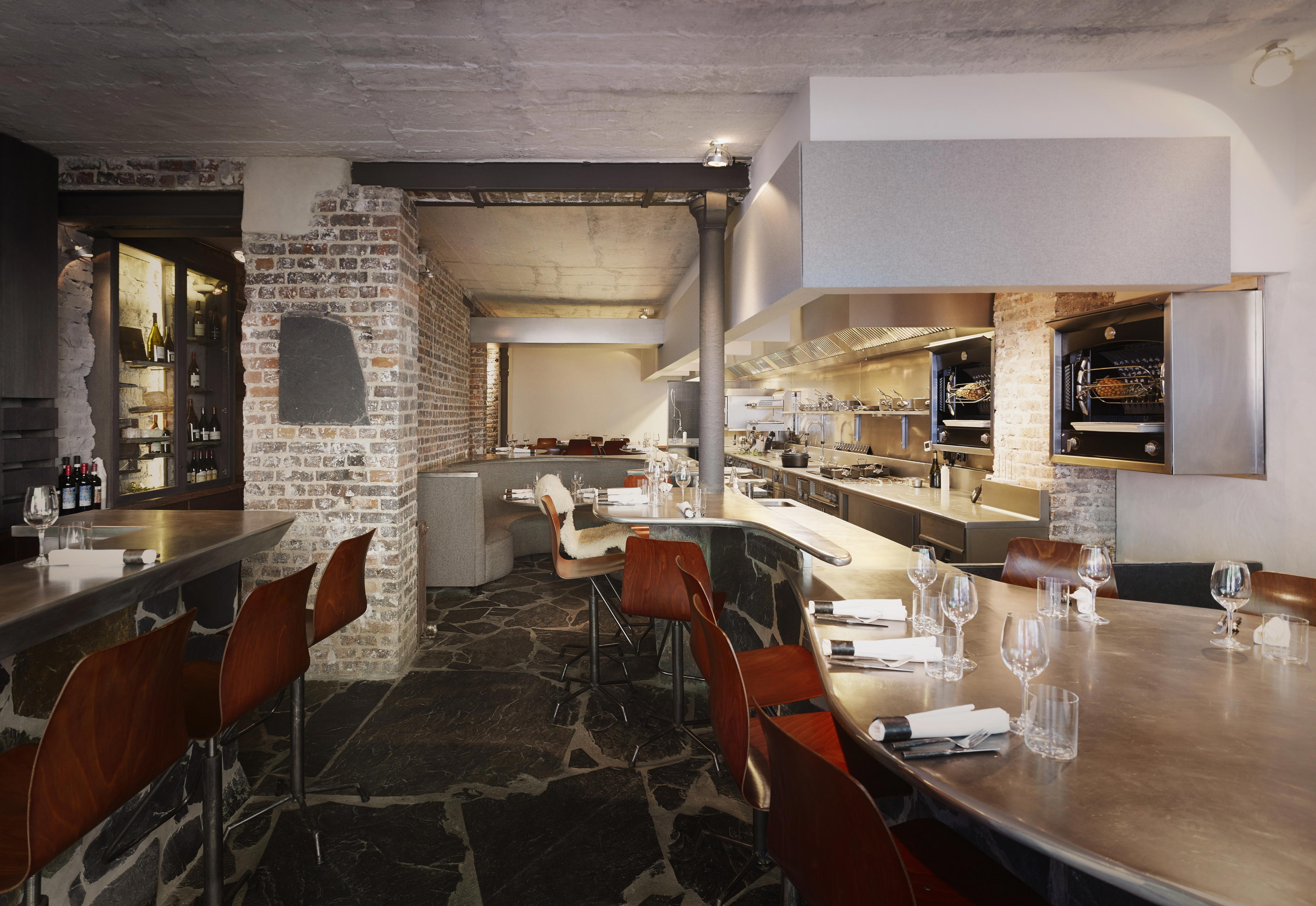
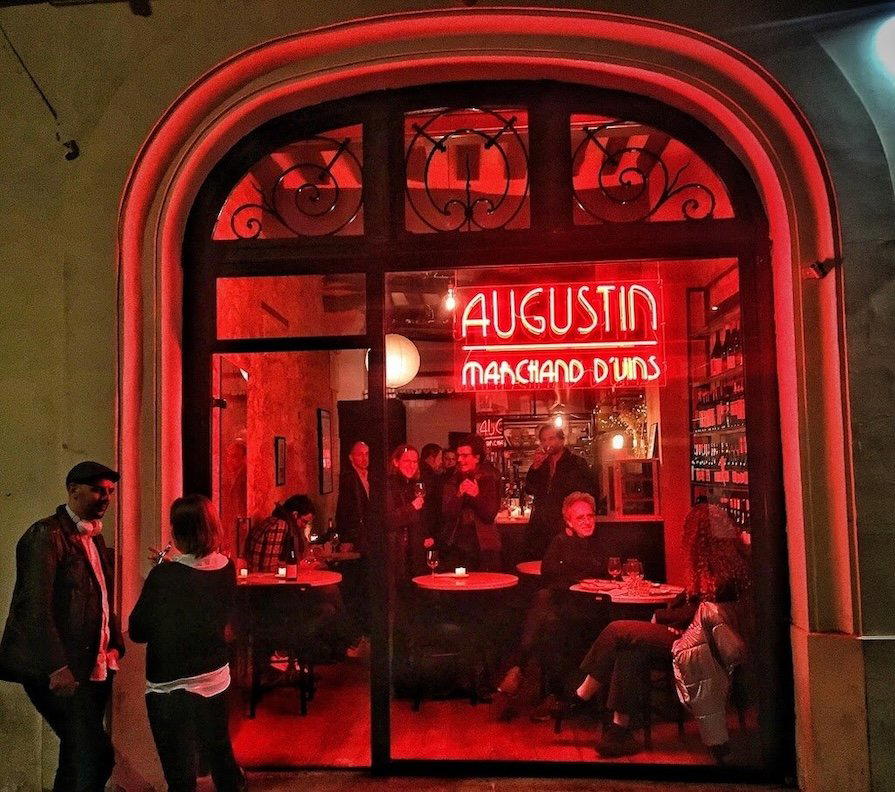
Warm and intimate neighborhood feel with a minimalist, contemporary décor; softly lit, closely spaced tables and an open view to the small kitchen create a relaxed but lively atmosphere without being noisy.