
Among Paris's Greek restaurants, Les Délices d'Aphrodite occupies a distinct position: a tavern-format address in the 5th arrondissement where meze sharing and spit-roasted meats sit at the centre of the meal rather than the margins. Holding a Michelin Plate (2025), it delivers mid-range Greek cooking that reads as genuinely transportive rather than compromised for a French audience.
Pearl is the En Primeur Club membership app — saves, bookings, and concierge access live there. Same editors, same standards.
- Address
- 4 Rue de Candolle, 75005 Paris, France
- Phone
- +33 1 43 31 40 39
- Website
- mavrommatis.com
- Directions
- Get directions
 Saves & bookings on Pearl
Greek Dining in Paris: The Tavern Tier
Paris has never had a shortage of Greek addresses, but the category splits sharply once you look past the kebab-and-souvlaki strip. At the higher end, places like Mavrommatis and Osmossi - Maison Mavrommatis have spent decades pushing Greek cooking into fine-dining territory, using classical French technique as a reference point. At the more casual end, Etsi and L'Ouzeri have leaned into the natural-wine, contemporary-taverna register that now defines much of the city's mid-market dining. Les Délices d'Aphrodite, on Rue de Candolle in the 5th arrondissement, occupies a different position: the traditional tavern format, unmodified, where marinated vegetables, whole roasted meats, and the architecture of the shared table remain the point.
That positioning is less common than it sounds. Much of Paris's mid-range ethnic dining has shifted toward fusion or modernisation in the past decade, with restaurants recalibrating their kitchens toward what French diners expect from an €€ tasting experience. Les Délices d'Aphrodite has not followed that path. The Michelin Plate it holds in 2025 recognises cooking of consistent quality rather than innovation, which is a meaningful distinction.
The Meze Ritual and Why It Matters Here
Greek meze is one of the oldest forms of shared-table dining in the Mediterranean, and its logic is different from French entrée-plat sequencing or the Spanish tapas format that has dominated European casual dining for the past two decades. Meze is not about grazing or snacking. It is a structured ritual in which cold and hot small plates arrive in a deliberate order, building a table landscape that encourages conversation, unhurried eating, and the kind of repetition that lets you return to a dish three times across an evening. Tzatziki, taramasalata, dolmades, marinated peppers: these are not starters in the French sense. They persist on the table, getting revisited alongside the main protein courses.
At Les Délices d'Aphrodite, that rhythm is intact. The Michelin description specifically calls out marinated peppers and spit-roasted leg of lamb on a skewer as representative dishes, which signals a kitchen oriented around preparation method and ingredient quality rather than plating complexity. Spit-roasted lamb in a Paris restaurant is not a given: it requires both the equipment and the sourcing commitment that many kitchens at this price tier quietly abandon in favour of easier preparations. The presence of that dish, and the framing around carefully selected ingredients in the Michelin record, suggests a kitchen where the meze ritual is taken seriously as a complete format rather than a prologue to a main event.
For comparison, the kind of creative, technique-driven French dining that dominates Paris at the three and four bracket, places like Alléno Paris au Pavillon Ledoyen, operates on an entirely different register: individual precision, course-by-course sequencing, and a singular authorial vision. The meze table at a well-run Greek tavern like this one is its structural opposite, and that is not a criticism. It is a different philosophy of hospitality, and one that Paris's dining scene needs more of at the accessible mid-range level.
The 5th Arrondissement Setting
Rue de Candolle sits in the southern section of the 5th arrondissement, between the Jardin des Plantes and the Place d'Italie axis, in a neighbourhood that has historically housed one of Paris's older Greek communities. The area's Greek culinary presence is not incidental: this part of the Left Bank has been associated with Greek and Cypriot immigrants since the mid-twentieth century, and the restaurants here reflect decades of community dining rather than recent trend-chasing. That context matters when assessing what Les Délices d'Aphrodite is doing. The tavern format here is not a retro revival or a design concept. It is the continuation of a local tradition that predates the current wave of Greek cuisine's rehabilitation in international food media.
The 5th also sits at a useful distance from the more tourist-saturated Latin Quarter corridors, which means the clientele at addresses like this one tends to skew toward regulars rather than one-time visitors..
Where This Sits Against Wider Greek Cooking Internationally
Greek cuisine has had a complicated decade in international dining. In London, places like OMA have pushed the cuisine into an ambitious, produce-forward fine-dining register that bears little resemblance to the taverna model. In Athens itself, Akra represents a different evolution of the domestic tradition. The taverna format has sometimes been caught in the middle, perceived as too casual for serious food coverage and too specific for the fusion crowd.
What the Michelin Plate signals at the restaurant is that the traditional format, executed with consistency and good sourcing, remains a distinct and defensible position. The guide does not award Plates to restaurants for nostalgia value. The recognition reflects a judgment that the cooking clears a quality threshold that many informal restaurants at the €€ level do not meet. For diners who have spent time in Greece and know what a well-run taverna tastes like, that judgment will resonate. For those approaching Greek cooking primarily through its modern reinventions elsewhere in Europe, this address offers a different reference point.
Paris's broader dining scene, which runs from the three-star institution format represented by Flocons de Sel, Mirazur, Troisgros, Paul Bocuse, Bras, and Auberge de l'Ill down to the neighbourhood bistro, has always depended on the mid-range tier holding its own. Greek taverna cooking at this level of consistency is part of what keeps the city's dining culture genuinely diverse rather than just stratified between the starred and the cheap.
Planning Your Visit
The restaurant is located at 4 Rue de Candolle in the 5th arrondissement. The price range sits at €€, placing it firmly in the accessible mid-range category for Paris.
What to Order at Les Délices d'Aphrodite
The Michelin record points toward two categories worth anchoring your meal around. The cold meze starters, including marinated peppers, represent the shared-table format at its most direct: dishes prepared in advance, served at room temperature, and designed to be returned to across the meal rather than finished quickly. These are the dishes that set the rhythm of the table.
Spit-roasting at this price point is a commitment to a preparation method that takes time and equipment most Paris kitchens at this tier skip. If it is on the menu on the day you visit, it is the dish that most clearly signals what the kitchen is doing and why it earned Michelin recognition. The broader descriptor around sun-drenched dishes and carefully selected ingredients suggests a kitchen that prioritises sourcing over elaboration, which in the meze format is exactly the right priority.
The Quick Read
Comparable venues nearby, for context on price, style, and recognition.
| Venue | Cuisine | Price | Notes |
|---|---|---|---|
| Les Délices d'AphroditeThis venue — the venue you are viewing | Latin Quarter, Authentic Greek | $$$ | Not listed |
| étsi - l'ouzeri | Not listed | $$$ | 18e arrondissement, Greek Street Food Mezes |
| L'Ouzeri | Not listed | $$ | 18th arrondissement, Greek Street-Food Ouzeri |
| Tekés | Not listed | $$$ | 2nd arrondissement, Modern Levantine Vegetarian |
| Loulou | Not listed | $$$ | Saint-Germain-des-Prés, Italian with Louvre views |
| Racines des Prés | Not listed | $$$ | Saint-Germain-des-Prés, Modern French Bistronomique |
Recognition history
Dated appearances from independent guides and award organizations, with the underlying list record or original source where available.
Michelin Plate
Michelin
Michelin Plate
Michelin
Michelin Plate
Michelin
Continue exploring
More in Paris
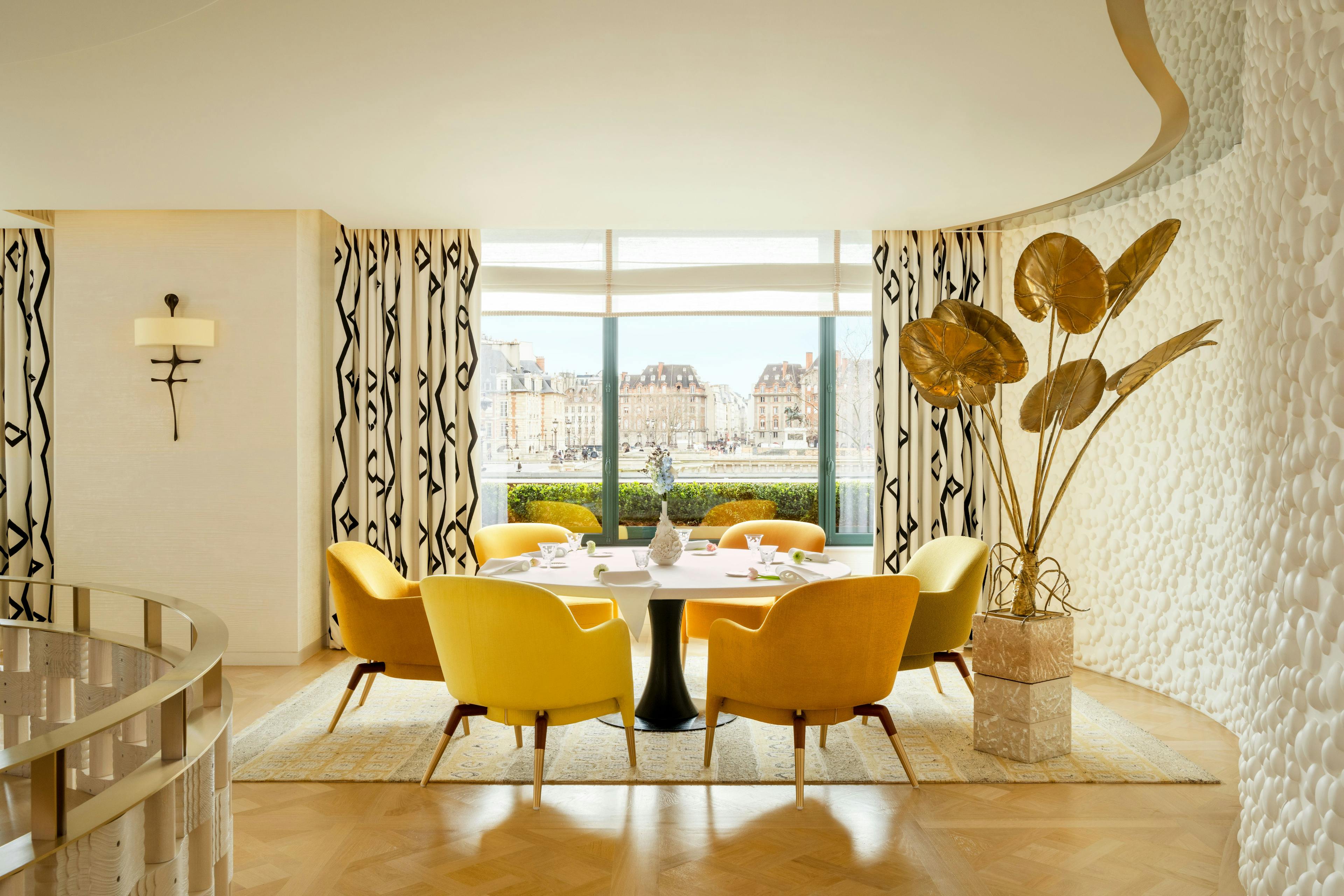
Restaurants in Paris
Browse all →
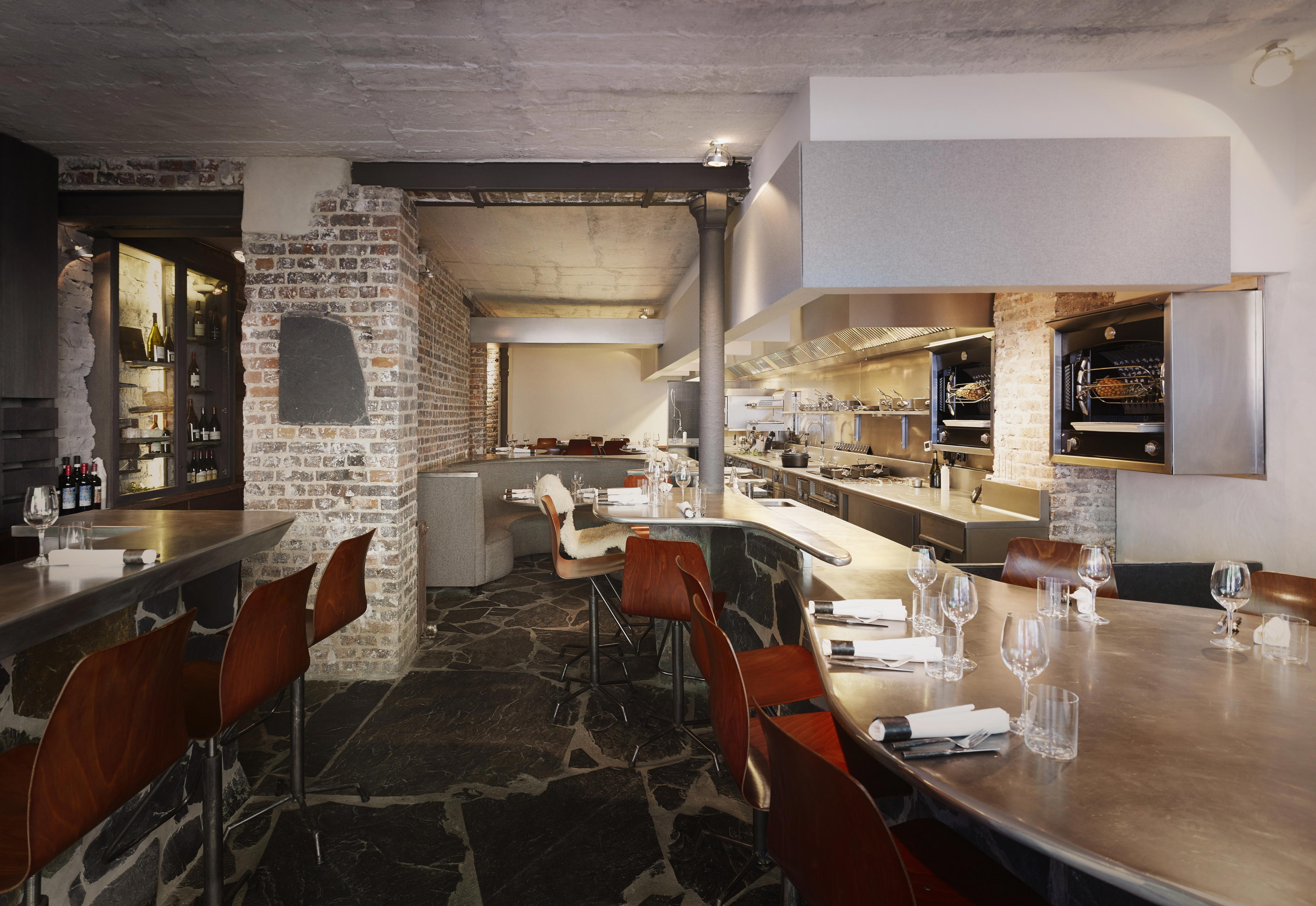
Bars in Paris
Browse all →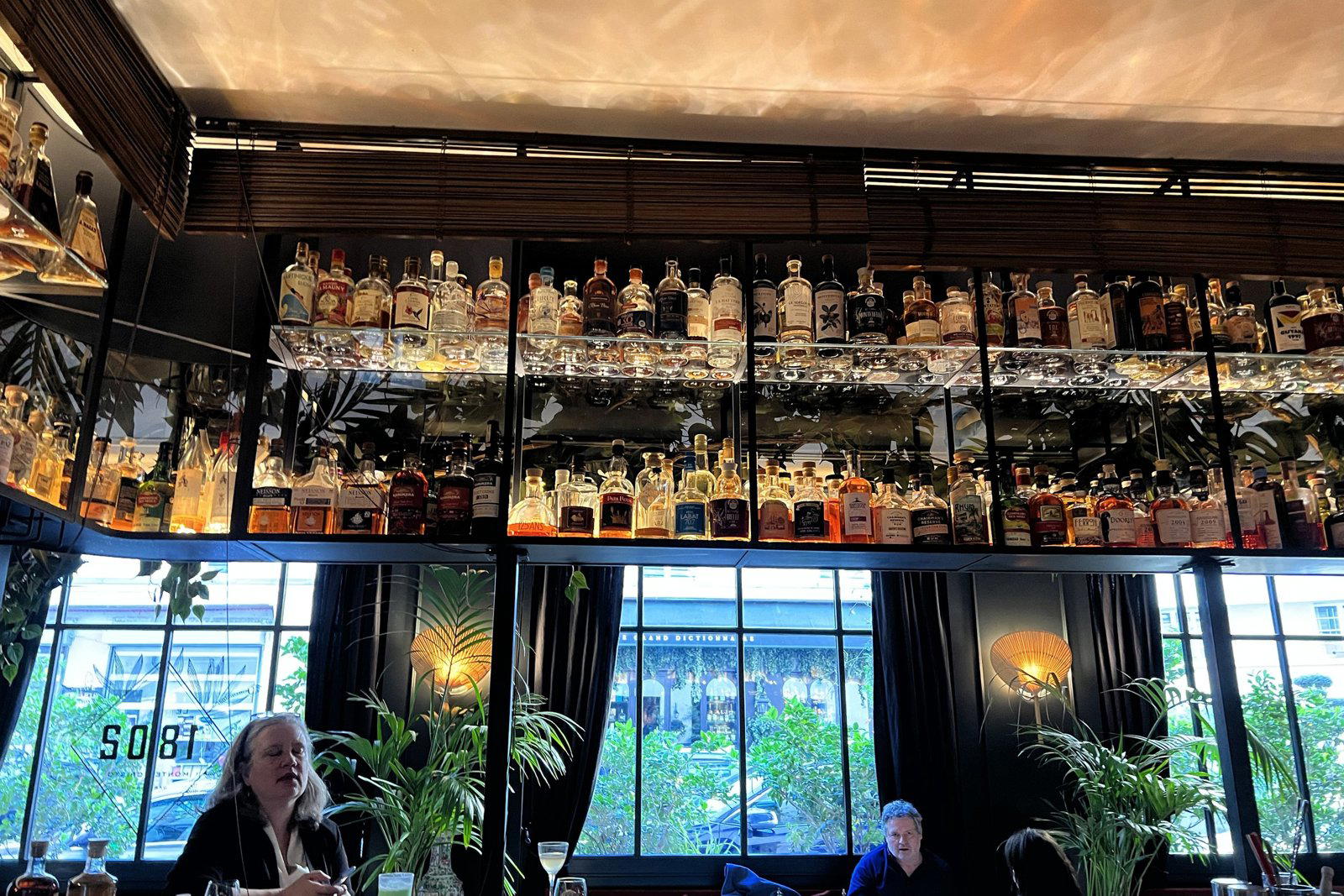
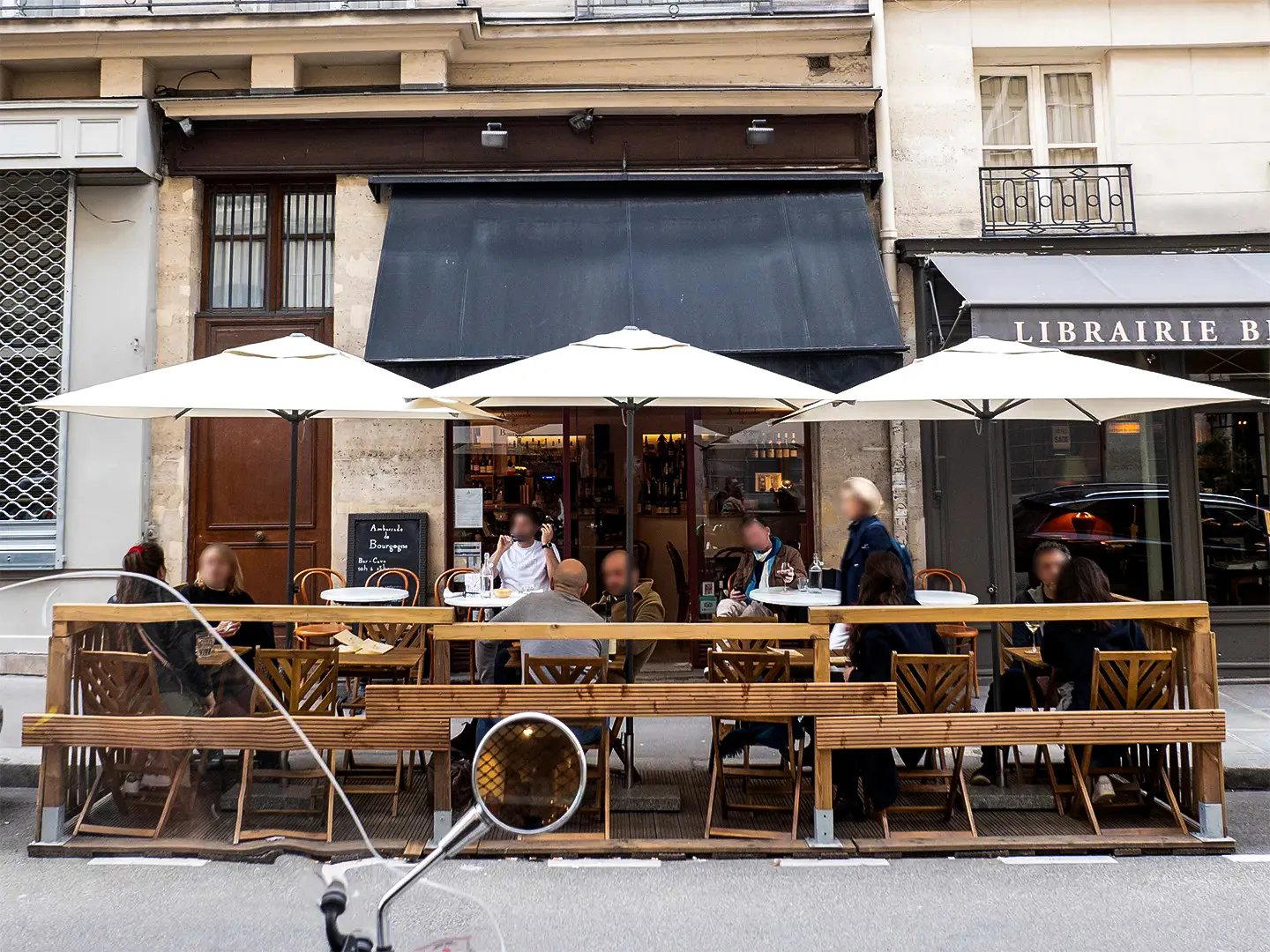
Hotels in Paris
Browse all →
At a Glance
- Cozy
- Classic
- Intimate
- Date Night
- Casual Hangout
- Terrace
- Extensive Wine List
- Local Sourcing
- Garden
Current opening hours
- Monday
- 12–2:15 PM, 7–11 PM
- Tuesday
- 12–2:15 PM, 7–11 PM
- Wednesday
- 12–2:15 PM, 7–11 PM
- Thursday
- 12–2:15 PM, 7–11 PM
- Friday
- 12–2:15 PM, 7–11 PM
- Saturday
- 12–2:15 PM, 7–11 PM
- Sunday
- 12–2:15 PM, 7–11 PM
Hours can change for holidays and private events. Last verified .
Warm and welcoming bistro atmosphere with Greek tavern decor, sometimes lively and a bit noisy.