
Michelin Plate
Our verdict
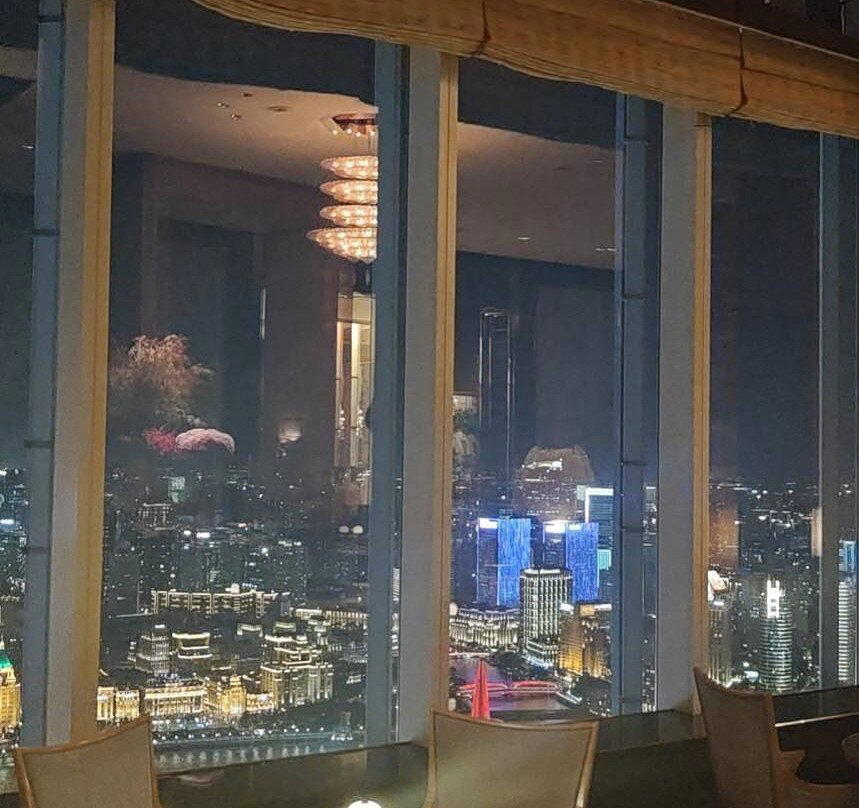
Les Nuages belongs to Shanghai’s vertical dining culture: a high-floor room in Hongkou where the Bund skyline becomes part of the meal’s architecture. The draw is less a named chef narrative than the way contemporary Chinese luxury dining now reads provenance, seasonality, and room discipline against the city’s appetite for spectacle.

Pearl is the En Primeur Club membership app, where members save venues, book tables and use the concierge.
The menu
What to order
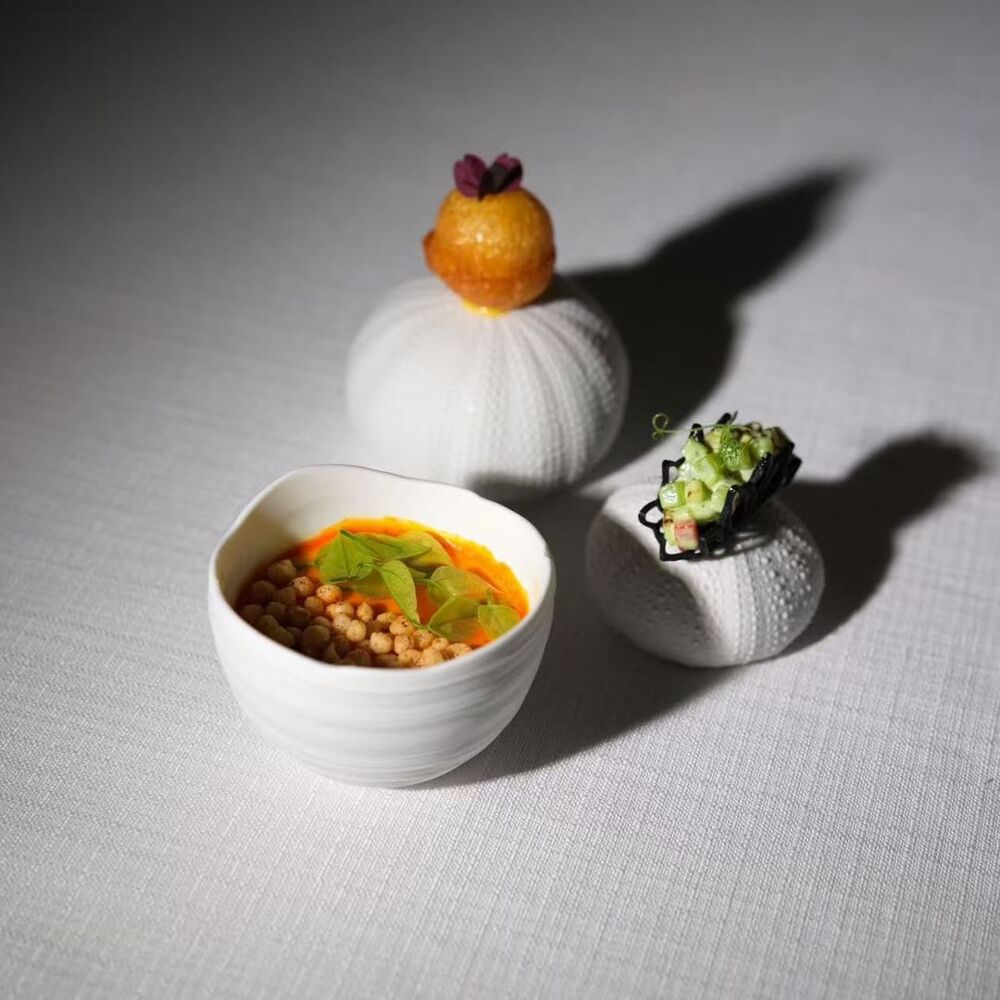
- Deep-fried seaweed meatballs with runny crab roe and vinegar centre
- In-house dry-aged beef steaks
- Chocolate Trio styled after Shanghainese retro snacks
- Seafood soup and lobster bisque
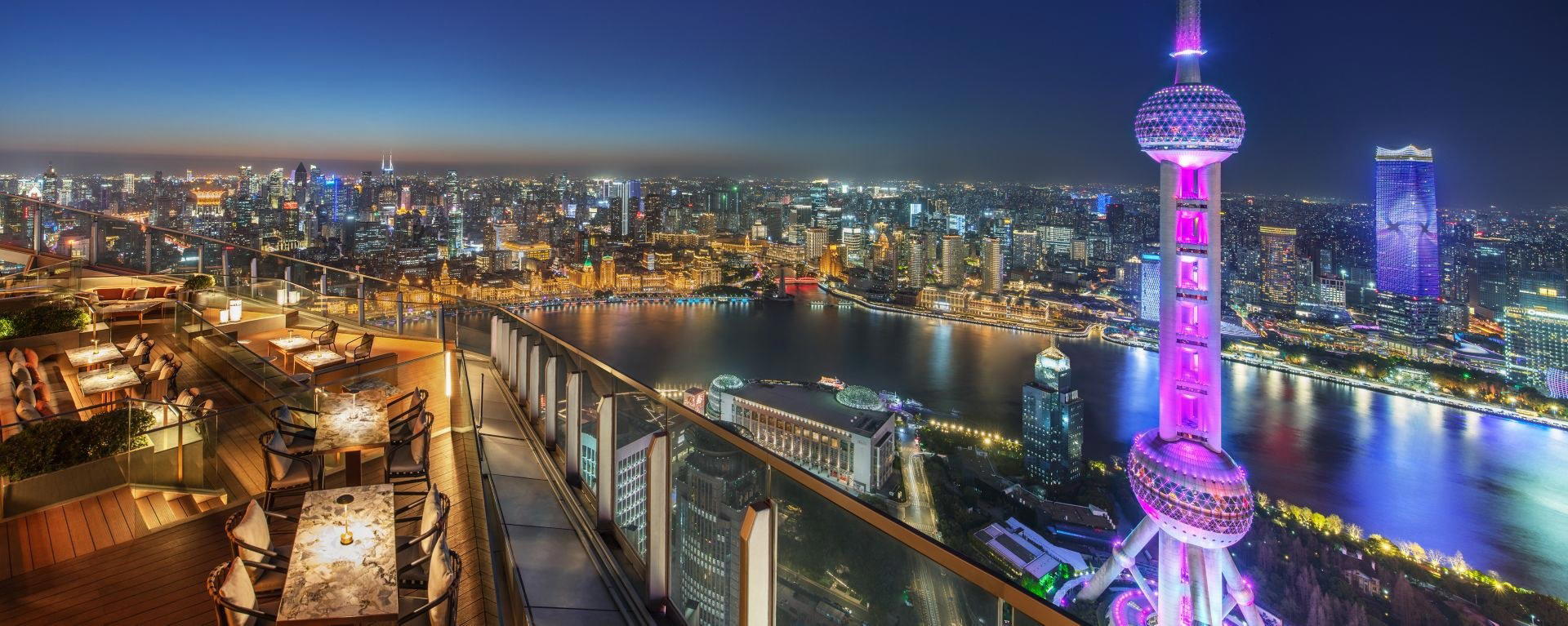
Arriving high above Shanghai changes the tempo before the first course. The city’s elevated restaurants often ask diners to look outward, toward the river, towers, and the hard geometry of the skyline; the stronger rooms use that altitude as pressure rather than decoration. Les Nuages sits in that category, where the question is not simply what is served, but whether sourcing, pacing, and restraint can hold attention when the city is already performing outside the glass.
Shanghai gives that question a sharper edge. The city’s premium dining map is no longer limited to the most obvious visitor circuits, and its newer high-rise rooms have become part of a broader luxury dining geography. Established hotel dining and river-facing rooms still dominate many itineraries, but the contemporary frame is wider: less reliance on inherited theatre, more emphasis on whether a restaurant can translate local ambition into a room built for corporate dinners, date-night skyline tables, and destination meals.
Altitude only works when the kitchen has a point of view
In Shanghai, height can be a trap. A room with a view can drift into international sameness: imported luxury cues, anonymous premium produce, and menus written to avoid risk. Les Nuages is more interesting when read against the city’s current sourcing conversation. Chinese fine dining has moved well beyond the old luxury shorthand of expensive seafood and rare banquet ingredients. The stronger kitchens now signal seriousness through regional produce, seasonal vegetables, stock work, fermentation, tea, preserved goods, and the ability to make local ingredients feel considered rather than decorative.
That context matters because cuisine type, named chef, signature dishes, and price are not publicly framed here in the usual checklist terms. Rather than forcing a menu narrative, the useful lens is Shanghai’s broader shift from display dining to ingredient-led dining. The city’s ambitious rooms increasingly compete on supply chains: who has access to better fish, cleaner poultry, sharper greens, or more precise dry goods, and who can make those choices legible without turning dinner into a lecture. A high-rise restaurant has to work harder on this front because the room naturally pulls attention away from the plate.
The comparison set across Shanghai shows how fragmented the premium tier has become. Rooms such as Yong Fu (Hongkou), Xindalu, and Da Dong (Xuhui) each approach Chinese dining through different service rhythms, product choices, and expectations around occasion. Steakhouse formats such as 58° 扒房 and Fifty 8 Grill sell sourcing through cut, handling, and wine-led hospitality. Les Nuages belongs in the conversation where room height, Shanghai luxury codes, and ingredient credibility have to meet rather than compete.
Shanghai's view changes the dining map
Shanghai has long rewarded restaurants that understand theatre. What has changed is where that theatre is staged. Newer dining rooms across the city have widened the visual relationship with Shanghai beyond the most familiar postcard angles. From an elevated room, the city reads as infrastructure and ambition: bridges, office towers, hotel stacks, and water traffic. For a restaurant, that means atmosphere is built before service begins, but it also means the kitchen cannot rely on nostalgia.
Ingredient sourcing is where this kind of venue either earns its altitude or loses it. Shanghai diners are fluent in luxury signals, and the city’s serious tables now parse the difference between expensive product and intelligent product. The former is easy to buy; the latter requires a kitchen to understand season, texture, provenance, and when not to overwork an ingredient. In Chinese dining, that discipline can show through clear broths, controlled heat, precise steaming, restrained sauces, or the handling of dried and preserved elements. Those traditions are not decorative references. They are the technical backbone that separates a skyline meal from a room with expensive lighting.
For readers mapping a broader China itinerary, Shanghai’s vertical dining culture also sits beside other regional expressions rather than above them. Different Chinese cities measure sourcing, technique, and occasion in different ways, from spice-driven cooking to river-and-lake traditions, coastal pantries, comfort forms, and roast-focused dining. Shanghai’s version is less about preserving one regional canon than editing many Chinese luxury languages into a metropolitan dining room. Les Nuages should be read inside that citywide negotiation rather than as a generic room with a view.
How to read Les Nuages before booking
The practical decision is simple: choose Les Nuages when the setting matters, but judge it by how clearly the meal expresses product and season rather than by altitude alone. It is suited to diners who want Shanghai’s skyline in the frame without defaulting to a conventional steakhouse or a strictly banquet-led room. The absence of a public chef narrative also shifts attention away from personality and toward format, service rhythm, and ingredient choices, which is often the more honest way to assess contemporary high-end dining in the city.
For planning around the city, use Our full Shanghai restaurants guide to place Les Nuages among riverfront dining rooms, hotel restaurants, and specialist Chinese kitchens. The wider trip logic matters too: Our full Shanghai hotels guide helps anchor the right part of the city, while Our full Shanghai bars guide, Our full Shanghai wineries guide, and Our full Shanghai experiences guide fill in the surrounding evening. For contrast, other dining in Shanghai can show different models: compact specialist focus, hotel polish, banquet formality, or skyline scale.
The editorial read is measured. Les Nuages is not a venue to understand through romance or chef mythology; it is a room to judge within Shanghai’s ongoing negotiation between spectacle and substance. It is also listed by Michelin with a MICHELIN Plate distinction. At this tier, the skyline gets diners through the door. Ingredient discipline decides whether the meal has weight once the view becomes familiar.
Frequently asked questions
How do I find Les Nuages?
Les Nuages is located in Shanghai.
What distinctions does Les Nuages have?
Les Nuages is listed by Michelin with a MICHELIN Plate distinction.
What's the best way to book Les Nuages?
Use the restaurant’s official booking channels when arranging a reservation. For a room set high above Shanghai, planning ahead is the sensible move.
What's the defining dish or idea at Les Nuages?
Those details are not published. In Shanghai terms, that points to a dining room where altitude and city views are part of the experience. Check the venue's official channels for the latest details.
Can Les Nuages adjust for dietary needs?
Ask when booking and share the dietary requirement clearly. That gives the restaurant the context it needs before the meal is set.
Is Les Nuages okay with children?
The setting suggests a formal high-rise dining room rather than a casual family venue. Families can still consider it, but the atmosphere points more naturally to adults, older children, or a special-occasion meal.
What kind of setting is Les Nuages?
Les Nuages is in Shanghai. Its appeal is tied to a high-rise setting, with the city context doing much of the visual work.
At-a-Glance Comparison
Comparable venues for orientation by cuisine and category.
| Venue | Cuisine | Price | Awards | Notes |
|---|---|---|---|---|
| Les Nuages | Modern Chinese-French Fusion | $200–300 | Michelin Plate | Not listed |
| Yong Fu (Hongkou) | Modern Ningbo Fine Dining | $100–150 | 1 Michelin Star | Not listed |
| 58° 扒房 | Modern French Steakhouse | $100–150 | Not listed | Not listed |
| Fifty 8 Grill | Modern French Grill & Steakhouse | $100–150 | Not listed | Not listed |
| Da Dong (Xuhui) | Traditional Peking Duck & Chinese Fine Dining | $50–100 | 1 Michelin Star · Black Pearl 1 Diamond | Chinese Contemporary |
| Xindalu | Regional Chinese and Shanghainese Cuisine | Not listed | Not listed | Tempura |
Recognition history
Dated appearances from independent guides and award organizations, with the underlying list record or original source where available.
Michelin Plate
Michelin
Continue exploring
More in Shanghai
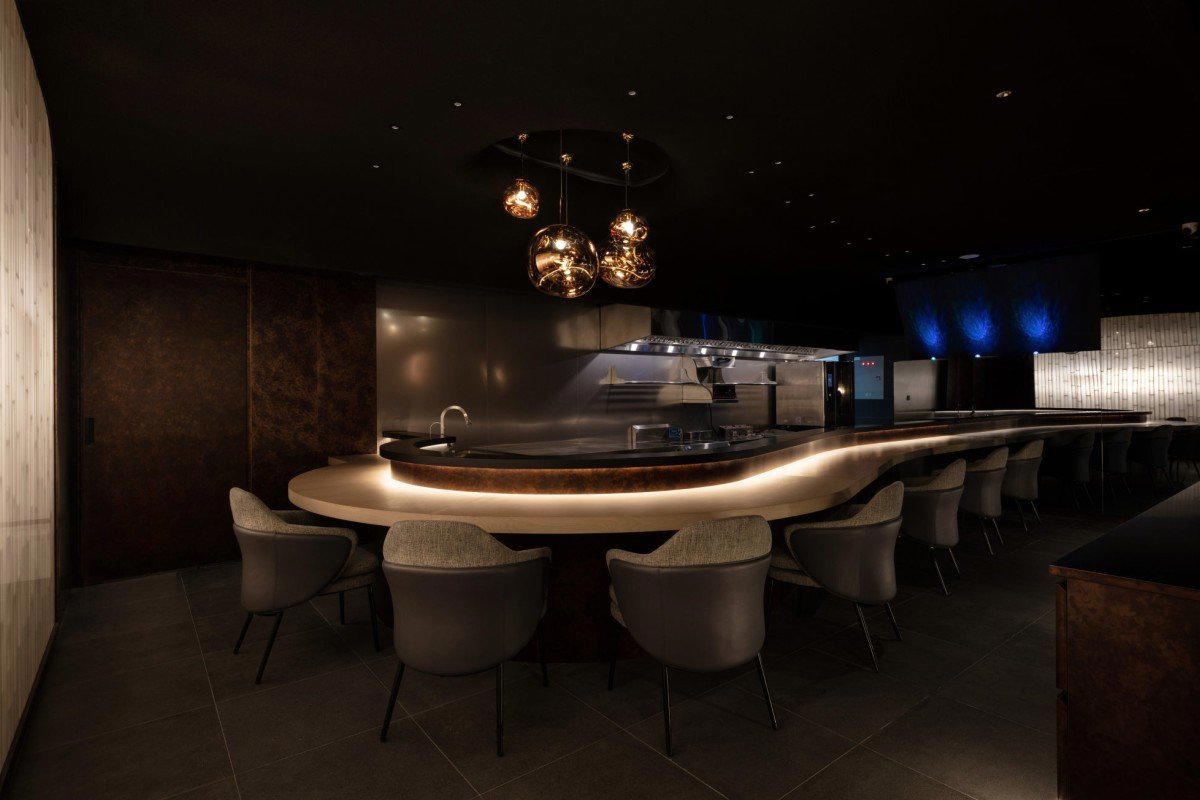
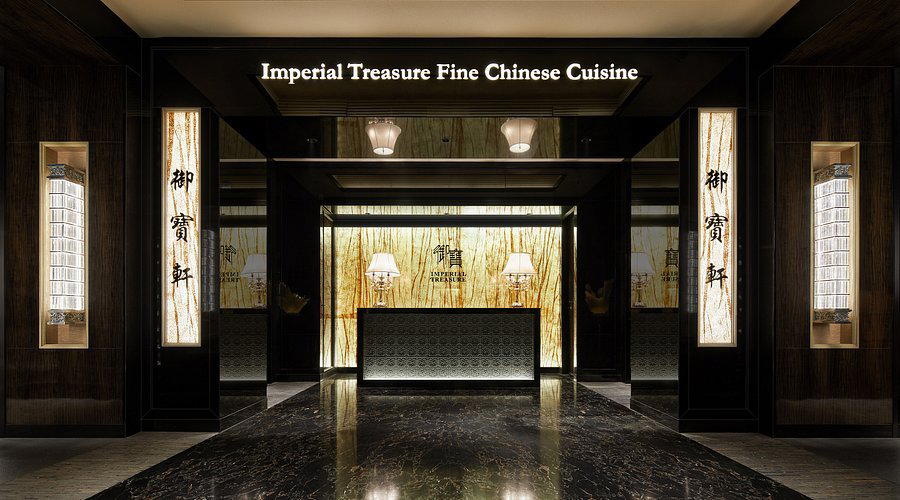
Restaurants in Shanghai
All restaurants in Shanghai →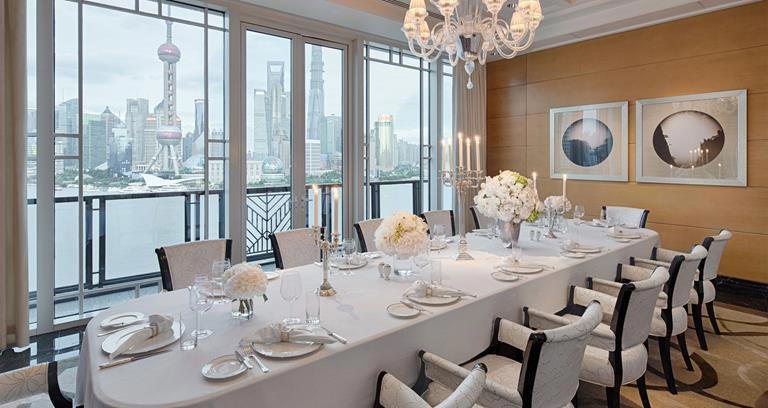
Bars in Shanghai
All bars in Shanghai →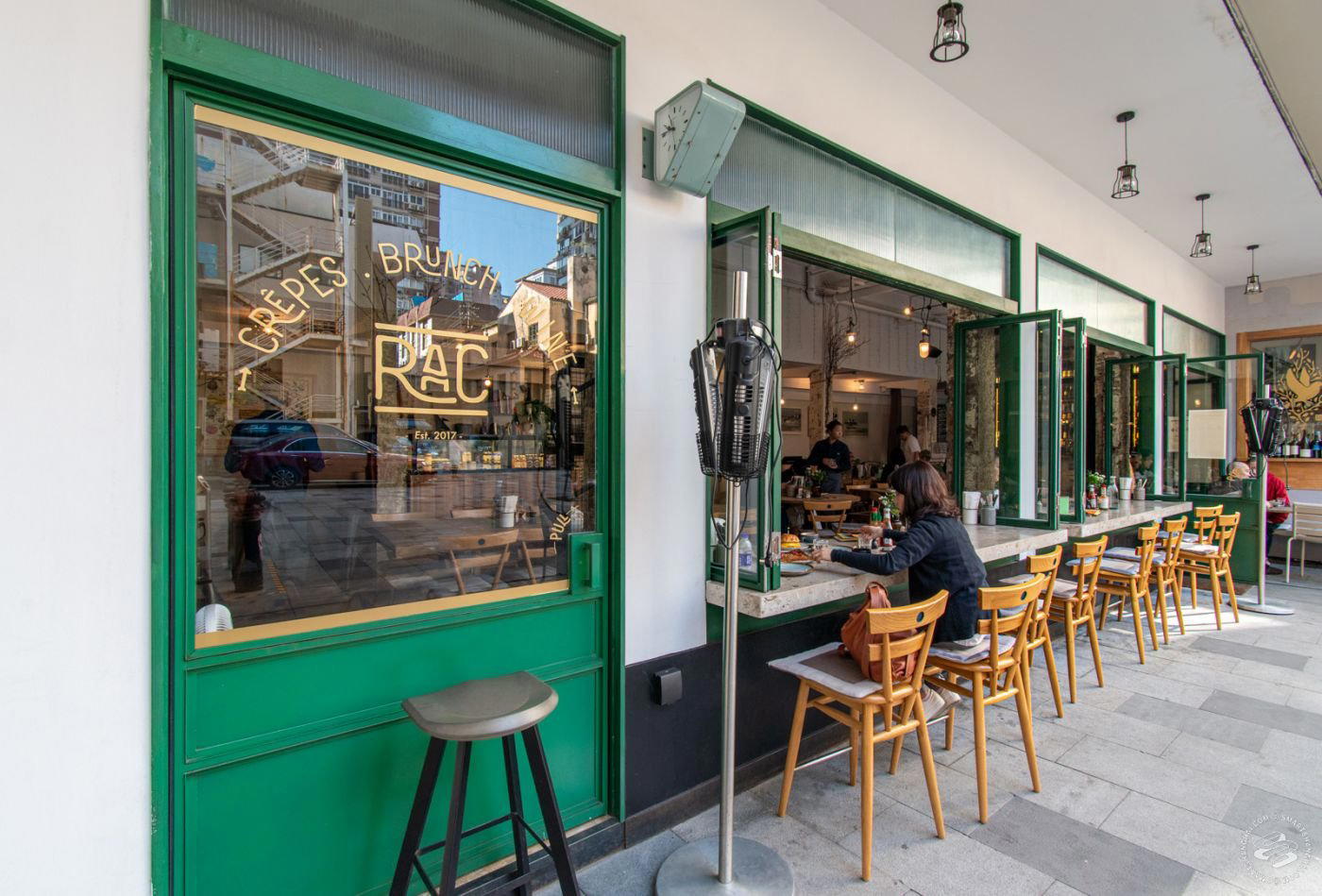
Les Nuages
The wine
- Wine program
- Deep wine list
- Extensive wine list
- Sommelier-led
- Craft cocktails
Details
- Elegant
- Sophisticated
- Romantic
- Modern
- Scenic
- Date Night
- Business Dinner
- Special Occasion
- Celebration
- After Work
- Rooftop
- Panoramic View
- Design Destination
- Standalone
- Extensive Wine List
- Sommelier Led
- Craft Cocktails
- Skyline
- Waterfront
- Street Scene
- Tasting Menu
- A La Carte
- Set Menu
- Wine
- Cocktails
- Tea
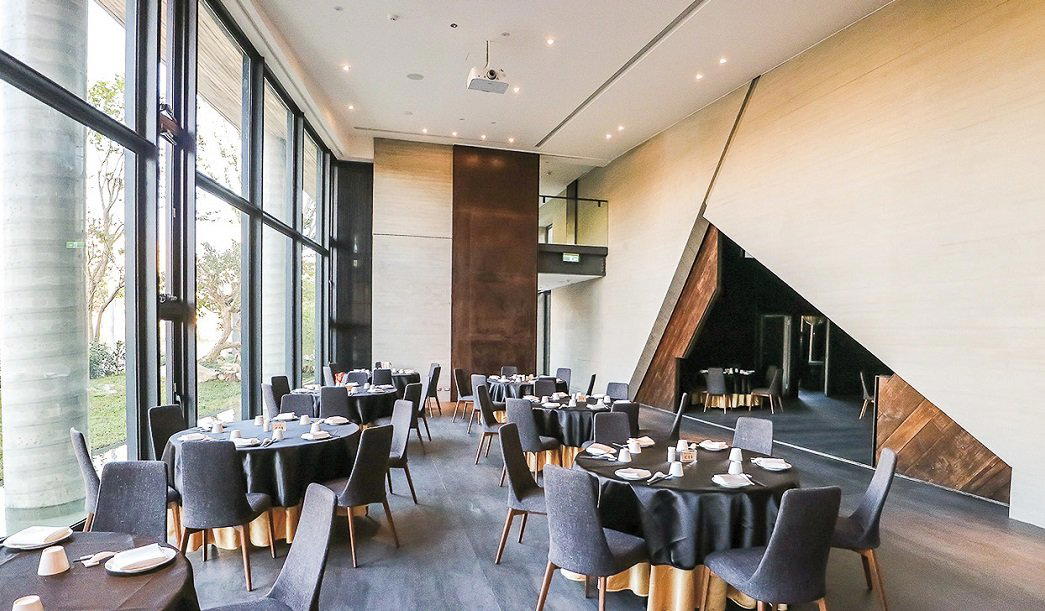
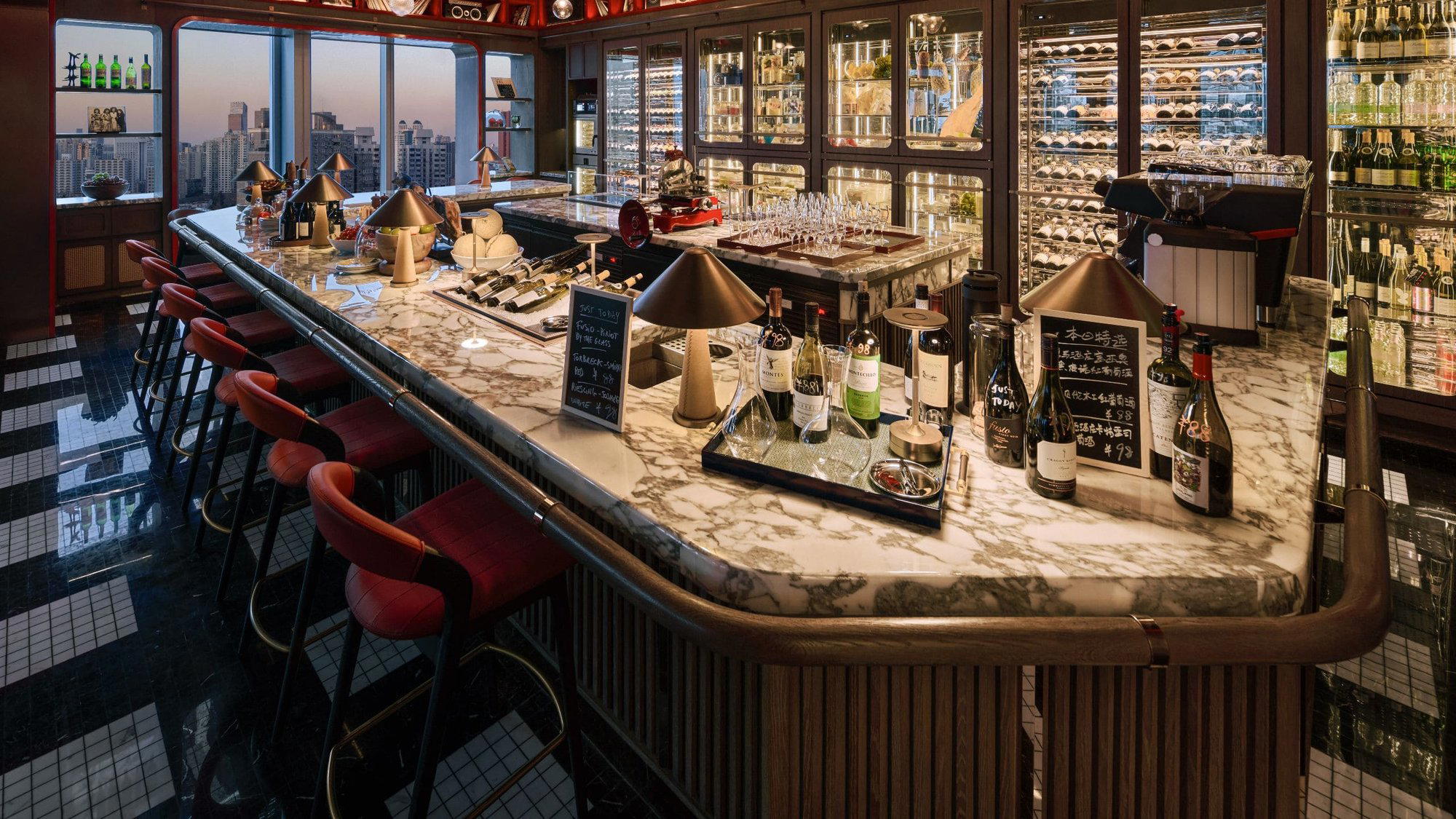
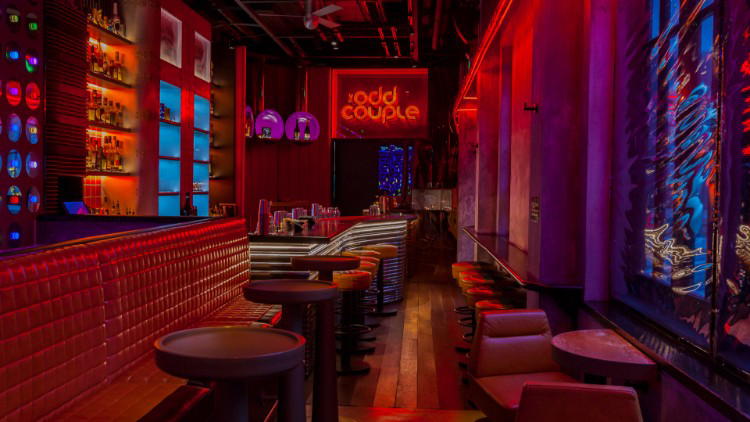
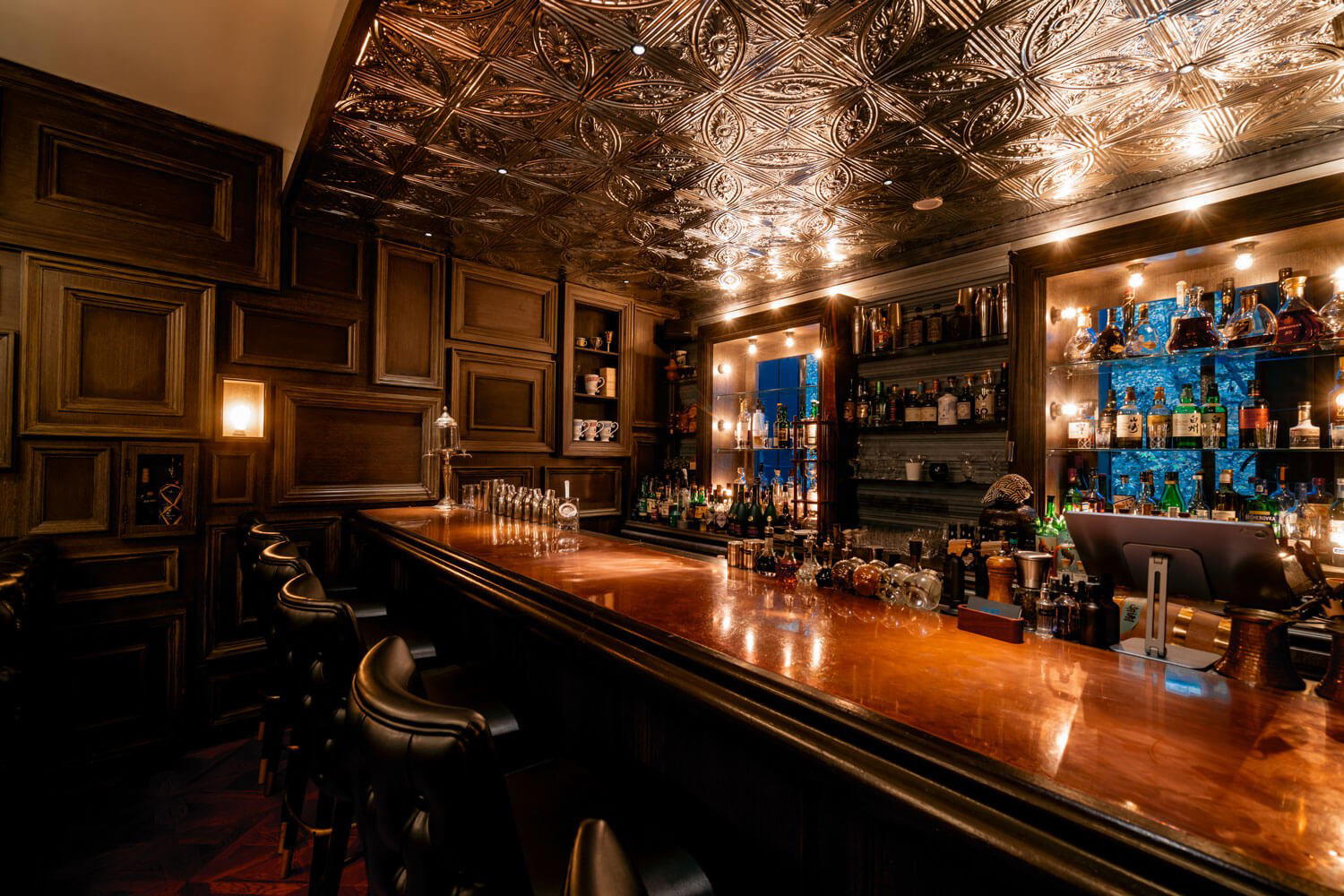
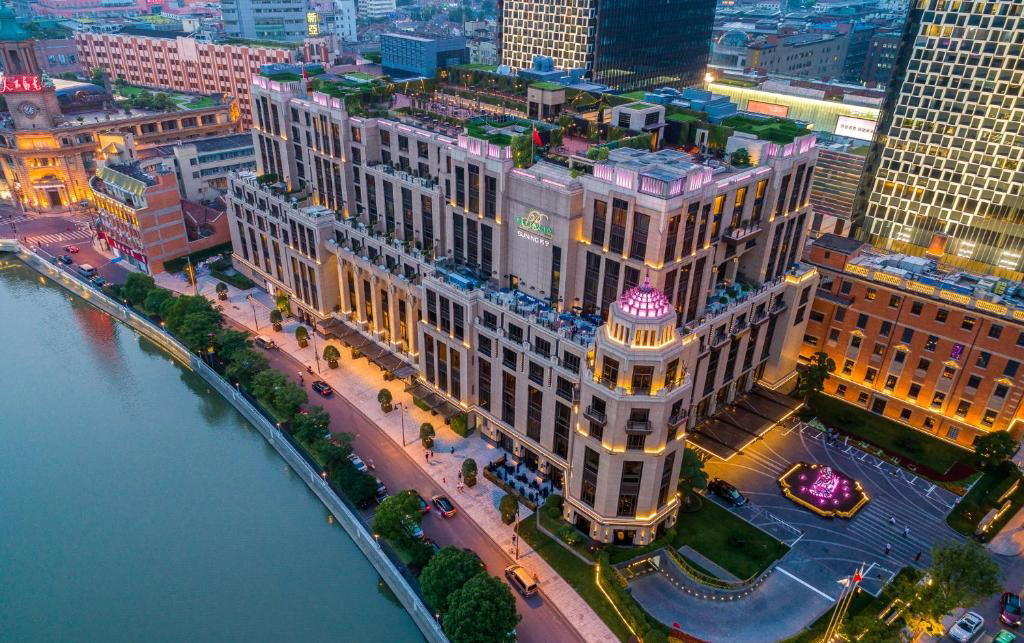
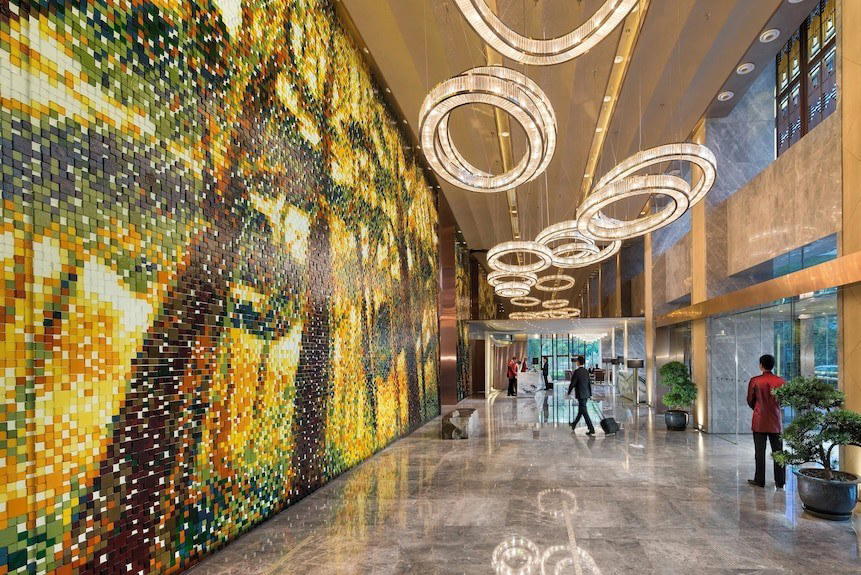
Refined and cinematic high-rise setting with double-height ceilings, floor-to-ceiling windows and sweeping river and city views, combining polished modern design with a calm, upscale atmosphere suited to leisurely dinners and afternoon tea.