On the Place de Chambre in central Metz, L'Assiette et le Verre sits within one of Lorraine's most architecturally layered city centres, where the French table tradition runs from market-sourced bistro cooking up through regional fine dining. The restaurant occupies a mid-market position in a city that has quietly built a diverse restaurant scene around its medieval core and the gravitational pull of the Centre Pompidou-Metz.
Pearl is the En Primeur Club membership app — saves, bookings, and concierge access live there. Same editors, same standards.
- Address
- 29 Pl. de Chambre, 57000 Metz, France
- Phone
- +33387366577
- Directions
- Get directions
 Saves & bookings on Pearl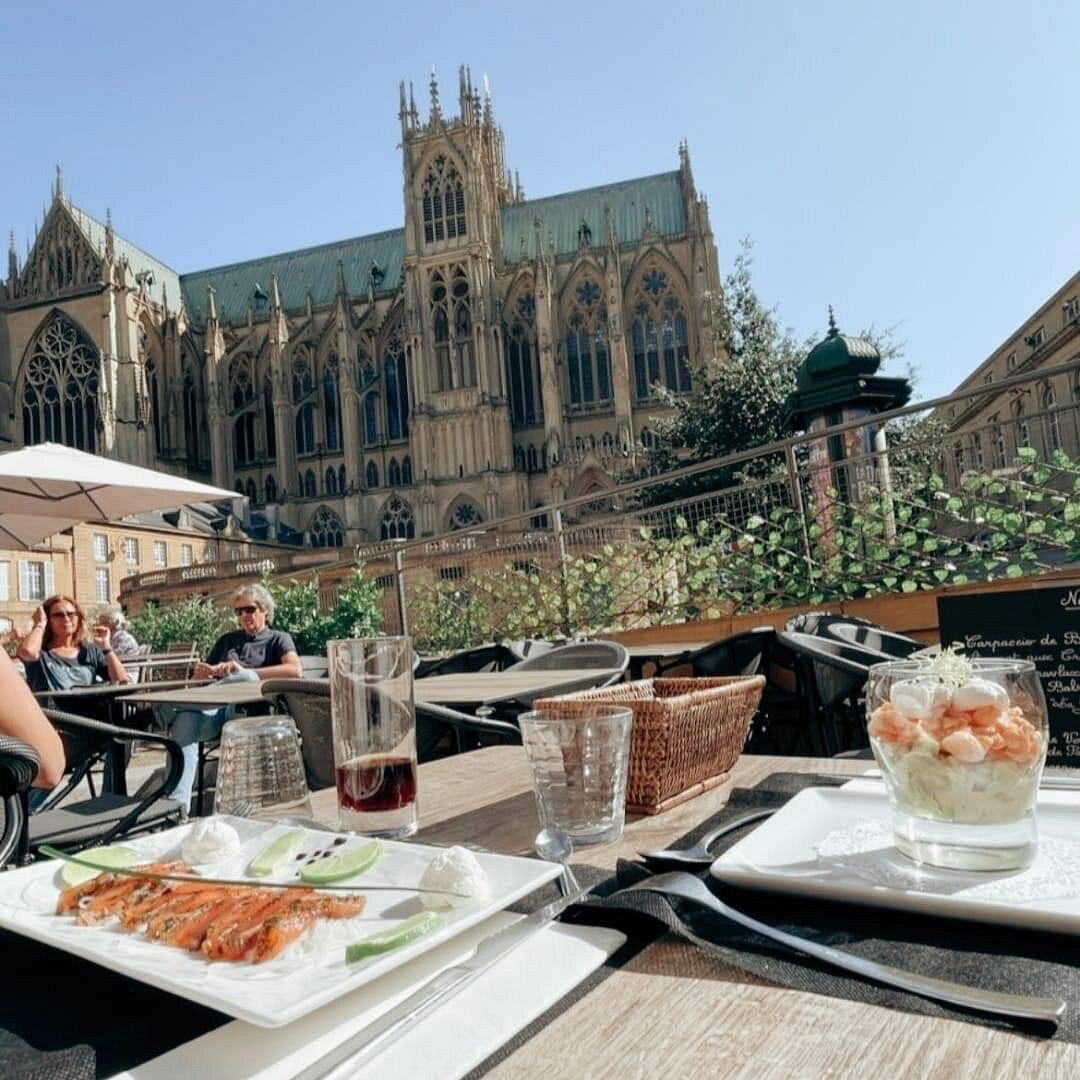
Where the French Plate Meets Lorraine
L'Assiette et le Verre is a French Seasonal Bistro in Metz at 29 Pl. It sits within the medieval core of Metz, flanked by sandstone Gothic architecture and close enough to the Moselle that the air carries a particular weight on cooler evenings. The city has been accumulating this kind of layered character for centuries: a Roman settlement, a Frankish capital, a Napoleonic prefecture, and now, since 2010, home to the Centre Pompidou-Metz, which introduced a different kind of visitor and, with them, pressure on the restaurant scene to step up. L'Assiette et le Verre sits at this address, 29 Place de Chambre, as part of a dining quarter that reflects all of those accumulations at once.
Lorraine as a culinary region has always occupied an ambiguous position in the French hierarchy. It is not Alsace, with its internationally recognised wine culture and Michelin density, see Au Crocodile in Strasbourg for how that tradition operates at its most formal. It is not Champagne, where the dining identity is inseparable from the wine, as at Assiette Champenoise in Reims. Lorraine's table is earthier and less celebrated abroad, built on quiche, mirabelle plum, and a network of bistros that have fed working populations for generations. That relative obscurity is precisely what makes dining here interesting: the region's restaurants have not been optimised for international food tourism in the way that Lyon or Bordeaux equivalents have, and they carry correspondingly less performance pressure.
The Name as a Signal
In French, l'assiette and le verre, the plate and the glass, are the two objects around which the entire culture of the French table organises itself. The name is not whimsical; it is a statement of priorities. Restaurants that choose this kind of nomenclature in France typically position themselves in the middle register: serious about produce and pairing, informal enough that the room does not demand a jacket, priced to attract a local clientele who return monthly rather than annually. Compare that positioning to the formal tasting-menu architecture of somewhere like Mirazur in Menton or Flocons de Sel in Megève, and the distinctions become legible immediately. L'Assiette et le Verre operates in a register where the pleasure comes from the pairing of a regional wine with a well-executed plate, not from a multi-act tasting sequence.
Metz supports a range of formats across this spectrum. At the creative end, Yozora operates in the €€€€ bracket with a creative-forward approach. For Italian, 83 Restaurant anchors the mid-range at €€. The straightforwardly approachable Bouillon Batignolles and the neighbourhood feel of Cantino fill in the broader picture. L'Assiette et le Verre fits into this local ecology as a place where the focus on plate and glass discipline keeps the offer readable and repeatable. For a broader survey of where to eat in the city, the full Metz restaurants guide maps the range systematically.
The French Bistro Tradition and What It Demands
The bistro format is demanding in French dining, precisely because it offers no cover. A tasting menu sequence controls the narrative and the pacing; a grand salle provides spectacle. The bistro serves food on a plate, and the plate either works or it does not. This is the tradition that produced Paul Bocuse's Auberge du Pont de Collonges at one extreme, and the neighbourhood zinc-bar at the other. What separates the two is not philosophy but execution: the quality of sourcing, the precision of seasoning, the judgement about when a sauce is finished.
Lorraine's regional produce supports this kind of cooking well. The Moselle valley supplies freshwater fish. The forests of the Vosges produce game in season. The mirabelle plum, for which the region holds a protected geographical indication, appears in everything from sauces to desserts from late August through September, marking one of the clearest seasonal windows in any French regional cuisine. Restaurants in this price category elsewhere in France, at Bras in Laguiole or AM par Alexandre Mazzia in Marseille, where the regional ingredient logic operates at a higher register, demonstrate how deeply that sourcing logic can run when pushed. In a mid-market Metz setting, the same underlying logic applies, scaled to a price point that keeps the room full on a Tuesday.
Metz as a Dining City in 2024
The city has developed its restaurant scene unevenly since the Pompidou opening. The museum brought architecture tourists and weekend visitors from Luxembourg and Germany, and the immediate neighbourhood around the Centre Pompidou acquired a cluster of cafes and casual restaurants calibrated for that traffic. The older dining core around the cathedral and the medieval streets has maintained a different rhythm, slower and more local. Place de Chambre sits within this older zone, where the clientele has always been predominantly Messin rather than visitor-driven.
That distinction matters for how a restaurant operates. A room that fills primarily with locals prices and programs differently from one anchored to cultural tourism. The 2'Moiselles offers another data point in this local-facing category. Restaurants with this orientation tend to carry more honest price signals, because the clientele has direct comparison data from years of eating in the city. They also tend to be more consistent, because repeat custom is unforgiving of variable form. The French dining public, particularly in a city of this scale, does not return to a restaurant that disappoints twice.
For those situating Metz within a broader French fine dining tour, the reference points to the east and west are instructive. The Alsatian tradition, accessible within an hour's drive, runs through institutions like Auberge de l'Ill in Illhaeusern. To the west, the Paris bracket sets the national ceiling, with addresses like Alléno Paris au Pavillon Ledoyen and, for international comparison, Le Bernardin in New York City and Atomix demonstrating how the fine dining conversation operates at global scale. The Troisgros operation in Ouches represents the provincial French restaurant at its most ambitious. The restaurant operates several tiers below all of these, which is not a criticism: it is a description of where the restaurant sits and what it is trying to do.
Planning Your Visit
The address at 29 Place de Chambre places the restaurant within walking distance of Metz Cathedral and the main pedestrian zone, making it accessible on foot from the city's central hotels.
Budget and Context
Comparable venues nearby, for context on price, style, and recognition.
| Venue | Cuisine | Price | Notes |
|---|---|---|---|
| L'Assiette et le VerreThis venue — the venue you are viewing | Not listed | $$$ | Not listed |
| Les Arts et Métiers | Not listed | $$$ | quartier impérial, Traditional French Brasserie with Seafood |
| La Station | centre, Modern French Tapas | $$ | Not listed |
| 2'Moiselles | Outre-Seille, Seasonal French Bistronomy | $$$ | Not listed |
| Les Copains d'Abord | Not listed | $$$ | near Place de la République, Traditional French Bistro |
| Les Pas Sages | centre-ville, French Bistro | $$ | Not listed |
Continue exploring
More in Metz
Restaurants in Metz
Browse all →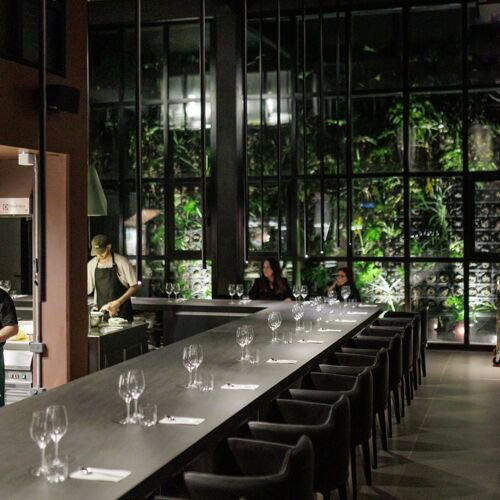
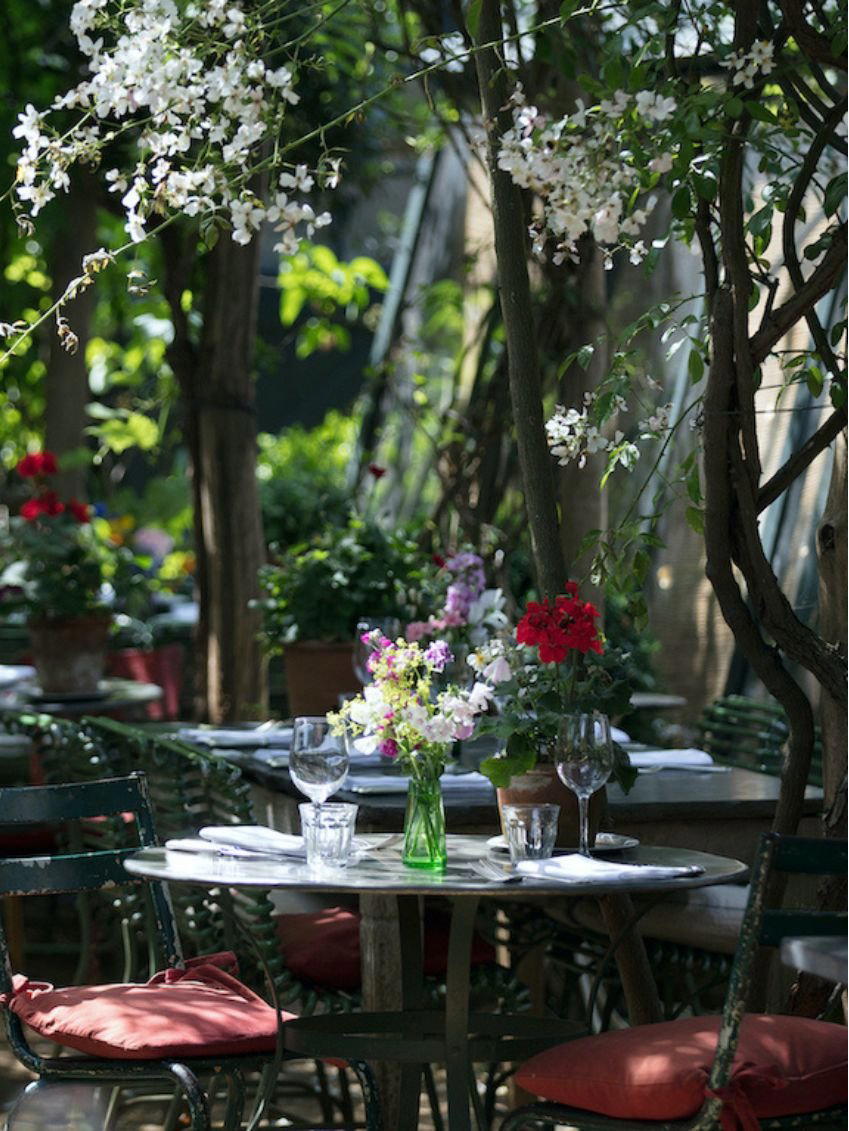
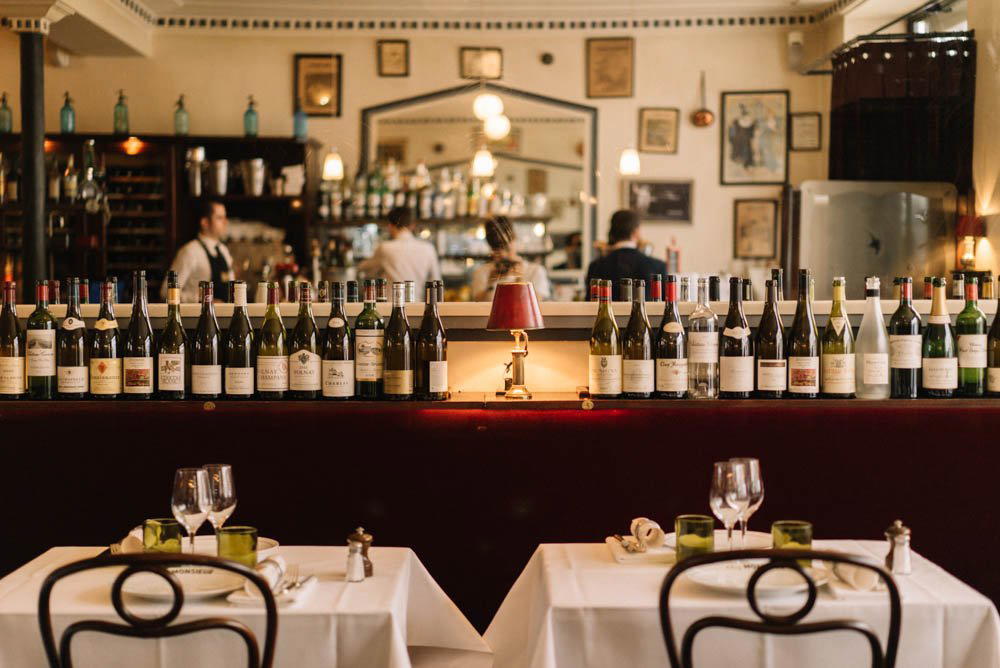
Bars in Metz
Browse all →
Hotels in Metz
Browse all →


At a Glance
- Romantic
- Intimate
- Classic
- Elegant
- Date Night
- Group Dining
- Family
- Special Occasion
- Terrace
- Historic Building
- Standalone
- Local Sourcing
- Street Scene
Current opening hours
- Monday
- 7–9:30 PM
- Tuesday
- Closed
- Wednesday
- Closed
- Thursday
- 7–9:30 PM
- Friday
- 7–9:30 PM
- Saturday
- 12–2 PM, 7–10 PM
- Sunday
- 12–2 PM, 7–9:30 PM
Hours can change for holidays and private events. Last verified .
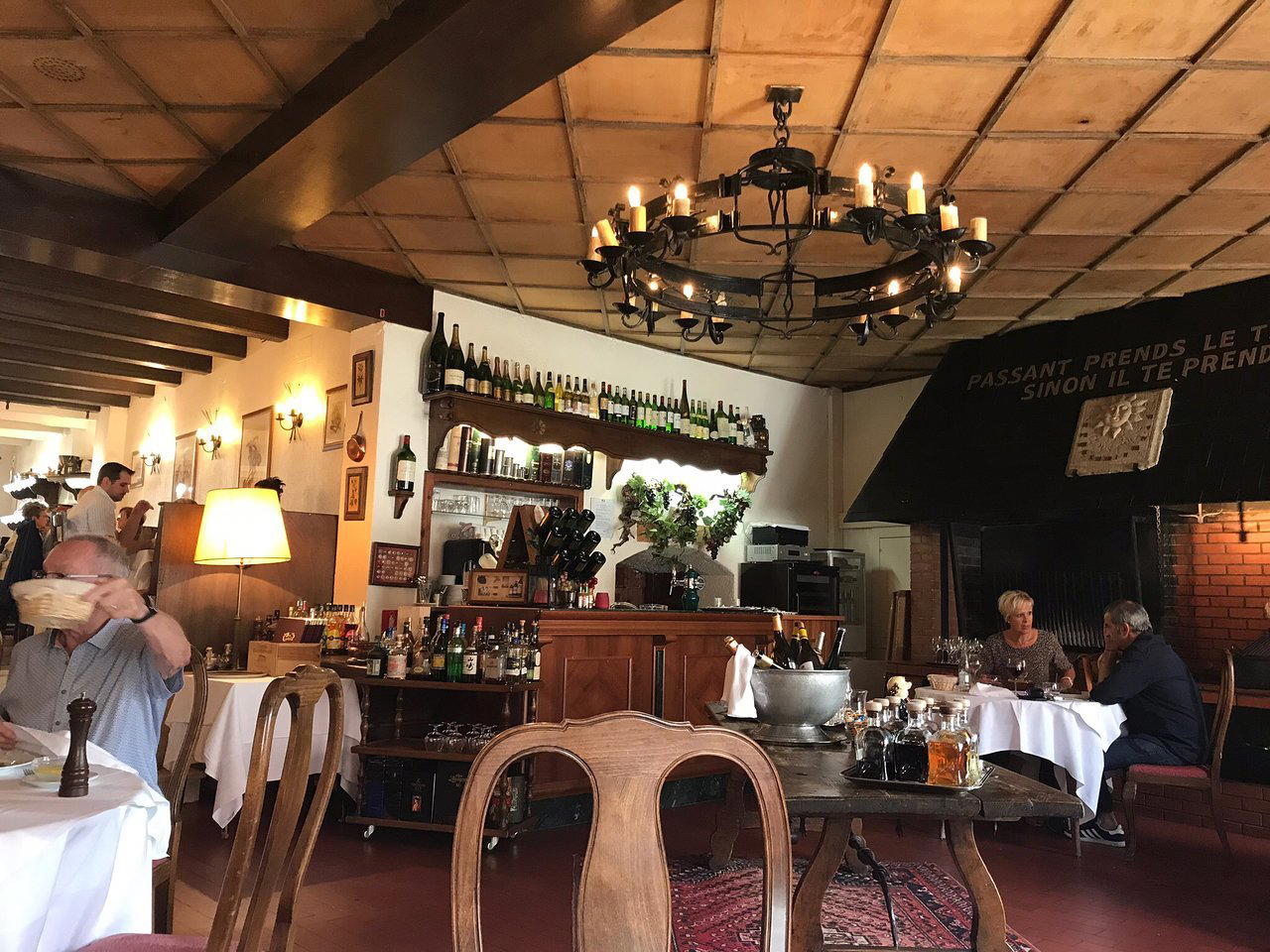
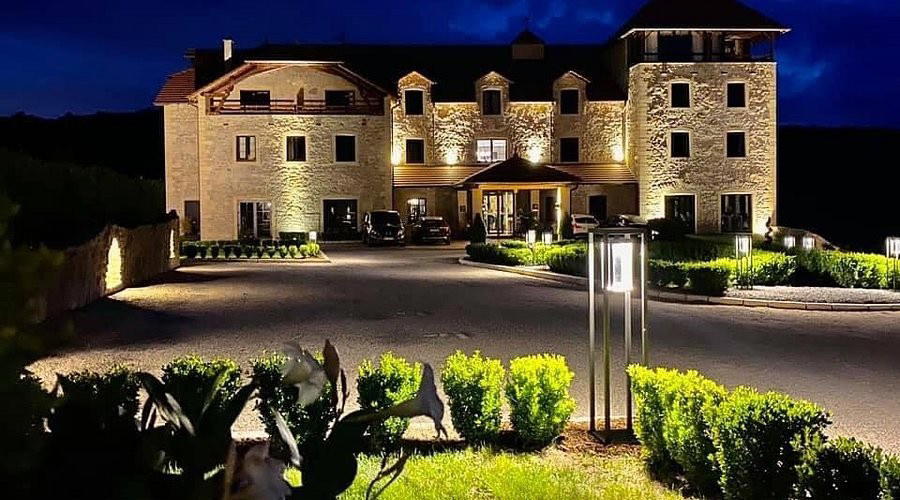
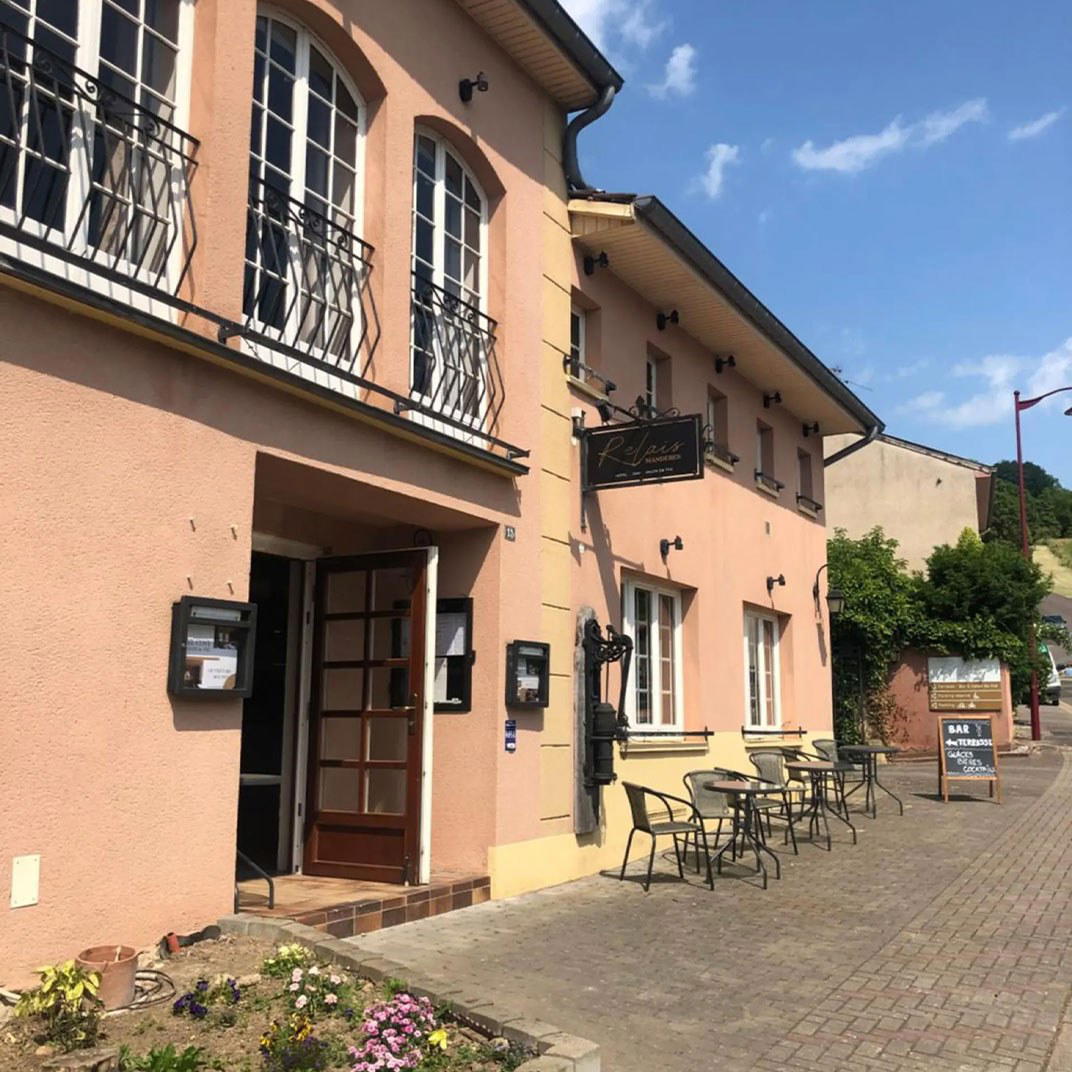
Warm and elegant setting with baroque/jazz Parisian atmosphere; intimate and calm ambiance set back from busy pedestrian streets, with soft lighting and refined décor.