Lemon Grass
Lemon Grass serves authentic Thai and Vietnamese dishes in Sacramento, with an extensive wine list and a conversational, smart-casual setting.
Pearl is the En Primeur Club membership app — saves, bookings, and concierge access live there. Same editors, same standards.
- Address
- 601 Munroe St, Sacramento, CA 95825
- Phone
- +19164864891
- Website
- lemongrassrestaurant.com
- Directions
- Get directions
 Saves & bookings on Pearl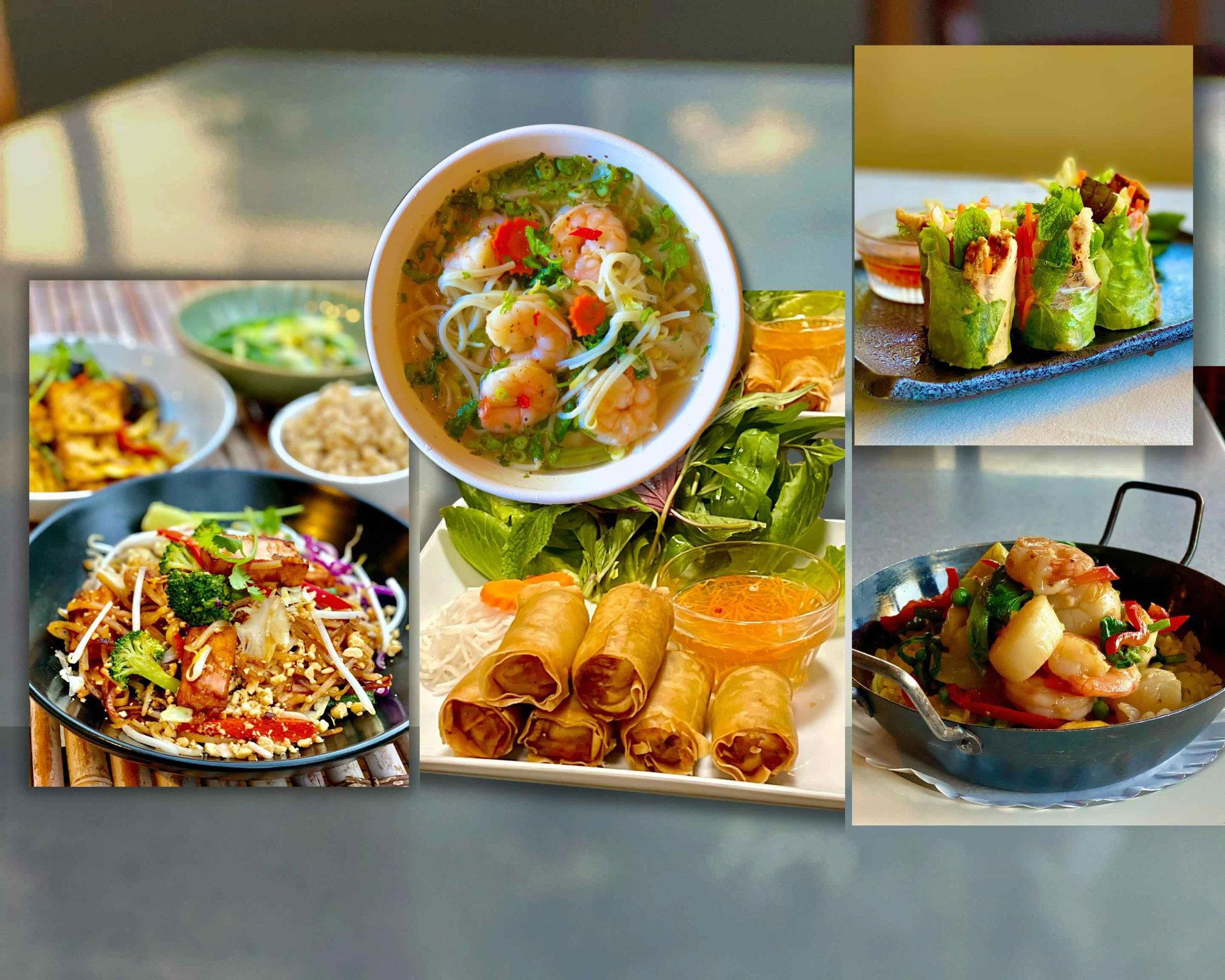
A Corner of Southeast Asia in Sacramento's Midtown Grid
Sacramento's restaurant scene has long tracked two parallel lines: farm-driven California cooking at the upper end, and a constellation of family-run ethnic restaurants carrying deep regional traditions at the neighborhood level. Lemon Grass, at 601 Munroe Street in the Arden-Arcade corridor, sits in that second current. The address is not the kind that announces itself. The surrounding blocks are residential, the approach unassuming, and the building itself makes no architectural gesture toward the cuisine inside. That restraint is, in its way, a signal worth reading.
Southeast Asian restaurants in American cities have historically structured their menus in one of two directions: either a broad pan-Asian sweep designed to maximize table covers, or a tighter regional focus that treats a specific culinary tradition with some depth. The menu architecture at a restaurant like Lemon Grass tends to be the clearest indicator of which side it occupies. A menu that runs from pad thai to pho to sushi is making a commercial calculation. A menu organized around the flavor logic of a single cuisine, with dishes that build on shared aromatics and preparation techniques, is doing something different. The name itself points toward Southeast Asia, specifically the herbaceous, citrus-forward profiles of Thai and Vietnamese cooking, where lemon grass functions not as garnish but as structural ingredient.
How the Menu Signals Intent
In Southeast Asian cooking traditions, lemon grass appears across a range of applications: pounded into curry pastes, bruised and dropped into broths, sliced thin into salads. Its presence in a dish name or menu section tells you something about the kitchen's orientation. Restaurants that treat lemon grass as a background note, something that shows up in one or two token preparations, are working from a different premise than kitchens where it recurs across multiple preparations in recognizable regional patterns. The distinction matters for the reader deciding between a quick weeknight meal and something worth planning around.
Sacramento's position at the intersection of the Central Valley agricultural corridor and a large, established Southeast Asian diaspora community has produced a deeper bench of Vietnamese, Thai, Lao, and Cambodian restaurants than most cities of comparable size. The competition in this category is not theoretical. Restaurants like Adamo's Kitchen represent the city's range on the more casual end, while the upper tier is anchored by places like Localis and The Kitchen, both operating at the $$$$ price point with California-forward tasting formats. Lemon Grass operates in different territory from both of those, closer in spirit to the neighborhood-anchored model than the destination dining tier.
Where It Sits in Sacramento's Dining Map
The Arden-Arcade neighborhood, east of the downtown core, carries a different dining character than Midtown's more curated restaurant row. Rents are lower, foot traffic is more residential than tourist, and the restaurant mix skews toward value-driven, family-oriented spots rather than the wine-list-and-tasting-menu format. This geographic context matters when assessing what Lemon Grass is trying to do. It is not positioning against Allora or Aioli Bodega Espanola in the Midtown conversation.
That positioning comes with a different set of expectations. At the high end of American dining, menu architecture is a statement: Le Bernardin in New York City structures its menu around the primacy of fish, every section reinforcing that thesis. Alinea in Chicago treats the sequence of courses as a compositional argument. The French Laundry in Napa and Single Thread Farm in Healdsburg both use menu structure to communicate a philosophy about sourcing and place. In the neighborhood restaurant tier, menu architecture does something more pragmatic: it tells regulars what to order and tells first-timers where to start. A well-organized menu at this level is a form of hospitality.
The broader West Coast context reinforces why Sacramento's Southeast Asian restaurant tier deserves attention on its own terms. Lazy Bear in San Francisco and Providence in Los Angeles represent the fine dining poles of the California conversation. Addison in San Diego and Blue Hill at Stone Barns in Tarrytown sit at the farm-to-table apex nationally. But the daily dining reality for most Sacramento residents runs through neighborhood restaurants in the Arden-Arcade and Del Paso Heights corridors, where decades of Southeast Asian and East Asian immigration have built a genuine culinary infrastructure. Lemon Grass is part of that infrastructure.
Planning a Visit
The Munroe Street address is accessible by car with street parking in the surrounding residential blocks. Without confirmed hours or a booking platform on record, the practical advice is to call ahead or arrive early in the dinner window, which at neighborhood-format Southeast Asian restaurants in Sacramento typically fills quickly on Thursday through Saturday. This is not a reservation-required format in the manner of Atomix in New York City or The Inn at Little Washington, where bookings run months out. The planning calculus here is simpler: a weeknight visit is likely more relaxed than a Friday or Saturday, and arriving with flexibility on timing is more useful than a fixed reservation window. For those building a broader Sacramento itinerary, our full Sacramento restaurants guide maps the city's dining across price tiers and neighborhoods. Internationally minded diners cross-referencing against global benchmarks might also look at 8 1/2 Otto e Mezzo Bombana in Hong Kong or Emeril's in New Orleans for context on how regional American dining traditions carry different weight in different cities. Sacramento's Southeast Asian corridor is its own version of that story.
Continue exploring
More in Sacramento
Restaurants in Sacramento
Browse all →
Bars in Sacramento
Browse all →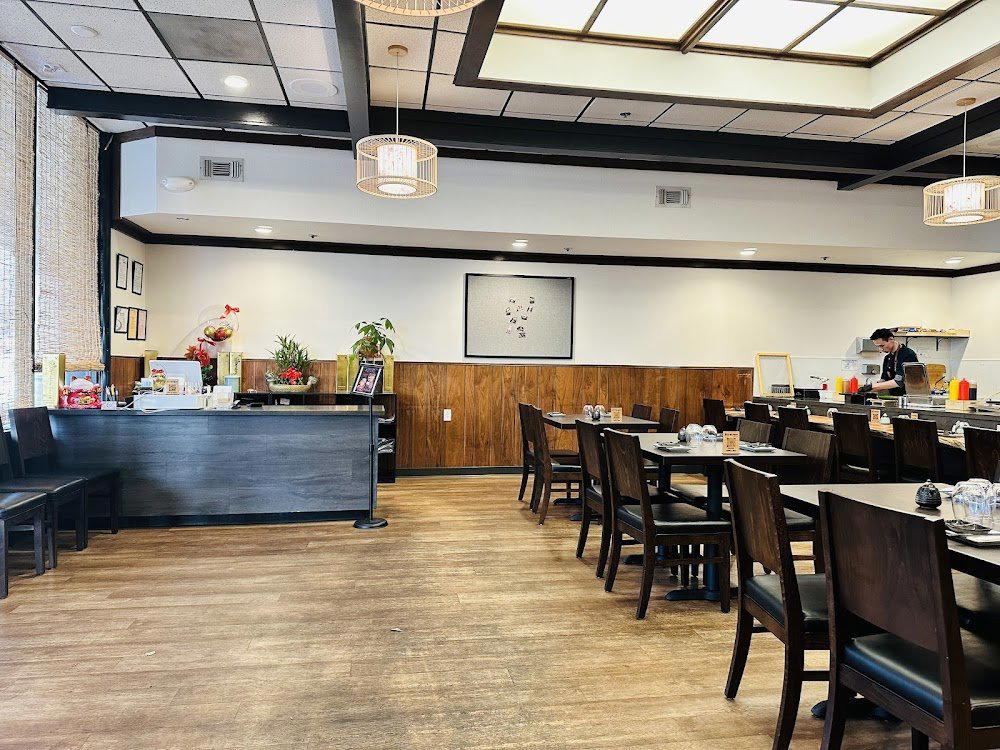

Hotels in Sacramento
Browse all →



At a Glance
- Serene
- Cozy
- Family
- Business Dinner
- Group Dining
- Standalone
- Extensive Wine List
Current opening hours
- Monday
- Closed
- Tuesday
- 5–8 PM
- Wednesday
- 3:30–8 PM
- Thursday
- 3:30–8 PM
- Friday
- 3:30–8 PM
- Saturday
- 5–8 PM
- Sunday
- Closed
Hours can change for holidays and private events. Last verified .
Serene and upscale atmosphere amidst the business district, providing a calming Southeast Asian escape.
Know Before You Go
- Getting there
- 601 Munroe St, Sacramento, CA 95825