Leis Family Class Act
Leis Family Class Act operates within Maui's culinary education tradition, functioning as a training restaurant at the Pa'ina facility on West Kaahumanu Avenue in Kahului. The format places student chefs and service staff at the center of a working dining experience, connecting classroom instruction to real-table execution in one of Hawaii's more established hospitality programs.
Pearl is the En Primeur Club membership app — saves, bookings, and concierge access live there. Same editors, same standards.
- Address
- Pa'ina, 310 W Kaahumanu Ave, Kahului, HI 96732
- Phone
- +18089843280
- Website
- opentable.com
- Directions
- Get directions
 Saves & bookings on Pearl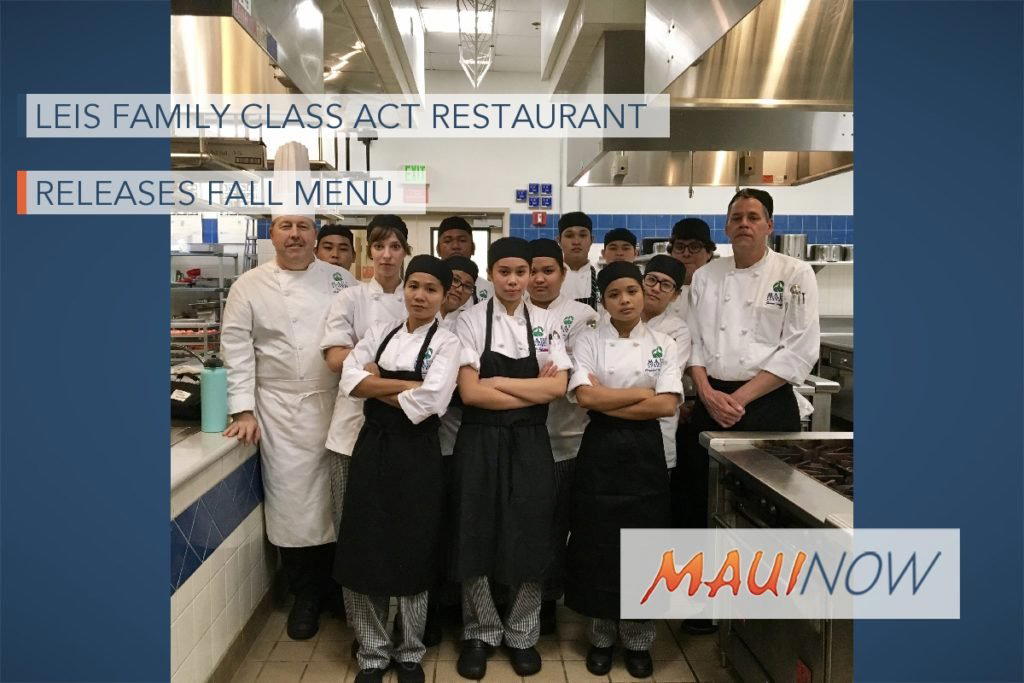
Where Maui's Hospitality Professionals Begin
Leis Family Class Act is a restaurant in Kahului, Maui, at Pa'ina, 310 W Kaahumanu Ave, with a price tier of 4 and a focus on Global Farm-to-Table Fine Dining. Kahului is Maui's functional core: the airport hub, the commercial corridor, the place where residents actually live and work rather than where visitors are typically directed. West Kaahumanu Avenue runs through that working fabric, and it is here, inside the Pa'ina facility at 310 W Kaahumanu Ave, that Leis Family Class Act occupies a specific and instructive niche in the island's dining scene. This is a training restaurant, operated through a culinary and hospitality education program, and understanding that context is the only meaningful way to read the experience it offers.
Training restaurants exist on a spectrum. At one end sit the collegiate fine-dining rooms attached to major culinary schools on the mainland, places that self-consciously mirror the format of destination restaurants such as The French Laundry in Napa or Le Bernardin in New York City. At the other end are canteen-style operations where the educational mission is visible but the dining experience is incidental. Leis Family Class Act sits between those poles, shaped by the specific realities of hospitality education in Hawaii, where the pipeline from classroom to industry is both shorter and more direct than in most continental markets.
The Cultural Weight of Hawaiian Hospitality Training
Hawaii's service culture carries particular expectations. The concept of aloha as a professional standard is not decorative language in the industry here; it functions as a baseline expectation that shapes hiring, training, and guest interaction across the full range of the island's hospitality sector, from resort dining rooms to neighborhood plates. Programs that train the next generation of Hawaiian hospitality workers are therefore doing something with cultural stakes beyond the technical. They are transmitting a set of values about how guests should be received and how food should connect to place.
That tradition has a visible lineage in Maui. The island's dining scene has grown substantially over recent decades, and the demand for trained, locally rooted hospitality professionals has grown with it. Kahului's position as the island's practical center makes it a logical home for this kind of institution. Visitors who move through Kahului's dining corridor, stopping at spots like Bistro Casanova or Fuego Argentinean Steakhouse along the same stretch, are moving through a dining environment substantially staffed by people who trained somewhere like this.
What a Training Restaurant Format Actually Means for Diners
The training restaurant format shapes the experience in ways that are worth being honest about before arrival. Service is executed by students, which means the rhythm of a meal here is different from a polished commercial operation. Timing between courses may vary. Explanations of dishes may be more studied than spontaneous. The margin of inconsistency is higher than at a comparable commercial restaurant. These are not flaws in the conventional sense; they are inherent features of a room where learning is the primary activity.
What the format also means is that the people serving you are genuinely invested in each table. Student servers and cooks are evaluated on their performance. The stakes for them are real in a way that differs from a seasoned professional running a familiar shift. That attentiveness, even when it is slightly uneven, is a defining characteristic of the training room experience that high-concept operations like Alinea in Chicago or Atomix in New York City spend years cultivating through different means.
For comparison, consider how the mainland positions its own training tables. Programs attached to institutions feeding pipelines toward restaurants like Lazy Bear in San Francisco, Providence in Los Angeles, or Addison in San Diego tend to operate with more formal fine-dining scaffolding, reflecting the markets their graduates will enter. The restaurant is training for Maui's specific hospitality economy, which has its own texture and its own demands.
Kahului's Dining Context and Where This Fits
The dining options on West Kaahumanu Avenue and the surrounding Kahului commercial zone range across price points and cuisines. Amigo's and Las Pinatas of Maui represent the area's accessible Mexican-American segment. Brigit and Bernard's Garden Cafe operates in the casual daytime cafe register. The restaurant does not compete directly with any of these. Its purpose and its audience are distinct: diners who understand they are participating in an educational environment and come with expectations calibrated accordingly.
That distinction matters when thinking about what Kahului's dining scene offers overall. The town is not a destination dining environment in the way that, say, a city with a cluster of Michelin-recognized rooms might be. It is a working town with practical dining infrastructure. The training restaurant adds a layer to that infrastructure that is civic in its function, supplying the industry with trained workers while giving the community access to a supervised, structured dining experience at a price point shaped by educational rather than commercial imperatives.
Planning a Visit
Because the restaurant operates on an academic calendar, availability is tied to semester timing rather than year-round service. Prospective diners should plan around the academic calendar, particularly during breaks between academic terms when the dining room may not be in service. The address at 310 W Kaahumanu Ave places the venue within easy reach of central Kahului, accessible by car from the main commercial corridor and from the airport, which sits a short drive north. Reservations are essential.
Budget Reality Check
Comparable venues nearby, for context on price, style, and recognition.
| Venue | Cuisine | Price | Notes |
|---|---|---|---|
| Leis Family Class ActThis venue — the venue you are viewing | Not listed | $$$$ | Not listed |
| Rainbow Terrace Dining Room | Not listed | $ | Kahului, Local-Style Hawaiian Fusion Buffet |
| Fuego Argentinean Steakhouse | Not listed | $$ | Kahului, Argentinean Steakhouse with Wood-Fired Grill |
| Tin Roof Maui | Kahului, Local Hawaiian Takeout | $$ | Not listed |
| Marco's Grill & Deli | Kahului, Italian-American Comfort | $$ | Not listed |
| Bistro Casanova | Not listed | $$ | Kahului, Italian Bistro with Maui Influences |
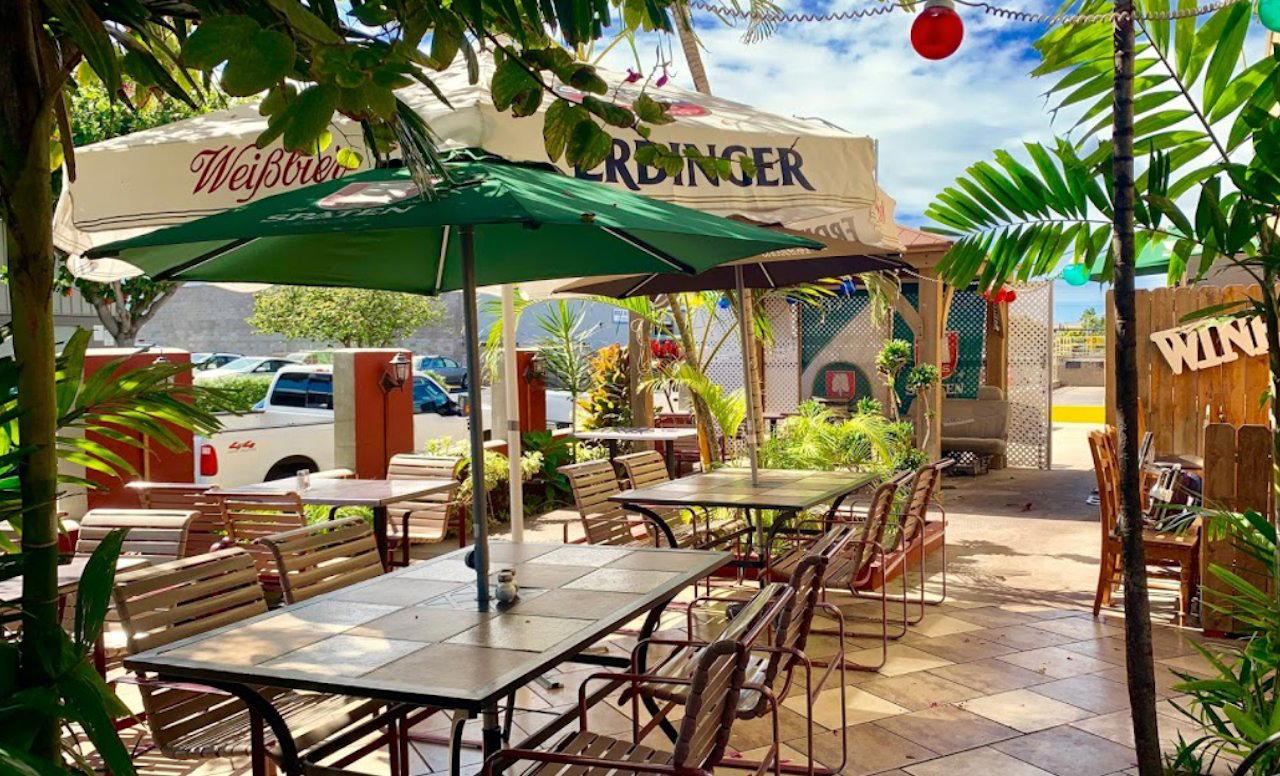
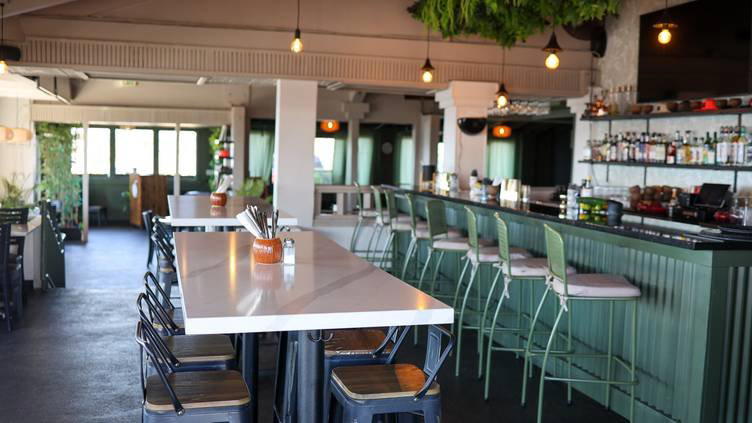
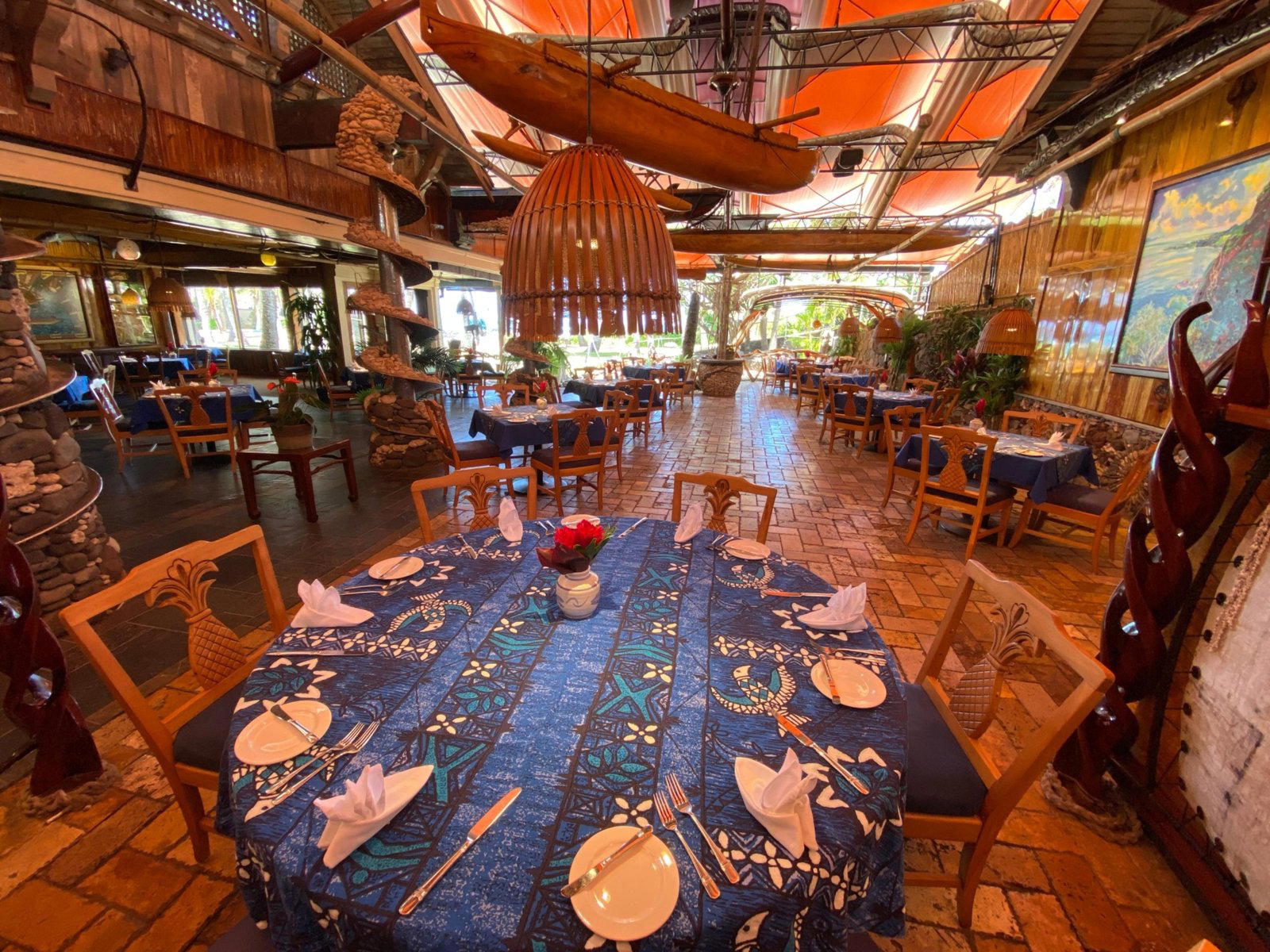
At a Glance
- Elegant
- Sophisticated
- Scenic
- Special Occasion
- Date Night
- Celebration
- Open Kitchen
- Waterfront
- Panoramic View
- Byob
- Farm To Table
- Local Sourcing
- Waterfront
- Mountain
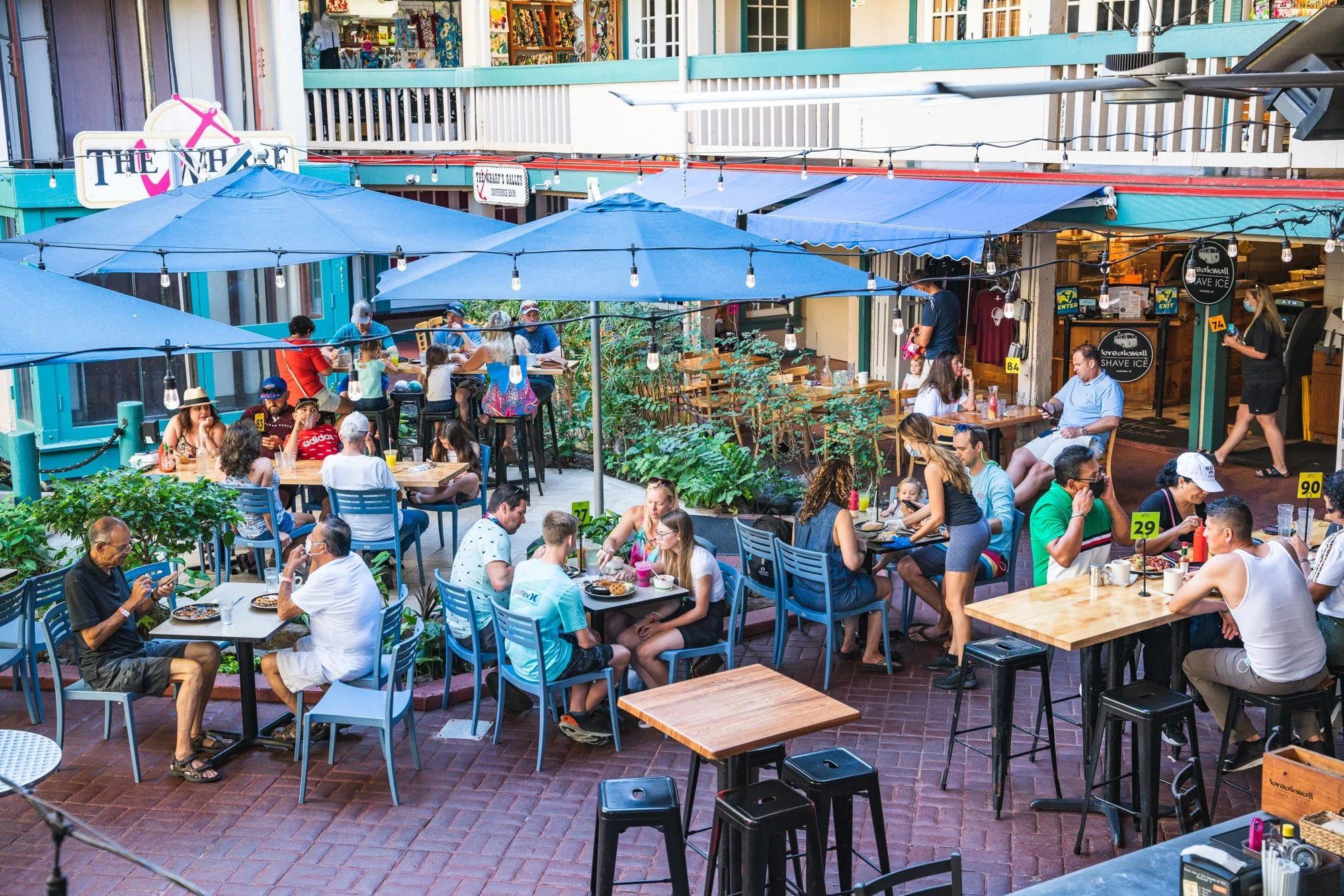
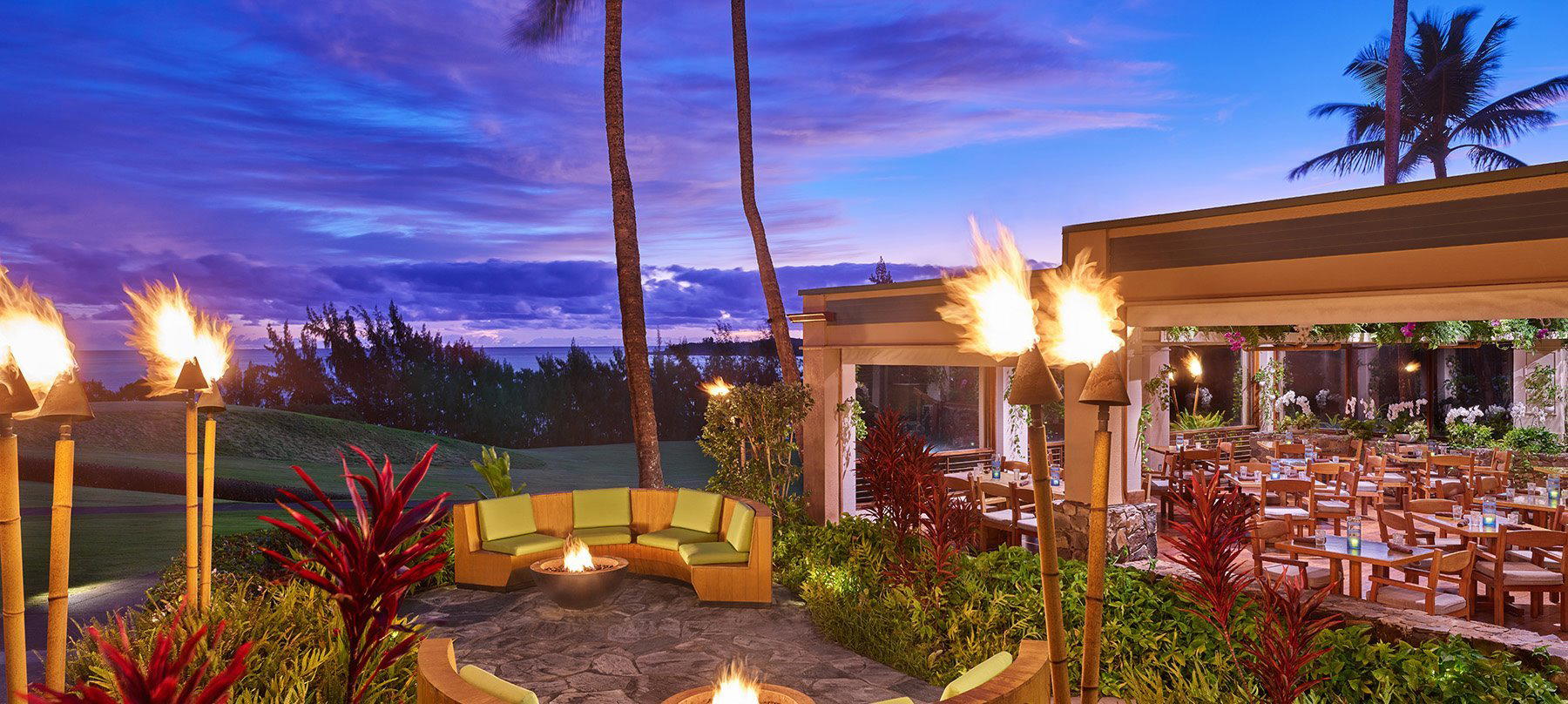
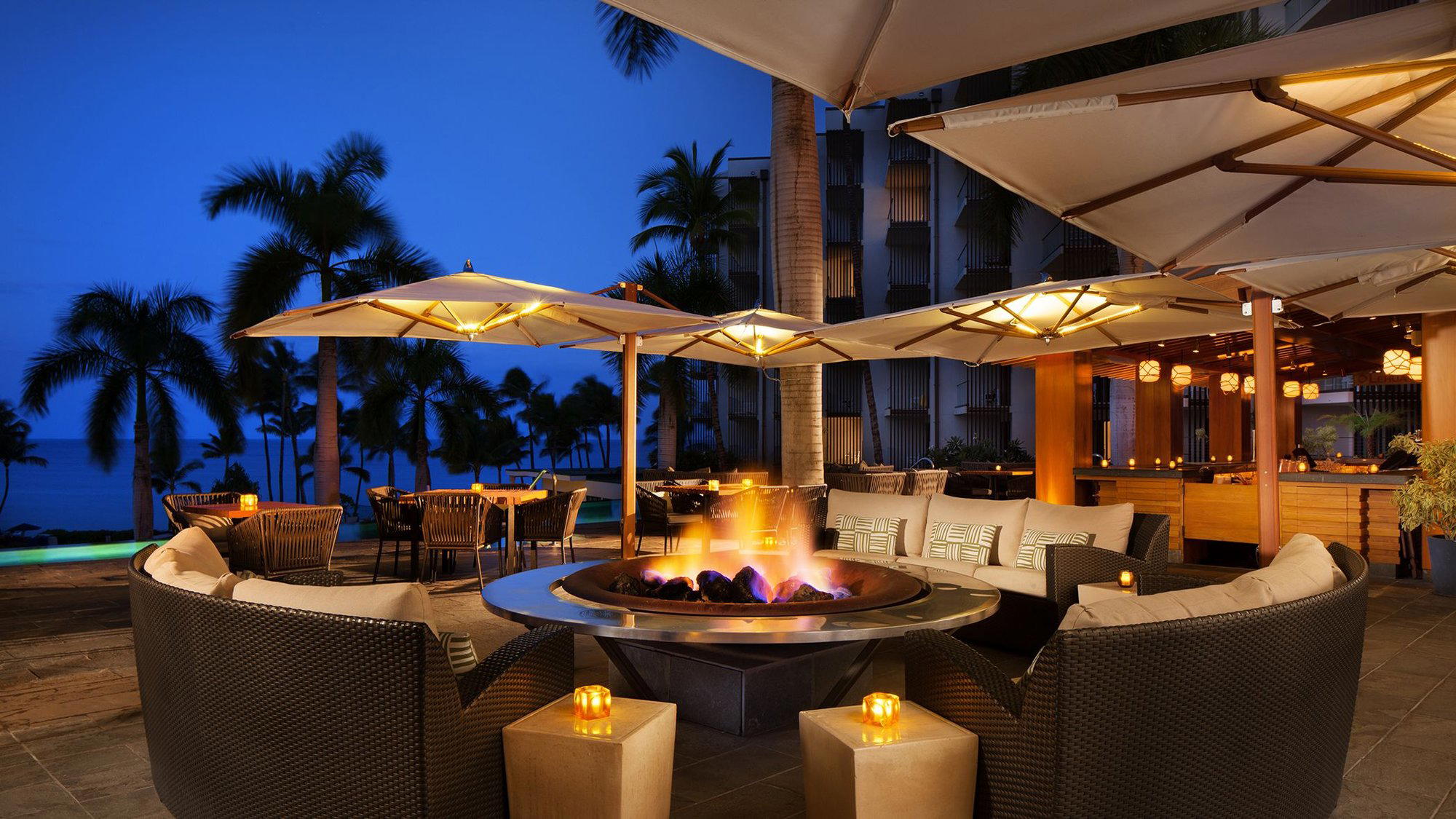
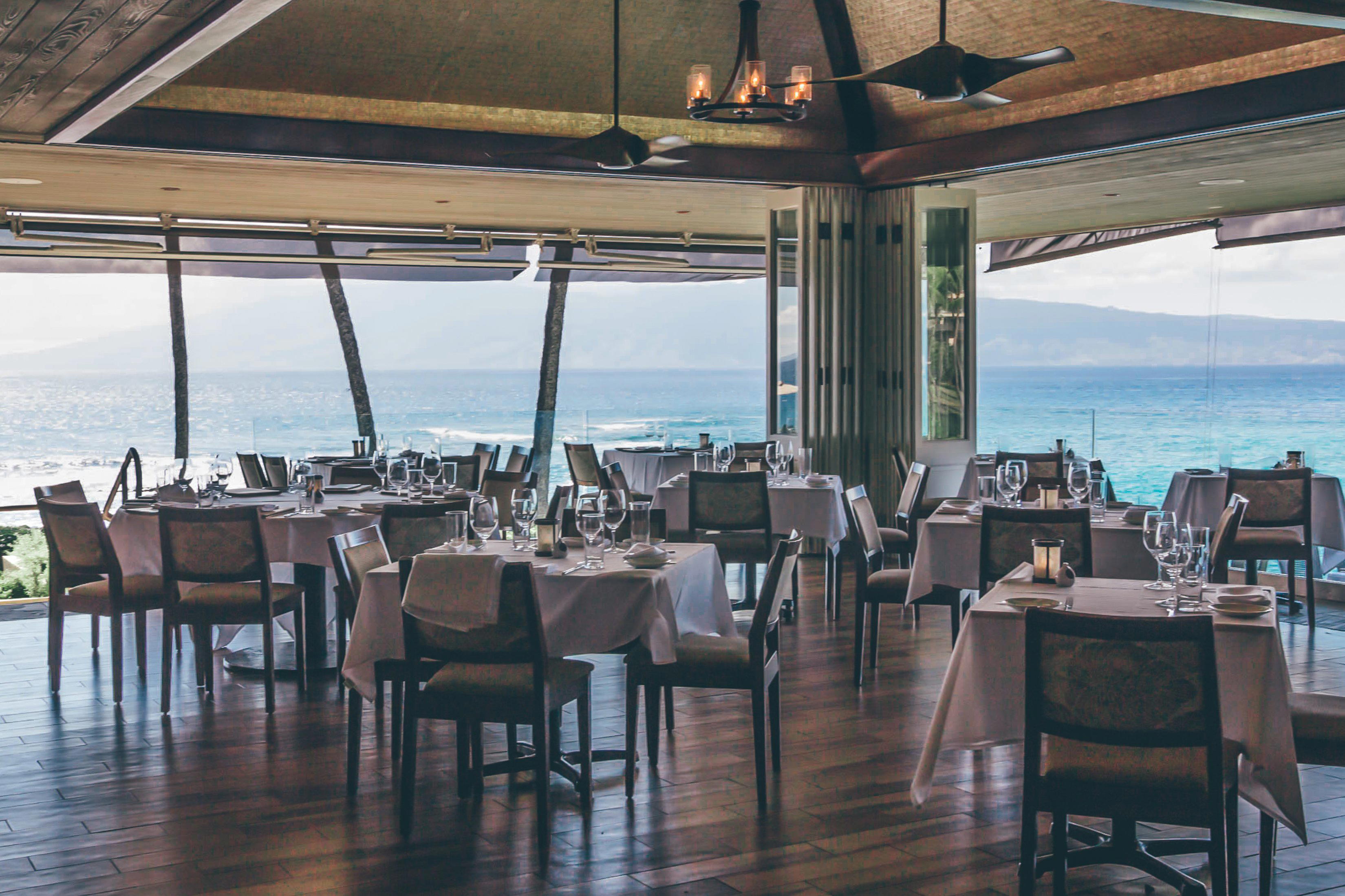
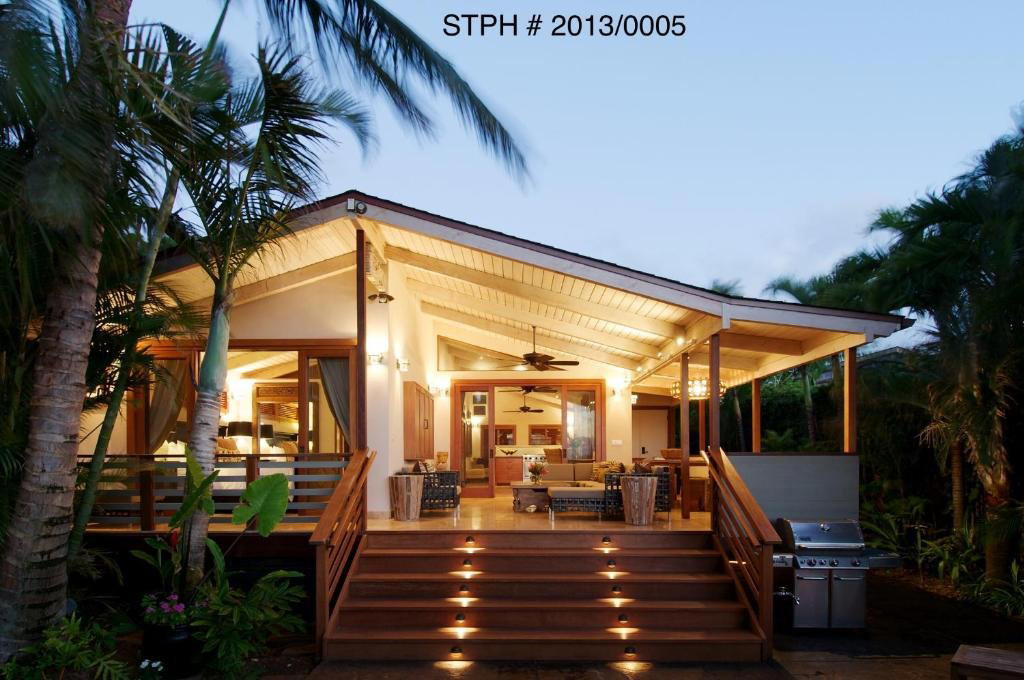
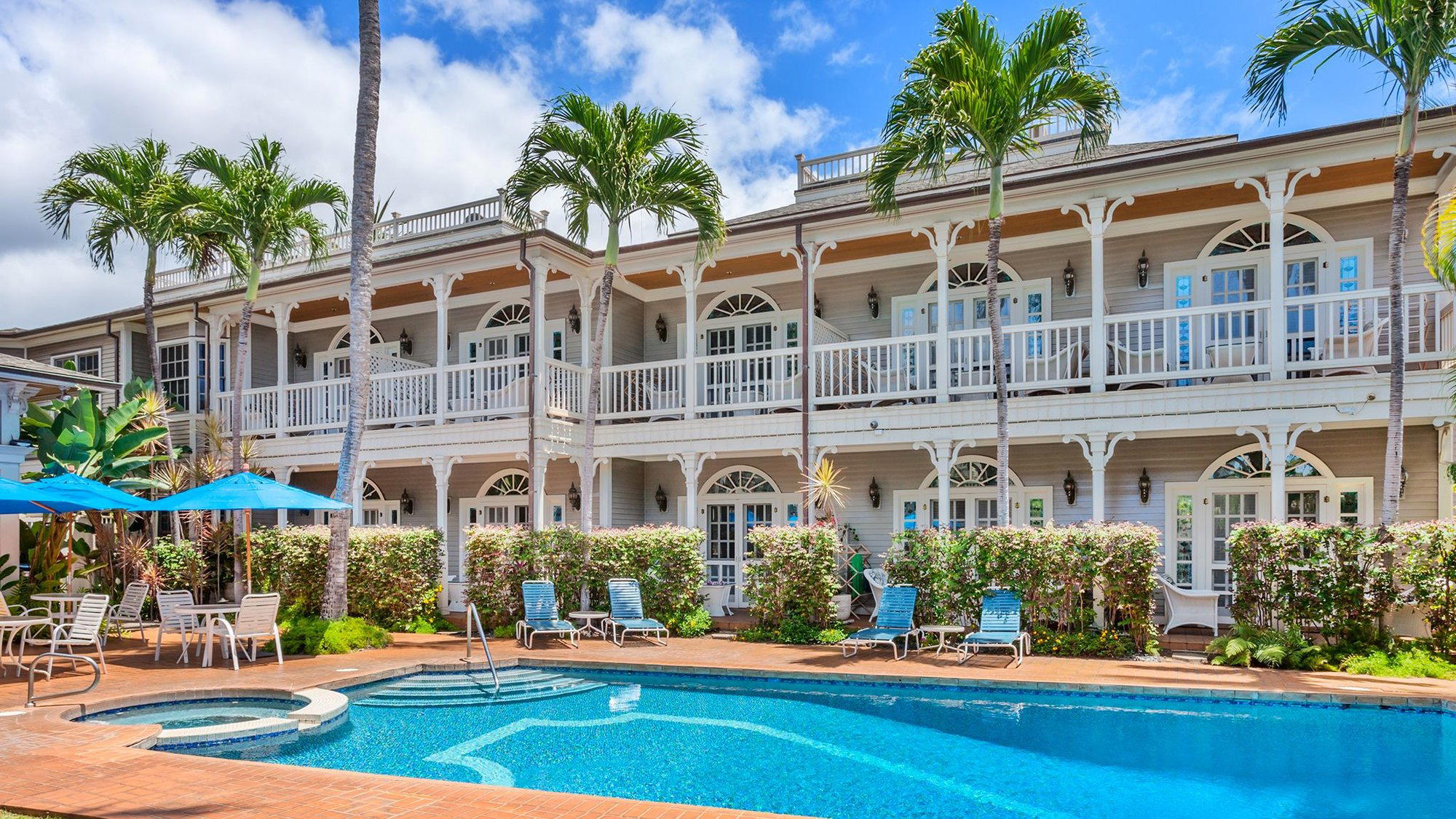
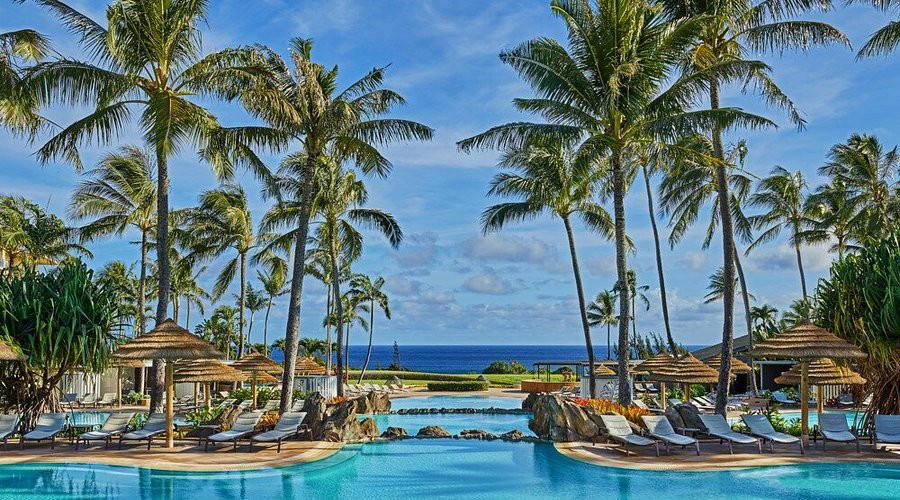
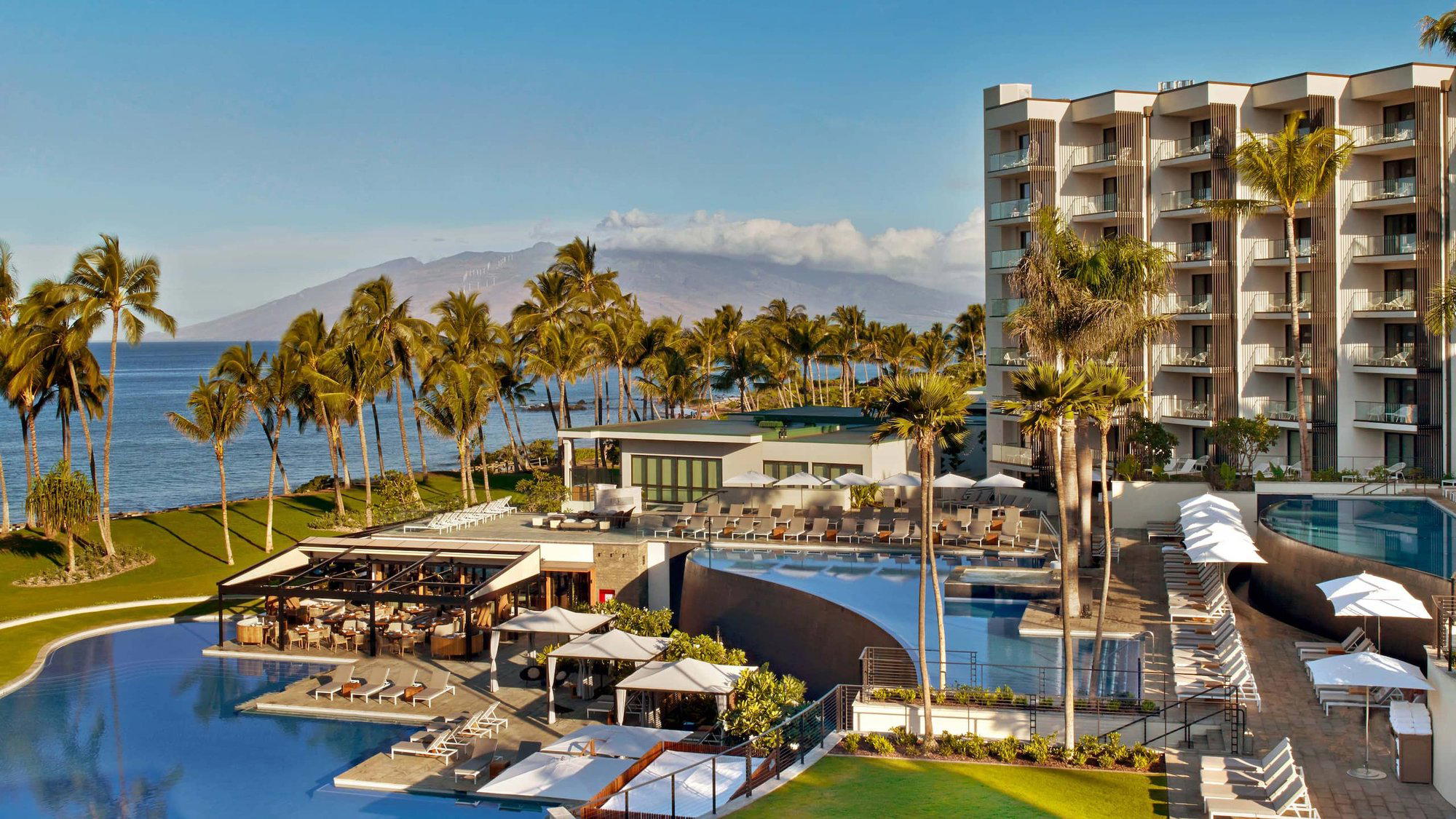
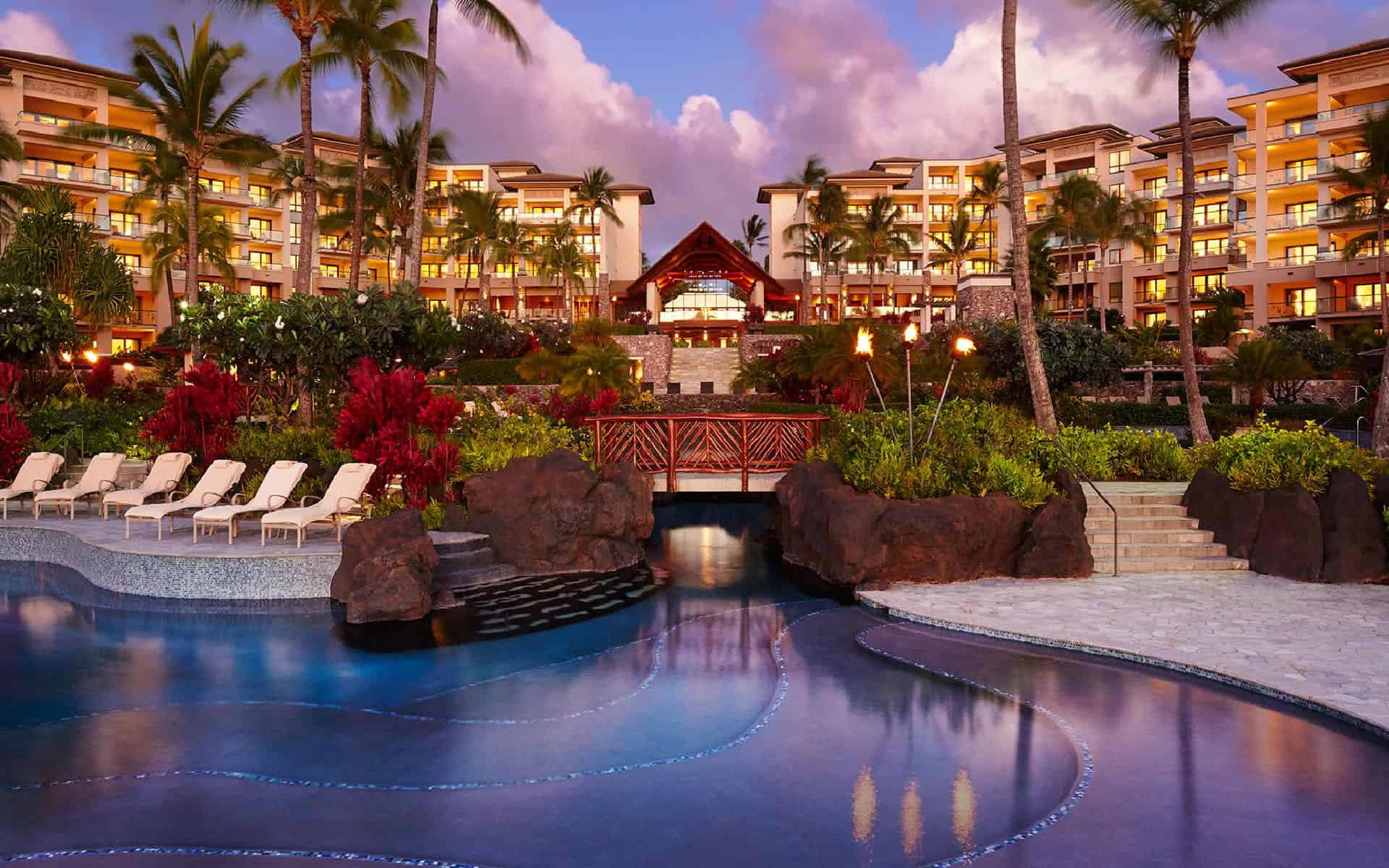
Refined and professional atmosphere with an open kitchen concept allowing diners to observe culinary students at work; intimate fine dining setting with ocean and mountain views.