Fuego Argentinean Steakhouse
Fuego Argentinean Steakhouse brings South American fire-cooking traditions to Maui Lani Pkwy in Kahului, placing an asado-influenced steakhouse format within a Maui dining scene built largely around Pacific Rim and Hawaiian cuisines. For visitors and residents seeking char-driven, meat-forward cooking away from the island's seafood-dominant mainstream, Fuego occupies a distinct niche in the Kahului lineup.
Pearl is the En Primeur Club membership app — saves, bookings, and concierge access live there. Same editors, same standards.
- Address
- 1333 Maui Lani Pkwy, Kahului, HI 96732
- Phone
- +18086334436
- Website
- fuegosteakhousemaui.com
- Directions
- Get directions
 Saves & bookings on Pearl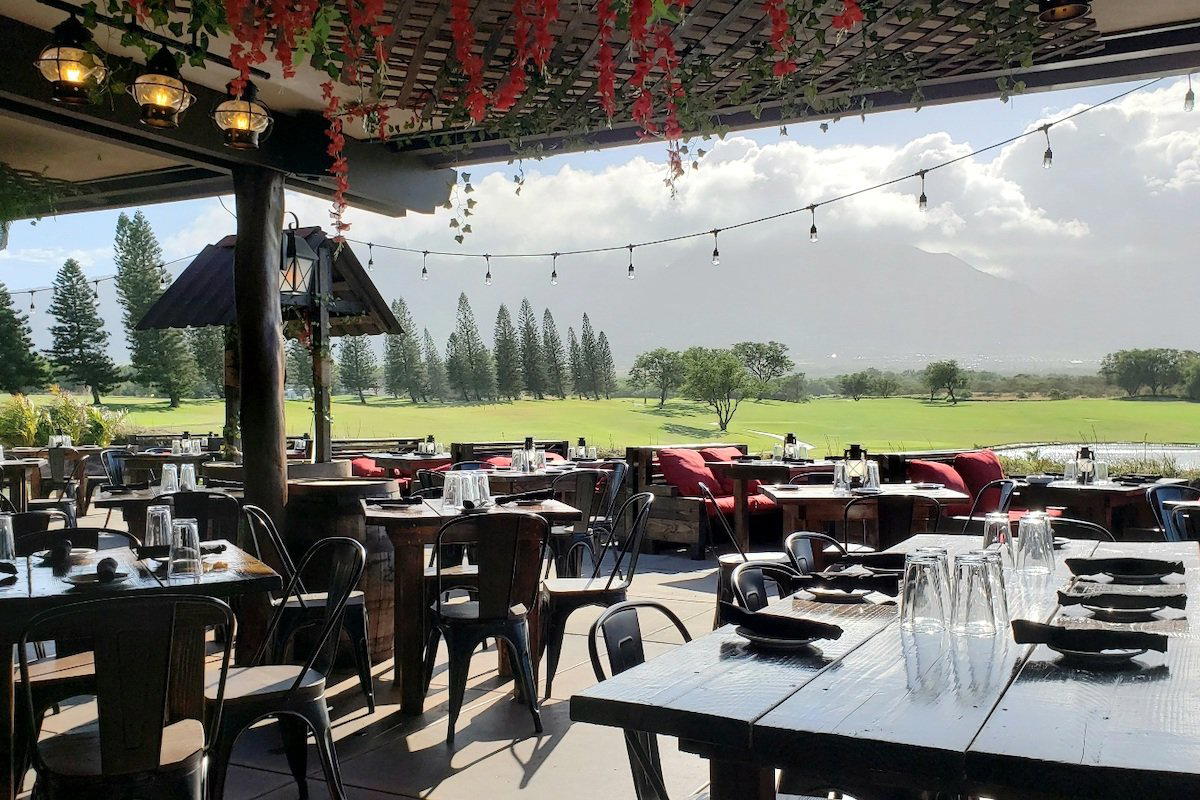
Where the Asado Tradition Meets the Central Maui Table
Kahului sits at the working heart of Maui: the airport town, the port town, the place where goods arrive and locals shop. Its restaurant scene reflects that identity. It runs toward plate lunches, Hawaiian comfort food, and the kind of casual Pacific Rim cooking that suits a population moving between jobs and errands rather than settling in for a long dinner. Within that context, an Argentinean steakhouse on Maui Lani Pkwy is a genuine editorial curiosity, and Fuego Argentinean Steakhouse is exactly that kind of outlier worth examining.
The asado tradition, which Argentina exports as readily as its wine, is built around fire management as a culinary discipline. Wood or charcoal, slow heat, large cuts left to cook on their own terms — the technique privileges patience over precision in the modernist sense. In the continental United States, that tradition has settled into particular corridors: Miami's Little Havana-adjacent steakhouses, the Argentine-inflected rooms of New York's Midtown, and scattered outposts in cities with significant Latin American populations. In Hawaii, it arrives as something considerably rarer, placed against a dining culture where the protein of choice is more likely poke or kalua pork than a bone-in rib cut finished over wood smoke.
Fire-Cooking in a Pacific Context
The sensory grammar of an Argentinean steakhouse is distinct enough to read immediately on entry. The smell of charred fat and wood smoke reads differently from the clean citrus and fish notes that dominate much of Maui's restaurant air. That contrast is part of what gives a venue like Fuego its orientation within Kahului's dining geography. The cooking format signals its tradition before any menu is opened.
South American fire-cooking traditions tend to organize the dining room around the parrilla — the grill station that functions as both cooking instrument and theatrical centerpiece. Where a French kitchen hides its line, and a Japanese counter reveals its knife work, the asado-derived room typically lets the fire do the visual and olfactory work. The heat, the smoke, and the sound of fat hitting coals form an ambient backdrop that shapes the experience from arrival through the meal. This is a format that earns its atmosphere through process rather than decor.
Kahului does not have a strong steakhouse tradition to place Fuego within, the town's dining scene is better mapped through Amigo's for casual Mexican, Bistro Casanova for European-leaning bistro cooking, or Brigit & Bernard's Garden Cafe for a more relaxed garden-setting meal. Las Pinatas of Maui and Leis Family Class Act round out a lineup that skews toward approachable, mid-range, casual-to-moderate dining. Fuego's format as a meat-forward fire-cooking concept places it outside all of those reference points, which is both its differentiator and the reason it draws a particular type of diner: one seeking something specific rather than something convenient.
What the Argentine Steakhouse Format Asks of the Diner
Commitment is the operating principle of a proper asado-style meal. Cuts are typically ordered whole, portions run large, and the rhythm of service follows the fire rather than a timed kitchen brigade. For diners accustomed to tasting menus where each course arrives in a prescribed sequence, the kind of discipline you find at Le Bernardin in New York City or The French Laundry in Napa, the asado format operates on a different logic entirely. There is no progression toward refinement; the meal is built around abundance and fire from the first plate to the last.
That format also tends to be democratic in a way that highly structured tasting menus are not. The table shares. The wine, typically Malbec or a Torrontés if you're ordering regionally, moves around. The cuts arrive when the fire decides they're ready. Venues at the far end of the technical precision spectrum, from Atomix in New York City to Atelier Moessmer Norbert Niederkofler in Brunico, represent one pole of contemporary fine dining. The Argentine steakhouse sits at a different pole: instinctual, communal, and organized around the pleasures of heat and protein in their most direct form.
In the broader American steakhouse conversation, the South American format occupies a niche distinct from USDA-graded dry-aged programs and from the chophouse tradition. Restaurants like Smyth in Chicago, Lazy Bear in San Francisco, or Providence in Los Angeles operate in a register of technical ambition that the asado tradition does not pursue. But that is not a criticism. The Argentine approach makes a different argument about what dinner should be, and Fuego's presence in Kahului is an expression of that argument in an unexpected geography.
Planning Your Visit to Maui Lani
Fuego sits at 1333 Maui Lani Pkwy in Kahului, in the Maui Lani neighborhood that has developed as one of the town's newer residential and commercial corridors. For visitors arriving through Kahului Airport, the location is logistically direct: Maui Lani sits a short drive from the terminal and from the central shopping district that most visitors pass through on arrival or departure. This makes Fuego a reasonable option for a first or last meal on the island, particularly for travelers who have spent days eating Pacific-inflected food and are looking for something that moves in a different direction before the flight home.
Maui's high seasons, broadly speaking, track winter (December through March, when mainland cold-weather visitors arrive) and summer (June through August, family travel season). Both periods bring increased traffic to Kahului's dining options, and a dinner reservation at any restaurant with a following will perform better than a walk-in attempt during those months. The shoulder periods of April, May, September, and October typically offer more availability and a local-leaning crowd that knows the room differently than a tourist rush does.
For broader context on where Fuego fits within Kahului's dining options, the our full Kahului restaurants guide maps the town's categories and price tiers. Visitors who want reference points in the fire-cooking and produce-driven American tradition outside Hawaii might also look at Blue Hill at Stone Barns in Tarrytown, Single Thread Farm in Healdsburg, Addison in San Diego, Emeril's in New Orleans, or The Inn at Little Washington in Washington for a sense of how American fine dining handles the fire-and-produce brief at its most refined end, a useful contrast to what a dedicated asado-format room is doing.

At a Glance
- Rustic
- Lively
- Scenic
- Cozy
- Date Night
- Group Dining
- Family
- Casual Hangout
- Brunch
- Panoramic View
- Open Kitchen
- Standalone
- Extensive Wine List
- Craft Cocktails
- Local Sourcing
- Mountain
- Garden
Current opening hours
- Monday
- 8 AM–9 PM
- Tuesday
- 8 AM–9 PM
- Wednesday
- 8 AM–9 PM
- Thursday
- 8 AM–9 PM
- Friday
- 8 AM–9 PM
- Saturday
- 8 AM–9 PM
- Sunday
- 8 AM–9 PM
Hours can change for holidays and private events. Last verified .
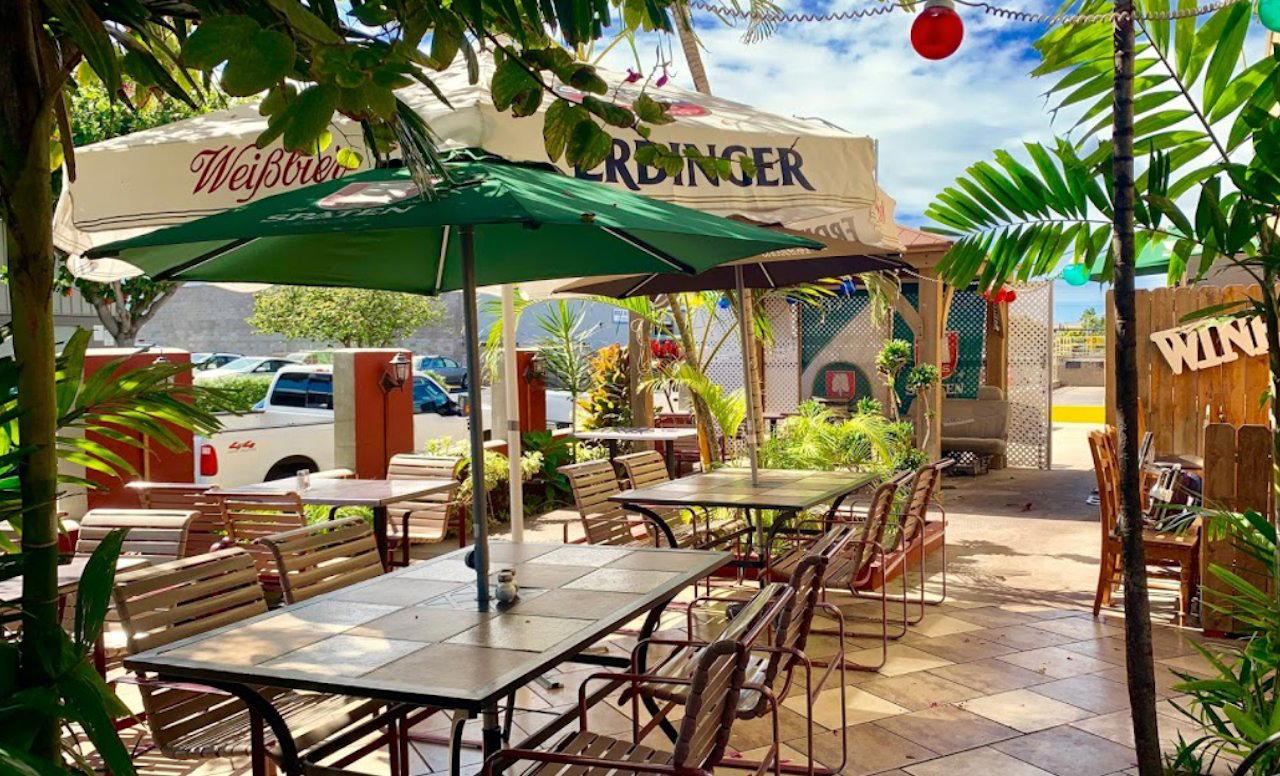
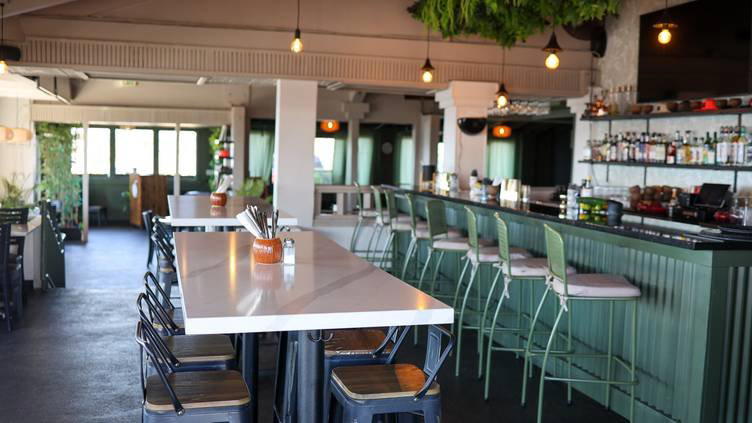
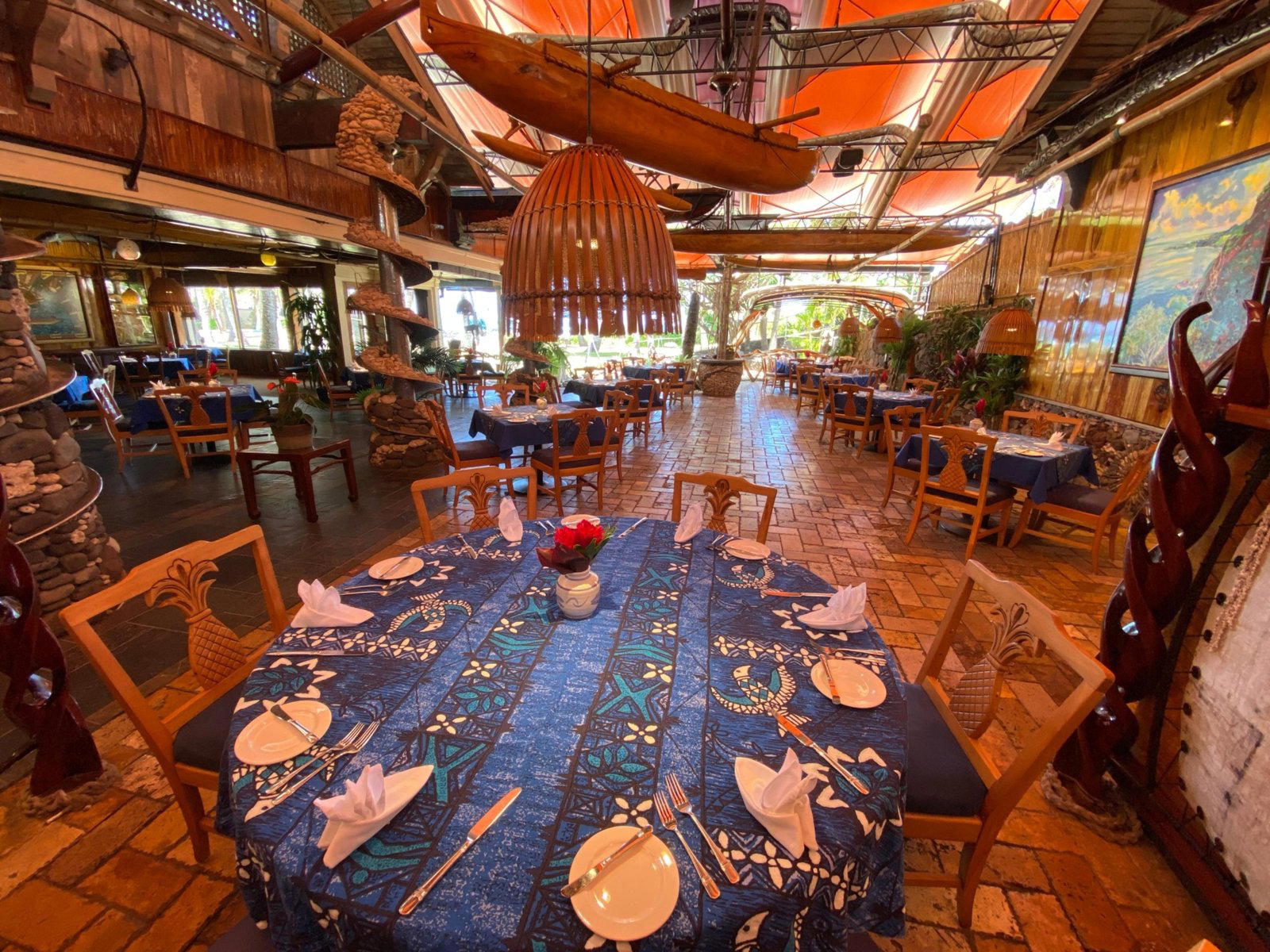
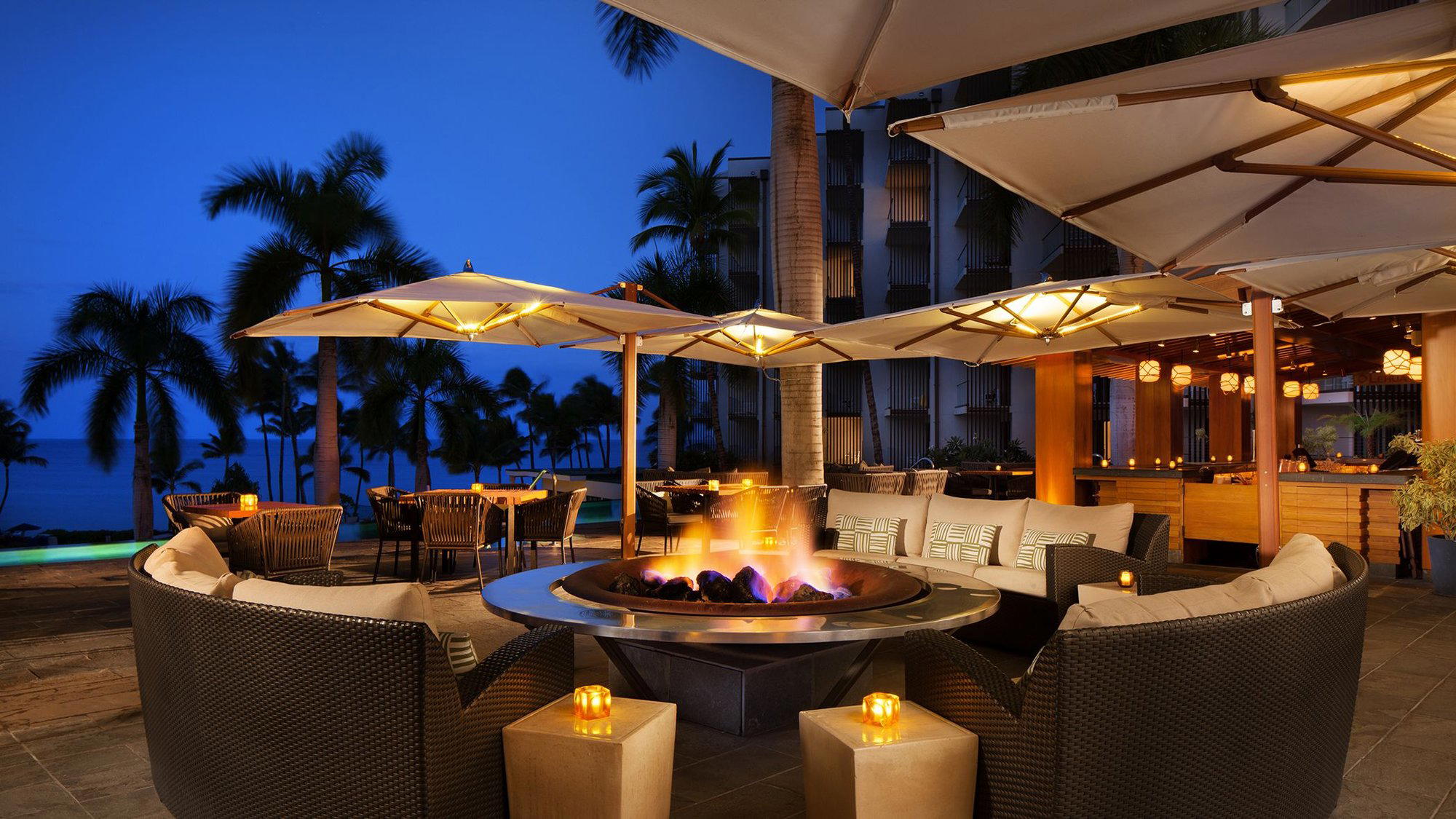
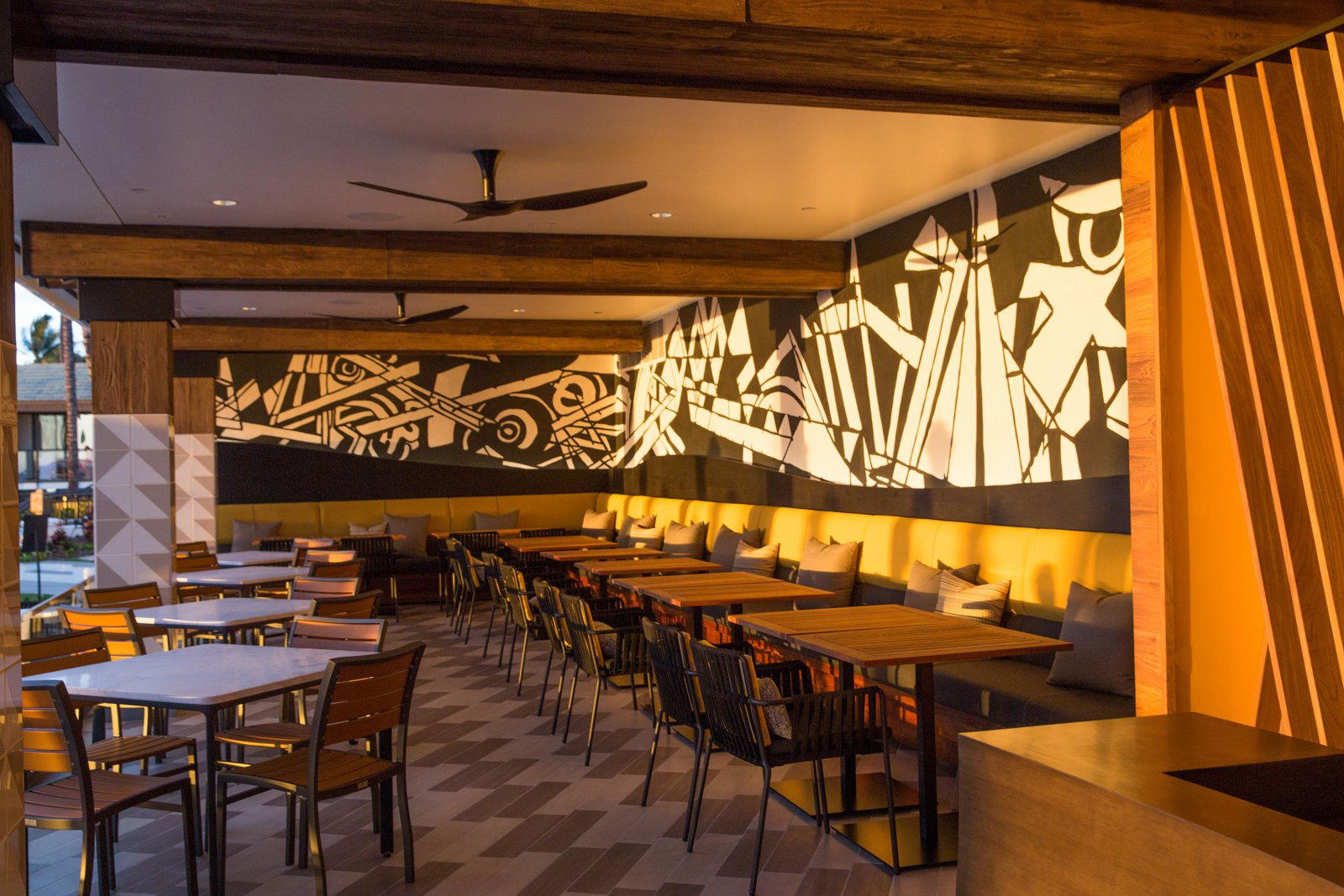
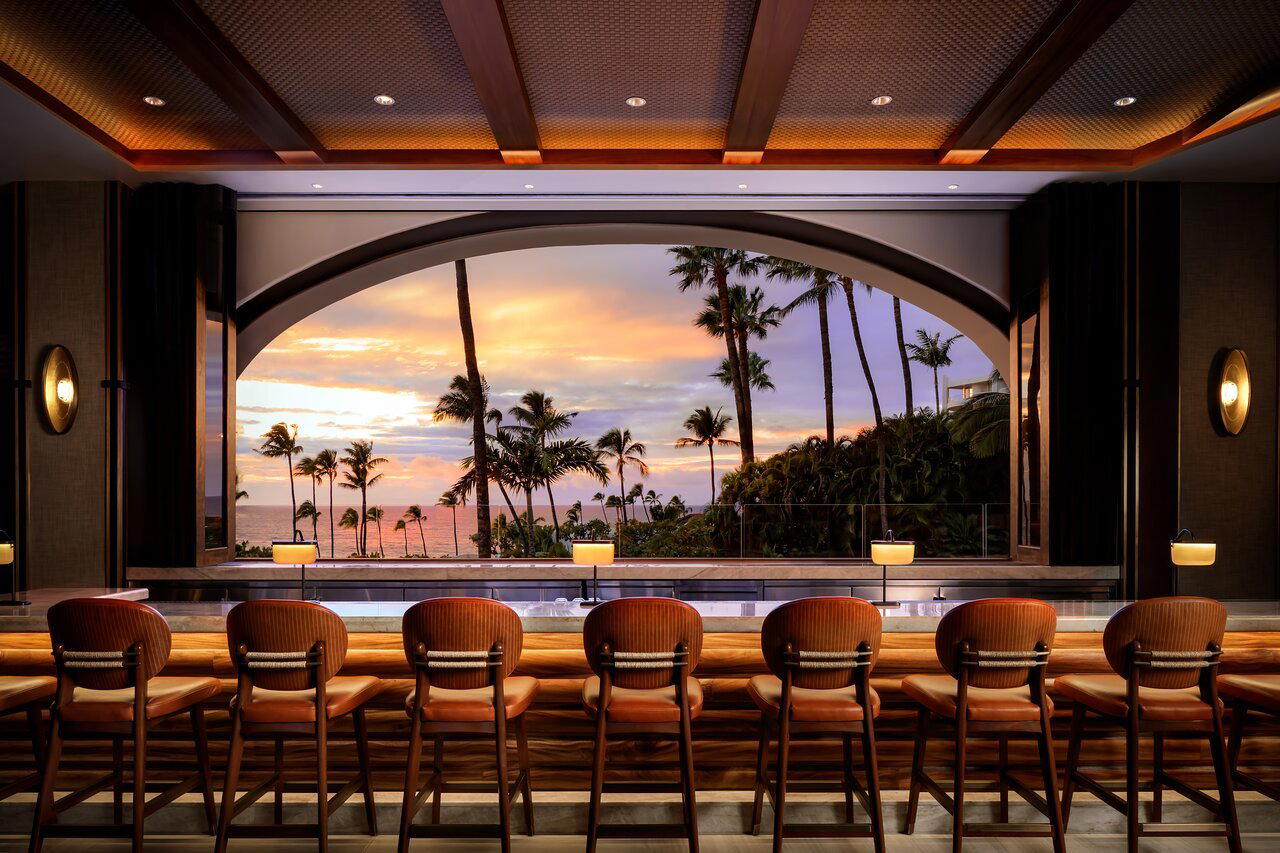
Rustic Argentinean-inspired decor with soft music, interwoven greenery, and a lively cocktail bar atmosphere.
Know Before You Go
- Getting there
- 1333 Maui Lani Pkwy, Kahului, HI 96732