LEAF

LEAF operates from a residential corner of Strašnice, Praha 10, with a format built around four- or seven-course vegetable-forward set menus and a matched wine flight. The kitchen sources from regional Czech producers, using meat and fish as occasional punctuation rather than the main event. Large windows, a live cress-and-herb counter installation, and a deliberately unhurried pace distinguish it from the city's more conventional fine-dining offer.
Pearl is the En Primeur Club membership app — saves, bookings, and concierge access live there. Same editors, same standards.
- Address
- Dubečská 8, Strašnice, 100 00 Praha-Praha 10, Czechia
- Phone
- +420 608 160 670
- Website
- r-leaf.cz
- Directions
- Get directions
 Saves & bookings on Pearl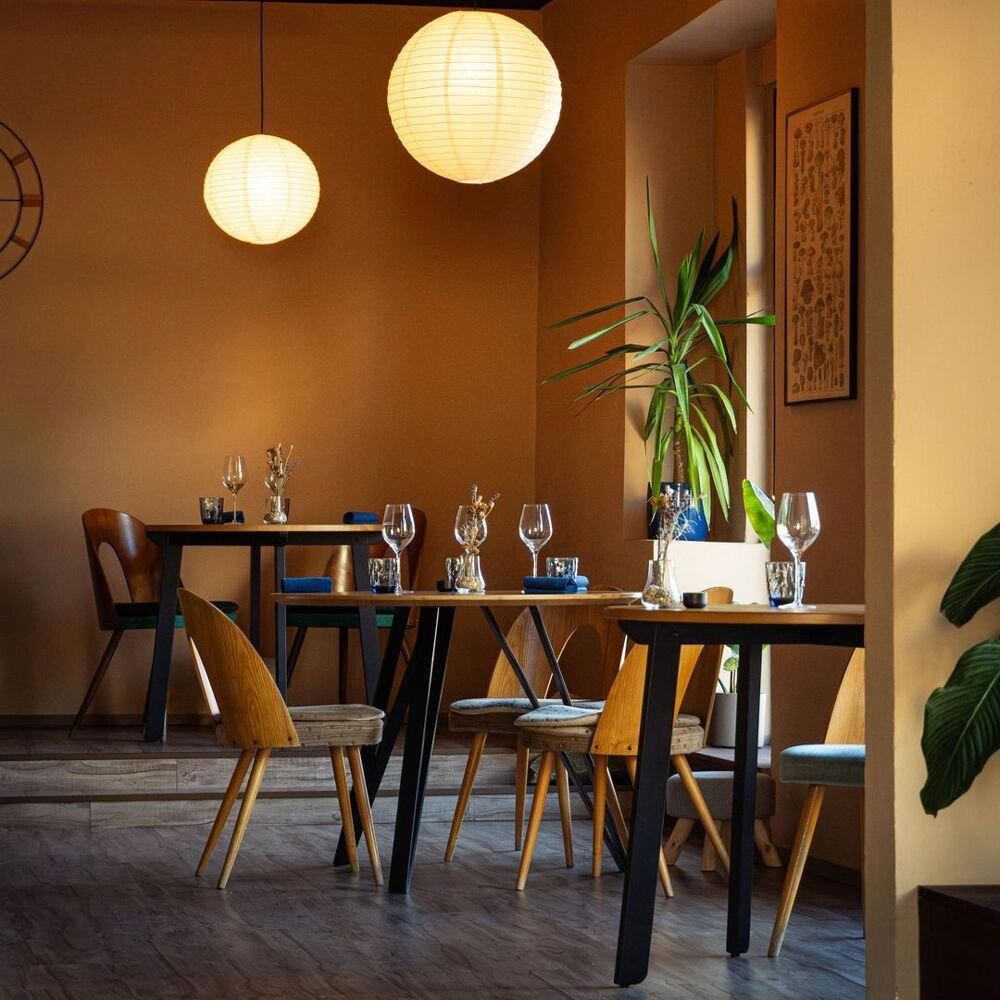
A Different Register: Vegetable-Led Fine Dining in Strašnice
Prague's serious dining scene has long concentrated in the First District, where Michelin-starred addresses cluster within walking distance of the Old Town. The further you move from that gravitational centre, the more the city's restaurant map thins out into neighbourhood bistros and traditional Czech pub kitchens. LEAF, at Dubečská 8 in the residential district of Strašnice, represents something different: a structured, vegetable-led tasting menu operation in a part of Praha 10 better known for its proximity to the university than for destination dining. That displacement places LEAF in a small cohort of European restaurants that have chosen neighbourhood settings to signal a quieter, more deliberate kind of dining.
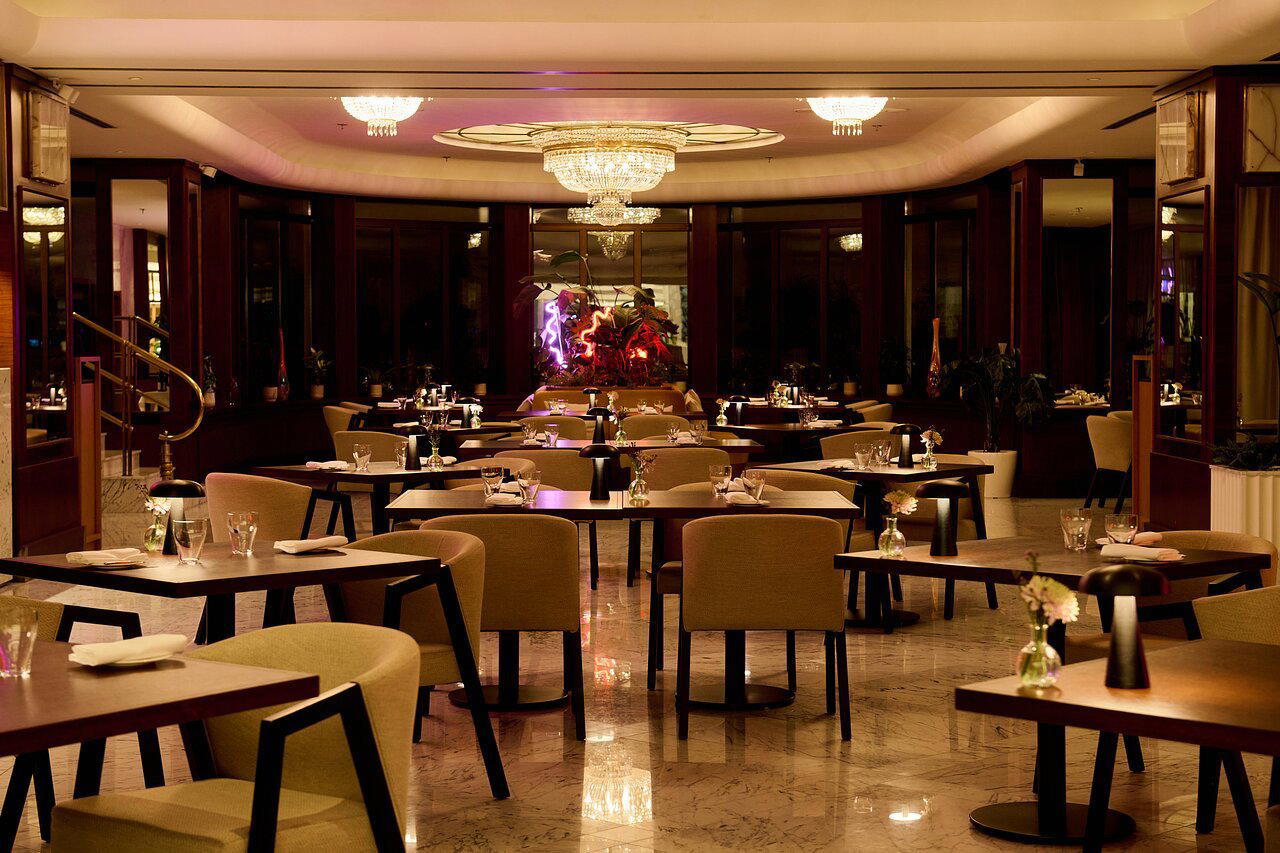
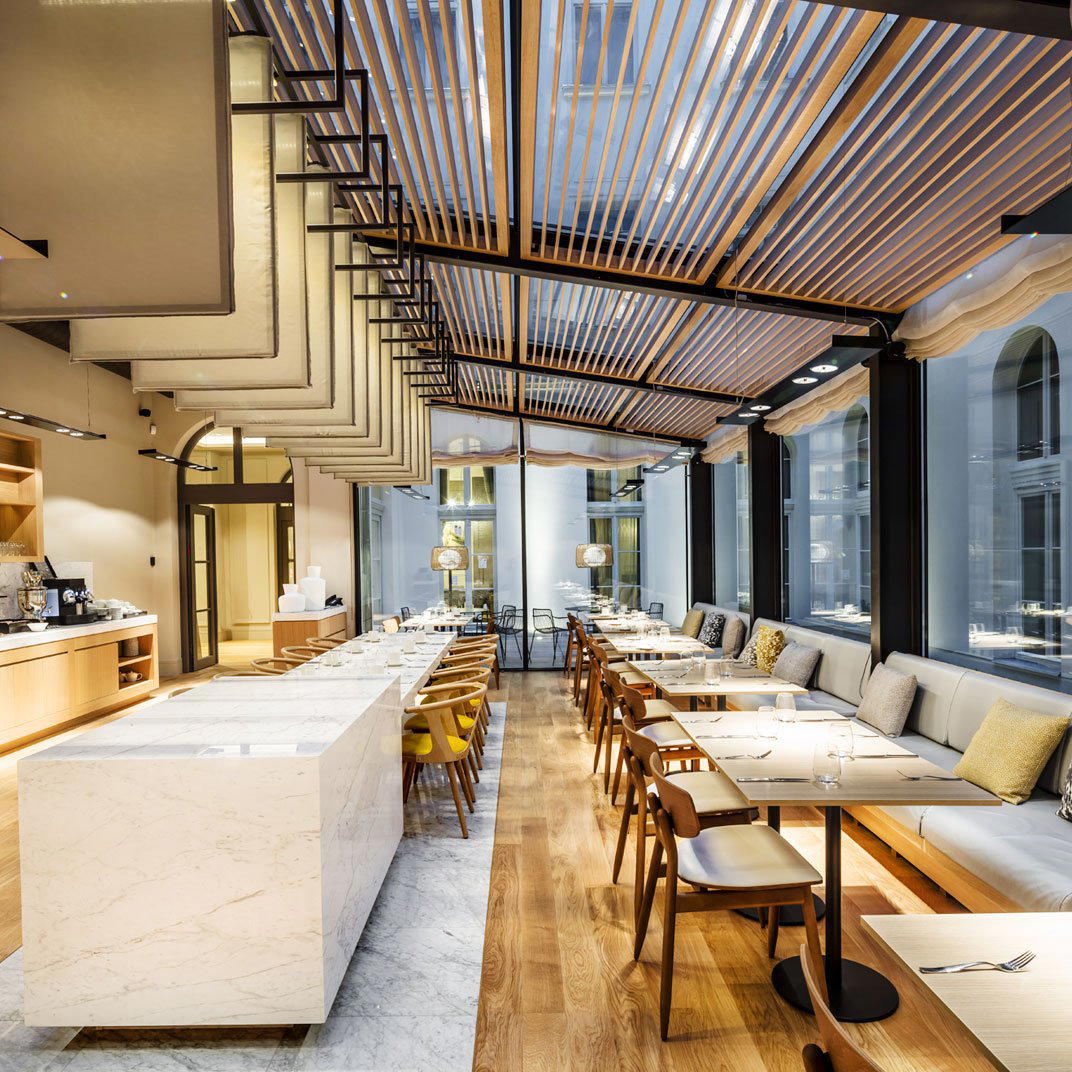
The room reinforces that positioning the moment you approach it. Large windows open the interior to the street, giving the dining room a transparency that most tasting-menu kitchens deliberately avoid. Inside, the design is sleek and modern without performing luxury in the conventional sense. The element that anchors the space is a raised bed of cress and living spices integrated directly into the counter, a living herb installation that functions as both kitchen garden and visual centrepiece. It is an unusually direct statement about the kitchen's orientation: the ingredients themselves are part of the décor, not hidden in a basement cold room.
How the Menu Is Built
The structure at LEAF is direct in its architecture but pointed in its implications. Diners choose between a four-course or seven-course set menu, both of which are predominantly vegetarian. Meat and fish appear, but sparingly, used as accents within a framework that puts seasonal produce and regional sourcing at the centre. That ratio inverts the traditional Czech fine-dining model, where protein anchors every plate and vegetables fill supporting roles.
Choice between four and seven courses is itself a meaningful editorial decision by the kitchen. A four-course format is lean enough to communicate restraint rather than abundance; it forces each dish to carry weight. The seven-course version allows for more developmental logic, where the sequence of the meal can build an argument across the table rather than simply delivering a series of individual plates. This kind of deliberate menu architecture, where the number of courses is not just a pricing tier but a statement of intent, places LEAF closer in philosophy to the structured omakase model than to the more common à la carte-plus-tasting-menu hybrid found at many Czech restaurants in this price bracket.
Regional producers supply the core ingredients. This is not an unusual claim in contemporary European fine dining, where farm-to-table language has become default. What distinguishes the commitment at LEAF is how it shapes the vegetable-forward grammar of the menu: sourcing from regional Czech producers within a mostly plant-based framework means that seasonal availability drives the menu in a more fundamental way than it would in a kitchen where protein anchors the dishes and vegetables are sourced opportunistically. The menu, in other words, is structured to foreground what Czech land and Czech seasons actually produce.
The Wine Flight and the Logic of Matching
A dedicated wine flight has been composed to move with the courses, which is standard practice at this level of dining but worth examining for what it implies. Pairing a wine flight to a vegetable-led menu presents a different set of challenges than pairing to protein-forward cooking. Tannin management becomes less of a concern; acidity, texture, and weight become more significant variables. The fact that the flight has been specifically devised for this menu rather than assembled from a general list suggests that the drinks program is treated as an extension of the kitchen's logic rather than a separate revenue layer. That integration matters for how the meal reads as a whole experience.
La Degustation Bohême Bourgeoise operates at the summit of that bracket, where French-Czech tasting menus run to multiple courses with matched service standards. Alcron represents the Modern European end of the city's structured dining offer. LEAF does not compete in that same central, high-visibility tier. It occupies a more deliberately low-profile position, one that functions as its own kind of quality signal for diners who know what they are looking for.
Service and Atmosphere
The service at LEAF is described as friendly and professional, a combination that is less obvious than it sounds in the context of vegetable-led tasting menus, where some kitchens lean toward a kind of earnest didacticism that can make the experience feel more like a seminar than a meal. The tone here sits in a different register: knowledgeable without being instructional, attentive without the formality that sometimes calcifies at this level of dining. That balance matters in a room where the aesthetic is already doing a lot of communicative work through the living herb counter and the large windows.
The 420 Restaurant, Alma, and Amano each represent distinct points on that spectrum. ARRIGŌ in Děčín, ATELIER bar and bistro in Brno, Babiččina zahrada in Průhonice, Bohém in Litomyšl, Cattaleya in Čeladná, and Chapelle in Písek are all worth tracking as part of a broader picture of where Czech cooking is heading.
Atomix in New York City, where course-by-course narrative structure defines the experience, and at the other end of the protein spectrum, institutions like Le Bernardin in New York City, where product singularity and sourcing discipline underpin the entire menu logic. LEAF operates at a different scale and in a different city context, but the underlying commitment to menu architecture over menu abundance places it in the same broader conversation about what a set menu is actually for.
Planning Your Visit
LEAF is located at Dubečská 8, Strašnice, Praha 10, a residential part of the city that requires a specific intention to reach rather than a casual walk-by. The metro or tram network connects Strašnice to the city centre efficiently enough that travel time should not discourage a visit, but it is worth building the evening around the restaurant rather than treating it as one stop in a central-district itinerary. Reservations are recommended. The four-course menu suits a focused weeknight visit; the seven-course format warrants a longer evening.
Accolades, Compared
Comparable venues nearby, for context on price, style, and recognition.
| Venue | Cuisine | Price | Awards | Notes |
|---|---|---|---|---|
| LEAFThis venue — the venue you are viewing | Contemporary Farm-to-Table | $$$ | Michelin Plate | Not listed |
| Bockem | Contemporary Czech with European Influences | $$$ | Michelin Plate | Mala Strana |
| Grand Cru | Modern International Fine Dining | $$$ | Michelin Plate | Pelc Tyrolka |
| Mlýnec | Modern Czech Fine Dining | $$$ | Michelin Plate | Josefov |
| U Matěje | Modern Czech Cuisine | $$$ | Bib Gourmand | Lysolaje |
| Sansho | Asian Fusion with Czech Local Ingredients | $$$ | Michelin Plate | Pelc Tyrolka |
Recognition history
Dated appearances from independent guides and award organizations, with the underlying list record or original source where available.
Michelin Plate
Michelin

At a Glance
- Modern
- Minimalist
- Cozy
- Intimate
- Date Night
- Special Occasion
- Open Kitchen
- Sommelier Led
- Farm To Table
- Local Sourcing
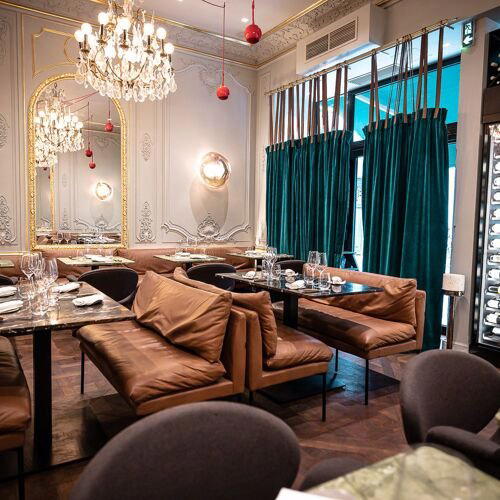
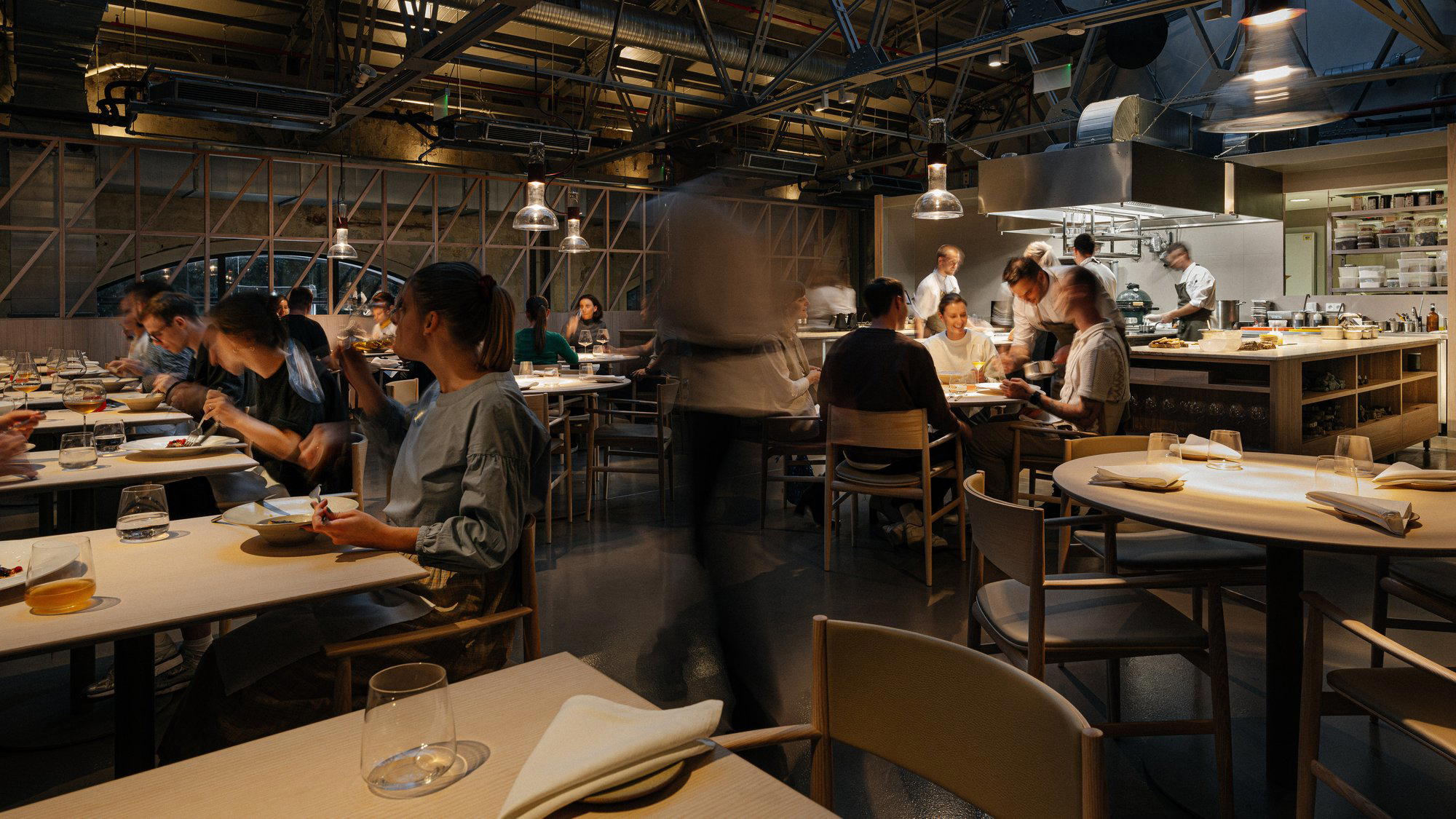
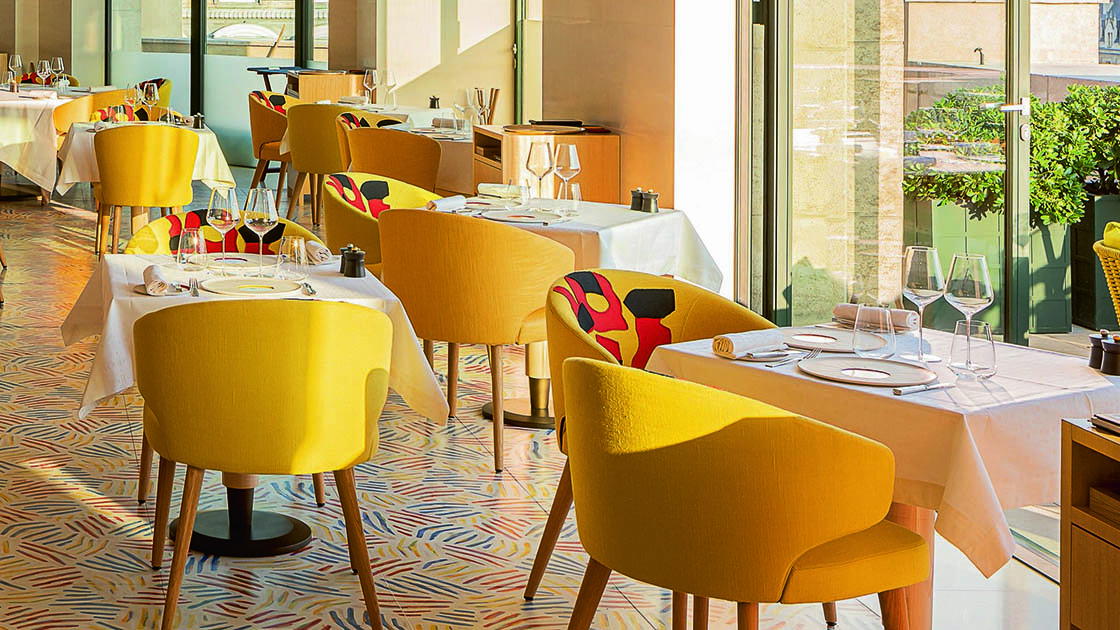
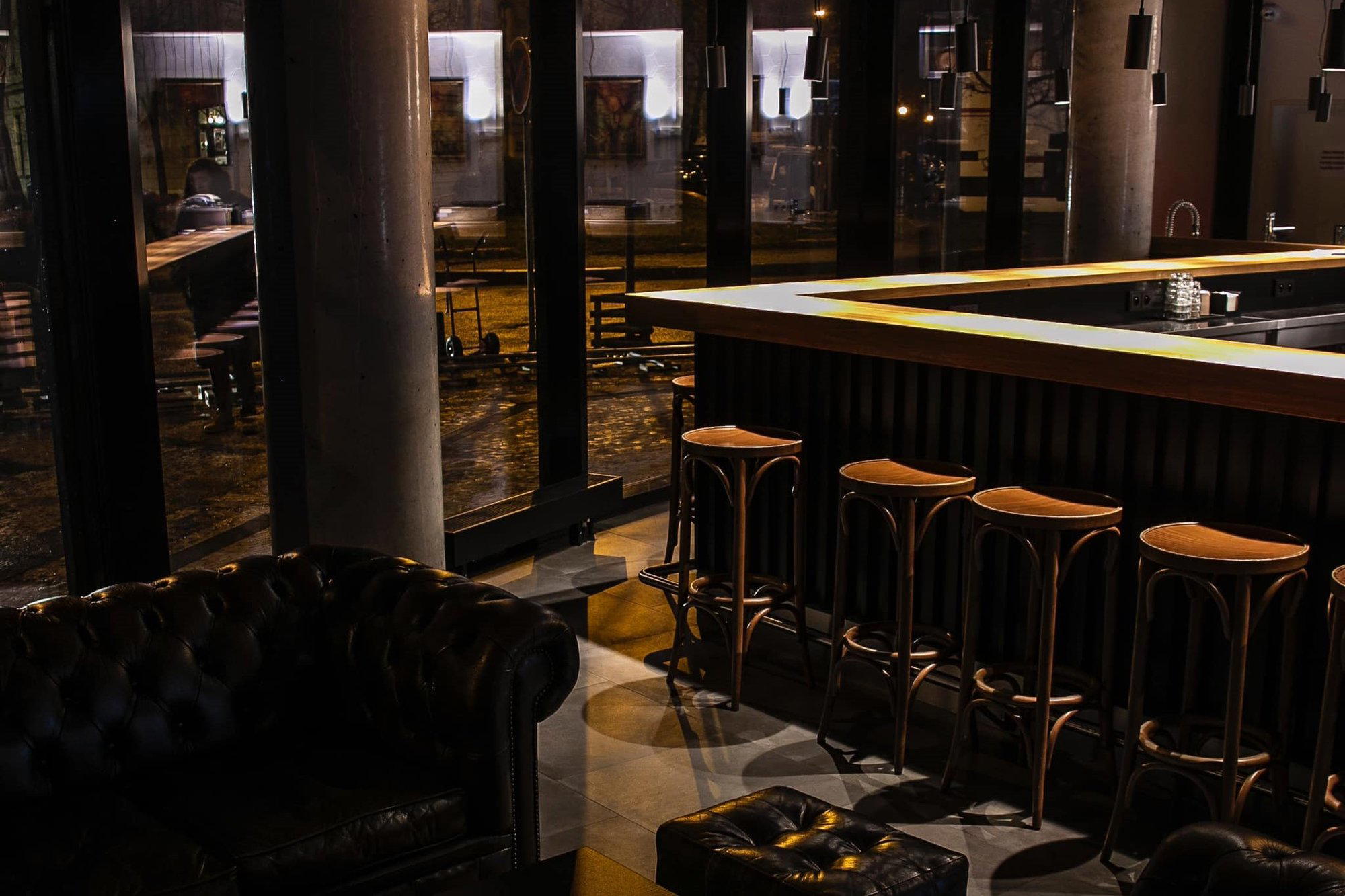
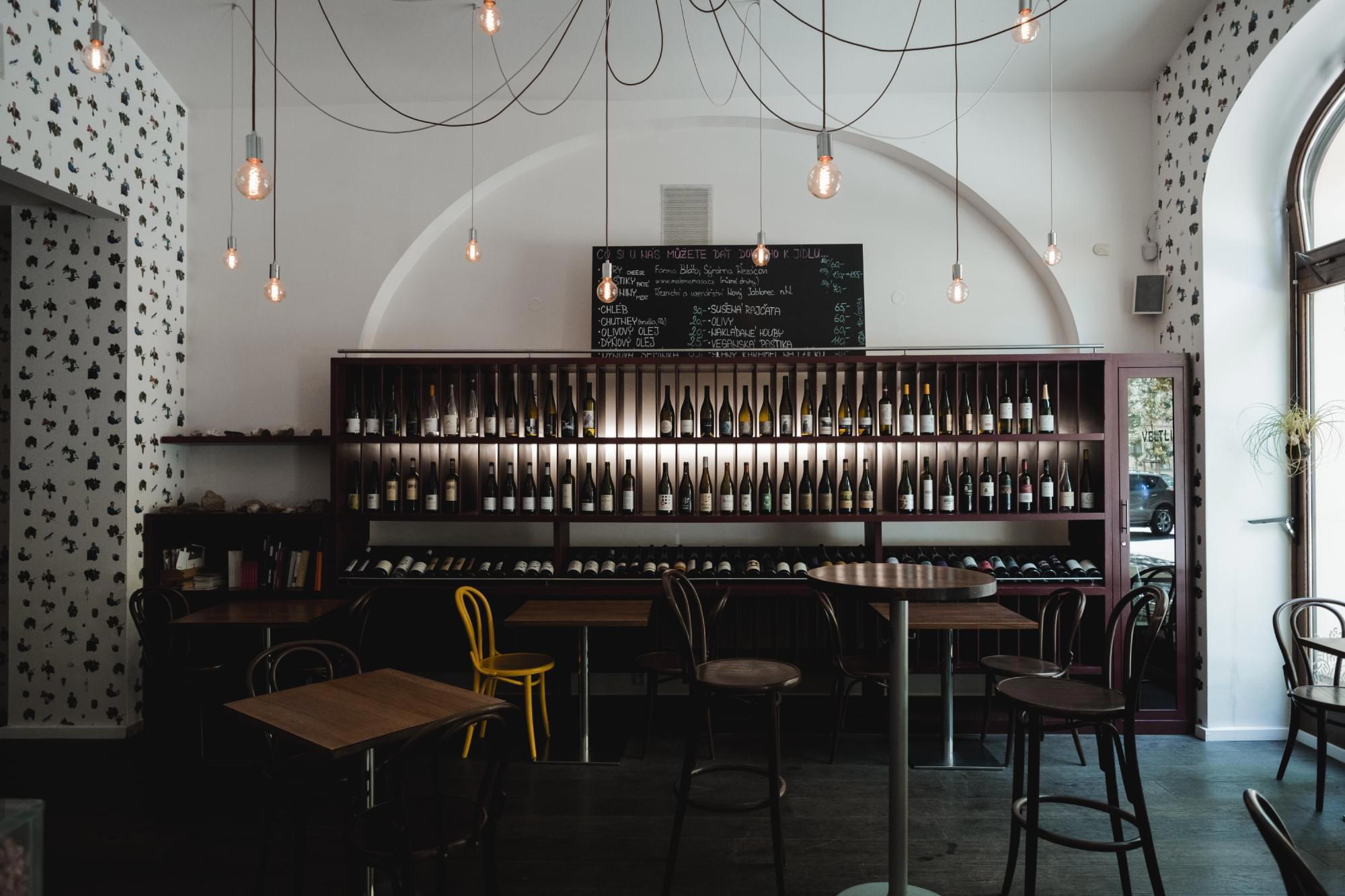
Sleek modern decor with large windows, beautiful lighting, and a cozy non-pretentious atmosphere highlighted by a living herb bed integrated into the counter.